REVIEW · BOLOGNA
Bologna: Food and Wine Tasting with Interactive Game
Book on GetYourGuide →Operated by Bottega botlé · Bookable on GetYourGuide
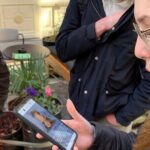
Wine and snacks become a game in Bologna. You start with a quick reset on the region’s food-and-wine identity, then taste three standout wines and match them with local bites. The big twist is the Sommelier Game on tablet while you sip and snack.
I like that the pairing teaching stays practical. You get guided tasting for the wines and the foods, plus a format that’s easy to follow even if your wine vocabulary is basic.
One heads-up: it happens in a wine bar setting, so you may trade some privacy for atmosphere, especially at busier times.
In This Review
- Key takeaways before you go
- Bologna Wine Tasting With the Sommelier Game: What Makes It Different
- The Wine Lineup: Pignoletto and Two Sangiovese Styles
- Pignoletto Fermo (La Vallona) — a sparkling-bright entry
- Sangiovese In Purezza (La Casetta) — grape focus, clean expression
- Sangiovese Appassimento (Santodeno) — dried-grape depth
- The Food Valley Pairings: Bologna Staples in Bite-Sized Lessons
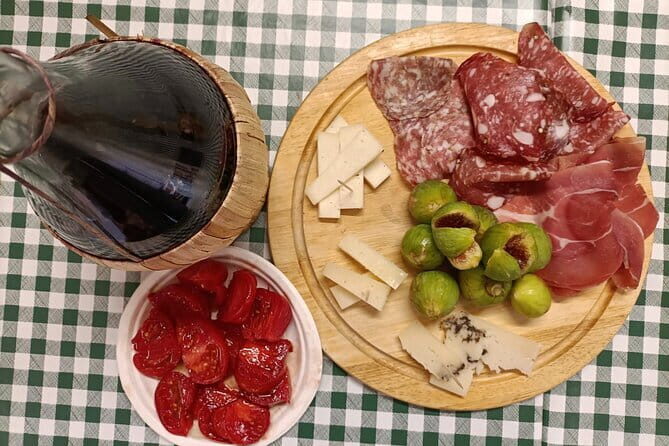
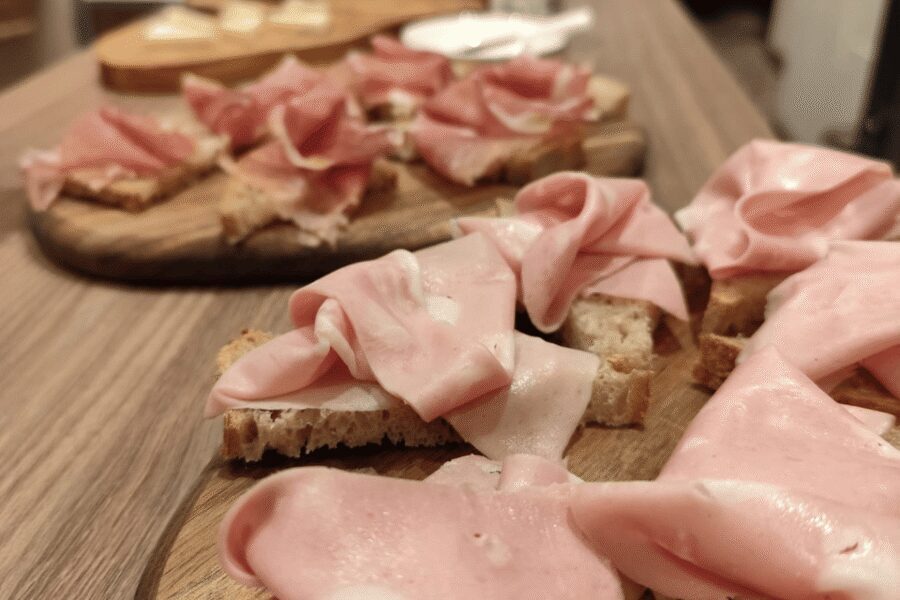
- Prosciutto Crudo and Mortadella Bologna
- Parmigiano Reggiano (12–24 months)
- Aceto Balsamico IGP di Modena
- Monocultivar oil tasting: Coratina, Peranzana, Ogliarola
- How the Sommelier Game Trains Your Senses (Without Making It Awkward)
- Hosts, Rewine Tech, and the Feeling of a Real Workshop
- Timing, Duration, and How to Plan Your Afternoon
- What You Get for $34: A Value Check That Makes Sense
- Souvenir Stop: The I.Art Fridge Magnet
- Should You Book This Bologna Food and Wine Tasting?
- FAQ
- What wines are included?
- How long does the experience take?
- What food tastings are included?
- Is the tablet game included?
- What group size should I expect?
- Can I change my plans?
Key takeaways before you go
- Three Emilia-Romagna wines, by name and style: Pignoletto, Sangiovese In Purezza, and Sangiovese Appassimento
- A tasting + quiz format that trains your senses (sight, smell, and taste)
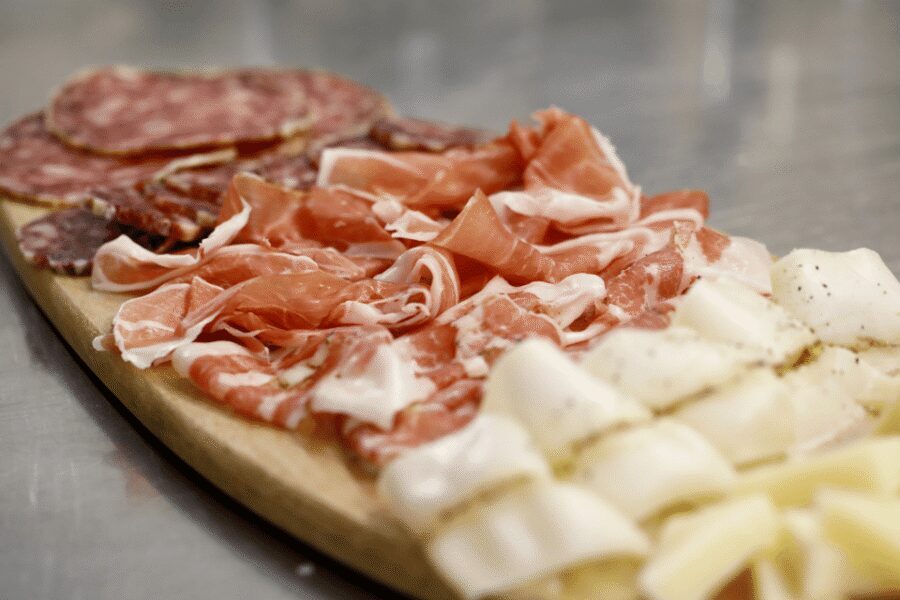
- Classic Bologna/Emilia bites: prosciutto crudo, mortadella, Parmigiano Reggiano, and balsamic
- Oil tasting too with monocultivar pours (Coratina, Peranzana, Ogliarola)
- Small group size (limited to 10) so you can actually ask questions
Bologna Wine Tasting With the Sommelier Game: What Makes It Different
This isn’t one of those “sip and nod” tastings where you leave with a vague glow and no real handle on what you drank. It’s structured, guided, and then turned into a competition you play right at the table. You taste wine, you learn why it tastes the way it does, and you test yourself while you’re still tasting fresh flavors.
The star mechanic is the tablet-based Sommelier Game. Instead of only memorizing facts, you answer questions that push you to notice what’s in the glass and what the food is doing to it. Several people in the feedback specifically said the game helped them identify wine traits better and pay closer attention to how flavors change from one bite to the next.
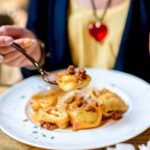
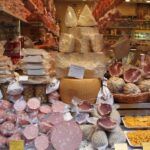
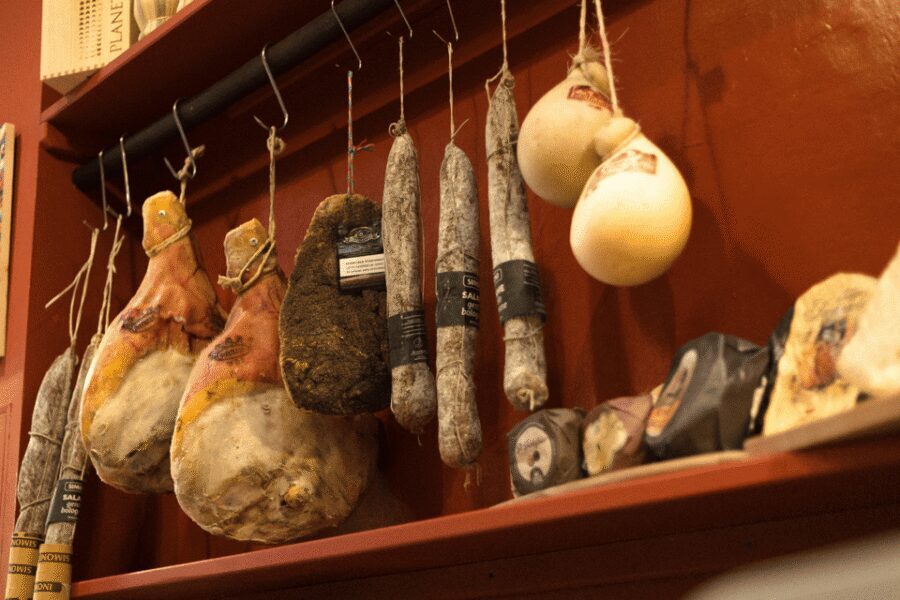
You also get real Emilia-Romagna staples, not just a token cracker moment. The food lineup hits the icons of the Bologna food valley: cured meats, Parmigiano Reggiano, balsamic IGP, plus local cheese and condiments. That matters, because the pairing lesson sticks when you’re tasting the classics that locals actually build meals around.
Possible drawback? You’re in a wine bar environment. Some sessions feel lively, and sound levels can be higher at evening times. If you’re the type who wants quiet conversation, plan your timing with that in mind.
You can also read our reviews of more food & drink experiences in Bologna
The Wine Lineup: Pignoletto and Two Sangiovese Styles
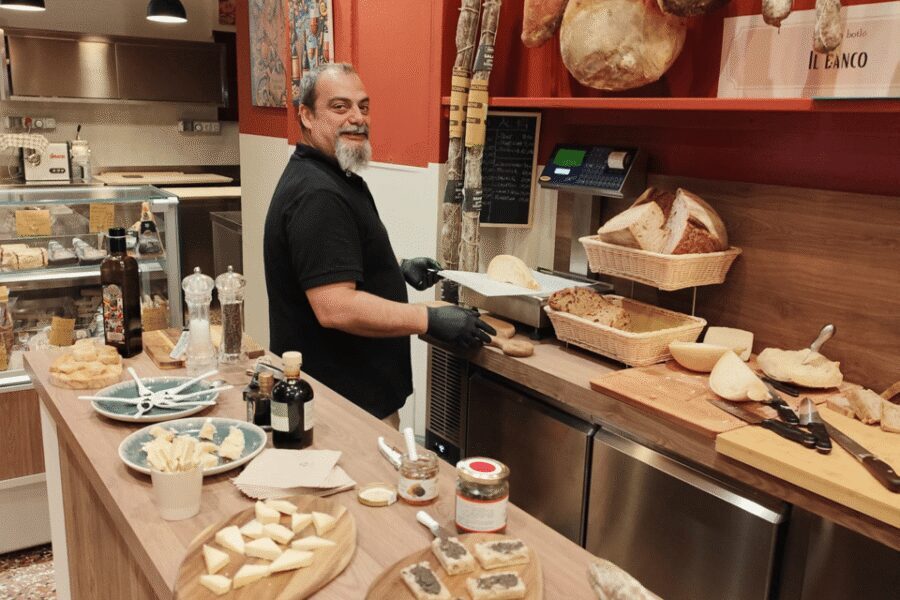
The tasting centers on three named wines from Emilia-Romagna. You’ll get guided pours, and the sommelier-led explanations are aimed at helping you connect flavor to grape and process.
Pignoletto Fermo (La Vallona) — a sparkling-bright entry
Your first glass is Pignoletto Fermo from La Vallona. It’s served as a short pour (70 ml), sized for tasting rather than drinking. Pignoletto is a great starting wine because it’s distinctive without being intimidating. It sets a baseline for what “fresh” and “crisp” can taste like in this region.
Why this matters for you: it gives you a quick reference point early on, so when the tasting shifts toward the more structured side of Sangiovese, your palate can actually track the change.
Sangiovese In Purezza (La Casetta) — grape focus, clean expression
Next comes Sangiovese In Purezza from La Casetta (130 ml). “In Purezza” is all about focusing on the grape character. In practice, that usually means you’re learning how Sangiovese shows up when it isn’t relying on a blending crutch.
If you’re trying to understand why Sangiovese can taste both sharp and juicy depending on the version, this is one of the best ways to start: you learn the baseline first.
Sangiovese Appassimento (Santodeno) — dried-grape depth
The third pour is Sangiovese Appassito/Appassimento from Santodeno (70 ml). This style is made by drying grapes before fermentation, which tends to create deeper, richer notes and a rounder impression than a purely fresh-grape approach.
If you love red wine but get bored by “same taste, different label,” the contrast here helps. You’re tasting two different Sangiovese paths right next to each other, so the lesson isn’t theoretical.
Small but useful detail: the tour also pairs each wine with specific bites and talks through how that pairing alters what you notice in the glass.
You can also read our reviews of more tours and experiences in Bologna

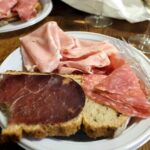

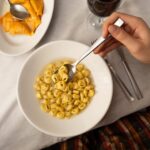
The Food Valley Pairings: Bologna Staples in Bite-Sized Lessons
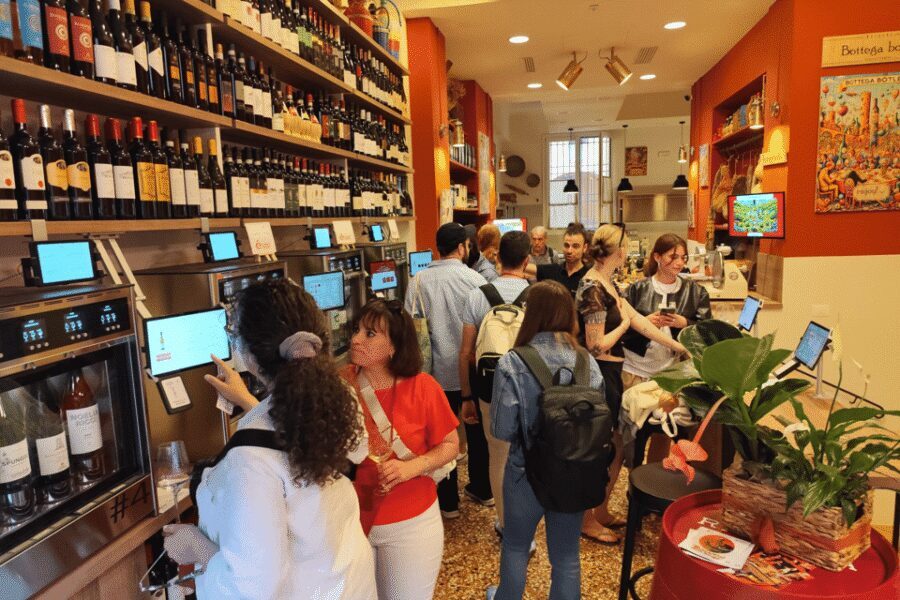
Wine lessons land best when the food isn’t an afterthought. Here, the tasting is built around a real Bologna/Emilia lineup.
Prosciutto Crudo and Mortadella Bologna
You taste Prosciutto Crudo and Mortadella Bologna as part of the pairing flow. These two are perfect foils for wine. The prosciutto brings salt and savory meatiness. Mortadella adds a softer, richer texture and fat content.
Why you’ll care: those fats and salty edges change how tannins and acidity feel. This is exactly the kind of “wait, now it tastes different” moment that makes the Sommelier Game easier to understand later.
Parmigiano Reggiano (12–24 months)
You’ll also get Parmigiano Reggiano aged 12/24 months. Aging level affects flavor intensity and texture, so this isn’t just a generic cheese stop. It’s another way the guide can show you how changes in the food impact what you notice in wine.
Practical tip: take a few seconds between bites. Let the cheese do its work, then taste again. The pairing lesson becomes clearer.
Aceto Balsamico IGP di Modena
Balsamic is included as Aceto Balsamico IGP di Modena. One guest called out an especially impressive extra-aged version (10+ years) during their session, which suggests you might get a richer balsamic experience depending on availability.
Balsamic changes everything. Even small amounts can make wine seem fruitier or smoother, while highlighting acidity. It’s a strong pairing tool, and it’s a very Emilia-Romagna way to wrap your head around how “sweet-sour” interacts with wine.
Monocultivar oil tasting: Coratina, Peranzana, Ogliarola
You’ll also taste Monocultivar Oil with named cultivars: Coratina, Peranzana, and Ogliarola. That’s a detail I like because it nudges you beyond “olive oil tastes like olive oil.”
Different cultivars can taste more peppery, more grassy, or more mellow. Pairing oil with local food helps you understand how fat and texture shape flavor perception.
How the Sommelier Game Trains Your Senses (Without Making It Awkward)
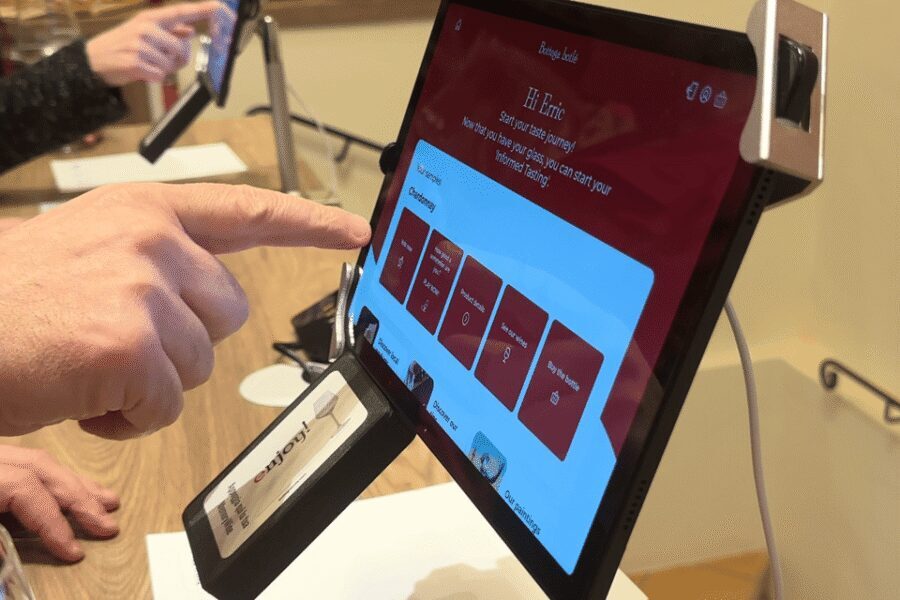
The tablet game is the middle of the magic trick. It’s interactive, it tests wine recognition in a casual way, and it gives you a reason to slow down instead of rushing through tastings.
The question style is described as a short series of easy-to-follow prompts. That’s good if you’re not a wine nerd. You still get challenged, but you’re not drowning in jargon.
A few practical ways to get more out of the game:
- Smell first, then taste. Don’t rush the sip.
- Compare while the food is still present in your mouth. That’s where you notice the pairing effects.
- Use the competition energy to ask the guide one question you actually care about.
Also, the group size matters here. With a maximum of 10 participants, the guide can reset things if people get stuck, and you aren’t fighting for attention.
Hosts, Rewine Tech, and the Feeling of a Real Workshop
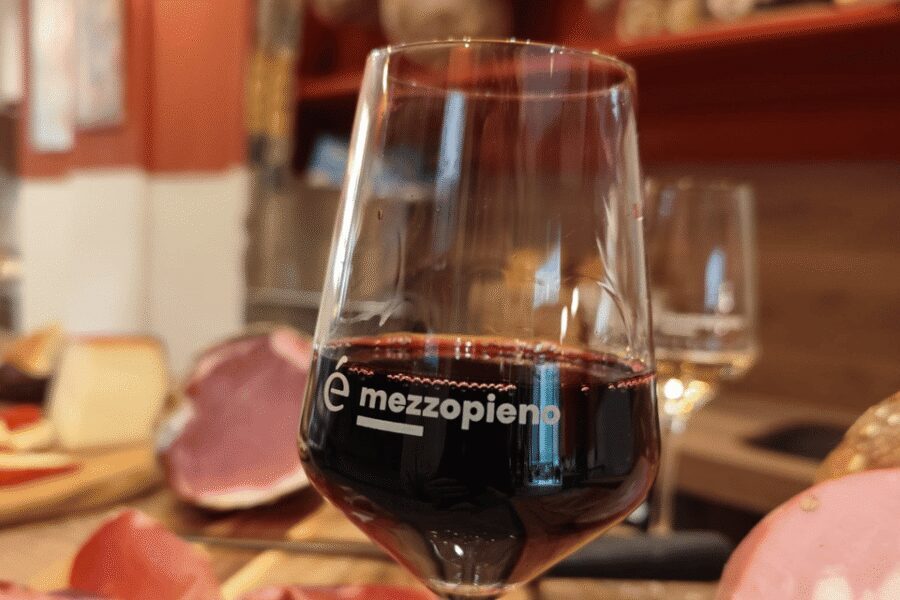
This experience is led by a sommelier and a taste artisan guide, with a team that’s described as friendly, funny, and genuinely invested in helping you connect the dots. Names that come up include Massimo and Ixchel, and other sessions include hosts like Danilo and Claudio.
You’ll hear explanations on both the wine and the pairing logic. That’s the core value: it’s not just “this is good.” It’s “this is good because of what you’re tasting and what the bite is doing.”
Then there’s the Rewine technology. The tour description frames it as a way to taste, learn, and have fun with personalized recommendations. In plain terms, you’re not stuck with one-size-fits-all guidance. You get a feedback loop during the experience that helps you connect your impressions to what you’re being taught.
The overall atmosphere is open. People mention an easy, friendly vibe where it’s normal to ask questions, even if you’re traveling solo. If you want wine with social energy but not a rigid, formal tasting room feel, this is a solid pick.
Timing, Duration, and How to Plan Your Afternoon
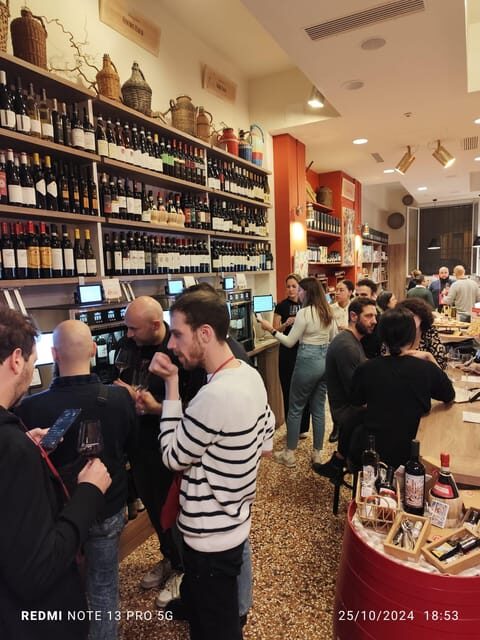
The tour is listed as a 1-day activity, but in practice it runs on a tight tasting schedule. Multiple sessions are described as lasting around 90 minutes or closer to an hour, depending on the pace and time slot.
That’s ideal if:
- You want a structured Bologna activity that doesn’t swallow your whole day.
- You’re pairing it with other stops in town afterward.
- You’re traveling with friends or solo and want something guided but not exhausting.
One planning note that shows up clearly: don’t show up overly full. People explicitly advised not eating lunch beforehand because you may be too full to enjoy the food pairings. Bologna portions are sneaky that way.
Also, because it’s in a wine bar, the busier evening atmosphere can feel more energetic and a bit less private. If privacy matters to you, look for a quieter time slot when available.
What You Get for $34: A Value Check That Makes Sense
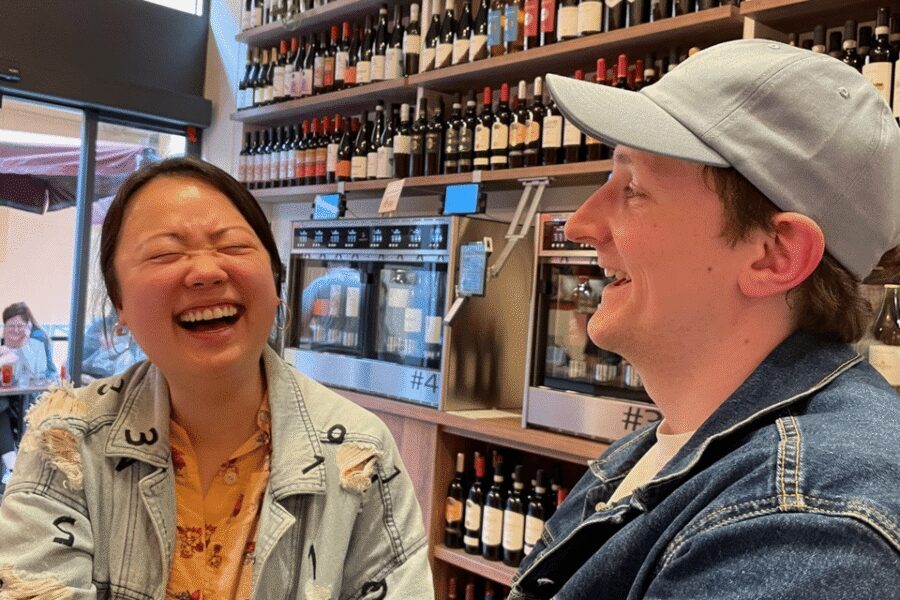
At $34 per person, you’re paying for three wine pours plus a full set of food tastings, guided pairing instruction, and the tablet game experience. That’s not just “wine tasting for people who like wine.” It’s a workshop-style meal tasting.
Here’s why the math tends to work for most people:
- You get multiple wine styles, not one generic red and a white.
- You get a full Bologna set of savory bites, not just a dessert stop or a cheese plate.
- You get hands-on learning via the Sommelier Game, which turns the activity into something you can actually apply later.
A few people specifically praised the value as “undervalued” for what you taste and learn. I agree with the logic: the combination of guided instruction + multiple pairing items + interactive game typically costs more when separated into individual experiences.
If you already know a lot about wine and only want to buy bottles, you might feel the samples are small. But if your goal is to understand what you like and why, this format is built for that.
Souvenir Stop: The I.Art Fridge Magnet
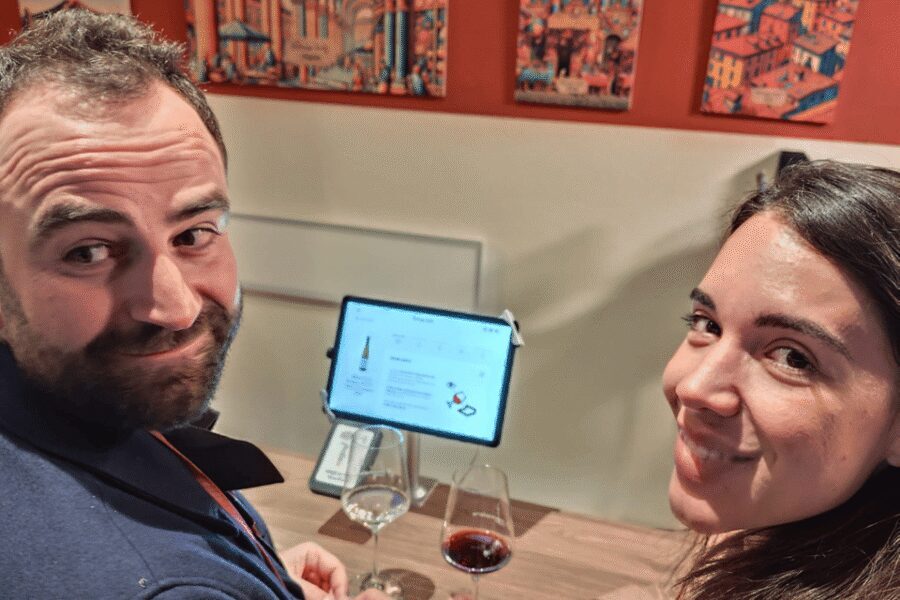
At the end, you can choose a fridge magnet linked to works from the I.Art exhibition. It’s small, but it adds a nice local touch. It also gives you a simple way to “remember” the experience without hauling home a bottle you may not have room for.
If you like collecting food-and-art souvenirs that feel tied to Bologna, this is a pleasant wrap-up.
Should You Book This Bologna Food and Wine Tasting?
Book it if you want a fun, guided way to understand Emilia-Romagna wines through real Bologna classics. It’s especially good for:
- First-timers who want to learn without intimidation
- Solo travelers who want a friendly small-group vibe
- Couples or friends who like interactive challenges
- People who care about food pairing, not just wine sipping
Skip it if:
- You strongly prefer quiet, ultra-private settings over lively wine bar energy
- You only want large pours and a long sit-down meal
- You’re hoping for a more formal wine lecture with deep technical history (this is more practical, sensory, and game-based)
If you go in hungry enough to enjoy the food, you’ll leave with more than a nice story. You’ll leave with a clearer sense of what Pignoletto and Sangiovese can taste like in different forms, plus a better instinct for pairing.
FAQ
What wines are included?
You’ll taste Pignoletto Fermo (La Vallona), Sangiovese In Purezza (La Casetta), and Sangiovese Appassito/Appassimento (Santodeno).
How long does the experience take?
It’s described as lasting about 90 minutes, depending on the session timing.
What food tastings are included?
Included tastings cover Prosciutto Crudo, Mortadella Bologna, Parmigiano Reggiano (12/24 months), Aceto Balsamico IGP di Modena, local cheese and food, and Monocultivar Oil (Coratina, Peranzana, Ogliarola).
Is the tablet game included?
Yes. The Interactive Sommelier Game on tablet is included.
What group size should I expect?
It’s a small group limited to 10 participants.
Can I change my plans?
You can cancel up to 24 hours in advance for a full refund, and you can reserve now and pay later.