REVIEW · PITTI PALACE
Florence: Palatina Gallery & Pitti Palace Guided Tour
Book on GetYourGuide →Operated by My Tour in Italy · Bookable on GetYourGuide
Paintings crowd your attention in the best way. This guided Florence stop takes you through Palazzo Pitti, then into the Galleria Palatina and the Royal Apartments, where Medici power turns into real, walk-through drama. It’s a short tour, but it’s packed with art, family stories, and the kind of rooms that make you slow down even when you think you won’t.
I especially like the Medici anecdotes you get along the way. They make the palace feel less like a museum label and more like a living timeline of who had influence, money, and taste. I also love how the tour guides you to look at big-name works and lesser-known details, which is crucial when you’re seeing so much in only 1.5 hours.
One consideration: the pace can feel uniform, and the rooms can be visually dense—like the palace wants you to sprint from painting to painting. Also, the tour is in English, so if you expected Italian, that can be a real buzzkill.
In This Review
- Key highlights to clock before you go
- Palazzo Pitti in Florence: the building that makes the Medici feel real
- Meeting your guide fast: getting bearings in 90 minutes
- Galleria Palatina: the 500-painting challenge (and how to enjoy it)
- Royal Apartments: when the palace shifts from display to daily life
- The artists you’ll actually recognize: Botticelli, Titian, Rubens, Caravaggio
- Pacing and room density: the practical side of enjoying so much art
- Price and value: is $81 worth 90 minutes in one of Florence’s biggest palaces?
- Best-fit traveler: who should book this Palazzo Pitti tour
- Should you book? My straight answer for Palazzo Pitti and Medici rooms
- FAQ
- Where is the meeting point for the tour?
- How long is the guided tour?
- Is the tour in English?
- What’s included in the ticket price?
- Is food or drinks included?
- What should I wear or bring?
- What time should I arrive?
- Are earphones provided?
- What’s the cancellation policy?
- Are there any COVID-related document requirements?
Key highlights to clock before you go
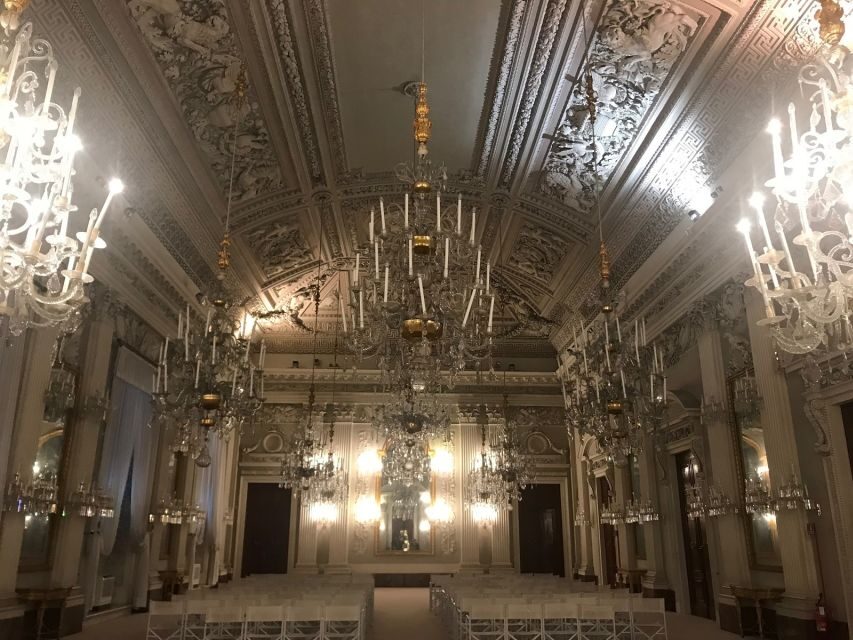
- Palazzo Pitti, built in the 15th century, becomes a Medici residence you can actually walk through
- Galleria Palatina houses around 500 Renaissance paintings across 28 rooms
- You’ll see major artists tied to Medici collecting, from Botticelli and Titian to Caravaggio and Rubens
- The Royal Apartments show how the family lived in power—not just how they displayed wealth
- Earphones are provided for groups over 15, which helps when rooms get loud or packed
Palazzo Pitti in Florence: the building that makes the Medici feel real

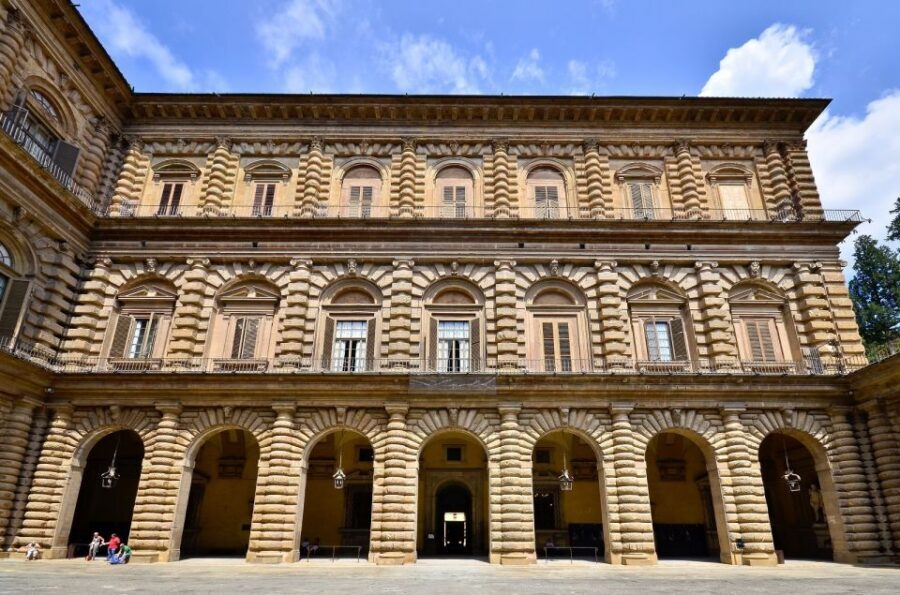
Palazzo Pitti is one of those Florence landmarks that sounds famous in a sentence, but lands differently in person. First, you’re standing in Piazza de’ Pitti, then you step into a palace that was built in the 15th century and later bought by the Medici family. In other words, you don’t just see “a palace.” You see a power shift made into architecture.
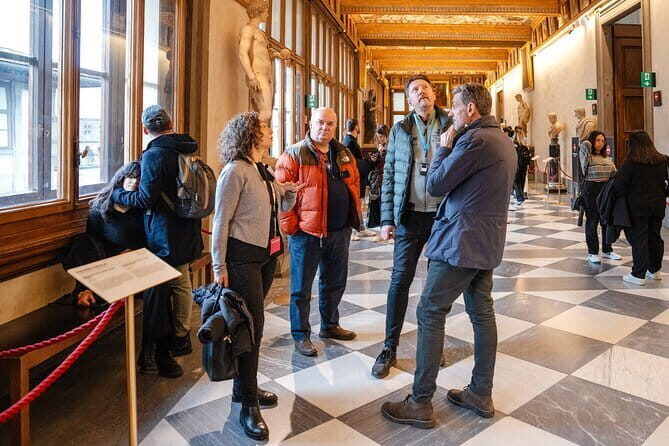
The guided format matters here. You’re not wandering room-to-room guessing what you’re supposed to notice. Instead, the guide frames what you’re looking at: why the Medici cared about art, how collecting worked, and how the palace’s layout connected galleries and private spaces. That turns the visit from a photo stop into something closer to a guided story you can keep following.
It also helps that the tour focuses on two high-value zones: the Galleria Palatina and the Royal Apartments. This is the kind of split that makes sense for most first-timers. You get the “wall-to-wall art” experience in the gallery, then you get the contrast of more personal, residential rooms where the palace feels less like a warehouse of paintings and more like a home for people who ruled.
You can also read our reviews of more guided tours in Pitti Palace

Meeting your guide fast: getting bearings in 90 minutes

This tour starts at the main entrance of the Pitti Palace at 1 Piazza de’ Pitti, 50125 Firenze. You’ll want to arrive early, because check-in closes 15 minutes before departure. Florence can slow you down—street detours happen, and you’ll want time to find the meeting spot without stress.
Once you’re inside, the guide’s early job is to help you see the palace correctly. That means setting the tone: this building was shaped by the Medici as they turned it into their residence, and the art you’ll encounter is part of that identity. If your guide is good at pacing the story, you’ll understand why certain works matter and why certain rooms feel different from each other.
Some guides are especially strong at being responsive and organized. One guide associated with this tour, Paola Gatti, has been praised for being prepared and available to meet guests’ needs. That’s the kind of guide who makes questions feel normal, not disruptive.
A small practical note: you’re indoors and moving between rooms, so wear closed-toe shoes and dress comfortably. Also, no sleeveless shirts is allowed, so plan your outfit accordingly.
Galleria Palatina: the 500-painting challenge (and how to enjoy it)
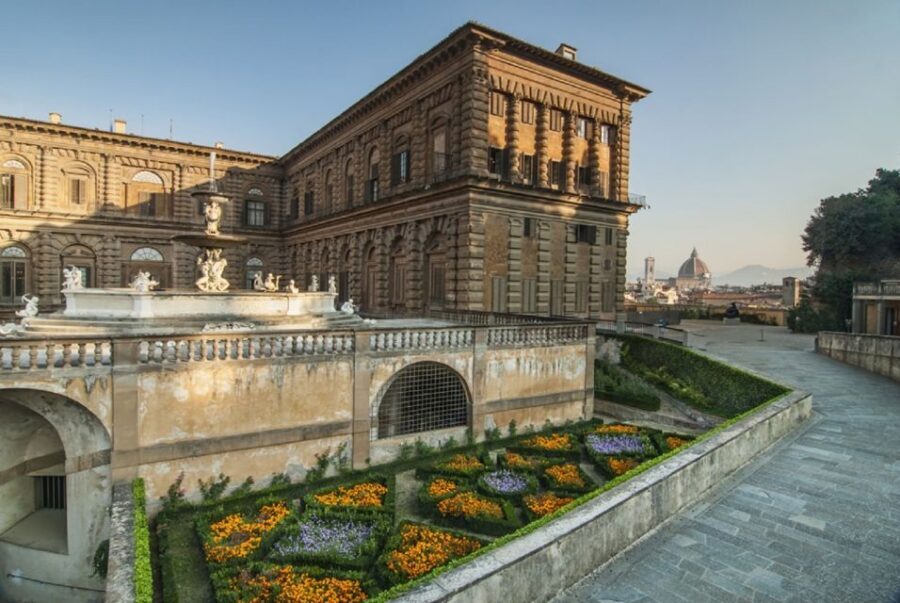
The Galleria Palatina is the main gallery inside Palazzo Pitti. It’s described as containing around 500 Renaissance paintings, and you’ll move through 28 rooms during the visit. That sounds like “paintings everywhere,” and… yes. It’s a lot. The key is how you experience that quantity.
Here’s what you can expect: the guide steers you through the most important works and helps you place them in the broader Medici collecting story. The palace gallery is the Medici family’s private collection, so the visit isn’t just about the art—it’s about who chose it and why. The guide’s anecdotes often land best when you remember that these weren’t “public” displays at first. This collection was curated for status and taste within a household.
One thing you’ll learn is that galleries like this don’t behave like modern museums. There’s often an atmosphere of dense display: paintings stacked, rooms connected in a steady flow, and your brain switching between styles quickly. If you’ve ever felt overwhelmed in a big museum hall, you’re not doing anything wrong. The building is designed to overwhelm a bit.
So I’d give you this strategy: slow down for the works your guide highlights, and then pick one extra detail per room—something small you wouldn’t notice if you were only searching for the biggest names. The result is that your brain stops treating the visit like a checklist.
A fair heads-up from real-world experience: a few guests have found the pace a bit uniform, which can make it harder to stop and ask questions or linger. If you’re the type who wants time to read labels and look longer, do it right when the guide pauses between rooms. That’s where you’ll get the most value from the guide, without feeling rushed.
Royal Apartments: when the palace shifts from display to daily life
After the gallery, the tour moves into the Royal Apartments, which are tied to the Medici’s sumptuous residential life. This is where you get a different emotional temperature. In the gallery, the focus is “art as prestige.” In the apartments, you’re still seeing prestige—but it’s translated into living spaces.
The apartments are described as part of the Medici’s last sumptuous residence, so what you’re looking at isn’t a neutral backdrop. You’re seeing rooms shaped by the way important people wanted to be seen—by visitors, by rivals, by history.
Even if you’re not a die-hard art history person, these rooms can be oddly relatable. You start to notice how you’d move through space: where you’d pause, where you’d host, how sight lines might work, and how the atmosphere changes from one room to the next. That’s why the Royal Apartments are a smart pairing with the Galleria Palatina. One gives you scale and collecting. The other gives you context and mood.
And yes, you’ll keep seeing major works by famous Italian and European painters from the 15th to the 17th centuries. But the emotional effect shifts: instead of only thinking about brushwork, you start thinking about taste, power, and what it means to display art inside a residence.
The artists you’ll actually recognize: Botticelli, Titian, Rubens, Caravaggio
One of the reasons this tour sells is the name recognition. You’ll see works associated with Botticelli, Titian, Rubens, Caravaggio, and other Italian and European painters across the 15th to 17th centuries.
What I like about tours that mix those names with guidance is that they help you avoid the common problem: standing in front of something famous and feeling like you’re supposed to already know what you’re looking at. A good guide explains what you might notice—style, subject choices, and how the work fits into the Medici story of collecting. That turns recognition into understanding.
Caravaggio is the kind of artist people often associate with dramatic lighting and intensity. When you’re in a palace that already plays with light and shadow, that effect becomes more tangible. Titian is another: he’s famous for color and portrait presence, and seeing him in a room tied to power helps you understand why collectors went after this kind of work.
Also, paintings here aren’t isolated. You’re seeing them inside a living sequence of rooms. That helps you compare styles without needing to teleport to another museum building. It’s art history in walkable form.
Pacing and room density: the practical side of enjoying so much art
A palace like Pitti doesn’t spread art out for your comfort. It funnels you. Rooms can feel visually full, and the tour’s 1.5-hour duration means you’ll experience a steady rhythm of movement and explanations.
If you’re the kind of traveler who likes to ask questions, I’d treat this as a “best moments” visit rather than a slow study session. Ask your questions when the guide stops and when other guests aren’t blocking the view. That’s when your question gets answered properly, not when everyone is trying to squeeze around the same corner.
If you’re worried about the “capharnaüm” feeling some guests have described—too much at once, lighting and display blending into the background—here’s how you can counter it:
- Start by choosing one or two featured works per room that the guide points out.
- Spend an extra 20–30 seconds scanning around the frame for small details.
- If you feel rushed, focus on the guide’s highlighted choices rather than trying to read every label.
And one more real-world consideration: the tour runs in English. There aren’t Italian-language options indicated for this specific experience. If your comfort language is Italian and you planned to rely on Italian commentary, that mismatch can hit harder than you’d expect—especially if you’re visiting as a couple and only one person can follow easily.
Price and value: is $81 worth 90 minutes in one of Florence’s biggest palaces?
At $81 per person for about 1.5 hours, the price is not “cheap,” but it can still be good value—because what’s included is doing real work for you.
You get:
- Entrance into Galleria Palatina and Royal Apartments
- A guided tour with a professional guide
- Earphones for groups with more than 15 participants
So you’re not paying only for entry. You’re paying for interpretation, pacing, and selecting what to focus on inside a place where you could otherwise spend hours and still leave overwhelmed.
Here’s how I’d judge value in your shoes: if you’re someone who wants context—who likes to know why a collection matters and what to notice in a painting—this tour usually feels worth it. If you prefer to wander slowly with full control and quiet, then a guided format might feel too structured for your style.
Also, the included earphones matter in a crowded palace. Even if you’re a strong listener, you’ll be navigating room acoustics and group movement. That turns “guiding” into something more usable.
Food and drinks aren’t included, so plan a snack break elsewhere before or after, depending on how you pace your Florence day.
Best-fit traveler: who should book this Palazzo Pitti tour
This experience is a strong fit if you:
- Want a high-impact introduction to Palazzo Pitti and the Medici collections
- Like guided art viewing and can enjoy a brisk flow
- Want both the gallery and residential apartments in one organized visit
- Prefer English commentary during your Florence time
It may be less perfect if you:
- Need Italian-language guidance (the tour language here is English)
- Want a very slow museum-style experience where you can linger in each room
- Get easily overwhelmed by dense displays and prefer smaller galleries
A good compromise mindset: treat the 1.5 hours as your “get the big picture” visit. Then, if you still have energy afterward, you can go back independently later and choose a few rooms for deeper looking.
Should you book? My straight answer for Palazzo Pitti and Medici rooms
Yes—if you want a focused, guided route through the Galleria Palatina and the Royal Apartments without guessing where to spend your time. The value is strongest when you care about context: why the Medici collected these works and what it meant to show that collection inside a residence.
I’d also book if you’re excited by the chance to see famous names like Botticelli, Titian, Rubens, and Caravaggio in a setting where the rooms and art feel connected.
Skip or reconsider if your top priority is slow, label-by-label reading, or if you’re counting on Italian for the explanations. In English, you’ll still be surrounded by great art, but the experience may not land as smoothly.
FAQ
Where is the meeting point for the tour?
You meet in front of the main entrance of the Pitti Palace at 1 Piazza de’ Pitti, 50125 Firenze.
How long is the guided tour?
The tour duration is 1.5 hours.
Is the tour in English?
Yes, the live tour guide is English.
What’s included in the ticket price?
Entrance fees to the Galleria Palatina and Royal Apartments are included, along with a guided tour. Earphones are provided for groups with over 15 participants.
Is food or drinks included?
No, food and drinks are not included.
What should I wear or bring?
Bring comfortable clothes and closed-toe shoes. Sleeveless shirts are not allowed.
What time should I arrive?
Check-in closes 15 minutes before the tour departure time.
Are earphones provided?
Earphones are provided for groups with over 15 participants.
What’s the cancellation policy?
Free cancellation is available up to 24 hours in advance for a full refund.
Are there any COVID-related document requirements?
In the absence of the documents required for COVID-19 security measures, it won’t be possible to participate and no refund will be made.