REVIEW · BOLOGNA
Jewish Bologna and Modena or Ferrara
Book on GetYourGuide →Operated by Stephanie Foulkes Tourist Guide ER · Bookable on GetYourGuide
Jewish Emilia-Romagna tells stories in layers. This tour links Jewish ghetto streets in Bologna with either Ferrara or Modena, then explains how the community survived, adapted, and shaped Italian life over centuries.
I especially like the MEIS focus in Ferrara (Judaism and the Shoah in one place) and how the guide, Stephanie Foulkes, tries to fit your interests before you start. One thing to plan around: synagogue access can depend on the day, and the MEIS is closed on Mondays, so your timing matters.
In This Review
- Key takeaways before you go
- Jewish Bologna, Then Ferrara or Modena by Train
- Morning in Bologna: Ghetto Clues and Santo Stefano Landmarks
- The Train Ride That Changes the Story (Ferrara or Modena)
- Ferrara’s MEIS and the Ghetto Walk
- Modena Option: Jewish Main Square and Ghetto Area
- How Stephanie Foulkes Shapes What You Notice
- Price and Logistics: Is It Worth $70?
- Practical Tips That Make the Day Smoother
- Should You Book This Jewish Bologna and Ferrara or Modena Tour?
- FAQ
- How long is the tour?
- What does the $70 price include?
- Do I choose Ferrara or Modena?
- Is the tour available on Mondays?
- What train costs should I expect?
- Are any synagogue visits guaranteed?
- What should I bring?
Key takeaways before you go
- Bologna first, then a train story-change to Ferrara or Modena so you see how Jewish life looked in two different cities
- MEIS in Ferrara combines museum work on Judaism with the Shoah, with strong context for what you’re seeing in the ghetto
- Real neighborhood sites, including places tied to community buildings and well-known Bologna landmarks like Santo Stefano
- Synagogue viewing isn’t guaranteed, since some interiors depend on access rules by day
- A guide who adjusts, based on what you want to know, which makes the history feel personal instead of scripted
Jewish Bologna, Then Ferrara or Modena by Train
The best part of this experience is the way it makes history feel local. You start in Bologna, where Jewish presence goes back a very long way, then you ride a train to either Ferrara or Modena and watch the story shift city to city.
This isn’t only about dates and big events. You walk through streets tied to everyday community life—ghetto areas, museum spaces, and key landmarks nearby—while your guide connects the dots between acceptance and expulsion, integration and restrictions. That balance is what makes the tour work. You come away seeing Italian Jewish history as part of the fabric of the country, not as a side note.
The price is set at $70 per person, and the value depends on what option you pick and how much museum time you want. Ferrara tends to deliver more museum intensity (because of the MEIS), while Modena is a tighter, more compact city visit.
You can also read our reviews of more tours and experiences in Bologna.


Morning in Bologna: Ghetto Clues and Santo Stefano Landmarks
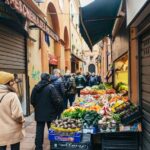
Bologna is the warm-up that matters. You begin with an overview that starts far back—Roman-era context—then moves forward to the reality of repeated expulsions and restrictions. The point is not to make you feel overwhelmed, but to give you a framework so the neighborhoods you walk through make sense.
From there, the tour centers on the Jewish quarter feel:
- You’ll see the two towers linked to the old Jewish guild.
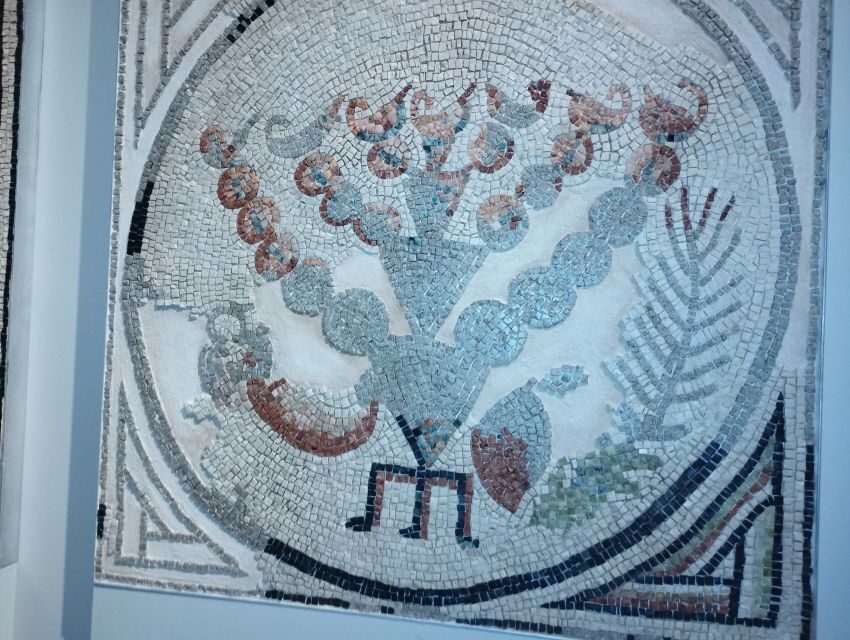
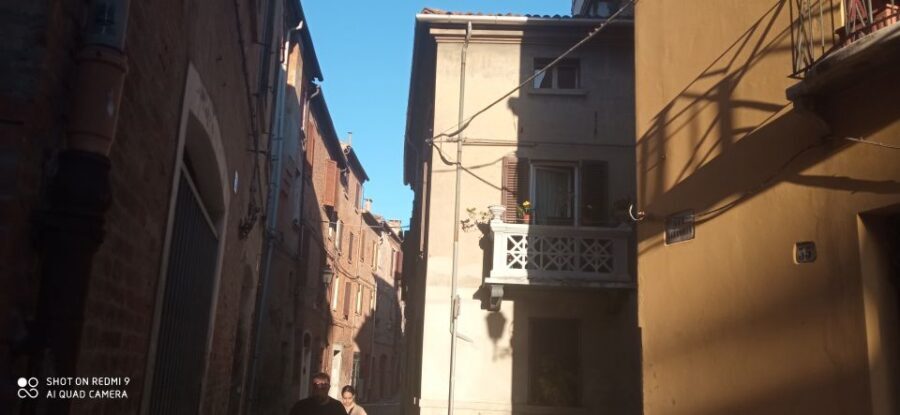
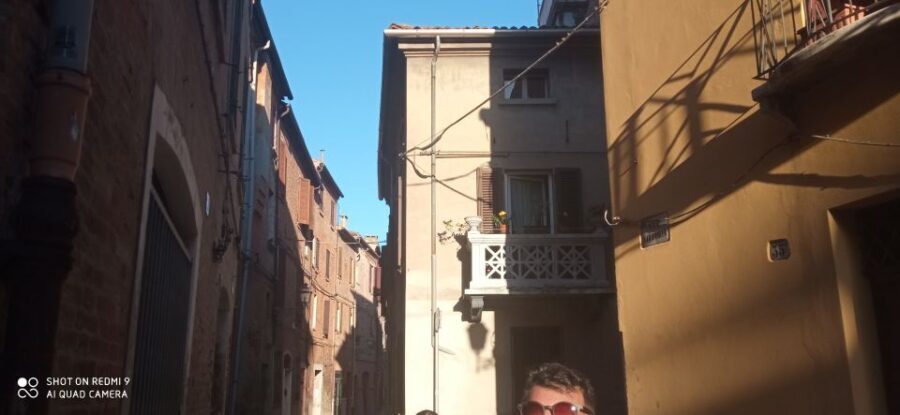
- You’ll visit the old Jewish Ghetto and Museum area, where the physical layout helps you understand how segregation could be built into daily life.
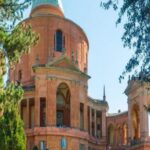
- You’ll also connect this to central Bologna sightseeing, including Santo Stefano, often referred to as the seven churches area, and the Santo Stefano square where the Jewish-Sforno family’s house is associated.
If you want a practical reason to pick a guided walk here: it’s easy to miss what’s important when you’re just passing by. A good guide points you to the specific details that turn a street into a clue.
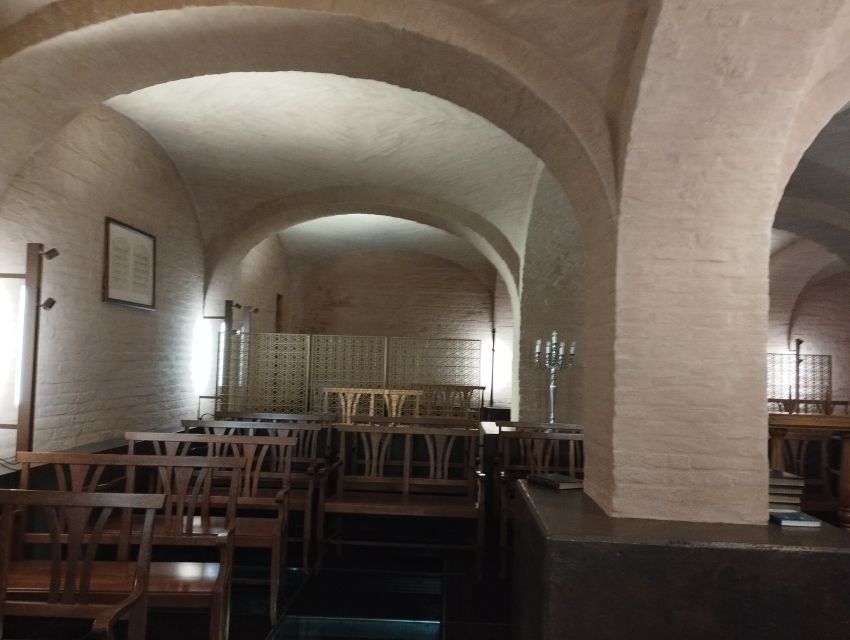
One small scheduling note that affects what you experience: synagogue access can vary. There’s also mention of a synagogue at 9, via dei Gombruti with a Star-of-David rose window, but the guide will check if it’s visitable. It’s not available on Friday or Saturday, and it’s also noted as not visitable on Sundays. So on some days, you may get more exterior context than interior time.
The Train Ride That Changes the Story (Ferrara or Modena)
After Bologna, you take the train toward Ferrara or Modena. This part sounds simple on paper, but it’s actually key to the learning. The Jewish experience in Emilia-Romagna was shaped by local politics and local leadership, and you’ll feel that difference once you arrive.
You get a walking focus once you land. In Ferrara, you’ll combine some bus/taxi help with short walks, then head into the Jewish area and museum context. In Modena, you’ll focus on the main square and ghetto area, with less time spread across multiple sites.
Why I like this setup for planning: it saves you from doing two separate trips. You still get the emotional weight of the Jewish quarter in more than one city, but you don’t have to turn your day into two separate logistics headaches.
Ferrara’s MEIS and the Ghetto Walk
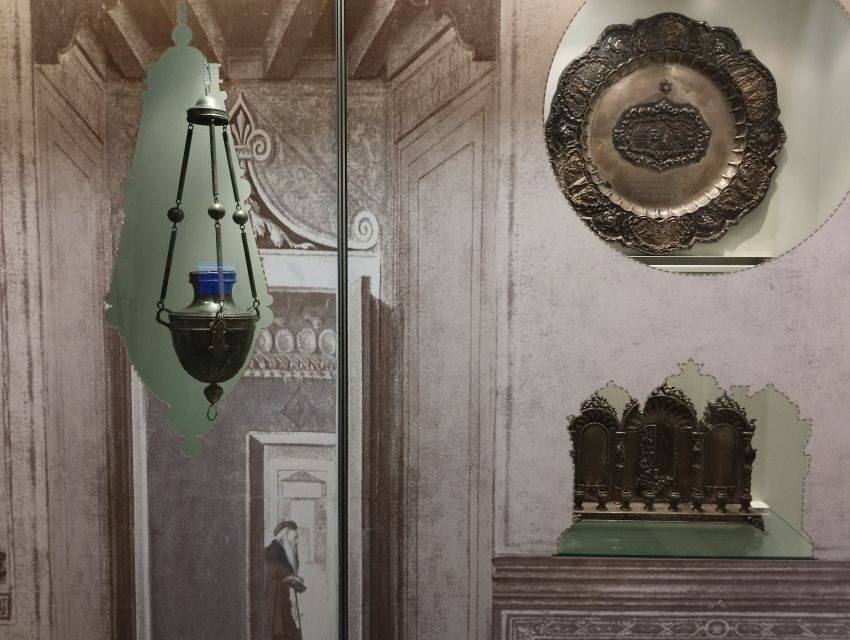
If you choose the Ferrara option, you’re choosing the most museum-forward day. Ferrara is especially famous for the MEIS, the Italian Museum of Judaism and the Shoah. That matters because it frames what you see outdoors in the context of both religious life and tragic history.
Ferrara is also described as the first Renaissance city—whether you’re a Renaissance fan or not, the point is that the streets and civic setting feel historically charged. You’re not walking through a theme park version of “old Italy.” You’re in a real place with real historic layers.
In Ferrara, you’ll get:
- A guided Jewish area visit
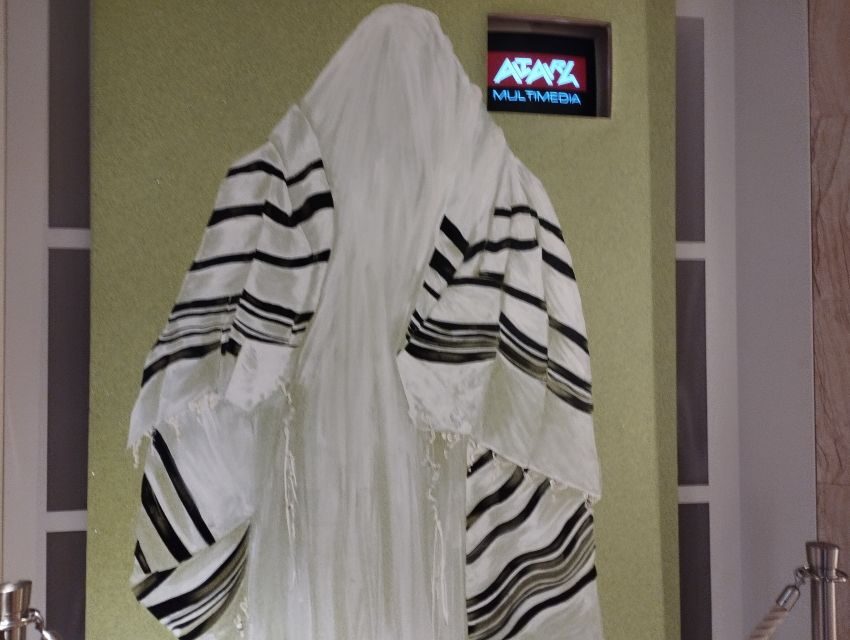
- Time at MEIS (with the museum’s Judaism and Shoah focus)
- Visits to the Jewish ghetto
Important timing reality: the MEIS is closed on Mondays, and the tour is not available on Mondays because of museum closure. If your travel dates include Monday, it’s worth adjusting your schedule or picking the Modena option if it fits your day.
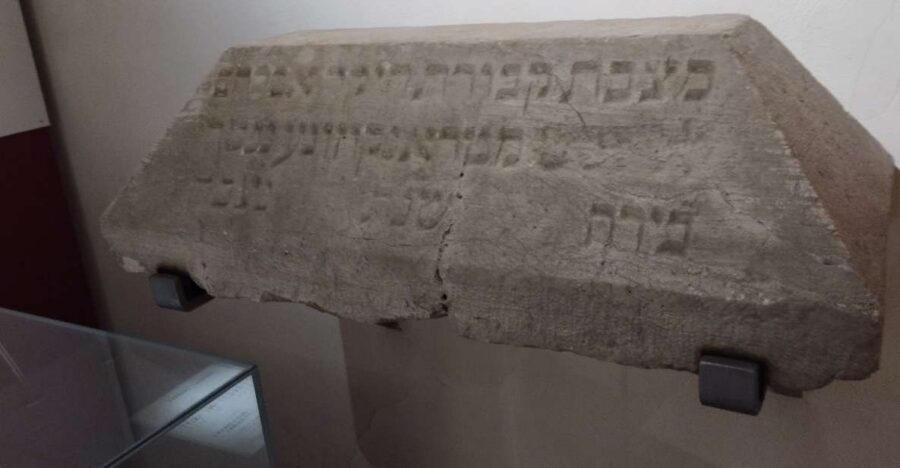
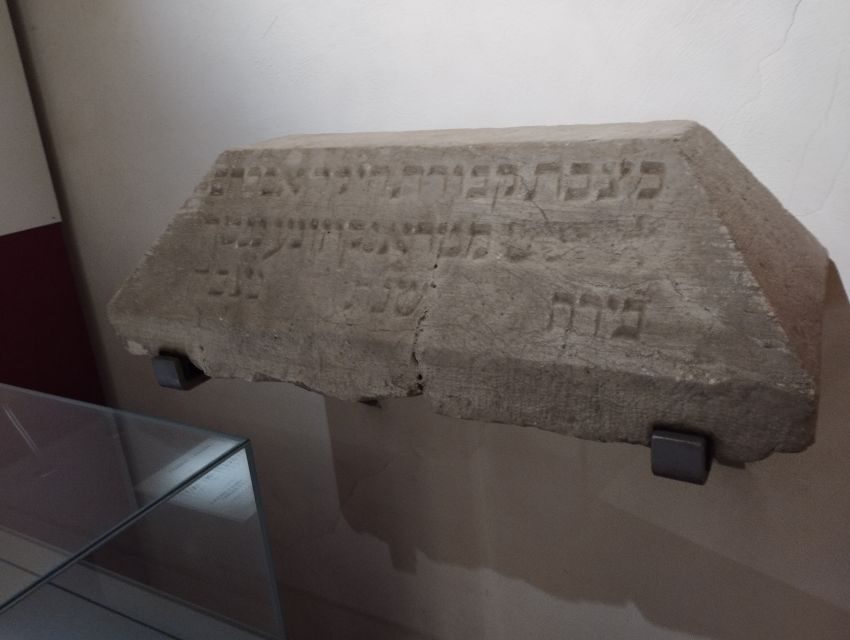
There are also specific Bologna sights included that connect well to the Ferrara learning. For example, the tour mentions the Bocchi building, noted for having the only Jewish inscription in Europe. Even if you don’t personally stop and read every stone, it’s the kind of detail that anchors what you learn in something tangible.
Modena Option: Jewish Main Square and Ghetto Area
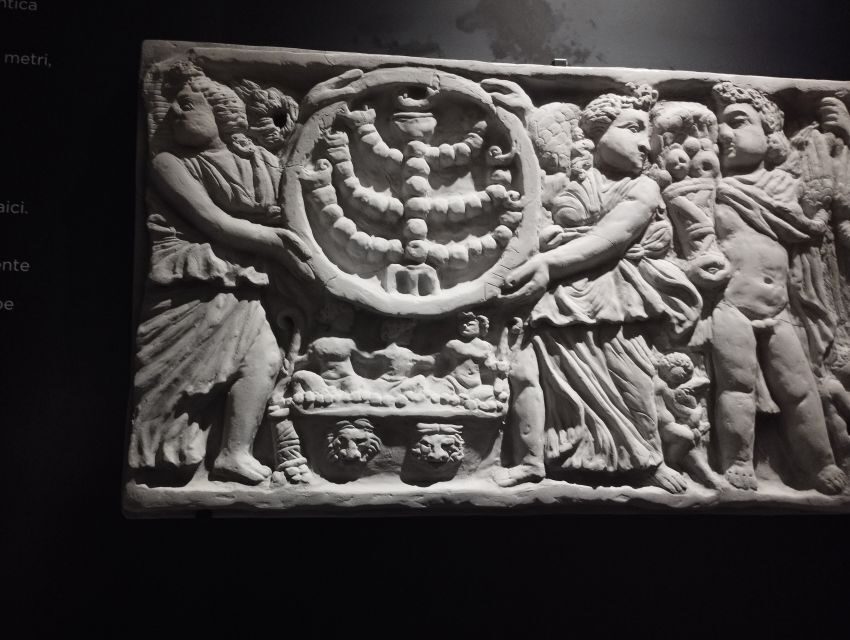
Modena is the more compact choice here, but don’t treat it like the lesser option. In a shorter city visit, the guide can spend more time on the core locations that shape the narrative.
Your Modena visit centers on:
- The main square
- The ghetto area
This works well if you want Jewish Emilia-Romagna history without the heavier museum schedule. You’ll still get the overall framework you started with in Bologna—Jewish community life, periods of restriction, and the way local civic life influenced outcomes—but you’ll experience it through fewer sites.
A practical tip: if you’re a museum person, Ferrara will likely satisfy you more. If you love street-level context and want a lighter museum day, Modena can be just right.


How Stephanie Foulkes Shapes What You Notice
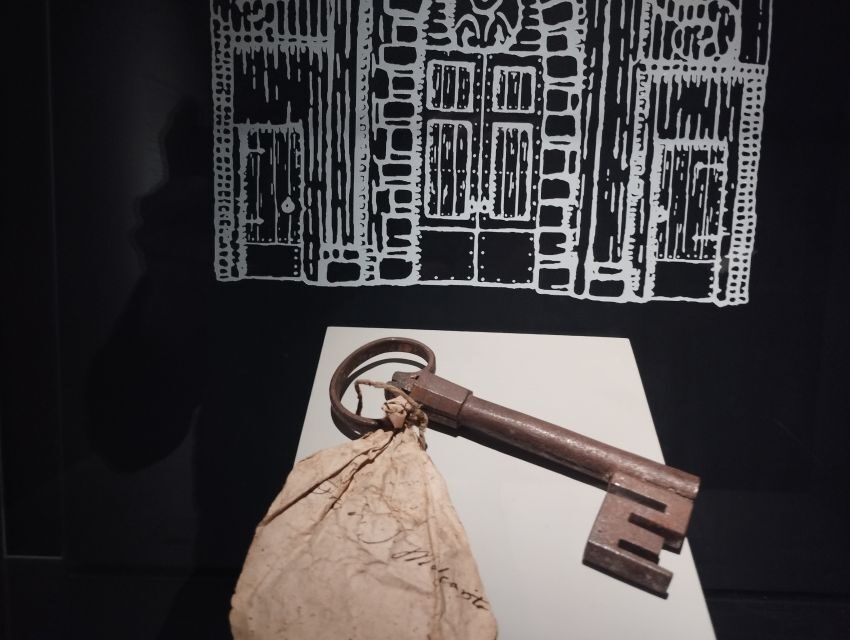
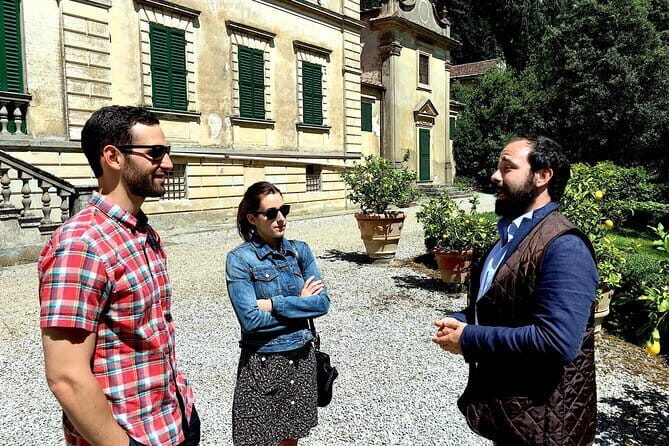
This tour is guided by Stephanie Foulkes. The strongest theme in the feedback is that she communicates clearly and asks about your interests before starting. That personal setup tends to change the feel of a history tour. Instead of hearing the same script for everyone, you’re more likely to get the parts you actually care about.
There’s also a clear quality signal: when the guide is a great fit, you feel like you’re gaining more context as you go. One person specifically noted excellent contact and that Stephanie asked for specific interests in advance.
At the same time, there’s one caution to keep in mind: one feedback note raised a concern about speech pacing and clarity. That doesn’t mean the tour is bad—it means you should consider your preferences. If you’re sensitive to speech rhythm, you might want to arrive with patience and stay close enough to hear comfortably.
One more real-world detail: Bologna’s streets have cobblestones, and that can affect everyone. If you’re using a wheelchair, the tour is listed as wheelchair accessible, but cobblestones can still make movement slower. If you’re going with mobility needs, wear shoes that help you feel stable and plan extra time in your own schedule.
Price and Logistics: Is It Worth $70?
Let’s talk value in plain terms.
The tour price is $70 per person and includes the guide’s professional work. It also includes the travel day structure in the sense that you’re not left to plan the flow between Bologna and the next city.
What’s not included is your train ticket to and from Ferrara (listed at €10.40 per person return). There’s no same-cost detail given for Modena in the info you provided, so treat train pricing for Modena as something you’ll want to confirm when booking.
Here’s how I’d judge value:
- If you pick Ferrara, you’re getting a big museum anchor at the MEIS plus a ghetto visit. For many people, that’s the difference between a normal guided walk and a day that truly changes how you see the region.
- If you pick Modena, the value is more about guided neighborhood context rather than museum intensity.
Duration is listed as 1.5 hours to 1 day, but the typical described experience runs about 6 hours, flexible depending on museum time and lunch time. That flexibility is good if you don’t rush, but it also means you should plan your day loosely and not stack it against a strict dinner reservation.
And yes, it’s rain or shine, so bring comfortable shoes and expect to walk.
Practical Tips That Make the Day Smoother
Here’s how to set yourself up to enjoy the tour instead of just surviving it.
- Wear comfortable shoes. Cobblestones and historic streets aren’t forgiving.
- Plan for possible museum timing changes. Synagogue interior access can depend on the day, and the guide checks availability for some sites (like the via dei Gombruti synagogue).
- If your schedule includes a Monday, be aware the MEIS is closed and the tour isn’t offered that day due to museum closure.
- Bring patience for city-to-city flow. You’re walking in Bologna, then training to the next stop, then doing more walking and local transport help in the second city.
- If you want a more tailored experience, be ready to tell Stephanie what you care about. The guide’s approach is designed to match your interests.
If you’re the type who likes to take notes, consider a small notebook. The tour touches several named places—Santo Stefano, Santo Stefano square, the Bocchi building, the ghetto and museum areas—so writing down what stands out helps you connect it later.
Should You Book This Jewish Bologna and Ferrara or Modena Tour?
Yes, if you want an honest, place-based Jewish history day in Emilia-Romagna—one that connects Bologna’s ghetto context to either Ferrara’s MEIS museum setting or Modena’s ghetto/main-square focus.
Book it if:
- You like guided walks that point out specific sites instead of vague overviews.
- You’re choosing between Ferrara and Modena and want the contrast between a museum-heavy stop and a more compact city visit.
- You want a guide who tries to tailor the day to your interests (Stephanie Foulkes does this).
Skip it or adjust your plan if:
- Your dates land on a Monday and you specifically want MEIS, since the tour isn’t available then.
- You need guaranteed synagogue interior access, since access depends on day rules and availability checks.
Overall, this is a strong value choice when you treat it like a real day out, not a quick “see a few plaques” stop. If you show up with good shoes and a curious mindset, you’ll leave with a clearer sense of how Jewish life in northern Italy was shaped—at street level and in historical records.
FAQ
How long is the tour?
The experience runs about 6 hours in practice, with flexible timing depending on how long you spend in museums and how much time you take for lunch.
What does the $70 price include?
The price includes the guide’s professional services. It does not include train tickets, and some optional synagogue guidance may have an additional fee.
Do I choose Ferrara or Modena?
Yes. The tour includes Jewish Bologna, then a train to either Ferrara or Modena based on the option you book.
Is the tour available on Mondays?
No. It’s not available on Mondays because the MEIS museum (in Ferrara) is closed.
What train costs should I expect?
Train tickets are not included for the Ferrara option. The information provided lists €10.40 per person return for Ferrara.
Are any synagogue visits guaranteed?
Not guaranteed. The guide will contact to check if the synagogue at 9, via dei Gombruti is visitable, and it is noted as not visitable on Friday, Saturday, or Sundays. Access rules can affect what you see.
What should I bring?
Bring comfortable shoes, since you’ll be walking, often on cobblestones. The tour runs rain or shine.