REVIEW · FOOD & DRINK
Montalcino: Brunello Wine Tasting Experience
Book on Viator →Operated by Hidden Experiences · Bookable on Viator
Brunello tastes better in a castle. This Montalcino experience pairs medieval stone, Tuscan countryside views, and a Sangiovese-focused lesson with a sommelier. I like that you get both the setting and the wine education, without turning your day into a half-day project.
Two things I’d happily repeat: first, the sommelier-led explanation of how Tuscan wine is made and why sangiovese matters here. Second, the tasting itself is neatly structured, with three local wines poured during the same visit.
One heads-up: the food side is light. You’ll get water plus wine, and bread sticks, but if you’re expecting a big snack spread, go in with realistic expectations.
In This Review
- Key highlights to know before you go
- Castello Tricerchi: the medieval start that sets the tone
- How the 1.5-hour flow works, from castle stories to wine production
- The sommelier lesson: Sangiovese in plain language
- The tasting lineup: Brunello di Montalcino, Rosso, and IGT Sangiovese
- Bread sticks, not a full meal: plan what to eat before or after
- Timing, group size, and language: how to make it smooth
- Price and value: why $39 can be a great deal here
- Who this tour is best for (and who should look elsewhere)
- Final call: should you book this Montalcino Brunello tasting?
- FAQ
- What wines are included in the tasting?
- How long does the experience last?
- What’s included in the tour?
- Is the tour offered in English, and how big are the groups?
- Where does the tour start and end?
- Can I cancel for a refund?
Key highlights to know before you go
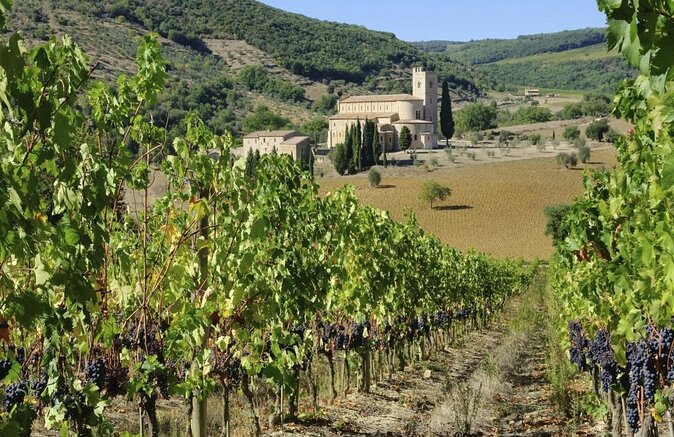
- Castle setting at Castello Tricerchi: medieval property feel, with vineyard-area walking time.
- 1.5-hour pacing: a short, focused visit that fits into most Montalcino itineraries.
- Sangiovese education: why these wines taste the way they do, explained by the sommelier.
- Three pours, three styles: Brunello di Montalcino DOCG, Rosso di Montalcino DOC, and an IGT Sangiovese.
- Small group size: maximum 15 travelers, which usually keeps questions flowing.
- What’s included is what you taste: wine, water, and bread sticks; no heavy meal component.
Castello Tricerchi: the medieval start that sets the tone
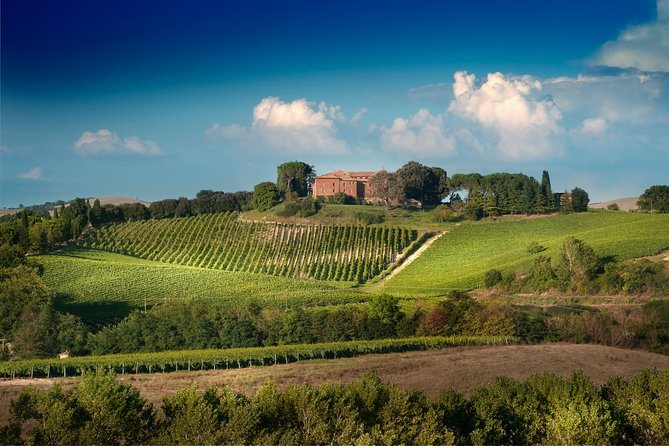
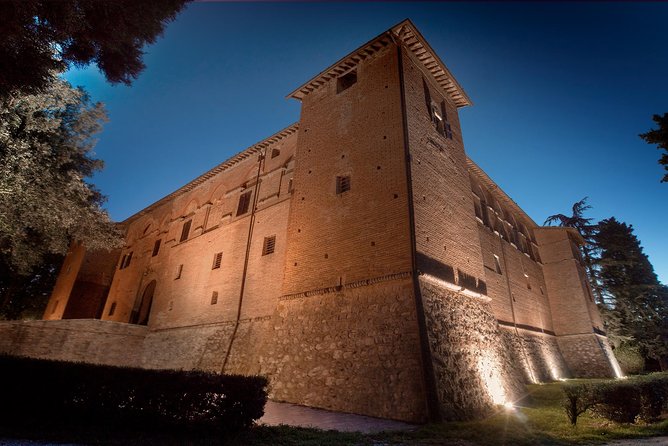
Your visit begins at Castello Tricerchi in Montalcino, at Località Altesi (53024). Even before the wine shows up, the setting does a lot of the work for you. Think stone walls, family-property stories, and that slightly formal, elegant feel you expect from a historic castle used for wine.
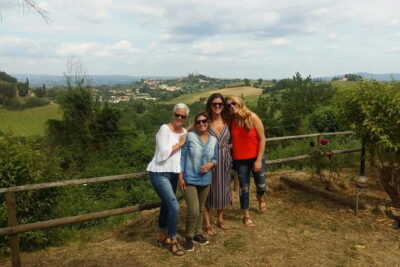
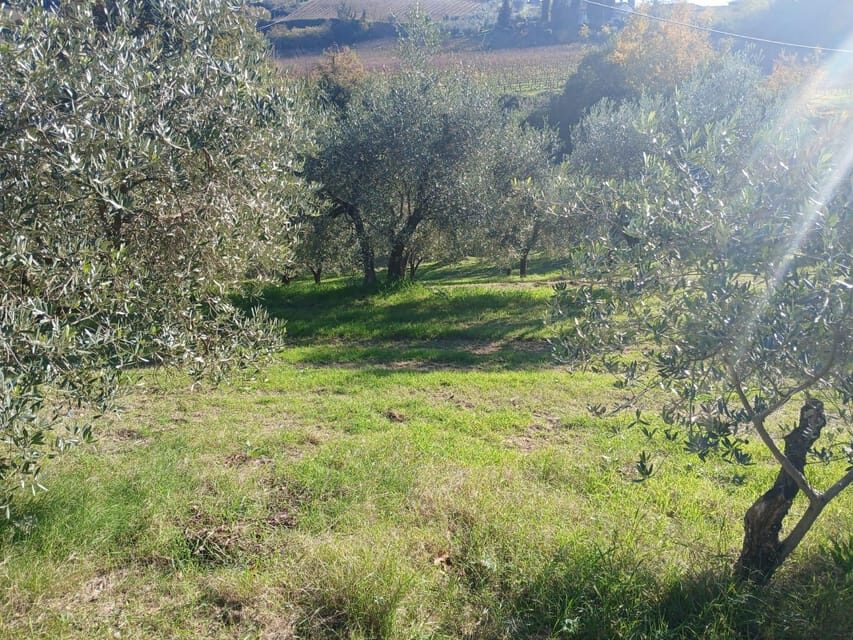
This matters because Montalcino can feel like a “wine place” in general, but here you get the sense you’re stepping into a working property. The tour portion includes a walk around the estate area and time viewing the vineyard setting from the property grounds. It’s not just a room-and-taster scenario.
Practical tip: plan to arrive with a little buffer. Some people have mentioned GPS confusion about meeting points in this area, so use the exact meeting address you receive at booking and don’t cut it close.
How the 1.5-hour flow works, from castle stories to wine production
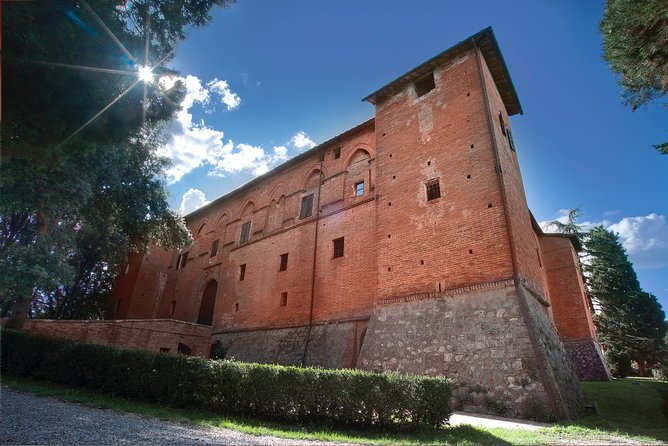
This experience is about 1 hour 30 minutes total, with a classic rhythm: first the property, then the wine-making lesson, then the tasting.
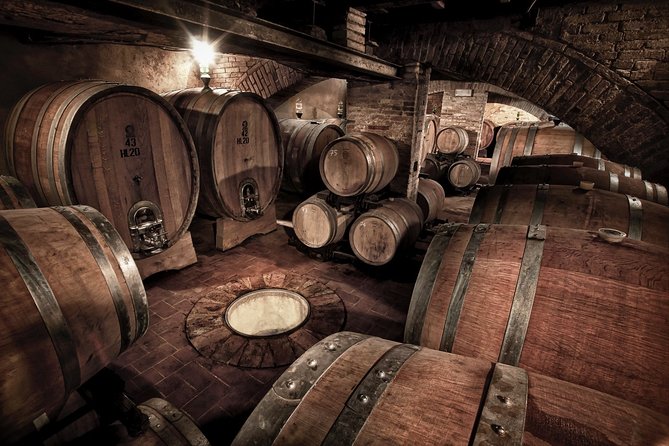
The tour part is centered on the castle and the family, plus what makes Tuscan production techniques traditional. You’ll walk the grounds with the sommelier and hear how the estate approaches high-quality wine production. The goal isn’t to drown you in jargon; it’s to give you enough context that the three wines in your glass start making sense.
Then comes the shift from “how it’s made” to “what it tastes like.” The tasting happens in a dedicated session where water and wine are served alongside bread sticks. Because the whole thing is timed tightly, the pacing tends to feel efficient: you won’t get stuck for hours, and you still leave with a clear idea of what you liked.
The sommelier lesson: Sangiovese in plain language
Sangiovese can sound intimidating on a label. The good news here is that the sommelier’s job is to translate it into something you can actually notice while tasting.
You’ll learn about the particularity of sangiovese grapes in the Brunello area, and you’ll connect that grape to the techniques used in Tuscan winemaking. Expect explanations around traditional methods and why they matter for flavor and structure, not just dates and facts.
What I like about this kind of lesson is that it changes how you taste afterward. Instead of thinking, “This is good,” you start thinking, “Oh, that’s the grape’s signature, and that’s how the process shapes it.” One of the biggest wins from similar visits in this region is the moment where the wine stops being a mystery and becomes readable.
Also, be ready for a real conversation. In past experiences tied to this tour, guides have been described as patient and attentive, answering group questions as they go. If you’re the type who likes to ask “why,” this format supports it.
The tasting lineup: Brunello di Montalcino, Rosso, and IGT Sangiovese
The heart of the experience is the tasting of three local Tuscan wines, served with bread sticks:
- Brunello di Montalcino DOCG (vintage listed in the tasting selection)
- Rosso di Montalcino DOC
- IGT Sangiovese
This lineup is a smart way to learn because it shows range. You’re not just sampling “Brunello, but more Brunello.” Instead, you get a sense of how the same grape family can show different personalities depending on the category and approach.
Brunello is typically the heavyweight you hear about first, and it’s often the one people want to “get” during a first visit. The Rosso di Montalcino helps you hear the fresher, more immediate side of the Sangiovese story. Then the IGT Sangiovese adds another perspective—often the one that surprises people, because it can feel freer or different in feel than the DOCG headline wine.
Practical advice: pace yourself. If the pours seem small to you, it’s usually because the session is designed to keep the full tasting experience moving in a tight window. You’ll still get enough to compare, but don’t assume this is a “drink lots” tour.
Bread sticks, not a full meal: plan what to eat before or after
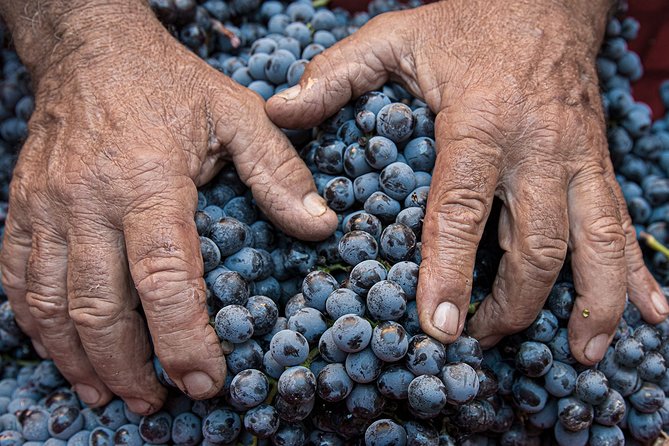
Your tasting includes bread sticks, plus water and wine. That’s it on the food side.
Most people find this fine because the session is short and focused. But if you’re the kind of person who needs a real snack spread to keep the momentum going, you may want to eat beforehand—especially if you’re visiting in the middle of a longer day.
A couple of reviews have mentioned that crackers or bread sticks can feel light. I agree with the logic here: bread sticks can be a vehicle, but they won’t replace a proper bite. If you want more satisfaction, do a quick bite in Montalcino before your appointment, then treat this tasting as the wine-focused event it is.
Good to know: the tour can include indoor tasting time even with bad weather. So if the sky looks suspicious, you still have a solid shot at enjoying the wine part without losing the entire experience.
Timing, group size, and language: how to make it smooth
The tour is offered in English, and the group size is capped at 15 travelers. That’s a helpful detail. Smaller groups usually mean you get more chances for questions, and the sommelier can keep the experience from turning into one-way talking.
Booking timing can also matter. This is commonly booked about a month in advance on average, so if you’re traveling in peak seasons, don’t wait until the last week to lock in a time.
If you want the best shot at a calm experience:
- Arrive a few minutes early and use the exact meeting details you’re given.
- Keep an eye on start time. A few people have said late starts can happen when schedules overlap, including an issue where another language group started at the same time as the session you expected.
In real life, wineries run on tight logistics, but you can control one thing: being ready at the meeting point when your slot begins.
Price and value: why $39 can be a great deal here
At about $39.05 per person, this sits in the value category for Montalcino wine tastings. You’re paying for three things: the guided visit, the sommelier-led instruction, and the actual tasting pours.
The value becomes clear if you compare how you’d otherwise spend your day:
- If you only went for a tasting with no tour component, you’d still pay for the wine education and service.
- If you only toured a property with no tasting, you’d likely leave wanting at least a basic flight.
Here, you get both. And you get a quick, focused session that won’t eat up half your vacation time.
The trade-off is what you already noticed: snacks are minimal, and pours are designed to match the time window. So think of this as a structured tasting experience, not an all-day food-and-wine feast.
If your priority is learning and sampling multiple local wines without committing to a full long winery outing, the price makes sense.
Who this tour is best for (and who should look elsewhere)
This works especially well for:
- First-time Brunello visitors who want a gentle on-ramp to Sangiovese and Montalcino wines.
- People who like castle settings and want the romance of Tuscany without the long drive times and long tours.
- Travelers on tight schedules who still want a guided tasting with context.
- Families visiting with kids, since the experience is short and guides can be patient while you keep moving.
You might want to consider other options if:
- You’re hoping for a long, slow vineyard walk with lots of time outside. Some formats like this do not allow full vineyard walking for safety reasons, and you should be prepared for a property tour that focuses on the grounds and production context rather than lots of footpath time.
- You want a larger snack component. Bread sticks can be enough for some people, but others will feel it’s too light.
Final call: should you book this Montalcino Brunello tasting?
I’d book this when you want three local wines, sommelier guidance, and a castle setting—without sacrificing an entire afternoon. The tasting lineup is strong for learning, and the short duration makes it easy to plug into a day in Siena or nearby.
If you’re the type who only feels satisfied when the snack spread is substantial and the pours are generous, this might feel a bit basic. But if you show up hungry enough (or plan a snack before), and you treat this as a focused wine lesson plus tasting, it’s a smart value choice.
FAQ
What wines are included in the tasting?
You’ll taste three local wines: Brunello di Montalcino DOCG (vintage listed for the tasting), Rosso di Montalcino DOC, and IGT Sangiovese.
How long does the experience last?
It lasts about 1 hour 30 minutes.
What’s included in the tour?
The experience includes a winery tour, a professional sommelier, a wine and food tasting session, wine and water, and bread sticks.
Is the tour offered in English, and how big are the groups?
Yes, it’s offered in English. The maximum group size is 15 travelers.
Where does the tour start and end?
The tour starts at Castello Tricerchi in Montalcino (Località Altesi, 53024 Montalcino SI, Italy) and ends back at the meeting point.
Can I cancel for a refund?
Yes. You can cancel for a full refund up to 24 hours in advance of the experience start time.