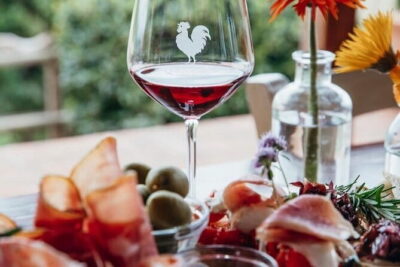
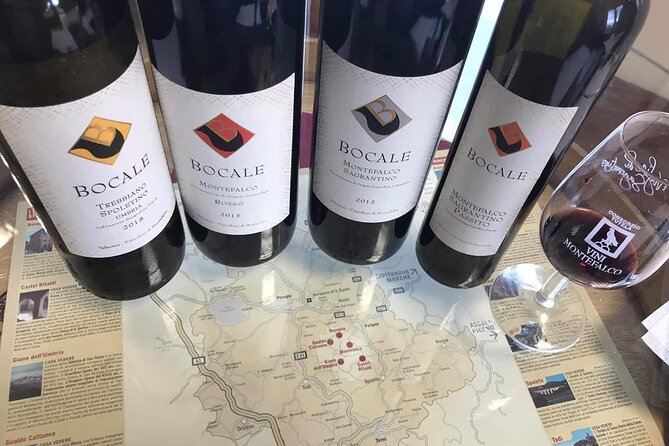
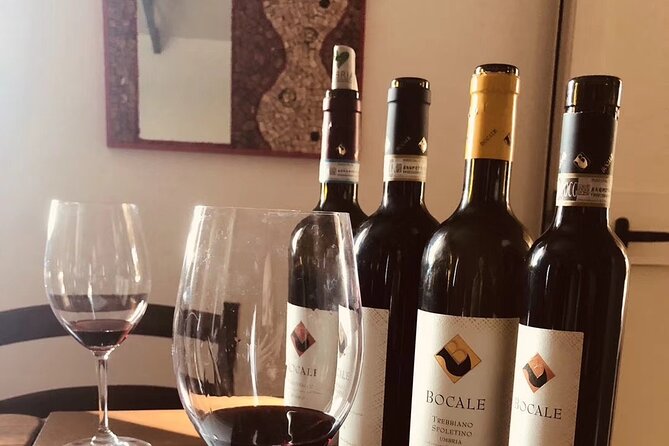
A good wine stop can be quick and still feel real. This one works because it mixes a small family-run setup with hands-on details about how the wines are made in Montefalco’s hills. You’ll taste four bottlings—starting with a local white, then moving into Montefalco Rosso, Sagrantino, and a Sagrantino Passito—plus bruschetta dressed with their extra virgin olive oil.
I especially like two things: you get a clear explanation of the organic vineyard choices (no herbicides, grass between the rows, green manure), and the tasting stays focused—only four wines, so each one gets its moment. A small group vibe also helps you ask questions without getting rushed.
One drawback to plan around: this is about 40 minutes, so it’s not a long, slow winery day. If you want extended time for tours or big group banter, you may feel slightly time-crunched.
In This Review
- Key highlights you’ll care about
- Montefalco wine tasting at Azienda Agricola Bocale: what it is really like
- Getting to the meeting point in Madonna della Stella
- The 40-minute flow: how the tasting stays focused
- Bruschetta and extra virgin olive oil: your easy palate reset
- Trebbiano Spoletino: the white that sets the stage
- Montefalco Rosso: your bridge into Sagrantino
- Montefalco Sagrantino: intensity explained through vineyard and cellar choices
- Montefalco Sagrantino Passito: the sweet side of the same story
- Why the organic-forward approach matters in your glass
- Who will enjoy this tasting most (and who might not)
- Price and value: is $17.45 for 4 wines fair?
- Practical tips to get more out of each pour
- Should you book this Montefalco wine tasting?
- FAQ
- FAQ
- What wines are included in the tasting?
- How long does the tasting last?
- Is food included?
- Do I need transportation provided by the tour?
- Where does the tour take place?
- Is this a private experience?
- What ticket type do I get?
- Who can participate?
- What is the cancellation rule?
- What if the minimum number of travelers isn’t met?
Key highlights you’ll care about
- Four wines, one short flight: Trebbiano Spoletino through to Passito, so you taste the range fast.
- Bruschetta with their extra virgin olive oil: a practical food pairing, not just a snack.
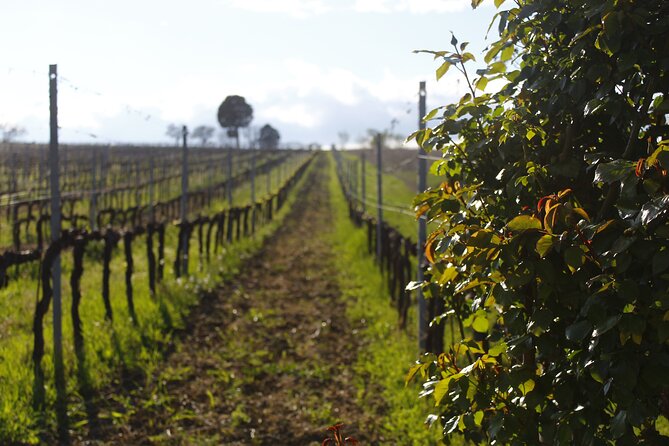
- Organic-forward farming details: no herbicides, grassed rows, and green manure like favino.
- Gentle cellar approach: indigenous yeasts, no microfiltrations or stabilizations.
- A small-production feel: 10 hectares total, with 35,000 bottles a year from 6 vine-hectares.
- Private group experience: only your group participates, so it’s easier to connect with the host.
Montefalco wine tasting at Azienda Agricola Bocale: what it is really like
This tasting is the kind of experience you want when you’re doing Umbria at a steady pace. It’s set up as a tight 40-minute stop, not a half-day event. The setting is at Azienda Agricola Bocale in Madonna della Stella (near Perugia), which is exactly how you want your wine day to feel: you’re at the source, not in a distant tasting room.
What makes it interesting is the combination of wine and “how it’s done.” You won’t just get handed glasses. You’ll hear how the winery’s daily choices connect to what ends up in the bottle. That matters with Montefalco, because Sagrantino can be intense, and the difference between styles often comes down to vineyard and cellar decisions.
You also get food that’s not random. The bruschetta is served with their extra virgin olive oil, which helps you reset your palate between tastings. For most people, that’s the difference between tasting as a checklist versus tasting as an actual sequence.
Getting to the meeting point in Madonna della Stella
Your tour starts at Azienda Agricola Bocale, via Fratta Alzatura Loc, 06036 Madonna della Stella PG, Italy. The listing says the experience ends back at the meeting point, so plan to stick around in that area rather than scheduling a quick jump to somewhere else immediately afterward.
One practical note: private transportation isn’t included. In real terms, you’ll want to already have a car, a driver, or a plan to get yourself there and back. Because the timing is short, late arrivals can cut into tasting time fast.
Also, you’ll get a mobile ticket, so keep your phone charged and ready at check-in. It’s a small thing, but it keeps your day smooth.
The 40-minute flow: how the tasting stays focused
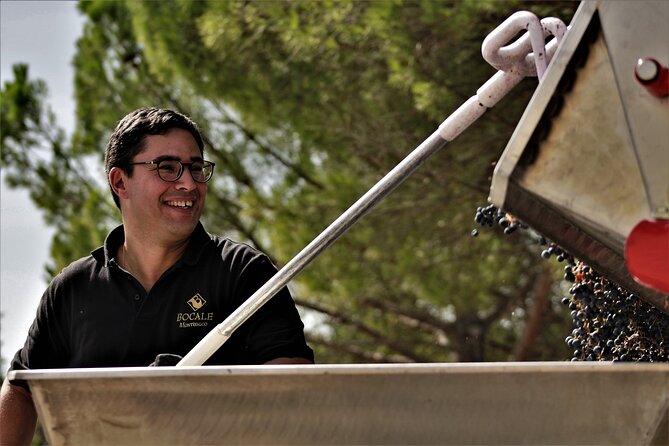
Even if the winery is working on organic conversion and small-lot craft, the experience keeps it simple. You’ll start with an introduction to the company history and philosophy, then move wine-to-wine with explanations of how each one is made and how it reflects the vineyard.
The tour is described as a tasting of 4 wines, and that’s how it feels when you’re there: you’re not juggling too many pours. Each glass has context, and you can remember what you liked without trying to keep track of ten different labels.
You’ll also eat. Snacks are included, and the highlight snack is the bruschetta with extra virgin olive oil, served alongside the tasting. That small addition makes the whole session more comfortable, especially if you’re tasting in the middle of a busy day.
Bruschetta and extra virgin olive oil: your easy palate reset
Before you go deep into Sagrantino, you get bruschetta dressed with their extra virgin olive oil. This is smart, practical pairing. The olive oil adds fat and aroma, and it helps smooth out the more tannic, grippy styles you’ll taste later.
If you tend to find bold reds overwhelming, this part matters. It gives you a baseline taste and makes the whites and lighter reds easier to enjoy. It also means you’re not just sipping wine on an empty stomach, which helps the whole experience feel relaxed.
Trebbiano Spoletino: the white that sets the stage
The flight starts with Trebbiano Spoletino. In a tasting like this, a local white is a perfect opener because it helps calibrate your palate. You get to notice aromatics and freshness before the reds bring structure.
This is also a useful moment to listen to how the host connects vineyard work to the final wine. The winery’s farming practices focus on reducing chemical inputs and keeping the soil alive. That kind of approach often shows up in a cleaner, more natural feeling in the glass, especially with whites.
The white won’t be the star for everyone in this lineup—but it’s the launchpad. If you skip the white’s role mentally, you’ll miss what makes the red progression make sense.
Montefalco Rosso: your bridge into Sagrantino
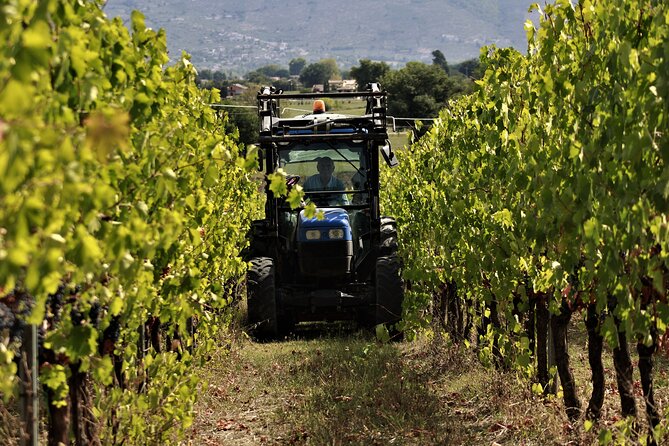
Next is Montefalco Rosso, which acts like the bridge. It’s your step between lighter, easier sips and the fuller-bodied, more structured wines that Montefalco is famous for.
Why this order works: it gives you time to adjust. Sagrantino can be powerful, and if you jump straight into it without easing in, you’ll taste tannin first and flavor second. Rosso helps you settle into the territory.
In this experience, you’ll also hear how the cellar choices support the style. The winery uses indigenous yeasts and avoids microfiltrations and stabilizations. Even if you’re not tasting “technically,” you can often feel the difference as a wine that tastes more like it’s still in conversation with the grapes rather than heavily processed into something uniform.
Montefalco Sagrantino: intensity explained through vineyard and cellar choices
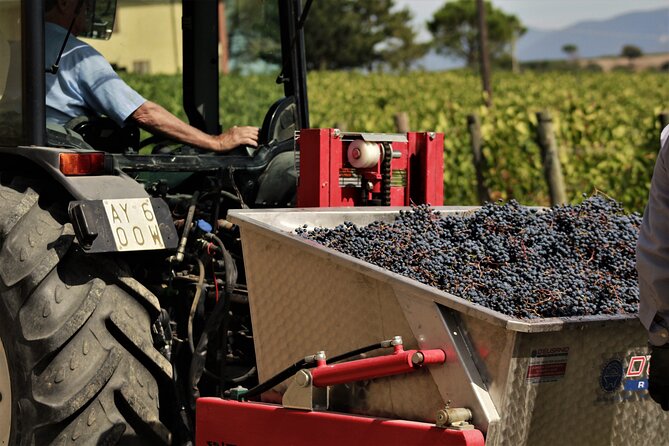
Then comes Montefalco Sagrantino, the grape that’s the name behind much of the region’s reputation. In a short tasting, Sagrantino can feel like a lot because it tends to show tannins and depth.
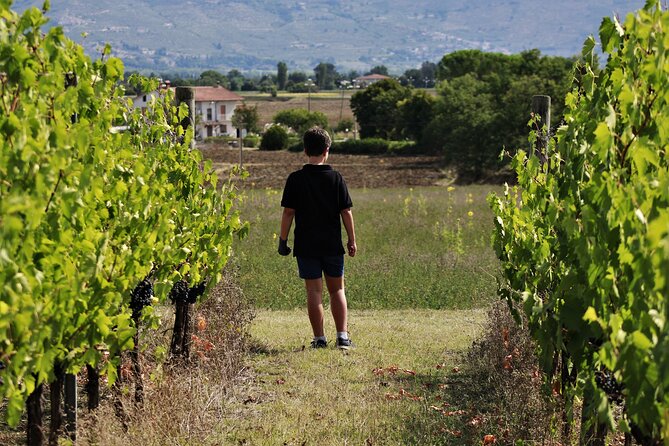
What I like about this experience is that it doesn’t treat Sagrantino as a mystery box. You get the story behind why the wines are made the way they are. The vineyard is managed with no herbicides and grass is grown between the rows to reduce mechanical work and help with erosion and runoff. Soil health and plant balance matter here, because they influence how grapes ripen and how they carry structure into the finished wine.
On the cellar side, the winery relies on indigenous yeasts and does not do microfiltrations or stabilizations. That choice signals a philosophy: let the fermentation and natural development do more of the work, rather than smoothing the wine into submission.
If you like reds with grip and staying power, this is the glass that will likely make you pay attention. If you don’t normally go for tannic wines, take it slow, and let the bruschetta and olive oil do their job.
Montefalco Sagrantino Passito: the sweet side of the same story
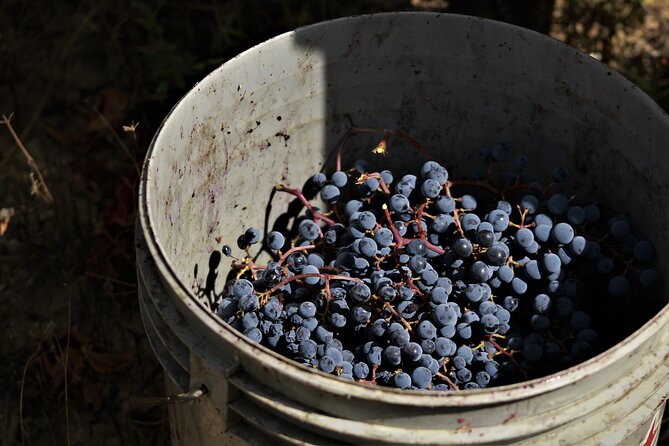
Finally, you’ll taste Montefalco Sagrantino Passito. This is where the same grape’s personality can shift into something more layered and dessert-leaning.
Passito-style wines are all about concentration. Even within the constraints of a fast tasting, you can often spot how the wine behaves—more weight, more aroma density, and a different balance of sweetness and tannin. Here, the earlier wines matter because they teach you what to compare.
This is a great last pour because you finish with a wine that feels “worth remembering.” If you’re the type who buys a bottle as a souvenir, Passito often becomes the practical pick: it has clear appeal for gifting and for special dinners.
Why the organic-forward approach matters in your glass
Bocale’s philosophy is built on a specific idea: you can respect the land without making wine feel like a lab experiment. The winery started conversion to organic farming in 2020, and the methods described are concrete, not vague.
In the vineyard:
- No herbicides
- Grass between the vine rows to reduce mechanical work and help with erosion/runoff
- Green manure, generally favino, to support fertility
- Organic and mineral fertilizers without chemicals
In the cellar:
- Only indigenous yeasts
- No microfiltrations
- No stabilizations
If you’re wondering why you should care: these aren’t marketing bullet points. They’re the levers that influence how grapes express themselves. And they also tend to produce wines that feel more individual—less like a standardized product and more like a reflection of a specific place.
Also, the winery’s scale is small enough to feel personal. They cover 10 hectares, with 6 planted with vines, and make around 35,000 bottles per year. That’s not tiny, but it’s also not huge industrial volume. In a short tasting, that often translates to a host who can explain what they do and why they do it.
Who will enjoy this tasting most (and who might not)
You’ll probably have a great time if you:
- Want an authentic, source-focused stop in Montefalco
- Like your wine with context—vineyard choices and cellar methods matter to you
- Prefer a concise tasting rather than a long, slow tour
- Are curious about Sagrantino but also want a complete flight, including Passito
This might be less ideal if you:
- Need lots of time for photography, long vineyard walks, or extended cellar viewing
- Want a deep, multi-hour educational experience with lots of different varietals
The pace is part of the design. It’s made for people who are moving through Umbria and still want something meaningful.
Price and value: is $17.45 for 4 wines fair?
At $17.45 per person, the value is the key question. Four wines plus bruschetta and olive oil in about 40 minutes is a reasonable match for the price, especially because transportation isn’t included and the session includes both food and a structured tasting.
A big part of what you’re paying for here isn’t just glasses—it’s the guided explanation of how their vineyard and cellar practices connect to the wines. In other words, you’re getting a real narrative, not just a pour-and-point.
Also, it’s a private tour/activity, meaning only your group participates. That can boost value if you’re traveling with friends or family and want a more personal back-and-forth. If you’re solo, you still get the same tasting format, but the private aspect might matter most if you prefer a quieter, controlled pace.
Practical tips to get more out of each pour
Here’s how to make this tasting work for you:
- Pace yourself and take notes on paper if you can. With Sagrantino and Passito, it’s easy to blur memories after the fact.
- Start by paying attention to aroma first in the Trebbiano. Then shift your focus to tannins once you reach Sagrantino.
- If you’re food-minded, use the bruschetta and olive oil as your “reset button” between wines.
- Don’t be shy about asking why they chose certain farming or cellar steps. The host (Valentino) tends to explain with patience, humor, and a friendly tone, and that’s often what makes the tasting feel fun rather than lecture-like.
Should you book this Montefalco wine tasting?
I’d book it if you want a quick, well-structured taste of Montefalco with real craft behind it. The lineup is smart—white to steady you, Rosso to bridge, then Sagrantino and Passito to show the region’s stronger expressions. You’ll leave with a sense of the winery’s organic-focused approach and what that means in the glass.
I’d skip it only if you’re hunting for a long, slow tour with lots of walking and extended cellar time. This is a tight session. If that fits your travel day, it’s excellent value for a place like this.
FAQ
FAQ
What wines are included in the tasting?
You’ll taste four wines from the winery: Trebbiano Spoletino, Montefalco Rosso, Montefalco Sagrantino, and Montefalco Sagrantino Passito.
How long does the tasting last?
The experience lasts about 40 minutes.
Is food included?
Yes. Snacks are included, and the tasting is accompanied by bruschetta dressed with the winery’s extra virgin olive oil.
Do I need transportation provided by the tour?
No. Private transportation isn’t included, so you’ll need your own way to reach Azienda Agricola Bocale and return.
Where does the tour take place?
It starts at Azienda Agricola Bocale, via Fratta Alzatura Loc, 06036 Madonna della Stella PG, Italy, and ends back at the meeting point.
Is this a private experience?
Yes. This is described as a private tour/activity, so only your group participates.
What ticket type do I get?
You’ll receive a mobile ticket.
Who can participate?
The info says most travelers can participate. Service animals are allowed.
What is the cancellation rule?
You can cancel for a full refund up to 24 hours before the experience starts. If you cancel less than 24 hours before, the amount paid is not refunded.
What if the minimum number of travelers isn’t met?
If the experience is canceled because the minimum isn’t met, you’ll be offered a different date/experience or a full refund.