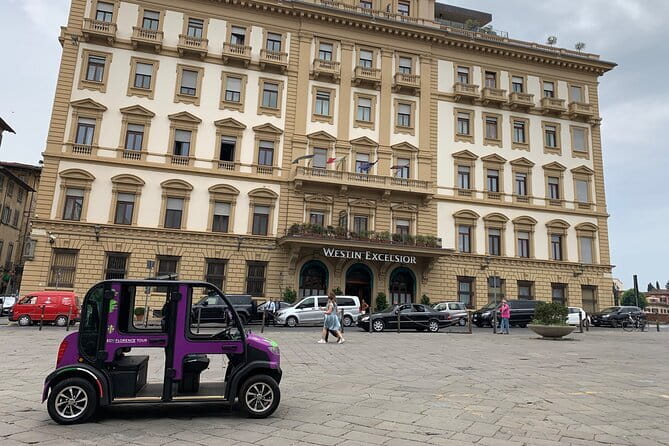
Florence moves fast. A golf cart helps you catch up.
What I like most is the comfortable electric car format—it keeps the pace easy while still covering a lot of ground—and the chance to get guide-led insider stories (including the kind of helpful, personal touch you’ll hear from guides like Claudio). One thing to consider: this is a quick, highlights-style loop, so you won’t have long, slow time inside churches or palaces unless you plan to add visits on your own.
If you want to get oriented without walking uphill for an entire afternoon, this is a strong fit. You’ll see major names—Santa Croce, San Lorenzo, Ponte Santa Trinita, Santo Spirito, and Palazzo Pitti—plus a few smaller stops that help the city feel real instead of just postcard-perfect.
In This Review
- Key Points to Know Before You Ride
- Why the Center of Florence Tour Feels Easier Than Walking
- Start Point: Corso dei Tintori, 11 (and Why That’s Convenient)
- Santa Croce and Piazza Santa Croce: the Classic Florence Opening
- Palazzo Medici Riccardi: Where Florentine Power Shows
- San Lorenzo and the Medici Chapels Area: More Than One Church Stop
- Santa Maria Novella: A Square-and-Basilica Moment
- Chiesa di San Salvatore in Ognissanti: A Free Break You’ll Appreciate
- Ponte Santa Trinita: The River View Toward Ponte Vecchio
- Santo Spirito: The “Coolest Neighborhood” Stop (and It’s Free)
- Palazzo Pitti and the Piazza: Big Scales and Royal-Era Presence
- Biblioteca Nazionale Centrale: A Quick Stop with a Real-World Edge
- Price and Value: Is $56.47 Worth It?
- What the Private Tour Format Changes for You
- How Long Is It, and Will You Feel Rushed?
- Practical Tips So Your Day Works Smoothly
- Accessibility and Family-Friendly Reality
- Should You Book Center of Florence by Golf Cart?
- FAQ
- Where does the tour start?
- How long is the Center of Florence by golf cart tour?
- Is this a private tour?
- What’s included with the tour?
- Are entrance tickets included for the stops?
- Which stops are free?
- Can you cancel and get a full refund?
Key Points to Know Before You Ride
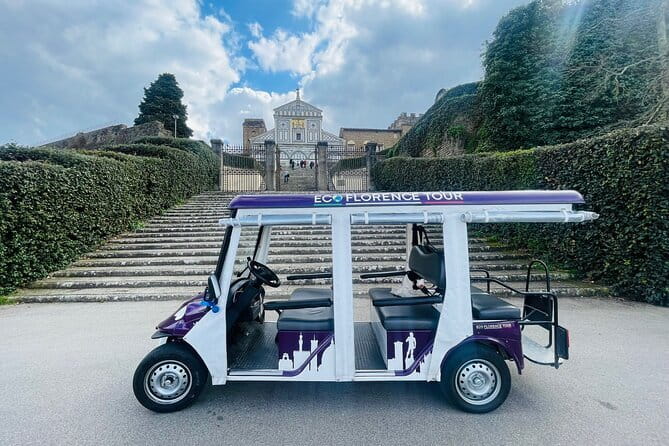
- 60 minutes of electric-car sightseeing focused on Florence’s central highlights
- Private tour only for your group, so the guide can pace it for you
- Multiple Medici stops that connect the city’s art and power in a logical flow
- River-crossing views from Ponte Santa Trinita toward Ponte Vecchio
- Some stops are free (so you can save time and money), while others require tickets
Why the Center of Florence Tour Feels Easier Than Walking
Florence is gorgeous, but it’s also a maze of tight streets. A golf cart tour gives you a practical advantage right away: you spend your energy on noticing details, not on constant stops just to move between neighborhoods.
I also like the pacing. Sixty minutes sounds short, but it’s long enough to cover several “must-see” areas and still feel like you’re making progress. Since it’s private, your guide can slow down where you care most and keep things moving where time is limited.
The only real drawback is what you might expect from a highlight tour: you’ll get a taste, not a deep dive. If you’re the type who wants to linger for an hour at one basilica, you’ll likely want to plan extra time after.
Start Point: Corso dei Tintori, 11 (and Why That’s Convenient)
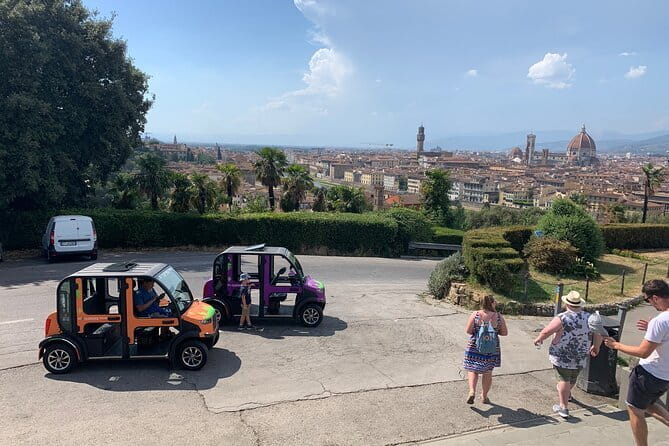
The tour meets at Corso dei Tintori, 11, 50122 Firenze. I like this because it’s in the central action of Florence—meaning you’re not losing your first hour to a long commute across town.
You also end right back at the meeting point. That matters because it removes the “now what?” feeling. After the ride, you can step out and choose your next move: coffee, a museum visit you want to add, or a longer walk toward one of the stops you liked most.
Santa Croce and Piazza Santa Croce: the Classic Florence Opening
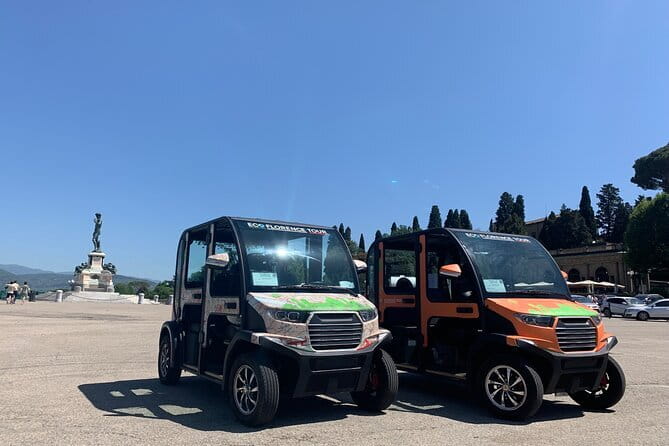
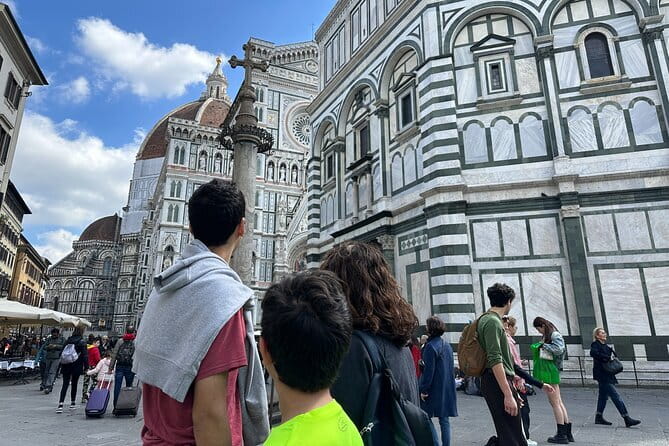
First stop is Basilica of Santa Croce, with the surrounding Piazza Santa Croce. This is a great opening because it gives you both a landmark and a sense of place. The piazza helps you understand the rhythm of the neighborhood—how people actually use the space around a major church.
One practical note: the admission ticket isn’t included here. That doesn’t make the stop less valuable; it just means you should decide in advance whether you want to enter. If you don’t plan to pay for interior time on this tour, you can still enjoy the exterior setting and the square’s vibe.
Also, Santa Croce is a smart place for orientation. Even if you later focus on other parts of the city, this area sets a baseline for the kind of monumental Florence you’re going to keep seeing.
Palazzo Medici Riccardi: Where Florentine Power Shows
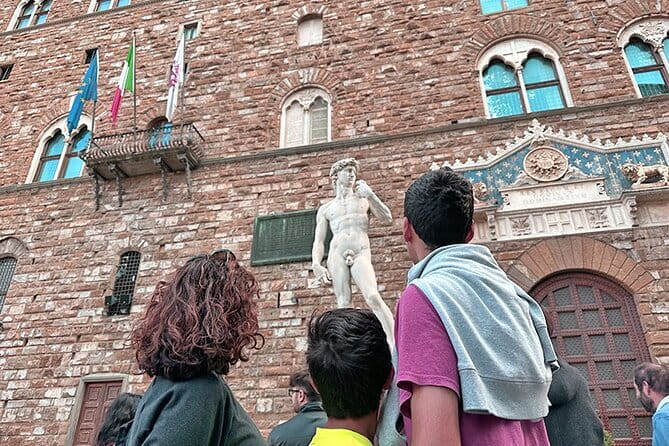
Next up is Palazzo Medici Riccardi. The tour notes this palazzo sits at number 3 of what used to be called Via Larga (today it’s Via Cavour). That kind of street-history detail is exactly the sort of thing that makes a quick tour feel less generic.
You also get a brief chance to connect the dots between Florence’s past and the architecture still visible today. A palazzo stop is often more about atmosphere than ticketed entry—especially since admission isn’t included at this point.
If you like architecture, this is one of those “pay attention to the facade and setting” moments. The value is less about going inside on the cart and more about understanding why this building matters where it’s standing.
San Lorenzo and the Medici Chapels Area: More Than One Church Stop
Then the tour moves to Basilica di San Lorenzo, with a short stop for Cappelle Medicee in Piazza San Lorenzo. These are major names for a reason: they’re tightly linked to Florence’s long connection to the Medici family and the city’s art world.
Again, admission tickets aren’t included for these stops. But that’s not a deal-breaker. Even from the outside and in the surrounding squares, you can get the sense of scale and importance. The key is to treat this as a “route-building” visit—use it to decide what you want to see in more depth later.
Practical tip: if you’re the kind of traveler who wants to see interiors, budget for added ticket time after the cart tour. This part of Florence is one you’ll likely want to revisit.
Santa Maria Novella: A Square-and-Basilica Moment
Stop 5 is Santa Maria Novella, including the Square and Basilica Santa Maria Novella. This is one of those locations where the plaza space helps you read the city. Churches and squares here aren’t separate things; they blend into one big street-level experience.
The tour indicates that admission isn’t included, so the outside views and immediate surroundings are what you’ll get on this pass. If you already know you want the interior, this stop becomes a perfect “tag it now, visit later” moment.
If you’re trying to keep your energy up, this is also a good time to pay attention to how you’ll navigate afterward. After the cart moves on, you’ll still be near a major center that’s easy to explore on foot.
Chiesa di San Salvatore in Ognissanti: A Free Break You’ll Appreciate
Here’s a smart shift: Chiesa di San Salvatore in Ognissanti is listed as admission free. The tour frames it as a neighborhood and church in the Ognissanti area.
I like free stops on a short tour. They give you breathing room. You can enjoy a quieter, more local-feeling moment without worrying about ticket timing.
If you’ve been in Florence long enough to feel museum-ticketed out, this is a welcome palate cleanser. It also helps break up the bigger, more famous stops so the day doesn’t blur into one long list.
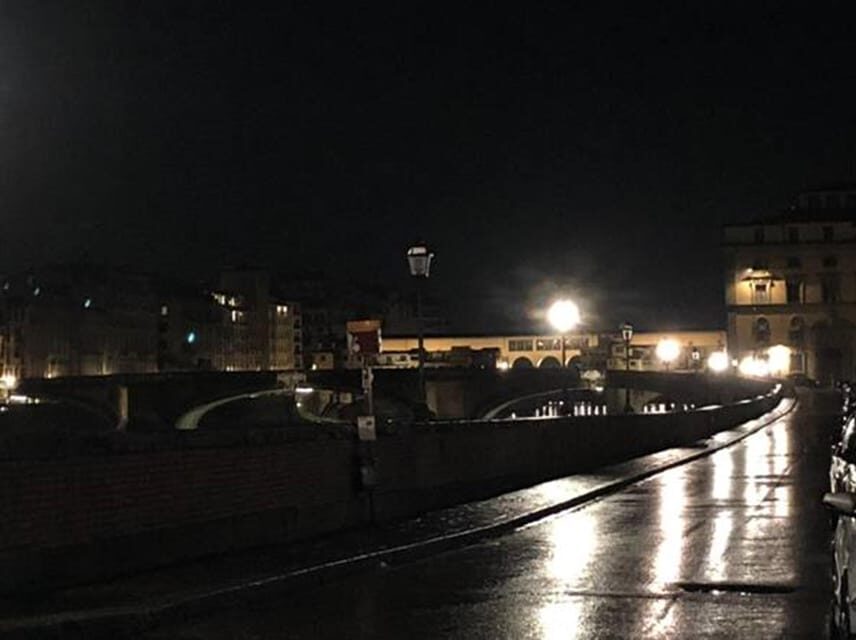
Ponte Santa Trinita: The River View Toward Ponte Vecchio
Stop 7 is Ponte Santa Trinita. The big payoff is the view toward Ponte Vecchio—described as one of the best angles from the river-crossing.
This kind of stop is why a cart tour works. Walking the city can be slow, and getting to the right viewpoints often means planning. Here, you get a set moment where you can look, pause, and orient yourself visually to the next area.
No admission ticket is required for the viewpoint itself, which makes it a low-effort, high-reward moment. Take a minute here even if you’re in a hurry. Florence rewards patience at bridges.
Santo Spirito: The “Coolest Neighborhood” Stop (and It’s Free)
Next, you head to Santo Spirito, including the Church in the same area. The tour describes it as the coolest neighborhood in the center of Florence, and it’s marked as free.
This is a great contrast to the heavier monument stops. Santo Spirito’s value is the way it feels like a neighborhood rather than a checklist location. Even when the tour is fast, that local mood comes through because you’re in a place people actually use.
If you’re thinking ahead about what to do after the tour, this is often where the best “walk around and snack” energy starts. Since the church stop is free, you can spend a little more time just enjoying the street-level feel without adding cost.
Palazzo Pitti and the Piazza: Big Scales and Royal-Era Presence
Stop 9 is Palazzo Pitti and the Piazza. This is another essential Florence name, and it shifts the tone again toward something grander and more palace-like.
The tour notes admission isn’t included, so treat this as an exterior and piazza experience on the cart. Still, it’s a useful stop because the sheer scale of the setting helps you understand why Palazzo Pitti is such a central reference point for travelers.
Also, the piazza matters. It gives you a “pause location” where you can recalibrate: look around, decide what area you want to explore after, and notice the spatial connection between palaces, churches, and the river-facing parts of the city.
Biblioteca Nazionale Centrale: A Quick Stop with a Real-World Edge
The final stop is the Biblioteca Nazionale Centrale with a short time window (listed as about 3 minutes). Admission isn’t included here either, so you won’t go inside on this ride.
Even so, I like ending near a major public institution. It’s one last reminder that Florence isn’t only art and architecture—it’s also learning, reading, and modern city life wrapped around old walls.
This is the kind of ending that helps you feel like you’ve seen more than the headline monuments.
Price and Value: Is $56.47 Worth It?
At $56.47 per person, the value depends on how you plan to spend your time.
Here’s how I’d judge it:
- You’re buying time and comfort. A 60-minute electric cart tour reduces walking between scattered sights, which can make the biggest difference if your day includes museum lines, heat, or lots of stairs.
- You’re buying focused guidance. The itinerary is structured around major landmarks and a few supporting stops. That helps you avoid spending the day guessing where to go next.
- You’re not paying for interior tickets. Many stops list admission as not included. So you should see this as an orientation and viewpoint experience first, with the option to add paid entries later.
If you’re traveling with someone who doesn’t love long walks, or you want a fast but meaningful first day in Florence, the price can feel fair. If you’re already comfortable planning on foot and don’t need structure, you might compare it to a self-guided route. But if you value convenience and a guided flow, this is a reasonable way to get your bearings quickly.
What the Private Tour Format Changes for You
This is a private tour/activity, meaning it’s only your group. That matters more than people think. A private setup often leads to fewer timing issues and better pacing—especially in a city where street layouts can make group movement tricky.
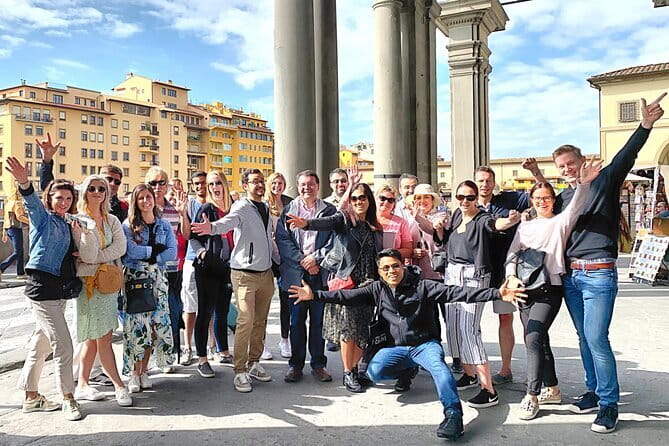
It also helps you ask questions in the moment. The tour description points to stories about monuments, bridges, buildings, and Florentine popular culture, and the reviews highlight the guide’s usefulness and insider information (with Claudio specifically mentioned). That combo is what tends to separate a good highlight tour from a rushed drive-by.
How Long Is It, and Will You Feel Rushed?
The tour runs for about 60 minutes (listed as 1 hour approx., and duration described as 60 minutes). The time at each stop is short, typically around 3–7 minutes.
So yes, you’ll feel motion. But in return, you get a broad slice of central Florence without spending the whole day on your feet. If you keep expectations realistic—think: quick stops, not long visits—it’s a satisfying way to cover ground.
Practical Tips So Your Day Works Smoothly
- Plan for tickets you want later. Since many stops say admission isn’t included, decide which interiors you’ll add afterward.
- Take photos at bridges and squares. You’ll have the best chance when the cart pauses at Ponte Santa Trinita and the main piazzas.
- Use comfortable shoes anyway. Even with a cart, you’ll still walk a bit between points, especially around churches and plazas.
- Bring curiosity. The tour is built around curiosities and history-filled places, including cultural notes tied to Florence’s popular life.
Accessibility and Family-Friendly Reality
The tour is described as suitable for people with mobility difficulties, and service animals are allowed. That’s a big practical plus for Florence, where cobblestones and steep bits can turn sightseeing into a chore.
It’s also near public transportation. That helps if you’re combining this ride with trains, day tours, or other city plans.
Should You Book Center of Florence by Golf Cart?
I’d book it if you want a fast, guided way to see a lot of central Florence without turning the day into a long slog. It’s especially worth it for first-timers who want a clear “what to see next” map, and for anyone who values easy logistics plus a guide who can connect landmarks to stories.
Skip it only if you’re hoping for long interior time at palaces and basilicas. This tour is built for highlights and orientation, not slow museum wandering. If that style fits your pace, the electric cart format plus the classic stop list makes it a smart use of about an hour in the middle of your Florence stay.
FAQ
Where does the tour start?
It starts at Corso dei Tintori, 11, 50122 Firenze FI, Italy and ends back at the same meeting point.
How long is the Center of Florence by golf cart tour?
The duration is about 1 hour (approximately 60 minutes).
Is this a private tour?
Yes. It’s listed as a private tour/activity, so only your group participates.
What’s included with the tour?
You’ll ride in comfortable electric cars and stop at multiple central landmarks for sightseeing. The ticket delivered is a mobile ticket.
Are entrance tickets included for the stops?
Not generally. The tour lists admission tickets as not included for several major stops, including Santa Croce, Palazzo Medici Riccardi, San Lorenzo, Cappelle Medicee, Santa Maria Novella, Ponte Santa Trinita viewpoints, Palazzo Pitti, and the National Library.
Which stops are free?
The tour lists admission free for Chiesa di San Salvatore in Ognissanti and Santo Spirito (church stop).
Can you cancel and get a full refund?
Yes. You can cancel up to 24 hours in advance for a full refund.