REVIEW · MONTERIGGIONI
Chianti: Lunch with Wine Tasting at Poggio ai Laghi Winery
Book on GetYourGuide →Operated by Poggio Ai Laghi · Bookable on GetYourGuide
One great lunch, lots of flavor lessons. This Chianti winery lunch at Poggio ai Laghi pairs a guided tasting with a full meal in an authentic Tuscan setting, so you’re not just drinking wine, you’re learning how the pieces fit together. I especially like the structured tasting flight (spumante, Chianti reds, and a Supertuscan), and I also love how they treat olive oil and balsamic as equal stars. The only real drawback to note is that this experience does not include an estate or vineyard tour.
Plan for a relaxed, sensory two hours. You’ll eat courses that match the wines, and you’ll finish with tastings of oils and vinegars like truffle oil, chili oil, and onion-based balsamic. If you’re expecting a full walking tour of the vineyards, this isn’t that kind of day, but it is a strong way to sample Poggio ai Laghi’s core products without rushing.
In This Review
- Key highlights worth your time
- Poggio ai Laghi in Chianti: what this 2-hour lunch is really about
- The tasting flight: spumante to Chianti to Supertuscan
- Olive oil and balsamic tastings that feel more serious than a side quest
- Lunch menu walkthrough: appetizers, penne, arista, cantuccini
- Pairing strategy: how the meal boosts each glass
- The English wine expert and the pace you can actually enjoy
- Price and value check: what $56.94 buys you (and what it doesn’t)
- Who should book this Poggio ai Laghi Chianti lunch
- Should you book Poggio ai Laghi Chianti lunch with wine tasting?
- FAQ
- How long does the Chianti lunch and wine tasting last?
- Is the tour guide available in English?
- What wines are included in the tasting?
- Do you taste olive oil and balsamic as part of the lunch?
- What food is included in the lunch?
- Is an estate, vineyard, and winery tour included?
- Is pickup or drop-off included?
Key highlights worth your time
- 2 Spumante + 3 red wines in the tasting set, including Chianti Classico DOCG and Chianti Riserva DOCG
- Olive oil tastings that cover Extra Virgin, truffle, and chili pepper flavors
- Balsamic tastings featuring Modena (IGP ORO) and onion balsamic (Cipolla Lacrime Viola)
- A plated Tuscan lunch with appetizers, penne (ragù or pomodoro), arista with roasted potatoes, and cantuccini
- English wine expert guidance that connects what you taste to winemaking and product choices
Poggio ai Laghi in Chianti: what this 2-hour lunch is really about
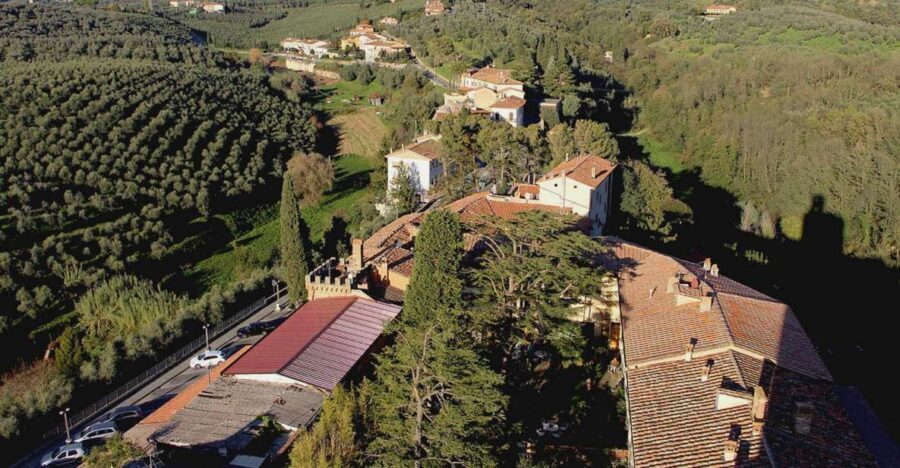
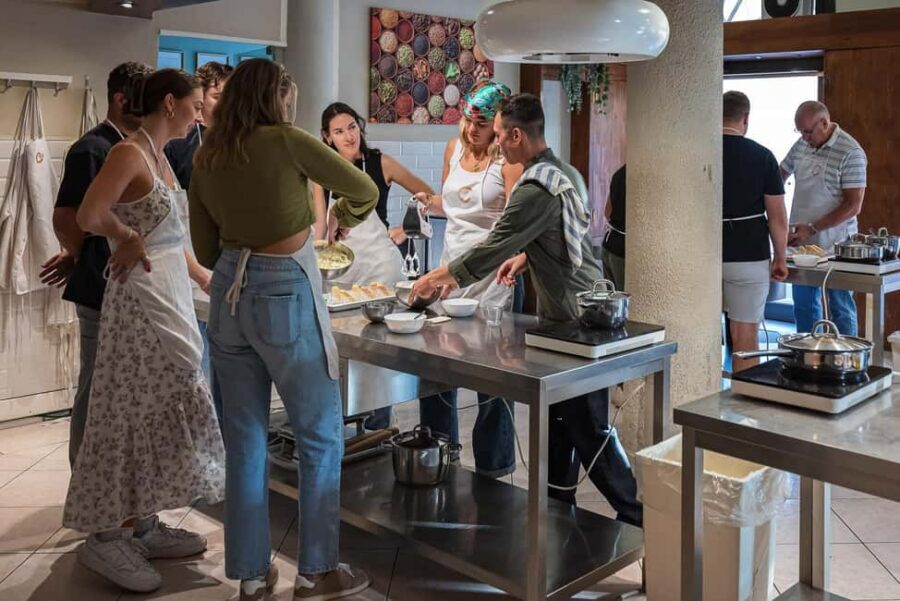
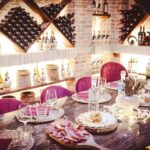
This Poggio ai Laghi experience is built around one smart idea: tasting gets more fun when the food and the products are part of the lesson. You’re in the Tuscany/Chianti region, and the setting is described as cozy and authentic, which matters because wine tasting can feel stiff if the format is too formal. Here it’s set up as a lunch you can actually enjoy while you learn.
The big win is the range of tastes you get in a short window. You won’t just sample a couple of wines; you’ll move through spumante, red wine, olive oils, and vinegars, all guided by an English wine expert. You’ll also get a real meal, not just bread and a sip.
One more practical note: the listed duration is 2 hours, so it’s a good slot when you want a satisfying experience without eating your entire afternoon. That said, the hospitality can make it feel less like a clock-out moment and more like you’re settling in for a proper lunch.
You can also read our reviews of more food & drink experiences in Monteriggioni
The tasting flight: spumante to Chianti to Supertuscan
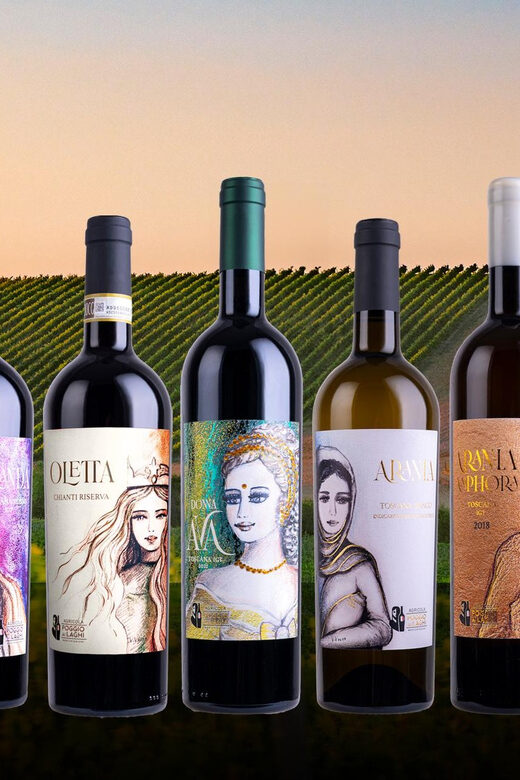
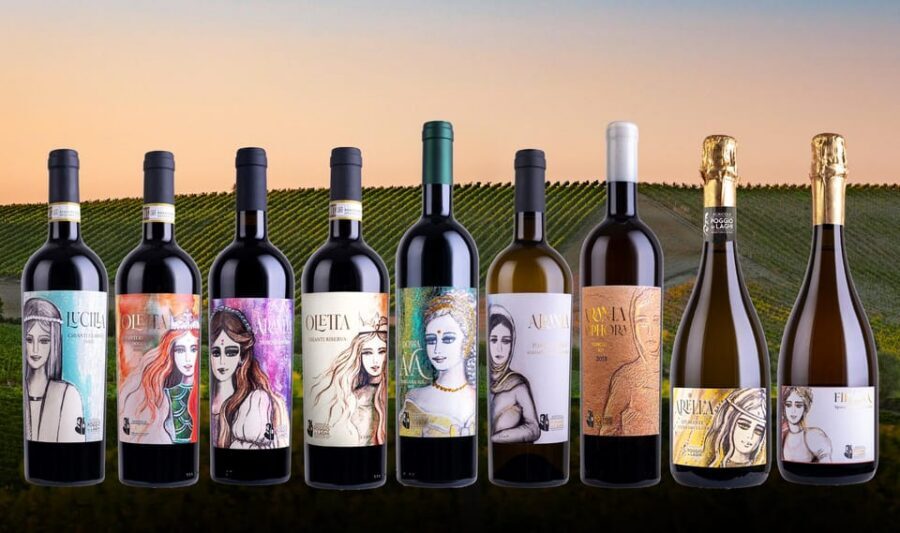
The tasting is designed as a path, starting lighter and moving toward the fuller reds. You start with two Spumante options: Arella (Cuvèe Extra Dry) and Firmina (Spumante Rosé Extra Dry). This choice makes sense for a lunch format because spumante tends to keep the palate fresh before you start working through richer flavors.
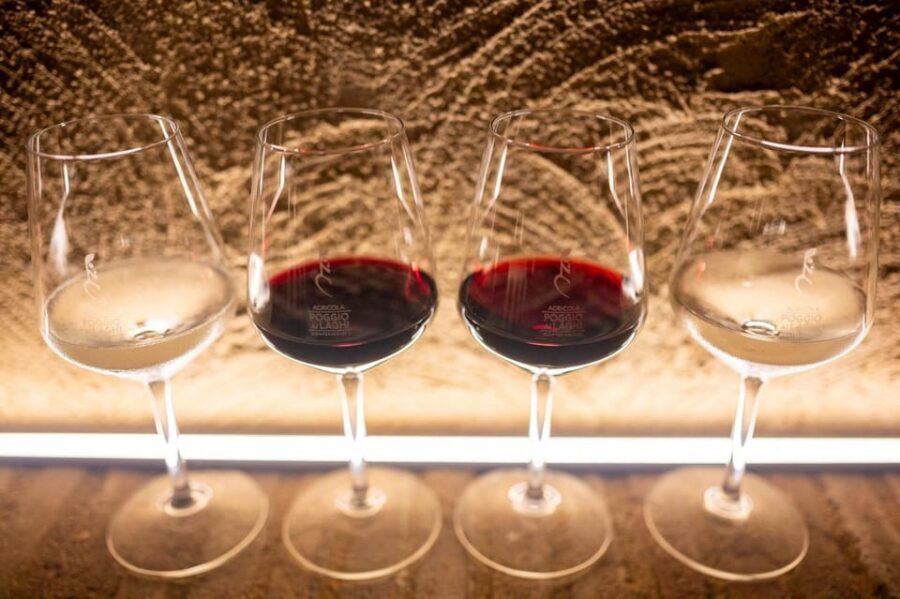
Then the tasting shifts to red wines, and this is where you get the heart of the Chianti identity. You’ll sample:
- Lucilla — Chianti Classico DOCG
- Oletta — Chianti Riserva DOCG
- Aranda — Supertuscan IGT
Why these specific bottles matter: Chianti Classico DOCG and Chianti Riserva DOCG are two ways the region tells time in wine. Even if you’re not a wine nerd, you can compare how the wine feels in the glass—structure, depth, and how it sits with food. Adding Aranda (Supertuscan IGT) gives you a contrast point outside the classic mold, so you can see how creative choices still land in a Tuscan flavor world.
A helpful tip for how to enjoy the tasting: don’t try to “score” each wine in your head. Instead, pick one thing you notice per glass—like aroma, acidity, or how it handles food—and use that as your anchor while the expert explains what’s driving the taste.
Olive oil and balsamic tastings that feel more serious than a side quest
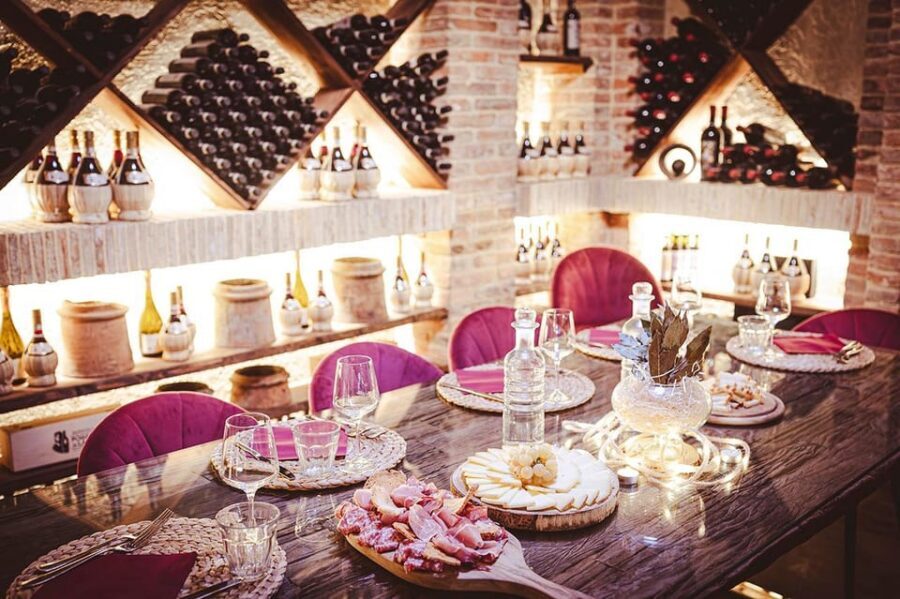
Most wine lunches treat oil and vinegar as a garnish. Here, they’re treated like part of the education. You’ll do an olive oil tasting that includes:
- Olive oil (Extra Virgin)
- Olive oil with white truffle
- Olive oil with chili pepper
The difference between these isn’t subtle once you taste them side by side. Truffle oil can bring a fragrant, almost savory note, while chili oil adds heat and a sharper edge. The plain Extra Virgin gives you the baseline—so when the flavored oils hit, you actually understand what changed.
Then comes balsamic, with two stops that are fun because they’re not just “balsamic = sweet.” You’ll taste:
- Aceto Balsamico di Modena IGP ORO
- Aceto Balsamico di Cipolla Lacrime Viola (Eccellenza Toscana)
Onion balsamic sounds unusual if you’ve only tried the standard versions. But that’s the point. It pushes your palate to notice how sweet, tang, and aroma can shift when a new ingredient changes the character of the vinegar.
If you like food souvenirs, this is one of the best parts of the experience. Even if you don’t buy anything, you’ll leave knowing what you actually enjoy—and you’ll have tasting vocabulary to help you choose later.
Lunch menu walkthrough: appetizers, penne, arista, cantuccini
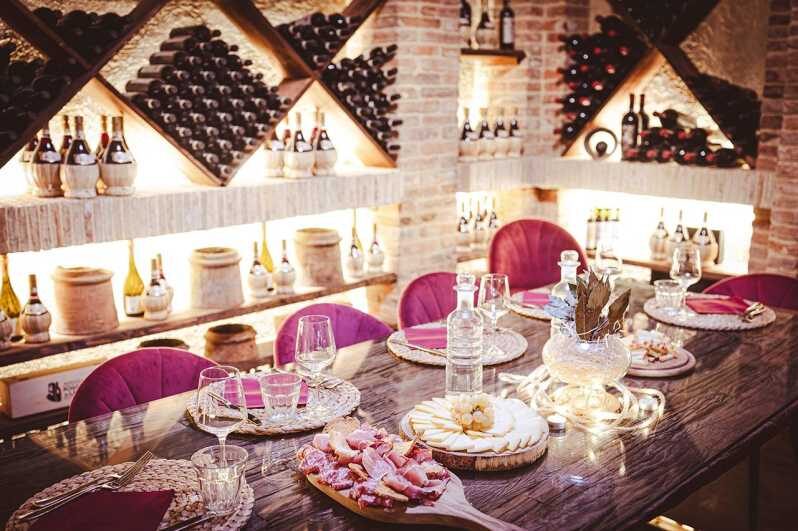
The meal is built like a sensible match to the tasting sequence. You start with Tuscan appetizers designed to wake up taste buds:
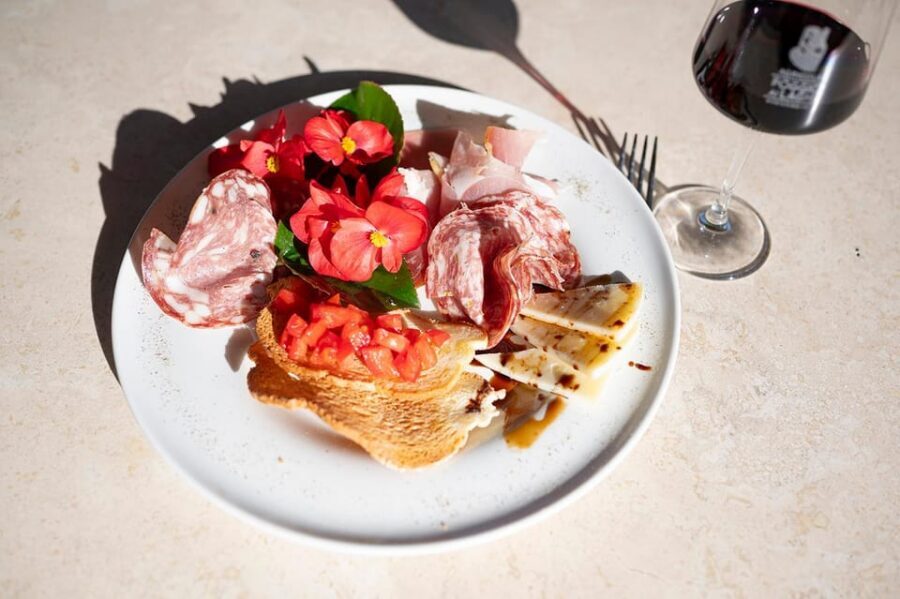
- Salame toscano, finocchiona, and prosciutto crudo toscano
- Pecorino
- Bruschetta with fresh tomato and basil
- Cialda di pane tostato with Extra Virgin Olive Oil
This appetizer mix is classic Tuscan and it’s practical for wine. Salumi brings salt and fat, pecorino adds punch, and tomato/basil gives freshness. The cialda with olive oil also ties you directly into the oil tasting without making it feel like a separate event.
For the first course, you’ll have a choice between:
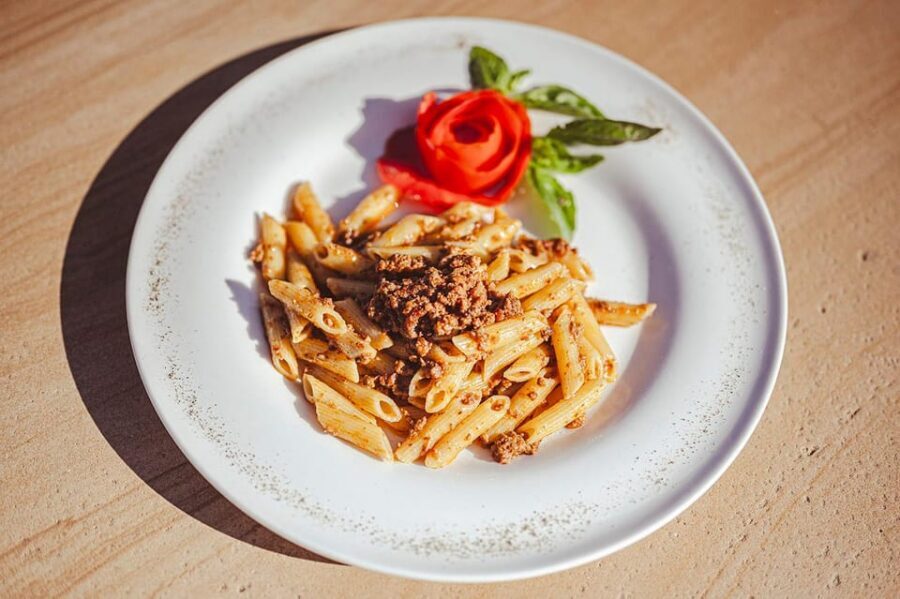
- Penne al ragù
- Penne al pomodoro
Either option works for different moods. Ragù usually leans toward deeper, meatier flavors; pomodoro stays lighter and brighter. Either way, it’s a great bridge between your earlier spumante tasting and the stronger reds later on.
Second course is arista with roasted potatoes. Arista (a tender pork preparation) typically pairs well with reds because it has enough body to stand up to wine without tasting heavy. Roasted potatoes also help you slow down and enjoy the meal rather than chasing flavors too fast.
Finally, dessert is cantuccini. If you’ve had them before, you know they’re meant for sipping and dunking, but even on their own they’re a solid finish. It’s a reminder that this isn’t a wine tasting that forgot food—dessert is included, and it matches the Tuscan rhythm.
Pairing strategy: how the meal boosts each glass
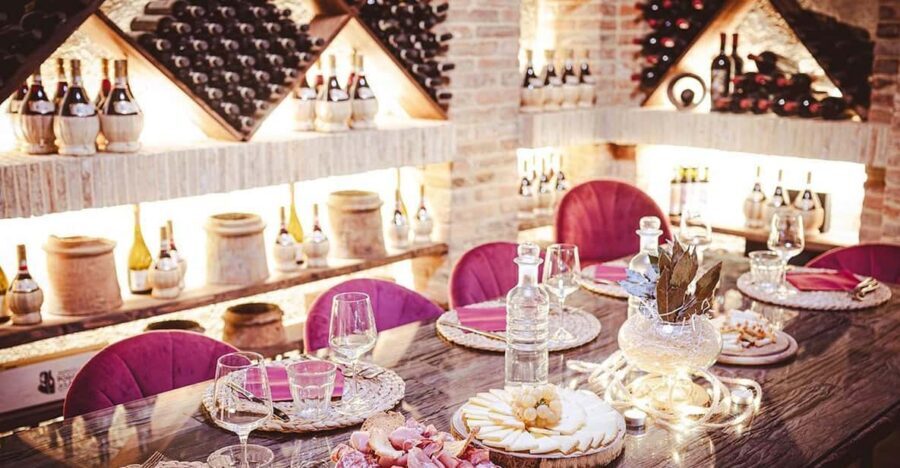
Even without fancy wine language, you can understand what they’re doing. This kind of lunch tends to succeed when each food course has a job: it resets your palate, then it emphasizes certain characteristics.
Your appetizers do the reset work. Salt and fat from the cured meats help you notice acidity and fruit in the spumante and early wines. Pecorino’s tang helps you keep focus instead of letting flavors blur together.
The pasta course is the bridge. Whether it’s penne al ragù or penne al pomodoro, you’re eating something saucy and cohesive, which makes it easier to taste how a red handles richness. Then the arista and roasted potatoes give the reds something comforting to bond with—more savory satisfaction, less sharp contrast.
The oils and balsamic are the wild cards, in a good way. They don’t just add flavor; they change your idea of what “wine pairing” can include. When you’ve tasted truffle oil, chili oil, and onion balsamic as distinct flavors, you’ll start to notice those flavors showing up in your memory each time you take a sip.
One simple way to enjoy the pairing: take one bite, then one sip. Don’t do ten bites and then sip. You’ll taste more clearly, and the experience will feel more intentional.
The English wine expert and the pace you can actually enjoy
The experience includes a wine expert who guides the tasting journey, and that’s where the lunch becomes more than a meal. You’ll learn about the winemaking process and the passion behind the bottles, plus you’ll get art and history context that helps explain why these products taste the way they do.
I like this approach because it doesn’t assume you already know what to listen for. If you’re new to wine, the guidance helps you stay curious instead of intimidated. If you’re more experienced, you can use the explanations to confirm what you’re picking up already.
The format also tends to feel human. There’s enough structure to keep you on track, but not so much rigidity that you feel herded. You can slow down and enjoy the room, the food, and the tasting at a comfortable pace, which is a big deal during a vacation day.
Also worth noting: the tour is in English, and it’s described as wheelchair accessible. If you need that kind of accessibility support for your group, this is a helpful check-box.
Price and value check: what $56.94 buys you (and what it doesn’t)
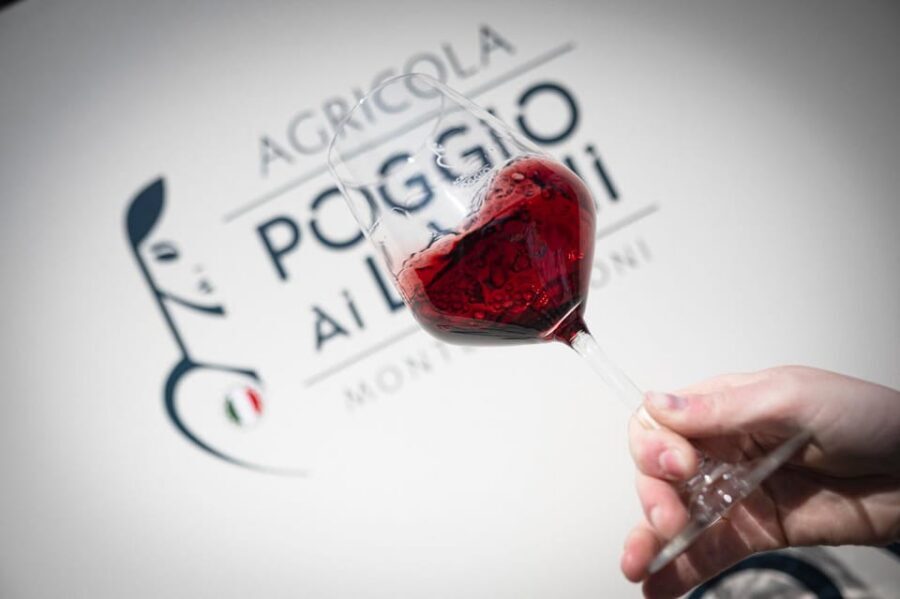
At $56.94 per person, this is priced like a midrange winery lunch—except it packs in a lot of different tastings. You’re getting:
- Wine tasting with 2 spumante and 3 reds
- Olive oil tastings (Extra Virgin, truffle, chili pepper)
- Balsamic tastings (Modena and onion balsamic)
- A full lunch with appetizers, a pasta first course, arista second course, and cantuccini
That’s the core value story: you’re paying for more than wine. Oils and balsamics usually add cost at stores, and here they’re included as part of the guided experience.
What you should not expect (and this is important for setting the right expectations): it does not include an estate, vineyard, or winery tour. There’s also no mention of pickup and drop-off, so you’ll likely want to plan your own way to and from Poggio ai Laghi.
So who is it best for? If you want a high-impact, taste-focused Chianti stop without committing to a long walking tour, this is a strong choice. If you specifically want vineyard photos and a property tour, you’ll probably feel like you’re missing part of the classic winery day.
Who should book this Poggio ai Laghi Chianti lunch
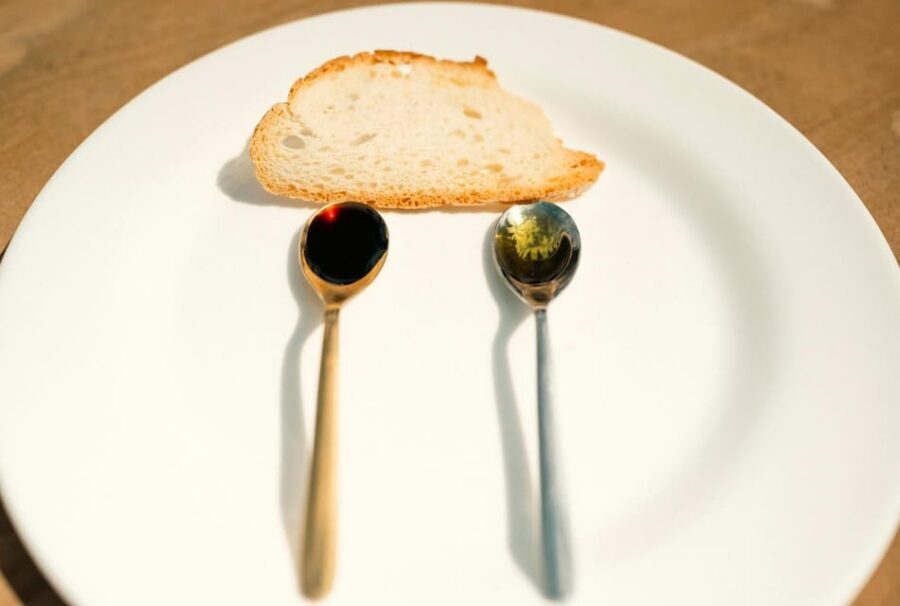
This is a great fit if you’re traveling with a mix of interests. Wine lovers will enjoy the Chianti Classico DOCG, Chianti Riserva DOCG, and Supertuscan IGT, and food lovers will enjoy the Tuscan menu choices and the oils and vinegars that go beyond the usual tasting flight.
It’s also a good match for first-timers. The structure helps you understand what you’re tasting, and the food keeps things grounded. You’re not just drinking; you’re eating, comparing, and learning.
If you’re a hardcore wine geek looking for cellar access or vineyard walks, you may want to pair this with a separate winery tour. This lunch is built for tasting and education, not for estate exploration.
And if you’re the planner type, the listed start times vary and the activity is 2 hours, which makes it easier to fit into a day around other Chianti stops.
Should you book Poggio ai Laghi Chianti lunch with wine tasting?
I’d book it if you want a compact, high-flavor winery experience that covers more than just wine. The combination of guided tastings plus a real Tuscan lunch is what makes it feel worth your time, and the inclusion of olive oil and balsamic tastings is a smart way to remember Chianti cuisine beyond the glass.
Skip it only if you specifically want a vineyard/estate tour, or if you need a longer, multi-hour winery walk. Also, if spumante doesn’t interest you at all, keep in mind that it’s part of the tasting lineup.
If you’re trying to choose one Chianti winery moment that gives you plenty to taste and plenty to learn, this is one of the easiest calls to make.
FAQ
How long does the Chianti lunch and wine tasting last?
The experience is listed as 2 hours. Starting times depend on availability.
Is the tour guide available in English?
Yes. The live tour guide is English.
What wines are included in the tasting?
You’ll taste 2 Spumante (Arella Cuvèe Extra Dry and Firmina Rosé Extra Dry) and 3 red wines (Lucilla Chianti Classico DOCG, Oletta Chianti Riserva DOCG, and Aranda Supertuscan IGT).
Do you taste olive oil and balsamic as part of the lunch?
Yes. You’ll do olive oil tastings (Extra Virgin, white truffle oil, and chili pepper oil) and balsamic tastings (Aceto Balsamico di Modena IGP ORO and Aceto Balsamico di Cipolla Lacrime Viola).
What food is included in the lunch?
You get Tuscan appetizers (including salame toscano, finocchiona, prosciutto crudo toscano, pecorino, bruschetta with fresh tomato and basil, and a toasted bread crisp with extra virgin olive oil), a first course (penne al ragù or penne al pomodoro), a second course (arista with roasted potatoes), and dessert (cantuccini).
Is an estate, vineyard, and winery tour included?
No. The experience includes tastings and lunch, but it does not include an estate, vineyard, and winery tour.
Is pickup or drop-off included?
No. Pick up and drop off are not included.