REVIEW · COOKING CLASSES
Every Day Cooking Class in Lucca Italy
Book on Viator →Operated by Cremeria Opera · Bookable on Viator
One oven, one table, and a lot of Italian comfort. This 2.5-hour cooking class in Lucca is built around the daily rhythm Italians love: cook, sip, sit down, and share. You’ll make fresh pasta and tiramisù, and you’ll get the story behind what you’re eating, not just the steps.
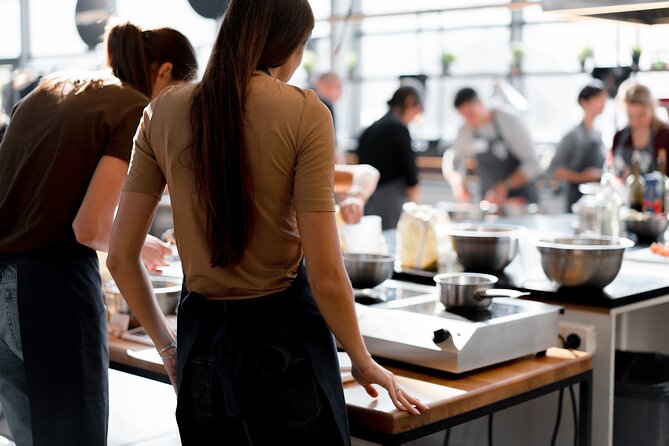
I especially like two things. First, the group stays small, with a maximum of 10 travelers, so you’re not watching from the sidelines. Second, it happens in a real business kitchen at Cremeria Opera, where the setup supports hands-on cooking and lots of back-and-forth with the instructors.
My only caution is food-focused: there are no gluten-free options listed. If gluten is a deal-breaker for you, plan a different Lucca activity or arrange your meal strategy ahead of time.
In This Review
- Quick hits before you book
- Lucca’s Everyday Cooking Class: what makes it feel local
- The 2.5-hour flow: aperitivo, fresh pasta, and tiramisù
- Cremeria Opera’s working-kitchen setup (and why you should care)
- Pasta that beginners can handle: dough, shaping, and simple flavor wins
- Tiramisù method: why it works and how to repeat it at home
- Value for money: is $156.38 worth it?
- Where to fit it in your Lucca day
- Who this class is perfect for (and who should skip it)
- Should you book the Every Day Cooking Class in Lucca?
- FAQ
- Where is the meeting point for the cooking class?
- What time does the class start, and how long is it?
- Is the class offered in English?
- How many people are in the class?
- What do you cook and eat during the class?
- Are gluten-free options available?
- How much does it cost per person?
- What is the cancellation cutoff for a full refund?
Quick hits before you book
- Aperitivo or local wine first: you start with a drink while the class gets cooking
- Small group pace (up to 10): more time at the workstations, less waiting
- Fresh pasta from scratch: roll, shape, and learn the basics that make a difference
- Tiramisù plus real technique: you’ll learn why the method works, then eat it
- Real kitchen setting: a commercial gelato and pastry space with room to work
- Recipe take-home: you can recreate the dishes later
Lucca’s Everyday Cooking Class: what makes it feel local
Lucca has a way of making food feel normal, not like a museum exhibit. This class leans into that idea with an “every day” approach that fits Italian life: eating is social, and the kitchen is part of the conversation.
You’ll meet at Via dei Bichi, 150, 55100 Lucca, and the experience ends back at the same point. The timing matters too. Starting at 3:30 pm, it’s the sweet spot between a late lunch and an early dinner, so you can still enjoy the rest of your evening without feeling rushed.
Everything runs in English, which helps if you want to actually follow the teaching instead of nodding along. And because the group is capped at 10, you should expect interaction rather than a factory-style lesson.
The 2.5-hour flow: aperitivo, fresh pasta, and tiramisù
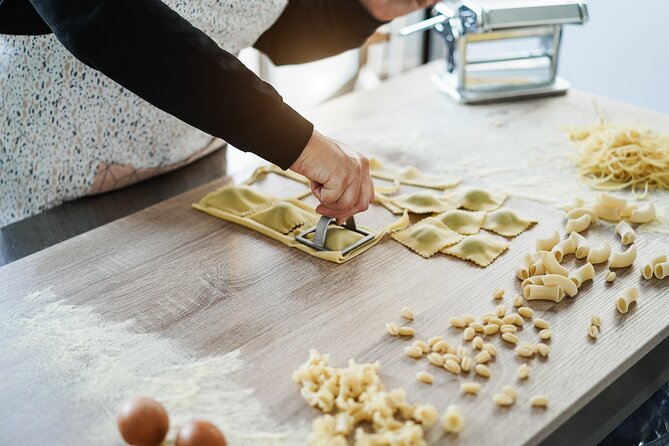
This class is built like a proper meal, not a sequence of disconnected kitchen tasks. You’ll begin with a starter of aperitivo or local wine, and that drink is more than a welcome. It sets the tone: relaxed, social, and ready to cook.
Next comes the main event: making fresh pasta. You’ll work with dough directly, learning how to shape it into something you can be proud of. One big theme from past sessions is how “simple” techniques become delicious results when you apply the basics correctly.
Depending on the day, the pasta portion can go beyond dough. Several participants described learning not only the pasta but also classic sauce elements like ragù basics and even how to handle filling. Even if your exact version stays closer to the menu, the lesson is still about building confidence in what you make and why it tastes right.
Then you move to dessert: tiramisù. What I like about this choice is that it rewards patience. You’ll assemble it and let it chill, so the class ends with something that feels complete, not rushed.
Finally, you sit down and eat what you made. Past classes also described getting more desserts like gelato or sweets such as castagnaccio in the wider kitchen experience. I wouldn’t count on those extras as guaranteed every time, but you can expect a dessert-forward atmosphere because that’s the kitchen’s specialty.
Cremeria Opera’s working-kitchen setup (and why you should care)
The setting is a big part of the value here. This isn’t a rented classroom with a few props. The kitchen is tied to a commercial gelato and pastry space, which means the tools, timing, and workflow are designed for real food production.
That matters for two reasons. You’ll usually get more practical coaching because instructors can reference how ingredients and equipment behave in a working environment. You also get a layout that can handle groups without feeling cramped, which helps when you’re rolling dough or building dessert.
The hosting style is another strength. Reviews describe a family-style team dynamic, including instructors like Giulia, Julie, and Juliette, plus a father/daughter feel. The common thread is interaction: questions welcome, corrections given kindly, and enough time to actually learn the technique rather than just finish the task.
If you like learning by doing, this kind of environment tends to stick in your memory. You’re not just watching how to make pasta. You’re making it, and the kitchen supports that reality.
Pasta that beginners can handle: dough, shaping, and simple flavor wins
One of the most useful things about this class is that it’s designed to be manageable even if you’ve never made pasta before. You start with steps you can follow, then you repeat enough of the process that your hands learn what your brain needs.
You’ll also get tips that improve the outcome fast, like how to work the dough and how to keep the process from getting chaotic. Several people specifically mentioned patient instruction and extra guidance when they needed it, which is exactly what you want when you’re handling something new.
For the flavor side, the teaching doesn’t stop at the pasta shape. People described mixing pasta with basics like butter and Parmesan, and others talked about learning ragù fundamentals and how the filling fits into the pasta-making process. That’s the key takeaway for you: this is about understanding the building blocks, so you’re not dependent on one perfect outcome.
If you have dietary constraints, plan with care. Gluten-free options are not available, period. On the other hand, at least one participant mentioned that a vegetarian option helped them stay included through the cooking journey, so vegetarian might be possible depending on the menu of your session. If vegetarian matters to you, it’s smart to ask ahead.
Tiramisù method: why it works and how to repeat it at home
Tiramisù is popular because it feels luxurious. It’s also popular because it’s very teachable, as long as the method is clear.
In past sessions, people described putting the tiramisù in the fridge to cool after assembly. That points to one of the real lessons: tiramisù isn’t just about mixing ingredients. It’s about getting texture right by letting the components set in the right way.
You’ll eat the final result, but the bigger win is that you’ll learn the logic behind the dessert. Once you understand the “why,” you can reproduce it at home without needing a special setup.
Another practical bonus: some participants said they received recipes to make again on their own. That’s one of the best forms of value from a class like this. It turns the day-trip experience into something you can repeat once you’re back in your kitchen.
Value for money: is $156.38 worth it?
At $156.38 per person, this isn’t a bargain-basement activity. You’re paying for three things that add up: ingredients, a real instructor-led session, and time to cook plus eat.
The group cap at 10 travelers supports that value. If you’ve ever taken a tour where you barely get a moment at the station, you’ll appreciate the smaller setup here. The cost also makes sense because you’re not doing one “taste and leave” stop. You’re doing starter plus main plus dessert, and the drink component is part of the menu.
Also consider timing. A 3:30 pm start means you’re getting a full food experience without needing to build a complicated schedule. You can fold it between meals and still enjoy Lucca afterward.
Finally, the “take-home” potential matters. If recipes are provided for your session, you’ll have a concrete result you can recreate, which effectively stretches the cost across future dinners and dessert nights.
Where to fit it in your Lucca day
Because the class starts at 3:30 pm, I treat it like a late afternoon anchor. I’d plan a lighter earlier meal, then use the class as your main food event. This keeps you from feeling too full to enjoy what you make.
You’ll finish back at the meeting point, so you’re also placed well for an easy walk into the evening. Lucca is best when you’re not rushing, so try to keep your night flexible rather than locking in something right after.
If you want to maximize the experience, arrive a few minutes early. Small groups run smoother when everyone is present, and you’ll get settled faster before the pasta and dessert begin.
Who this class is perfect for (and who should skip it)
This is a great choice if you want hands-on Italian cooking in a setting that feels real. Beginners will likely enjoy it most, because the instruction style described in previous sessions points to clear steps, patience, and practical tips.
It also suits couples and small groups who enjoy food as a shared experience. The combination of drink, cooking, and sitting down to eat lines up with how Italian meals are meant to feel.
Skip it if gluten-free is non-negotiable. With no gluten-free options, you’d be taking a risk that your food needs won’t be met.
If you’re very strict about dietary needs beyond gluten, the data doesn’t spell out full coverage for every restriction. In that case, I’d treat this as a “check first” situation, especially because the menu centers on traditional fresh pasta.
Should you book the Every Day Cooking Class in Lucca?
I’d book it if you want a small-group Lucca experience where you make real food and actually understand the process behind it. The mix of fresh pasta + tiramisù, the drink starting the session, and the working-kitchen feel at Cremeria Opera create a high-odds win for an authentic, fun afternoon.
I wouldn’t book it if gluten-free is required. For everyone else, it’s a smart value when you consider that you’re not just watching—you’re cooking, eating, and leaving with recipes for at-home repeats.
FAQ
Where is the meeting point for the cooking class?
The meeting point is Via dei Bichi, 150, 55100 Lucca LU, Italy.
What time does the class start, and how long is it?
The start time is 3:30 pm, and the duration is about 2 hours 30 minutes.
Is the class offered in English?
Yes. The experience is offered in English.
How many people are in the class?
The class has a maximum of 10 travelers.
What do you cook and eat during the class?
You’ll make fresh pasta and tiramisù. The starter includes aperitivo or local wine.
Are gluten-free options available?
No. There are no gluten free options listed.
How much does it cost per person?
The price is $156.38 per person.
What is the cancellation cutoff for a full refund?
You can cancel for a full refund if you cancel at least 24 hours before the experience’s start time.