REVIEW · CHIANTI HILLS
Florence: Tuscany Chianti Winery Private Day-Trip with Lunch
Book on GetYourGuide →Operated by SLOW TOUR TUSCANY · Bookable on GetYourGuide
Chianti starts with a road trip. This private Florence to Chianti day runs you along the Cassia Vetus ancient route, then slows down for medieval villages and a proper estate meal. You’ll see the hills, vineyards, and olive groves up close, and you get the kind of context that turns wine tasting from a hobby into a story.
I especially like two parts: the Medici-free, small-group feel of a private transfer, and the way the day ends on a working wine and olive oil property. The lunch isn’t just food on a plate; it’s paired with three Chianti Classico wines plus an extra-virgin olive oil tasting.
One thing to consider: it’s a fast-paced day. You’ll walk in villages, but time is limited at each stop, so if you want hours of museum-style wandering, you may feel a little rushed.
In This Review
- Key highlights worth caring about
- How the private Chianti day trip actually feels
- Piazza dei Cavalleggeri to Piazzale Michelangelo: getting your bearings fast
- Greve in Chianti: medieval lanes and the Hudson Bay connection
- Montefioralle: the 12th-century stone village experience
- The Cassia Vetus countryside drive: why it matters for wine tasting
- Olive oil education at the estate: more than a quick taste
- Medieval cellars, oak barrels, and three Chianti Classico pours
- Lunch at the private estate: what you’ll actually eat
- Price and value: is $248.09 per person a fair deal?
- Who should book this Chianti private day trip
- Should you book it?
- FAQ
- How long is the Florence to Chianti private day trip?
- Where do we meet in Florence?
- What tastings and lunch are included?
- Is the guide available in English?
- Are pets allowed on this tour?
- What should I do if I have dietary restrictions?
Key highlights worth caring about
- Cassia Vetus drive with panoramic stops and countryside views
- Greve in Chianti village stroll, plus coffee tasting time
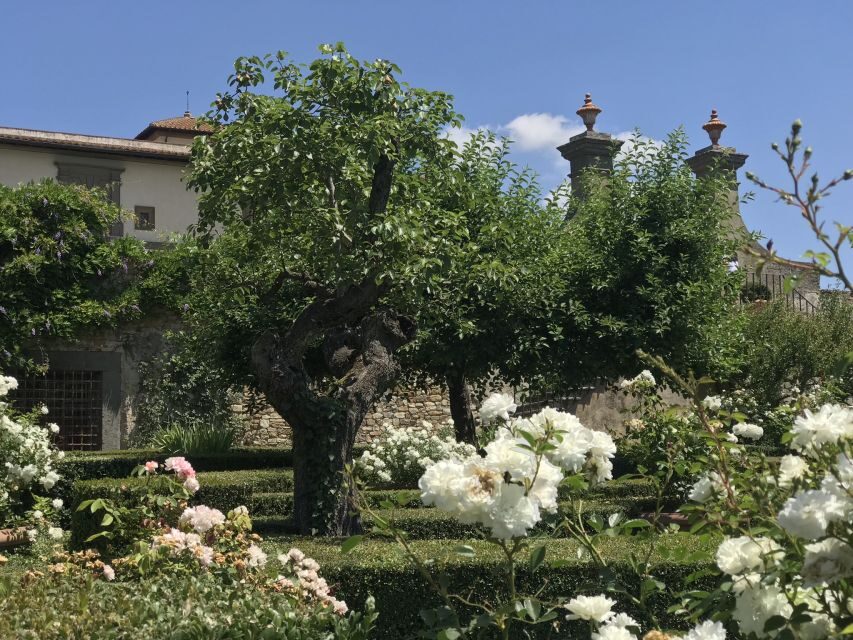
- Montefioralle stone hilltop lanes, preserved since the 12th century
- Family-run estate with medieval cellars and aging in original oak barrels
- Olive oil education including how to recognize a genuine extra-virgin
- Estate lunch with tastings using organic ingredients from the property
How the private Chianti day trip actually feels
This is built for people who want Tuscany without the stress of planning every turn. Instead of stitching together buses and waiting time, you start in central Florence and go straight into the countryside with an English-speaking driver. The day has a clear rhythm: viewpoint, village, viewpoint, village, then the estate where you slow down and taste.
Because it’s private or small groups, you can usually ask questions as you go. That matters on a day focused on wine and olive oil. You’re not just collecting sips; you’re learning what you’re tasting and why it matters in Chianti.
The pacing is also part of the design. You get enough stops to feel like a real day in Chianti, but you’re not spending the whole day in one place.
You can also read our reviews of more tours and experiences in Chianti Hills.
Piazza dei Cavalleggeri to Piazzale Michelangelo: getting your bearings fast
You meet at Piazza dei Cavalleggeri. From there, there’s a short van ride as you head toward the first scenic points outside Florence. One early highlight is the Piazzale Michelangelo photo stop—a quick pause to grab a view, and a useful moment to mentally switch gears from city streets to hillside roads.
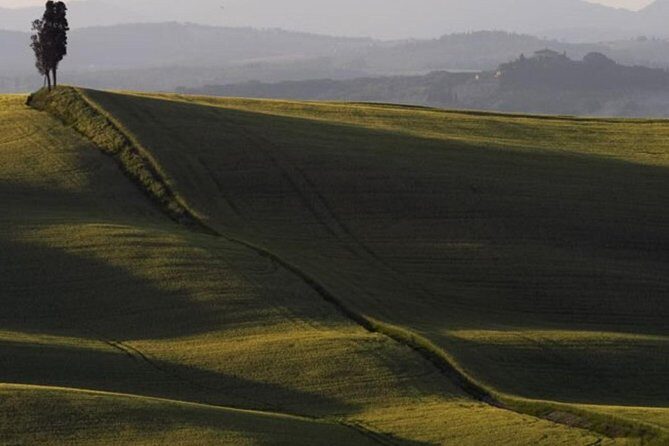
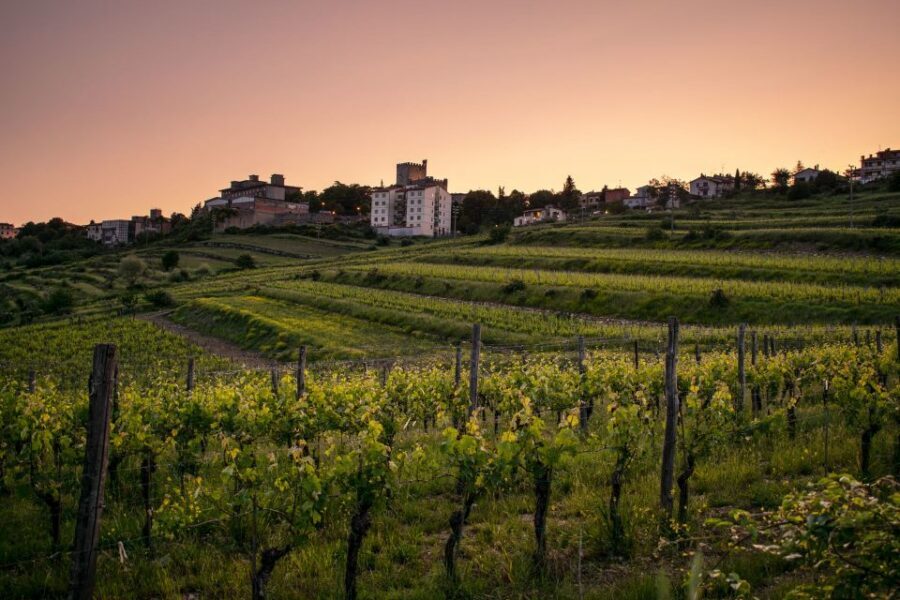
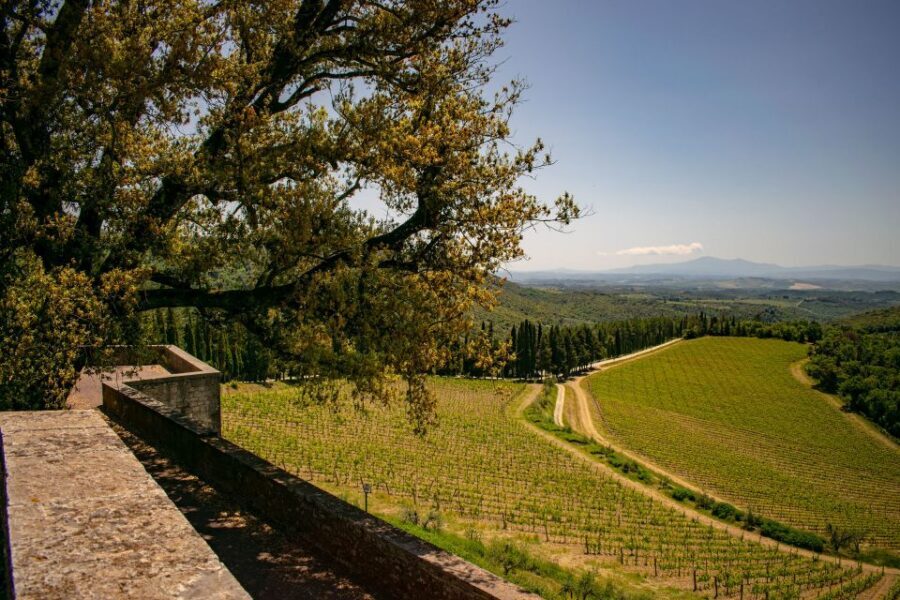
Then the drive continues with planned panorama stops, so you’re not stuck staring at GPS maps. The route takes you along the ancient Roman road Cassia Vetus, which gives the day an old-world sense of movement. You’ll pass rolling hills packed with vineyards and olive groves, which makes the later tastings feel more grounded.
Practical thought: wear shoes you trust on uneven village streets. Even when the walks are short, you’ll be on stone.
Greve in Chianti: medieval lanes and the Hudson Bay connection
The first village stop is Greve in Chianti. This is one of the most useful places to start, because it gives you an easy-to-digest overview of Chianti life: stone buildings, narrow lanes, and a relaxed village pace.
You’ll have time to visit and stroll, plus there’s time built in for a coffee tasting. It’s not a long spa-like break, but it’s a nice reset before you climb toward the hilltop hamlet later.
Here’s a detail I love because it makes the village feel more than scenery: Greve is linked to Giovanni da Verrazzano, a Florentine traveler born there, who discovered the Hudson Bay in the 15th century. You’ll likely hear this as part of the local storytelling, and it’s a reminder that Tuscany wasn’t only about farming—it’s also been a launching point for big voyages.
What to watch for: village time can pass quickly. If you want photos, position yourself early—then enjoy the walk without constantly checking your phone.
Montefioralle: the 12th-century stone village experience
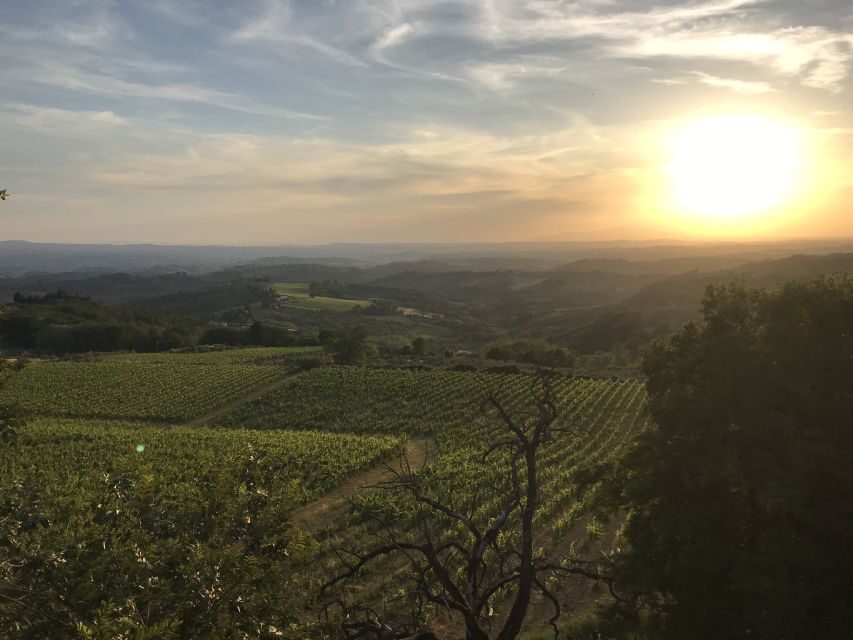
After Greve, the day heads to Montefioralle, a hilltop hamlet with narrow streets and an old-town feel. The standout is that the village has been perfectly preserved since the 12th century, so you’re not looking at a staged “old town.” The stones and layout are part of what you’re seeing.
You’ll have a visit and walking time here, plus scenic stops around the way. This is where the trip shifts from “pretty village” to “wow, these lanes still feel medieval.”
One more interesting layer: you may hear anecdotes tied to the Black Rooster, the emblem associated with Chianti Classico. The Black Rooster isn’t just a logo. In the context of the day, it’s a way to connect symbols to the wine identity of the region, so the later tastings make more sense.
Possible drawback: hilltop villages can feel like steps and angles. If you’re visiting with mobility limits, this part may require extra patience and slower pacing. (The tour doesn’t advertise special accessibility features in the details provided.)
The Cassia Vetus countryside drive: why it matters for wine tasting
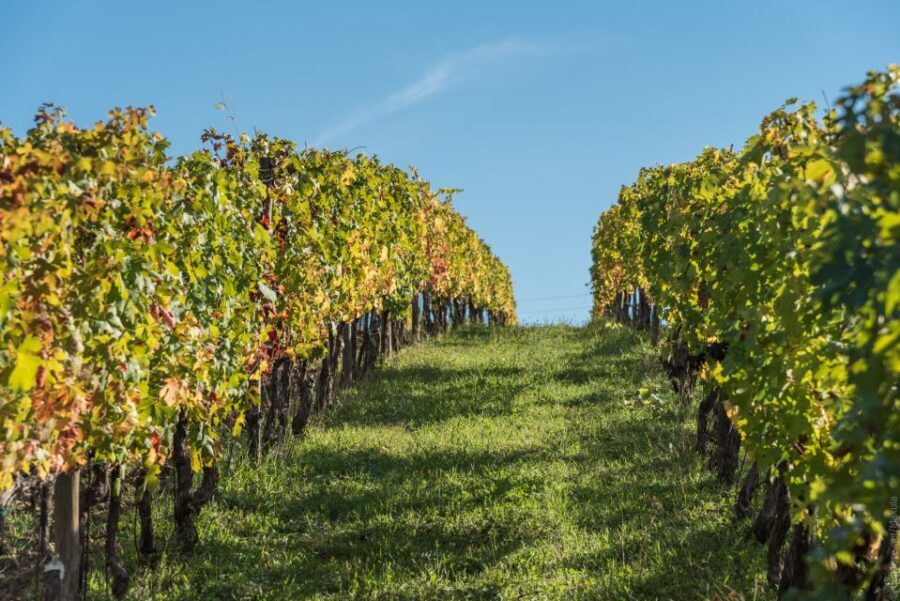
There’s a reason the tour builds in multiple scenic stretches between stops. The countryside drive isn’t just filler; it sets expectations for what’s behind Chianti bottles.
As you move along Cassia Vetus, you see how the land is used: vineyards, olive groves, and the rolling hills that shape microclimates. Even if you don’t nerd out on terroir, your brain starts connecting the geography to the flavors.
This also helps the educational portion later. When someone points out what to look for in an extra-virgin olive oil, you can already picture the trees and understand why freshness and extraction method matter.
You can also read our reviews of more wine tours in Chianti Hills

Olive oil education at the estate: more than a quick taste
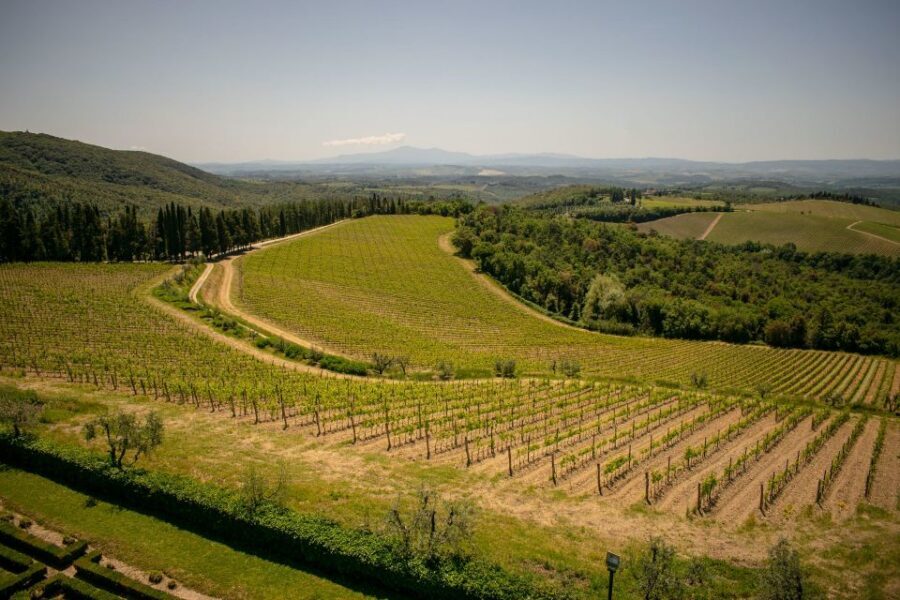
Now we get to the part that often separates a fun day from a memorable one: the estate isn’t only about wine. You’ll learn the local secrets behind making extra-virgin olive oil, including the best way to recognize a genuine one.
Extra-virgin olive oil isn’t just “good” or “bad.” It has specific qualities, and you’ll be shown what to pay attention to. The tasting helps, but so does the explanation—especially if you’ve ever bought oil back home and wondered why it didn’t taste the same.
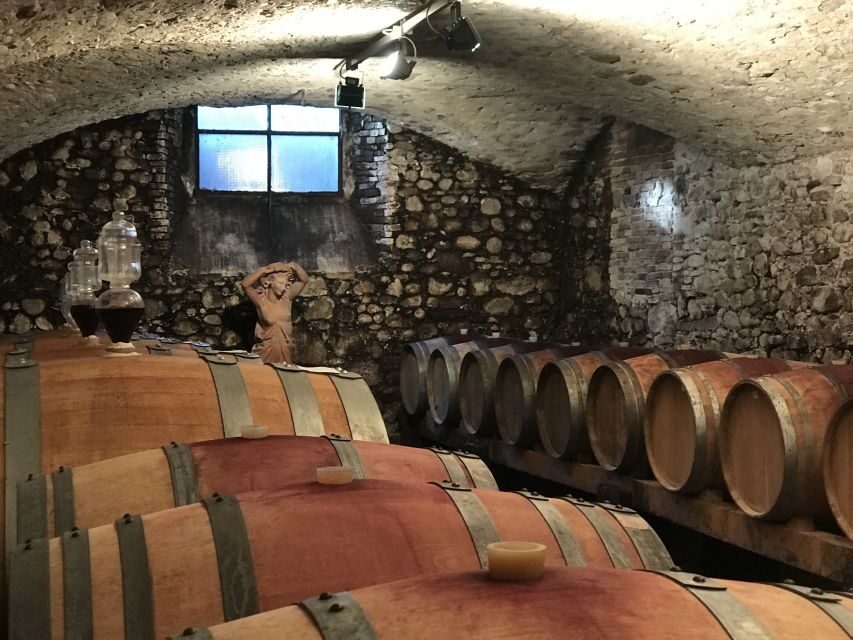
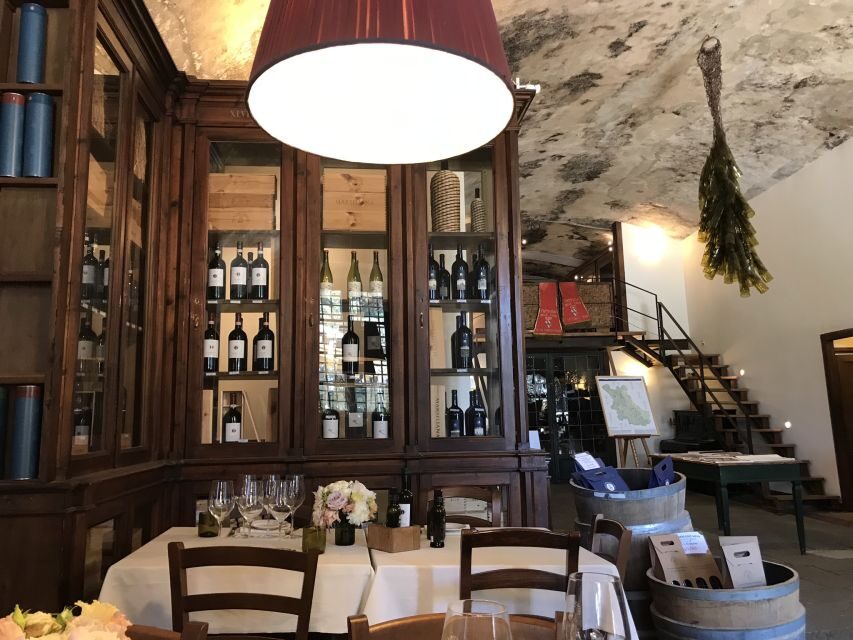
This is also where the estate details start sounding more real. The property includes medieval cellars where original oak barrels are still used for aging wine. That tells you you’re not doing a generic tasting room session. This is connected to how the wine is made and stored.
Practical tip: if you’re bringing home bottles of anything, plan to protect them in your luggage. Even when everything’s packed carefully, wine and glass don’t enjoy being jostled.
Medieval cellars, oak barrels, and three Chianti Classico pours
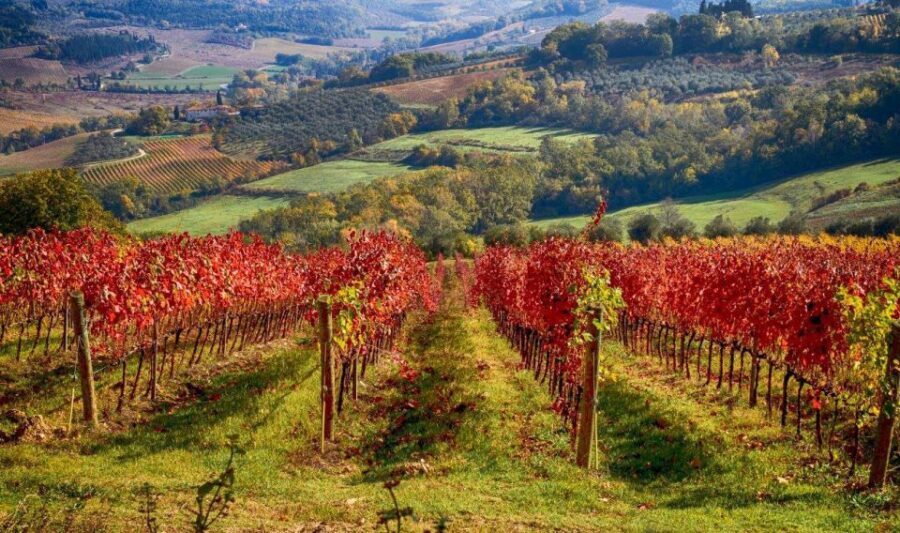
The wine portion is built around three top Chianti wines, paired with the meal later. But the tastings aren’t detached from the story of production.
In the estate setting, you’ll learn how the cellars and aging process fit together. Hearing about oak barrels matters because it changes how flavors develop. Oak can add warmth and structure, and it also affects aromas you’ll notice during tasting.
This is where a good guide makes a difference. From past experience on similar private Tuscany days, names like Gianni and Mr Paolini come up for their ability to explain wine and olive oil clearly, and to keep the tone friendly. On a day like this, you want someone who can translate grape and mill details into something you can actually taste.
If you’re a wine lover, you’ll appreciate how the tasting is placed right inside the working context: this estate still uses the methods and spaces that made it itself.
Lunch at the private estate: what you’ll actually eat
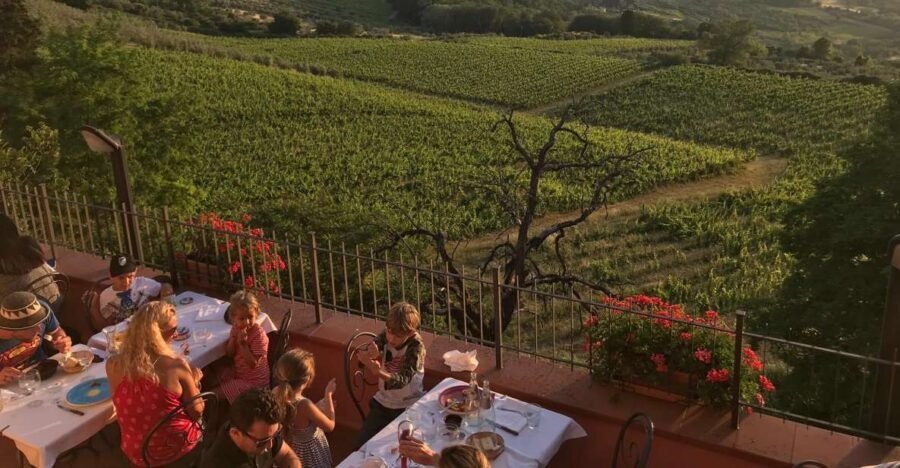
The meal is served on the private estate, and it’s described as a typical Tuscan light lunch. The key detail I look for here is that the food uses organic ingredients grown on the property. That helps explain the flavors, because the tastes you’re having weren’t sourced from far away for convenience.
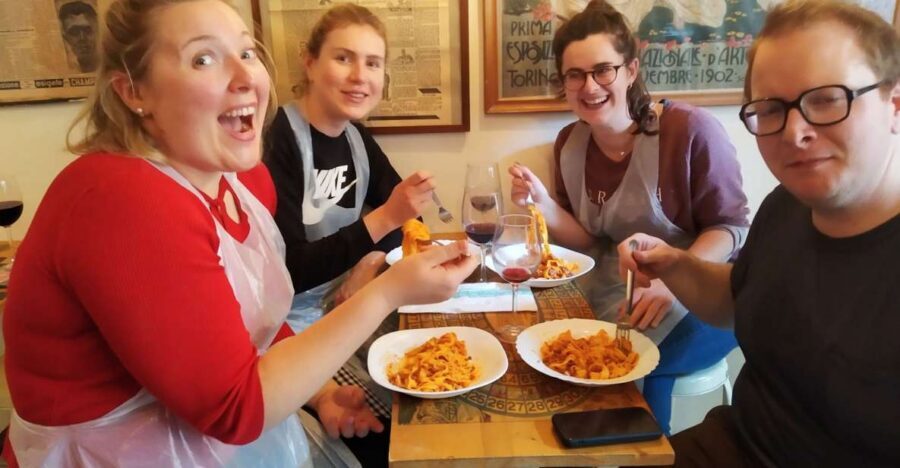
Lunch comes alongside a tasting sequence that includes the three Chianti Classico wines and an extra-virgin olive oil tasting. In other words, you’re eating and tasting in the same place where the products are produced—so you don’t feel like you’ve jumped between unrelated stops.
There’s also time that may include shopping for regional food. If you want to bring something home that fits the day, this is your moment. Think of it as turning your tastes into souvenirs you’ll actually use.
Dietary notes: if you have restrictions or requests, you should inform the operator in advance. The tour details specifically ask for it, which is a good sign that they’re prepared to handle common needs.
Price and value: is $248.09 per person a fair deal?
At $248.09 per person for about 6 hours, the pricing isn’t cheap in a straight numbers way. But it makes sense when you break it down:
- You’re paying for private transfer from central Florence to the countryside and back.
- You’re getting multiple guided stops including villages and panoramic points.
- The estate time includes wine tasting (three Chianti wines) plus extra-virgin olive oil tasting.
- You’re also getting a typical Tuscan light lunch in the estate setting.
In plain terms: this isn’t only transportation and a sandwich. The value is the combo of (1) time-saving logistics, (2) guided learning you can’t easily replicate on your own without a car, and (3) food and tastings that are part of the experience, not extras.
The other value factor is privacy. If you’re traveling with just your party, you typically get a more flexible flow and more direct answers than you would on larger bus groups.
If you’re the type who wants to self-drive and spend hours improvising, you could do something cheaper. But if you want a smooth day with structured stops and tastings included, this is priced like a premium service for a reason.
Who should book this Chianti private day trip
This fits best if you:
- want wine and olive oil to be the focus, not just a side stop
- prefer a private or small-group pace with an English-speaking guide
- enjoy medieval villages but don’t want to spend your day navigating transport
- like learning stories behind regional symbols like the Black Rooster and wine identity
It may be less ideal if you:
- need long stretches of time in one village or museum-like attractions
- struggle with hilltop walking and uneven stone streets
- have complicated dietary needs and haven’t planned ahead
Should you book it?
Yes—if you want a well-structured Chianti day that doesn’t require planning car routes, finding tastings, and piecing together lunch on your own. I’d especially recommend it to wine lovers who like to understand what’s behind the glass, and to anyone who wants a Tuscany day that feels personal, not crowded.
If you’re mostly after big-ticket sights, you might prefer a different Tuscany focus. But if you want the land, the villages, and then the estate meal with Chianti Classico plus olive oil in one smooth package, this is the kind of trip that makes Tuscany feel real.
FAQ
How long is the Florence to Chianti private day trip?
The duration is 6 hours.
Where do we meet in Florence?
The meeting point is Piazza dei Cavalleggeri, and your guide will hold a sign with your name.
What tastings and lunch are included?
You’ll enjoy a typical Tuscan light lunch, tasting of 3 top Chianti wines, and tasting of extra-virgin olive oils.
Is the guide available in English?
Yes, the tour includes a live guide in English.
Are pets allowed on this tour?
No, pets are not allowed.
What should I do if I have dietary restrictions?
You should inform the operator of any special dietary requests or restrictions in advance.