REVIEW · BOLOGNA
Make Homemade Pasta in Bologna with Professional Pasta Maker, Pio
Book on Viator →Bookable on Viator
Fresh pasta feels like a cheat code.
This private class in Bologna is built for real food people, not just a dining room with menus. You’ll work in your host’s kitchen and pasta workshop to learn how to roll, cut, and cook shapes like tagliatelle and tortellini, plus other local options such as passatelli. After about an hour of cooking, you sit down and eat what you made, with beverages and local wine.
I especially like the hands-on pace—you’re doing the work, not watching it. And I like that the meal is part of the lesson, so you immediately understand how technique turns into flavor. One drawback to consider: there’s no hotel pickup, so you’ll need to get yourself to the meeting point near Via di Corticella.
In This Review
- Key Things to Know Before You Go
- Heading Into Pio’s Bologna Kitchen: A Real-World Food Visit
- What You’ll Make: Tagliatelle, Tortellini, and Passatelli (and Sometimes More)
- Rolling and Cutting Pasta: The Skills You Can Actually Reuse
- From Cooking to Dinner: How the Meal Works After the Hands-On Part
- Italian Food Culture in a Home Kitchen: What You’ll Learn Beyond Pasta
- Price and Value: Is $164 Worth It?
- Who This Class Suits Best (and Who Might Want a Different Option)
- Tips to Get More Out of Your 4 Hours
- Should You Book Homemade Pasta with Pio in Bologna?
- FAQ
- Do I need to arrange my own transportation?
- How long is the pasta class?
- What’s included in the price?
- Is there a vegetarian option?
- Can the menu accommodate allergies or dietary restrictions?
- Can I get a full refund if I cancel?
Key Things to Know Before You Go
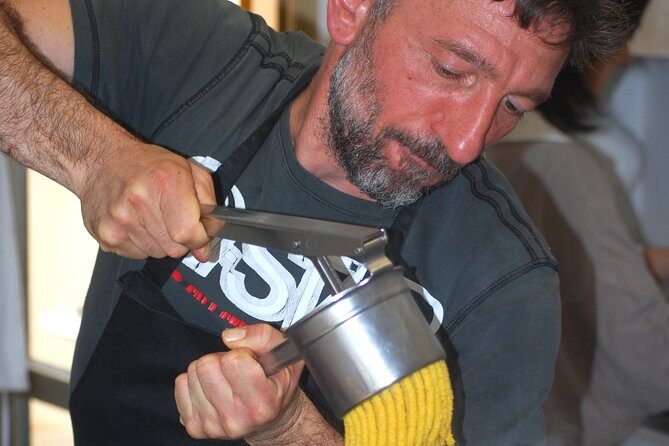
- Private, personalized class in a local home kitchen, not a commercial cooking school
- Multiple pasta styles covered, including tagliatelle and tortellini, plus seasonal variations like passatelli
- Cooking + eating: about an hour of making, then you enjoy the meal you created
- Beverages and local wine help turn a lesson into an actual dinner night
- Diet can be accommodated, including a vegetarian option if you request it ahead of time
- You may hear extra personality from your host, with hints of swing dance in the background
Heading Into Pio’s Bologna Kitchen: A Real-World Food Visit
You start in Bologna at Via di Corticella, and the class ends back at that same meeting point. That matters more than it sounds. When there’s no hotel pickup, you’re choosing a bit more independence—and that’s usually a trade-off for a more local experience. I’d treat it like a dinner plan you need to navigate, not a tour van day.
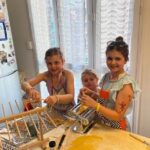
Once you arrive, you’re stepping into a home kitchen and workshop setting. That’s the whole point here. You’re not learning pasta from a lecture screen. You’re learning from someone who does this the practical way: hands, timing, texture, and small corrections as you go. In at least some versions of this kind of home class, you may also meet an English helper or translator alongside the host, which can make the whole thing feel easier if your Italian is basic.
And yes, the vibe can be warm and social. Fresh pasta lessons can sound stiff on paper, but when you’re rolling and shaping together, conversation tends to happen naturally—about food, daily life, and how families handle recipes that don’t fit neatly into a cookbook.
You can also read our reviews of more tours and experiences in Bologna.
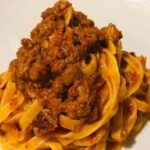
What You’ll Make: Tagliatelle, Tortellini, and Passatelli (and Sometimes More)
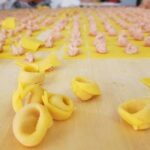
This class is built around classic Bologna pasta shapes, with tagliatelle and tortellini at the center. You should expect to learn how to roll the dough, cut it, and cook it so it comes out right—tender, not sticky, and not overcooked.
Passatelli may also appear. This is one of those dishes that helps you understand how regional cooking in northern Italy can feel both simple and precise. It’s not just about choosing a shape; it’s about learning how dough and ingredients behave when heat hits.
Your host, Pio, may also include a couple of dishes prepared in advance. That’s smart. Real pasta-making time is physical. A small head start with some components means you’re not stuck waiting for everything to cook while your dough sits around.
One more detail that can make the meal interesting: Pio may include some Pugliese dishes in the mix. Bologna is your backdrop, but the menu may show how Italian cooks borrow and adapt techniques across regions. For you, that means you’re likely to leave with a broader sense of what Italian food can be, not only one narrow track.
Rolling and Cutting Pasta: The Skills You Can Actually Reuse
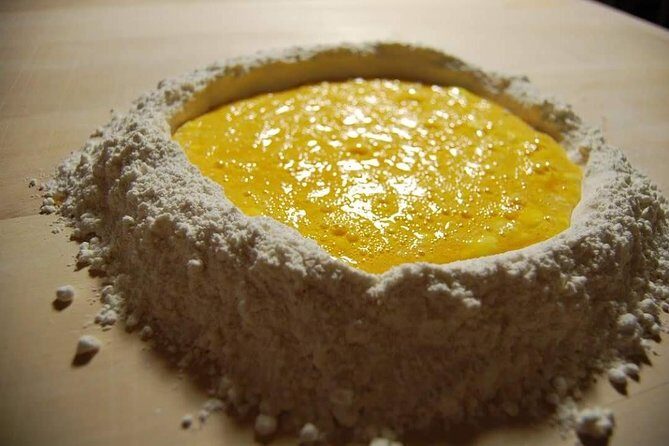
This is not a one-and-done souvenir activity. The goal is that you walk away knowing how to handle fresh pasta dough.
You’ll learn the basics of working the dough—rolling it to the right thickness and cutting it with confidence. Tagliatelle is a great example. It looks simple, but thickness and handling matter. If the dough is too thick, it eats heavy. Too thin, and it can get delicate fast. You’ll practice until you can feel the difference with your hands.
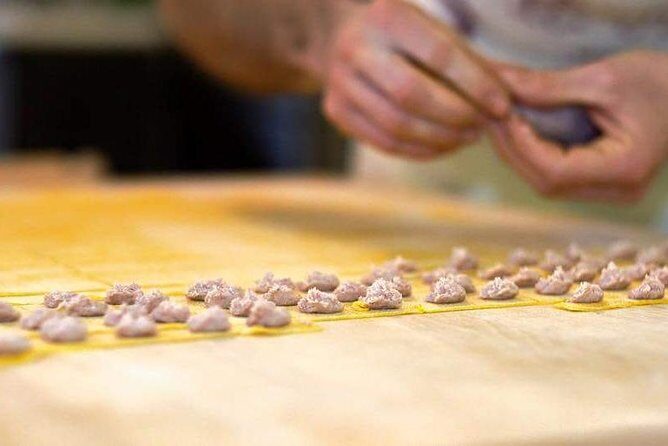
For filled pasta like tortellini (and in some sessions, related stuffed shapes), you’re dealing with a different kind of craft: portioning, sealing, and shaping so it holds during cooking. In a class led by Pio, a friend may sometimes help with translation, and the teaching can get very technical in a helpful way—how to position, how to avoid overfilling, and how to make sure the seams stay closed.
A detail I really like for your learning: in at least some pasta-maker-led classes, the host uses a dedicated pasta slab made specifically for rolling. That’s practical. A proper work surface makes it easier to control stickiness and thickness, and it helps you build repeatable habits. If you get that setup, pay attention to how your host flour-bats, handles the dough, and keeps things moving without drying it out.
From Cooking to Dinner: How the Meal Works After the Hands-On Part
About an hour of cooking happens with your host. Then you sit down to eat the pasta you helped make.
This structure is worth it. If a class only teaches technique and then sends you back out to find dinner, you’ll forget a lot of what you learned because there’s no immediate feedback. Here, you taste the results right away. When you watch your own tagliatelle (or your finished tortellini) land on the plate, you instantly connect texture and timing to what you were doing with the dough.
You’ll also have beverages during the experience. Local wine is part of the meal, which helps in two ways:
- It turns the class into something closer to a real evening out.
- It gives you a chance to ask food questions without feeling like you’re in a classroom.
Also, the learning-to-eating rhythm keeps the day from getting too long. Four hours is enough time to learn without feeling exhausted or rushed. It’s a good length for people who don’t want a full-day food tour.
Italian Food Culture in a Home Kitchen: What You’ll Learn Beyond Pasta
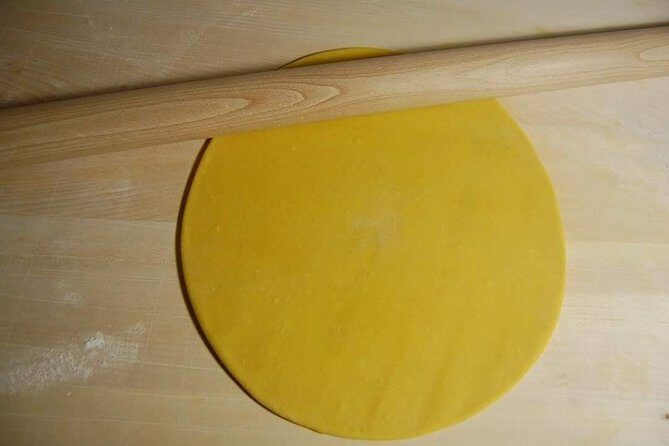
Pasta lessons are never just about pasta. They’re about rhythm: when Italians build meals around technique, family habits, and seasonal ingredients.
Even if the menu changes by season, the core teaching stays the same: how to treat fresh dough, how to shape with care, and how to cook so it tastes like something meant for a table, not a potluck.
You’ll also get culture through conversation and observation. In similar home-host formats, some kitchens include extras like a garden walk or harvesting vegetables before cooking. That kind of detail isn’t guaranteed for every date, but it’s a reminder of what makes a home class special: you can see the broader environment that feeds the food.
And then there’s the human side. There’s a rumor that your host may share a second passion—American swing dance. Even if that’s only a quick story, it’s part of why this works. It’s not a script. It’s a real person showing you how they live and eat.

Price and Value: Is $164 Worth It?
At $164 per person for about 4 hours, this isn’t the cheapest thing on a Bologna list. But it’s also not trying to be. Here’s what you’re getting for the price based on what’s included:
- A private class with your host
- The meal you helped prepare
- Beverages (and local wine with dinner)
- All taxes, fees, and handling charges
- Gratuities included
That’s the key value story: the cost is mostly covering a hosted experience with food and instruction baked in. In many public classes, you might pay less but then you still need to buy lunch/dinner separately and you end up doing half the work in a crowded space. This setup is priced higher, but it’s also more complete.
The main practical cost you should factor is the one thing not included: hotel pickup and drop-off. You’ll likely spend a bit on transit to get there, but since the meeting point is near public transportation, it should be manageable.
If you want maximum value, I’d go with a group of two or more who genuinely like food. You’ll feel the private attention and you’ll get more conversation out of the experience.
Who This Class Suits Best (and Who Might Want a Different Option)
This class suits you if you want a hands-on Bologna experience that feels personal. It’s also a strong pick if you like learning how things are made—not only eating them.
You’ll probably enjoy it most if:
- You’re comfortable doing active work with your hands
- You’re curious about differences between shapes like tagliatelle and tortellini
- You want a dinner with structure, not just wandering for food
You might think twice if:
- You want zero cooking involvement and prefer watching only
- You’re hoping for an all-day sightseeing plan, because this is focused on the home kitchen and meal
- You strongly depend on hotel pickup for mobility or timing (because pickup isn’t included)
The good news: you can ask about dietary needs. If allergies or restrictions apply, you’ll want to flag them when booking. There’s also a vegetarian option available if you request it ahead of time.
Tips to Get More Out of Your 4 Hours
Fresh pasta classes reward small preparation choices. Here’s how to set yourself up:
- Wear comfy clothes. You’ll be rolling, cutting, and getting a bit messy.
- Go in hungry, but not starving. You’ll eat at the end, but don’t arrive after a heavy lunch.
- Ask about consistency. When you’re learning dough thickness and handling, questions help more than watching alone.
- Take notes if you can. Even quick mental notes help you repeat the basics later: flour level, rolling thickness, and timing.
- Tell them about your pace. If you’re a total beginner, say so early. A good host will adjust.
If language is a concern, keep an open mind. In some versions of this kind of class, an English helper may join for translation. Even without that, cooking is visual, and your host will likely correct you directly.
Should You Book Homemade Pasta with Pio in Bologna?
I think you should book this if you want a real Bologna food evening: hands-on pasta skills, a proper meal with wine, and a private home setting that feels human instead of staged. The price makes sense because it includes the instruction, the meal, beverages, and everything that usually adds up on a restaurant night.
If your priority is easy logistics with pickup included, or you want a big sightseeing day, then this might feel too focused. But if you want to learn how to make pasta you can actually recreate later—this is the kind of class that teaches the details, not just the idea.
FAQ
Do I need to arrange my own transportation?
Hotel pickup and drop-off are not included. The experience starts and ends back at Via di Corticella, and the meeting point is near public transportation.
How long is the pasta class?
It runs about 4 hours.
What’s included in the price?
You get a private cooking class plus a meal with your host Pio, beverages, and all taxes, fees, and handling charges. Gratuities are included too.
Is there a vegetarian option?
Yes. You should advise the operator at booking if you need a vegetarian option.
Can the menu accommodate allergies or dietary restrictions?
Yes, but you need to advise at the time of booking if any allergies, dietary restrictions, or cooking preferences apply.
Can I get a full refund if I cancel?
Yes. You can cancel up to 2 days in advance for a full refund. If you cancel less than 2 full days before the start time, the amount paid won’t be refunded.