REVIEW · MONTALCINO
Montalcino: Brunello Wine Tasting Experience
Book on GetYourGuide →Operated by Hidden Experiences · Bookable on GetYourGuide
Wine, history, and big views together.
This is a guided Montalcino wine tasting set in an elegant medieval castle, with an expert sommelier leading a short vineyard walk and explaining what makes the wines here tick. In about 1.5 to 2 hours, you go from countryside scenery to three structured tastings, paired with local bread snacks, in a setting that feels special without being overly formal.
I especially like two parts: the vineyard stroll with the sommelier, where you hear about traditional high-quality wine production methods before you taste, and the 3-wine tasting paired with local “bread sticks” (often described as focaccia-style snacks) plus water. Reviews also call out standout guides like Imma and Alice, both praised for warmth and clear explanations.
One thing to consider: this is not a long, multi-stop winery day. One review notes the tasting is limited to a single serving per wine with no refills, so it may not satisfy if you want a bigger amount poured or more time in production areas.
In This Review
- Key highlights in plain terms
- Why Montalcino’s medieval castle tasting feels different
- The vineyard walk: where the lesson actually starts
- Castle and winery tour: what you should watch for
- The tasting itself: 3 wines, with bread pairings that make it click
- What makes Brunello-area wines feel special (and why this lesson helps)
- Price and value: $38 for a castle tasting with a real sommelier
- Timing, meeting point, and the one rule you shouldn’t ignore
- Who should book this experience (and who might want something else)
- Should you book the Brunello wine tasting in Montalcino?
- FAQ
- How long is the Montalcino Brunello wine tasting experience?
- What is included in the tour price?
- Do I need hotel pickup or drop-off?
- How many wines will I taste?
- What languages are available for the tour guide?
- What wines might be served?
- What should I do for the meeting point and timing?
Key highlights in plain terms
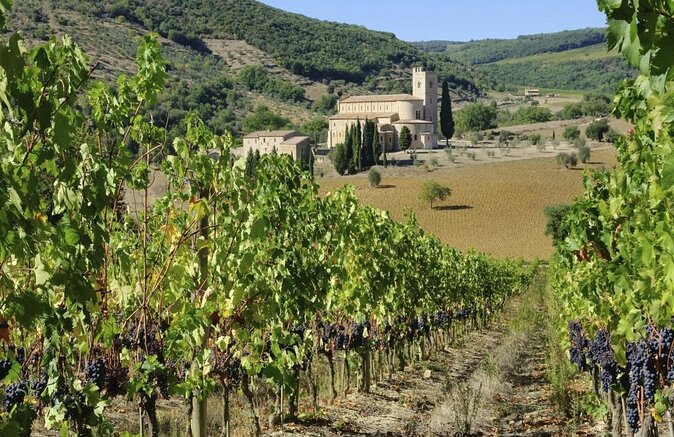
- Medieval castle setting in central Montalcino for an elegant, memorable tasting atmosphere
- Vineyard walk first, so the wine-making talk makes sense before you sip
- Three local wines (often including Sangiovese IGT or Brunello di Montalcino)
- Bread pairing included (bread sticks, and described as focaccia during the tasting) plus water
- Professional sommelier guidance in English or Italian
- Short format (1.5–2 hours) that fits easily into a Tuscany day plan
Why Montalcino’s medieval castle tasting feels different
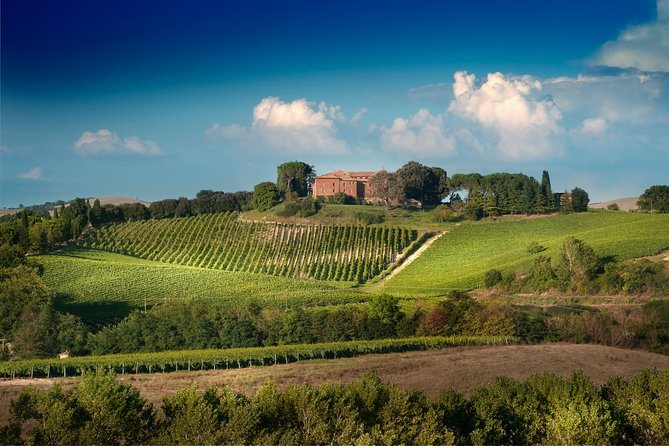
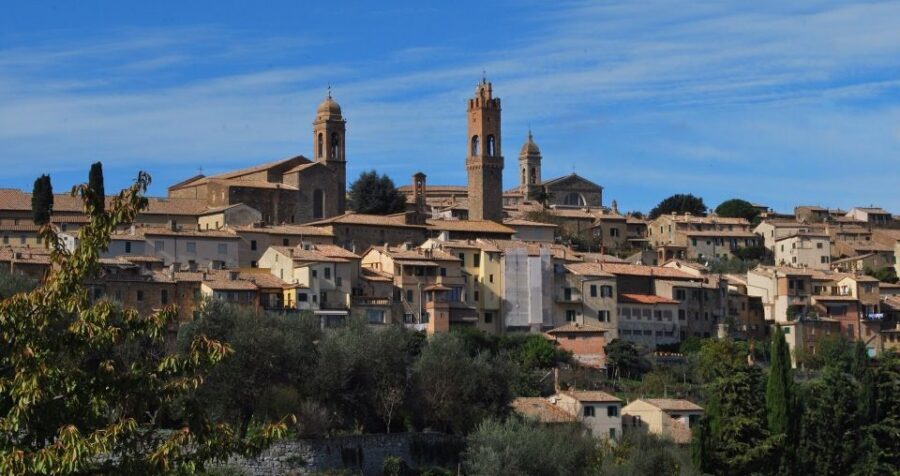
Most wine tastings teach you the same basics: how wine is made, how to taste, what to look for. What makes this experience in Montalcino feel more than routine is the way the setting supports the learning. You’re not tucked into a plain room. You’re in a medieval castle environment, and that changes the mood. It gives the whole experience a sense of place—like the wine is part of the landscape and the family legacy around it.
I also like the pace. The tasting isn’t stretched into a half-day event, and it’s not rushed in a way that makes the information thin. The format is designed to be focused: a tour of the winery and castle, a walk through the vineyards, then a guided tasting of three local wines. That rhythm keeps you engaged, and you don’t leave feeling like you missed the best part while waiting for the schedule to catch up.
And yes, you’ll get the Tuscany views people come for—just with a wine expert talking through what you’re seeing and tasting rather than it being only photo time.
You can also read our reviews of more food & drink experiences in Montalcino
The vineyard walk: where the lesson actually starts
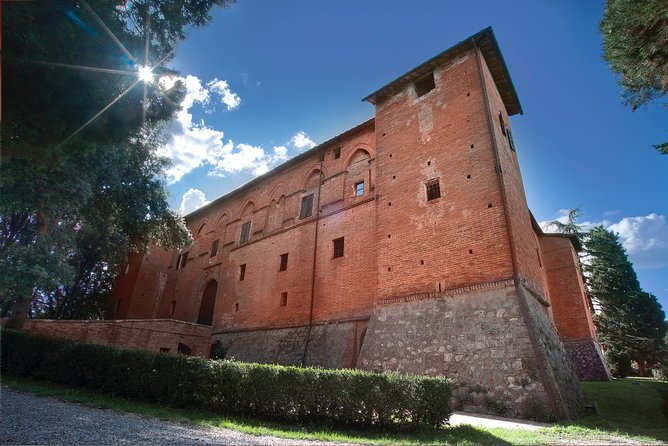
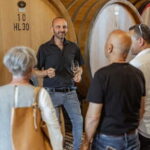
Before you taste anything, you start with a walk in the vineyard alongside your professional sommelier. This matters. If you go straight to wine tasting, you end up memorizing words. If you learn what’s happening in the vines first, the tasting descriptions become easier to connect to reality.
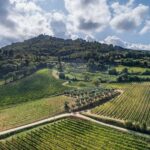
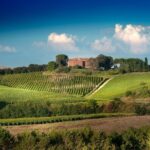
During the walk, you’ll hear about the castle’s history and the family behind it, while you admire the countryside scenery around Brunello territory. The goal isn’t “tour trivia.” It’s context: why Brunello-area wine traditions developed the way they did, and how producers think about high-quality wine over time.
Here’s what you can expect from the vineyard portion:
- You’ll get an explanation of the wine-making process and the traditional methods used to produce high-quality wine
- You’ll hear how these methods tie into the character of the wines you’ll taste next
- You’ll have a moment to slow down and look at the surrounding hills and vineyard setting (not just stand in line)
Practical note: bring comfortable shoes. You’re walking in the vineyard area, and even if it’s not described as rugged, it’s still outdoors and on uneven ground sometimes.
Castle and winery tour: what you should watch for
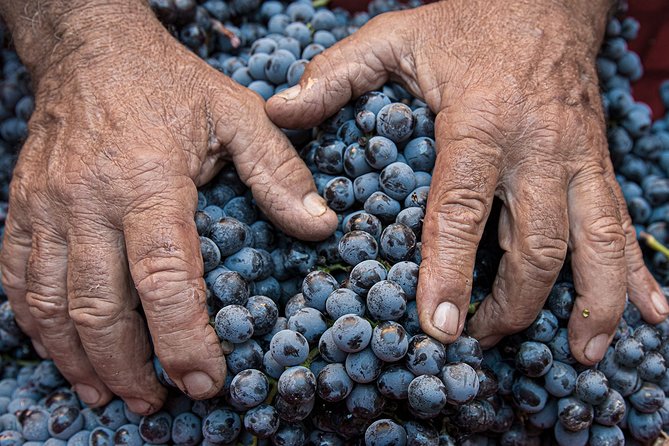
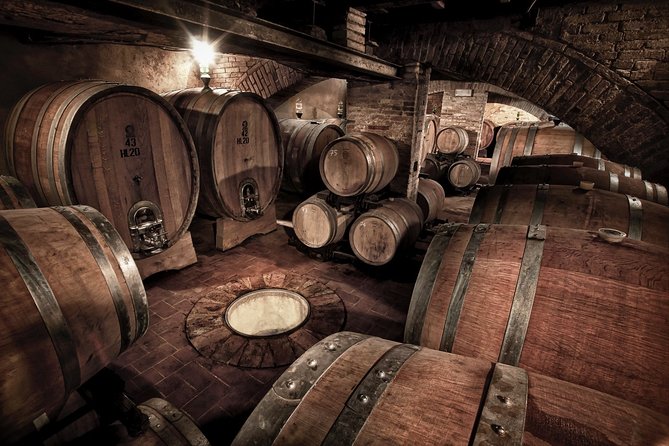
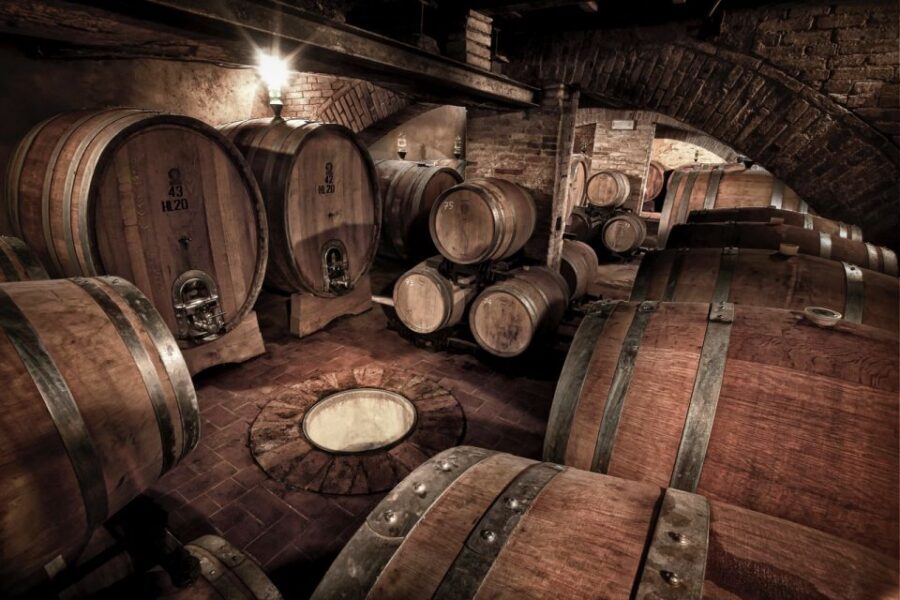
You’ll also get a winery and castle tour as part of the experience. The castle setting does two useful things. First, it helps you understand why wineries in places like this often feel family-run and tradition-heavy. Second, it frames the wine tastings as something grounded in the property and its story.
While you’re touring, listen for what the sommelier emphasizes. In this kind of experience, the guide usually connects the architecture and family history to how wine production is approached. Even when details aren’t super technical, you’ll get a clearer sense of the “why” behind traditional methods.
If you’re the kind of person who likes learning, you’ll probably enjoy this part more than you expect. If you’re more of a “show me the wine” person, don’t worry—this is still short and lead-in focused, not a long museum-style stop.
The tasting itself: 3 wines, with bread pairings that make it click
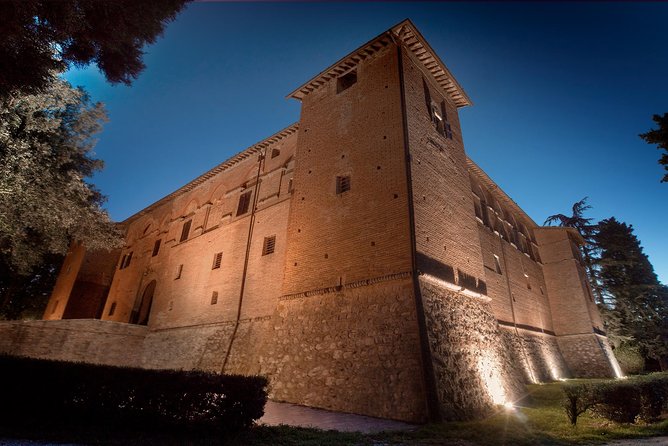
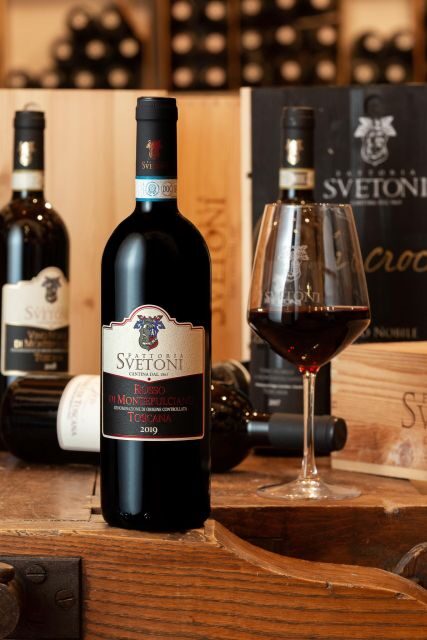
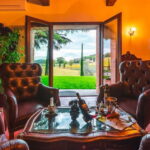
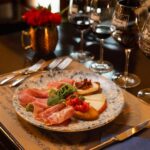
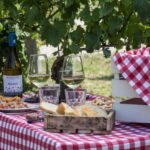
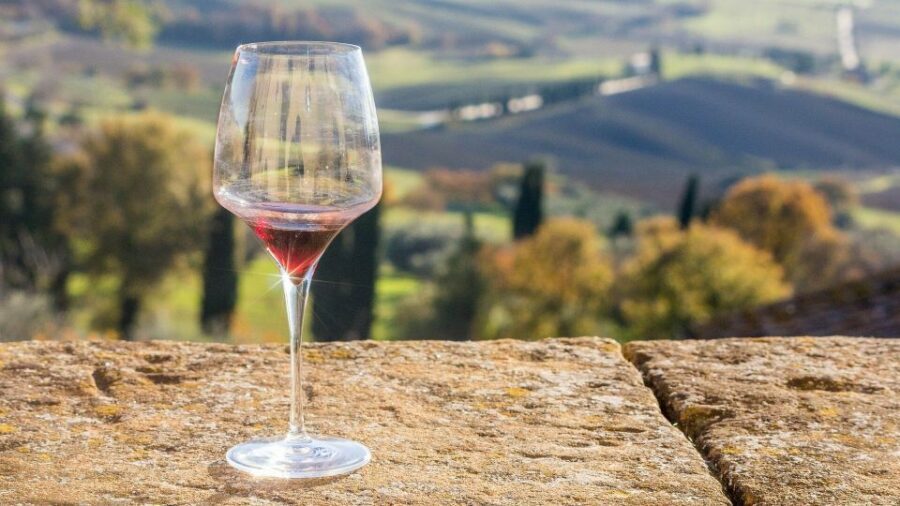
After the walk and tour, it’s tasting time. This is an exclusive guided wine tasting of three local wines, paired with local snack options described as bread sticks, plus focaccia-style bread during the tasting experience.
The wines you taste are described as important Tuscan options, such as Sangiovese IGT or Brunello di Montalcino. You’ll get a sommelier-led explanation of what you’re tasting and what makes these Italian wines unique.
What I like about this tasting structure:
- You taste multiple wines rather than only one, so you can compare styles and cues
- The guide stays involved, so it doesn’t turn into a solo sip-and-guess session
- The food pairing helps you understand the wine beyond flavor alone
What to pay attention to during each pour
You don’t need a wine degree. But if you want to get more out of the tasting, try this:
- Note how the wine changes as you move from the first to the third pour
- Pay attention to how the bread pairing affects how the wine tastes (bread can soften edges and highlight balance)
- Ask the sommelier one follow-up question if something surprises you—guides are there to translate wine language into real-world meaning
Food pairing reality check: It’s not a full meal. The snack pairing is part of the tasting experience, so think of it as support for your sip—not dinner.
And about serving size: the experience is guided and structured. One review mentioned only a single glass style tasting and no refills, so manage expectations if you’re coming specifically to drink a lot. You’re here to learn and compare, not to leave with a buzz and a jug.
What makes Brunello-area wines feel special (and why this lesson helps)
Even if you’ve had Brunello before, this experience can sharpen what you notice. The sommelier focuses on uniqueness in the wines from this region—especially those tied to Sangiovese (like Sangiovese IGT) and Brunello di Montalcino.
Why that matters: Brunello-area wine discussions can sound abstract when you only read labels. When you hear about production methods first—then taste with guidance—the terms start to connect. You stop asking, “What is this supposed to mean?” and start asking, “What do I notice, and why?”
If you’re new to Tuscan wines, you’ll likely appreciate the guided explanations most. If you already know Sangiovese basics, you’ll still benefit because the tasting is designed around comparison across the three wines on the list for the session.
You can also read our reviews of more wine tours in Montalcino


Price and value: $38 for a castle tasting with a real sommelier
At $38 per person for a 1.5–2 hour experience, you’re paying for three things: access to the castle setting, expert guidance, and included tastings plus snack pairings.
Is it a bargain? It’s not “cheap,” but it also isn’t priced like a private charter or a multi-course winery day. You get:
- A winery and castle tour
- A professional sommelier
- A guided tasting of three local wines
- Bread pairing snacks
- Water
That’s decent value for a short, structured session—especially compared to tastings where you pay similarly but get fewer wines, less guidance, or no food pairing.
Where you’ll feel the price most: if you’re in Montalcino anyway and want to make the most of your time. If you’re thinking of doing this as a long detour from elsewhere, it may feel tighter on value because the experience is time-boxed.
Timing, meeting point, and the one rule you shouldn’t ignore
This tour is set up for punctuality. Latecomers will not be accepted. Plan to arrive 15 minutes early.
Two practical tips from the way this experience runs:
- Use Google Maps to get to the meeting point (don’t rely on other map apps)
- Come ready to start on time; the schedule is built around the vineyard walk and tasting flow
There’s no hotel pickup or drop-off included. You’ll need to handle getting yourself to the meeting point.
Also note the tour is offered in English and Italian, so you should be able to follow along well whichever language you choose.
Who should book this experience (and who might want something else)
This is a great match if you:
- Want an expert-led tasting without turning it into a full-day production tour
- Like learning first, then tasting (vineyard walk + wine-making talk)
- Enjoy wine experiences that feel tied to place—castle setting, family story, and Brunello surroundings
It may be less ideal if you:
- Want a very large amount of wine poured or multiple refill rounds (serving seems limited by design)
- Expect a long, deep winery/production immersion beyond the walk + tour format
- Are only in the area briefly and want a purely fast tasting with minimal structure (this experience is guided and narrative-based)
Should you book the Brunello wine tasting in Montalcino?
Yes—if you want a focused, high-quality tasting anchored in a medieval castle setting, with a professional sommelier leading both the learning and the sip. The value is strong for what you get in 1.5–2 hours: tour access, three wines, and bread pairings, all tied to Brunello-area context.
Book it especially if you’re curious about how Sangiovese and Brunello di Montalcino differ in feel and how production choices show up in a glass. If you’re coming just to drink a lot or you’re not planning to be in Montalcino, you may want to compare against longer winery experiences.
If you do book: arrive early, wear comfy shoes for the vineyard walk, and go in ready to ask questions. The best moments here are when you connect what you learn to what you taste.
FAQ
How long is the Montalcino Brunello wine tasting experience?
It lasts about 1.5 to 2 hours.
What is included in the tour price?
You get a winery and castle tour, a professional sommelier, a guided wine tasting of three local wines, bread sticks (local bread/snack pairings), and water.
Do I need hotel pickup or drop-off?
No. Hotel pickup and drop-off are not included.
How many wines will I taste?
You’ll taste three local wines during the guided tasting.
What languages are available for the tour guide?
The live tour guide offers English and Italian.
What wines might be served?
The tasting includes important Tuscan wines such as Sangiovese IGT or Brunello di Montalcino, depending on the session.
What should I do for the meeting point and timing?
Use Google Maps to reach the meeting point, arrive 15 minutes early, and note that latecomers will not be accepted.