REVIEW · PISA
Pisa all inclusive: Baptistery, Cathedral and Leaning Tower guided tour
Book on Viator →Operated by Discoverypisa · Bookable on Viator
Miracle Square feels manageable here. I like that you get real interior access to both the Baptistery and the Cathedral, not just photos from outside. I also love the pacing: a licensed guide helps you move through the complex with headsets so the commentary stays clear. One thing to plan around: if you choose the Leaning Tower, you’ll be working inside a fixed time slot for entry, plus a bag drop-and-pickup window.
You’ll start in Pisa at the Porta Santa Maria area and work your way through the Square of Miracles, with short stops and enough breathing room for pictures. The whole experience runs about 1 hour 30 minutes to 2 hours 45 minutes, depending on whether you add the tower climb option and how your timed entry lines up.
This is also a strong value because it’s not only the big three. You’ll have admissions tied to the Campo Santo Cemetery and the OPA and Sinopie museums, and the guide’s explanations help you connect what you see across the complex. It’s a small-group format too, with a maximum of 15 people, which makes questions easier and navigation less stressful.
In This Review
- Key things to know before you go
- Miracle Square, run like a guided walk
- Starting point at Porta Santa Maria: find the DISCOVERYPISA flag
- Piazza del Duomo: Square of Miracles orientation in 15 minutes
- Baptistero di San Giovanni: interior time plus picture breaks
- Cattedrale di Pisa: dress code can make or break entry
- Leaning Tower climb: timed entry, bag drop, and stairs
- Campo Santo Cemetery and the OPA and Sinopie museums
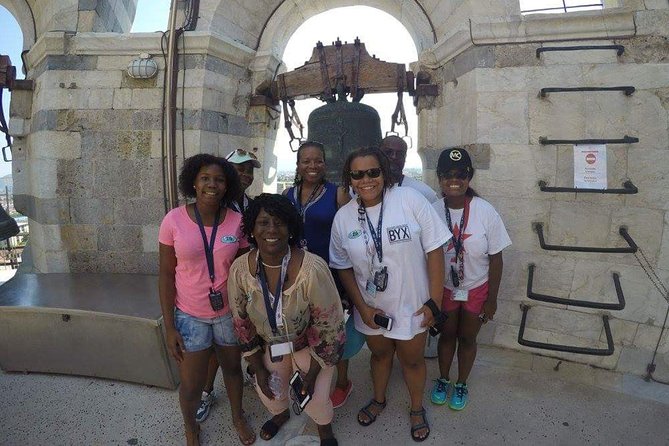
- Guides and small-group energy: Anastasia, Maria, Jada, Denis
- Practical tips so you don’t lose time (or patience)
- Should you book this all-inclusive Pisa tour?
- FAQ
- How long is the tour?
- What’s included in the tour price?
- Is the Leaning Tower entrance guaranteed?
- How does the Leaning Tower climb work with bags and timing?
- What should I wear for the Cathedral?
- What happens if the Baptistery or Cathedral can’t be visited?
Key things to know before you go
- Small group size (max 15): easier questions, less crowding around your guide
- Interior visits included: Baptistery and Cathedral time inside, not just outside views
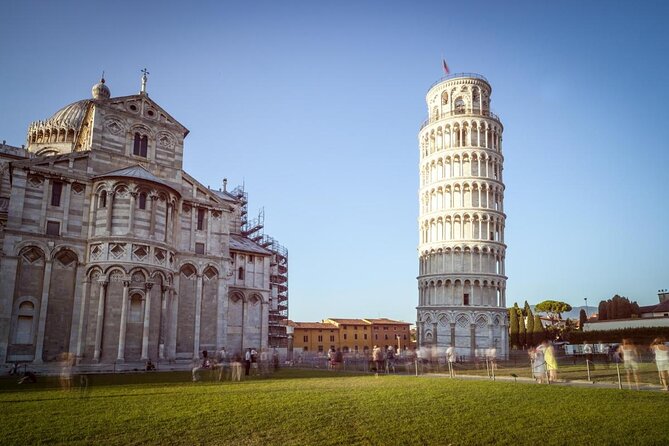
- Optional Leaning Tower climb: timed entry, with cloakroom time built in
- Admissions broaden the story: Campo Santo Cemetery plus the OPA and Sinopie museums
- Practical commentary style: guides explain history and art while you’re walking and looking
Miracle Square, run like a guided walk

This tour works because it turns a famous place into a route you can actually follow. Pisa’s main monuments are close together, but the space around them can still feel chaotic: lots of people, lots of lines at peak times, and plenty of smartphone snapping. Here, you’re guided stop by stop, with navigation and commentary that help you know what matters and what to look for as you move.
You also get headsets, which I really appreciate in echoey stone spaces. Still, sound quality can vary by device and by guide, and one guest specifically noted the audio felt difficult to hear at times. If you ever feel lost acoustically, tell the guide right away and adjust how you’re holding the receiver or position yourself closer.
Group size is capped at 15. That small-number limit shows in how smoothly questions get answered and how often you’re brought back as a group instead of drifting apart. If you hate being shepherded with no time to look closely, you’ll probably like this structure.
You can also read our reviews of more tours and experiences in Pisa.
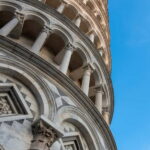
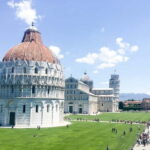
Starting point at Porta Santa Maria: find the DISCOVERYPISA flag
Your meeting point is Porta Santa Maria in Pisa, at Piazza Daniele Manin (56126 Pisa). When you arrive, look for the DISCOVERYPISA flag. The tour ends back at the same meeting point, so you’re not worrying about where to meet later.
Transportation isn’t included, so you’ll need to get yourself there using whatever public options work for your day. The good news is that the meeting area is described as near public transportation, so you should have some flexibility.
Timing matters. This isn’t the kind of tour where you can show up whenever you feel like it and still get the full experience. A single late start can throw off your tower slot later, so I’d treat arrival as your first job.
Piazza del Duomo: Square of Miracles orientation in 15 minutes
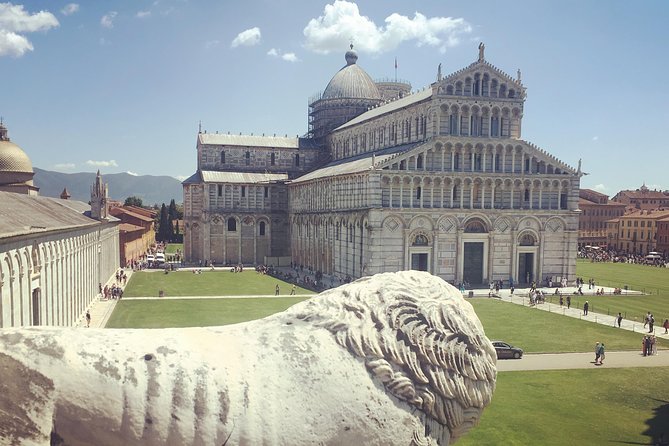
Before you go inside anything, you’ll get a quick introduction to the Square of Miracles and Pisa’s city background. That early orientation is more useful than it sounds. When you’re standing in front of the big monuments, it’s easy to see separate buildings. With a short intro first, you start connecting how the complex functions as a unified site.
This part is brief, so don’t expect a long lecture. Think of it as a compass. You’ll get just enough context to understand why the Baptistery, Cathedral, cemetery, and the museum spaces belong together.
Baptistero di San Giovanni: interior time plus picture breaks
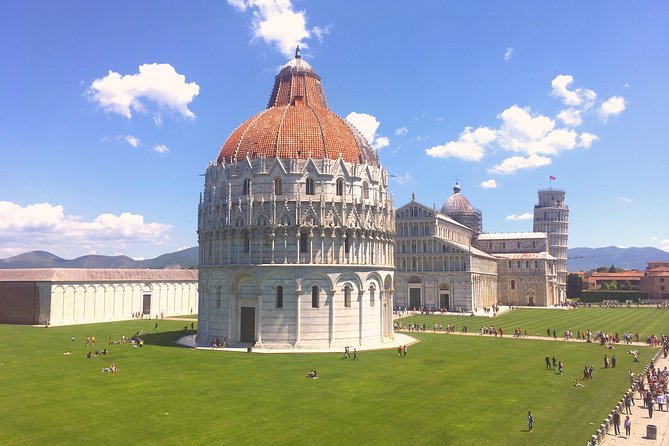
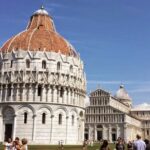
The Baptistery di San Giovanni stop is one of the best ways to appreciate Pisa beyond the iconic outline. You get an interior visit and a guided walk through what you’re seeing, then time for photos. The schedule allows about 20 minutes here, so you’re not rushed through the interior, but you also don’t spend so long that your group loses momentum.
What I like about this stop is that it’s not treated as a quick photo stand. Guests highlighted the art and sculptures inside, and the guide’s job is to point out what you’d likely miss if you only follow your camera.
Practical note: the Baptistery time includes free time for pictures, which is important because the best shots often depend on angles and light. If the crowd thickens, use your guided moment first, then use the free time to slow down and frame.
Cattedrale di Pisa: dress code can make or break entry
The Cathedral interior visit is similar in format: guided explanation first, then free time to take pictures before you move on. It’s timed at about 20 minutes inside.
Here’s the non-negotiable part: dress code. To enter, your shoulders must be covered and at least half of your thighs must be covered. If you arrive in a tank top or short shorts, you’ll be the one who loses the entry, so plan for a light layer. Even in warm weather, a scarf or wrap is your friend.
There’s also a real-world complication to keep in mind. The Cathedral can be closed for religious reasons or only partially open, and the guide may have to explain parts from outside if access is limited. There’s an extra note about the 2025 Jubilee period, when access might be restricted and Sunday mornings can be different. So if you’re traveling during those windows, I’d treat the Cathedral interior as likely, not guaranteed.
If that kind of uncertainty makes you nervous, focus on what’s still strong even in a partial-access scenario: you still get guidance about the complex and you still have the museum admissions and cemetery visit included.

Leaning Tower climb: timed entry, bag drop, and stairs
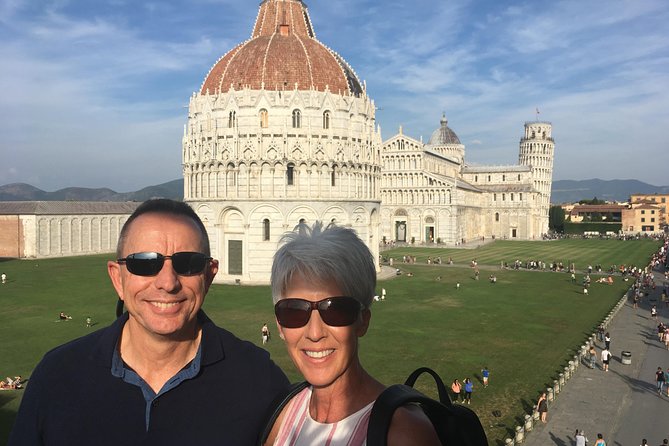
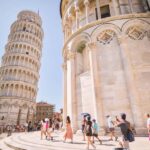
Choosing the Leaning Tower option is the big add-on, and it changes the feel of your day. You don’t just walk up and go. You’re given timed entry, and that slot has strict rules.
For English tours, the tower entrance is scheduled for 12:00 or 12:15. If you’re doing this in a language group with different schedules, the tower time can shift, so confirm your exact timing when you receive your booking details.
The tour also builds in the real logistics of climbing. At the tower entry point, allow 10 to 15 minutes to leave bags at the cloakroom. Then allow another 10 minutes to collect them afterward. The climb up and down takes about 30 minutes.
This is where planning saves your day. One guest noted the timing can feel strict, and you may end up waiting depending on your slot. Another guest said the climb is intense and that the stairs are tough. That matches how it tends to feel in reality: you’re climbing, then you’re descending, and the crowds can affect the rhythm.
A useful detail: one review mentioned the climb isn’t just stairs with no reprieve, because there are viewing windows at each level. That matters. It means the tower climb can be broken into small moments, not just one long grind.
Age note: kids under 8 are not allowed inside the Tower. If you’re traveling with younger kids, you’ll need a different plan for them during the climb.
Finally, even with headsets, tower sound can be tricky. If you care about hearing every word, position yourself where you can clearly hear your guide and watch your timing so the group doesn’t have to pause while you catch up.
Campo Santo Cemetery and the OPA and Sinopie museums
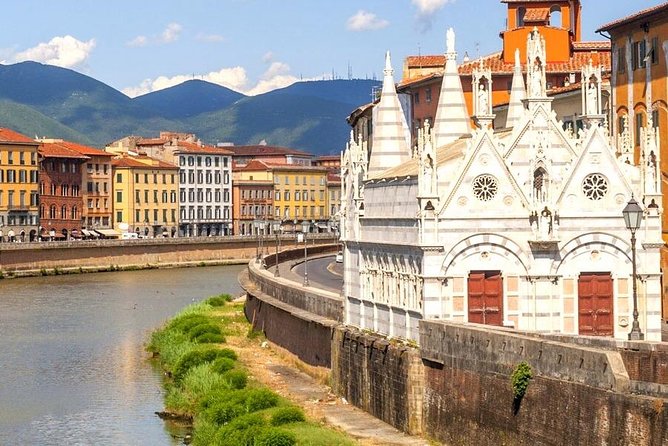
This part is what turns a classic monuments visit into something more satisfying. Campo Santo Cemetery is included, with a description and history stop that’s brief (about 10 minutes). Even so, it gives the complex more texture than just the famous tower and churches.
You also get admissions to the OPA and Sinopie museums. The key value here is perspective. Museums slow you down just enough to understand what you’re seeing in the larger monuments without needing to interpret it all from scratch.
One guest specifically loved the museum courtyard area for tower views and said it felt less crowded because only museum patrons can access it. That’s exactly the kind of practical benefit I want on a sightseeing day: somewhere you can take photos without elbowing through the main crush. The same guest mentioned there’s a small snack-and-drink setup for museum patrons for a fee, including coffee or wine, and that it’s up on an outdoor covered patio with a tower view.
If you’ve ever wished you could rest your feet while still feeling like you’re in the right place, this museum time is built for that.
Guides and small-group energy: Anastasia, Maria, Jada, Denis
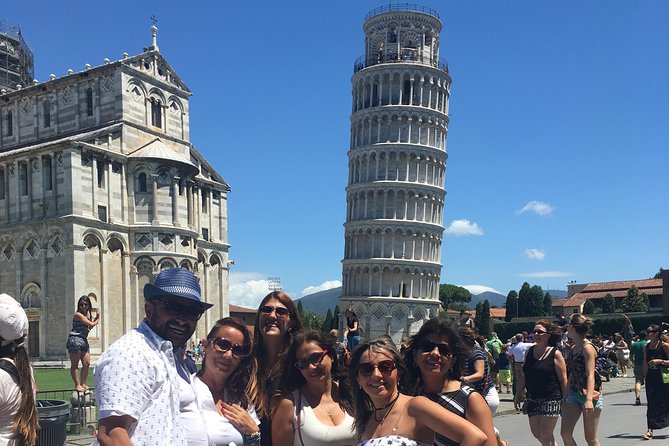
The experience lives or dies by the guide. And in this tour’s case, the guides you’re likely to get are described as engaging and responsive. Several names show up in feedback: Anastasia, Maria, Jada, and Denis. People called out different strengths, from clear English to humor mixed into facts.
Here’s what that means for you, practically:
- You’ll get explanations tied to what you’re standing in front of.
- You can ask questions, and the guide checks in periodically rather than treating the group like background noise.
- If your group is small enough, you’re more likely to get a personal answer instead of a vague sweep.
Sound can still be a factor. One guest said the guide was hard to understand at times because of accent, and another noted an audio device that echoed and felt pingy. Headsets are included, but I’d still plan to rely on your own looking too: even if you miss a sentence, you won’t miss what’s in front of you.
Also, I like that the tour team seems to handle coordination issues with care. One guest described reaching the guide by text and being guided to successfully rejoin the group. That’s a good sign if your day has normal travel chaos.
Practical tips so you don’t lose time (or patience)
A Pisa day can get hot, and this tour involves walking across the complex. Bring water. That simple tip matters because you’ll want your energy for the tower climb later.
Wear something you can climb in. If you do the tower, you’re dealing with stairs and a climb that some people described as intense. Comfortable shoes aren’t optional here.
For the Cathedral, carry a backup cover-up. Shoulders and at least half thighs covered means you might need something that’s easy to put on quickly. A light shawl or wrap can save your entry.
Toilets: one review mentioned that toilets in the area can require a credit card. I’d treat rest stops as something to plan for, not something you’ll figure out mid-climb.
And don’t underestimate the “don’t be late” rule. The tower slot is scheduled. Bags have to go into a locker. Even if you arrive with time, a tight schedule can create stress if you’re changing plans on the fly.
Finally, know that parts of the complex can shift. If the Baptistery visit isn’t possible due to a baptism, the plan is to visit the cemetery instead. If the Cathedral is closed due to religious reasons, it may not be visitable during the tour. During the 2025 Jubilee period, access might be restricted or partial. So build in mental flexibility: you’re still getting admissions to the museums and you’re still getting the guided route, even if a monument visit is swapped or explained differently.
Should you book this all-inclusive Pisa tour?
If you’re doing Pisa for the first time and you want structure, book it. The best reason is simple: you get interior time in the Baptistery and Cathedral, plus museum admissions and a guided explanation that helps the whole complex click. The small group size also makes the experience feel human rather than mass sightseeing.
I’d especially recommend it if:
- you want the guide to help you interpret what you’re seeing, not just point at buildings
- you care about value, since the ticket bundle goes beyond the tower
- you’re comfortable with walking and stair-heavy sites
Skip or reconsider if:
- you’re traveling with kids under 8 who want the tower inside (they can’t enter the Tower)
- you’re on a tight schedule with zero wiggle room, because tower entry is timed and can involve waiting
- you’re sensitive to audio issues and may struggle if the headset or accent is hard to hear (headsets are included, but experiences can vary)
If your priority is the Tower of Pisa, do the tower option and treat the timing like a reservation, not a suggestion. If your priority is the Cathedral complex and museums, this tour is still a solid choice even if you decide not to climb.
FAQ
How long is the tour?
It typically runs about 1 hour 30 minutes to 2 hours 45 minutes, depending on whether you add the Leaning Tower climb and how your timed entry works.
What’s included in the tour price?
The tour includes a guided visit with a licensed guide, admissions for the Cathedral and Baptistery (guided), Campo Santo Cemetery tickets, and entry to the OPA and Sinopie museums. Headsets are included for hearing the guide clearly, and the Leaning Tower climb is included only if you selected that option.
Is the Leaning Tower entrance guaranteed?
If you chose the Leaning Tower option, your climb entry is handled with a scheduled time slot. For English tours, the tower entrance is scheduled for 12:00 or 12:15.
How does the Leaning Tower climb work with bags and timing?
Before climbing, you’ll need to leave bags at the cloakroom (plan 10 to 15 minutes), and later collect them again (plan an additional 10 minutes). The climb up and down takes about 30 minutes.
What should I wear for the Cathedral?
To enter the Cathedral, your shoulders must be covered and at least half of your thighs must be covered.
What happens if the Baptistery or Cathedral can’t be visited?
If the Baptistery visit isn’t possible due to a baptism, the tour will instead visit the cemetery. The Cathedral could also be closed due to religious reasons, and during periods like the 2025 Jubilee it may be partially open or explained from outside.