REVIEW · PISA
Pisa to Lucca Self-Guided Bike Tour Along the Puccini Trail
Book on Viator →Operated by Smile & Ride · Bookable on Viator
Bike lanes and big-name sights can share a day.
This self-guided Pisa to Lucca ride pairs short stops in Pisa with an easy, flat stretch on the Puccini Cycle Path along the Serchio River. I like that you’re not stuck in one city all day: you get art and architecture in Pisa, then you roll into Lucca for the famous wall views. I also like the practical setup—phone holder, app itinerary, bike lock, and a repair kit with pump—so you can actually ride without fuss.
Here’s the one thing to consider: each Pisa stop is brief (think minutes, not hours). If you want long museum-style wandering at the Square of Miracles, you’ll need extra time on your own. This works best as a well-paced day trip, not a slow, deep exploration.
In This Review
- Key things to know before you pedal
- The big idea: why Pisa to Lucca by bike fits this route so well
- Start at Smile & Ride: gear up, then get moving
- Pisa first: Tuttomondo, Santa Maria della Spina, and Piazza dei Miracoli
- Stop 1: Murale Tuttomondo di Keith Haring
- Stop 2: Chiesa di Santa Maria della Spina
- Stop 3: Piazza dei Miracoli
- A change of scenery: Acquedotto Mediceo and San Giuliano Terme
- Stop 4: Acquedotto Mediceo
- Stop 5: San Giuliano Terme
- The ride that makes the day click: Ciclovia Puccini to Lucca walls
- What to expect on the Puccini Cycle Path
- Lucca’s walls: riding “the old city ring” without getting lost
- Finish along the Serchio River at Parco Fluviale del Serchio
- Price and value: what you’re paying for, and what costs extra
- How to make the day feel easy (not rushed)
- Who this Pisa to Lucca bike tour suits best
- Should you book this self-guided ride?
- FAQ
- How long does the Pisa to Lucca self-guided bike tour take?
- Where do I start and where does the tour end?
- What’s included in the price, and what costs extra?
- Is this tour fully self-guided?
- Are there restrictions for kids or trailers?
- Can I cancel for a full refund?
Key things to know before you pedal
- Puccini Cycle Path = easy, mostly flat riding along the Serchio River toward Lucca’s walls
- App + phone holder means self-guided navigation that’s meant to be practical, not stressful
- Major Pisa highlights in short stops: Keith Haring’s Tuttomondo, Santa Maria della Spina, and Piazza dei Miracoli
- Medicean Aqueduct and San Giuliano Terme add variety before the countryside ride
- A few extras cost more (helmet and a bag aren’t included), so budget for them if you need them
The big idea: why Pisa to Lucca by bike fits this route so well
This is the kind of day plan that makes sense in Tuscany. You start in Pisa, knock out a handful of high-impact sights, then switch gears into a countryside-style ride that ends with Lucca’s old-school, wall-ringed charm. The star part for most people is the Ciclovia Puccini, a bike route named for composer Giacomo Puccini and designed to be comfortable and scenic.
The value here is not just the bike rental. It’s the pacing: you’re guided (by app) through a string of landmarks, then you get uninterrupted riding time once you hit the river path. That balance matters. In a single day, you avoid the trap of spending all your time walking between places that are spaced out across towns.
You can also read our reviews of more cycling tours in Pisa

Start at Smile & Ride: gear up, then get moving
Your day begins at Smile & Ride in Pisa, at Piazza della Stazione, 7. The good part of meeting at a transit-and-activity hub is that you can show up, get set up, and start pedaling without a long pre-ride scramble.
Included gear is where this tour earns its keep. You get the bike, a lock, a phone holder, and a repair/pump kit. That matters because you’ll actually stop and look at things. You won’t be juggling your phone in your pocket while trying to check the app and keep your handlebars pointed the right way.
Also, it’s a private tour/activity, so you’re not sharing the ride with random groups. That keeps the flow calmer, especially on narrower streets leading into Pisa’s sights.
Pisa first: Tuttomondo, Santa Maria della Spina, and Piazza dei Miracoli
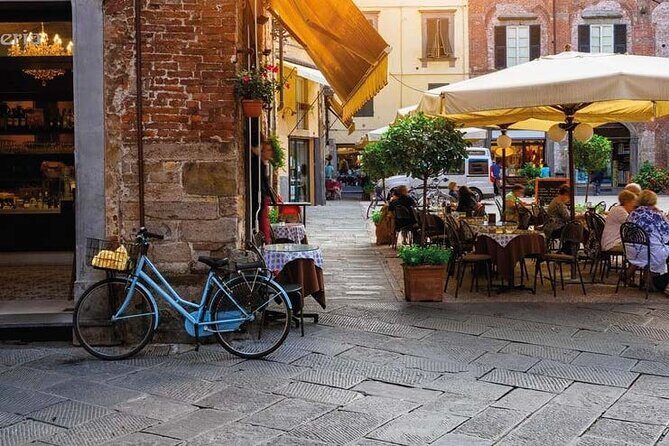
The Pisa portion is structured like a greatest-hits set. You’ll spend about 5 minutes at each of the smaller stops and around 15 minutes where the area is bigger. That’s not enough for a full deep dive, but it’s plenty to get oriented and appreciate why these spots are famous.
Stop 1: Murale Tuttomondo di Keith Haring
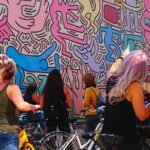
You’ll see Tuttomondo, a Keith Haring mural painted in 1989. It’s described as one of Haring’s last public murals, and it’s also one of the few works he made for permanent outdoor display. Quick stop means you keep moving, but it’s still memorable because it’s public art at street level—easy to spot, easy to enjoy, and a nice way to start before you get into churches and squares.
Practical tip: treat this as a warm-up. Look at it for long enough to catch the style and message, then get back to riding. If you try to overdo it here, you’ll steal time from the bigger sights later.
Stop 2: Chiesa di Santa Maria della Spina
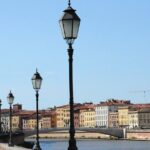
Next comes Santa Maria della Spina, a Gothic-style church right on the southern bank of the Arno. The short time slot works because the church is compact compared with the big Pisa complexes. It’s a good change of pace after street art: stone details, river setting, and that classic Italian church scale.
You can also read our reviews of more guided tours in Pisa
Stop 3: Piazza dei Miracoli
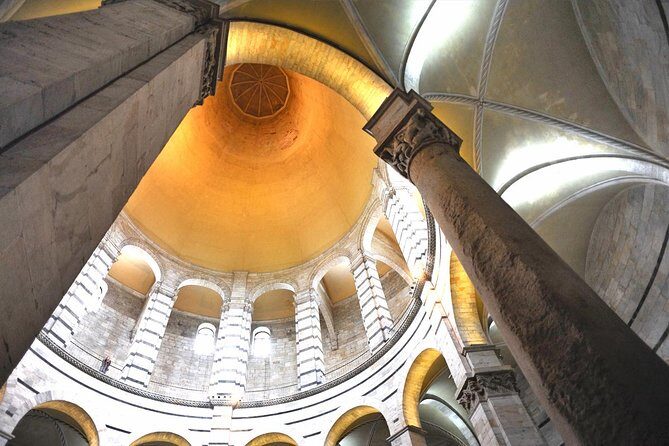
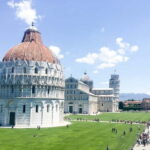
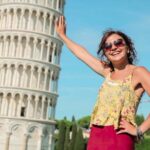
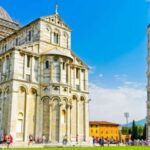
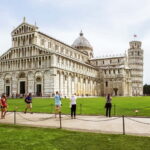
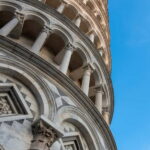
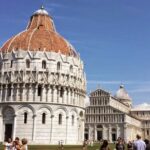
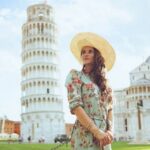
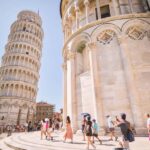
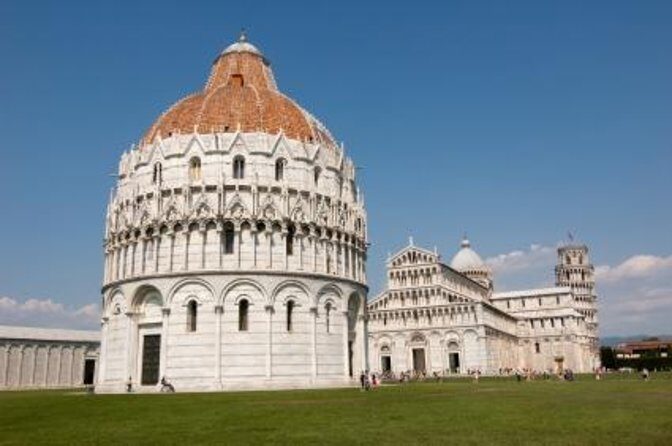
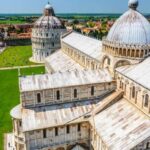
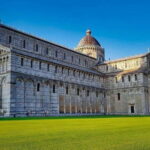
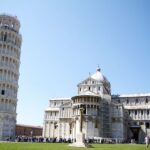
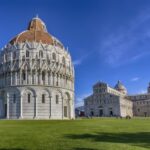
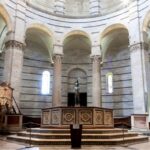
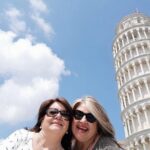
Then you hit Piazza dei Miracoli, the famed Square of Miracles. Here you’ll see the cathedral, baptistery, monumental cemetery, and of course the Leaning Tower on the lawn that makes the whole scene feel instantly recognizable.
With only about 15 minutes, aim for a smart sweep:
- get your bearings on the square layout
- take a few photos of the group of buildings
- enjoy the overall composition more than trying to inspect every detail
If you want more, plan to come back later in your trip.
A change of scenery: Acquedotto Mediceo and San Giuliano Terme
After the main Pisa classics, the route adds two very different stops—one engineering-focused, one wellness-focused. That variety keeps the day from feeling like nonstop sightseeing only.
Stop 4: Acquedotto Mediceo
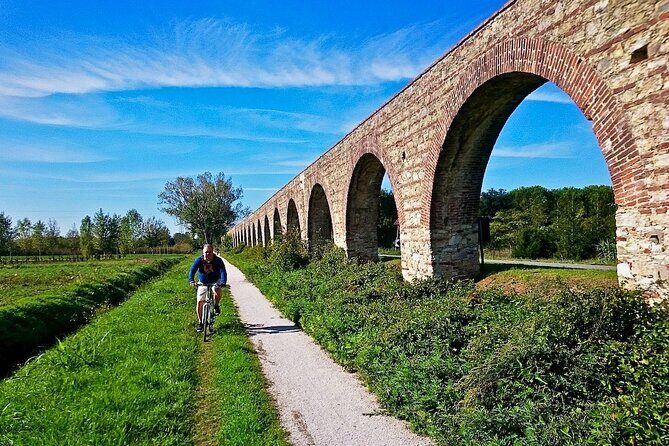
The Medicean Aqueduct is a 16th-century engineering work commissioned by the Grand Duke of Tuscany. It runs for over 6 kilometers and is known for its long line of brick arches stretching from the San Giuliano Terme hills into Pisa.
What makes this stop special on a bike day is the way it frames your ride. Even with a short stop, you get that sweeping visual effect: a historic structure that feels like it’s still directing movement across the countryside. It’s also an easy mental reset—something you can admire without needing to queue for tickets or commit to a museum timeline.
Stop 5: San Giuliano Terme
Next: San Giuliano Terme, a spa town famous for thermal waters that go back to Roman times. The route info also points out that it became a retreat for European royalty and poets like Shelley and Byron during the 18th century.
This is a great “breathing moment” stop before the ride really opens up. If the air feels calmer and the pace less hectic than central Pisa, that’s exactly what you want before hours on the path. Even if you don’t stop for spa-style downtime, the town’s reputation adds context to why this area has long drawn visitors.
The ride that makes the day click: Ciclovia Puccini to Lucca walls
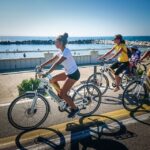
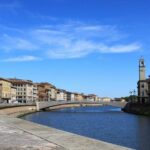
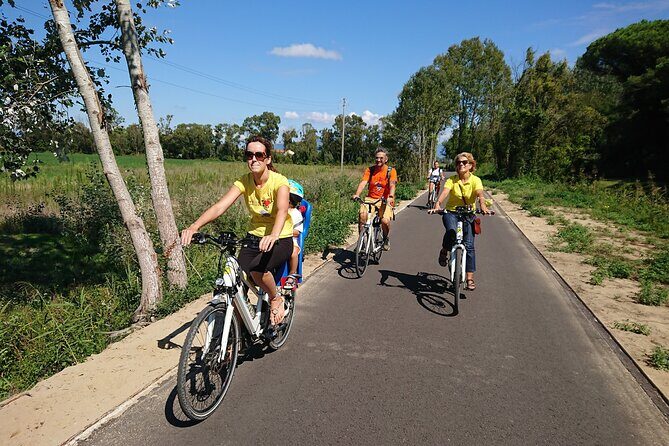
Once you get onto the Ciclovia Puccini, the whole experience shifts from sightseeing to riding. This is the route that most people come for, because it’s described as flat, easy, and scenic, following the Serchio River and linking toward Lucca’s historic walls.
It’s also tied to Puccini’s legacy. The idea is that the landscapes along this corridor connect to the kinds of impressions that fed into famous works such as Tosca and Madama Butterfly. You don’t need to be an opera expert to appreciate that kind of thematic storytelling. It just makes the ride feel more purposeful than a plain transit route.
What to expect on the Puccini Cycle Path
You’re aiming for a steady, comfortable pace. A few things make this section feel good:
- it’s meant to be easy riding
- it stays near the river, so your view changes smoothly
- you’ll spend about 1 hour on this cycle path segment, which is long enough to feel like a real ride without exhausting the day
If you’re choosing between a standard bike and an e-bike, this is also where that decision pays off. The route segment described as flat is the easy part, but Pisa and the transition sections can still be tiring for some people. If you want the day to feel relaxed, an e-bike often turns the whole experience into casual cruising rather than leg work.
Lucca’s walls: riding “the old city ring” without getting lost
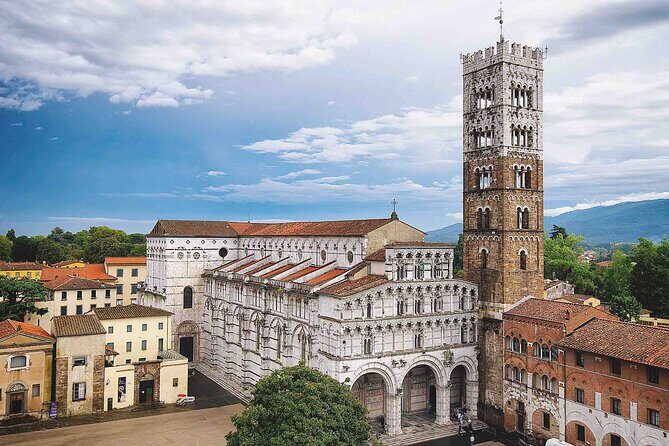
When the tour reaches the Province of Lucca segment, you’ll ride along the medieval wall area. Think of it as your panoramic payoff. A wall walk in a car feels like looking at a postcard through glass. On a bike, you get to move at human speed, so you can actually take in the structure, the angles, and the way the city edge looks from the outside.
This is where the day becomes more than stops. You start feeling the shape of Lucca as you ride alongside it. It’s one of those moments where you don’t want to rush. Even if your time here is short, you’ll likely feel like you got the best kind of overview: motion-based.
Finish along the Serchio River at Parco Fluviale del Serchio
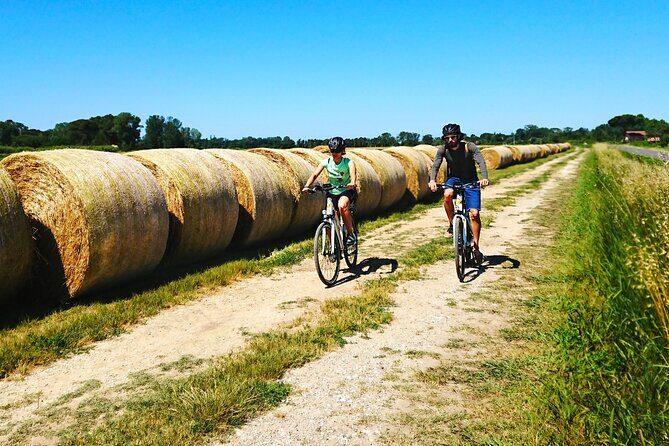
To close out the ride, the itinerary includes Parco Fluviale del Serchio. You’ll be following the Puccini trail at this stage, with a short stop time. The practical win is that ending on a river-focused stretch makes it easier to decompress. You’re not suddenly back in the thick of traffic or hunting for your next route shift.
Even if you’re ready to be done, this ending helps you land the experience on a calmer note. It’s a gentle wrap-up before you return toward the meeting point.
Price and value: what you’re paying for, and what costs extra
The listed price is $41.93 per person. That’s low enough to feel like a real bargain if you’re using the included equipment and following the app route as designed.
Included:
- bicycle use
- lock
- phone holder
- app with itinerary
- repair kit and pump
Not included:
- helmet (€3.00 per person)
- bag (€5.00 per person)
- tour guide (€250.00 per booking)
For many people, the helmet cost is worth it because bikes mean you’re on real roads and paths, and wearing one is simply good sense. The bag fee is optional based on your needs—if you can keep your stuff light, you may skip it. The bigger value question is the guide option: since this is self-guided, the add-on guide is there if you want someone to handle interpretation or ride decisions. If you’re comfortable reading an app itinerary and doing quick spot-checks at each stop, you can skip the extra expense.
How to make the day feel easy (not rushed)
Since your Pisa stops are measured in minutes, plan your mindset. You’re not doing a slow museum crawl. You’re doing smart sampling, then a real ride.
A few practical moves:
- Wear comfortable shoes. You’ll step off and walk briefly at each stop.
- Keep your phone charged. The route is app-based, and you’ll use your phone holder for a reason.
- Have a quick decision rule at Piazza dei Miracoli: look first, then photos, then move on.
- If you’re unsure about the effort level, consider an e-bike option. The experience is built for a moderate fitness level, but legs still matter over hours.
Also, there’s something about this tour’s timing rhythm. The day begins with easier scenic stops and ramps up into the real riding segment on the river path. That pacing helps you avoid the classic problem where day trips start hard and end tired.
Who this Pisa to Lucca bike tour suits best
This is a strong match if you want:
- a self-guided day that still feels structured
- an easy bike ride with a clear endpoint in Lucca
- a mix of art, architecture, and countryside motion
It may be less ideal if you:
- want long stays inside big historic sites
- prefer a guided explanation for every stop
- want a family setup with child seats or trailers (those aren’t included and trailers/tag-alongs can’t be attached to e-bikes and trekking bikes)
The “private” setup also suits couples and small groups who want their own pace without stop-and-start group management.
Should you book this self-guided ride?
If you like the idea of Pisa highlights followed by an easy riverside cycling route to Lucca, I’d book it. The price is attractive for what you get: bike + support gear + app navigation, plus multiple major stops that don’t drain your day with long ticket queues.
I’d skip it only if you need a slow, interpretive tour where each landmark gets deep attention. This plan is built for momentum. Done right, it feels like a great day that mixes the best parts of both cities, and then hands you a satisfying bike ride home through the Serchio corridor.
FAQ
How long does the Pisa to Lucca self-guided bike tour take?
It’s listed as about 5 to 8 hours in total.
Where do I start and where does the tour end?
You start at Smile & Ride, Piazza della Stazione, 7, 56121 Pisa PI, Italy. The activity ends back at the meeting point.
What’s included in the price, and what costs extra?
The tour includes bicycle use, a lock, a phone holder, an app with the itinerary, and a repair kit with pump. A helmet costs €3.00 per person, and a bag costs €5.00 per person. A tour guide is listed as €250.00 per booking.
Is this tour fully self-guided?
Yes, it’s set up as a self-guided experience using a mobile ticket and an app itinerary. A tour guide is available as an added option for €250.00 per booking.
Are there restrictions for kids or trailers?
The tour notes there are no child seats, and no trailers or tag-alongs attached to e-bikes and trekking bikes.
Can I cancel for a full refund?
Yes. You can cancel up to 24 hours in advance for a full refund. Canceling less than 24 hours before the experience start time won’t be refunded.