REVIEW · CITY TOURS
Private City Walking Tour in Florence
Book on Viator →Operated by Star Florence · Bookable on Viator
A fast walk can still teach you a lot. This private Florence tour is designed to get your bearings fast, hitting the big visual hits and connecting them to the Renaissance story behind them. It’s the kind of tour that helps you spot what matters on your own later, from the Duomo’s dome to the politics you can read in the square outside Palazzo Vecchio.
I especially like two things: first, the private format means you’re not stuck with a large group’s slow pace, and the guide can keep your attention on the route that makes sense. Second, you get real guide storytelling, including the kind of historical background that makes Florence feel like more than postcards. One consideration: it’s an express stop-by-stop route, so if you’re hoping for long looks or museum time, you’ll want to plan those separately.
In This Review
- Key takeaways before you go
- Florence’s Top Sights, Packed Into 90 Minutes (That Actually Makes Sense)
- Where You Meet and How You’ll Hear Your Guide
- Piazza della Repubblica: The City’s Center and the Renaissance Starting Point
- Piazza del Duomo: Seeing the Duomo Square Without Getting Stuck
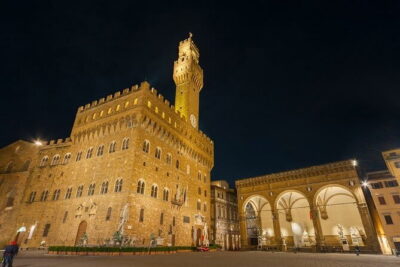
- Palazzo Vecchio and the Outside David: Politics You Can See
- Ponte Vecchio: The Iconic Bridge With a Story Behind It
- Palazzo Pitti: Florence’s Big Powerhouse and the Medici Connection
- Renaissance Makers and a Gelato Finish at La Strega Nocciola
- Price and Value: Is $129.07 Worth It for a Private Walk?
- Who This Tour Fits Best (And Who Should Skip It)
- Should You Book This Private City Walking Tour in Florence?
- FAQ
- How long is the Private City Walking Tour in Florence?
- Where does the tour start and where does it end?
- Is this tour private?
- Do I need tickets for the sights?
- What’s included so I can hear the guide?
- What happens if I arrive after the tour start time?
- What is the cancellation policy?
Key takeaways before you go
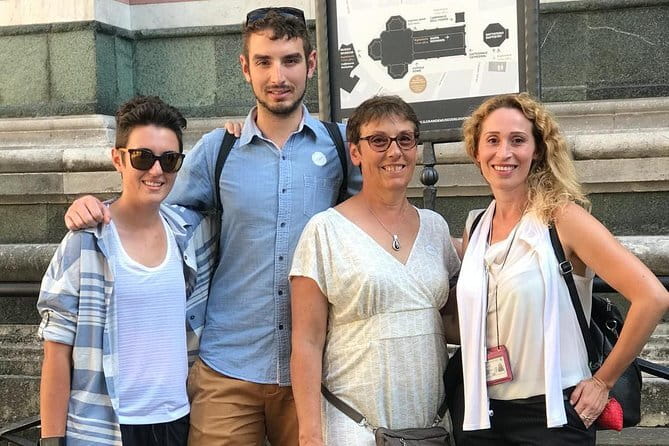
- Private, small-group experience so the pace stays human and the guide can tailor what you ask
- Radio system included, which makes it easier to hear commentary in busy squares and streets
- A tight, landmark-focused route through Piazza della Repubblica, Piazza della Signoria area, Ponte Vecchio, and Palazzo Pitti
- Built-in Renaissance context, so you’re not just seeing famous buildings without meaning
- English-speaking guide options, including guides like Pam, an English speaker who has lived in Italy for a long time
- Gelato finish at La Strega Nocciola, a fun sweet end after the walking
Florence’s Top Sights, Packed Into 90 Minutes (That Actually Makes Sense)
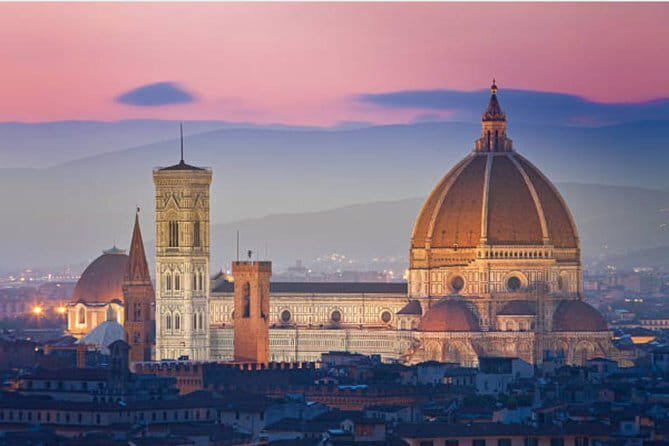
Florence can feel like sensory overload on day one. This tour helps because it doesn’t just march you past famous places; it gives you a simple narrative to hang everything on. You’ll move through the city’s public spaces and key power centers, which is where Florence’s Renaissance story shows up most clearly.
It’s “express,” but not vague. The stops are tied together with explanations about how Renaissance ideas reshaped Florence—and then influenced the rest of Europe. That’s a smart way to start, because later, when you visit museums or churches on your own, you’ll recognize names, symbols, and political tension faster.
Timing is tight: the tour is listed at about 1 hour 30 minutes, and the route pacing works out to roughly a two-hour experience depending on the group. Either way, plan this as a first-day orientation or a quick reset day, not as your only Florence plan.
Where You Meet and How You’ll Hear Your Guide
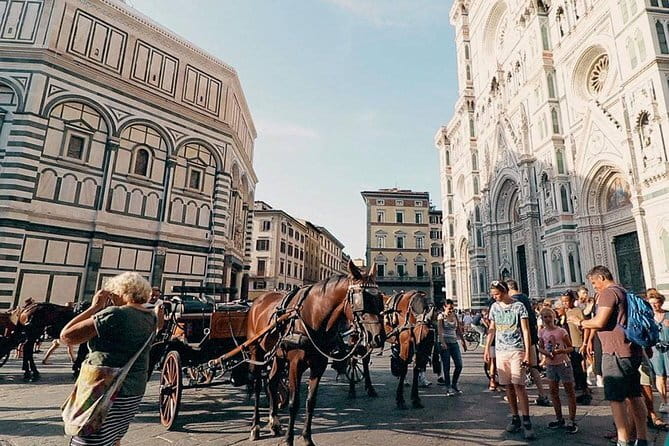
You meet at the Hard Rock Cafe on Via dei Brunelleschi, 1 (right in the center of the action). The tour ends back at the meeting point, which is convenient because you won’t have to figure out how to get across town afterward.
One practical win: the tour includes a radio system, so you can hear your guide without craning your neck in crowds. That matters a lot in Florence, where streets and piazzas can get noisy fast, especially near major sights.
Also note two small-but-real constraints. First, the tour requires a minimum number of guests to run, so if it doesn’t meet that threshold, you’ll be offered an alternative date or a full refund. Second, arrive on time—if you’re late, you won’t be able to join and you won’t get a reschedule.
Piazza della Repubblica: The City’s Center and the Renaissance Starting Point
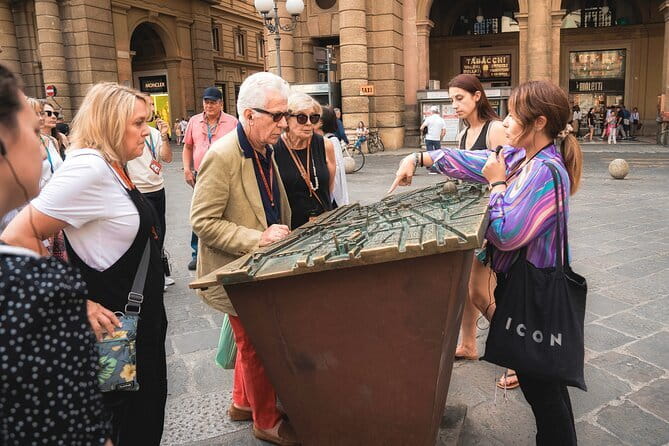
Your first stop is Piazza della Repubblica, the central square that anchors Florence’s story. From the meeting point, your guide frames what you’re about to see by talking about Florence as a Renaissance city—how the movement changed not only local life but spread across Europe.
Then you do what good orientation tours should do: you connect ideas to places. You’ll hear how this main square has changed over time and why Florence became such fertile ground for the Renaissance. It’s not a lecture from a bench; you’re walking as the story builds.
From there, you head toward the Duomo area. The tour uses this opening segment to set your eye—so when the Duomo appears, it lands with context instead of just wow-factor. If you’re prone to getting lost in Florence’s big sights, this is a helpful start.
Piazza del Duomo: Seeing the Duomo Square Without Getting Stuck
Next comes the Piazza del Duomo area, with the guide leading you through the surrounding streets and historical buildings. Even though you’re not being pulled into a long-ticket line for this segment, the tour still aims to give you a meaningful sense of the cathedral complex and why it’s such a centerpiece.
The Duomo is described through the names tied to its creation—Filippo Brunelleschi, Giotto, Arnolfo, and Francesco Talenti. Those names are worth catching, because you’ll see them again if you explore on your own. The architecture becomes less abstract when you know who’s connected to what you’re looking at.
A plus here: the stop structure keeps you moving. The guide’s job is to help you see what’s essential in a short window, not to have you wander. The drawback is the tradeoff—if you want extended time for photos, you’ll likely need extra time after the tour ends.
Palazzo Vecchio and the Outside David: Politics You Can See
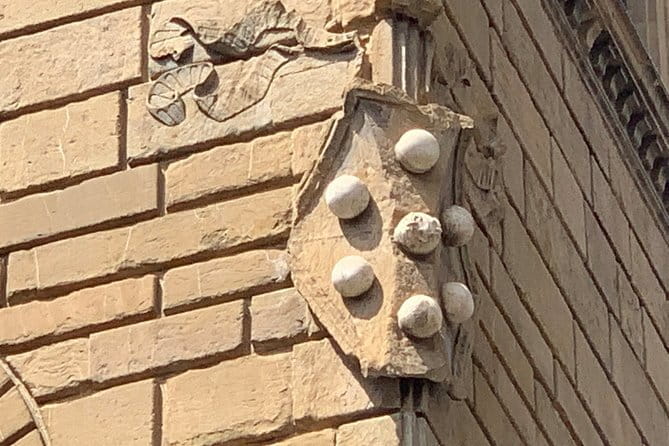
At this point, the route passes into the realm of civic power. Your walk brings you toward Palazzo Vecchio, and the guide explains the significance of the area around it.
You’ll also hear about the David sculpture displayed outside the palace. The original is in the Galleria dell’Accademia, but the outdoor placement matters: it’s used as a symbol of the Republic’s defiance of the Medici, according to the tour notes. That kind of political symbolism is exactly why a guided orientation tour beats a self-guided stroll.
This stop is short, but it’s one of the most “meaningful per minute” parts of the walk. You’re standing near a place that communicates power—then your guide connects it to Florence’s internal conflicts and leadership shifts.
One consideration: because the stop is brief, don’t expect a long art-history lecture. Instead, treat it as your cue. If the David story grabs you, plan a return visit to the Accademia area later when you have time for deeper viewing.
Ponte Vecchio: The Iconic Bridge With a Story Behind It
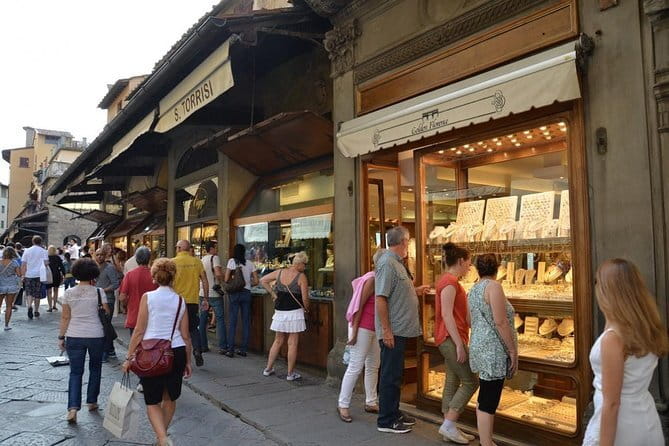
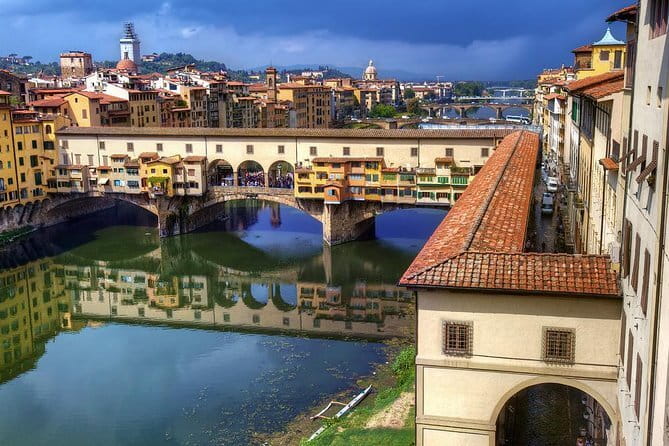
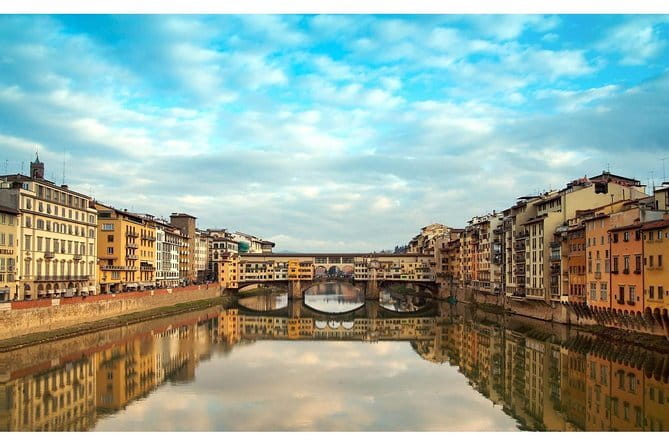
The tour then reaches Ponte Vecchio, Florence’s best-known old bridge. This is where the city’s reputation becomes tangible: you’re on a historic crossing point that’s one of the most photographed spots in town for a reason.
But your guide doesn’t leave it at scenery. After passing Palazzo Vecchio, the explanation shifts to the Uffizi Gallery, described as one of the greatest museums in the world. That matters because many people walk by the Uffizi area without understanding why it’s so important. Here, you get a pointed teaser that makes a future museum visit easier to plan.
You’ll have time to take in the bridge itself, and the guide’s commentary adds context so your photos aren’t just of a landmark—they’re of a place within a larger Renaissance power ecosystem.
If you’re going for the best photos, you’ll want a bit of flexibility. Even with guide pacing, Ponte Vecchio can be crowded, so be prepared for waits and stick to your guide’s timing.
Palazzo Pitti: Florence’s Big Powerhouse and the Medici Connection

Next is Palazzo Pitti, a major architectural statement and one of the largest palace complexes in Florence. The tour frames it as belonging to the Pitti family first, and later becoming tied to the Medici.
This is a key mental switch for many first-timers. In Florence, you can feel the Renaissance in sacred spaces, but you also feel it in political and economic power. Pitti is one of the clearest examples of that.
The guide also connects the palace to architects associated with Florence’s building achievements, including Filippo Brunelleschi. That helps you recognize the Renaissance style as something produced by real people and real projects, not just “beautiful old buildings.”
The stop is short, so you won’t get a deep walkthrough of interiors. Still, you’ll leave with a better sense of scale and importance, which is exactly what you want from an express tour.
Renaissance Makers and a Gelato Finish at La Strega Nocciola
The last part ties the day together by focusing on the artists, architects, thinkers, and political figures who drove the Renaissance in and around Florence. The tour’s logic is that these people weren’t random—Florence’s social and cultural environment shaped them, and their influence then spread.
Then you finish at La Strega Nocciola for gelato. It’s a small detail, but it’s a smart end to a walking tour: you get a sweet break right when your legs are ready for one.
Because this is the wrap-up segment, it’s also where you can ask questions you saved for later. If you’re planning your next day—churches, museums, neighborhoods—use this final stop to get direction on what to prioritize next.
Price and Value: Is $129.07 Worth It for a Private Walk?
At about $129.07 per person, this is not the cheapest way to see Florence. But it isn’t priced like a generic group bus tour either. What you’re paying for is a private guided experience with a certified official guide and a radio system so you don’t miss the story.
Here’s where the value shows up in real life:
- You save time because the route is designed for first-time orientation around key sights.
- You get context quickly, which helps you avoid aimless wandering.
- You’re in control of questions and pacing, because your group is private.
- The main stops are positioned as free admission per the tour’s notes, so you’re not stacking entrance fees on top of the tour price.
A drawback to acknowledge: since it’s an express route, you’re not buying long museum time or detailed interior experiences. If you want hours inside attractions, you’ll still need to budget additional time and tickets separately.
For many visitors, the best strategy is to treat this as your “map with explanations” day—then spend the following day doing deeper visits with better context.
Who This Tour Fits Best (And Who Should Skip It)
This private walking tour fits best if you:
- are visiting Florence for the first time and want a clear orientation
- like history that connects directly to what you’re seeing
- want a private guide and easier listening via the radio system
- prefer a structured route over getting stuck at the wrong intersection of streets and crowds
It may not fit if you:
- want lots of museum time or long guided interior visits
- need a slow pace with very long photo stops
- planned to see only one area of Florence and don’t want to cover major landmarks across the center
It’s also a good choice early in your trip, especially if you want to decide what you’ll revisit. The stories you hear at each stop become a shortlist of what deserves your attention again.
Should You Book This Private City Walking Tour in Florence?
Yes, if you want an efficient, high-context intro to Florence and you like the idea of a private guide doing the heavy lifting on storytelling. The guide setup—official certified guide plus radio—makes the experience feel easier and more accessible than you’d expect from a walking tour in busy historic squares.
I’d book it if you’re the type who wants to understand why something is important, not just see that it’s famous. And the added touches like the Duomo-area context, the David symbolism tied to political defiance, the Ponte Vecchio lead-in to the Uffizi, and the gelato finish make it feel like more than a simple checklist.
If you’re short on time but still want a meaningful first day, this is a practical pick.
FAQ
How long is the Private City Walking Tour in Florence?
The tour lasts about 1 hour 30 minutes (approx.), and the route is paced to cover major sights in roughly that timeframe.
Where does the tour start and where does it end?
It starts at Hard Rock Cafe, Via dei Brunelleschi, 1, 50123 Firenze FI, Italy. It ends back at the same meeting point.
Is this tour private?
Yes. It’s a private tour/activity, and only your group participates.
Do I need tickets for the sights?
Entrance tickets are not included. The tour notes free admission at the listed stop areas, but you should plan as if attraction tickets are not part of what’s covered.
What’s included so I can hear the guide?
You’ll have an official certified guide and a radio system to hear the guide clearly.
What happens if I arrive after the tour start time?
If you arrive after the tour start time, you won’t be able to join, and you won’t be refunded or have your tour rescheduled.
What is the cancellation policy?
You can cancel for a full refund up to 24 hours in advance. If you cancel less than 24 hours before the experience starts, the amount you paid won’t be refunded.