REVIEW · ACCADEMIA GALLERY
Florence: Medici Tour with Michelangelo’s David
Book on GetYourGuide →Operated by StarFlorence · Bookable on GetYourGuide
Michelangelo’s David hits harder when you get the backstory. This 2.5-hour Florence tour pairs fast-track Accademia Gallery entry with a guide who explains how Medici money and politics shaped the art you’re looking at, from Giovanni de Medici to Lorenzo de Medici. I also like the radio system, because in a busy gallery and along busy streets, you don’t miss a word.
One thing to plan for: it’s a lot of walking, and many major sights are experienced as guided stops or pass-bys rather than long free-roam visits. If you want lots of quiet time inside multiple monuments, the 2.5-hour format may feel a bit tight.
In This Review
- Key Things I’d Prioritize Before You Go
- A 5 pm Medici Story That Uses David as the Anchor
- Fast-Track Entry to the Accademia Gallery (and What That Actually Buys You)
- Hall of the Colossus: More Than One Famous Face
- Hall of the Prisoners: Michelangelo’s Unfinished Energy
- Learning the Medici Twist Behind the Art
- San Lorenzo and the Medici Chapels: Tombs, Power, and Placement
- Piazza della Signoria to the Arno: Seeing Florence in Motion
- Oltrarno and Palazzo Pitti: Closing the Loop on Medici Residences
- Price and Value: What $218.64 Gets You in Real Terms
- Who Should Book This Tour
- Should You Book This Florence Medici + David Tour?
- FAQ
- How long is the Florence Medici Tour with Michelangelo’s David?
- What time does the tour start?
- Where do I meet the guide?
- Is the Accademia Gallery skip-the-line?
- What’s included in the price?
- Is this tour wheelchair accessible?
- What should I bring, and what isn’t allowed?
Key Things I’d Prioritize Before You Go

- Skip-the-line access to the Accademia Gallery saves you time where it matters.
- Radio system helps you actually hear the guide in crowds and on the move.
- Accademia highlights include the Hall of the Colossus and the Hall of the Prisoners.
- Medici stops in sequence take you from Palazzo Medici Riccardi to San Lorenzo and the Medici Chapels.
- Big-picture Florence route covers Ponte Vecchio and the Oltrarno side toward Palazzo Pitti.
A 5 pm Medici Story That Uses David as the Anchor
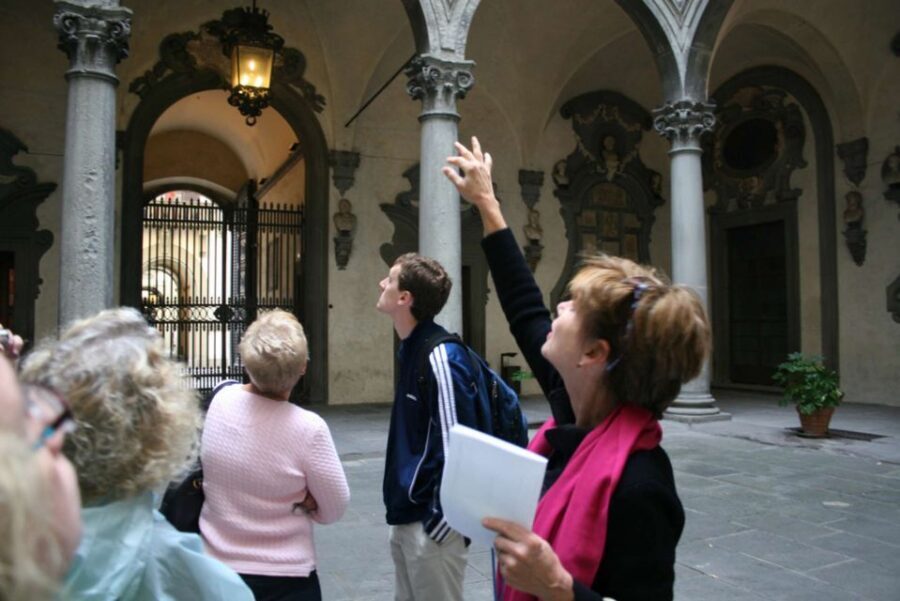
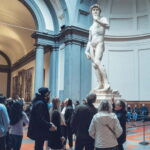
This tour is built like a story arc. You start with Michelangelo’s David in the Accademia Gallery, then the guide uses what you saw to explain why the Medici family mattered so much in Renaissance Florence. It’s not just art for art’s sake; it’s power, reputation, and branding, told through sculptures, chapels, and the big stone buildings around the city.
I love that the route is arranged so your eyes keep getting new context. When you’re standing in front of major Medici sites, you’re not guessing what you’re looking at. You’ve already been primed by the art and the family timeline, so details make sense faster.
If you’re visiting in the evening, that can help too. The walk is outdoors, so having the day partly done often makes the streets feel less frantic.
You can also read our reviews of more tours and experiences in Accademia Gallery.
Fast-Track Entry to the Accademia Gallery (and What That Actually Buys You)
The tour includes entrance to the Accademia Gallery and is designed to get you in faster than standard tickets. In Florence, that time-saving matters, because waiting can wipe out the best part of a short visit. With a certified guide plus a radio system, you also get more value from the time you do spend inside.
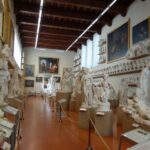
Once you’re in, the guided portion is about orientation and understanding. The guide introduces the gallery, then you move toward the Hall of the Colossus. This is one of those rooms where it helps to have someone point out the patterns and what to notice first, especially if you’re not an art expert.
Practical tip: wear comfortable shoes. You’re going to do a steady walk before and after the gallery, and you don’t want foot fatigue to steal your attention from the details you came for.
Hall of the Colossus: More Than One Famous Face
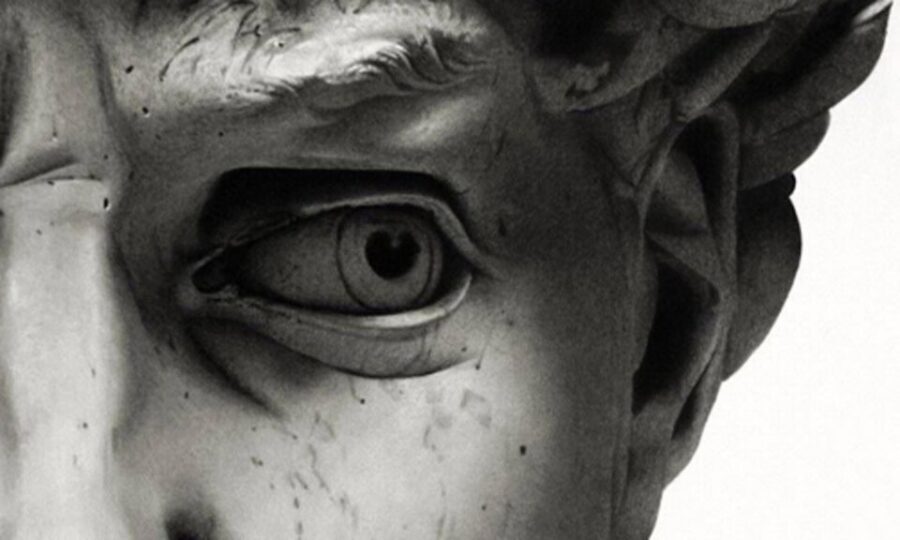
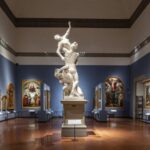
David is the headline, but the tour uses the rest of the Accademia collection to broaden what you’re seeing. In the Hall of the Colossus, you’ll hear about works including Giambologna’s Rape of the Sabines, Cassone Adimari, and Domenico Ghirlandaio’s solemn St. Stephen between St. James and St. Peter.
Here’s why that matters for your experience: it stops the tour from becoming a one-stop checklist. Instead, you start noticing how Renaissance and late Renaissance artists handled ideas like drama, virtue, and public identity. Even if you came for David only, this approach helps you understand what kind of artistic world David was living inside.
If you like comparing styles and themes across artists, this section is your warm-up. You’re training your eye for Michelangelo’s choices later in the visit.
Hall of the Prisoners: Michelangelo’s Unfinished Energy
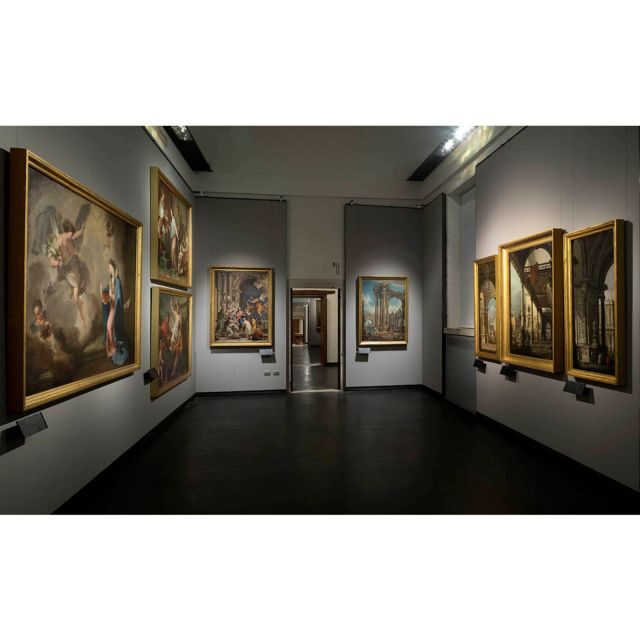
Next you’ll move to the main Hall of the Prisoners, where the guide focuses on Michelangelo’s Slaves—unfinished statues that give a rare look into process. This is where the tour earns its ticket price for many people, because it turns a famous result into a behind-the-scenes moment.
Instead of treating sculptures like they appeared fully formed, the guide explains what the unfinished state can tell you: how Michelangelo built form, how he planned tension in the body, and how roughness still communicates movement and emotion. The effect is that you stop thinking of Michelangelo as a distant genius and start thinking of him as a working artist with decisions to make.
If you’re the type who enjoys seeing art at the “almost finished” stage, you’ll likely find this part especially satisfying. It’s also a good counterpoint to the polished fame of David—you get the same mind, different stage.
Learning the Medici Twist Behind the Art
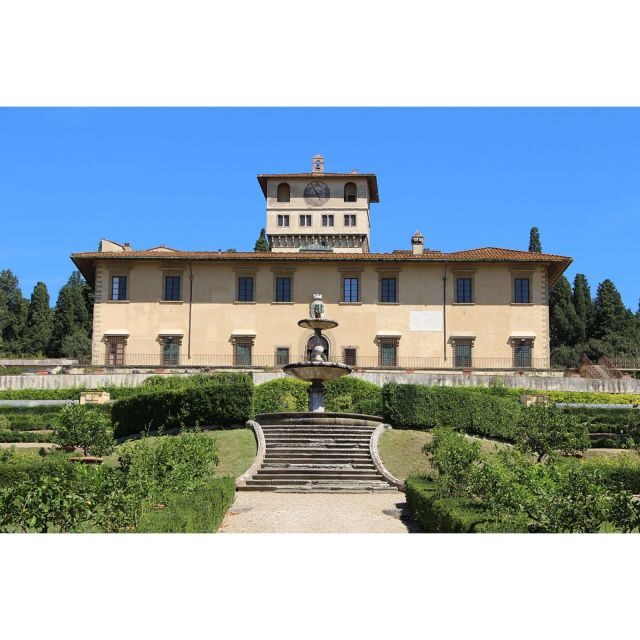
After the Accademia, the tour shifts from gallery rooms to Medici family territory. You’ll walk with your guide to the Palazzo Medici Riccardi, described as the main residence of the first branch of the Medici family. It’s a major change in scenery, but the tour keeps the connection tight: Medici family identity isn’t abstract here. It’s visible in architecture and placement.
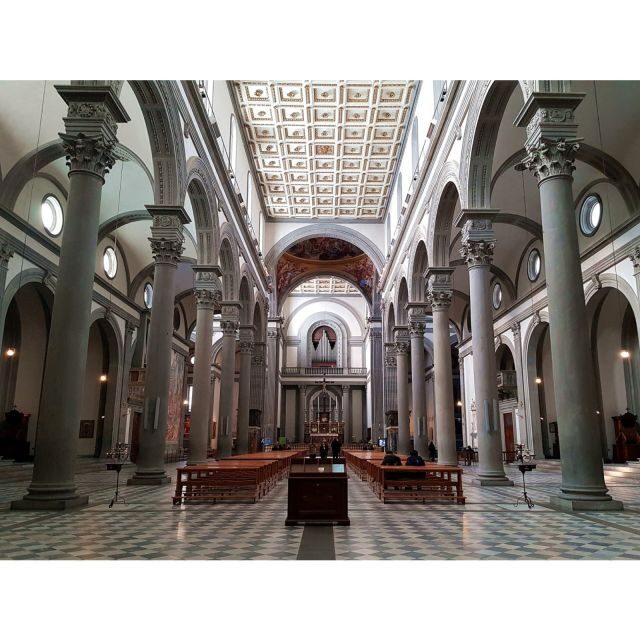
Then you continue toward San Lorenzo Church and its surrounds. The guide points out that the church has roots going back to the 8th century, and that in the early 15th century, the Medici family rebuilt it in a new Renaissance style. That kind of timeline is what makes the walking route work—your guide ties past to present so the buildings don’t feel like random stops.
This is also where the storytelling helps most if you’re not already deep into Florentine politics. The Medici weren’t just patrons; they were reputation machines. You can see that idea reflected in the scale and seriousness of what they commissioned.
San Lorenzo and the Medici Chapels: Tombs, Power, and Placement
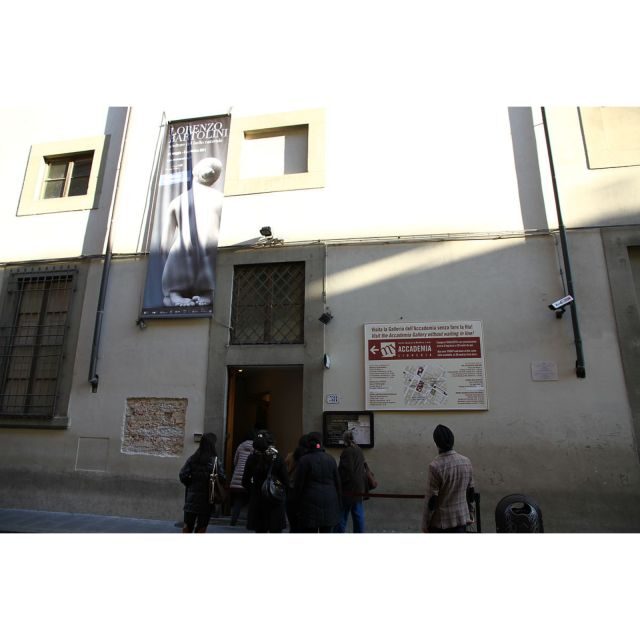
The Medici Chapels are the private mausoleum of the Medici Grand Dukes. That single fact changes how you look at the space. It’s not a civic monument built for crowds; it’s a dynastic statement, designed to preserve status.
Within this area, you can admire Michelangelo’s New Sacristy and his Medici Tombs. Those names matter because they connect the Medici story to Michelangelo’s role in shaping sacred and political imagery in stone.
A small practical consideration: chapels and church-area spaces can be emotionally intense and visually detailed. If you tend to rush, slow down here. Let your guide’s pacing do the work. The value of a guided tour is that you’re less likely to miss why certain design choices exist.
Piazza della Signoria to the Arno: Seeing Florence in Motion
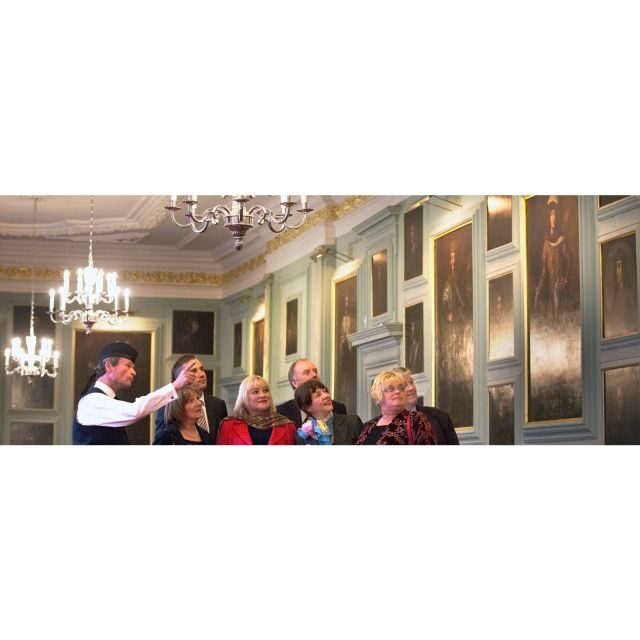
From there, the tour continues across the city center to the Piazza della Signoria, where you’ll see a monument connected to Cosimo I. Even if you’re not focusing on every sculpture in the square, the point is that the Medici imprint extended well beyond private residences.
Then you head along the Uffizi Courtyard toward the river Arno. You cross the river at Ponte Vecchio, one of Florence’s most iconic crossings. This section is a nice rhythm shift: after focused art and family monuments, you get open-air views, street energy, and the chance to reset your brain while still staying inside the tour’s theme.
If you like photo stops that feel connected to what you just learned, this is the part to enjoy. Just remember it’s a famous area, so keep moving when the group moves.
Oltrarno and Palazzo Pitti: Closing the Loop on Medici Residences
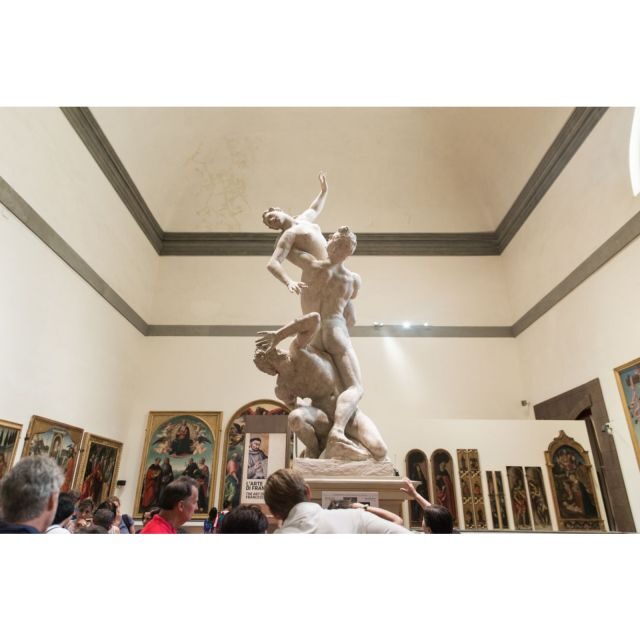
After crossing into the Oltrarno district, the tour heads toward Palazzo Pitti. The guide frames it as the last residence of the Medici family and one of Florence’s most important museums today.
This ending works well because it closes a circle: early Medici power at Palazzo Medici Riccardi, then their religious and political presence at San Lorenzo and the Medici Chapels, and finally the grandeur implied by Palazzo Pitti. Even if you don’t go inside (the tour is described as taking place outdoors), you still get the visual weight and placement that make Pitti feel like a late-era statement.
If you’re planning the rest of your day afterward, this is also useful. You’ll likely have a better sense of where you want to go next, because the guide has mapped the logic of Medici geography.
Price and Value: What $218.64 Gets You in Real Terms
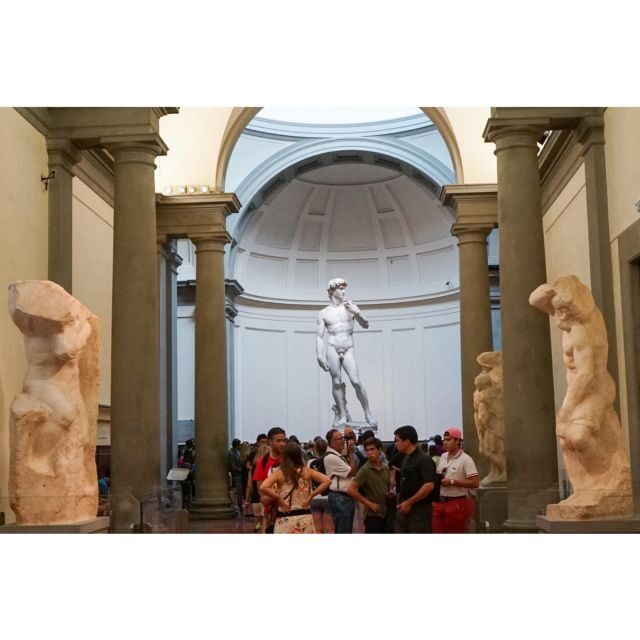
At $218.64 per person, you’re paying for more than a museum ticket. You’re buying time saved at the Accademia with skip-the-line access, plus a guided route that links Michelangelo’s David and related works to Medici family sites across Florence.
For many people, the biggest value isn’t just David itself—it’s the connection. Without a guide, you can see David and enjoy it. With a guide, you also understand why the Medici wanted art that communicated strength, legitimacy, and culture.
You also get practical tools that often get overlooked: the radio system to keep you connected to the commentary, and the fact that the tour is paced as a structured walk rather than an unorganized wander.
Is it worth it if you’re traveling with limited time? If you want a compact route that hits David plus key Medici anchors, yes. If you prefer slow, independent museum time, you might feel happier buying standard tickets and spending the day your way.
Who Should Book This Tour
This is a strong fit if you:
- Want Michelangelo’s David with context, not just a quick photo stop.
- Like family or political stories that explain why art was commissioned and displayed.
- Enjoy walking between central Florence highlights in a guided chain.
- Appreciate being able to hear your guide thanks to the radio system.
It may be less ideal if you:
- Want long, unhurried time inside multiple interiors besides the Accademia.
- Don’t enjoy outdoor walking and prefer indoor-only plans.
Also note the tour is scheduled for the evening start (it starts at 5:00 pm), and the meeting point is in the Accademia area.
Should You Book This Florence Medici + David Tour?
I’d book it if your Florence trip is short and you want the David experience plus the Medici story stitched together across real locations. The combination of fast-track Accademia entry, the guided walk through Medici landmarks, and the stop-by-stop explanation is the kind of structure that makes a 2.5-hour tour feel full, not rushed.
If you’re mainly hoping to do hours of museum wandering on your own, you might get better value elsewhere with a self-guided museum day. But if you want the Florence “why” behind the masterpieces, this route is built for that.
FAQ
How long is the Florence Medici Tour with Michelangelo’s David?
The tour duration is 2.5 hours.
What time does the tour start?
The Medici Walking Tour starts at 5:00 pm.
Where do I meet the guide?
You meet your guide in front of the Galleria dell’Accademia next to the Supermarket Carrefour. The meeting point is also listed as Via dei Brunelleschi, 1, 50123 Firenze, in front of the Hard Rock Cafe.
Is the Accademia Gallery skip-the-line?
Yes. You’ll have exclusive fast-track entrance to the Accademia Gallery.
What’s included in the price?
Included are the Accademia Gallery entrance ticket, a certified guide, and a radio system to hear your guide.
Is this tour wheelchair accessible?
Yes, the tour is wheelchair accessible.
What should I bring, and what isn’t allowed?
Bring your passport or ID card and comfortable shoes. Pets are not allowed, and there is no entry for luggage or large bags.