REVIEW · ACCADEMIA GALLERY
Florence: 4-Hour Accademia and Uffizi Galleries Guided Tour
Book on GetYourGuide →Operated by Florence Specialists Small Group Tours · Bookable on GetYourGuide
Florence turns art into a street-level story. This 4-hour tour is built for smart timing: priority entrance to both the Accademia and the Uffizi, plus a local guide keeping you moving with purpose. I love the small group setup (max 9) and the added radios with headsets, which means you actually hear what’s being said instead of competing with crowds.
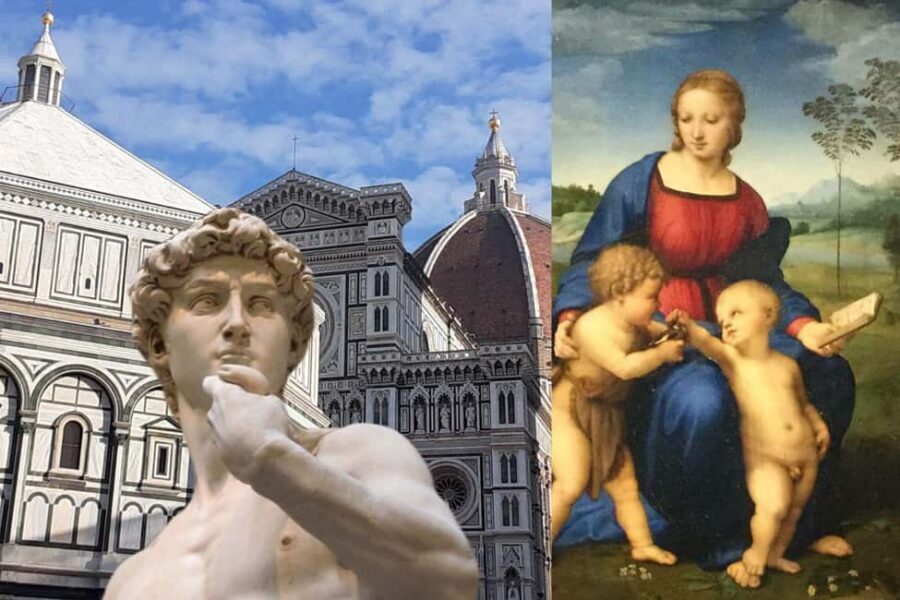
The main payoff is seeing the big Renaissance names in a compressed, coherent route: Michelangelo’s David up close at the Accademia, then Botticelli, Leonardo da Vinci, Raphael, and more at the Uffizi. One real consideration: you still have to respect timed entry and museum security rules, and during peak periods admission can be slightly delayed.
If you want Florence to feel like a guided conversation rather than a museum scavenger hunt, this is a strong plan. Guides like Laura, Vera, Jenny, Debora, and Diletta are repeatedly praised for turning famous works into stories you can follow in real time.
In This Review
- Key things to know before you go
- Priority entrance that actually changes your day
- Accademia: seeing David like he’s telling you something
- A short break that’s actually useful
- Duomo complex and Piazza della Signoria: Florence landmarks you can read
- Uffizi: the Renaissance hits in a tight, guided order
- Views over the Arno and why the tour route feels efficient
- Small group size: why max 9 matters in real life
- Listening with headsets: a surprisingly big comfort upgrade
- Timed entry rules you should treat like part of the itinerary
- Price: what $151.80 buys you (and what it doesn’t)
- Who this tour suits best
- Booking decision: should you reserve this 4-hour Florence combo?
- FAQ
- How long is the tour?
- Where do I meet the guide?
- Is it a small group?
- Do I need ID?
- Are pets or luggage allowed?
- Does the price include entry tickets?
- What happens if I arrive late to the timed entrance?
Key things to know before you go
- Priority entrance at both galleries helps you cut through the worst lines.
- Small groups (up to 9) keep the pace human and questions actually fit.
- Radios/headsets mean clearer explanations, even when you’re elbow-to-elbow with other visitors.
- Timed entry matters: arrive 15 minutes early, or you may have to enter separately.
- A focused route: David first, then a Duomo/Piazza della Signoria walk, finishing with the Uffizi.
- No pets and no large bags keeps security simple but plan to travel light.
Priority entrance that actually changes your day
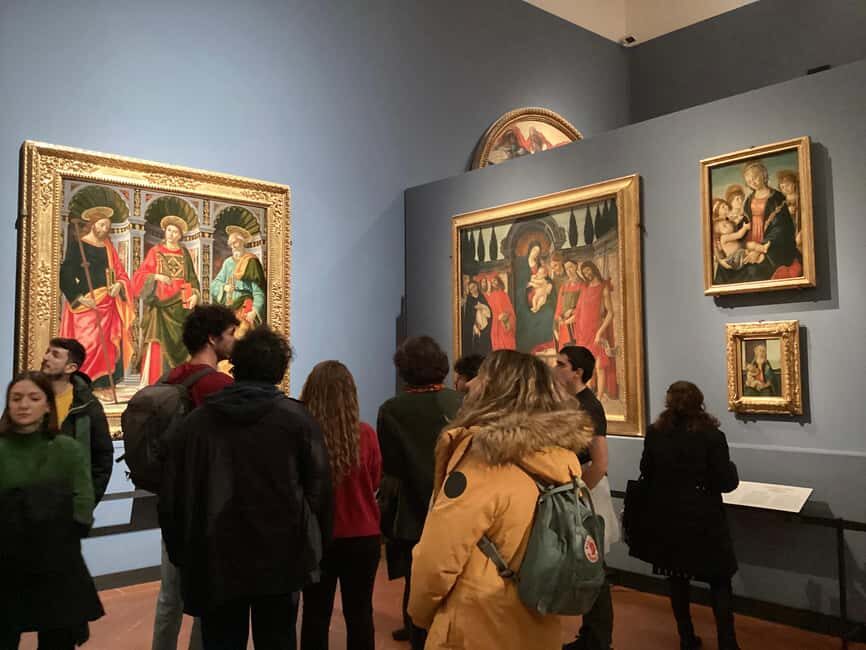
The most valuable part here is the way the tour is timed. You’re not just buying tickets and hoping for the best. You get priority entry tickets with reserved time slots, plus a guide who knows where to line up and how to get your group through security as efficiently as possible.
In practice, that means you can spend your energy on art instead of standing still. The tour also uses radios with headsets, which sounds minor until you’re in a gallery with big groups nearby. Then it’s everything. You can keep your attention on the guide’s explanation and still move with the group.
You can also read our reviews of more guided tours in Accademia Gallery
Accademia: seeing David like he’s telling you something
The day starts at the Florence Specialist office at Via Ricasoli 119r (RED), just about 50 meters from the Accademia’s main entrance. This matters because the Accademia entry is timed, and the tour is designed so you can start the guided portion smoothly.
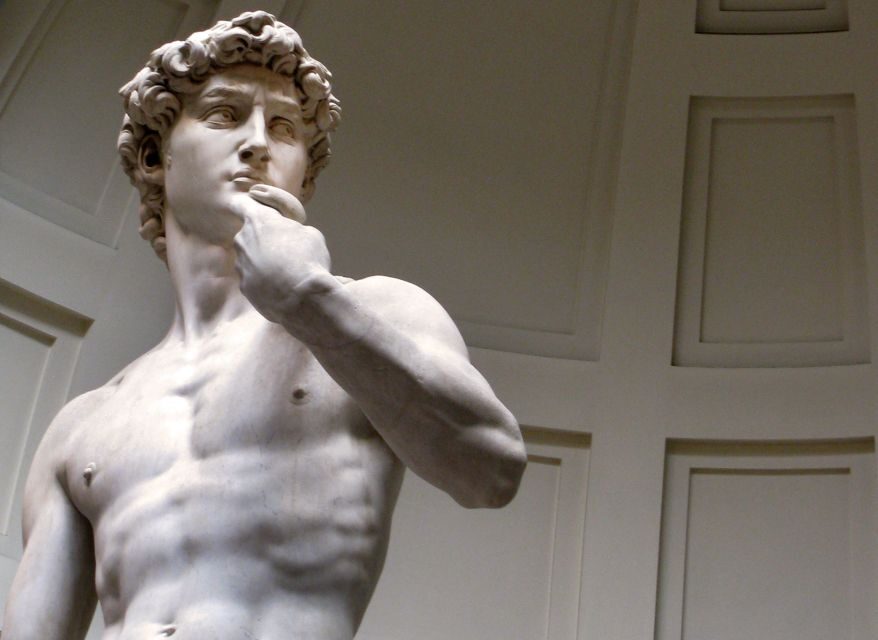
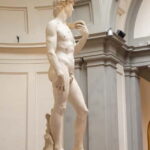
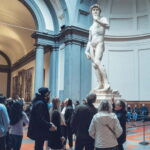
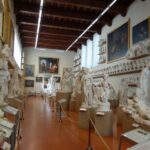
At the Accademia, you get a guided hour that centers on Michelangelo’s David—including the history of the sculpture and how Michelangelo shaped it into the iconic masterpiece it became. Even if you think you already know David, a good guide changes what you notice: the mood, the craftsmanship, and why the work landed with such force in Florence.
Expect intensity. The Accademia can get packed in peak season, and even with priority access you may still feel the crush in certain rooms. That said, guides described as managing the group well tend to help you keep your footing (and your focus) instead of getting swept into chaos. One review noted the crowd could feel unsafe at times; your best strategy is to stay calm, follow the guide’s cues, and avoid lingering in tight bottlenecks.
A short break that’s actually useful
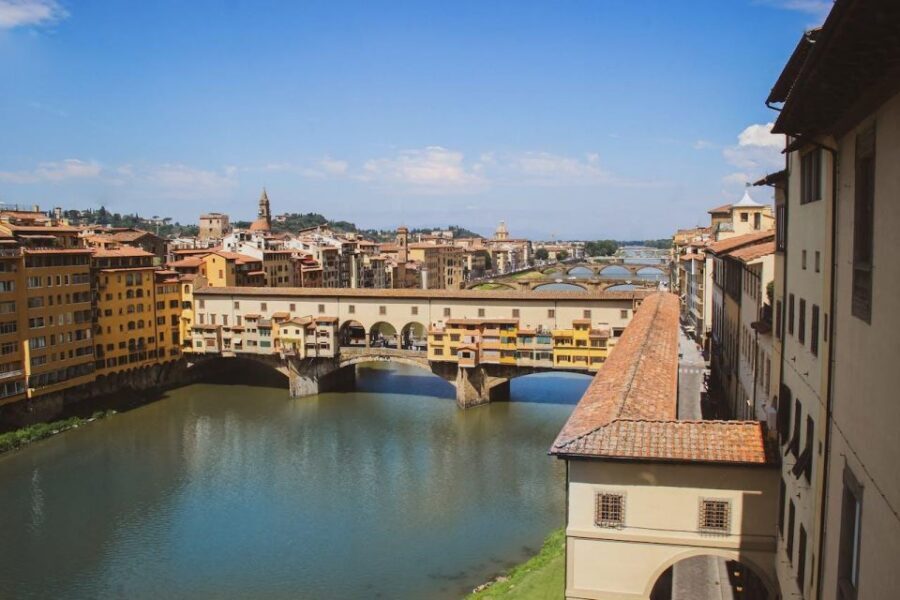
After the Accademia, there’s a short break (about 5 minutes) at the Florence Specialists location. It’s not a sightseeing detour—it’s there so you can reset before the next walking stretch.
This is one of those “small” tour choices that makes the whole day feel less stressful. You’ll want water, a quick bathroom stop, and a chance to regroup without losing the group.
Duomo complex and Piazza della Signoria: Florence landmarks you can read
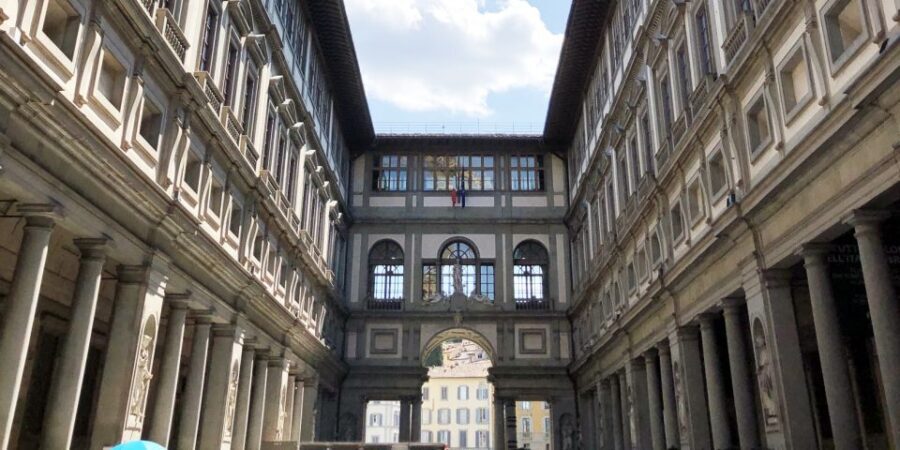
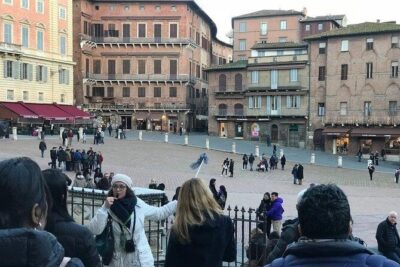
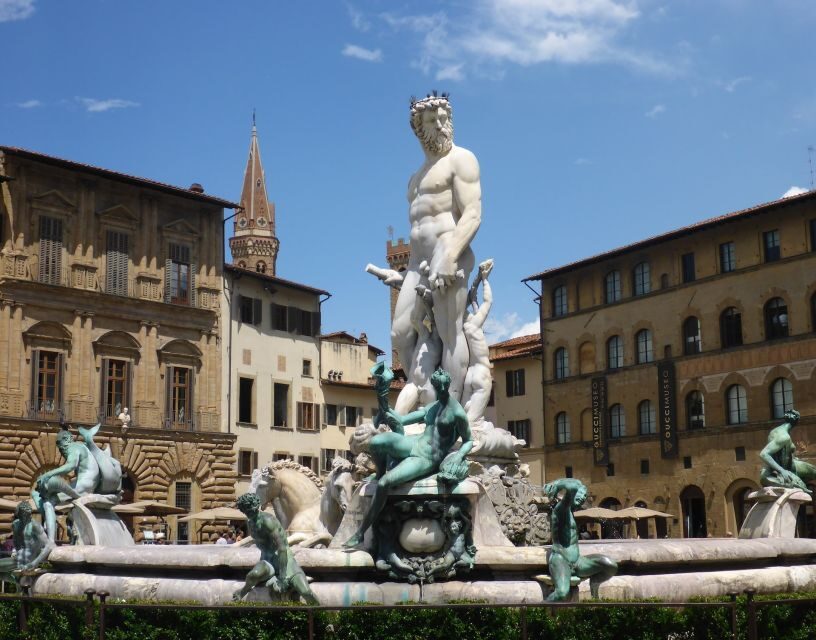
Next comes the walking segment through the Florence Duomo complex area, followed by time around Piazza della Signoria. This is where the tour earns its “best of Florence” label in a practical way: you’re not only looking at masterpieces inside museums, you’re also getting the street-level context that makes those masterpieces make sense.
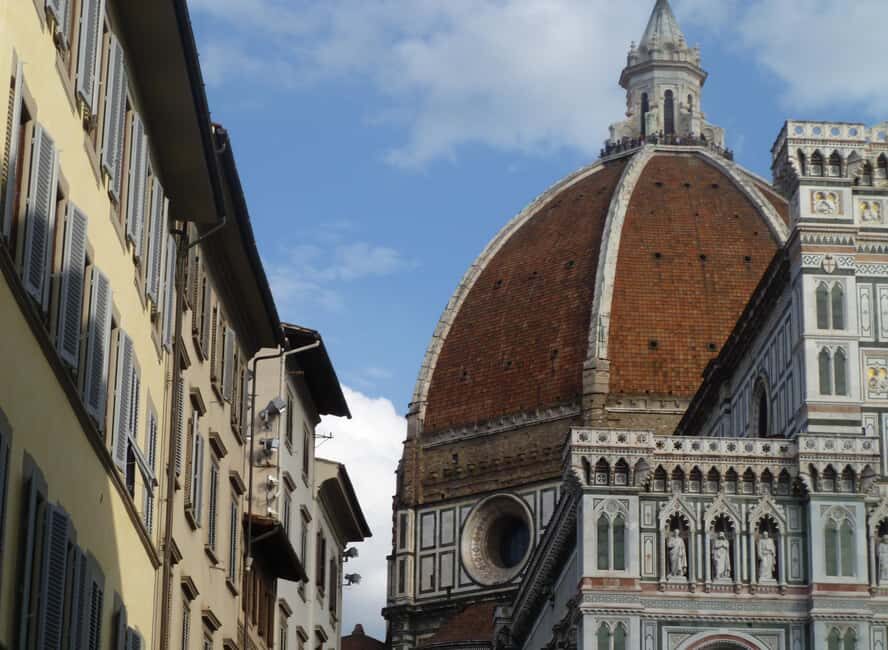
As you move through the squares, your guide connects the art to the city that produced it. You’ll also see big visual anchors—like the Dome—and you’ll learn why Piazza della Signoria matters as a stage for Florentine power and identity.
There’s a real reason the tour includes this walking piece: Renaissance Florence isn’t just a collection of paintings. It’s a political and cultural machine, and the city’s public spaces are part of the story. If you skip the walk, the museums can start to feel like separate stops. With the walk, they click together.
Uffizi: the Renaissance hits in a tight, guided order
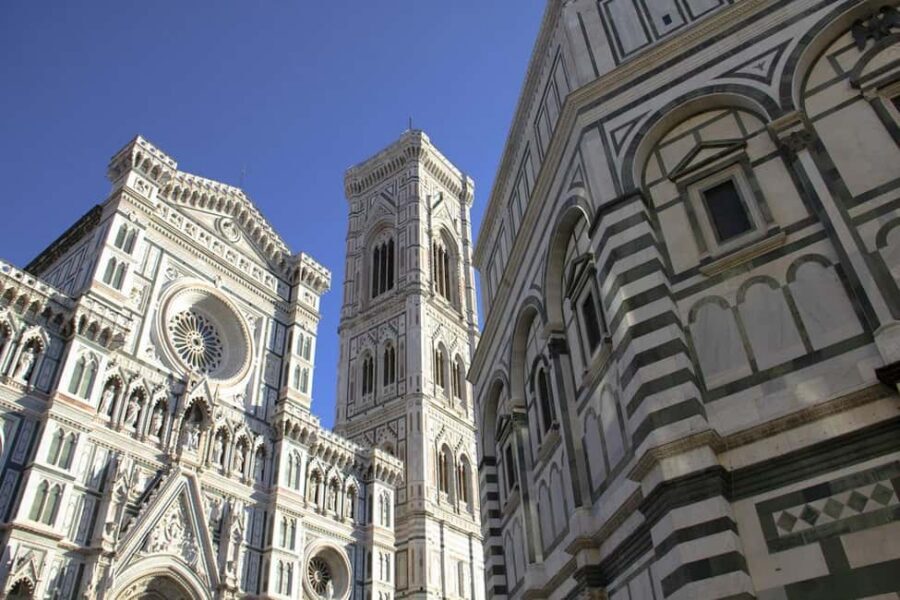
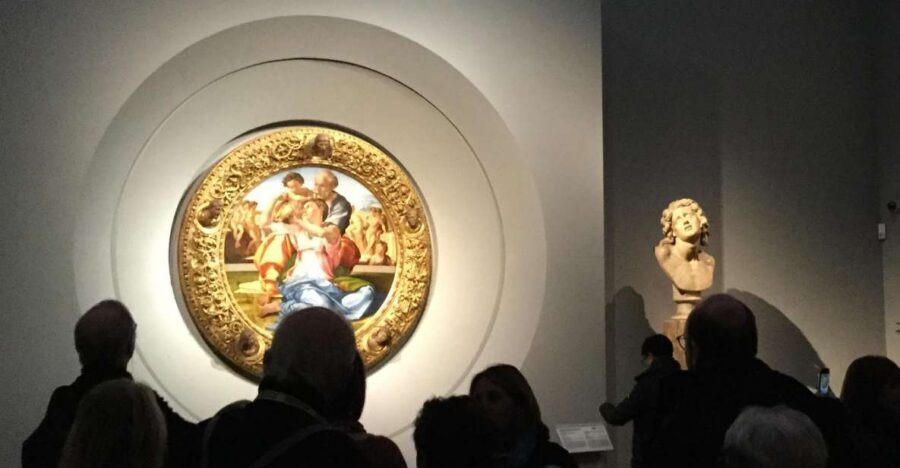
The Uffizi is the second museum stop with a longer guided session (about 2 hours). The approach here is not to “see everything.” It’s to see the right things and understand how the artists connect across time.
You’ll focus on major Renaissance names: Botticelli, Michelangelo, Leonardo da Vinci, Raphael, and others. If you’re short on time in Florence, this is exactly the kind of route that helps you avoid the classic Uffizi problem—getting lost in the building and leaving with a vague sense of greatness but no clear narrative.
One thing I appreciate about this style of tour is that the guide helps you build mental links. Instead of treating each painting or sculpture as a standalone trophy, the guide points out how ideas and artistic choices evolve. That’s what turns a quick look into real learning without turning the trip into a lecture.
Also, because the tour uses radios, you can keep your place in the group while you listen. That’s a big deal at the Uffizi, where crowd flow can change room to room.
You can also read our reviews of more museum experiences in Accademia Gallery

Views over the Arno and why the tour route feels efficient
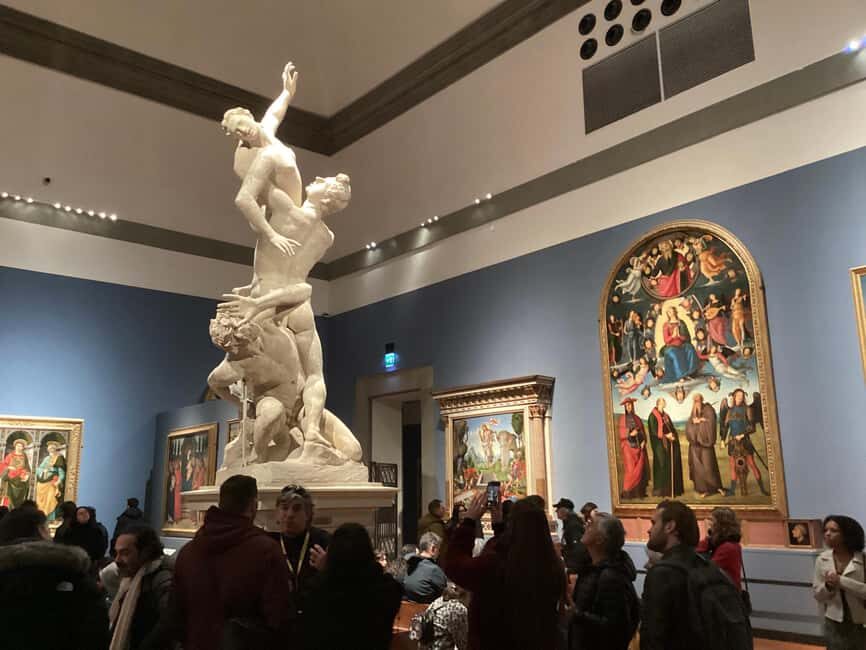
Between the museum moments, you get the bonus effect of location. The route is designed so you’re not only indoors. You’ll enjoy views over the Arno River and the Ponte Vecchio area from the general flow of the walk and surrounding viewpoints.
You don’t need to treat this as a full photo safari, but it does help you breathe. After two major galleries (with lots of looking), those outside moments reset your eyes and make the final museum portion feel more enjoyable.
Small group size: why max 9 matters in real life
Max 9 participants is the sweet spot for this kind of tour. It keeps the group from stretching out in museum rooms, and it supports a steadier pace during entry and navigation. It also makes it easier to ask questions without the guide repeating themselves over and over.
The best guide moments from customer feedback are consistent: people describe guides like Laura and Vera as engaging and able to answer questions on the spot. Others point out that the small group size can make the experience feel smoother during the Uffizi portion, even when the building is busy.
If you’re the type who wants time for details, this matters. If you’re the type who hates slow groups, this still works because the route has clear structure: David first, city context next, Uffizi finish.
Listening with headsets: a surprisingly big comfort upgrade
Radios with headsets aren’t about fancy tech. They solve a real problem: in crowded museums, sound travels poorly and people talk louder to compensate.
With headsets, you can stand where you need to see, hear the explanations without craning your neck, and stay with the guide’s timing. That also helps the group avoid long delays that happen when people keep asking the same question because they missed the answer.
Timed entry rules you should treat like part of the itinerary
This tour depends on timed admission. The priority tickets you receive have a specific entrance time window, and timed entry tickets are tied to group access.
So here’s the practical rule: arrive on time. They specifically advise you to be at the meeting point 15 minutes before the start time. If you show up late, you may not be able to enter with the group and guide, and you may have to enter separately due to museum regulations.
Also keep in mind that during high visitor traffic, museum access may be slightly delayed for security regulation purposes. That doesn’t make the tour bad—it just means you should hold a little flexibility in your head if you’re connecting to other plans the same day.
Price: what $151.80 buys you (and what it doesn’t)
At $151.80 per person for about 4 hours, this isn’t a bargain-basement museum deal. But you are paying for the stuff that typically costs time on your own.
You’re buying:
- Priority entrance and reservations to both galleries
- A local guide for the full guided experience
- Radios with headsets
- A small group size that makes the route workable
What you’re not buying is transportation (no hotel pickup/drop-off), and you’re not buying unlimited time to roam every room by yourself. If you’re someone who wants to spend 3-4 hours only in the Uffizi, this route will still help you, but it won’t replace a longer solo visit.
So I see the value like this: if you want the major highlights and a guide-led narrative in one efficient afternoon, the price fits. If you want pure freedom with zero structure, you might prefer buying museum tickets and building your own route.
Who this tour suits best
This is a good match if:
- You’re short on time in Florence and want David and the Uffizi both covered.
- You like art history stories that explain why works look the way they do.
- You prefer small groups and clear audio over a crowded free-for-all.
- You want a route that includes city context outside the museums, not just indoor stops.
It may not be the best match if:
- You’re hoping to linger in every gallery room for long stretches.
- You’re traveling with pets or large luggage, since those aren’t allowed.
- You absolutely hate timed entry and want total spontaneity.
Booking decision: should you reserve this 4-hour Florence combo?
If your Florence plan includes both the Accademia and the Uffizi, I’d lean toward booking this. The priority access, the headsets, and the small group size combine into a smoother day than doing it on your own—especially when lines and crowds can turn museum time into waiting time.
Choose it with confidence if you want the big names (and the reasons behind them) without spending your whole trip trapped inside ticket lines. Just be strict about arriving early. Timed entry isn’t the kind of rule you want to test on a busy day.
FAQ
How long is the tour?
The tour duration is 4 hours.
Where do I meet the guide?
Meet at the Florence Specialist office at Via Ricasoli 119r (RED), about 50 meters from the Accademia Gallery main entrance.
Is it a small group?
Yes. The group is limited to 9 participants.
Do I need ID?
You should bring a passport or ID card. The tour also notes that visitors aged 6-17 need a valid photo ID with date of birth for reduced tickets.
Are pets or luggage allowed?
Pets are not allowed, and luggage or large bags are not allowed.
Does the price include entry tickets?
Yes. Priority entry tickets and reservations are included.
What happens if I arrive late to the timed entrance?
Because the timed entrance is tied to group access, latecomers may not be able to enter with the group and guide and may need to enter separately.