REVIEW · SIENA
Siena: Food and Wine Walking Tour
Book on GetYourGuide →Operated by Tuscan Escapes by Papilio · Bookable on GetYourGuide
Siena’s food story is easy to follow.
This 2-hour Siena food and wine walking tour is built around tastings that make the city’s flavors feel specific, not generic, with hands-on stops at the Tuscan Wine School and local vendors. I especially like the mix of 2–3 local wine glasses (white and red) plus classic products like cheese, cured meats, and extra virgin olive oil. One practical catch: it’s a walking tour, so it’s not recommended if you have limited mobility.
Here’s the good news: if you can walk comfortably for about two hours, you’ll get a smooth route with a guide who connects what you’re eating to how it’s made and why Siena does things its way.
In This Review
- Key highlights worth planning for
- A 2-hour Siena food and wine walk that actually teaches
- Tuscan Wine School: your tasting baseline for white and red
- Cheese, cured cuts, and olive oil: tasting the ingredients behind the meals
- Cheese
- Cured meats
- Extra virgin olive oil
- Siena’s street route: the fun part is the slow education
- Cinta Senese and truffles: learning Siena’s ingredients, not just its menu
- Cinta Senese
- Truffles
- The medieval bread lesson: why Tuscan bread is plain and saltless
- Dessert and sweet foods: saving room for the last bite
- Who this tour fits best (and who should choose something else)
- Price and value: is $71 really fair for two hours?
- Timing tips so you enjoy every stop
- Can you expect a guide who makes it fun and specific?
- Should you book the Siena Food and Wine Walking Tour?
- FAQ
- How long is the Siena Food and Wine Walking Tour?
- What is the price per person?
- What’s included in the tastings?
- What should I bring?
- Is the tour guided in English?
- Is this tour suitable for people with mobility impairments?
Key highlights worth planning for
- Tuscan Wine School tastings with a typical white and red so you can compare styles
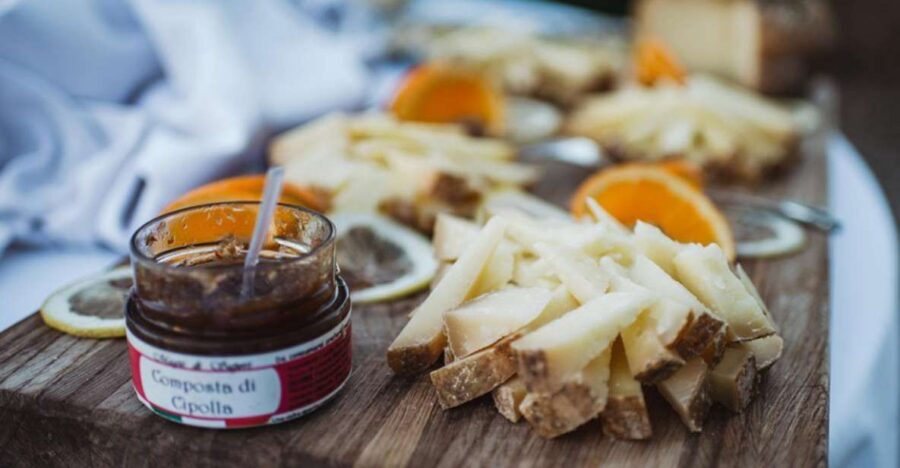
- Local product focus: cheese, cured cuts, and extra virgin olive oil
- Siena specialties explained including Cinta Senese and how truffles are found
- History tied to food habits, including why Tuscan bread is traditionally plain and saltless
- Street-level wandering with a local guide through Siena’s charming lanes
A 2-hour Siena food and wine walk that actually teaches
Siena can feel like one long sightseeing checklist. This tour keeps you fed while it explains the city’s food logic: who grew it, how they made it, and how those habits turned into tradition. In other words, you don’t just taste. You learn what to look for next time you’re shopping in Tuscany.
The structure is simple and that’s why it works. You stroll, you stop, you taste, and your guide connects the dots. You’re not stuck in one place for ages, and you’re not constantly on the move without breaks—most of your time is spent actually eating and listening.
And at $71 per person, the value comes from the combination. You’re paying for a guide, multiple tastings, and wine sampling that you might struggle to recreate on your own without wandering into random shops. Two hours is short enough to fit into a busy Siena day, yet long enough to feel like a real experience rather than a quick snack stop.
You can also read our reviews of more walking tours in Siena
Tuscan Wine School: your tasting baseline for white and red
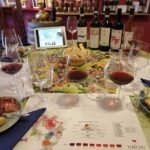
A big reason I like starting with a wine-focused stop is that it gives you a baseline. When your guide serves a typical Tuscan white and then a red, you start building language for what you’re noticing—texture, acidity, fruit vs. earthy notes, and the general style choices winemakers make in the region.
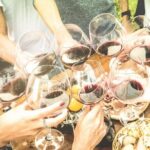
The tastings include 2–3 glasses of different local wines, so you’re not just doing one sip and moving on. You get enough variety to compare how Tuscany treats grapes differently, even when the overall feel stays recognizably local.
What you’ll likely enjoy most here is the way the guide frames wine as part of a whole food system. In Tuscany, wine isn’t a separate activity—it shows up alongside cheese boards, cured meats, olive oil, bread, and sweets. When you taste in that context, it stops being about expensive brands and starts being about pairing and regional character.
Practical note: wine and walking in the medieval streets can add up. Pace yourself between tastings. If you’re sensitive to alcohol, tell your guide you’d like smaller pours.
Cheese, cured cuts, and olive oil: tasting the ingredients behind the meals
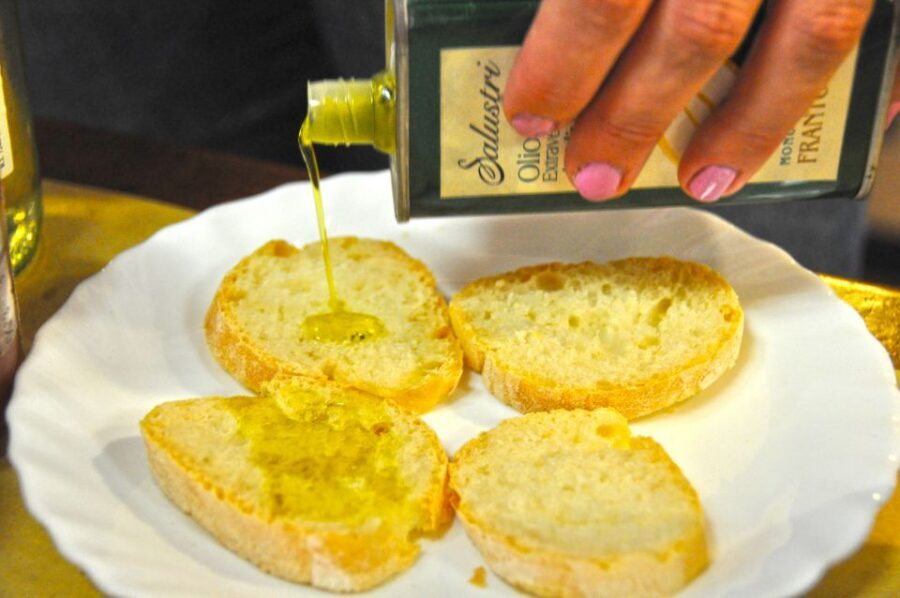
After the wine start, the tour leans into the building blocks of Tuscan cooking. You’ll taste cheese, cold cuts, and extra virgin olive oil—three things Siena takes seriously, even when the city is just doing everyday life.
Here’s what makes this part more than a standard “food sampling.” Your guide doesn’t treat these as museum objects. You learn about production and process, which changes how you taste. When someone explains how a product is made (and what that means for flavor), you can actually predict what you might like next.
Cheese
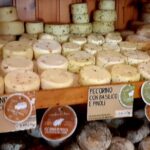
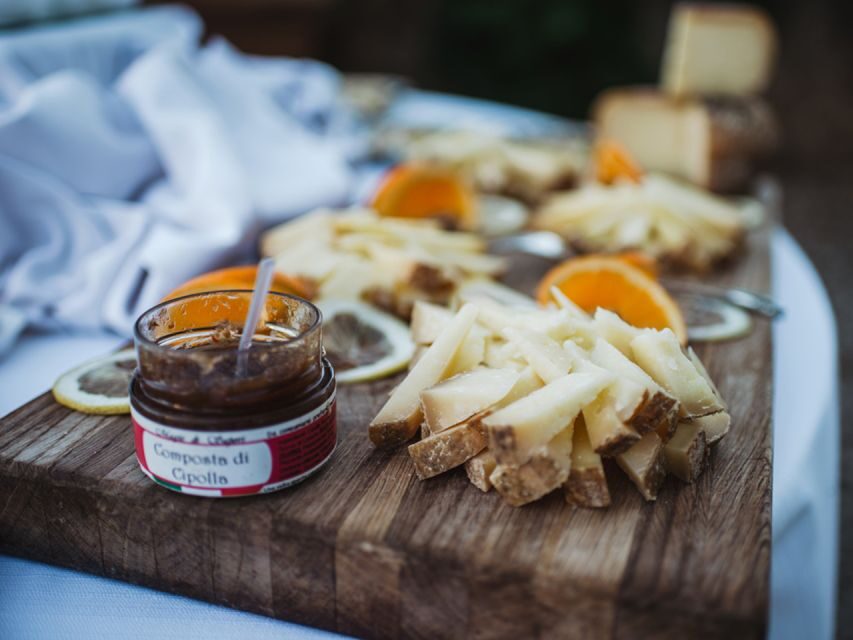
You’ll taste local cheeses, and the guide ties them to regional methods. The goal isn’t to memorize names. It’s to understand why the cheese tastes the way it does in the first place—aging choices, animal products, and local tradition.
Cured meats
For cured cuts, the tour focuses on how they’re produced. You’re tasting something that’s meant to last, and that longevity shapes flavor. When you think about curing as preservation plus craft, it makes the bite feel intentional rather than random.
You can also read our reviews of more food & drink experiences in Siena
Extra virgin olive oil
Olive oil can be confusing when you’re only shopping for labels. In this tour, it’s not just a drizzle. You learn about how extra virgin olive oil is made, so you can taste differences more confidently later.
If you want a souvenir you’ll actually use at home, olive oil is one of your best bets. You’ll leave with a clearer sense of what to look for beyond hype.
Siena’s street route: the fun part is the slow education
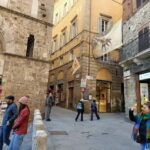
The tour isn’t a bus tour with a food stop. You’re strolling through Siena’s charming streets with a live English-speaking guide, moving at a human pace so you can enjoy the sights and keep your appetite under control.
This matters because Siena’s center is built for walking. Even if you know the big highlights, it’s often the smaller lanes where you notice the everyday food culture—vendors, shopfronts, and locals doing quick purchases.
A few things to keep in mind:
- Comfortable shoes are not optional. Cobblestones are real.
- Plan for short stand-and-eat moments. You’ll likely linger at stops, then move again.
- Expect the guide to pace the group so tastings land at a good moment rather than rushing you down the street.
Your reward is the combination of food and city texture. You don’t just eat your way across Siena. You get the sense of how the city sounds and smells between stops.
Cinta Senese and truffles: learning Siena’s ingredients, not just its menu
Two of the most distinct pieces of Siena’s food identity get attention: Cinta Senese and local truffles.
Cinta Senese
This is the local pig breed associated with regional cured meats. Once your guide explains why it matters, the tasting becomes more than a flavor check. You understand the connection between animal, farming practices, and the local cured tradition.
If you like food stories that feel grounded in place, this is one of the sections that will stick with you. It gives you a mental map of why certain flavors show up in certain products.
Truffles
The tour also touches on how local truffles are found. That’s useful even if you’re not buying truffle items on the day. It helps you understand what you’re seeing on menus and why truffles often appear tied to seasonality and countryside practices.
If truffles are your thing, I’d treat the tour as a primer. It gives you context, so when you do hunt down truffle dishes later, you’ll know which elements are genuinely local and seasonal rather than just added for effect.
The medieval bread lesson: why Tuscan bread is plain and saltless
One of the most interesting angles in this tour is the explanation of Tuscan bread, especially why it’s traditionally plain and saltless and how it shows up in recipes today.
This is one of those food facts that sounds minor until you taste it in your head. Bread isn’t just a side in Tuscany. It’s part of how meals were structured historically, how ingredients were stretched, and how flavor was built through other components like olive oil, cured meats, and cheeses.
When the guide links that tradition to medieval recipes, the tastings start making more sense as a system. You stop thinking, Why is this bread like this? and start thinking, This is how they made do—and how that shaped the cuisine you’re eating now.
Even if you don’t care about culinary history, this stop adds meaning to the food. It’s education that stays useful, not just trivia.
Dessert and sweet foods: saving room for the last bite
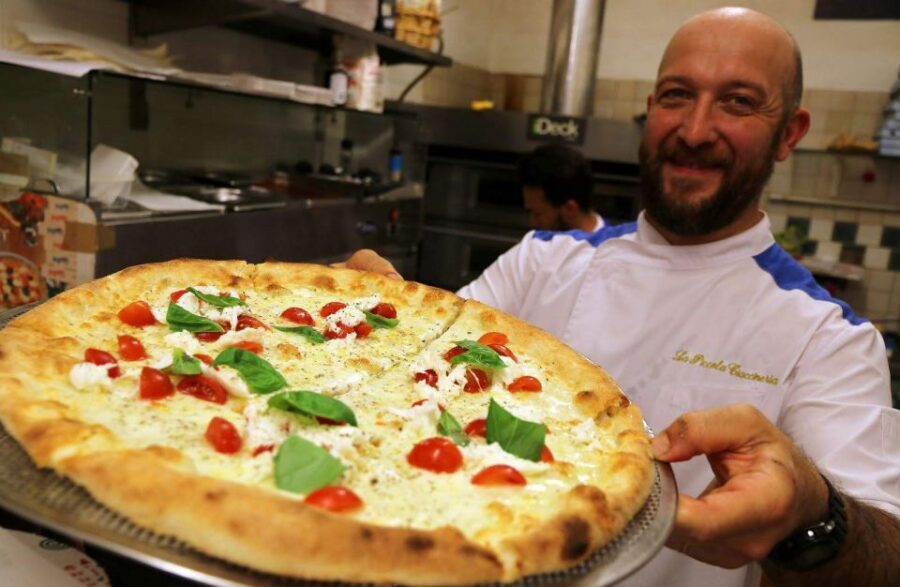
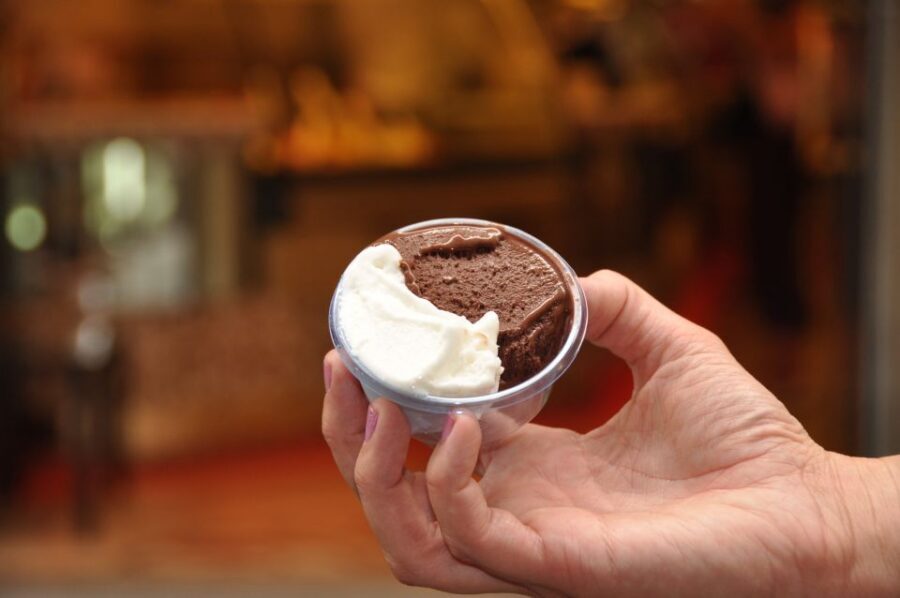
After wine, cheese, cured meats, olive oil, and savory tastings, it’s smart that the tour includes dessert and sweet foods. Sweet finishes help reset your palate and stop the experience from feeling like a nonstop parade of salty flavors.
This part is also practical. Many wine and food tours end right after the big bites. Here, you get a clean landing spot so you’re ready to keep exploring Siena afterward—whether that means gelato hunting, a sit-down meal, or just wandering the streets longer.
Who this tour fits best (and who should choose something else)
This is ideal if you want:
- A guided tasting that doesn’t require you to plan stops ahead
- An easy introduction to Siena’s products and winemaking culture
- A short walking outing that pairs food and city atmosphere in one package
It’s less ideal if:
- You have limited mobility. The tour is explicitly not recommended for people with mobility impairments, and it’s built around walking.
- You don’t want wine at all. Wine is part of the core tastings, and the experience centers around that.
If you’re traveling solo, this works too. The guide keeps you engaged, and tastings are naturally social without requiring group games or forced conversation.
Price and value: is $71 really fair for two hours?
At $71 per person for two hours, the price makes sense if you look at what you’re getting rather than the number alone.
You receive:
- 2–3 glasses of local wine
- Food tastings including cheese, cold cuts, and extra virgin olive oil
- Dessert and sweet foods
- A live English guide who connects everything to production and local tradition
If you tried to DIY this, you’d likely pay for wine tastings anyway, plus multiple shop visits, plus a guide’s time to explain what you’re tasting. The tour bundles those pieces into a smooth route.
So the “value” test is simple: do you want someone else to handle sequencing and explanations? If yes, this price is reasonable. If you’d rather wander freely and buy only what you personally pick, you might prefer a lighter self-guided approach.
One more note: tips are not included. If your guide makes the experience special, tip accordingly.
Timing tips so you enjoy every stop
Since this is a walking tour with tastings, your best move is to treat it like a timed lunch-and-wine event.
- Arrive 5 minutes early so you don’t start late and feel rushed.
- Wear shoes with grip for cobblestones.
- If you’re booking mid-day, eat a small breakfast or snack first. You want to be hungry, not starving.
- Pace yourself between tastings. Two hours moves quickly in a historic center, even at a relaxed pace.
Also, keep an eye on your phone battery. Siena’s lanes are photogenic, but you won’t want to stop constantly while you’re trying to taste and listen.
Can you expect a guide who makes it fun and specific?
Based on the quality signals from guide names like Paulo and Elio (including Elio Martino), plus Georgia showing up in guide experience, the tour consistently leans on strong English interpretation and a light personality. That’s not fluff—it matters when you’re tasting multiple items and trying to remember what you learned.
When a guide can explain wine and food production clearly, you leave with understanding instead of just impressions. That’s why reviews highlight the guide as a key part of the experience quality.
Even if you’re not a “wine person,” you can still enjoy the tour because it keeps the focus on local products and how they connect to Siena’s traditions.
Should you book the Siena Food and Wine Walking Tour?
I’d book it if you want a short, guided way to taste Siena properly—wine plus the local staples—without spending your whole day choosing shops. The mix of tastings (cheese, cured cuts, olive oil, dessert) plus the story behind Cinta Senese, truffles, and Tuscan bread is exactly the kind of learning that makes a destination feel real.
Skip it if walking is a problem for you. And if you’re the type who only wants a single structured meal and nothing more, you might find the pacing better with a longer sit-down food tour instead.
FAQ
How long is the Siena Food and Wine Walking Tour?
The tour lasts 2 hours.
What is the price per person?
The price is $71 per person.
What’s included in the tastings?
You’ll get 2–3 glasses of different local wines, tastings of cheese, cold cuts, and extra virgin olive oil, plus dessert and sweet foods.
What should I bring?
Wear comfortable shoes for walking.
Is the tour guided in English?
Yes, the tour includes a live English tour guide.
Is this tour suitable for people with mobility impairments?
No. It’s not recommended for people with limited mobility, and it’s not suitable for mobility impairments.