REVIEW · SIENA
Siena Walking Tour with Cathedral and Crypt & Museum Option
Book on GetYourGuide →Operated by Walks In Europe · Bookable on GetYourGuide
You feel the Middle Ages fast in Siena.
On this guided walk, you get skip-the-line Cathedral entry plus a human guide who explains how the city actually works, from Contradas to the Palio. I like that it is structured but not rushed, so you can look up, pause, and take photos without playing queue roulette.
Two things I really like: the tour’s small-group pace (you move as a group, but you still get time to ask questions), and the way it connects art and architecture to everyday Siena culture. One thing to consider: it includes walking on uneven medieval streets with some steep bits, so wear solid shoes and expect some hill effort.
In This Review
- Key highlights at a glance
- Why Siena Works Best on Foot, and This Tour Fits
- Starting Under San Domenico: The Walk Gets You Oriented Quickly
- Piazza del Campo and Fonte Gaia: Siena’s Center of Gravity
- Tower of Mangia Vistas: When the City Finally Opens Up
- The Siena Cathedral Stop: Skip-the-Line Access and Real Art Time
- Palio, Contradas, and the Old Ghetto Stories That Give Meaning
- OPA SI Pass Option: Crypt, Opera Museum, Baptistery, and Facciatone Views
- Pace, Comfort, and What to Wear in a Church-First City
- Price and Value: Is $95.16 Worth It?
- Who Should Book This Siena Duomo Walking Tour
- Should You Book This Tour?
- FAQ
- FAQ
- How long is the Siena walking tour?
- Where do I meet the guide?
- Does the tour include skip-the-line tickets?
- What is included in the 2-hour vs the 3-hour option?
- What does the OPA SI Pass cover on the extended tour?
- What should I bring and wear?
- Can the cathedral close during the visit?
- Is the tour wheelchair accessible?
Key highlights at a glance
- Skip-the-line Duomo access with pre-reserved tickets via a separate entrance
- Palio and Contrada context so the horse-race tradition makes sense
- City viewpoints from the Tower of Mangia area and the New Cathedral facade (Facciatone) in the extended option
- Cathedral art stops including the Piccolomini Library
- OPA SI Pass option for the Crypt, Opera Museum, Baptistery, and more complex access
Why Siena Works Best on Foot, and This Tour Fits
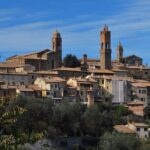
Siena is one of those cities where planning matters. The streets are narrow, the corners keep turning, and the best sights are spread out in a way that feels natural only if you walk. This tour starts you in the right place and moves you through the parts of town that explain Siena’s layout instead of just ticking landmarks.
What makes this experience practical is the ticket handling. You’re not stuck trying to time cathedral access on your own. With the pre-booked, priority-style entry, you can focus on the art and the stories once you reach the Duomo.
You also get a built-in narrative. The guide ties what you see—squares, districts, and religious art—back to Siena’s identity. That turns the visit from sightseeing into understanding. It also helps if you are visiting for the first time and want your bearings fast.
You can also read our reviews of more walking tours in Siena
Starting Under San Domenico: The Walk Gets You Oriented Quickly
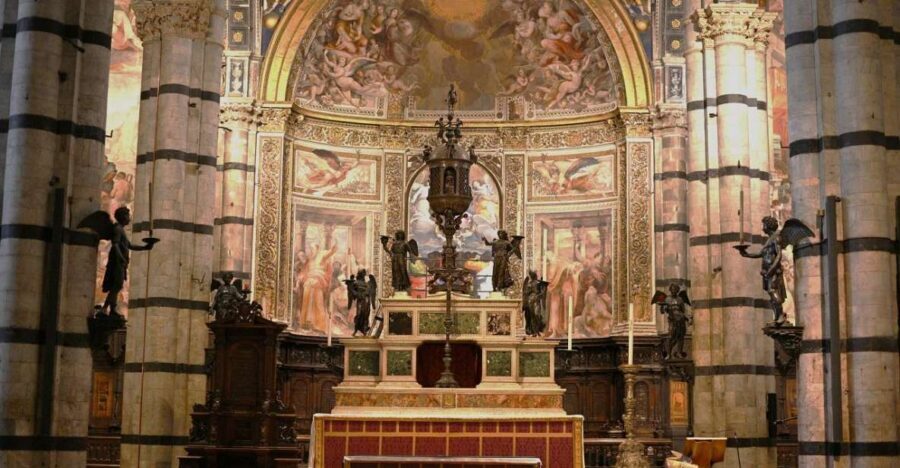
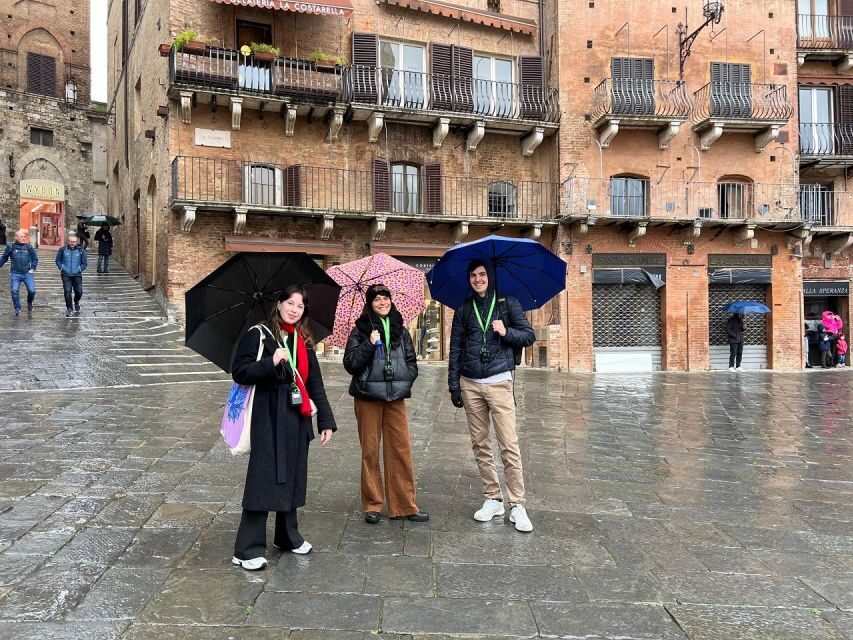
The meeting point is Piazza San Domenico, 5, and you’ll meet under the big tree by the Basilica of San Domenico. Your guide will hold a sign with the provider logo, and the language options include German, French, and English.
From there, you start with a relaxed city introduction and head toward the center. You’ll walk for about 30 minutes early on, then you’ll be in the heart of Siena’s drama—Piazza del Campo.
This first stretch is more than warm-up. The guide typically sets the tone by explaining how Siena’s neighborhoods (Contradas) shaped civic life. You learn why certain buildings and streets matter, so your brain starts grouping things as you go rather than treating the city like a random gallery of stone.
One practical tip: arrive 5 to 10 minutes early at the designated meeting point. The tour notes that you cannot join after it starts.
Piazza del Campo and Fonte Gaia: Siena’s Center of Gravity
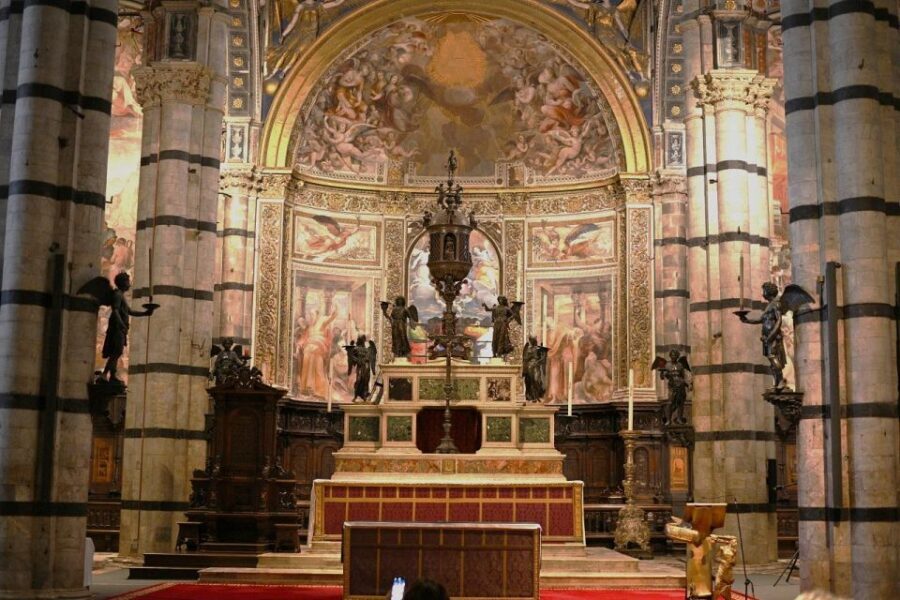
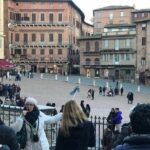
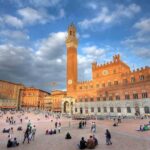
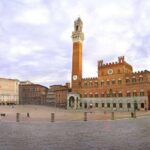
Once you reach Piazza del Campo, everything changes in a good way. This is Siena’s famous shell-shaped square, and it is where the city’s identity becomes visible. The guide helps you understand what you are looking at—not just that it is pretty, but why it mattered.
The tour includes Fonte Gaia, the ornate fountain that sits in the city’s public space and is decorated with reliefs. It is a nice pause because it gives your eyes a break between viewpoints and major church stops. It also anchors the stories the guide tells about civic life—Siena wasn’t only about religion; it was also about public identity.
You then move toward the Tower of Mangia area. Expect another short walking segment (about 30 minutes at that point in the flow), and plan for some uphill effort. One recurring theme in the experience feedback is that Siena can feel steep, so comfortable footwear is not optional.
Tower of Mangia Vistas: When the City Finally Opens Up
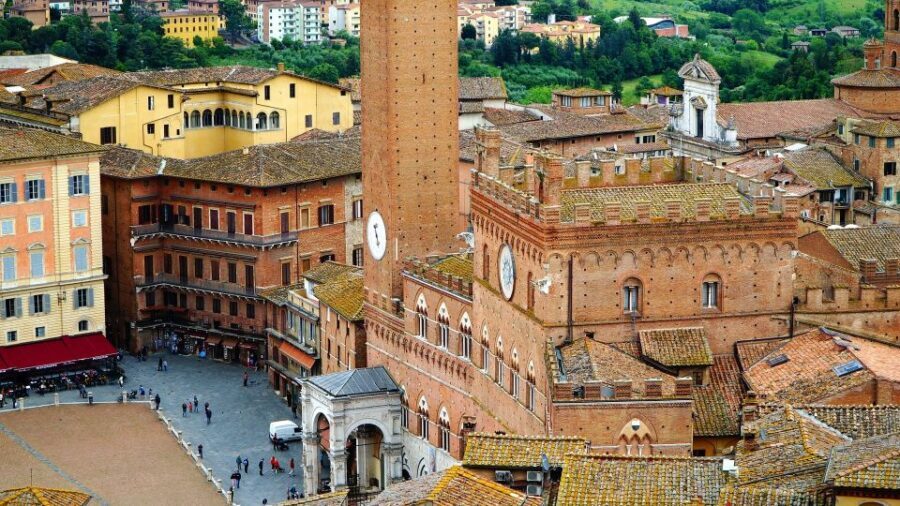
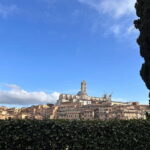
The Tower of Mangia stop is where Siena starts to make sense visually. Even without going deep into tower mechanics, the timing and placement matter. You get a breather and an elevated sense of the city’s shape, which helps later when you stand at the Duomo and understand it as the crown of the urban plan.
In practical terms, this section also helps you pace the afternoon. By the time you reach the cathedral, your legs are warmed up, your brain has context, and you know what not to miss.
If you’re the kind of traveler who loves photo moments, this is a good slot for it. If you’re more interested in learning, it is equally useful because the guide can connect views to stories about governance, community organization, and how public space connected to power.
The Siena Cathedral Stop: Skip-the-Line Access and Real Art Time
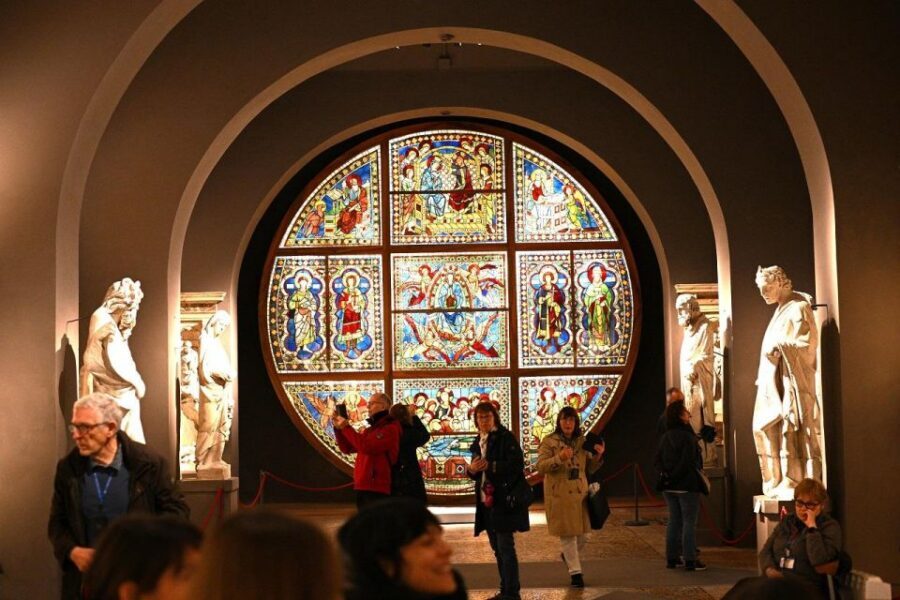
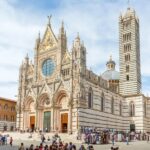
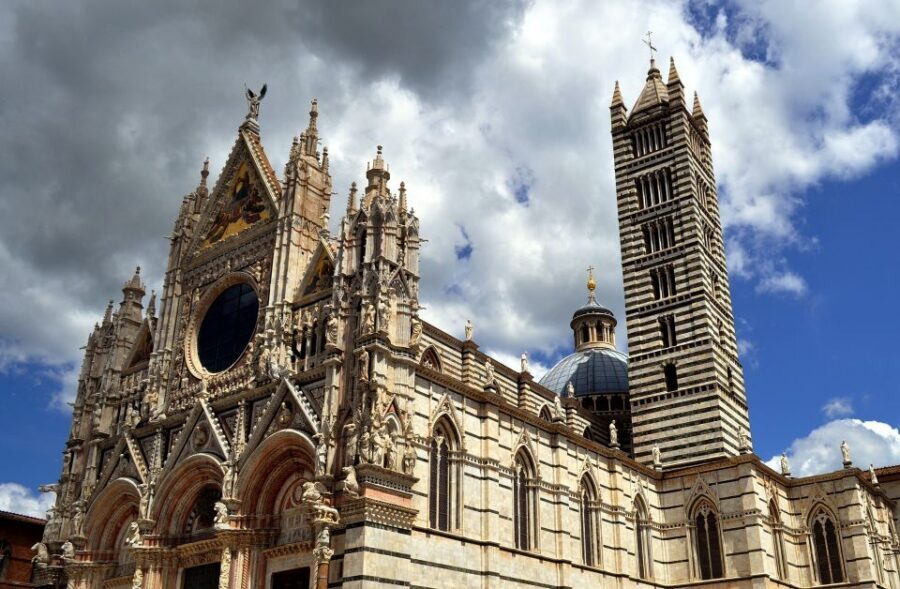
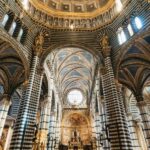
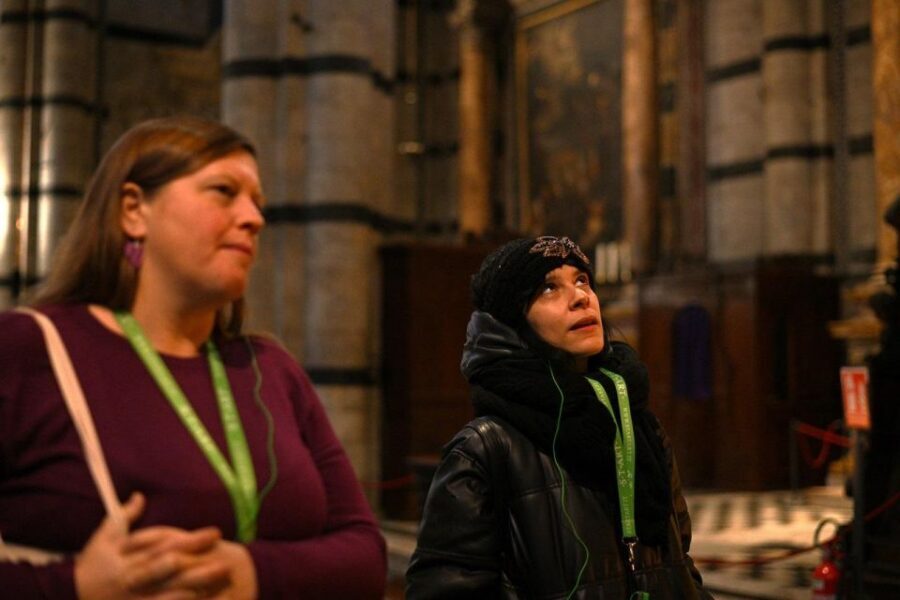
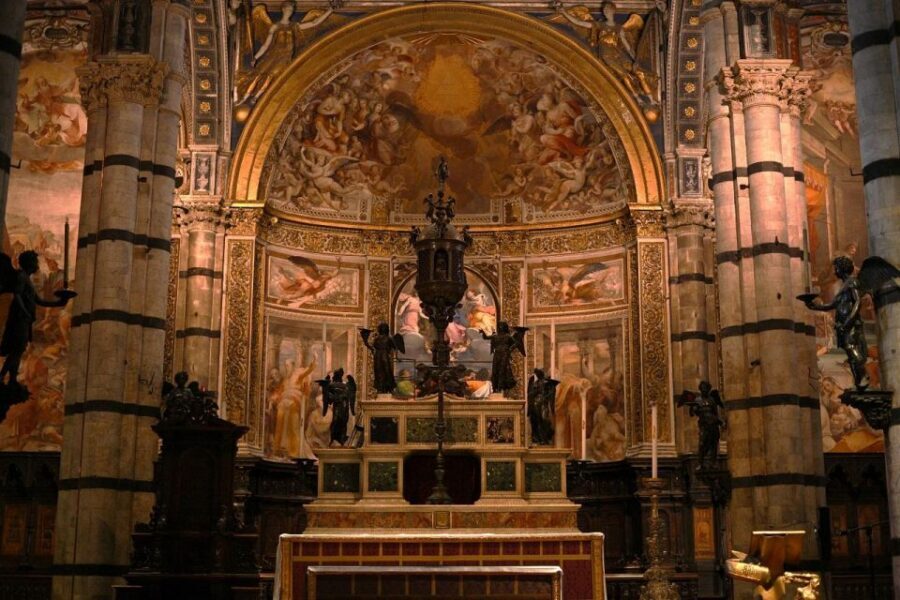
Now for the main event: Siena Cathedral (Duomo di Siena). You get pre-arranged tickets and a chance to bypass the queues through a separate entrance. Once inside, you’re not just walking past chapels like a tourist stamp collector—you get a guided visit (about 30 minutes at this stop) with the kinds of details that turn art into something you can actually picture later.
The cathedral is an operating church, so there is an important reality check. It can be closed to visitors for liturgical reasons, even without warning. The tour also notes that your access depends on timing, so if the church is closed, the day might shift. Still, the reserved-entry setup is designed to reduce the chaos.
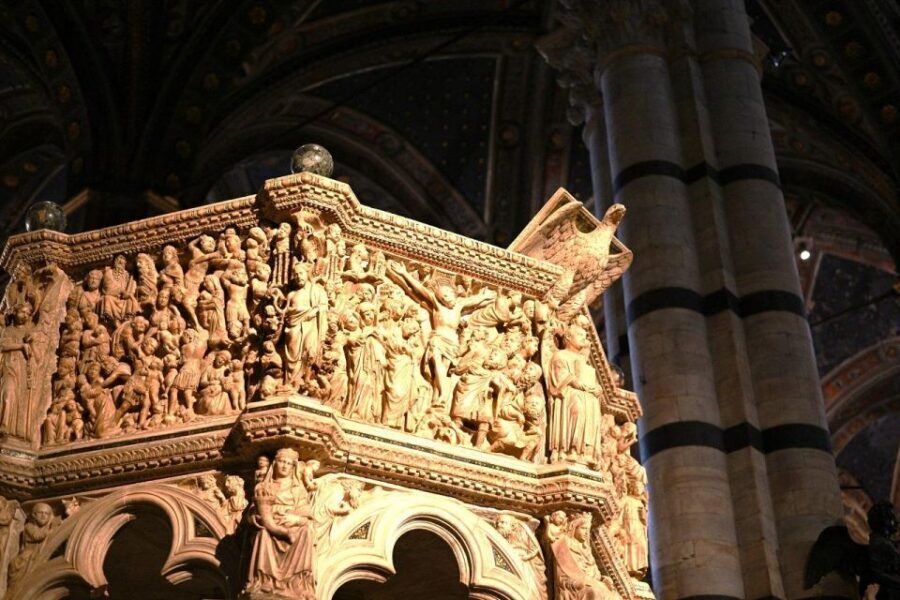
This is also where the guide’s explanations really pay off. The Duomo is tied to major Tuscan artists and schools, and the visit commonly highlights work associated with figures like Duccio, Pisano, and Pinturicchio. You’ll also spend time with the Piccolomini Library, guided for about 10 minutes.
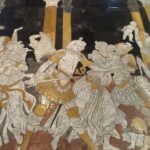
One detail worth knowing: the cathedral floor mosaics are not always fully visible. The tour information says the floor mosaics are completely uncovered from 27 June to 31 July, and from 18 August to 16 October. Outside those dates, they may be partially covered. If the floor is a priority for you, check your travel dates.

Palio, Contradas, and the Old Ghetto Stories That Give Meaning
Siena’s famous Palio horse race is not just a fun festival story. It is a lens for understanding how the city organizes loyalty, neighborhood identity, and tradition. This tour explicitly weaves Palio context into your walk through the Contrada areas and central spaces.
You’ll learn how Contradas represent specific neighborhoods steeped in tradition, and how the rivalry plays out during Palio time. The guide also brings in background about districts like the Tower District and the Old Ghetto, which helps you understand Siena as layered history, not one single era frozen in stone.
This is where guided storytelling adds real value. If you show up to the Duomo after only reading a plaque, you might miss why certain spaces feel civic as well as sacred. The Palio and Contrada framing makes the whole city feel connected.
OPA SI Pass Option: Crypt, Opera Museum, Baptistery, and Facciatone Views
If you upgrade to the 3-hour option, you’re adding a bigger payoff. The tour includes OPA SI Pass privileges for the Cathedral Complex, which typically covers more than the main church visit.
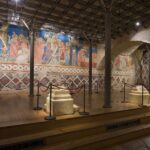
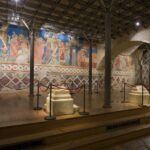
On the extended version, you can access the Crypt (with centuries-old frescoes), the Museo dell’Opera (home to sculptures and stained glass windows), and the Baptistery. You also get the panorama option from the New Cathedral Facade, known as the Facciatone.
Why this matters for your experience:
- The cathedral itself is impressive, but the complex is where you get the full sense of the building project over time.
- The crypt adds the feeling of Siena going deeper into earlier layers of worship and decoration.
- The Opera Museum gives you a behind-the-scenes look at works connected to the Duomo’s story.
- The Facciatone panorama gives you a final “whole picture” moment—Siena spread out below, with the countryside framing it.
At the end of the guided portion, you bid farewell to the guide and then have the chance to ascend the Facciatone at your own pace, taking in the views before you finish your visit.
Pace, Comfort, and What to Wear in a Church-First City
This is a walking tour with a measured pace, but it is still Siena, so plan for real footwork. Expect cobblestones, uneven paths, and some steep uphill walking. If you have tender knees or a low tolerance for hills, consider your route planning and shoes.
The tour also has a clear dress and items list:
- Bring a scarf
- Avoid shorts and sleeveless shirts
- No sandals or flip flops
- No short skirts
- Avoid baby strollers, luggage, or large bags
Those rules exist because the cathedral is a working church and visitors are expected to dress appropriately. Even if you’ve been fine in other churches, Siena can be stricter, so follow the rules to avoid awkward last-minute fixes.
Group experience also matters here. This tour is sold as a small group (with private group availability too). In practice, that usually means fewer crowds inside key areas and a guide who can actually respond to questions instead of rushing through talking points.
Price and Value: Is $95.16 Worth It?
The price is $95.16 per person, with durations of 2 to 3 hours depending on which option you choose. Here’s how I’d judge value.
You’re paying for three big things:
- A guided walk that covers the key Siena zones without wasting time
- Reserved, skip-the-line access to the cathedral through a separate entrance
- If you choose the 3-hour version: OPA SI Pass access to the cathedral complex items like the Crypt, Opera Museum, Baptistery, and the Facciatone panorama
If you only care about the main cathedral experience, the 2-hour option can be a strong fit because it gets you the priority entry and the most essential artistic highlights, including the Piccolomini Library.
If you want more than the headline moment—and you enjoy seeing how a major religious complex functions across rooms, levels, and collections—the 3-hour option is where the value becomes clearer. The extended ticket set avoids you trying to coordinate extra admissions on your own, and you’ll have the guide helping you connect the dots.
One more angle: the guide quality is a repeated theme. Names like Flo, Dace, Anna, Idania, Mare, Susanna, and Elia Martino show up in the feedback, and the consistent pattern is clear explanations plus a genuine love for Siena. While you can’t choose your guide in advance, the tour’s average rating (4.9) suggests this is not a random grab-bag experience.
Who Should Book This Siena Duomo Walking Tour
This is a great choice if:
- You want a strong first-time orientation in Siena without planning every stop
- You care about understanding the Palio and Contradas, not just seeing the square
- You prefer guided access that reduces waiting in church lines
- You want cathedral art and context in a time-efficient format
You might reconsider if:
- You have very limited mobility or you know you struggle with stairs and uneven medieval streets
- You prefer to roam on your own with no structure
- You need a fully predictable visit inside the cathedral, since the church can close for liturgical reasons
Should You Book This Tour?
I think you should book it if you want Siena to feel meaningful, not just pretty. The mix of guided street time plus skip-the-line cathedral access is the sweet spot. And if you upgrade to the OPA SI Pass version, you turn the Duomo from a single stop into a complete story, including the crypt, museum, and Facciatone views.
If your travel window is tight, the priority access and planned route can save you time and stress. If your schedule is flexible and you care about seeing more than the main church, the 3-hour option is the smarter bet.
FAQ
FAQ
How long is the Siena walking tour?
The tour is offered in a 2-hour option and a 3-hour extended option. The full experience is described as lasting 2 to 3 hours, depending on which option you select and the starting time available.
Where do I meet the guide?
You meet under the big tree by the Basilica of San Domenico at Piazza S. Domenico, 5. The guide will be holding a sign with the activity provider logo.
Does the tour include skip-the-line tickets?
Yes. The tour includes skip-the-line access to the Siena Cathedral with pre-reserved tickets through a separate entrance.
What is included in the 2-hour vs the 3-hour option?
The 2-hour option includes pre-booked, priority access tickets for the cathedral. The 3-hour extended option includes pre-booked, priority access for the entire Siena Cathedral complex using the OPA SI Pass, covering additional areas beyond the main cathedral visit.
What does the OPA SI Pass cover on the extended tour?
The 3-hour option with OPA SI Pass includes access to the Cathedral Complex, including the Cathedral and Piccolomini Library, the Opera Museum, the Panorama from the New Cathedral Facade (Facciatone), the Crypt, and the Baptistery.
What should I bring and wear?
You should bring a scarf. Avoid shorts, short skirts, sleeveless shirts, and sandals or flip flops. The tour also does not allow baby strollers, luggage, or large bags.
Can the cathedral close during the visit?
Yes. The cathedral is an operating church and it can be closed to visitors for liturgical reasons, even without warning.
Is the tour wheelchair accessible?
The activity lists wheelchair accessibility, but it also states it is not suitable for wheelchair users and people with mobility impairments. Because of this contradiction, it is best to check directly with the provider before booking.
—
If you tell me your travel month and whether you’re choosing the 2-hour or 3-hour option, I can help you pick the best time window for cathedral access and for the most satisfying viewpoint moment.