REVIEW · SIENA
Siena: Cathedral Complex Pass with Audio Guide (OPA SI PASS)
Book on GetYourGuide →Operated by GetYourGuide Tours & Tickets GmbH · Bookable on GetYourGuide
Siena’s Duomo story is easier to follow. With the OPA SI PASS you get access to the cathedral complex plus a smartphone audio guide, so you can move at your pace and still get the history. I like that this ticket is built for highlights in one go, not a long scavenger hunt across town. One watch-out: your time is real here—your entry needs to happen with enough buffer before closing.
This pass is great when you want art and atmosphere without committing to a formal guided tour. The crypt adds serious drama, and the Facciatone viewpoint turns all that stone into a whole-city view. The main consideration is that this is self-guided, so you’ll want to have your phone ready and follow the audio instructions as you go.
In This Review
- Key Things to Know Before You Go
- What the OPA SI PASS Covers in Siena’s Cathedral Complex
- Getting In: Voucher Exchange at Cripta del Duomo di Siena
- Inside the Duomo: Mosaic Floor, Donatello, and Michaelangelo
- Baptistery of San Giovanni: The Baptismal Font Worth Your Time
- Down in the Crypt: Siena’s Underground Story
- Piccolomini Library and Pinturicchio’s Fresco Cycle
- Museo dell’Opera: Artifacts and Sculptures That Explain the Duomo
- Oratory of San Bernardino: Diocesan Religious Art (13th–18th Century)
- Facciatone Viewpoint: The Climb and the Siena Payoff
- Using the Digital Audio Guide Like a Local (No Group Waiting)
- Price and Value: Why $21 Often Feels Like a Bargain
- Best Fit: Who Should Choose This Self-Guided Pass
- Should You Book the Siena Duomo Complex Pass?
- FAQ
- What does the OPA SI PASS include?
- Is the rooftop included?
- Where do I exchange my voucher?
- Do I need a live guide?
- How long is the pass valid and when is the last entry?
- What are my options if plans change?
Key Things to Know Before You Go
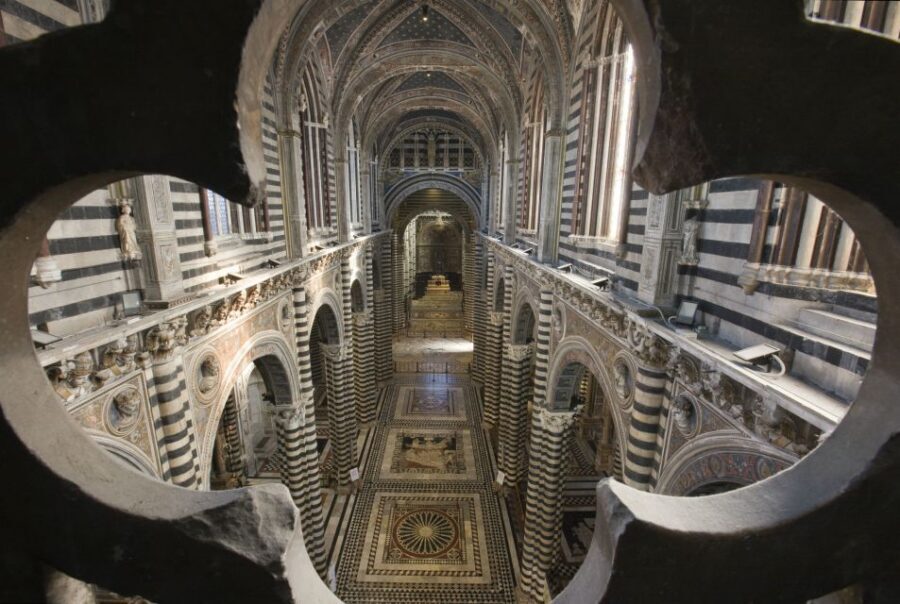
- Access-all-areas without the rooftop: You can enter the Duomo complex’s major spaces, but the Gate of Heaven roof access is not included.
- Smartphone audio guide (no live guide): You learn as you walk—useful if you like context without waiting for a group.
- You’re stacking big-name art in one circuit: Expect works tied to Donatello, Michaelangelo, Pinturicchio, Giovanni Pisano, and the Lorenzetti brothers.
- Crypt + library are the art-lover power combo: Underground frescoes and Piccolomini Library fresco cycles are a strong one-two.
- Facciatone viewpoint has timing friction: Narrow routes can slow the exit, so plan extra minutes at the end.
What the OPA SI PASS Covers in Siena’s Cathedral Complex
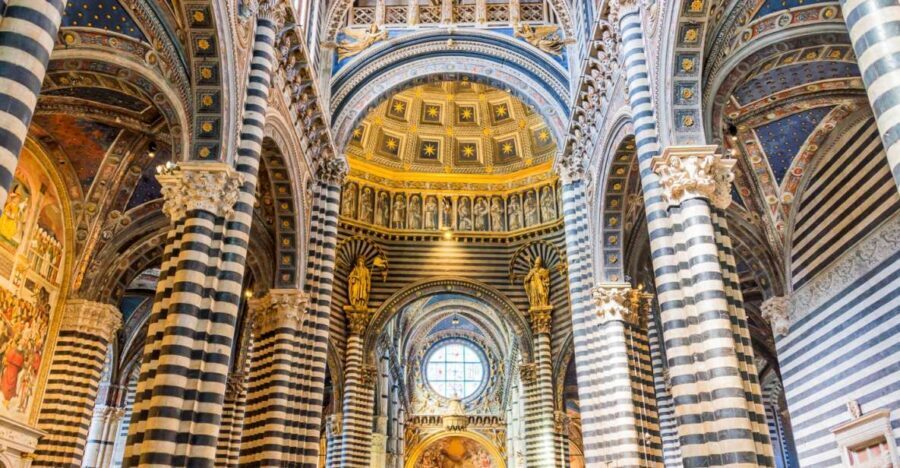
This ticket is designed for the Siena Duomo complex—what locals mean when they say the Duomo area is more than one church. With the OPA SI PASS, you can enter the key components: the Duomo, the Baptistery of San Giovanni, the Crypt, the Piccolomini Library, the Museo dell’Opera, the Oratory of San Bernardino, and you can also reach the Facciatone viewpoint.
There’s one important limit: the pass excludes the rooftop entry, including the Gate of Heaven (you can’t count on it being part of this ticket). If rooftop views are your priority, you’ll want to plan for that separately.
Also, pay attention to the clock. The last entry to Siena Cathedral is 30 minutes before closing, and your voucher has to be used on the booked date. One practical way to think about it: build your day so you’re not racing through the end of the circuit like you’re late to a train you don’t even want.
You can also read our reviews of more guided tours in Siena
Getting In: Voucher Exchange at Cripta del Duomo di Siena
Your pass starts at the official ticket office area, where you exchange your voucher at the Cripta del Duomo di Siena. This sounds simple, and it usually is—until you’re standing in a busy historic zone with signs that aren’t always obvious.
My advice is to arrive with a tiny amount of slack, even if you’ve bought your ticket ahead. People report the exchange process can be a bit confusing, and during peak times, you might still see a line for voucher printing. Once you’re exchanged and inside, the pass is what makes your later movement feel efficient.
Tip: keep your confirmation/voucher handy on your phone so you can show it quickly at the exchange counter.
Inside the Duomo: Mosaic Floor, Donatello, and Michaelangelo
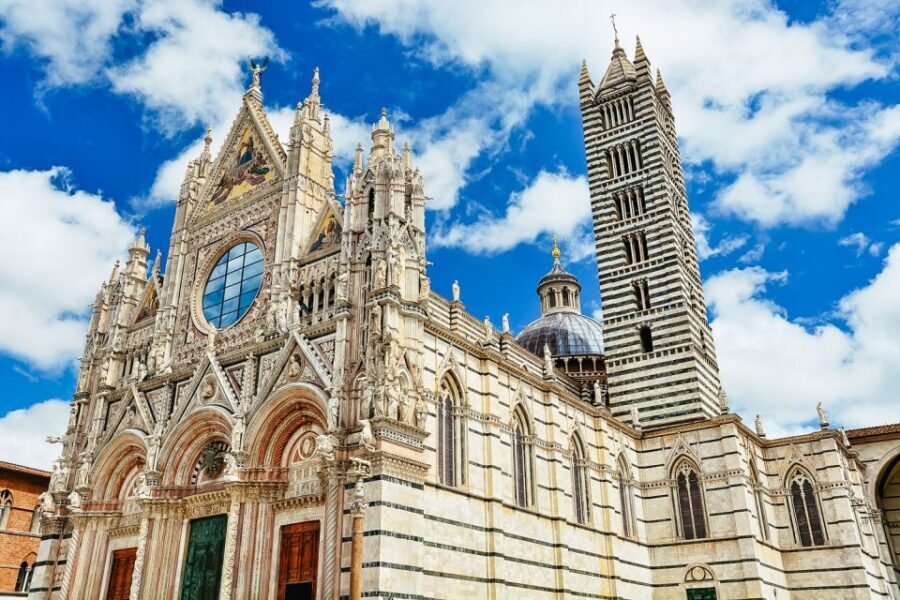
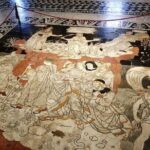
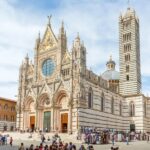
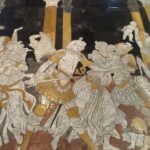
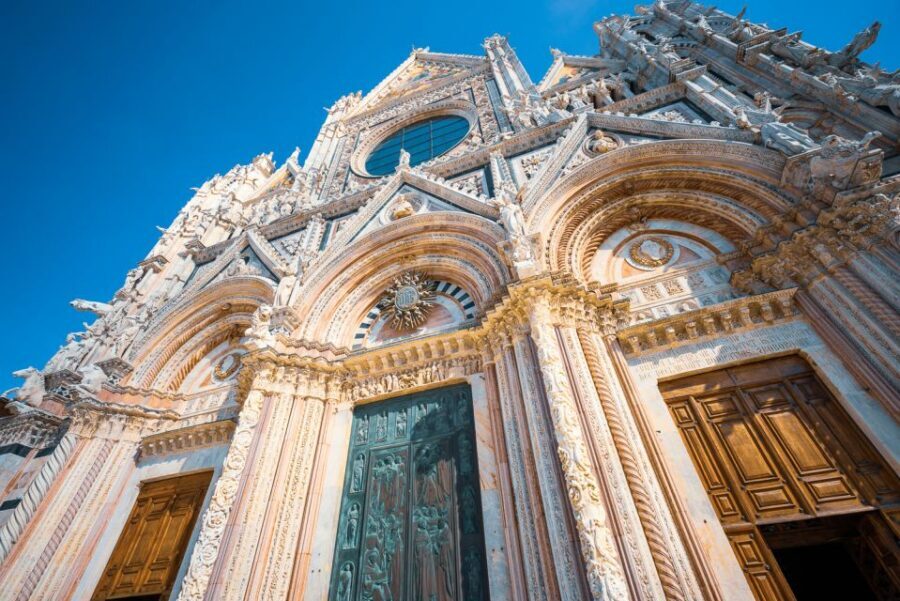
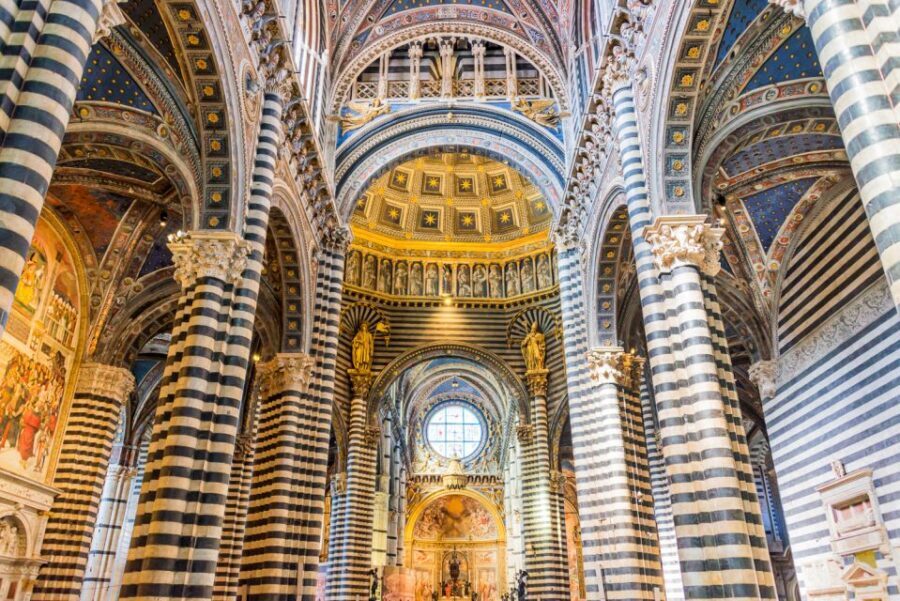
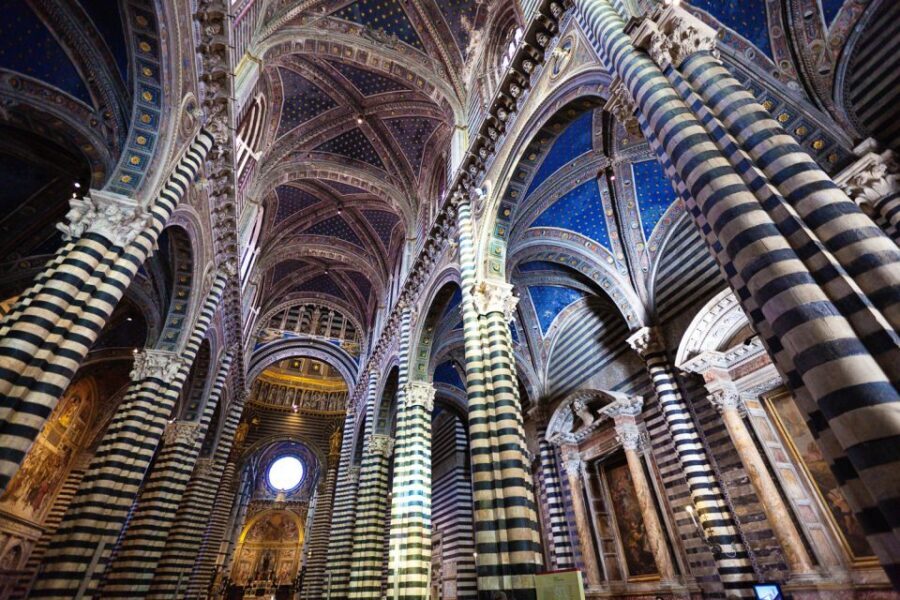
Start where the complex makes its first strong impression: the Duomo itself. The space has a “hold your gaze” quality—big scale, serious stonework, and then details that reward slower looking. A key feature here is the mosaic marble floor, which you can walk along while you orient yourself to what you’re seeing.
From there, you’ll want to look for major sculptures and the artworks dotted through the church. This ticket gives you access to highlights like:
- The Feast of Herod by Donatello
- St. Paul by Michaelangelo
Even if you’re not a hardcore sculpture person, these names matter because they help you “read” the space. You start connecting Siena’s cathedral to the wider Renaissance story. And the mosaics and floor patterns make it feel less like you’re walking past museum objects and more like you’re inside an active cultural landmark.
The Duomo can also be visually overwhelming if you rush. Try a slower strategy: pick one place to stand for 2–3 minutes and study it before moving on. You’ll remember more, and the day won’t feel like a checklist.
Baptistery of San Giovanni: The Baptismal Font Worth Your Time
Next is the Baptistery of San Giovanni, which sits within the cathedral complex. This is where the visit changes tone slightly—from large church scale to more focused, crafted detail.
The centerpiece is the Baptismal Font, which you’ll want to see up close rather than just from a distance. This is one of those moments where the pass pays off in simple terms: you’re not just reading about Siena’s religious art; you’re seeing the object that carried devotion, ceremony, and civic identity for centuries.
If you’re short on time, don’t skip the Baptistery. It’s one of those stops that gives the cathedral complex its “why” beyond architecture.
Down in the Crypt: Siena’s Underground Story
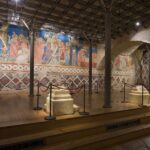
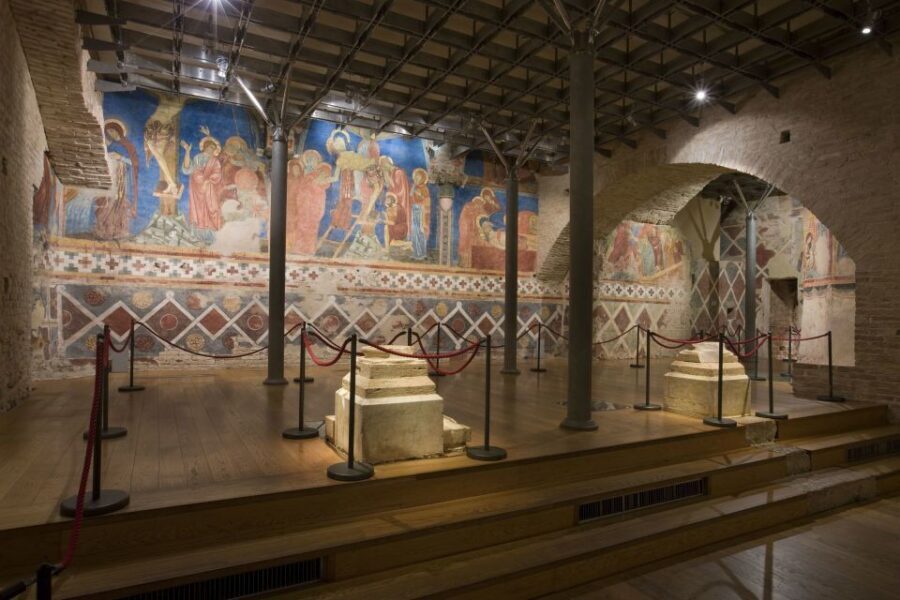
Then you go below ground—into the Crypt. This part is special because it’s literally hidden history. The underground quarters remained hidden for more than seven centuries, which means you’re stepping into a layered Siena that feels removed from street life.
Expect frescoes and underground decoration that change how you experience the Duomo above. In a bright daytime church, the crypt can feel like a different century. The atmosphere shifts: cooler air, lower light, and the sense that you’re seeing what survived when fewer people could.
This is also a great spot to use your audio guide (more on that below). The stories help the crypt feel coherent instead of just “beautiful underground rooms.”
You can also read our reviews of more tours and experiences in Siena
Piccolomini Library and Pinturicchio’s Fresco Cycle
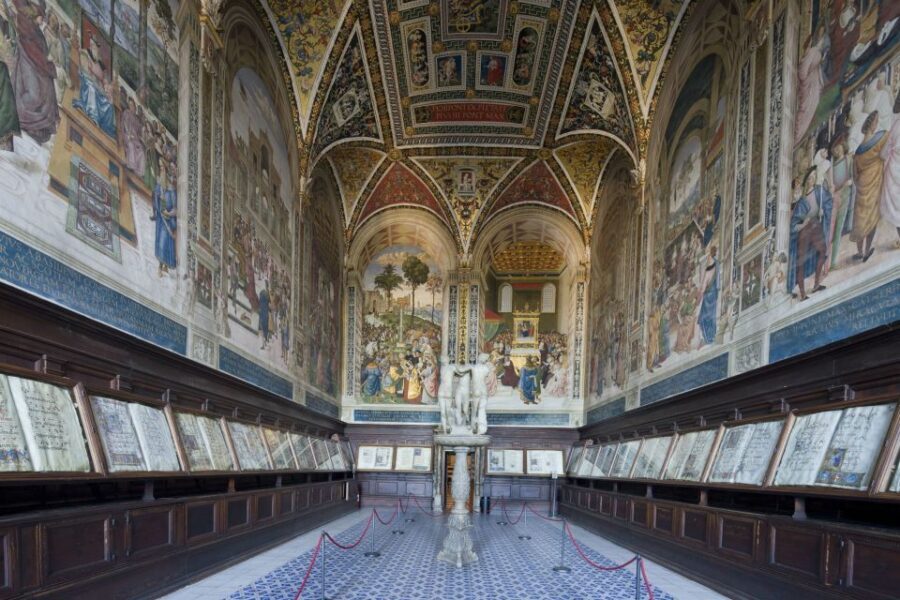
Now comes one of the most rewarding parts of the pass: the Piccolomini Library. The focus here is the fresco program by Pinturicchio, telling ten episodes from the life of Pope Pius II.
This is not “random decoration.” It’s a narrative cycle. So when you’re looking at the walls, you’re not only admiring color and skill—you’re following a storyline. That makes the library feel less like art you stand in front of, and more like history you can track.
Practical tip: plan to spend time here even if you usually speed through indoor spaces. The library tends to reward patience. If you treat it like a quick photo stop, you’ll miss the way the episodes connect.
Museo dell’Opera: Artifacts and Sculptures That Explain the Duomo
If the Duomo is the big main event, the Museo dell’Opera is where the complex starts to explain itself. This museum collection includes archaeological fragments and artworks once part of the cathedral, so it works like a “context engine.”
You’ll find:
- Gothic sculptures by Giovanni Pisano
- Paintings by Ambrogio Lorenzetti and Pietro Lorenzetti
This is the stop that helps you understand what you’re seeing in the main spaces. It also gives your eyes a rest—museums let you shift from stone architecture to crafted objects without leaving the complex.
If you like art history, this museum is a huge value add. If you’re less into art, it’s still worth walking through carefully because it turns the day from “see everything” into “understand why it matters.”
Oratory of San Bernardino: Diocesan Religious Art (13th–18th Century)
The Oratory of San Bernardino brings the visit into a more devotional, museum-like setting. Here you’ll see the collection of the Diocesan Museum of Religious Art, with its core in the upper oratory chapel.
What to look for: Siennese paintings from the 13th to the 18th century. That time span is wide enough that you can often feel stylistic shifts as you move from piece to piece. It’s a good reminder that the Duomo complex didn’t become important in one lucky day—it grew in layers.
This is also a nice “breather stop” if you’ve been marching through big church spaces. You sit in a calmer rhythm and let the art do the talking.
Facciatone Viewpoint: The Climb and the Siena Payoff
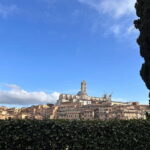
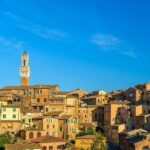
Finish with the Facciatone viewpoint, reached by a climb. This is where the cathedral complex stops being only about interior art. Suddenly you’re looking out at the city of Siena and the rolling Tuscan countryside beyond.
One practical detail: the viewpoint route can be slow near the end. Visitors are sent out in small groups (about 15–20) because the way out and the way back is narrow. That means you should plan extra minutes here instead of assuming it’s a quick stop.
Timing matters. One review mentions a 7:00 time slot being perfect for being at the top for sunset. I can’t promise that exact time will fit your schedule, but the general idea holds: if you can choose an earlier slot, it can make the viewpoint feel more like an event than just another photo spot.
Using the Digital Audio Guide Like a Local (No Group Waiting)
The digital audio guide is included, and this is one of the best reasons to choose this pass over a basic entry ticket. It’s smartphone-based, so you’ll want to bring your own phone. The narration is designed to help you connect architecture and art to Siena’s story as you walk between rooms.
Here’s how to make it work for you:
- Start the audio when you’re about to enter a new space, not when you’re standing outside.
- Use the audio to choose what you’ll focus on for the next 5–10 minutes.
- Don’t feel locked into listening straight through. Pause for the sculpture or fresco moment you care about, then restart.
If you enjoy self-guided travel, this audio format is a sweet spot: you get facts without feeling rushed by a group pace.
And if you’re the kind of person who prefers silence, you can still get a lot from the spaces themselves. But the pass is priced assuming you’ll use the guide at least part of the time.
Price and Value: Why $21 Often Feels Like a Bargain
At about $21 per person, this pass can feel like good value because it bundles multiple major ticketed spaces in one go. Instead of paying separately for the Duomo, Baptistery, Crypt, Piccolomini Library, Museo dell’Opera, the Oratory, and the Facciatone viewpoint, you’re paying a single price for entry into almost the whole complex.
That’s especially valuable in Siena because the cathedral area is dense. You’re not hopping around town trying to coordinate different entrances and timing. You’re moving in a small zone, seeing a lot, and spending your time on what’s meaningful rather than administration.
Is it worth it if you only want one or two stops? Probably not. If you like complete “see the whole story” days, it’s a strong choice.
Best Fit: Who Should Choose This Self-Guided Pass
This is a good match for you if you want:
- Self-paced visiting with a history layer from the audio guide
- A day built around the cathedral complex without hiring a live guide
- A mix of architecture, sculpture, painting, and viewpoint views
It may not be the best match if you really want a live guide. The ticket is explicitly not a live-guide experience. You’re doing the learning yourself via audio.
Also, if you hate planning and hate time limits, you’ll need to manage your day with the last-entry rule in mind. The last entry is 30 minutes before closing, so don’t treat this like an all-day “someday” ticket.
Should You Book the Siena Duomo Complex Pass?
Book it if you want the cathedral area to feel like a connected experience: Duomo → Baptistery → Crypt → Piccolomini Library → Museo dell’Opera → Oratory → Facciatone viewpoint. This pass is built for that flow, and the audio guide helps you understand what you’re looking at as you move.
Consider skipping or changing plans if you only care about a rooftop view, since the Gate of Heaven is not included, or if you strongly prefer a live guide for your art and history. In that case, you might choose a different tour style.
If you’re visiting Siena and want a value-focused way to see the major stops without complicated logistics, this OPA SI PASS is a smart, efficient pick.
FAQ
What does the OPA SI PASS include?
It includes entry to the Duomo of Siena, Baptistery, Crypt, Piccolomini Library, Museo dell’Opera, and access to the Facciatone viewpoint, plus a digital audio guide. It also includes a booking fee.
Is the rooftop included?
No. The pass excludes the rooftop, including the Gate of Heaven.
Where do I exchange my voucher?
You exchange your voucher at the official ticket office at Cripta del Duomo di Siena.
Do I need a live guide?
No. This is a self-guided experience with a digital audio guide, not a live guide.
How long is the pass valid and when is the last entry?
The ticket is valid for 3 days (starting times depend on availability). The last entry to Siena Cathedral is 30 minutes before closing.
What are my options if plans change?
The experience offers free cancellation up to 24 hours in advance for a full refund, and it supports reserve now, pay later so you can book without paying immediately.