REVIEW · SIENA
Siena: Walking Tour and Skip-the-Line Duomo Tickets
Book on GetYourGuide →Operated by Tuscan Escapes by Papilio · Bookable on GetYourGuide
Siena rewards people who show up ready to look closer. This 2-hour walking tour gives you a tight path through the city’s most important sights, with an authorized English-speaking local guide and skip-the-line Duomo entry so you can spend more time seeing and less time waiting. I like the way the guide connects Siena’s famous buildings to real traditions like the Palio and the Contrade. I also like that the Duomo visit includes famous sculpture and painting names, not just a quick look around. One thing to consider: the day is short, so you may want a second stop on your own if the Duomo is the one highlight you care about most.
You’ll start in a very Siena place—Piazza San Domenico—and the route is paced for walking on cobblestones, not for museum-hopping. Guides I’ve seen on this tour range from Giorgia to Elio and Claudia, and the best ones keep moving without rushing, with clear explanations and humor that makes the streets feel like a story. The main drawback I’d plan for is practical: church rules are strict, and audio can be hit-or-miss depending on how good the headset is for your group.
In This Review
- Key things to know before you go
- A 2-hour Siena plan that actually fits real days
- Piazza San Domenico: where the tour starts and what it sets up
- The Palio and Contrade story you’ll carry through the whole city
- Palazzo Salimbeni and Palazzo Tolomei: wealth, banking, and Gothic drama
- Into the Duomo: what skip-the-line buys you
- The guide makes the day: energy, humor, and clear English
- A quick note on audio
- Price and value: is $47 a smart buy?
- Clothing rules and street reality in Siena
- Who should book this Siena walking tour
- Should you book this Siena Walking Tour and Skip-the-Line Duomo tickets?
- FAQ
- How long is the walking tour in Siena?
- How much does the tour cost?
- Where is the meeting point?
- Do I get skip-the-line Duomo (cathedral) tickets?
- Is the guide English-speaking?
- Is hotel pick-up included?
- What clothing is required to enter the churches?
- Are pets allowed on this tour?
- Is this tour suitable for people with mobility impairments?
- Is there a cancellation option?
Key things to know before you go
- Skip-the-line Duomo tickets save serious time and keep the itinerary flowing
- Palio and Contrade context turns Piazza del Campo from a viewpoint into a tradition you understand
- San Domenico and St Catherine add a spiritual backbone to the walk
- Duomo art names you’ll hear for hours elsewhere in Italy, shown in one place
- Local guide energy is a big part of why the tour gets such strong marks
A 2-hour Siena plan that actually fits real days
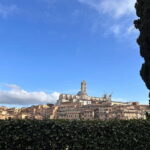
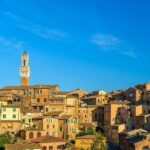
Siena is one of those towns where the streets do half the tour for you. Narrow lanes, dramatic stone façades, and sudden views of medieval squares can eat up time fast, especially if you stop for photos every few minutes. This experience is built for a short, high-impact visit: a compact route that gives you a map of what matters and why it matters.
The time window is also useful. In just two hours, you can learn what to prioritize later, like which squares and chapels you want to revisit, and where the city’s personality lives. It’s a smart choice if Siena is a day trip, a stop on a Tuscan route, or your first time in town and you want to stop getting lost.
You can also read our reviews of more tours and experiences in Siena
Piazza San Domenico: where the tour starts and what it sets up
The meeting point is Piazza San Domenico, under the large tree in front of the church. From the start, the tour’s tone is clear: you’re not just ticking off landmarks—you’re learning how Siena thinks of itself.
A first stop at the Basilica di San Domenico also matters because it points you toward Siena’s religious identity. You’ll hear about St Catherine, who’s tied to the city’s sense of pride and to Italy’s larger Catholic story. Even if you’re not a deep art-and-religion person, the guide’s framing helps you understand why people still care about these spaces.
Practical note: you’ll be walking cobblestones. Good shoes are not optional. If your feet are already tired when you arrive, this tour can feel like a sprint—so I’d keep your expectations realistic and plan to relax afterward.
The Palio and Contrade story you’ll carry through the whole city
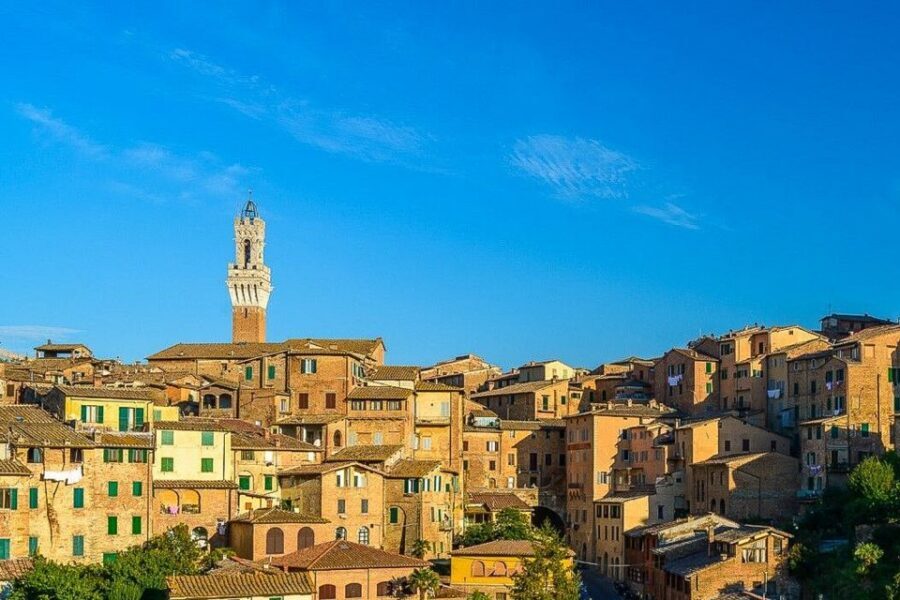
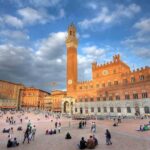
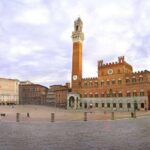
This is where Siena gets fun, not just impressive. The tour spends real time on the Palio, the famous bare-back horse race that plays out around Piazza del Campo. What makes the Palio more than a spectacle is the system behind it: Siena’s Contrade, the city neighborhoods that compete.
You’ll learn that the Contrade aren’t casual hobby clubs. They wait all year, and the pride is intense. That background changes how you see the city because suddenly you’re looking at neighborhoods, not just architecture. The guide’s explanations help you notice details you might otherwise miss—symbols, corners, and street rhythms that relate to identity.
If you like local culture—festivals, food traditions, community rivalries—this is the part that turns a walk into a real understanding of Siena. And if you’re the type who likes asking questions, this segment is usually where the guide’s stories create the most back-and-forth.
Palazzo Salimbeni and Palazzo Tolomei: wealth, banking, and Gothic drama
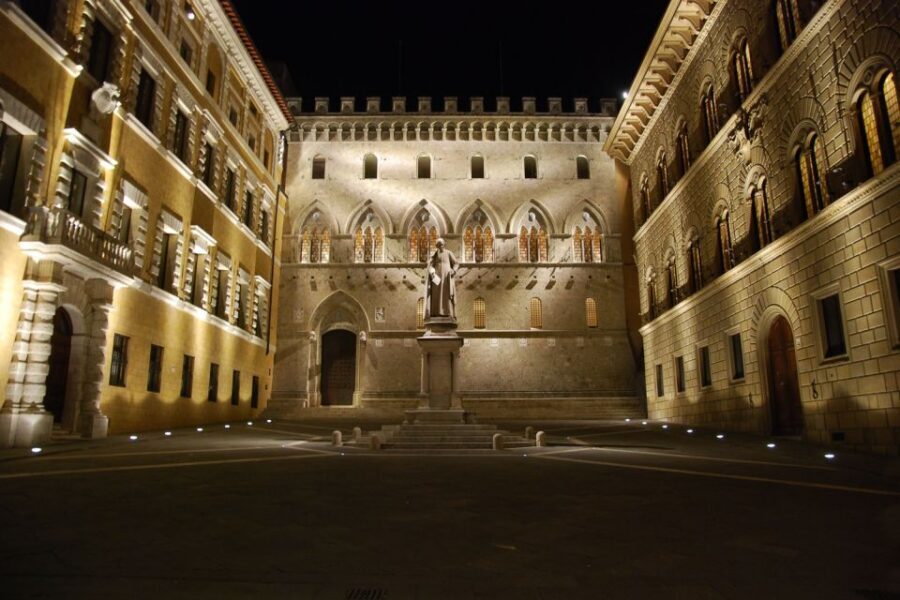
Siena has a way of mixing money and art so naturally you almost forget it’s a surprise. The tour highlights Palazzo Salimbeni, which is still tied to its past as the world’s oldest bank. That fact is more than trivia. It explains why Siena built with such confidence—wealth wasn’t just about coins, it was about trade, influence, and civic power.
You’ll also see Palazzo Tolomei, described as an imposing private Gothic building. Gothic architecture in Siena isn’t just decoration—it’s a statement of status and permanence. Looking at these façades with context makes them feel less like backdrop and more like history you can read.
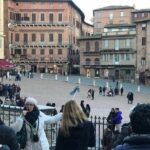
Then you’ll move through the main civic area: the central square with its monuments and fountain. This is one of those moments where having a guide helps, because Siena’s landmarks often point to each other like clues in a puzzle. With the story in your head, the city becomes easier to navigate on your own after the tour.
Into the Duomo: what skip-the-line buys you
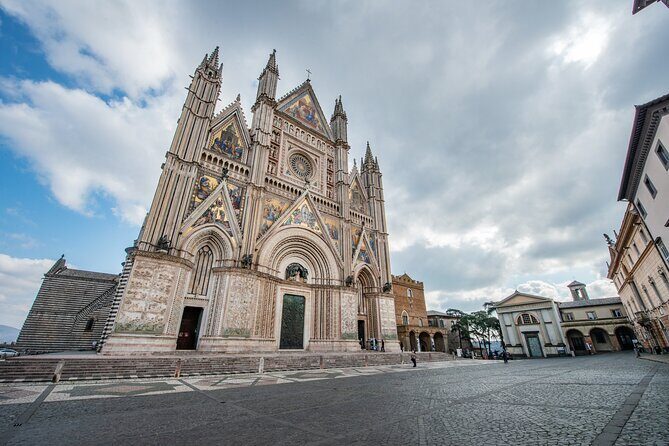
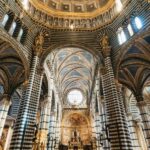
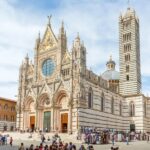
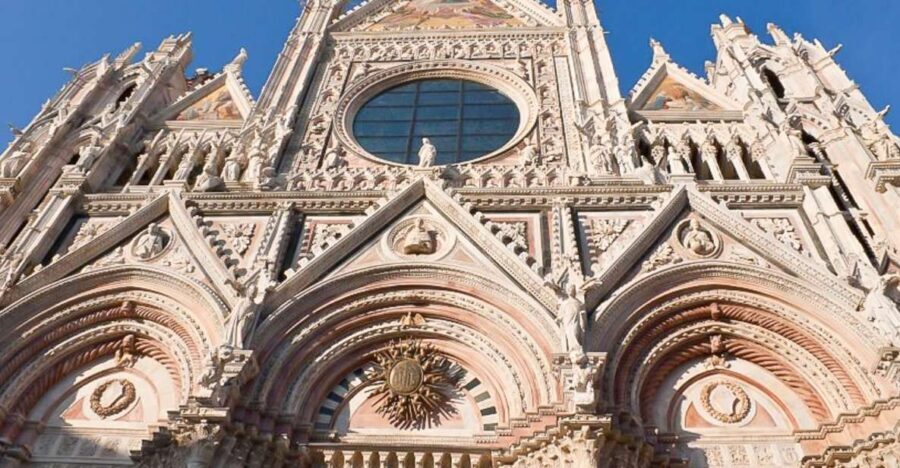
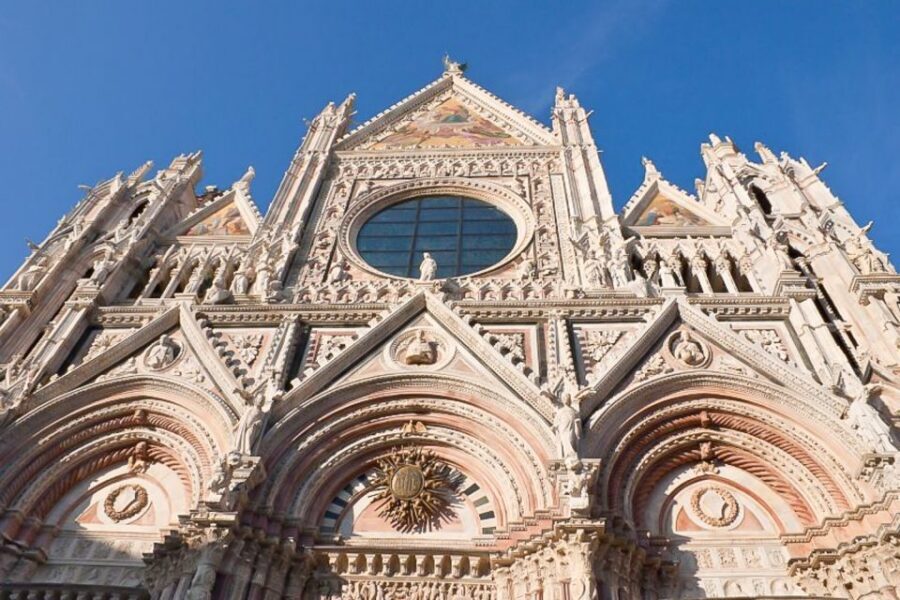
The star moment is the Duomo of Siena (the cathedral). The big practical win is skip-the-line entry, which can be a game-changer in a city where crowds can stack up. With the fast-track plan, you’re less likely to lose your best walking hours to ticket queues, and that can be the difference between a rushed stop and a meaningful one.
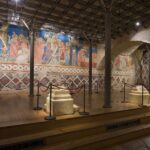
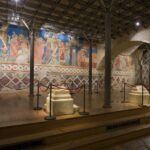
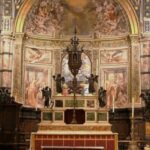
Inside, you’ll visit chapels and see major artworks credited to artists like Donatello, Michelangelo, and Bernini. These names are famous across Italy, so seeing them connected to Siena’s cathedral setting is a satisfying payoff. The guide’s explanations matter here because the Duomo is layered—art, devotion, patronage, and style all overlap.
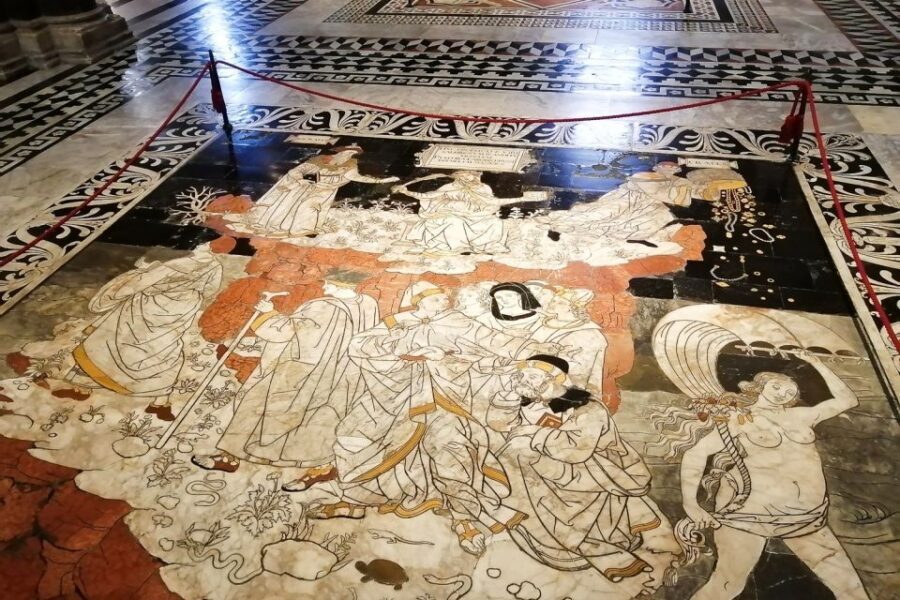
One more detail worth knowing: you may also spend time noticing the cathedral floor and how different sections are presented on the day you go. Some guides point out features guests seem to enjoy, so if you’re curious, it helps to listen closely during those instructions.
If the Duomo is your top priority, I’d treat the tour as the ignition, not the final stop. After you exit, you can decide what you want to linger on. The tour format gives you a strong first look, then lets you choose your own pace.
You can also read our reviews of more walking tours in Siena

The guide makes the day: energy, humor, and clear English
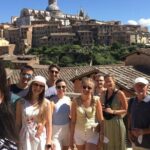
The most praised element across the people who lead this tour is the human factor. Guides you may encounter include Giorgia, Elio, Claudia, Ambra, Elena, Giulia, and Emilio. The consistent theme is that they bring Siena to life through storytelling, and they’ll steer you toward what to actually look for.
You’ll also get a sense of how much guides care about their home. That pride comes through as you move from one square to the next, especially when they talk about the traditions still practiced today. Many visitors value the way the guide balances history with everyday culture, so the city feels lived-in rather than locked behind facts.
Humor is also part of the package. Several guides use jokes to keep things light, and it works because the walking is constant and the learning needs a rhythm. The result is a tour that feels less like class and more like a friend pointing things out while you walk.
A quick note on audio
The tour experience may use headsets/earpieces to help you hear the guide in busy streets and interiors. That’s helpful when you’re grouped together and architecture creates echo. Still, audio quality can vary, so if you’re not catching everything, ask the guide to repeat or slow down.
Price and value: is $47 a smart buy?
At $47 per person for a two-hour guided walk with skip-the-line Duomo tickets, the value is mostly about time saved and access gained. The Duomo line can be a real time sink, and losing two hours to queue time can sabotage a short trip. Paying for fast-track entry helps you protect your schedule and spend more of your day inside the cathedral, where you’re actually there to see art.
There’s another value layer: the guide. If you’re the kind of person who can walk through a church and feel impressed but not connected, a good guide turns impressions into understanding. That connection shows up in how the tour frames Siena’s symbols—especially Contrade and the Palio—so the cathedral and the city’s social life feel linked.
The price can feel steep if you’re comparing it only to walking through town on your own. But you’re not just buying a ticket—you’re buying a curated route, interpretation, and saved waiting time. For a first-time visit where your time is limited, that’s the right equation.
Clothing rules and street reality in Siena
Church dress requirements are strict. You’ll need covered shoulders and knee-length pants or skirts, plus shoes that handle cobblestones. Sleeveless shirts and short skirts aren’t allowed, and bare feet are also off-limits.
This matters because some visitors plan to wear summer outfits and don’t realize how quickly access can stop. I’d pack a light layer you can throw on quickly, like a shawl or wrap, and wear pants or a longer skirt if you’re aiming to move comfortably through the day.
Also remember: this tour is not suitable for mobility impairments. That’s due to the walking nature of Siena and the cobblestone terrain. If you need step-free access, it’s better to look for a different format.
Who should book this Siena walking tour
This is a great fit if:
- you have limited time and want the Duomo visit plus the cultural context
- you like architecture but also want to understand local tradition like the Palio and Contrade
- you want a guided first pass that helps you plan the rest of Siena later
It’s less ideal if:
- you want a slow, deep museum-style visit (two hours is tight)
- you’re sensitive to strict church attire rules
- you need mobility-friendly routing
If you’re traveling solo, as a couple, or with friends who agree on a top highlight being the Duomo, this structure works well.
Should you book this Siena Walking Tour and Skip-the-Line Duomo tickets?
Yes, if you want a fast way to get oriented and you care about seeing the Duomo without losing hours to lines. The skip-the-line piece is the practical hook, and the real win is how guides use stories to connect squares, neighborhoods, and cathedral art into one coherent Siena picture.
If your schedule is flexible and you’re the type who wants to spend a whole afternoon inside the cathedral, you might still book this for the orientation—then plan extra time afterward. If not, you risk leaving with the feeling that you covered a lot, but didn’t linger enough.
FAQ
How long is the walking tour in Siena?
The tour lasts 2 hours.
How much does the tour cost?
The price is $47 per person.
Where is the meeting point?
Meet at Piazza San Domenico, under the large tree in front of the church.
Do I get skip-the-line Duomo (cathedral) tickets?
Yes. The tour includes skip-the-line entrance tickets to the Duomo/Cathedral.
Is the guide English-speaking?
Yes. The guide is authorized and speaks English.
Is hotel pick-up included?
No. Hotel pick-up is not included.
What clothing is required to enter the churches?
You need covered shoulders and knee-length pants or skirts, and you should wear suitable shoes for walking cobblestones.
Are pets allowed on this tour?
No. Pets are not allowed.
Is this tour suitable for people with mobility impairments?
No. It is not suitable for people with mobility impairments.
Is there a cancellation option?
Yes. There is free cancellation up to 24 hours in advance for a full refund.