REVIEW · SIENA
Walking Tour in Siena with Tastings and Stories
Book on GetYourGuide →Operated by Thats All Local · Bookable on GetYourGuide
Siena tastes better with a local by your side. This is a walking tour with tastings that mixes small bites, wine, and gelato with stories about how Siena works—socially, historically, and in everyday life. I like that you get at least 3 food stops instead of one rushed snack, and I like how the guide points out places you’d miss if you’re just following the obvious sights. One thing to consider: it’s a lively walk with conversation in old streets, so if you have hearing issues, you may sometimes struggle to catch every word.
Guided by Sienese locals, the experience is built around curiosity: contrade traditions, legends, and even practical details that change how you look at landmarks. Guides named Jacopo and Sandra (and others in the same team) are described as friendly, energetic, and story-driven, with patience for slower walkers and time for questions. It’s also designed for English and Italian speakers, with water included and the meeting point at the Palazzo Salimbeni/Spannocchi area.
In This Review
- Key things I’d prioritize before you book
- What this Siena tasting walk is really about
- Where you meet and how to start on the right foot
- The tastings that anchor the whole experience
- Local wines: more than a sip-and-go
- Sweets tasting: Ricciarelli and Il Bacio gelato
- At least three food stops, spaced for walking
- The walking route: how the city changes when someone explains it
- Hidden piazzas and unusual spots
- Contrade and Palio stories you can actually connect to the streets
- What to know about group size, pace, and hearing the guide
- Price and value: why $73 can make sense in Siena
- Who this tour suits best (and who should skip)
- Quick practical tips so you enjoy every stop
- Should you book Walking Tour in Siena with Tastings and Stories?
- FAQ
- How long is the Siena walking tour?
- What does it cost?
- Where do I meet the guide?
- What food is included in the tastings?
- Are drinks included?
- What if I have food allergies or intolerances?
- Can I cancel?
- Which languages are offered?
Key things I’d prioritize before you book
- Wine tasting in the middle of a city walk, not a separate formal sitting
- Ricciarelli + Il Bacio gelato as the sweet anchor points of the tour
- Secret corners and lesser-known stops guided by Sienese locals
- Contrade and Palio stories that give meaning to the buildings you pass
- A small-group feel at times, which can make the walk more personal
- Guides who handle questions well, with patience if your pace is slower
What this Siena tasting walk is really about
This isn’t just a food-and-wine stop on the way to the Duomo. The point is to help you see Siena through food, folklore, and local knowledge—while you’re actually walking through the city center.
You’ll start with tastings and then connect them to what you’re seeing: patisseries and historic shops, small piazzas, and building details that make sense only after someone explains the story behind them. The tour leans into curiosities that locals recognize immediately, like traditions tied to the 17 contrade and the rhythm of life around the Palio.
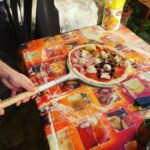
And yes, you’ll eat. The sweet lineup includes Ricciarelli and Il Bacio gelato, plus a selection of local wines. Based on what people describe from their experience, you may also encounter other small local bites (like cheeses or simple savory items such as bruschetta), which matters because it keeps the tasting from feeling too one-note. You’re not stuffed into a long meal. You’re sampled and educated as you go.
You can also read our reviews of more walking tours in Siena
Where you meet and how to start on the right foot
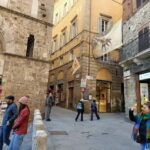
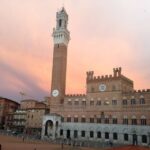
You meet the guide in front of the door of Palazzo Salimbeni/Spannocchi. You’ll receive a picture, the guide’s name, and a contact method the day before, so you’re not wandering around guessing who looks “tour-guide-ish.”
Show up a few minutes early. In Siena, that extra time matters because the streets can be tight, and you’ll want to get organized before you begin. The tour lasts 2.5 hours, so you’ll want to keep your pace steady and your energy up.
This is also a point where I think comfort beats optimism. Bring comfortable shoes and comfortable clothes. You’ll be walking through uneven old-stone streets, and the tour includes multiple stops, not just one quick tasting. If your legs are sensitive, it’s worth taking the “slow down, ask questions” approach your guide can accommodate—people have specifically called out that the guides have patience for family members who can’t walk quickly.
The tastings that anchor the whole experience
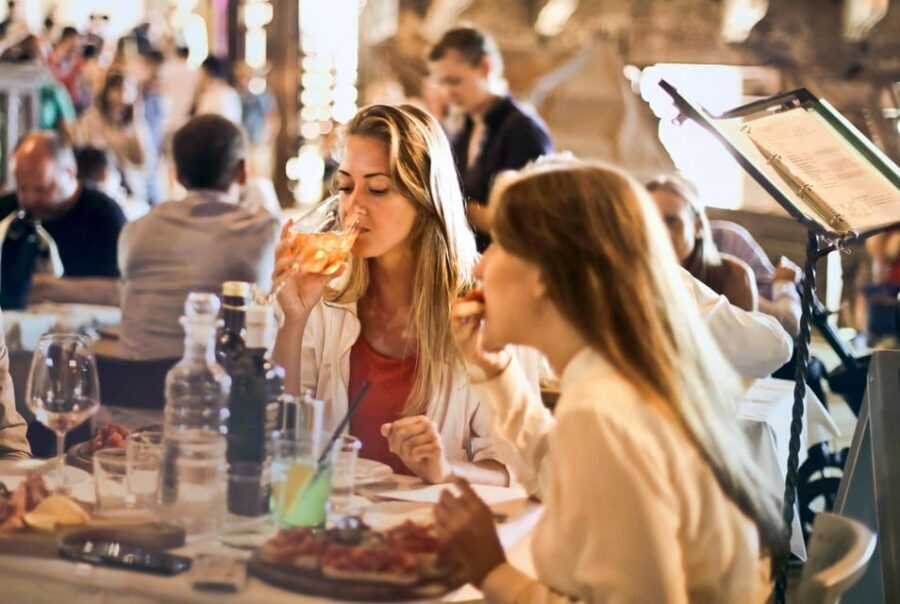
The tour is built around “tasting while learning,” with water included to keep you comfortable.
Local wines: more than a sip-and-go
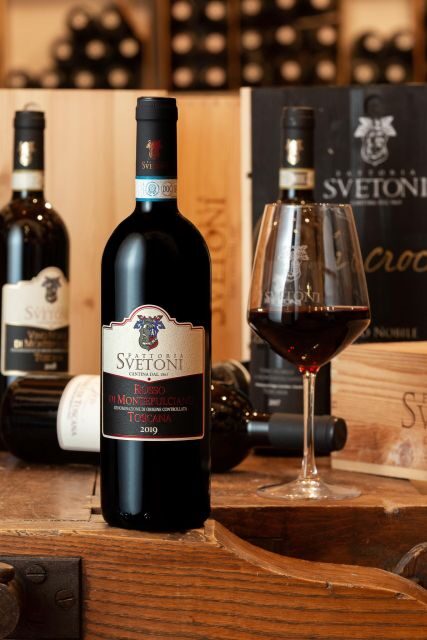
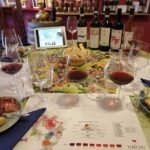
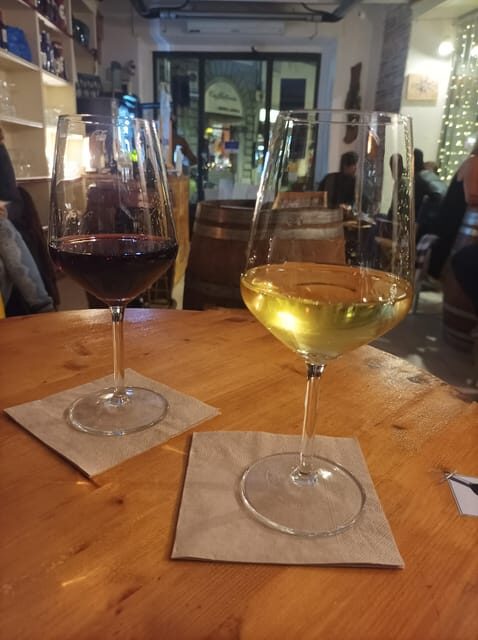
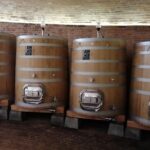
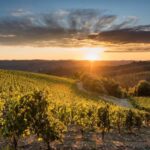
The wine tasting is part of the story, not a separate performance. You’ll sample a selection of local wines, which gives you a sense of what locals expect you to notice—how wine culture fits into daily life in Tuscany. If you’re the kind of person who normally buys wine back home based on a label, this is a good chance to learn what makes the local choices feel familiar and why.
A practical note: tasting doesn’t mean you should rush. Take small sips, ask what you’re drinking, and connect it to whatever shop or neighborhood detail the guide is pointing out. That’s when the tour starts to feel like more than food.
Sweets tasting: Ricciarelli and Il Bacio gelato
The sweet stops are clear standouts. You’ll try Ricciarelli, a classic Siena almond cookie, and Il Bacio gelato. That pairing works well because it gives you two different sweet textures and flavors—cookie chew and gelato creaminess—so you’re not stuck with one kind of sugar.
If you like souvenirs you can actually enjoy (and not just photograph), this is a win. Many people remember the taste of Ricciarelli long after they forget a monument photo. It’s also a great way to sample local pastry culture without trying to do it all on your own.
At least three food stops, spaced for walking
The tour includes at least 3 food stops across the route. That matters because Siena’s best sights and best eating moments are rarely right next to each other. Spreading tastings out keeps you from feeling like you’re constantly hunting for the next snack, and it keeps your energy up for the longer story parts in between.
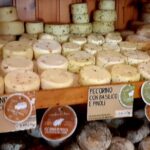
You might find the tastings include both sweet and savory bites. People have mentioned cheeses and bruschetta in their experiences, which is helpful because it balances the sweetness and makes the walk feel more like a guided sampler of real local flavors.
The walking route: how the city changes when someone explains it
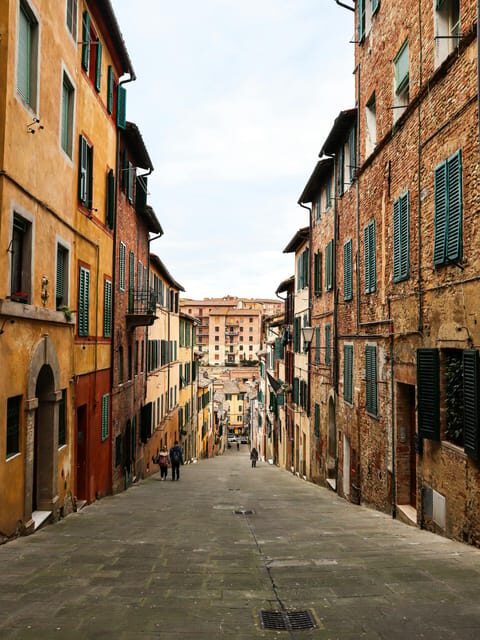
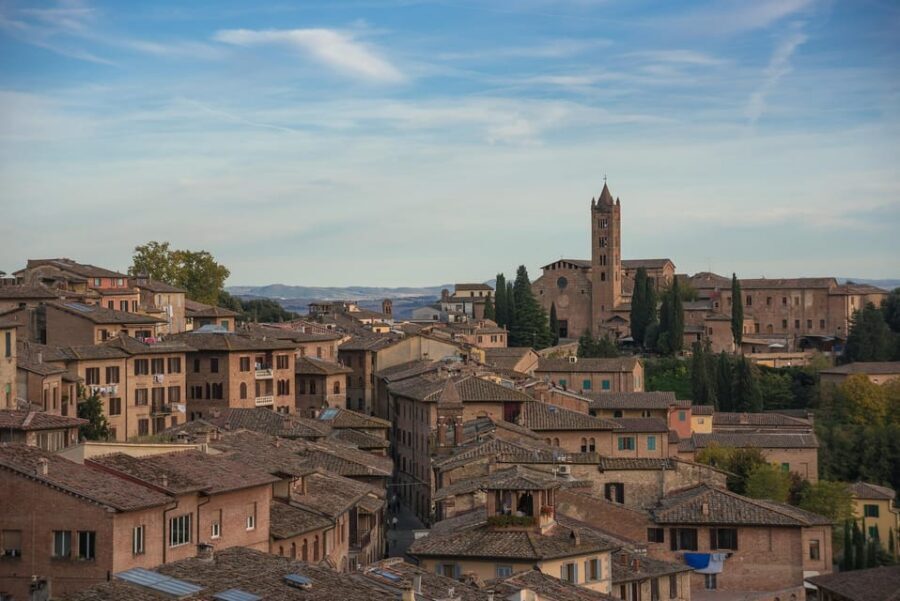
The tour moves through Siena’s city center with a “fresh lens.” That phrase sounds marketing-ish, so here’s what it means in real life: you’ll keep passing the same kinds of places you’d normally notice on a self-guided walk—churches, palaces, streets with character—but your guide will point out different things.
Instead of only “what it looks like,” you’ll hear “why it matters.” That’s where the tour’s value shows up. Siena is a city where details can be symbolic, social, and historic. Once you understand the role of contrade culture, for example, you start noticing connections you’d never make by yourself.
Hidden piazzas and unusual spots
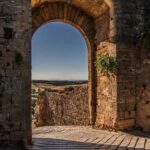
The tour aims for hidden piazzas and palaces and also for corners that feel slightly off your normal path. That’s not just for dramatic photos. It changes your sense of scale and mood. Siena can be crowded in the main flow, but the sidestreet experience—where a guide knows exactly where to stand and what to look at—can feel calmer and more “lived in.”
One person even highlighted that the guide shared great photo spots they wouldn’t have found on their own. That’s exactly the kind of practical help that makes a walking tour worth paying for.
Contrade and Palio stories you can actually connect to the streets
Siena’s identity isn’t only about buildings. It’s about community and tradition, especially the contrade system and the Palio. On this tour, you’ll get stories that help connect those traditions to the city you’re walking through.
People have specifically mentioned learning about the 17 contrade and the Palio as part of the experience. If you’ve ever wondered why Siena talks about these things with such passion, a guide can translate it into something you understand quickly: it’s not random local color. It’s a framework that shapes how neighborhoods see themselves.
You may also hear about less obvious historic points. One review mentioned the oldest bank in the world being part of what the guide shared, which signals a broader approach: not only legends, but also historical anchors that help you place Siena in a wider story.
And here’s the key: you won’t just hear stories as trivia. You’ll be walking through the city while those stories land, so your brain gets a map.
What to know about group size, pace, and hearing the guide
The tour runs for 2.5 hours. That’s a comfortable length for a mix of walking and tasting. It’s long enough to feel like you left the main tourist lane, but short enough that you’re not committing your whole day.
Group size isn’t stated directly in the details, but multiple people described a small-group dynamic and even private-feeling situations. In practice, that’s what you want: fewer people means more room for questions and more chances for your guide to slow down when someone needs a pause.
Pace is mostly on the guide, and guides described as friendly and patient help a lot. One person mentioned difficulty hearing at times if you have hearing issues, so if that’s you, pick a spot near the guide during stops and don’t hesitate to ask for repetition.
Price and value: why $73 can make sense in Siena
At $73 per person for a 2.5-hour tour, the price can feel like a splurge until you think about what’s included:
- A local guided walk
- At least 3 food stops (sweet and wine tastings are specifically part of the plan)
- Water
In a place like Siena, that can actually be good value. If you tried to recreate this yourself, you’d likely pay separately for multiple tastings, guide time, and the kind of “where do I go and what do I notice” expertise that saves you hours of guesswork. Also, the tour structure saves you the stress of finding the right pastry shop for Ricciarelli, the right gelateria for Il Bacio, and wine spots that fit into a walking route.
The best value is when you treat the tastings as a sampler and use the stories to plan where you’ll eat next on your own. One person described the tour as a great start to the trip so they could later return to highlighted restaurants, bars, and food shops. That matches how I’d recommend using it: do this early, then let it guide your own evening wandering.
Who this tour suits best (and who should skip)
This tour is a great fit if you want a guided introduction to Siena that blends:
- food and wine
- local storytelling
- less-obvious spots
It’s especially good for:
- First-time visitors who want a fast way to understand Siena’s identity
- Couples and small groups who like conversation while walking
- People who enjoy sweet treats as much as they enjoy culture
- Anyone planning their trip around eating, not just sightseeing
I’d consider skipping if:
- You can’t comfortably handle walking and multiple stops for 2.5 hours
- You’re looking for only major monuments and don’t care about contrade/Palio context
- You have trouble hearing spoken commentary in public spaces (you might still enjoy it, but you’ll need to position yourself well and be ready for moments of muffled audio)
Quick practical tips so you enjoy every stop
If you want the best experience, plan for basics:
- Wear comfortable shoes and clothes you can move in.
- Bring any dietary constraints up at the time of booking. The tour notes that you should inform them of food intolerances or allergies.
- Use water between tastings. It’s included, and it’ll keep you focused when sweets arrive.
And mentally, go in expecting a “walking with bites” rhythm. If you try to treat it like a sit-down meal, you’ll feel rushed. If you go in treating it like a guided sampler, you’ll feel in control.
Should you book Walking Tour in Siena with Tastings and Stories?
I’d recommend booking if you want a meaningful first pass through Siena’s center that doesn’t ignore the part of Italy everyone remembers: food. The combination of local wines, Ricciarelli, and Il Bacio gelato gives you real taste-memories, while the stories about contrade culture and the Palio help you connect what you see to why Siena feels different.
It’s also a solid choice if you like small, specific guidance. The emphasis on secret corners and curiosities known to locals is exactly what makes a city feel personal instead of like a checklist.
If you’re sensitive to walking pace or spoken audio, consider those factors up front and plan to communicate early with the guide. If you do that, this tour can give you a fast, tasty foundation for the rest of your Siena days.
FAQ
How long is the Siena walking tour?
The tour lasts 2.5 hours, so it’s a half-afternoon style experience that mixes walking and multiple tastings.
What does it cost?
The price is $73 per person.
Where do I meet the guide?
Meet the guide in front of the door of Palazzo Salimbeni/Spannocchi. You’ll get a picture, the guide’s name, and contact details the day before.
What food is included in the tastings?
You can expect at least 3 food stops, including a wine tasting, a sweets tasting with Ricciarelli, and il Bacio gelato.
Are drinks included?
Yes. Water is included, along with the local wine selection during the wine tasting.
What if I have food allergies or intolerances?
You should inform the provider of any food intolerances or allergies at the time of booking so they can plan accordingly.
Can I cancel?
You can cancel up to 24 hours in advance for a full refund, and you can also choose the reserve now & pay later option.
Which languages are offered?
The live tour guide is available in English and Italian.