REVIEW · SIENA
Siena: Traditional Tuscan Cooking Class with Fresh Pasta
Book on GetYourGuide →Operated by Scuola di cucina di Lella · Bookable on GetYourGuide
Flour on your hands and wine on your table. This Siena cooking class is interesting because you’re not just watching a show, you’re making fresh pasta from scratch and then eating a full Tuscan dinner that same way. I really like the way the lesson mixes technique with the story behind the food, with Chef Francesco coaching you as you work.
One thing to consider: the class runs as a 3.5-hour meal-building session, so not every course is constantly hands-on. Some parts may be led by the chef while you focus on your own pasta and key tasks.
You start in the Scuola di cucina di Lella, a ground-floor school, and you work through a four-course Tuscan menu: a starter, soup, fresh pasta with sauce, meat with a side dish, and dessert. You’ll get recipe notes in English to take home, and there are substitutions for gluten free and vegetarians.
In This Review
- Key things to know before you cook
- Where You’ll Cook in Siena: Scuola di cucina di Lella (Ground Floor)
- The 3.5-Hour Flow: Starter, Soup, Pasta, Meat, Dessert
- Fresh Pasta by Hand: Making It Like a Tuscan Kitchen Teaches
- The Other Courses: When the Chef Leads and You Still Participate
- Ingredients You Can Taste: Local Where Possible in Tuscany
- Dinner at the Table: Local Red Wine and the Best Part After Cooking
- Price and Value: $147.27 for a Full Tuscan Meal, Instruction, and Wine
- Who Should Book This Siena Cooking Class (and Who Might Not)
- Practical Tips That Make Your Cooking Class Easier
- Should You Book This Class in Siena?
- FAQ
- How long is the cooking class?
- Where do I meet for the class?
- Is pickup and drop-off included?
- What’s included in the price?
- What courses will we prepare and eat?
- Is there gluten-free or vegetarian options?
- What languages are used during the lesson?
- Is the location wheelchair accessible?
- Is it suitable for kids?
- Are there different starting times?
Key things to know before you cook
- Hand-made pasta is the star: you’ll get the chance to make your own fresh pasta by hand, not just taste it.
- Chef Francesco runs the show: you’ll see him prepare traditional recipes, then he’ll guide you through your part.
- A real sit-down dinner: once the cooking is done, the table is set and you eat what you made, with local red Tuscan wine.
- Small-group energy: the class is designed so you have room to work and interact, not disappear into a crowd.
- Dietary swaps are built in: gluten-free and vegetarian substitutions are available.
- Recipe support in English: you’ll receive recipes in English, plus explanation during class in English and Italian.
Where You’ll Cook in Siena: Scuola di cucina di Lella (Ground Floor)
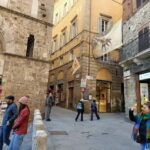
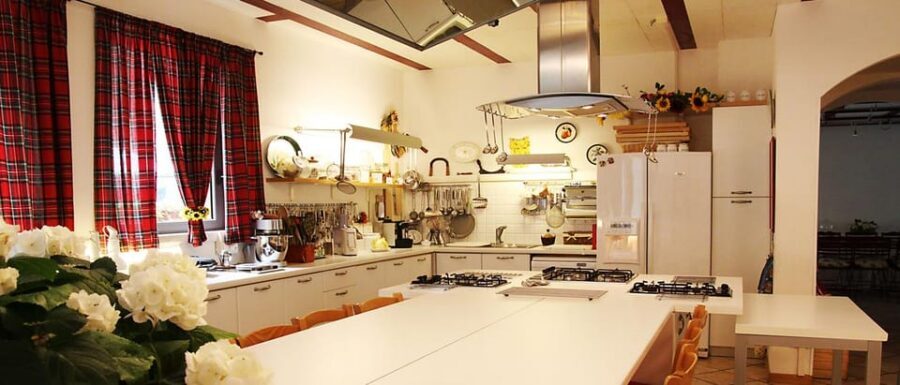
Your day begins at Scuola di cucina di Lella, following the signs to find the school in Siena. There’s no pickup or drop-off, so plan to get there on your own. The good part is that you’re stepping into a real training kitchen, not a staged dining room.
The school is ground floor and wheelchair accessible, which matters more than people think in older European centers. If mobility access is part of your planning, this is one of the simplest ways to join a cooking class without the usual stairs-and-steps headache.
Inside, the rhythm is straightforward: Chef Francesco prepares and teaches the traditional dishes, and you’ll actively participate. You can expect that the class is built around seeing what gets done first, then doing it yourself. In other words, you’re learning by doing, not just collecting facts.
If you’re trying to choose between this and a more generic food tour, this one tends to feel more practical. You leave with a menu you understand, not just photos of plates you once ate.
You can also read our reviews of more cooking classes in Siena
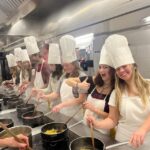
The 3.5-Hour Flow: Starter, Soup, Pasta, Meat, Dessert
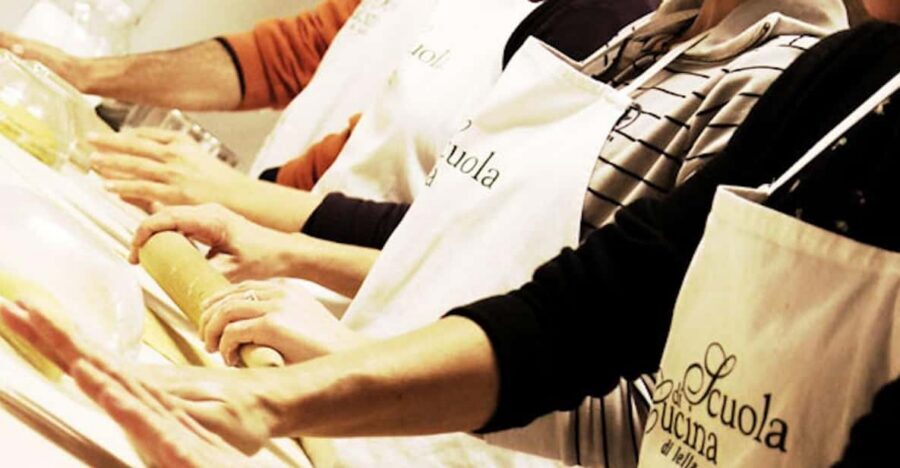
This is a 3.5-hour class, and it’s designed like a meal, not a timed demo. The menu is structured as a full progression: starter, soup, fresh pasta with sauce, meat plus a side dish, and then dessert.
Here’s how that matters for you. A four-course meal forces you to understand how Tuscan cooking thinks about balance. It’s not only about technique, it’s about timing, texture, and how flavors build from one course to the next. By the end, you’re not only proud of your pasta—you’re also sitting down to a complete dinner.
Also, the way the courses are handled can vary. You’ll likely do hands-on work for the fresh pasta, while the chef may lead more of the other dishes, sometimes calling on a couple of people for help. That setup keeps the class moving while still letting you contribute, especially where your skills matter most: dough work and pasta shaping.
If you like meals with an actual end goal, this structure is a win. You’ll cook, then you’ll eat the results together at the table the school sets for you.
Fresh Pasta by Hand: Making It Like a Tuscan Kitchen Teaches
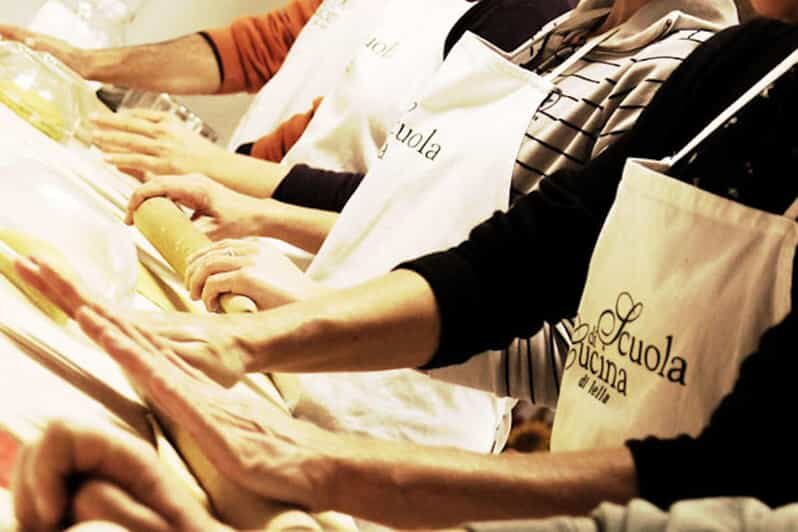
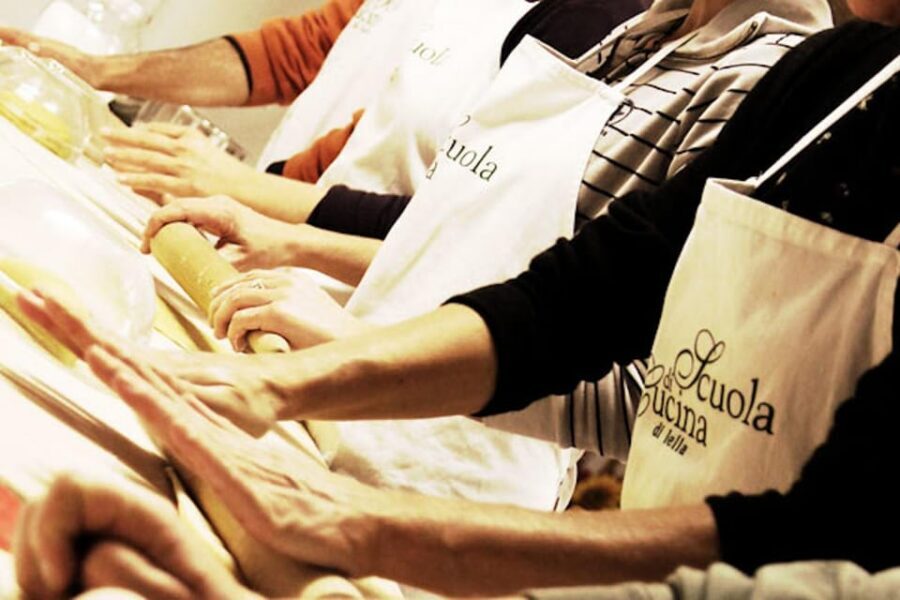
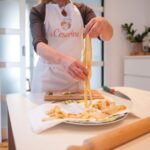
Fresh pasta is the headline here, and it’s not treated like a side skill. Everyone gets a chance to prepare their own fresh pasta by hand, guided by Chef Francesco. This is the kind of lesson where your fingers actually learn the job.
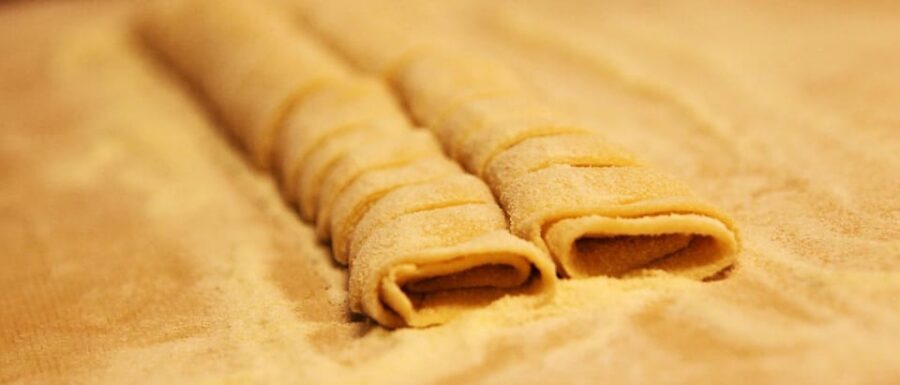
In past classes, people have rolled pici—a traditional Tuscan hand-rolled pasta. Even if your first attempts are not museum-perfect, that’s part of the learning curve. The dough needs the right feel, and you only get that by doing it yourself.
This hand-rolling focus is valuable because it gives you repeatable knowledge. At home, you’ll be able to tell the difference between dough that’s too dry and dough that’s too soft. You’ll also understand what changes when you roll thinner or keep it thicker. Those are the things you can’t get from a restaurant plate.
One practical note from how this class runs: it’s a four-course meal, so you might not spend every minute on pasta. But the pasta time is real, and you finish with enough confidence to cook fresh pasta again, using the recipe support you take home.
The Other Courses: When the Chef Leads and You Still Participate
The class includes more than pasta, and that’s where it becomes genuinely Tuscan instead of just a pasta workshop. You’ll also work through:
- a starter
- soup
- meat with a side dish
- dessert
What’s smart about this format is that it respects how real kitchens work. You don’t need to do every step of every course to understand the logic. Chef Francesco prepares traditional dishes, explains what you’re tasting and why, and then brings in participants for hands-on moments where it makes sense.
From the way the class is taught, you can expect a mix of instruction and participation. Everyone learns, but the hands-on workload is most focused around the fresh pasta. The result is a class that’s not exhausting in every single step, yet still feels personal because you’re making the core element yourself.
The best part is the explanation. Chef Francesco shares context about dishes and their regional influences while you work. That background helps you remember the flavors later, because you’re not just memorizing ingredients.
Ingredients You Can Taste: Local Where Possible in Tuscany
The school uses ingredients that are as local as possible, and that shows up in the way the menu feels. Tuscan cooking leans on straightforward ingredients done well, and local sourcing supports that style.
What it means for you on the plate is simple: cleaner flavors, less guesswork, and more confidence using the same ingredients later. When you’re given a recipe to take home in English, it’s easier to recreate if you understand the ingredients’ role instead of only their names.
Also, the class is built around fresh products bought locally. That matters for taste and texture. Pasta dough, in particular, benefits from fresh, quality basics. Even if you’re not a food scientist, you’ll feel the difference in how the dough behaves.
If your goal is to bring something real back from Tuscany, this local-ingredient focus supports that. You’re not only learning technique—you’re learning what Tuscan cooking prioritizes.
You can also read our reviews of more tours and experiences in Siena
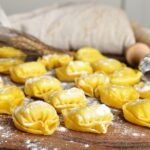
Dinner at the Table: Local Red Wine and the Best Part After Cooking
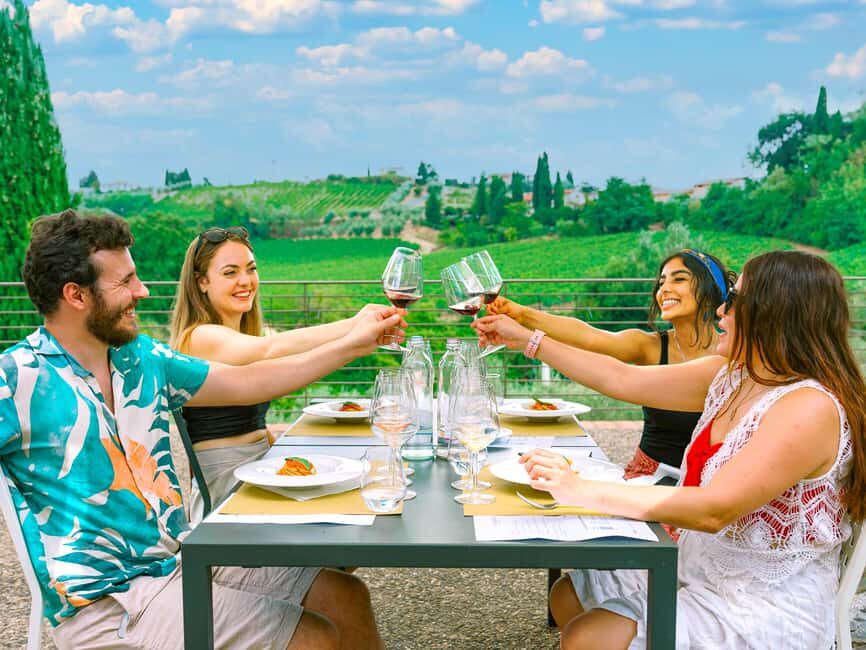
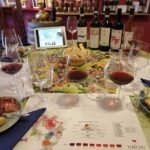
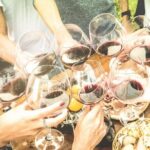
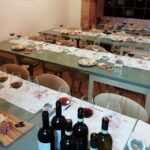
After the preparation, the room shifts from workshop to dinner. The table is set for you to enjoy everything you prepared, and local red Tuscan wine is included.
That’s one of the biggest value points of the experience. Many cooking classes teach technique but stop short of turning it into a proper meal. Here, you’re eating what you made, sitting together, and letting the food land as dinner—not as a quick taste test.
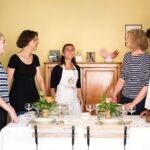
You’ll also get a social benefit from the way the class is paced. The format tends to keep groups small enough that conversation and questions don’t vanish into noise. You’ll also learn faster when you can see how others handle the same dough steps.
If you’re planning your day, treat this as dinner. Don’t schedule another meal right before unless you like that stuffed feeling. The class itself strongly suggests coming with little food in your system.
Price and Value: $147.27 for a Full Tuscan Meal, Instruction, and Wine
At $147.27 per person, the price isn’t just for cooking entertainment. You’re paying for:
- a structured lesson through a four-course menu
- fresh pasta making by hand with guidance
- a sit-down dinner featuring what you cooked
- local red Tuscan wine
- recipe materials in English
In plain terms, you’re getting both instruction and the meal outcome. If you’ve ever tried to compare cooking classes to restaurant prices, this one has a fair advantage: you’re not only eating; you’re learning the process that creates the food.
The value makes the most sense if you’re food-focused. If you’re coming for atmosphere only, you may not feel the full payoff. But if you want a skill you can repeat and a meal you understand, the cost starts looking reasonable because you’re getting two experiences packed together: teaching plus dinner.
Also, the substitutions (gluten free and vegetarian) are important for value. It means dietary needs don’t automatically turn the class into a compromise, at least in how the provider supports them.
Who Should Book This Siena Cooking Class (and Who Might Not)
I’d put this class at the top of the list if you:
- want to learn fresh pasta by hand
- enjoy regional food that’s not trendy or gimmicky
- like explanations while you cook, not only at the end
- want to leave with English recipes to try again
It may not be the best match if:
- you expect every course to be fully hands-on from start to finish
- you want a very short, drop-in taste experience (this is a proper 3.5-hour cooking-and-dining session)
- you’re traveling with children under 7, since it’s not suitable for them
It’s also a nice pick for couples or small groups who want a guided experience without complicated logistics. And because it’s ground floor, it’s easier to plan for accessibility than many kitchen spaces in older towns.
Practical Tips That Make Your Cooking Class Easier
Start with the food advice. The class recommends that you eat very little before you come. You’ll be cooking and then eating a full dinner, so going in too full can make it less enjoyable.
One extra tip: if you’re the type who gets cranky when hungry, consider having a small snack earlier in the day. That’s a common request because it makes the long lesson feel more comfortable. Just don’t treat it like a big meal.
Next, bring a simple mindset: you’re learning. If you roll pasta that isn’t perfect on the first try, that’s normal. The point is getting the feel of the dough and understanding what you did differently.
Language-wise, you’re covered. The instructor works in English and Italian, and you’ll also receive recipes in English. If you want to ask questions, do it while the chef and host are working—those moments are when you’ll get the most useful answers.
Finally, remember this is dinner. Plan your evening accordingly so you don’t get stuck in the “now we’re hungry again” trap.
Should You Book This Class in Siena?
Book it if you want a cooking lesson that ends with a real meal, and you care about doing one big skill well: fresh pasta by hand. It’s also a strong choice if you like traditional Tuscan food and want recipe support you can use at home.
Skip it if you’re looking for a quick bite or you want to be involved in every single step of every course. This class is structured for efficiency and learning, and the hands-on focus is most intense around the pasta.
If you’re excited about tasting your way through Tuscany and bringing the method home with English recipes, this is one of the most satisfying ways to spend a half-day in Siena.
FAQ
How long is the cooking class?
The duration is about 3.5 hours.
Where do I meet for the class?
Meet by following the signs to Scuola di cucina di Lella.
Is pickup and drop-off included?
No, pickup and drop-off are not included.
What’s included in the price?
You’re taught traditional recipes, you make fresh pasta, and you sit down to a dinner that includes wine. You also receive recipes in English to take home.
What courses will we prepare and eat?
The menu includes a starter, soup, fresh pasta with sauce, meat and a side dish, and dessert.
Is there gluten-free or vegetarian options?
Yes. Substitutions for gluten free and for vegetarians are provided.
What languages are used during the lesson?
The instructor uses English and Italian.
Is the location wheelchair accessible?
Yes. The school is on the ground floor and is wheelchair accessible.
Is it suitable for kids?
It is not suitable for children under 7 years.
Are there different starting times?
Starting times vary, so you’ll need to check availability to see what’s offered.