REVIEW · SIENA
Cesarine: Small group Pasta and Tiramisu class in Siena
Book on Viator →Operated by Cesarine: Cooking Class · Bookable on Viator
Fresh pasta and tiramisù taste better when you make them.
This Siena home cooking class with the Cesarine is a hands-on evening devoted to the real mechanics of Tuscan cooking: you’ll learn to roll dough, fill and shape pasta by hand, and pick up practical tips for getting a great tiramisù. I especially like that it starts with aperitivo drinks and snacks before you cook, and ends with a tasting of what you made in the same home. One drawback to plan for: the meeting point can be described in a way that feels vague, so it’s worth double-checking the exact address and giving yourself time to get there.
Because the group is kept small, this is less of a show and more of a true kitchen lesson. With a maximum of 12 people and an English-speaking setup, you should be able to follow along and ask questions while the dough is still forgiving. The other consideration is health rules: there’s a clear expectation of 1-meter distance, and if that can’t be kept, masks and gloves may be used; the homes provide sanitizing supplies.
In This Review
- Key things that make this Siena class worth your time
- A Siena home cooking class run by Cesarine
- What you’ll actually make: fresh pasta (pici, tagliatelle, gnudi) and tiramisù
- The evening flow: aperitivo, dough work, and a final tasting
- Meet the Cesarine hosts: family kitchens, real teaching, and language support
- Price and value: about $214.84 for 3 hours in a real Siena home
- Logistics that can affect your night: group size, meeting point, and health rules
- What to expect on the table: pasta styles, ragu moments, and wine pairings
- Who this Siena cooking class suits best
- Should you book this Cesarine Siena pasta and tiramisù class?
- FAQ
- How long is the Cesarine Pasta and Tiramisu class in Siena?
- Where does the class start and where does it end?
- How much does it cost per person?
- Is this class offered in English?
- How big is the group?
- What dishes will I learn to make?
- What happens at the start and end of the class?
- What sanitary rules should I expect?
- Is there free cancellation?
- Is there any minimum number of travelers?
Key things that make this Siena class worth your time
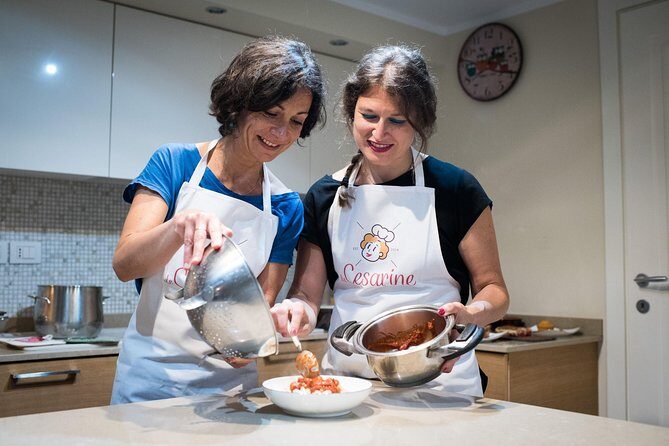
- Hands-on pasta work: roll dough, fill, and shape pasta by hand (not just watching).
- Tiramisu technique focus: you’ll get tips for turning out a strong, classic finish.
- Aperitivo before cooking: drinks and snacks set a relaxed tone before the work begins.
- Small group size (max 12): enough attention for questions without feeling crowded.
- Made-and-eaten in the same home: you finish by tasting your own dishes at the end.
A Siena home cooking class run by Cesarine
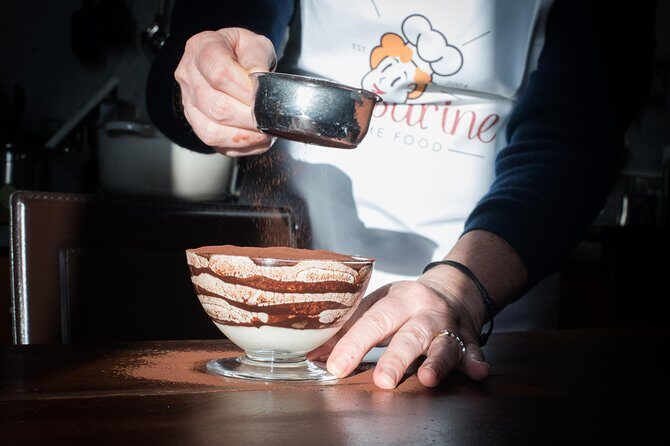
In Siena, it’s easy to eat Tuscan food. It’s harder to learn it the way it’s actually taught—at a family pace, in a real kitchen, with flour on the counter and a host who’s proud of the method.
That’s what makes the Cesarine style appealing. You’re welcomed like part of the household and guided through the steps in a carefully selected local home. It’s not a studio classroom, and that matters: the setting helps you focus on process—how dough feels, how filling behaves, and what “right” looks like as you shape.
The dinner plan is straightforward. You start with aperitivo drinks and snacks, then you cook, then you taste what you made. For many people, that flow is the biggest value trick: you’re not just paying for instruction, you’re paying for a full experience that turns into a meal.
You can also read our reviews of more tours and experiences in Siena
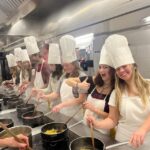
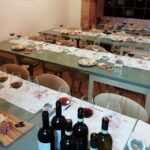
What you’ll actually make: fresh pasta (pici, tagliatelle, gnudi) and tiramisù
The cooking focus is classic and flexible. The menu examples include fresh pasta like pici, tagliatelle, or gnudi, plus tiramisù for dessert.
Here’s the key part: you’re not only learning a recipe name—you’re learning technique. The class is designed around three skills:
- Rolling out pasta dough
- Filling and shaping pasta by hand
- Getting the tiramisù right using host techniques
You’ll likely do more than one pasta shape. In one recent experience, the group made two types of pasta and then moved to tiramisù right after. That’s consistent with what the class aims to teach: you should leave knowing how to create pasta from scratch, not just one passable result.
On tiramisù, the emphasis is practical. You get tips and techniques for producing a perfect tiramisù, which usually means you learn what to watch while assembling so you don’t end up with something too runny or not set properly. Even without extra frills, that’s the kind of “why did mine fail?” fix people really want.
The evening flow: aperitivo, dough work, and a final tasting
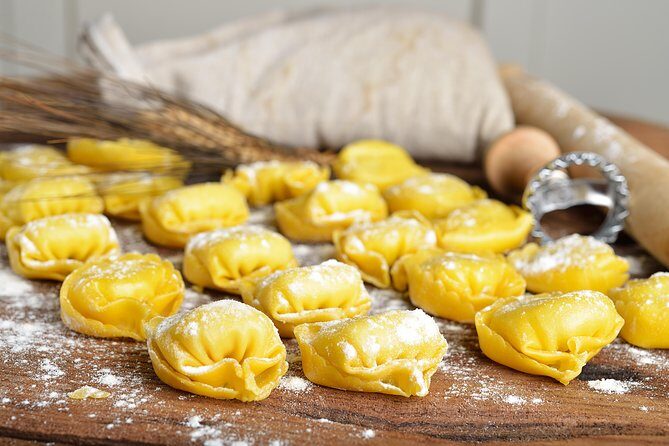
Plan for a full evening arc over about 3 hours (approx.). The timeline is simple, which is good. There’s no need to decode multiple stops, because the home is where everything happens.
1) Aperitivo and snacks
You start with drinks and snacks, which helps you settle in before you touch dough. It also gives you a small social window to talk with your host and your small group.
2) Pasta prep and shaping
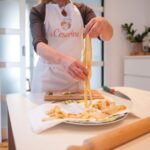
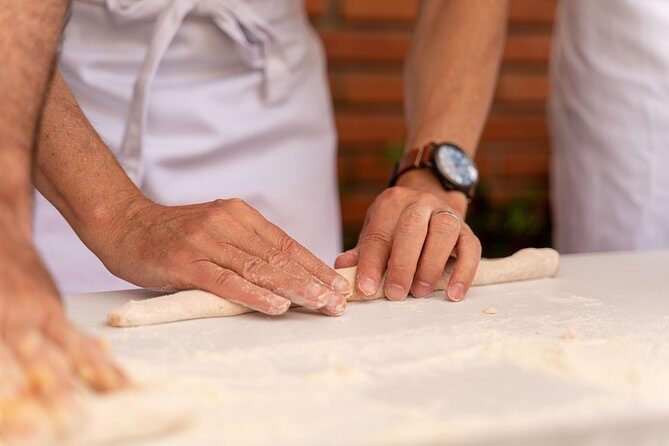
Then you get to the main event: rolling dough and forming pasta. The goal is you doing the work, with guidance on the feel and the steps. If you’ve only ever bought dry pasta, this is the moment you’ll understand why fresh pasta cooks so differently.
3) Tiramisu instructions and assembly
After the pasta, you switch gears to dessert. The class focuses on turning out a perfect tiramisù, with the host showing techniques as you go.
4) Tasting your dishes
You end with a tasting of your dishes. That’s an important detail: you don’t cook for the sake of cooking and then eat something else. You get to evaluate your own effort right there—hot pasta while it’s at its best, then tiramisù right after.
Meet the Cesarine hosts: family kitchens, real teaching, and language support
The Cesarine experience is built around the hosts. They’re not anonymous instructors. You’re in their home, following their routines, and learning the way their family cooks.
The names you may run into include Ilaria, Alvaro, and Enza. In one class, Ilaria welcomed a small group into her home with her husband and their 14-year-old daughter joining the evening. In another, Alvaro worked with a helper named Sophia to support English communication. You’re not just learning food—you’re learning how people actually run a family meal.
What I like about these host styles is the mix of warmth and competence. The classes are hands-on, but they don’t feel rushed. You’ll often get laughs along the way, and the teaching stays practical—how to handle dough, how to form shapes, and what matters for the final tiramisù.
Also, keep an eye out for small touches that turn the meal into a memorable night. One host made a smaller tiramisù portion that participants could take back to their hotel. That kind of extra isn’t guaranteed, but it shows the spirit of the experience: they want you to keep the evening going after you leave.
Price and value: about $214.84 for 3 hours in a real Siena home
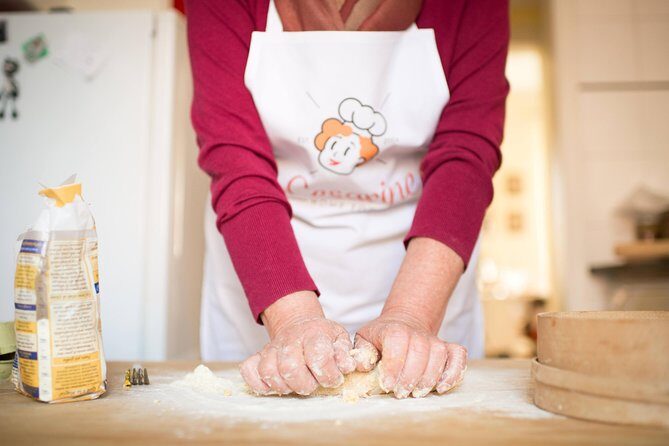
At $214.84 per person, this isn’t a bargain like a casual food market stop. But it also isn’t just a cooking demo. You’re paying for:
- A small group size (max 12)
- Expert home cooking instruction in a private kitchen setting
- A full dinner structure: aperitivo, pasta making, tiramisù, and tasting
- Ingredients and preparation time handled through a household setup
In other words, you’re buying something closer to an evening with a family teacher than a ticketed activity. When you look at it that way, the price starts to make sense—especially if you value learning technique.
One point of balance: if you’re the type who mainly wants to eat and not cook, you might feel the cost more sharply. But if you want to leave with real skills—rolling dough, shaping pasta, and building tiramisù—this class aims right at that goal.
Timing also matters for value. This experience is commonly booked about 62 days in advance, which tells me dates fill up. If you have Siena on your plan, booking earlier gives you more choices.




Logistics that can affect your night: group size, meeting point, and health rules
A few nuts-and-bolts details can make the difference between a smooth evening and a stressful one.
Small group, max 12
With a maximum of 12 people, the class stays manageable. That’s important for hands-on cooking, where you need space and attention while working with dough.
Mobile ticket and English
You get a mobile ticket, and the class is offered in English. That helps a lot with the communication side, especially when technique matters.
Sanitary rules and spacing
The homes provide essential sanitary equipment such as paper towels, hand sanitizing gel, and similar items. You’re also expected to maintain 1 meter distance; if you can’t, masks and gloves may be required. It’s handled at the home level, not just as a general instruction.
Meeting point: confirm the exact address
One caution: the rendezvous can be described in a way that makes it hard to find quickly. In a real case, the meeting location ended up being far from central Siena, causing a major delay until the situation got corrected and a new plan was set. To protect your evening, confirm the exact meeting address in advance, and if you’re relying on public transport or a short taxi ride, build in a buffer.
What to expect on the table: pasta styles, ragu moments, and wine pairings
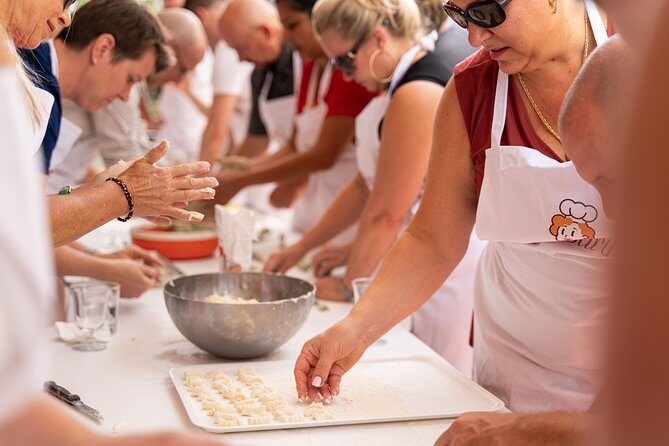
The menu structure is built around fresh pasta and tiramisù. Example pasta types include pici, tagliatelle, or gnudi, and the dessert is tiramisù.
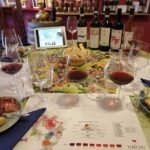
Some evenings can include extra food that complements what you’re making. In one instance, the meal featured homemade ragu, bruschetta, and wine alongside the pasta and tiramisù. That kind of add-on fits the spirit of an aperitivo-to-meal evening, where the host’s table becomes the full experience.
Even if your exact menu differs, expect the same idea: the evening is a full dinner rhythm, and you’ll be eating what’s connected to the cooking you just did.
Who this Siena cooking class suits best
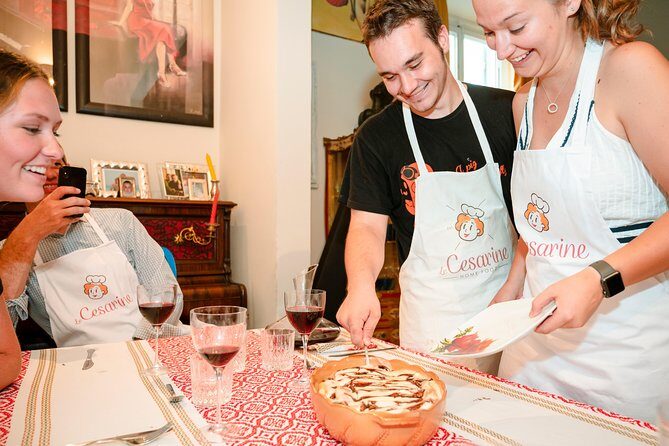
This class is a good fit if:
- You want learn-by-doing cooking in an actual home kitchen
- Fresh pasta skills are on your must-do list for Tuscany
- You care about tiramisù technique, not just dessert in name
- You’d rather spend 3 hours making dinner than spending hours hunting restaurants
It may not be your best match if:
- You only want a quick meal with zero cooking involvement
- You prefer large-scale tours or are uncomfortable working closely in a home setting
- You need an ultra-clear, no-surprises meeting plan without any chance of confusion
Should you book this Cesarine Siena pasta and tiramisù class?
If your idea of a great night in Siena is learning real skills in a real home, I’d book it. The class structure hits the essentials: pasta dough to hand-shaped pasta, then tiramisu technique, with aperitivo up front and a tasting at the end. With a small group size and an English-speaking format, you’re set up to get hands-on attention rather than being swept along.
My main reason to pause is logistics. The activity’s meeting point can be tricky if the address isn’t crystal clear to you. Fix that by confirming the exact location before you go, and plan your arrival time with slack.
One more good sign: the experience has an extremely high satisfaction rate and consistent praise for hosts who feel warm, generous, and focused on teaching. If you want Tuscany from inside the kitchen—not just from a plate—this is one of the better ways to do it.
FAQ
How long is the Cesarine Pasta and Tiramisu class in Siena?
It lasts about 3 hours.
Where does the class start and where does it end?
It starts in Siena, Italy (53100 Siena, Province of Siena) and ends back at the meeting point.
How much does it cost per person?
The price is $214.84 per person.
Is this class offered in English?
Yes, it is offered in English.
How big is the group?
The class has a maximum of 12 travelers.
What dishes will I learn to make?
You’ll learn fresh pasta such as pici, tagliatelle, or gnudi, and you’ll make tiramisù.
What happens at the start and end of the class?
You start with aperitivo drinks and snacks, and you end with a tasting of your dishes.
What sanitary rules should I expect?
Cesarine hosts follow health rules, including maintaining 1 meter distance. If you can’t keep that distance, masks and gloves may be needed. The homes provide sanitary supplies like hand sanitizing gel and paper towels.
Is there free cancellation?
Yes. You can cancel up to 24 hours in advance for a full refund.
Is there any minimum number of travelers?
Yes. If it’s canceled because the minimum isn’t met, you’ll be offered a different date/experience or a full refund.