REVIEW · SIENA
Siena: Pasta and Tiramisu Cooking Class with Wine
Book on GetYourGuide →Operated by The Roman Food Tour · Bookable on GetYourGuide
Pasta and tiramisu in Siena can feel like a shortcut to confidence. This 3-hour class turns Tuscan food talk into real work at the counter, starting with a Prosecco welcome and ending with you eating what you made. The teaching style can be very friendly and patient too, with guides like Natalia and Dennis repeatedly praised for clear, step-by-step coaching.
My favorite part is the mix of technique and payoff: you learn three dough styles (egg pasta, eggless pici, and potato dough for gnocchi), then you build a tiramisu with guidance. The second thing I like is the meal right after—your group sits down together in the restaurant next door and you get wine with lunch or dinner, which makes the whole experience feel complete rather than like a classroom demo.
One drawback to plan for: this is built around the traditional recipe, and the class notes it’s not suitable for people with gluten intolerance or lactose intolerance. They can offer substitutions for preferences and allergies, but they can’t guarantee zero cross-contamination.
In This Review
- Key Things I’d Notice Before You Book
- Siena Pasta and Tiramisu: Why This Class Works
- Trattoria Fonte Giusta Meeting Point and First Sip
- Pasta Dough Training: Eggs, Pici, and Potato Gnocchi
- Tiramisu Class: Cream Technique and Your Own Assembly
- Eating What You Made: Wine, Sauce, and the Restaurant Next Door
- Price and Value: Is $81 Worth It?
- Who This Cooking Class Fits Best (And Who Should Skip)
- Tips to Have a Smooth 3 Hours in Siena
- Should You Book This Siena Class With Wine?
- FAQ
- Where is the meeting point?
- How long is the cooking class?
- What’s included in the price?
- Do you get Prosecco and wine during the experience?
- Is it hands-on cooking or mostly watching?
- Can you accommodate dietary restrictions?
- Is it suitable for vegans or gluten/lactose intolerance?
- Is hotel pickup included?
- Can I pay later and cancel for free?
Key Things I’d Notice Before You Book
- Prosecco kickoff at Trattoria Fonte Giusta so you start in the right mood.
- Three doughs, three lessons: egg pasta, pici-style eggless dough, and potato gnocchi dough.
- English instruction with a patient pace (guides like Natalia and Dennis are often highlighted).
- Tiramisu cream technique explained and then built by you as part of the class.
- Eat in the restaurant next door while your meal is still the star.
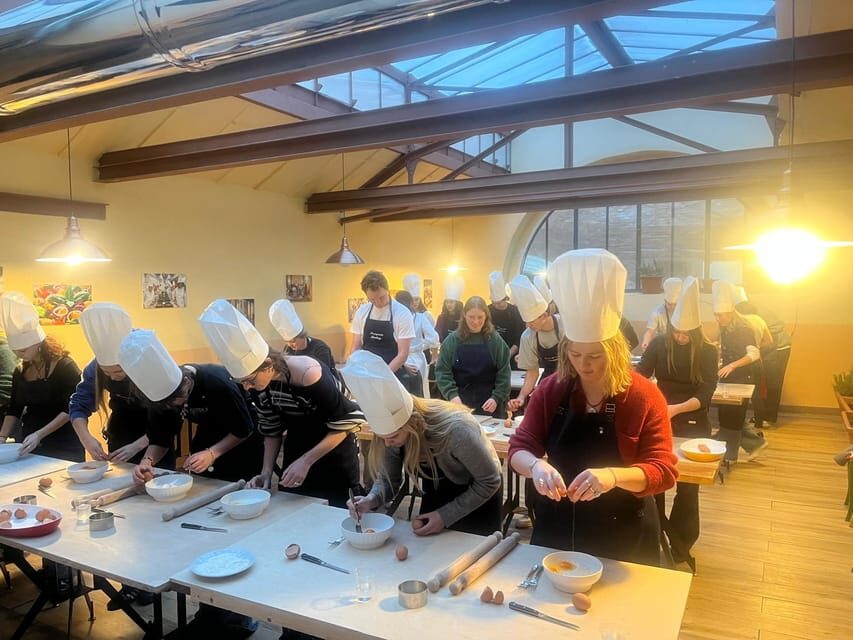
- Large, social group format (you’re usually cooking with around a dozen people).
Siena Pasta and Tiramisu: Why This Class Works
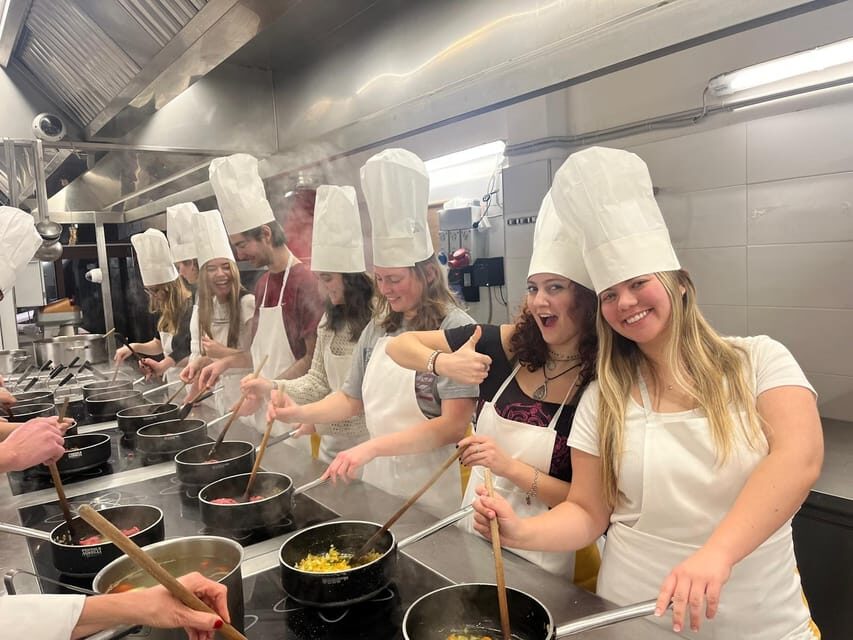
If you’ve ever watched someone roll pasta dough and thought, I could never do that, this is exactly the kind of course that helps you switch from guessing to knowing. In Siena, the setting matters, but the real reason this class feels worth it is the structure: you’re taught what to do, you do it, and then you eat it with wine in a proper restaurant setting.
This format is also a smart value play for Tuscany. You’re not just tasting Tuscany—you’re learning the mechanics behind some of the dishes you’ll keep seeing on menus: fresh pasta dough, gnocchi-style potato work, and the classic mascarpone-based tiramisu cream.
You’ll also get that rare “do it yourself” feeling without being left alone with a bunch of tasks. In multiple groups, the instruction is described as organized and paced so you don’t fall behind the moment your hands get messy.
You can also read our reviews of more cooking classes in Siena
Trattoria Fonte Giusta Meeting Point and First Sip
Your experience starts by entering the restaurant: Trattoria Fonte Giusta. This is where you’re welcomed and where you’ll find the class vibe is practical, not formal. You’re given a Prosecco welcome drink, then you move from sipping to washing up.
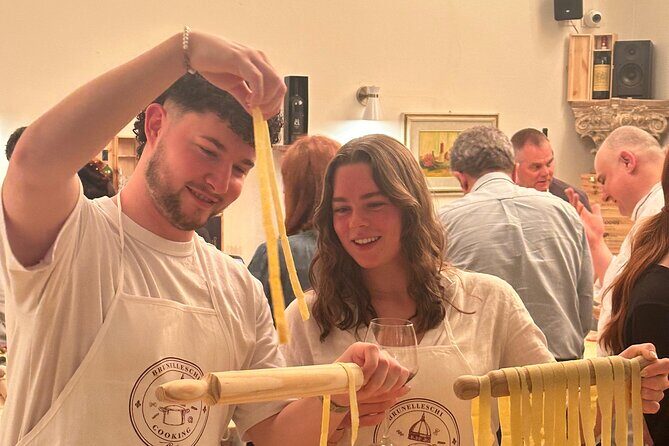
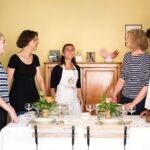
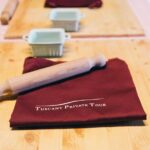
Before cooking, you’ll wash your hands and put on an apron. That small ritual helps more than you’d think. It signals that the class is hands-on from minute one, and it reduces the stress of showing up to a cooking session without knowing the flow.
Timing-wise, the class is 3 hours, and starting times vary by availability. If you’re planning a busy Siena day, this is a good chunk of time to protect. It’s long enough to learn real technique, but not so long that it eats your whole evening.
Practical tip: Siena walking can be slow if your feet are tired. Wear something comfortable, since you’ll be standing and working at your station.
Pasta Dough Training: Eggs, Pici, and Potato Gnocchi
This is the core of the class, and it’s also where you’ll feel the difference between “pasta as a food” and “pasta as a craft.” The program is designed around three pasta dough approaches:
1) Traditional egg pasta dough
2) Eggless dough for pici (the class calls it pici-style)
3) Potato dough for gnocchi
What you’ll love here is that the chef or guide walks around and shows you what the dough should feel like. That consistency talk matters. Fresh pasta dough is forgiving, but it’s not magical—your results improve fast when someone tells you how the texture should change as you work.
And yes, you’ll get hands-on practice. Across many participants, the recurring theme is that the cooking team keeps it interactive. You’re not just watching someone else shape pasta while you take notes.
One thing to set expectations: the restaurant provides what the meal needs beyond your dough work. Several people note that you’re making the pasta components, while the restaurant handles sauces for the meal you eat afterward. That’s actually a win for value: you learn the tricky parts (dough, texture, technique) and still sit down to a fully finished plate.
Bonus detail that you’ll feel in the room: the teaching kitchen is described as clean, spacious, and kept comfortable with air conditioning. Siena heat can be intense, so this kind of setup makes the class feel like a smart midday plan.
Tiramisu Class: Cream Technique and Your Own Assembly
After you’ve worked with dough long enough to get flour on your sleeves, the class shifts gears to tiramisu. This is another place where the teaching approach matters: the chef explains how the cream should come together and demonstrates key mixing techniques, then you build your own tiramisu.
Even when the exact “hands-on vs. demo” balance can vary slightly by session, the emphasis is consistent: you’re learning how the cream behaves and how the final dessert is assembled. Tiramisu is one of those desserts that looks simple until you try it. The difference between good and great is usually texture—how the cream turns smooth, how it holds, and how you layer it so it cuts cleanly.
Another practical expectation: you’ll sample what you make. That means you get immediate feedback, not just a take-home box of optimism. When your dessert lands well, you’ll taste why the classic version has survived for so long.
If you’re a coffee-and-cocoa person, this is where the class feels fun instead of purely skill-building. If you’re not, it’s still worth going because you’ll learn a method you can adapt.
Eating What You Made: Wine, Sauce, and the Restaurant Next Door
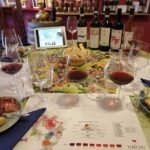
The real payoff of this format happens after cooking. When your hands stop working, your meal starts—at the restaurant next door. You sit down with your class group and you enjoy the pasta and tiramisu you prepared, plus additional courses of sauce.
A lot of people highlight that the final meal feels generous. One participant even mentioned having leftovers packed in a doggy bag, which is a nice touch if you don’t want to waste food (or if you want a dessert backup for later).
Wine is part of the plan:
- You get a glass of wine with your meal.
- Some groups note you can choose between red or white.
This matters because it turns the cooking class into an actual dining experience, not a snack-sized tasting. You’re eating in a normal restaurant rhythm while chatting with people at your table. That social side can be a big deal in Siena, where day plans can otherwise stay focused on sightseeing.
If you’re traveling solo, this is one of those experiences where you’re still cooking with a group and then sharing a table after. One solo participant described it as a comfortable way to meet people rather than feeling awkward.
You can also read our reviews of more wine tours in Siena


Price and Value: Is $81 Worth It?
At $81 per person for about 3 hours, the question is value. Here’s how I’d judge it if you’re trying to spend wisely in Tuscany.
You’re paying for five things that most cheaper classes skip:
- Three dough lessons (egg pasta, pici-style eggless dough, and potato gnocchi dough)
- Hands-on tiramisu building
- Two drinks (Prosecco on arrival plus wine with your meal)
- A real lunch or dinner after cooking
- Included equipment and an apron, so you’re not hunting down tools
So even though you’re not buying a full private chef experience, you are getting both teaching and a sit-down meal. That’s why people keep calling it good value.
The other value angle is skill retention. Dough texture is the kind of thing you can’t learn from a recipe card. Once you feel it once—when it’s too dry, too sticky, or just right—you’ll be able to replicate it at home with fewer mistakes.
Yes, traditional ingredients are part of the class. That means if you have strict dietary limitations, the “value” can shrink because you may not get the exact experience you want. Still, if you can eat gluten/dairy/eggs or you’re in the category where substitutions may be possible, it’s hard to beat the combination of instruction plus a plated meal.
Who This Cooking Class Fits Best (And Who Should Skip)
This class is aimed at food lovers who want real technique, not just a tasting tour.
You’ll likely enjoy it most if:
- You like hands-on activities and don’t mind getting a little messy.
- You want to leave with practical cooking confidence.
- You enjoy eating what you make and having a social table.
It may not fit if:
- You need a gluten-free or strict lactose-free option. The class specifically says it’s not suitable for gluten intolerance and lactose intolerance.
- You’re looking for a vegan-only class. It’s not suitable for vegans, even though dietary options are mentioned in the general description.
- You’re traveling with very young children. It’s not suitable for children under 3 years, and it also lists restrictions for babies under 1 year.
For dietary needs, here’s the honest takeaway: substitutes can be offered for allergies or preferences, but the instruction still focuses on the traditional recipe (with gluten, dairy, and eggs), and cross-contamination can’t be ruled out. If that uncertainty would stress you out, it’s better to choose a class that’s explicitly allergy-safe.
Tips to Have a Smooth 3 Hours in Siena
You’ll have a better time if you show up ready to work.
- Arrive with a water plan. You’ll start with Prosecco and then have wine, so drink water too.
- Keep your expectations practical. You’re learning technique in a short window, so it’s normal if your first pasta attempt isn’t perfect. The skill is in learning what to adjust.
- Pay attention to dough texture instructions. That’s where your results improve fastest.
- Ask about consistency if you’re unsure. Multiple instructors are praised for walking around and correcting in real time, so use that help.
- Save room for tiramisu. The meal afterward can be big, and the dessert is part of the full experience.
Also, don’t over-plan Siena that day. A cooking class that ends with a meal deserves a buffer before your next activity, especially if you’re walking back through the old streets.
Should You Book This Siena Class With Wine?
If you want a memorable Tuscany food experience that’s more than tasting and more than watching, I’d book it. For the price, you’re getting structured technique, a real dining moment, and two drinks that make the class feel like a celebration rather than homework.
I’d especially recommend it if you:
- want to learn fresh pasta dough properly,
- like the classics (pasta and tiramisu),
- and enjoy eating right after you cook.
I’d think twice if you have strict gluten or lactose needs, because the class isn’t positioned for those diets. If you’re comfortable with the traditional ingredients or your needs can be safely handled with substitutions, it looks like a strong bet.
FAQ
Where is the meeting point?
You’ll meet at Trattoria Fonte Giusta. Please enter the restaurant.
How long is the cooking class?
The class lasts 3 hours.
What’s included in the price?
The experience includes a welcome Prosecco, the pasta and tiramisu cooking class, lunch or dinner, a glass of wine, and an apron and cooking equipment.
Do you get Prosecco and wine during the experience?
Yes. You receive a welcome glass of Prosecco on arrival, and you also get a glass of wine with your meal.
Is it hands-on cooking or mostly watching?
It’s hands-on. You’ll make pasta dough and prepare the tiramisu, and you’ll also receive step-by-step guidance from the chef/guide.
Can you accommodate dietary restrictions?
The activity states dietary options are available (including vegetarian, vegan, lactose intolerant and other diets supported). However, it also notes substitutions may be used for preferences or allergies, while the instructions focus on the traditional recipe with gluten, dairy, and eggs, and cross-contamination cannot be guaranteed.
Is it suitable for vegans or gluten/lactose intolerance?
No for those listed: it is not suitable for vegans, not suitable for people with gluten intolerance, and not suitable for people with lactose intolerance.
Is hotel pickup included?
No. Hotel pickup and drop-off are not included.
Can I pay later and cancel for free?
Yes. You can reserve now & pay later, and it offers free cancellation up to 24 hours in advance for a full refund.