REVIEW · SIENA
Siena: Small Group Cooking Class in Chianti Farmhouse
Book on GetYourGuide →Operated by My Tour in Italy · Bookable on GetYourGuide
This is Tuscan cooking with a view.
In a Chianti farmhouse outside Siena, you get a hands-on, small-group lesson in a real working kitchen—taught by multilingual chef Simone—and you leave with recipes you can actually repeat at home. I especially liked the practical pasta instruction (from dough handling to shaping) and the relaxed farmhouse feel, including the kind of Chianti-wine lunch that turns a class into a proper meal. One thing to plan for: the property involves stairs, and it is not wheelchair-friendly.
I like that the food focus is very clear: you’ll cook, taste, and then eat what you made with drinks included. You’ll also get the cultural side—food choices, local habits, and little kitchen tips that make the dishes feel less like a demo and more like a skill you’re learning for yourself. The potential drawback is simple logistics: there’s no hotel pickup, so you’ll want to have solid directions and your transport lined up.
In This Review
- Key takeaways before you go
- Why this Chianti farmhouse class beats a city demo kitchen
- Meeting Chef Simone in a professional farmhouse kitchen
- The 4-hour flow: pasta-making, crostini-style bites, and Tuscan basics
- Hands-on pasta (and why it’s the real value)
- Bruschetta or crostini-style tastings
- Cooking tips you can actually use at home
- Lunch with wine: what you’ll eat and why it matters
- What the meal typically includes
- Where it shines: the small-group comfort and the farmhouse atmosphere
- Getting there without stress: plan for rural directions and no pickup
- Who should book this class (and who should think twice)
- Should you book the Siena: Chianti farmhouse cooking class?
- FAQ
- How long is the cooking class?
- What is included in the price?
- Is hotel pickup and drop-off provided?
- What languages is the live guide available in?
- Can children under 8 join this class?
- Is the class wheelchair accessible and are pets allowed?
Key takeaways before you go
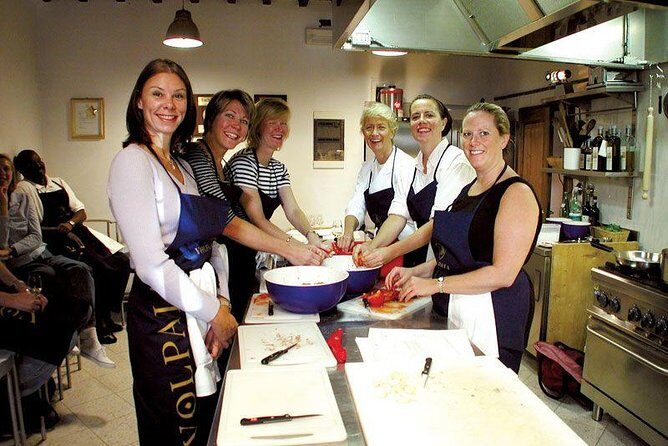
- Chef Simone’s instruction: clear, patient teaching in English, Italian, and Spanish
- Hands-on pasta work: you’ll learn dough, shaping, and classic fillings (often spinach and ricotta)
- Tiramisu from scratch: a dessert lesson that you can recreate at home
- Wine at lunch: drinks are included, and Chianti shows up during the meal
- Small-group energy: from a handful of people to larger small-group days (around a dozen or so)
- Rural farmhouse practicalities: plan for stairs and easy-to-miss addresses
Why this Chianti farmhouse class beats a city demo kitchen
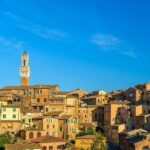
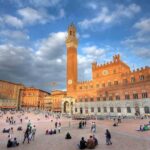
Siena is famous for its streets and stone. But this class shifts the spotlight from scenery to the food that powers daily life in Tuscany. The big difference is the setting: you’re not standing in a windowless room watching someone else cook. You’re in a farmhouse kitchen where the day moves at a human pace—measure, mix, knead, taste, then sit down together.
I also like how the lesson stays grounded. The focus isn’t on fancy plating or vague “Tuscan spirit.” It’s on technique: how pasta dough feels, how fillings behave, and how desserts set. That matters if you want results later, not just a full stomach today.
There’s one more good reason to pick this over a quick tasting. Because it’s a cooking class with lunch, the meal isn’t separate from the teaching—it’s the reward for the work you did with your hands. You’ll taste what you made, and you’ll understand why it works.
You can also read our reviews of more cooking classes in Siena
Meeting Chef Simone in a professional farmhouse kitchen
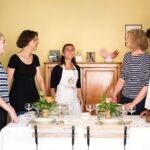
You’ll arrive to a homey, farmhouse-style place that still feels set up for teaching. Many people highlight how Simone welcomes the group, explains what you’re doing in a straightforward way, and makes the pace comfortable—even when you’re learning something new like pasta folding.
In reviews, the same patterns show up again and again:
- instruction that’s easy to follow
- a friendly, patient attitude
- a bit of local context while you work
And because the guide is multilingual (English, Italian, Spanish), you’re not stuck if you don’t speak Italian. You can ask questions in the language you’re most comfortable with, and that helps when you’re trying to fix a dough texture problem or figure out how to seal ravioli.
One practical note: the experience isn’t set up for kids under 8, and it isn’t wheelchair accessible. Also, you should be ready for climbing and descending stairs on-site, since the farmhouse setup involves that kind of movement.
The 4-hour flow: pasta-making, crostini-style bites, and Tuscan basics
The class runs about four hours. In that time, you get a full arc: prep skills, cook the core items, then eat. Even if the exact menu timing shifts by day, the structure is consistent with a Tuscan rhythm: start with dough and building blocks, move to assembled dishes, then finish with dessert.
Hands-on pasta (and why it’s the real value)
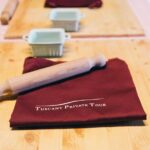
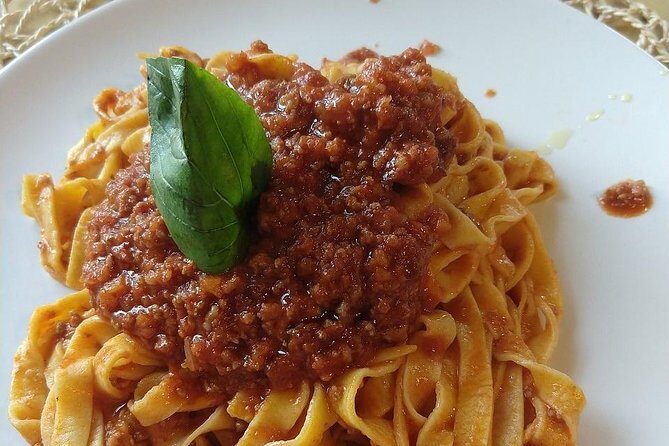
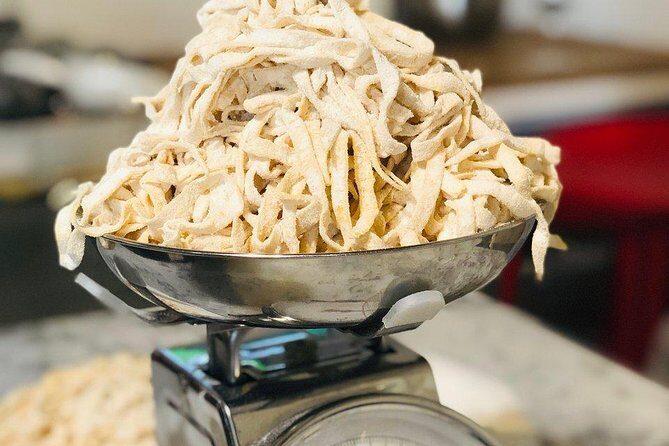
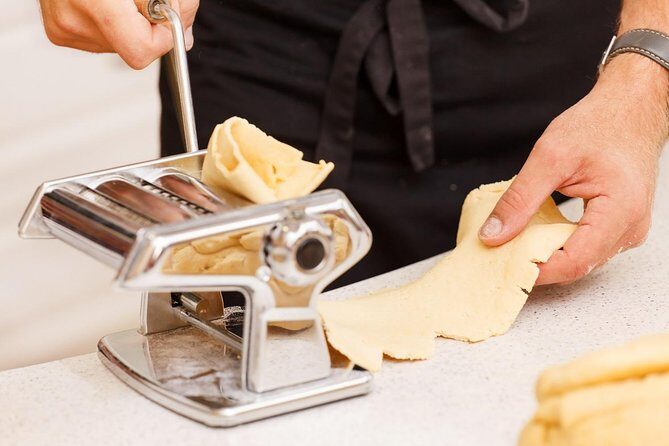
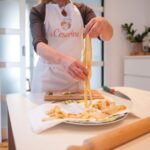
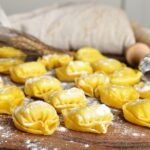
Pasta is where this class pays off the most. The experience includes learning how to make homemade pasta—something in the pici family is mentioned in the course description—and shaping skills show up through dishes like ravioli.
You can expect to work on:
- dough consistency (how it should feel and behave)
- rolling and shaping steps
- working with fillings
A lot of the rave comes from ravioli instruction specifically. People describe learning spinach and ricotta ravioli, with enough coaching to understand what you’re aiming for instead of just following steps. If you’ve ever made pasta at home and had it either tear or turn out bland, this kind of guided technique is what you’re buying.
Bruschetta or crostini-style tastings
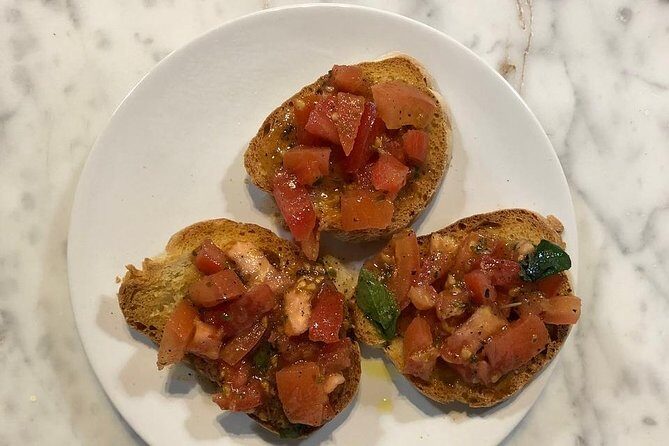
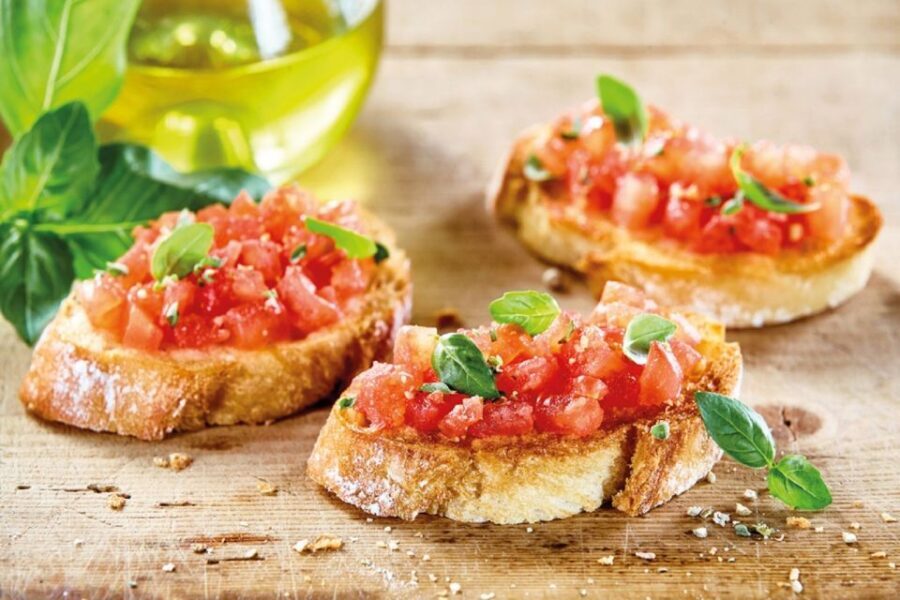
The class description also points to Tuscan breads like bruschetta or crostini. Think of this as part of the “everyday Tuscany” side: quick, flavorful, ingredient-forward bites that match what you’ll serve at home after you learn the pasta.
This part tends to be less stressful than pasta dough. It’s a good anchor for your confidence. You’ll get that satisfying moment of flavor quickly, then you can focus on the more hands-on items without feeling like everything is high pressure.
You can also read our reviews of more tours and experiences in Siena
Cooking tips you can actually use at home
What makes a cooking class worth the money isn’t just that the food tastes good. It’s whether the teaching helps you troubleshoot later. This is where Simone’s approach seems to land well with most people.
Here are the kinds of skills you should expect to take home based on what’s repeatedly emphasized during instruction:
- Technique over mystery: you’ll learn what to watch for in dough and fillings, not just a recipe list
- Portion and timing: knowing when something is ready prevents overcooking or watery fillings
- How to recreate flavors: the lesson connects ingredients to taste so you don’t just copy steps
One small detail I appreciate from the descriptions and comments: the day includes practical kitchen context. People talk about learning not just what to do, but why locals do it that way—like how they combine simple ingredients to build depth. Even if you don’t speak Italian, that kind of “reasoning” is easy to follow when the chef is walking you through the process.
Lunch with wine: what you’ll eat and why it matters
By the end of the cooking, you sit down to a meal based on what you prepared, with drinks included. That’s a key part of the value. In a lot of classes, you make something, then you eat whatever. Here, your work becomes the meal.
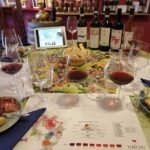
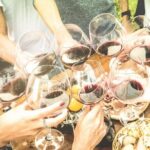
Most accounts mention Chianti wine during lunch. It’s described as plentiful, and that fits the farmhouse setting: the wine isn’t just an add-on; it’s part of how the day’s flavors show up. Expect that the drink service is integrated into the meal pace.
What the meal typically includes
Based on the information given, you should plan for a spread built around what you made, including:
- pasta (often ravioli, sometimes other homemade pasta)
- crostini or bruschetta-style items
- tiramisu made during class
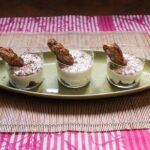
Tiramisu comes up again and again as the standout dessert. People mention learning how to make it from scratch, including the classic structure and technique that makes the difference between a dessert that sets well and one that turns runny.
Where it shines: the small-group comfort and the farmhouse atmosphere
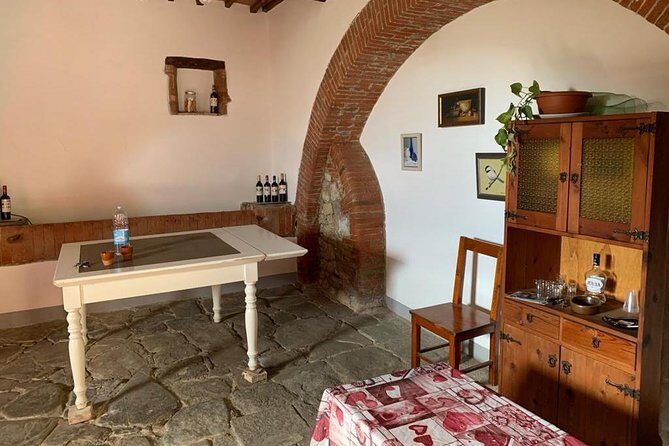
This is set up as a small group experience. Reviews mention groups as small as just a few people, while other days include a larger small-group number (around a dozen or so). Either way, you’re far more likely to get hands-on attention than in big tour groups.
That matters when you’re learning pasta. If you’re standing behind a crowd, it’s easy to miss the moment you should adjust thickness or sealing. With a smaller class size, you can usually get feedback and course-correct without feeling rushed.
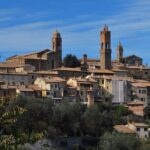
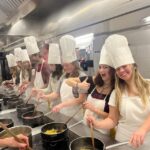
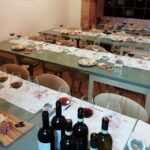
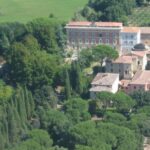
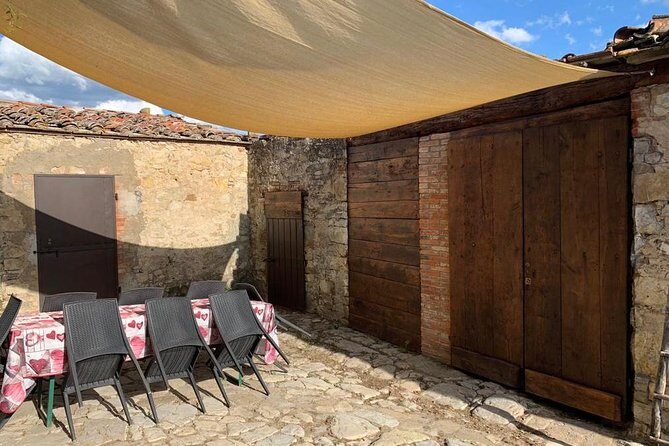
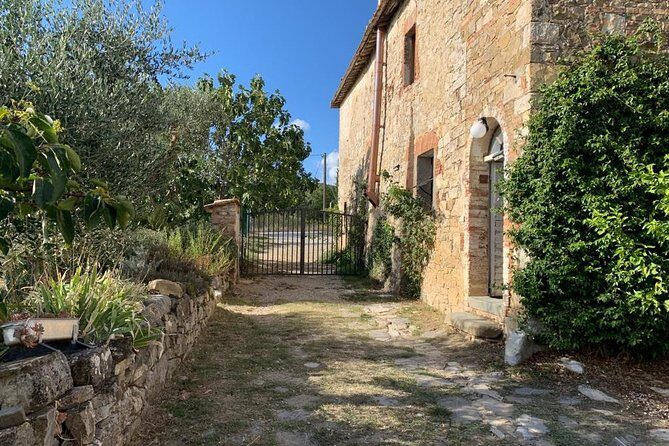
The farmhouse atmosphere is also a big part of the emotional payoff. People mention charming, rustic home vibes, beautiful views from around the property, and a relaxed environment that makes the whole thing feel like spending a good afternoon cooking with people who genuinely care.
It’s also a good “two-for-one” day: you get food skills and you also get a taste of how the Chianti countryside feels beyond a postcard.
Getting there without stress: plan for rural directions and no pickup
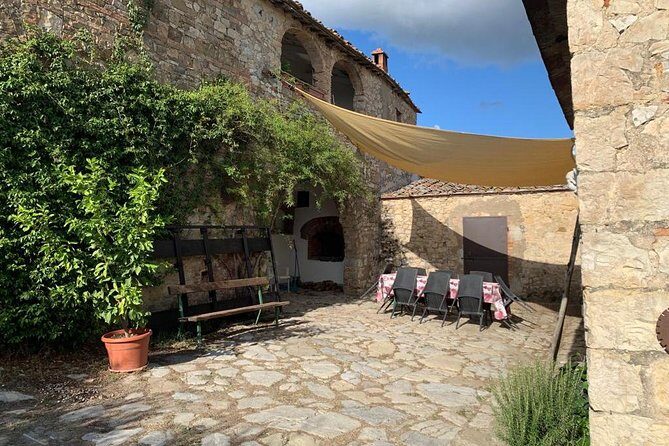
Hotel pickup and drop-off are not included. That means you’re responsible for reaching the farmhouse. This is where your biggest risk isn’t food quality—it’s showing up on time with the right address.
A practical tip that comes through clearly: use the full address provided, and if the directions are confusing, pay attention to any meeting-point name the host uses when greeting you. One person even missed the class date because the route wasn’t followed closely. The lesson: take the directions seriously and leave extra buffer time.
Because the meeting location is outside Siena in the Chianti countryside, build in time for rural roads and occasional GPS quirks. If you’re driving, give yourself room for a couple of wrong turns before the class begins.
Who should book this class (and who should think twice)
This works best if you want an active, hands-on food day instead of a passive tour.
You’ll probably be happy booking if you:
- want to learn pasta technique, not just eat pasta
- enjoy cooking with a teacher who gives clear guidance
- like small groups and a slower, more personal pace
- want lunch included, with drinks, right after you cook
You might want to think twice if you:
- need wheelchair access (this isn’t suitable)
- have limited mobility due to stairs
- are traveling with children under 8 (not bookable)
- don’t have reliable transport to a rural farmhouse (no pickup)
Should you book the Siena: Chianti farmhouse cooking class?
If your goal is real skills—pasta you can reproduce and a tiramisu lesson you won’t forget—this is a strong pick. The price makes sense when you look at what’s included: ingredients, instruction by a multilingual chef, and the meal made from what you cook, with drinks.
I’d book it if you’re comfortable navigating a rural location on your own and you can handle stairs at the farmhouse. If those parts are a challenge, choose a different format where access and transport are easier.
Overall, this isn’t just a food stop. It’s a four-hour workshop in Tuscany life: cook, eat, and leave with techniques that travel back home with you.
FAQ
How long is the cooking class?
The class lasts 4 hours.
What is included in the price?
You get all necessary ingredients, a cooking lesson with the local chef, and a meal based on what you prepare, with drinks included.
Is hotel pickup and drop-off provided?
No. Hotel pickup and drop-off are not included.
What languages is the live guide available in?
English, Italian, and Spanish are available.
Can children under 8 join this class?
No, it is not bookable for children under 8 years old.
Is the class wheelchair accessible and are pets allowed?
It is not suitable for wheelchair users, and pets are not allowed.