REVIEW · SIENA
Siena: Pasta and Tiramisu Class at a Local’s Home
Book on GetYourGuide →Operated by Cesarine · Bookable on GetYourGuide
Fresh pasta, no stage, no rush.
This Siena class feels like you’re getting invited into a local family’s kitchen, not herded through a set program. I especially like the hands-on pasta making (two pasta recipes plus tiramisu from scratch) and the small-group size (up to 6) that lets you actually talk, ask questions, and cook with confidence. The only real catch: it’s in a private home, so you’ll pay about $202.78 per person and you’ll get the exact address after booking—plan for that.
You’ll start with an Italian aperitivo, then move to the work: dough, shaping, sauce style, and finishing details for dessert. Dinner or lunch happens right there at the table with what you make, plus drinks like water, wines, and coffee.
One more practical note: the lesson is listed as 3 hours, and in this kind of family setting it can run a bit long—great if you hate feeling timed, annoying if you have a tight schedule after.
In This Review
- Key things I’d circle before you book
- A Siena Home Kitchen: Why This Class Feels Different
- The 3-Hour Flow: Aperitivo, Pasta Lessons, and a Shared Table
- What your time looks like, practically
- The “shared table” part
- Making Two Pastas from Scratch: Skills You’ll Actually Use at Home
- If you’re cooking with kids
- Tiramisu: The Finish That Turns Cooking Into a Memory
- The best part: you get to compare it to what you know
- Wine, Coffee, and the Aperitivo-to-Dinner Pace
- Location and Logistics: The Private Address Thing
- Practical tip
- Price in Perspective: Is $202.78 Really Value?
- What to Ask Before You Go (So You Don’t Miss Anything)
- Should You Book This Pasta and Tiramisu Class in Siena?
- FAQ
- What is included in the class?
- How long is the experience?
- Where does the class take place?
- How big is the group?
- What language is the instructor?
- What time does it usually start?
- Can they accommodate dietary requirements?
- What’s the cancellation policy?
- Is there an option to pay later?
Key things I’d circle before you book
- Local-home setting with a Cesarina host: You learn in a real family kitchen, not a demo room.
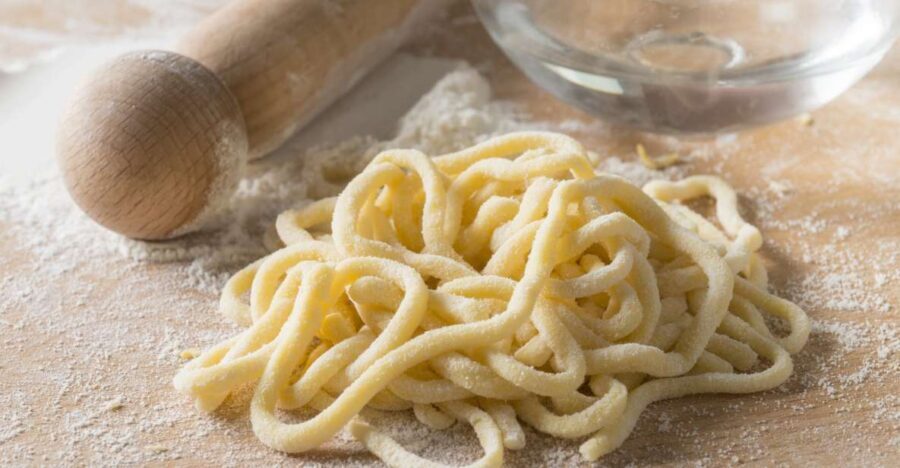
- Two pasta recipes plus tiramisu from scratch: You leave with a repeatable dinner plan for home.
- Aperitivo included (prosecco and nibbles): It’s an easy start, and it sets the relaxed pace.
- Small group, up to 6: More hands-on attention and more table conversation.
- Eat what you cook: Lunch or dinner is part of the experience, not an afterthought.
- Hosts you might recognize from past classes: Enza, Patrizia, and Genny have all led sessions in Siena.
A Siena Home Kitchen: Why This Class Feels Different
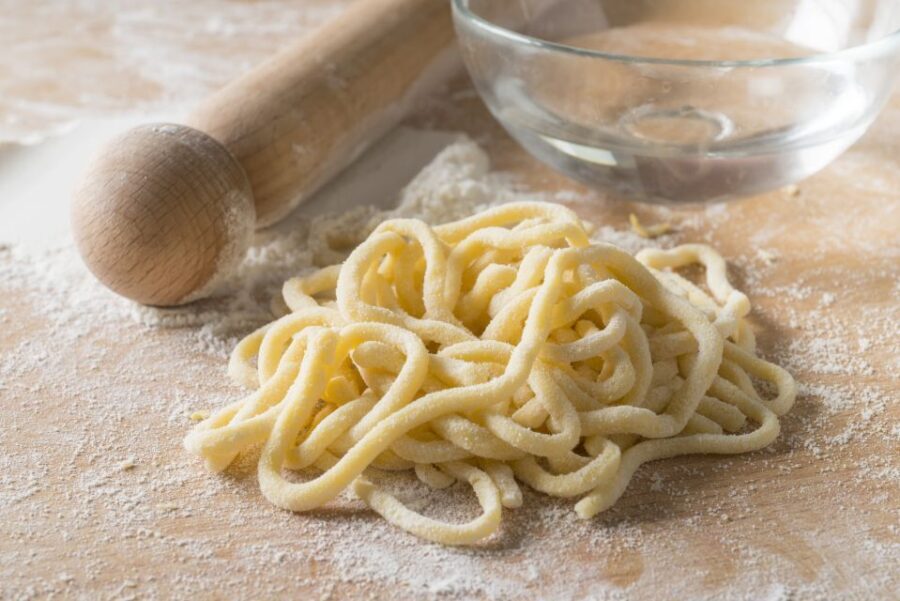
This experience is run by Cesarine, and the format is simple: you go to a local family’s home and cook with an Italian host (Italian and English are supported). The big value here is the setting. In a restaurant class, you’re often watching technique while someone else drives the kitchen. In a home class, you’re part of the flow—mixing, shaping, tasting, and learning why each step matters.
You’re also getting the real “local” part that matters in Tuscany: not just pasta on a menu, but household rhythm. People don’t cook like they’re doing a performance. They cook to eat well, share, and make enough so there’s still food later. That’s the vibe you’re paying for.
Who it suits: couples, friends, and families with children of all ages. Kids are mentioned as welcome, and the atmosphere tends to be warm and patient—especially when the host is teaching with lots of laughter and calm guidance.
You can also read our reviews of more tours and experiences in Siena
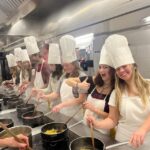
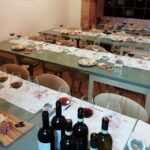
The 3-Hour Flow: Aperitivo, Pasta Lessons, and a Shared Table
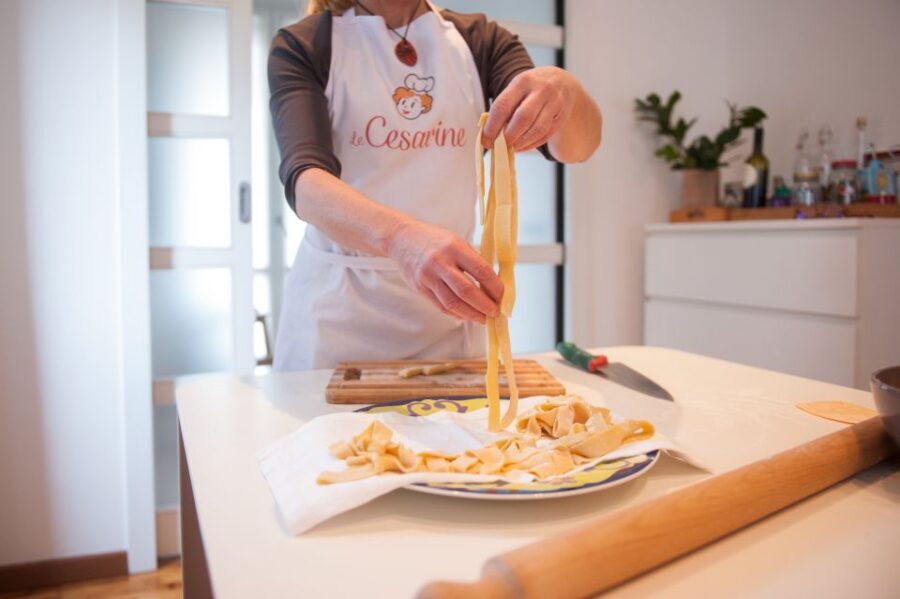
You’ll typically start either 10:00 AM or 5:00 PM. Times are flexible with an advance request, so if you’re trying to line it up with your Tuscan day plan, ask early.
When you arrive, expect a home-style welcome first—then the Italian aperitivo: prosecco and nibbles. This is more than a drink ticket. It helps you settle in, meet your host and the other small-group guests, and start learning with a relaxed brain. Then you move into the cooking work.
What your time looks like, practically
This class is structured around making:
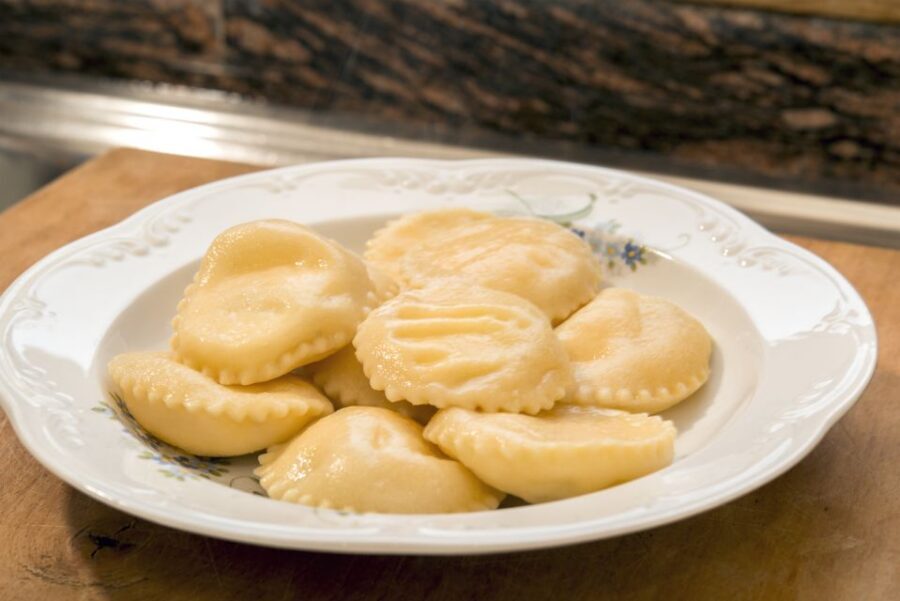
- Two iconic pasta recipes
- Tiramisu dessert
- Taste everything you prepare, at the table, alongside drinks
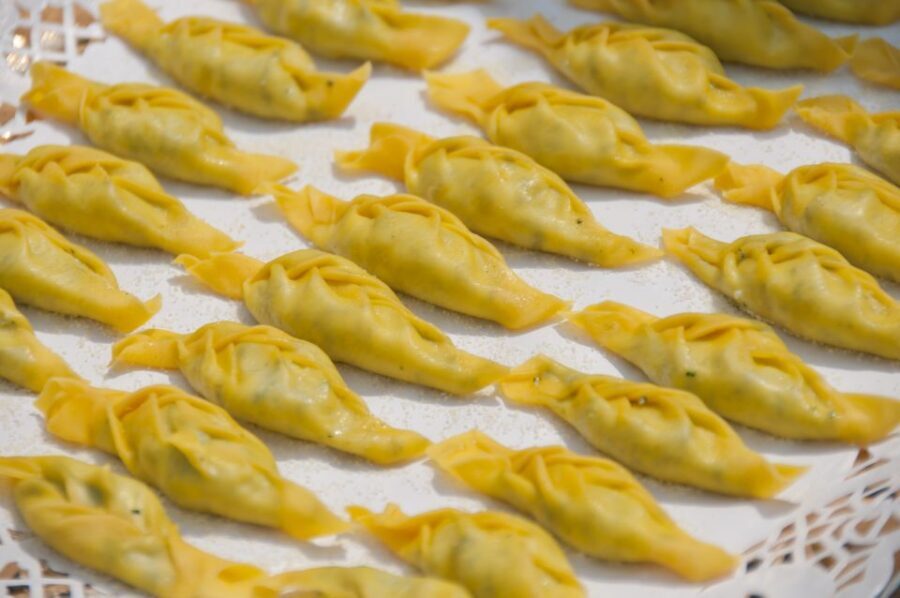
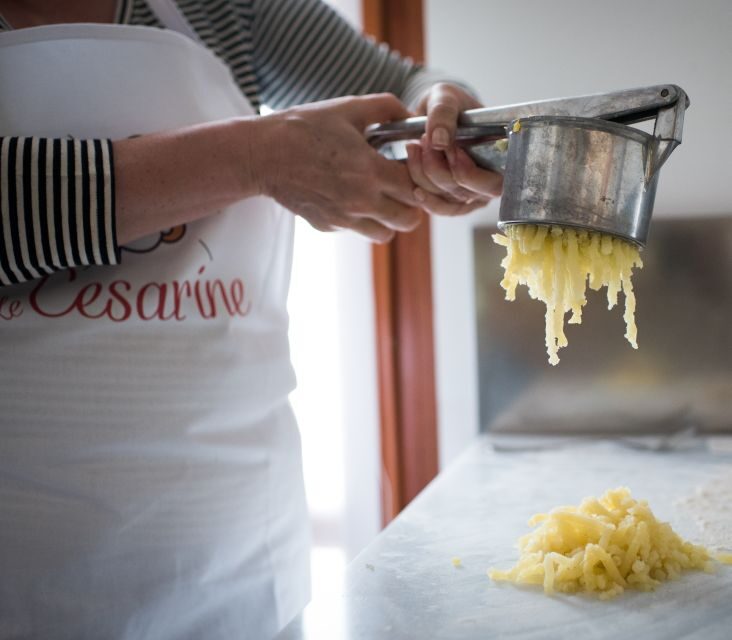
The teaching style is hands-on and guided. You’ll learn tricks the way a family would explain them: what to watch for in the dough, how to handle shaping, and how to keep the texture and flavor right. The lesson is private, and that matters because you’re not waiting your turn to touch dough.
The “shared table” part
Once the cooking starts paying off, you eat. And you eat what you made—around the table with your host and group. That’s a key difference from classes that end with a box of food you never fully enjoy.
If you have dietary needs, the experience can often adapt, but you’ll need to confirm directly with the organizer after booking. Plan to message early so the host can adjust ingredients appropriately.
Making Two Pastas from Scratch: Skills You’ll Actually Use at Home
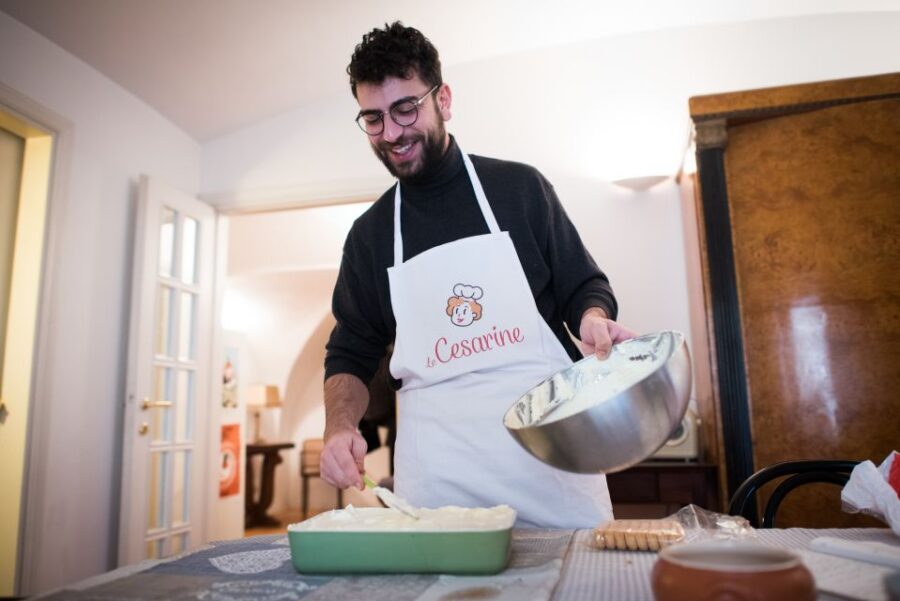
The class teaches you to make pasta from scratch for two pasta recipes, and it frames the whole thing around method and small “trade tricks.” You’re not just following steps—you’re learning what to look for so you can repeat it later without a rehearsal.
Here’s why that matters for you: most pasta at home is either boxed or it’s homemade but inconsistent. Technique is what fixes that. When you learn the process in a real Italian kitchen, you pick up cues like:
- How dough should feel before it’s handled further
- How to manage the order of tasks so everything finishes together
- How to keep the final plate tasting like the real thing, not like effort
Because the class is small, you also get real-time corrections. That’s the difference between learning pasta once and learning pasta in a way you can recreate.




If you’re cooking with kids
This is one of those experiences that can be great for families because it’s active. Kids can help with safer tasks (mixing, measuring, assembling components) while the host guides. And because the pacing is human, not industrial, the host can slow down when someone needs a minute.
Tiramisu: The Finish That Turns Cooking Into a Memory
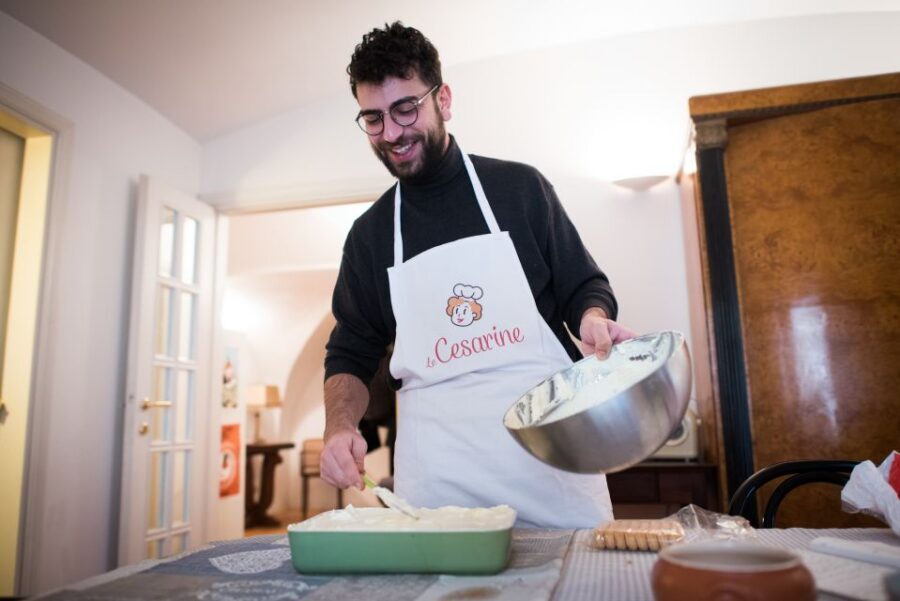
Every Tuscany trip has its share of food moments. Tiramisu tends to be the one that sticks, because it’s familiar but often misunderstood. In this class, you make tiramisu from scratch, guided by your host so it sets properly and tastes right.
You’ll learn the steps behind the dessert—how it comes together and what makes it work. Then you eat it as part of the meal, not as a rushed finale.
The best part: you get to compare it to what you know
If you usually buy tiramisu, homemade texture and balance can surprise you. The home-kitchen environment helps because you’re not just assembling dessert; you’re tasting your way toward what’s correct.
There’s also a practical bonus that people love: some classes in this format allow you to take home what you don’t eat, and that can include a bottle of wine. That’s not something to count on in every situation, but it fits the overall family-style generosity of the setup.
Wine, Coffee, and the Aperitivo-to-Dinner Pace
Drinks are included:
- Water
- Wines
- Coffee
- Prosecco and nibbles as an Italian aperitivo
This inclusion matters. It turns a cooking class into a full social meal—so you’re not spending time afterward hunting for a glass of something or negotiating a split check. And because the host is part of the table conversation, the drinks don’t feel awkward. They feel like a natural part of an Italian dinner pace.
A small caution: because it’s a family environment and the schedule can run a bit long, don’t plan a “must be on time somewhere else” dinner right after. If you have a show or train connection, build in buffer.
Location and Logistics: The Private Address Thing
The address is not given upfront. For privacy, you receive the full meeting point details after booking. Once your reservation is made, the local partner sends instructions.
That can feel odd if you’re used to big, fixed meeting spots, but it’s also the reason the experience works. You’re not crowding a street corner with strangers holding cooking bags. You’re going to a real home, and that demands discretion.
Practical tip
Check your email and messages right after booking. Then plan to arrive a bit early so you have time to get situated without stress—especially since the start happens in someone’s home, not a storefront.
Price in Perspective: Is $202.78 Really Value?
At $202.78 per person, this is not a bargain class. But it’s also not a generic “pasta demonstration.” You’re paying for four things that are hard to replicate in a typical group tour:
- Private home setting (real family kitchen, real table meal)
- Small group size up to 6 (less waiting, more hands-on attention)
- Instruction + ingredients + drinks (prosecco, wines, coffee, water, and nibbles are included)
- Food you eat and take home when possible (you’re not just tasting a bite)
If your goal is to learn pasta like a skill, not just to take photos, the value improves. If your goal is the cheapest “things to do,” you’ll probably feel it’s steep.
I’d call this a good pick if:
- you’re a foodie who wants hands-on technique
- you want a family-style meal instead of a scripted experience
- you care about learning in a small group where the host can correct your dough and pacing
What to Ask Before You Go (So You Don’t Miss Anything)
You’ll be in the best shape if you message ahead with a few specifics:
- Any dietary requirements you need accommodated (confirmed directly with the organizer)
- Any schedule flexibility you have if you want 10:00 AM vs 5:00 PM
- Whether anyone in your group is new to cooking and might need extra guidance
Also think about your comfort. You’ll be standing and working in a home kitchen environment. Wear something easy to move in and plan for a fun, hands-on afternoon or evening.
Should You Book This Pasta and Tiramisu Class in Siena?
I think you should book if you want Tuscany food without the performance vibe. This is the kind of experience where the host can be warm and patient, where the class can feel like hanging out with a family friend, and where the main event is the food you make together.
Skip it if:
- you’re extremely price-sensitive
- you need a perfectly fixed, clock-accurate schedule (the home-meal rhythm can mean the session runs long)
- you don’t want to handle an address that’s sent after booking
If you do book, you’ll get more than dinner. You’ll leave with pasta skills you can repeat, a tiramisu method you can trust, and a Siena memory tied to real conversation around a real table. In a place like Tuscany, that’s the stuff that lasts.
FAQ
What is included in the class?
You’ll get instruction for two pasta recipes and tiramisu, plus water, wines, and coffee. There’s also an Italian aperitivo with prosecco and nibbles.
How long is the experience?
The class is listed as 3 hours. You’ll want to check availability for the specific starting times.
Where does the class take place?
It’s held in a local family’s home in Siena. For privacy, you receive the full address after you book.
How big is the group?
It’s a small group limited to 6 participants.
What language is the instructor?
The instructor can teach in Italian and English.
What time does it usually start?
Dining typically begins at 10:00 AM or 5:00 PM, but times can be flexible with an advance request.
Can they accommodate dietary requirements?
They can cater to different dietary requirements, but you need to confirm directly with the service organizer after booking.
What’s the cancellation policy?
You can cancel up to 24 hours in advance for a full refund.
Is there an option to pay later?
Yes. You can reserve now and pay later to keep your plans flexible (you pay nothing today).