REVIEW · LUCCA
Cesarine: Market Tour & Cooking Class at Local’s Home in Lucca
Book on Viator →Operated by Cesarine: Cooking Class · Bookable on Viator
Your hands get busy in Lucca.
This Cesarina market tour and cooking class is built around real local shopping, then real cooking in a home kitchen—so you learn what makes Lucca food taste like Lucca. You’ll get hands-on practice making classic dishes from scratch, plus a sit-down meal afterward with local wine. It’s the kind of experience that turns food into something you can repeat at home.
I particularly like the market ingredient lesson and the way the menu connects to what’s actually available. You’ll also get a small-group setup where the host can slow down, explain, and help you get it right—one host I read about had warm, funny energy that made the whole thing feel easy.
One thing to consider: it’s a committed block of time—about 4 hours 30 minutes—with a morning start listed at 10:00 am, so it may not suit people who prefer to wander Lucca without a schedule.
In This Review
- Key things to know before you go
- Lucca Market Tour Meets a Home Kitchen
- Choosing a Morning or Afternoon Class That Fits Your Day
- The Cesarina Home Chef Experience: Small Group, Big Attention
- Market Stops: How Herbs and Ingredients Change Everything
- Cooking the Classics: Fresh Pasta and Lucca Shapes
- Starter and Dessert: Three Courses That Actually Add Up
- The Meal and Wine: Eating Like You Cooked It
- Price and Value for a Lucca Cooking Class at a Home
- Practical Tips So You Get the Most From the Experience
- Should You Book This Cesarine Cooking Class in Lucca?
- FAQ
- What time does the morning tour start, and how long is it?
- Is there a choice between lunch and dinner?
- What dishes will I cook during the class?
- Is the cooking class offered in English?
- How many people are in the group?
- Does the experience include wine and dessert?
- Is there free cancellation?
Key things to know before you go
- Cesarina home chef, small group (max 10), so you’re not just watching.
- Market stops for herbs and ingredients that you use right away in class.
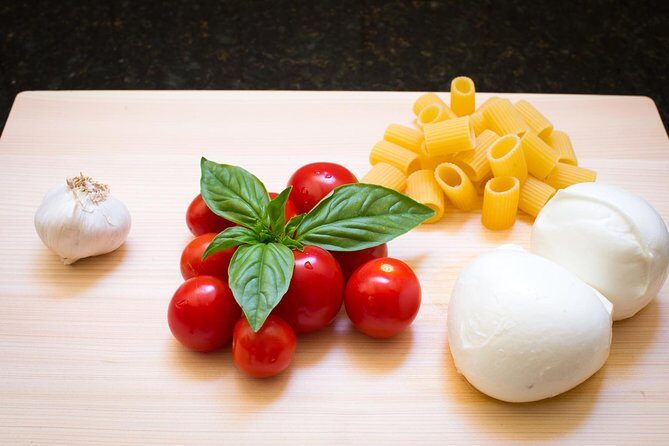
- Hands-on pasta making with options like Tordelli Lucchese, tortellati, or matuffi.
- Three courses from scratch, from starter to dessert, not a token taste.
- Local wine with your meal, plus plenty of time to eat what you made.
- Dessert choices can vary; if zabione is offered, it’s worth a pick.
Lucca Market Tour Meets a Home Kitchen
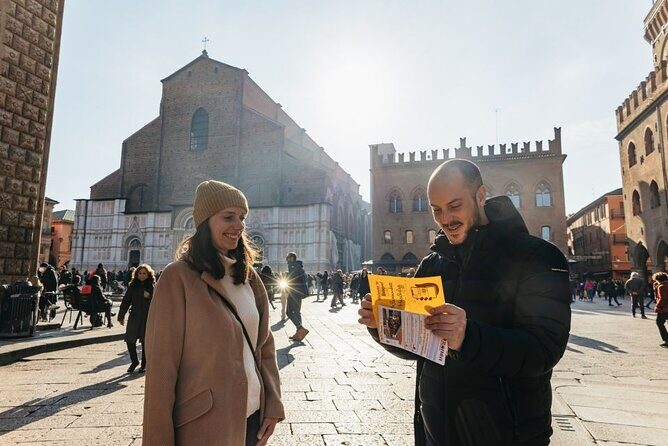
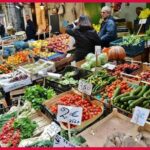
Lucca food has a way of feeling personal. This experience is built to show you why. You start by walking local food shops and the market, where you learn which ingredients matter, what to look for, and how those choices shape the final dish.
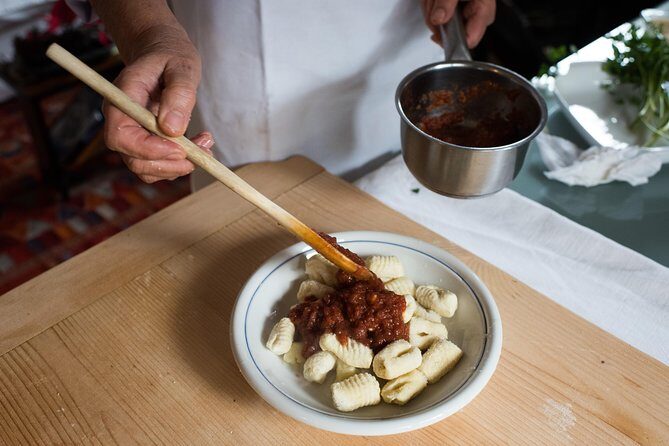
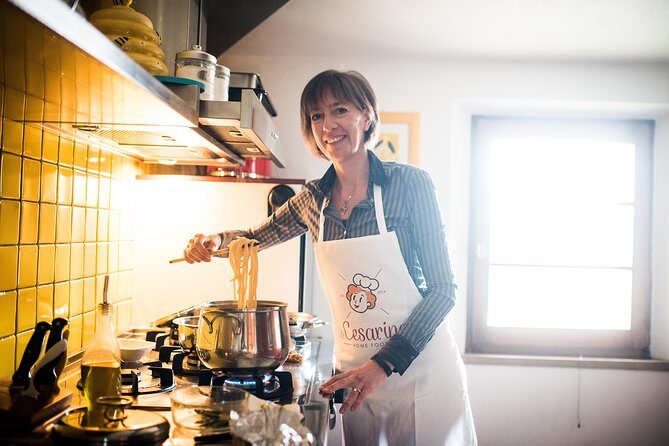
Then you move to the Cesarina’s home, where the cooking part becomes practical. The goal isn’t just learning recipes—it’s understanding the small decisions that make Italian cooking work: how to treat herbs, what “fresh” really means for pasta, and how to balance flavor before it hits the plate.
I like this format because it cuts through the usual tour pattern. You’re not just collecting photos. You’re collecting technique. And you’re leaving with food you can reproduce, not just memories.
You can also read our reviews of more shopping tours in Lucca

Choosing a Morning or Afternoon Class That Fits Your Day
This experience comes in two formats: a morning (lunch) or an afternoon (dinner) tour. The morning start time is listed as 10:00 am, so you can plan the rest of Lucca around it.
A morning class is great when you want the day to stay flexible afterward. You’ll finish in time to stroll, see sights, and still have energy for a long meal. An afternoon dinner option works if you’d rather end your day with something grounded and local, rather than chasing reservations.
Because the tour is about 4 hours 30 minutes, think of it as a centerpiece activity, not an add-on. If you’re squeezing it between a packed schedule of churches and walls, you might feel rushed at the end when the meal is supposed to be the reward.
The Cesarina Home Chef Experience: Small Group, Big Attention
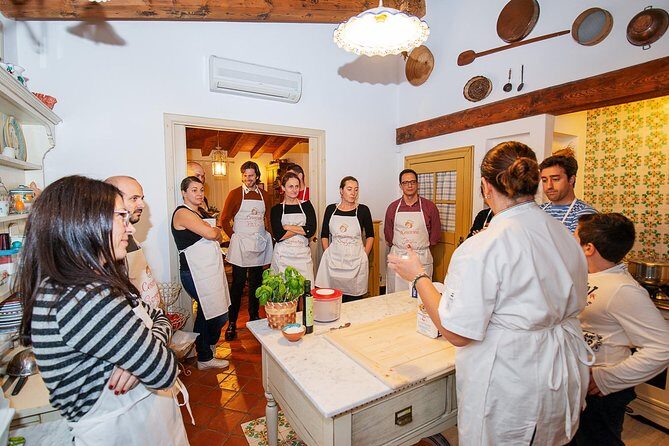
A Cesarina is essentially a local home cook who teaches from her kitchen—so you’re not in a commercial cooking school. The vibe tends to be friendly and personal. One class I read about had Assunta as the host, and her daughter Letizia handled English smoothly with a sense of humor. Another review praised Silvia’s teaching style and the way she adjusted the menu based on season and tastes. Carla was also mentioned as patient and great at explaining.
That matters for you because pasta and sauces aren’t “one-size-fits-all.” When a teacher can answer questions and adjust on the spot, you spend less time stuck and more time making something good.
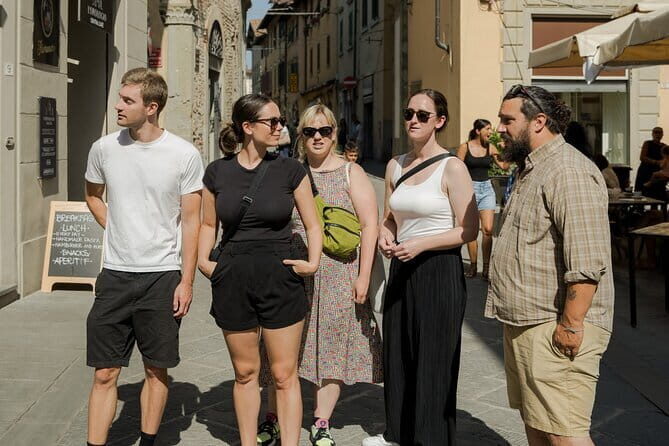
Group size is capped at 10 travelers, which helps. In a class this small, you’re more likely to get real guidance rather than a rushed explanation. You’ll also have more room to ask practical questions—especially if you’re curious about herbs, timing, or substitutions you could make later at home.
Market Stops: How Herbs and Ingredients Change Everything
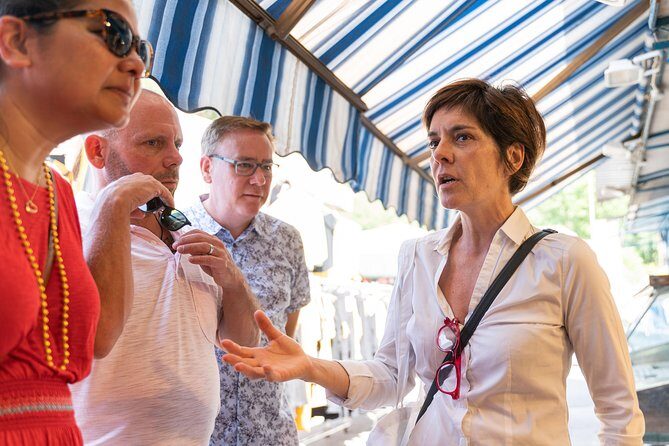
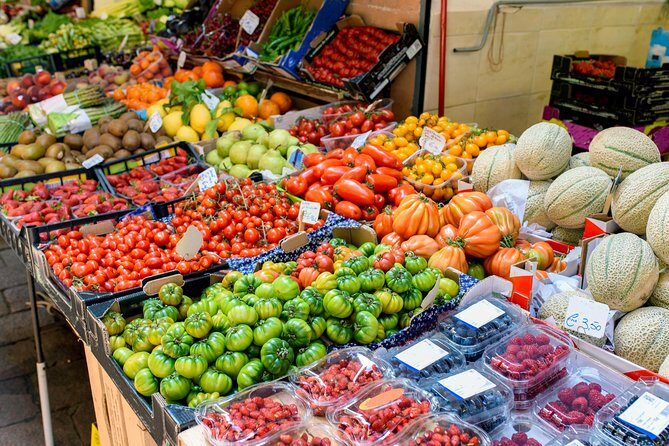
The market portion isn’t just shopping for show. The point is learning which ingredients are typical for the Lucca area and how they’re used.
As you browse the market and traditional food shops, you focus on everyday items that make a dish taste right: herbs, staples for sauces, and the kind of ingredients that are easy to get wrong once you’re back home. The value here is subtle. You’re learning how locals think about flavor, not just what goes into a recipe.
A practical tip: go in ready to ask questions. In the reviews, people specifically encouraged asking because conversation came with useful food info. If your palate has preferences—say you love herb-forward flavors or you prefer milder sauces—tell your host early. At least one class was adjusted to reflect seasonal foods and the group’s tastes.
Cooking the Classics: Fresh Pasta and Lucca Shapes
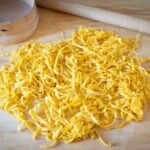
The main part of the class is making fresh pasta and building a course around it. The menu can include different traditional pasta options such as Tordelli Lucchese, Maccheroni tortellati, or matuffi. Even when the exact shape varies, the core skill is the same: handling dough, understanding texture, and working with the sauce style that fits the pasta.
You’ll also learn how these dishes come together from scratch, including techniques for preparing components before they hit the pan. One review mentioned making a ragu and homemade pasta, while another described a class that went beyond the simplest plan and included extra savory items like crostini and chicken liver pâté before finishing with tiramisu.
That variety is useful for you. It signals that the class can respond to what’s seasonal and what the host expects you’ll enjoy cooking. So if you’re worried the lesson will be rigid and generic, this experience is likely more flexible than that.
And since it’s hands-on, you’ll pick up practical timing instincts. You learn when something needs a bit more care, and you get a feel for what “done” looks like—information you can’t get from watching one cooking video.


Starter and Dessert: Three Courses That Actually Add Up
The class is structured around a full meal. You start with a seasonal starter, then move into the pasta course, and end with a Tuscan-style dessert.
For dessert, the options can include Castagnaccio, Necci pancakes, Buccellato cake, Tiramisu, or similar typical desserts. That’s a strong list because these are not all the same. They cover different textures—chewy, custardy, cake-like—so you’re learning more than one “sweet style.”
One review offered a specific tip: if zabione is available as a dessert option, choose it. That’s not guaranteed from the standard menu list, but it’s good advice in the moment if your host offers it.
On the starter side, the “seasonal starter” label is intentionally broad, which means the exact dish can reflect what’s good right now. For you, that’s a plus. It keeps the meal from feeling like a canned demonstration.
The Meal and Wine: Eating Like You Cooked It
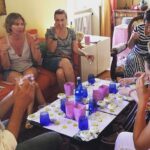
The tasting part isn’t a quick bite at the counter. You sit down to eat what you made, and the experience includes a selection of local wine.
That matters because wine pairing is part of how Italians think about a meal: it’s not just alcohol, it’s part of the pacing. The wine also helps you slow down and enjoy the results, instead of treating the cooking as the only event.
I also like that the class ends back at the meeting point. It removes stress. You don’t have to plan a complicated second leg afterward. You can walk out satisfied, then continue your Lucca day on your own terms.
Price and Value for a Lucca Cooking Class at a Home
At $239.38 per person, this isn’t a bargain. But it can still be good value when you compare what you’re actually getting.
You’re paying for:
- A small-group Cesarina-led class in a private home kitchen
- Market time to learn ingredients before cooking
- A full, hands-on lesson producing multiple courses
- Local wine with the meal
In other words, you’re not only paying for instruction. You’re paying for the full experience workflow: shopping, cooking, and eating in one package. And because group size is capped at 10, the teaching tends to feel personal rather than assembly-line.
Could it be pricey if you’re only looking for a light snack and a photo-friendly activity? Yes. This is a real work-and-eat setup. If you enjoy food projects—especially pasta—you’re more likely to feel the value quickly.
Practical Tips So You Get the Most From the Experience
Here’s how to make this go smoothly:
- Wear comfortable shoes. Even if the market walk is short, you’ll be on your feet.
- Come with curiosity. Ask about herbs and ingredients you recognize from local cuisine.
- Tell your host your preferences. One class was adjusted for seasonal foods and what the group liked.
- Plan the rest of your day around food. You’re leaving with a meal in your system and a cooking vibe in your head.
If you’re traveling with kids, this type of class can work well because it’s active and hands-on. One review specifically said a 10-year-old loved the whole sequence—from market stops to pasta making to eating.
Should You Book This Cesarine Cooking Class in Lucca?
Book it if you want an authentic Lucca experience that goes beyond sightseeing. This is for you if you like food you can learn, cook, and repeat at home—and if you enjoy the idea of market shopping as part of the lesson.
Skip it if your idea of a great trip is mostly wandering with no schedule. It’s a timed, structured class, and it’s meant to take over part of your day.
If you’re deciding between “watching” and “doing,” choose doing. With a small group cap of 10 and a Cesarina host at the center, the odds are good that you’ll leave with real skills, not just nice stories.
FAQ
What time does the morning tour start, and how long is it?
The morning option starts at 10:00 am and runs about 4 hours 30 minutes (approx.).
Is there a choice between lunch and dinner?
Yes. You can choose a morning (lunch) tour or an afternoon (dinner) tour.
What dishes will I cook during the class?
The typical menu includes a seasonal starter, fresh pasta, and a Tuscan dessert. Pasta options mentioned include Tordelli Lucchese, Maccheroni tortellati, or Matuffi. Dessert examples include Castagnaccio, Necci pancakes, Buccellato cake, Tiramisu, or similar typical desserts.
Is the cooking class offered in English?
Yes, the experience is offered in English.
How many people are in the group?
The class has a maximum of 10 travelers.
Does the experience include wine and dessert?
Yes. Your meal includes a selection of local wine, and dessert is part of the class menu.
Is there free cancellation?
Yes. You can cancel for a full refund up to 24 hours in advance of the experience start time.