REVIEW · LUCCA
Dining Experience at a local’s Home in Pistoia with Show Cooking
Book on Viator →Operated by Cesarine: Cooking Class · Bookable on Viator
Homemade Tuscan food in a real home. This private show-cooking dinner in Pistoia lets you learn and taste family recipes, not a staged restaurant performance. I love the chance to get hands-on with fresh pasta, and I love how the whole meal stays Tuscan from first plate to dessert. The only possible drawback: you’re in a real home, so the pace is slower and more kitchen-driven than a timed restaurant meal.
If you want a break from sightseeing, this is a great way to slow down for about 2 hours 30 minutes. You’ll choose lunch or dinner, eat a four-course menu, and keep the whole experience to your own group, in English.
In This Review
- Key highlights at a home kitchen table
- A private home experience in Pistoia, not a scripted show
- The four-course menu: why it’s a better learning tool than a restaurant meal
- Pasta making in an Italian home: the hands-on part that sticks with you
- From bruschetta to pork: building a Tuscan meal step by step
- Dessert and wine: the cozy finish that makes it feel like family time
- What “private show cooking” really means for your comfort
- Timing, logistics, and what to plan for during your 2h 30m
- Price and value: what you’re really paying for at $102.25
- Who should book this Tuscan home-cooking dinner
- Should you book it? My decision guide
- FAQ
- Where does this experience start and end?
- How long is the show cooking and meal?
- What menu is served during the dinner?
- Is the experience offered in English?
- Is this a private group experience?
- Is it near public transportation?
- Is there free cancellation?
Key highlights at a home kitchen table
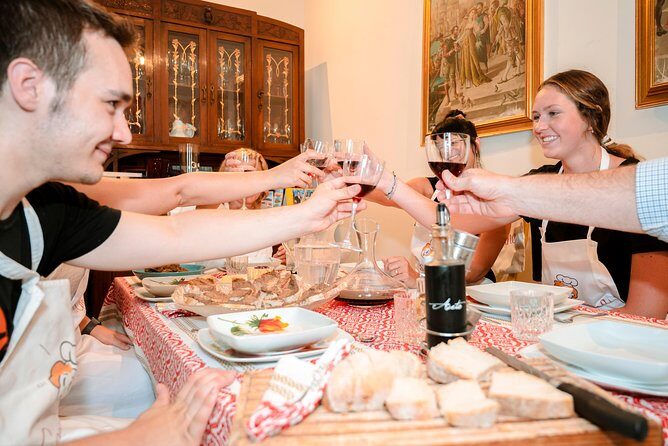
- Hands-on fresh pasta making, with a true Italian cooking rhythm
- Four-course Tuscan menu: seasonal starter, fresh pasta, a second course with side, and typical dessert
- Family recipe energy from the kind of cookbooks and techniques that get passed down
- A real-host experience: you may be welcomed by hosts such as Luisa or Sonia, depending on the date
- Food that can be garden-fresh, depending on what’s growing and in season
A private home experience in Pistoia, not a scripted show
Pistoia isn’t the first name that pops into most itinerary lists, and that’s exactly why a home dinner here feels special. You’re not just eating Tuscan food. You’re watching how it comes together in a real kitchen and then sharing the table like part of the household for a short stretch of time.
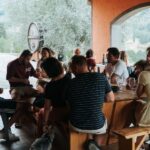
This is a private experience, meaning only your group participates. That matters more than it sounds. In a small group, you can actually ask questions while the host cooks, and you’re more likely to get practical explanations (why one ingredient goes in now, what to watch for in the pasta, how to build flavor without rushing).
You also get a choice between lunch or dinner, so you can match it to your day. If you’re doing museums and churches in the morning, lunch can feel like an easy reset. If your day is more walking-heavy, dinner becomes a cozy landing before you go back to your lodging.
You can also read our reviews of more cooking classes in Lucca

The four-course menu: why it’s a better learning tool than a restaurant meal
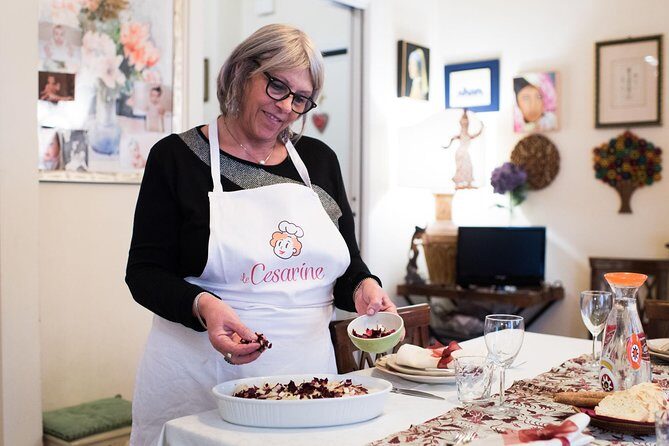
What makes this format work is that the menu isn’t random. It’s built like a mini lesson in how Tuscan meals flow.
Here’s what you can expect:
- Starter: seasonal starter
- Main: fresh pasta
- Second course: another main with a side dish
- Dessert: typical dessert
The value is in the structure. In a restaurant, you might eat each dish and move on. In this kind of home show-cooking, you tend to understand the dish as a process: prep, technique, timing, and plating. Even if you only remember one or two tips, it’s still a useful takeaway you can use at home.
One extra detail that shows up in these dinners: homemade bread is part of the table, and local Tuscan wines are often included with the meal. When food comes out of the oven and lands on a shared table, the whole experience feels less like a “meal” and more like an evening ritual.
Pasta making in an Italian home: the hands-on part that sticks with you
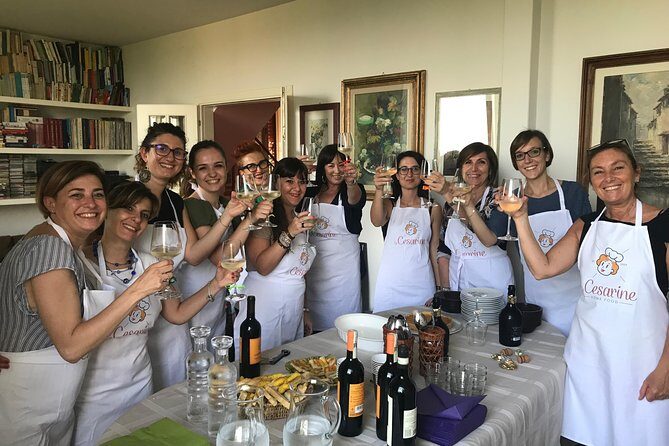
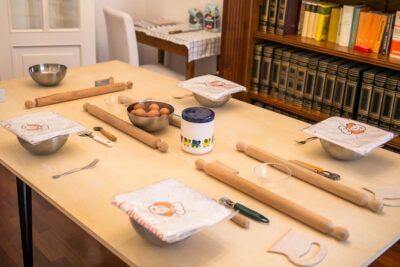
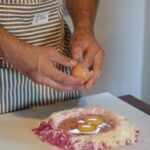
The fresh pasta course is the centerpiece for a reason. Pasta teaches you a lot fast. Dough feel, thickness, resting time, and cooking timing all matter, and the host’s explanation helps you connect the dots.
In past dinners, hosts have walked people through making egg pasta and then brought everyone in to help. That’s one of the best parts of the experience: you’re not just watching. You’re doing the work with your hands, and that makes the technique memorable.
If you’re worried you’ll be “bad at cooking,” don’t. The goal isn’t to produce a flawless pasta sheet in your first try. The real value is learning how Italian cooks think:
- how they judge dough by feel, not by guesswork
- how they keep the process moving without turning it into a lecture
- how they adjust for the kitchen reality, like timing and workload
You’ll also eat the pasta you help create. That’s a big psychological difference. When you taste something you shaped, you pay attention. You notice salt levels, texture, and how the sauce clings. And because the dinner doesn’t end at the first course, that pasta becomes the anchor for the rest of the menu.
From bruschetta to pork: building a Tuscan meal step by step
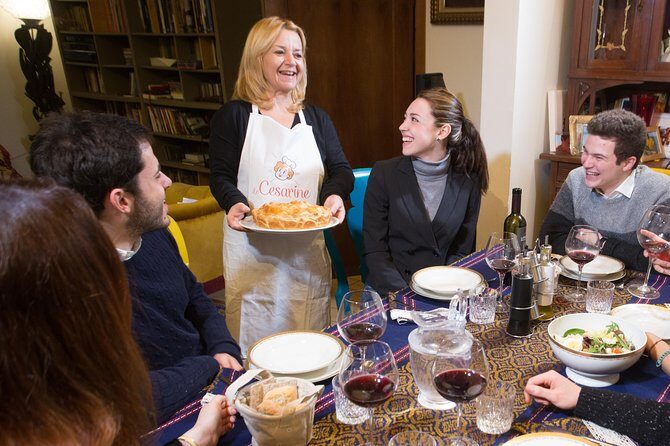
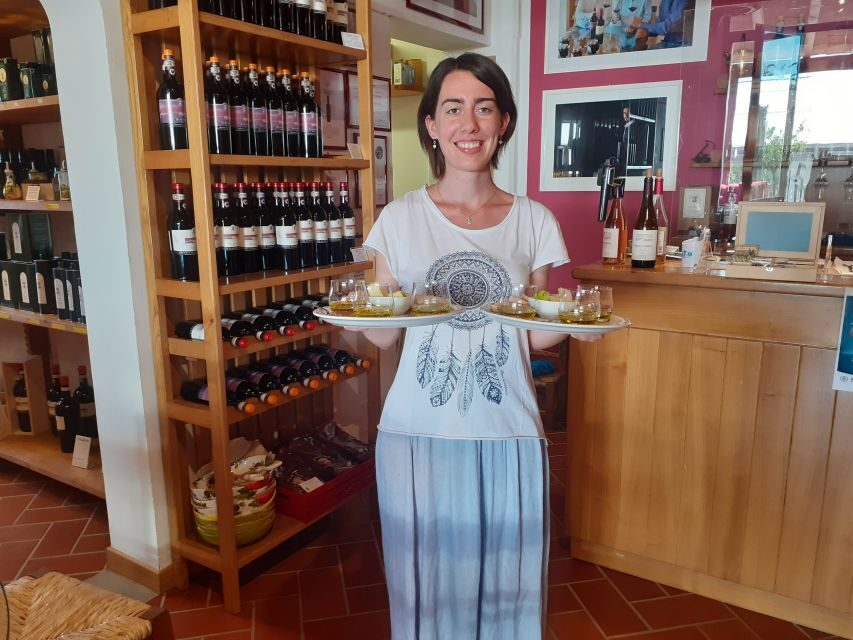
After the pasta, the meal typically expands into classic Tuscan flavors. In examples from recent dinners, the host has shown bruschetta with tomato and garlic, with oil and basil. That kind of starter is simple on paper, but it teaches you an Italian truth: good tomatoes and good olive oil aren’t optional.
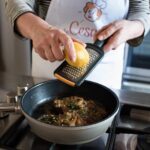
Then the second course usually brings something hearty and comforting. One memorable combination from a past dinner included pork cooked with milk and sage, plus gratinated cherry tomatoes. Even if your exact second course varies within the same menu idea, the pattern is consistent:
- a main that feels rich and savory
- a side dish that balances the richness
- sauces and herbs that feel homey, not fancy
The practical benefit for you is understanding how Tuscan cooking often avoids heavy complexity. It leans on technique and ingredient quality. When you watch the host prepare these dishes, you start to see what makes them taste right: layering flavor, seasoning at the right point, and not overworking ingredients.
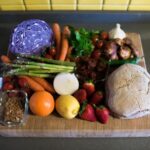
Also, if you like eating seasonally, you’ll likely appreciate how fresh the meal feels. One host has pointed out that much of the food came from her garden, which is a reminder that Italian cooking at home often tracks the seasons more closely than restaurants can.
Dessert and wine: the cozy finish that makes it feel like family time
Dessert here isn’t an afterthought. It’s part of the full four-course flow, and it helps seal the whole evening.
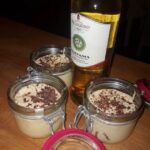
The dessert is a typical dessert, and a creme caramel has appeared as a classic example in past dinners. That’s a dessert that fits the tone of the meal: familiar, not overly sweet, and made to share.
With dessert, the conversation usually gets more relaxed. If you’re curious about Pistoia, this is often the best time to ask. Hosts tend to share stories about local food culture and how cooking traditions shape everyday life.
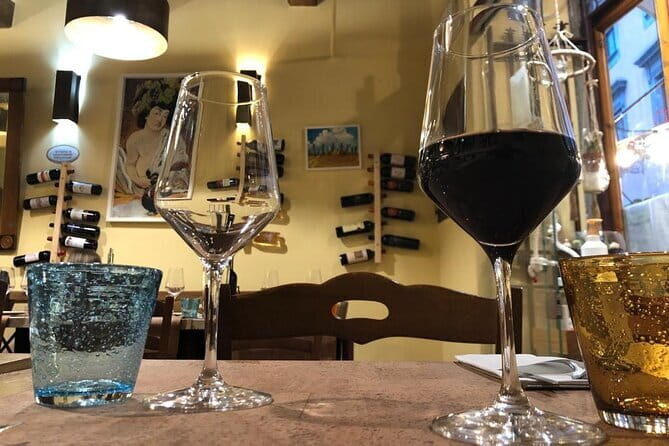
If wine is included in your sitting (it often is), you’ll get a chance to taste a local Tuscan red and white alongside the courses. Drinking with food in a home setting changes how you experience it. You’re not doing quick sips between bites. You’re pairing in real time, with the menu in front of you.
You can also read our reviews of more tours and experiences in Lucca
What “private show cooking” really means for your comfort
This is not a crowded group tour where you listen from the edge of the room. The experience is designed around your group being together with the host.
That means:
- you get a little more patience and flexibility while cooking happens
- you can ask questions in context instead of waiting for a set speech
- you’re more likely to get personalized explanation of small details
And because this happens in a private home, the atmosphere tends to feel warm and human. People who want “authentic” should pay attention to what authenticity actually looks like: shared food, relaxed talk, and practical guidance that fits a working kitchen.
You’ll also want to remember one simple thing: the schedule follows home cooking timing. That’s not a problem, it’s just how it works. You’re there for the experience, not a timed checklist.
Timing, logistics, and what to plan for during your 2h 30m
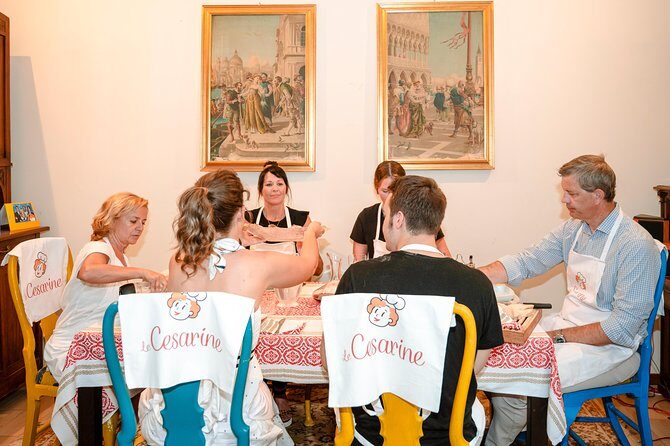
Plan for about 2 hours 30 minutes for the full experience. That includes the show-cooking, the meal itself, and time to sit together and talk.
The start point is in 51100 Pistoia, and it ends back at the meeting point. It’s also described as being near public transportation, which helps if you’re mixing this with other things in town.
As for dress, keep it simple. You’re in a home. You don’t need formal wear, but it does help to wear something comfortable for sitting and moving around while food is prepared.
If you’re choosing this as a lunch option, expect it to function like a mid-day reset. If it’s dinner, treat it like the highlight meal that gives your day a satisfying ending.
Price and value: what you’re really paying for at $102.25
At $102.25 per person, this isn’t the cheapest thing you can add to a trip. But it’s also not priced like a restaurant meal only.
You’re paying for:
- the private setting (your group only)
- the hands-on cooking element (not just a tasting)
- a four-course meal with typical Tuscan dishes
- the host’s time and guidance in their own home
- the cultural exchange that happens while you eat and ask questions
Here’s the honest way to judge value: if you’ve been doing long days of walking and eating quick meals, this is a “spend once, enjoy longer” experience. It replaces two or three regular meals with one event that feels personal and educational.
Also, the price makes more sense when wine and homemade bread are part of your sitting. You’re getting a full table setup, not a small sampler.
If you’re traveling with a small group of food lovers (or you just want one special meal that isn’t touristy), this price can feel very reasonable for what you receive.
Who should book this Tuscan home-cooking dinner
This experience is a good match if:
- you want to eat Tuscan food in a home setting, not in a standard tourist format
- you enjoy learning by doing, especially with pasta
- you’re looking for a break from museums and monuments
- you like conversation and want a host who can explain food and local culture
It’s also a solid choice for couples and small friend groups because private table time is the point. If you prefer big group energy with lots of activity, you might find this slower and more intimate than you want.
Most people can participate, and the experience is offered in English, which helps if you don’t speak Italian.
Should you book it? My decision guide
I’d book this if you want one memorable meal that feels grounded in real home cooking. The hands-on pasta part, the four-course structure, and the warm host interaction are the big reasons. You’re not just “consuming food,” you’re learning how it’s made and why it tastes the way it does.
I’d think twice if you dislike the idea of eating in someone’s home environment or if you need strict, clockwork scheduling. Home kitchens run on kitchen flow, and that’s part of the charm.
If you’re planning around a lunch or dinner window and you want a true Tuscan table moment in Pistoia, this is an easy yes.
FAQ
Where does this experience start and end?
It starts at 51100 Pistoia, Province of Pistoia, Italy, and ends back at the meeting point.
How long is the show cooking and meal?
The duration is about 2 hours 30 minutes.
What menu is served during the dinner?
You can expect a seasonal starter, fresh pasta, a second course with a side dish, and a typical dessert.
Is the experience offered in English?
Yes, it’s offered in English.
Is this a private group experience?
Yes. Only your group will participate.
Is it near public transportation?
Yes, the meeting area is near public transportation.
Is there free cancellation?
Yes. Free cancellation is available up to 24 hours in advance for a full refund.