REVIEW · CORTONA
Cortona: Guided Walking Tour
Book on GetYourGuide →Operated by Florence Tours by Made of Tuscany · Bookable on GetYourGuide
Cortona is small, but it packs a punch. This guided walk is a practical way to see the town’s medieval center and Etruscan bones without wandering in circles. I especially love how the tour connects landmarks like the Palace of the Captain of the People to everyday Cortona life, and I love the way you get perspective from the Girifalco area. One possible drawback: it is a walking tour with comfort shoes needed, and a few stops happen quickly.
You’ll move through a chain of public squares, cathedrals, and fortification remnants that help you understand how this place evolved. The guide also offers smart, on-the-ground advice for meals and Cortona specialties, which is more useful than just hearing dates.
If you’re expecting a long, museum-heavy outing, this isn’t that. It’s a focused 2-hour walk, and the Etruscan Academy museum visit is only possible if you ask your guide, since the entrance isn’t included.
In This Review
- Key things I’d zero in on
- Cortona’s Etruscan roots, up close
- Piazza Garibaldi: your easy starting point
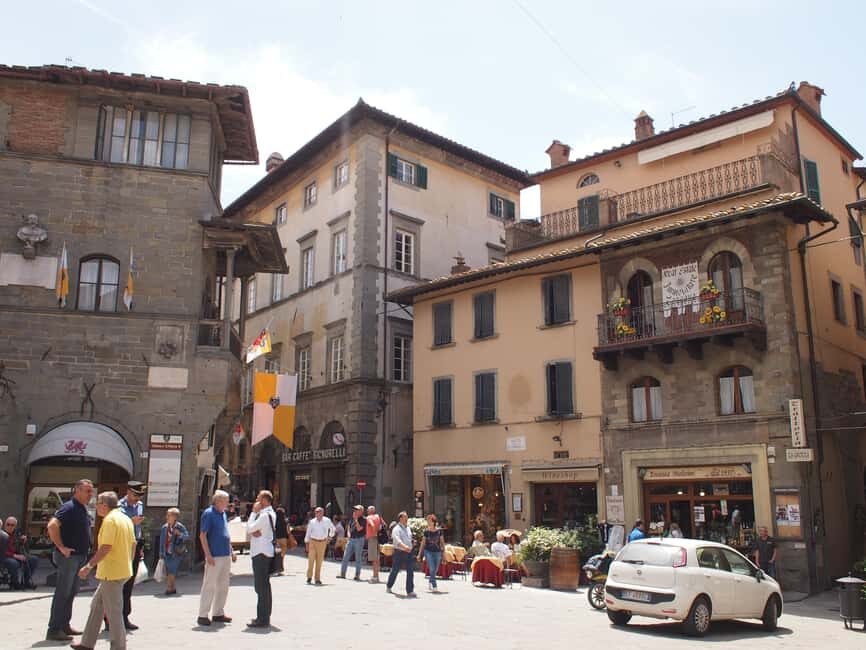
- Piazza della Repubblica: the square that sets the rhythm
- Piazza Luca Signorelli: art name, town identity
- Piazza del Duomo: gothic lines in a compact core
- Town Hall and the Captain of the People: power in plain sight
- Girifalco Fortress and the ancient walls: views with meaning
- Porta Bifora: the old gate with Etruscan roots
- The Etruscan Academy museum: rare finds if you ask
- How long is the walk, and what’s the rhythm?
- Practical tips for enjoying Cortona more
- Price and value: is $222 for 2 hours fair?
- Who this tour fits best
- Should you book this Cortona guided walking tour?
- FAQ
- FAQ
- What is the meeting point for the guided walking tour?
- How long is the Cortona guided walking tour?
- How much does the tour cost?
- Is the Etruscan Academy museum entrance included?
- What stops are included in the tour?
- Are there any sights that are part of the experience but not included as an entry ticket?
- What languages is the live guide available in?
- Is the tour wheelchair accessible?
- Is this tour a group tour or a private group?
- What should I wear for this walking tour?
Key things I’d zero in on
- Etruscan origins made visible through old walls and the Porta Bifora gate
- Piazza Signorelli and the town’s link to Renaissance art through Luca Signorelli
- Piazza del Duomo with a 14th-century gothic cathedral setting the tone for the center
- Girifalco Fortress area plus ancient walls for big views and better context
- Optional Etruscan Academy time, including rare finds like an Etruscan chandelier
- A guide who adapts, including family-friendly engagement when applicable
Cortona’s Etruscan roots, up close
Cortona is one of those towns where you feel history in the stones under your feet. You start seeing how the place grew from an Etruscan origin into a medieval town, and then into a living Italian community today.
That’s the real value here: you’re not just ticking off sights. Your guide ties the big story to specific stops, so the town hall, the gothic church, and the fortification remnants don’t feel random.
I also like that the tour keeps you moving. In two hours, you get a strong sense of where things are and why they matter.
You can also read our reviews of more walking tours in Cortona
Piazza Garibaldi: your easy starting point
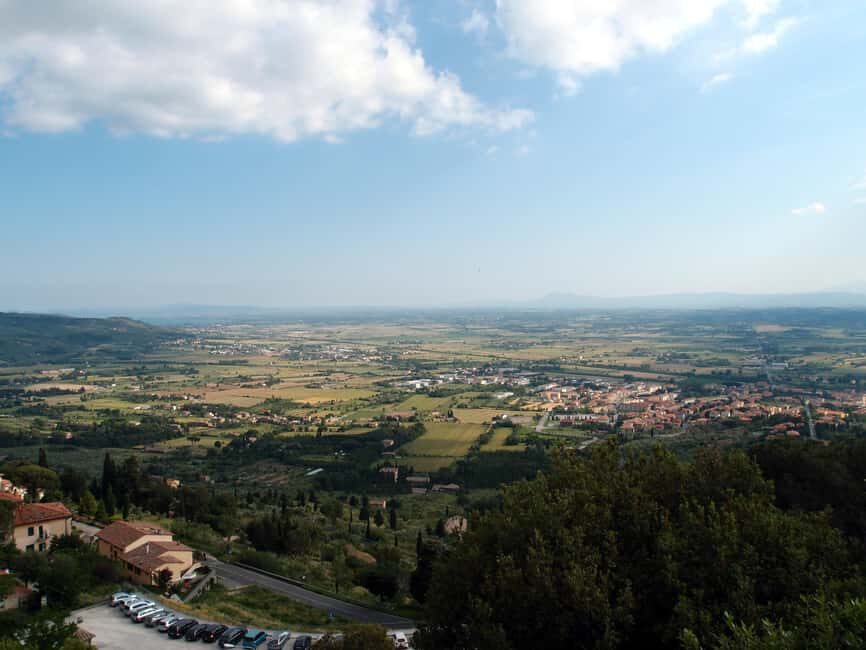
You meet at Piazza Garibaldi, at the entrance of the escalators. That helps because Cortona can feel like a maze at first, and a clear starting landmark saves time and stress.
From there, you begin with a “get your bearings” approach. Expect a short walk phase right away as you head toward the town’s main public spaces.
It’s a good tempo-setter. You’re not immediately rushed into the biggest sight; you’re oriented first, then you start collecting details.
Piazza della Repubblica: the square that sets the rhythm
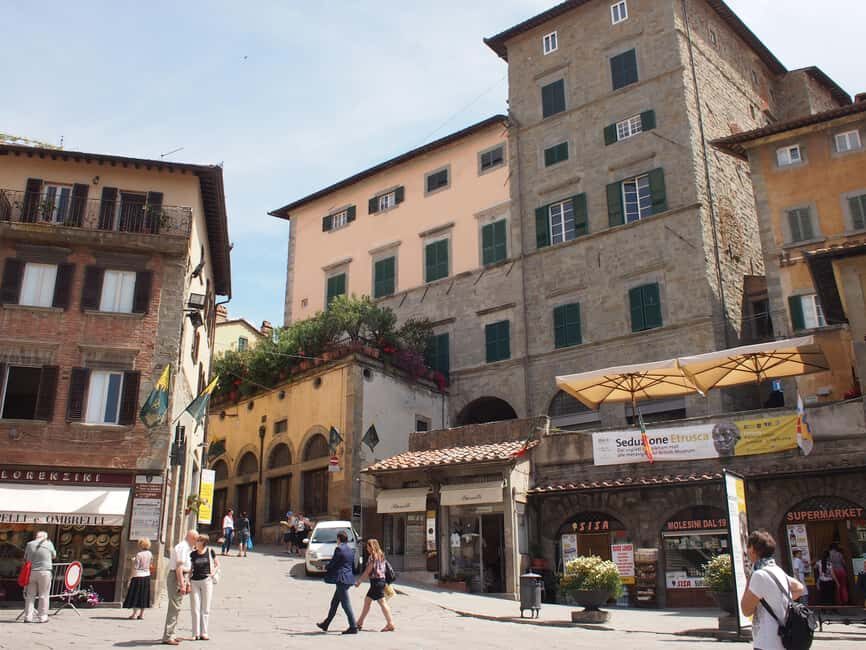
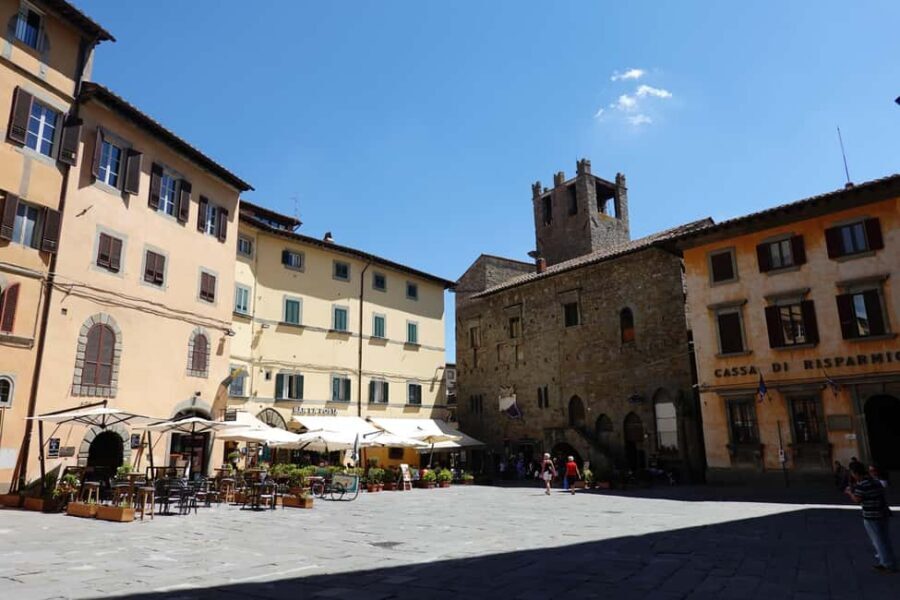
One of the first stops is Piazza della Repubblica, where the walking tour gives you a quick guided look around the area. This is one of those town-center moments where you can watch daily life happen at human scale.
This stop matters because it trains your eye. After a few minutes here, the rest of Cortona’s squares feel more connected instead of separate.
You’ll likely cover this area in about half an hour, with enough time to listen and enough walking to keep the tour from feeling static.
Piazza Luca Signorelli: art name, town identity
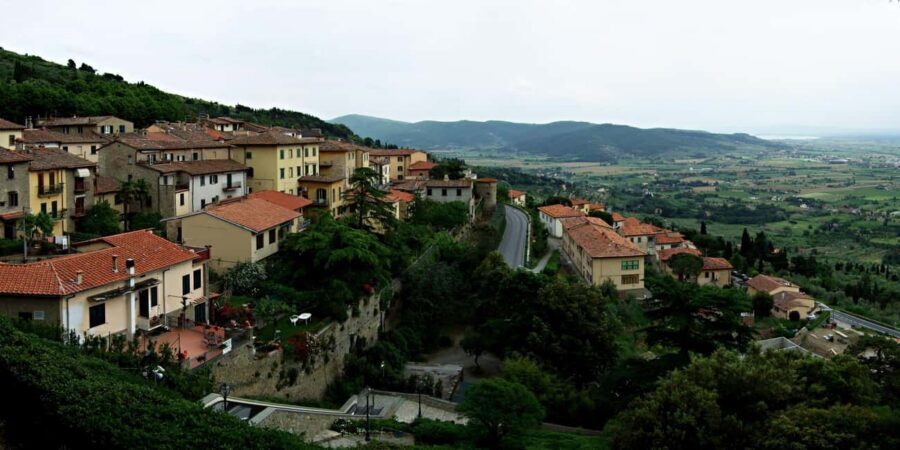
Next is Piazza Luca Signorelli. This isn’t just a name on a sign. You’ll connect the square to the famous Renaissance painter Luca Signorelli and his presence in Cortona’s story.
It’s a smart stop for two reasons. First, it helps you understand why local places carry names that outsiders might not recognize. Second, it sets you up to appreciate the broader Renaissance connections you’ll hear during the walk.
The pacing is steady here—about another half hour—so you get time for explanation without losing your place in the flow.
Piazza del Duomo: gothic lines in a compact core
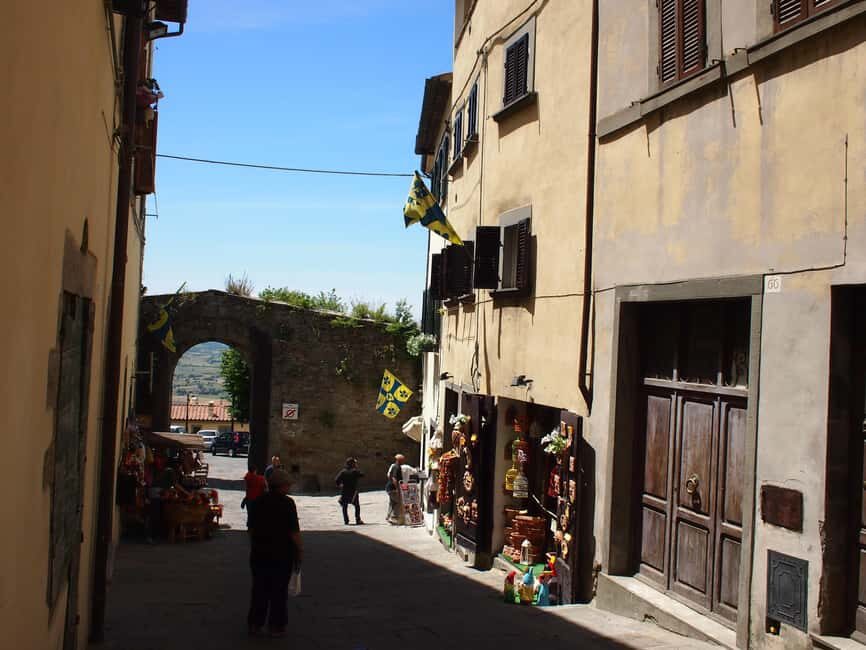
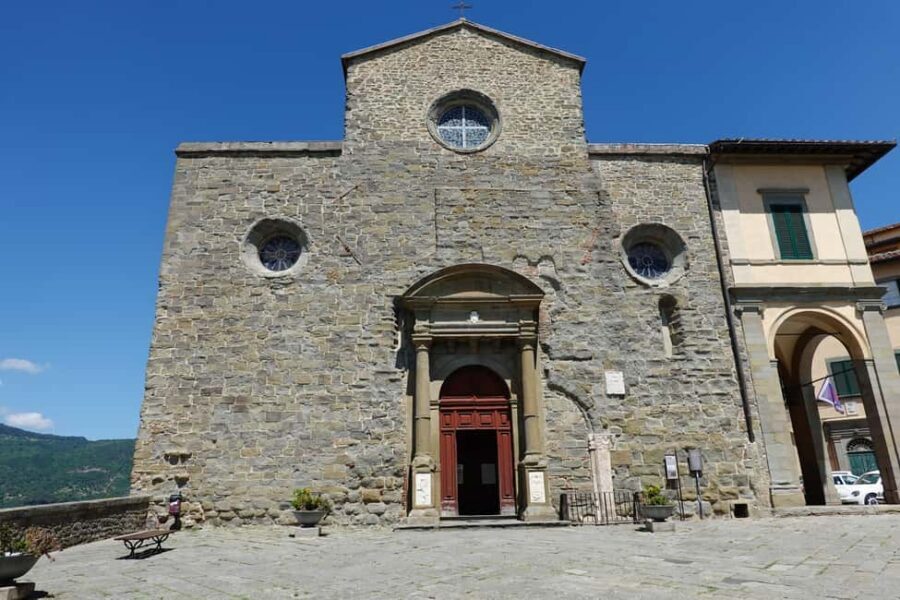
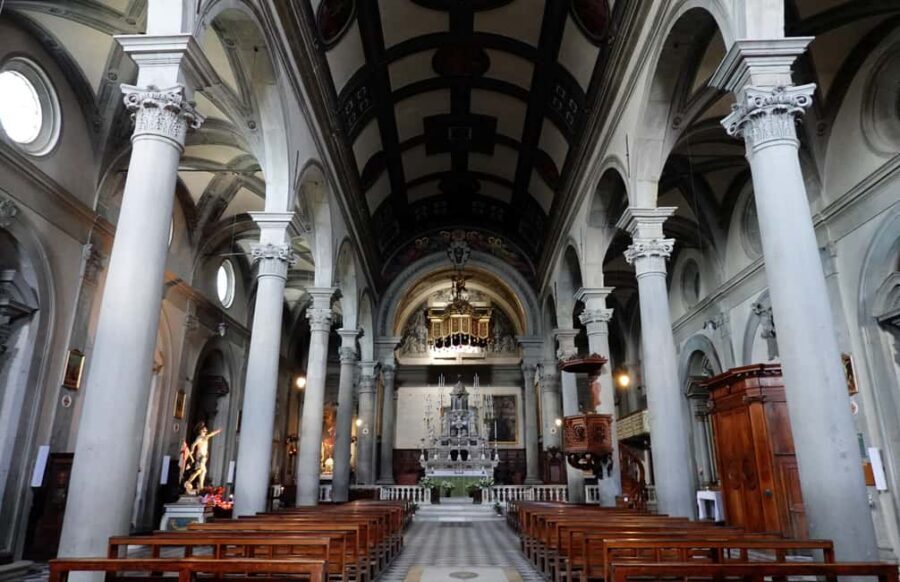
Then you reach Piazza del Duomo, which is where Cortona’s center really tightens. Here you’ll see the 14th-century gothic cathedral setting, and it becomes an anchor for everything around it.
I like gothic architecture in any town, but in Cortona it works differently. Because the surrounding spaces are so close, the cathedral feels like part of the daily stage, not a distant monument.
This is also a great time to slow slightly and look up. The guide’s commentary gives you permission to treat this as more than a postcard stop.
You can also read our reviews of more guided tours in Cortona

Town Hall and the Captain of the People: power in plain sight
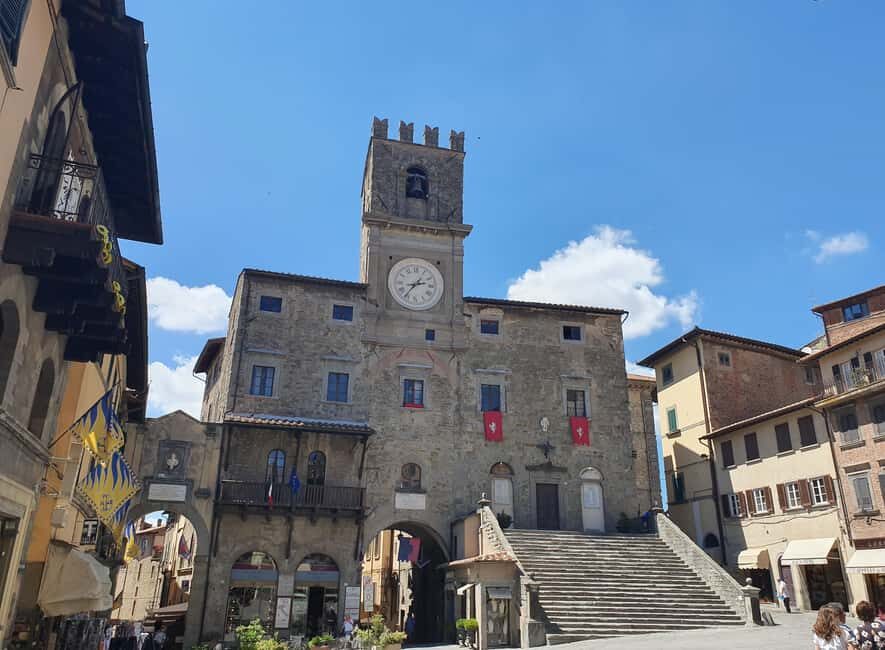
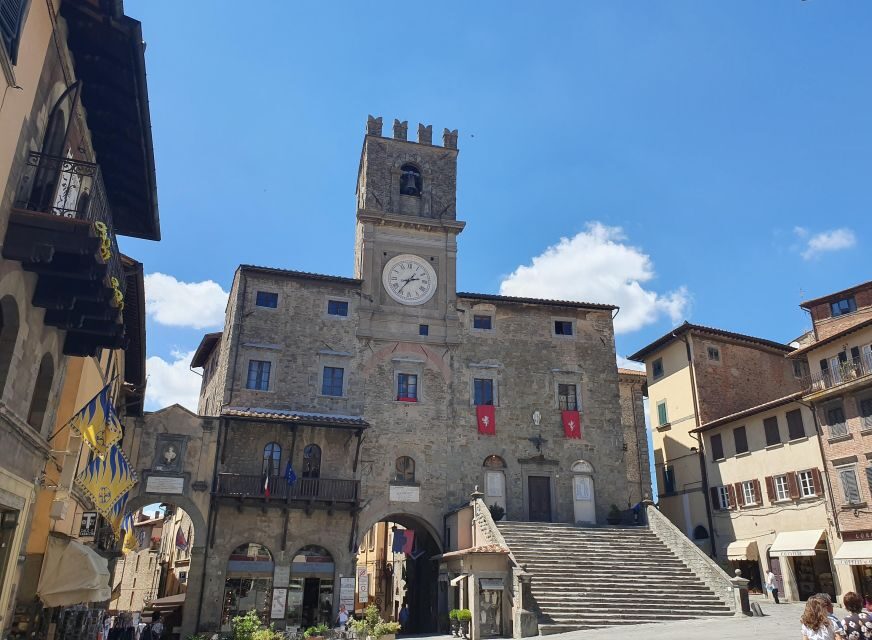
Along your route, the tour includes the Town Hall and the Palace of the Captain of the People. These stops are about governance and local authority—how decisions got made in earlier centuries.
What makes these buildings worth your time is that they explain a pattern. Cortona’s civic life wasn’t tucked away; it sat in the same public spaces where people gathered, argued, celebrated, and traded.
If you like understanding how a place worked, these are key. If you just want pretty facades, you still get something useful: a sense of what buildings like these were for.
Girifalco Fortress and the ancient walls: views with meaning
After the main square area, the walk shifts toward the Girifalco Fortress. This is one of those stops where the “why” matters as much as the “what.”
The fortress area connects directly to the defensive side of Cortona. You’ll also walk along ancient walls, and you’ll hear history framed in a way that makes the town’s positioning feel obvious.
You get a shorter walking block here—about 15 minutes—but it’s a powerful one. Expect big-picture storytelling, plus time to look out and understand why walls were built where they were.
Porta Bifora: the old gate with Etruscan roots
Your final major historical-moment stop is Porta Bifora, the old gate. The tour highlights that it’s among the oldest pieces connected to Etruscan origin, which is a big deal when you’re tracing how layers of time stack in one place.
A gate like this is more than an entry point. It’s a literal reminder that the town once had boundaries that people had to pass through.
This stop is also about walking style. It’s short—again about 15 minutes—so you’ll want to pay attention fast: look, listen, and ask the guide to point out what you’re actually seeing.
The Etruscan Academy museum: rare finds if you ask
The tour includes a visit to the Etruscan Academy museum as a special add-on, but with an important catch: entrance isn’t included. The guide can still walk you through and explain significant finds if you ask.
From the tour details, you’re likely to hear about very rare finds, including an Etruscan chandelier. That kind of specific example is exactly why this optional time can be worth your attention. It moves the story beyond “there were Etruscans” into “here’s one of the kinds of objects they left behind.”
If you’re the kind of person who likes museums, it’s a good moment to decide in real time. If you’d rather keep the walk moving and focus only on outdoor landmarks, you can politely skip the museum add-on.
How long is the walk, and what’s the rhythm?
This experience is built for a 2-hour timeframe, with multiple stops but short “listen-and-look” segments. That matters because it keeps you from feeling trapped in a long tour where your energy fades.
You’ll be walking at a comfortable pace and still getting solid explanations at each sight. The route also uses a private-group format, so you’re not stuck with a giant crowd slowing down the flow.
Comfortable shoes are strongly suggested. Even with good footwear, you’ll feel that you’re walking through a historic town center, where surfaces can be uneven.
Practical tips for enjoying Cortona more
One of the best parts of this tour is that the guide doesn’t stop at buildings. You’ll get advice on what to eat and where to taste Cortona specialties.
That’s not a random add-on. It’s how you turn a “sightseeing day” into a real day in town. After you see the Duomo area and the fortress walls, you’ll have a clearer sense of where to head next for dinner or a snack.
Also, bring your ID (a passport or ID card is fine, and a copy is accepted). It’s a tiny thing, but it helps avoid last-minute friction.
Price and value: is $222 for 2 hours fair?
At $222 per person for a 2-hour guided walking tour, this sits in the mid-to-higher range for Tuscany. The question isn’t just whether it’s expensive; it’s what you get for your time.
Here’s the value logic as I see it:
- You’re covering multiple high-signal stops in one route: the civic buildings, the main squares, the gothic Duomo setting, and the Girifalco walls area.
- The guide adds interpretation, not just directions—especially the way Etruscan origin connects to Porta Bifora and the ancient wall segments.
- You get an optional museum pathway with guidance (even though museum entrance isn’t included), and that can add depth quickly if you’re interested.
If you’re traveling with kids or you appreciate a guide who can tailor the conversation, the private-group format can be a real advantage. If you’re the type who enjoys wandering with no structure at all, you might feel the cost more sharply.
Who this tour fits best
This guided walk is a strong match if you:
- Want a clear orientation to Cortona’s center fast
- Like history that connects monuments to how a town functioned
- Prefer a guided route over building one yourself on foot
- Would benefit from local recommendations for what to eat and where
It’s also good if you want a manageable day plan. Two hours is long enough to feel like you learned something and short enough to leave the rest of your day open.
If you hate walking, or if your plan is strictly museum-focused, you might decide on a different kind of tour.
Should you book this Cortona guided walking tour?
I’d book it if your priority is to understand Cortona quickly and accurately, using a route that links civic buildings, major squares, and Etruscan-origin defenses in one clean arc. The big win is the interpretation—especially how the guide turns walls and gates into a story you can actually picture.
I’d pause before booking if you’re already comfortable navigating Cortona independently and you only care about one or two landmarks. In that case, you might not use all the stops as effectively.
One more thing: if your guide is Laura, you’re likely to get a lively mix of local insight and kid-friendly engagement, plus practical pointers to local merchants and shops. Even without that specific match, the tour is built around the same core idea: you’ll walk away with Cortona’s layout and its layers of time making sense.
FAQ
FAQ
What is the meeting point for the guided walking tour?
You meet at Piazza Garibaldi, at the entrance of the escalators.
How long is the Cortona guided walking tour?
The tour lasts 2 hours.
How much does the tour cost?
The price is $222 per person.
Is the Etruscan Academy museum entrance included?
No. Entrance to the Etruscan Academy museum is not included, but if you ask your guide, they will be happy to walk through the museum with you and explain significant finds.
What stops are included in the tour?
The tour includes the Town Hall, Piazza Signorelli, Piazza del Duomo and its gothic cathedral setting, the Girifalco Fortress, and a walk along the ancient walls with Porta Bifora.
Are there any sights that are part of the experience but not included as an entry ticket?
Yes. The Etruscan Academy museum experience can happen, but the museum entrance itself is not included.
What languages is the live guide available in?
The tour offers live guides in English, German, French, Italian, and Spanish.
Is the tour wheelchair accessible?
Yes, the tour is wheelchair accessible.
Is this tour a group tour or a private group?
It’s a private group.
What should I wear for this walking tour?
Wear comfortable shoes.