REVIEW · CORTONA
Castiglion Fiorentino: Tour, Tasting & Charcuterie Board
Book on GetYourGuide →Operated by Buccelletti Casali & Cantina · Bookable on GetYourGuide
Small wineries beat big ones in Tuscany.
This one mixes old-school estate sights (including a family chapel dating to 1625) with a practical wine-and-food tasting. I like that it is run by Buccelletti Casali & Cantina as a women-led family operation, with limited-production wines and a real focus on how the land shapes the glass.
I also love the tasting format: 3 wines of your choice paired with salumi, cheeses, homemade focaccia, and their extra virgin olive oil. One thing to consider is timing: at 1.5 hours, it is not a long, slow lunch stop, though a tour-tasting-lunch add-on may be possible if you reserve it in advance.
In This Review
- Key things to know before you go
- Castiglion Fiorentino winery vibes: why Buccelletti feels personal
- Where the experience fits in your day (and how to plan around the 1.5 hours)
- Touring the property: chapel, vineyards, cellar, and a historic olive mill
- The family chapel dating back to 1625
- Vineyards and the working landscape
- Cellar and the historic olive mill
- The porch tasting: 3 wines you choose, plus salumi, cheese, focaccia, and olive oil
- Choose 3 wines, then taste with a plan
- The charcuterie board you actually want to eat
- Extra virgin olive oil as part of the tasting
- A welcoming touch (sparkling, in some visits)
- Garden time and outdoor games: how to slow down after the pours
- Price and value: what $59 is buying you in Tuscany terms
- Who this Tuscany wine and charcuterie experience suits best
- Quick booking checks to avoid surprises
- Should you book this tour?
- FAQ
- FAQ
- How long is the Castiglion Fiorentino tour, tasting & charcuterie board?
- What is the price per person?
- What does the private tour include?
- How many wines do you taste?
- What food is included in the tasting?
- Where do you meet for the tour?
- What days is the tasting room open?
- What languages are offered for the guided tour?
- Is the experience wheelchair accessible?
- Are there any add-ons available?
Key things to know before you go
- Women-led, family-run winery with limited wines made for quality over mass production
- Chapel from 1625 plus cellar, vineyards, and a historic olive mill on the same visit
- 3 wines picked by you paired with salumi, cheeses, focaccia, and extra virgin olive oil
- Tasting notes you can use later, plus downtime in the garden after the tasting
- Outdoor games like bocce ball while you relax with Tuscan wine
- English/Italian guide and wheelchair accessibility make it easier to plan
Castiglion Fiorentino winery vibes: why Buccelletti feels personal
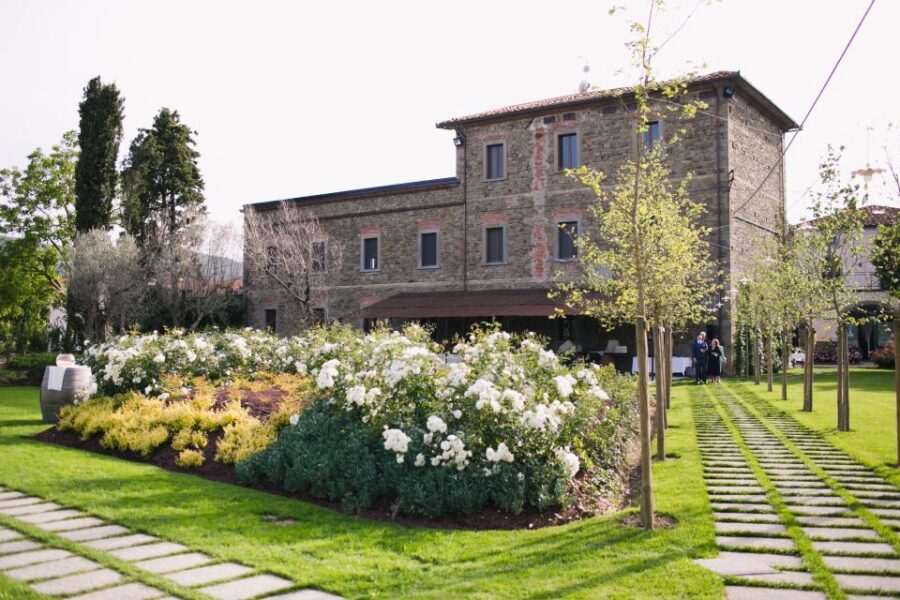
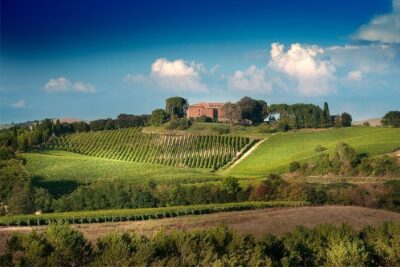
If your Tuscany plan is mostly about big-name tours, switch gears here. Buccelletti Casali & Cantina is a boutique, family-run winery in the valley of Chio, surrounded by rolling hills. The setting alone helps you slow down. But the real difference is how the experience is built: it is not only wine talk, it is also estate life and food pairing that actually matches what you are seeing.
One detail I appreciate is the estate’s long timeline. The family has been making wines since 1625, and the property includes a family chapel from that same era. That connection matters because it turns the tour from a checklist into a story you can physically walk through.
And yes, the winery is directed by women only. In practice, that shows up as a confident, hands-on approach. In multiple stops like this, you can feel when the guide knows their subject and also wants you to understand it. That kind of attention is exactly what you want when you are trying to taste Tuscany, not just collect stamps.
You can also read our reviews of more food & drink experiences in Cortona
Where the experience fits in your day (and how to plan around the 1.5 hours)
This is a 1.5-hour experience with a simple rhythm: a short guided estate tour, then a longer tasting session. It is long enough to feel like you did something meaningful, but short enough that you can still keep a full itinerary around it (especially if you are basing yourself in Castiglion Fiorentino or nearby towns).
The tasting room is open Monday through Saturday, while Sunday the winery is closed. In summer hours, it runs 10:00am to 7:00pm. So if you are traveling in late spring or summer, aim for an earlier slot if you want lighter crowds and easier timing with lunch plans.
Also note the format is private, which matters for pacing. You will be able to ask questions and adjust the flow without feeling rushed. And if your schedule has you thinking, I want wine and food, but I do not want a half-day commitment, this matches that goal well.
Wear comfortable shoes. The visit includes touring the property. Even if it stays mostly easy-walking, you will feel better if your feet are ready for cobblestone or uneven ground.
Touring the property: chapel, vineyards, cellar, and a historic olive mill
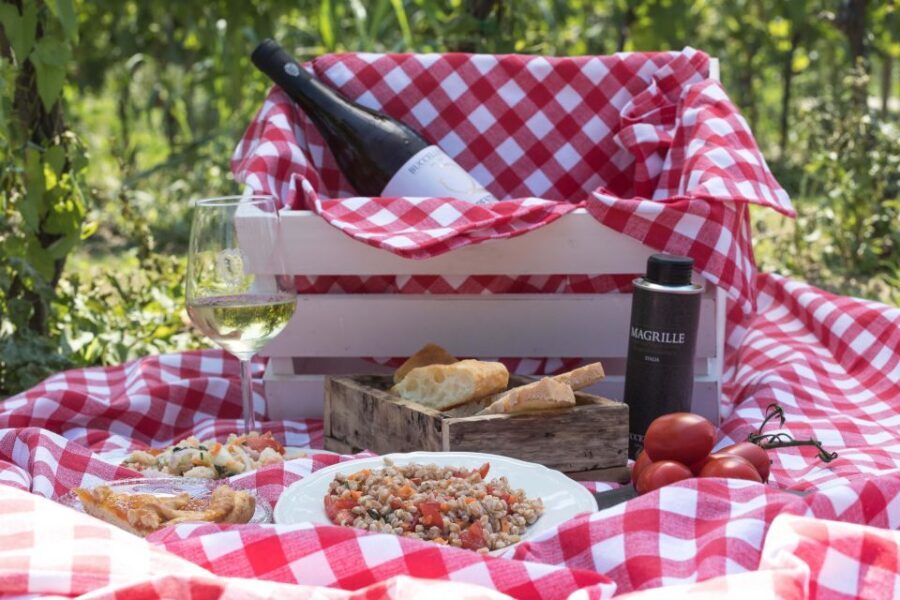
The visit starts with a guided tour of the property (about 20 minutes). The goal is not to rush you through everything—it is to orient you to what the estate does and where the food and wine ties in.
The family chapel dating back to 1625
Seeing the family chapel is the emotional anchor of the tour. Even if you are not a church-history person, it gives you perspective on how long this land has been part of one family’s life. It is one of those moments where the walls and setting do the explaining, which is rare on modern winery tours.
Vineyards and the working landscape
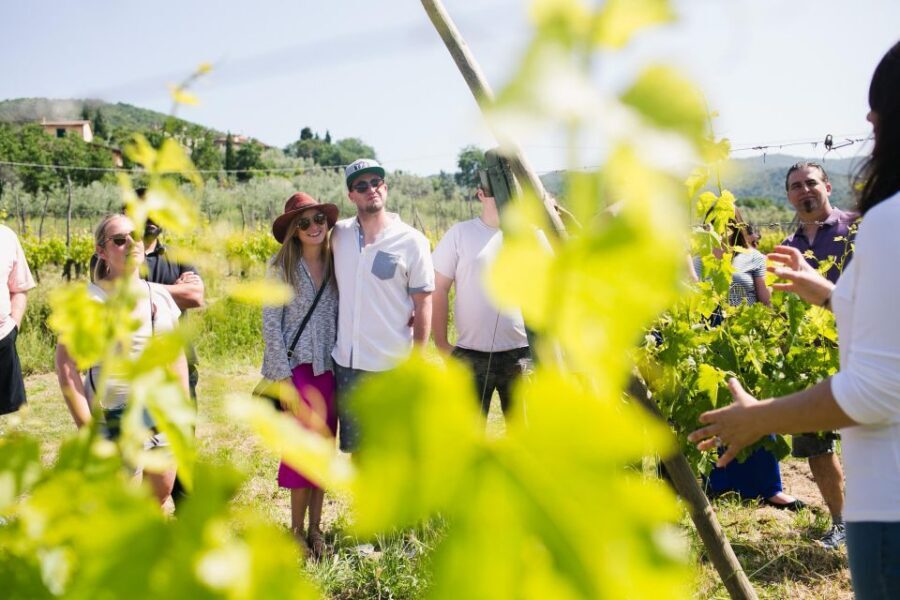
Next comes the vineyards and the broader estate context. The point is simple: you taste the wine later, so you want to know what you are tasting in plain terms—what is grown here and how the estate approach shapes the bottles.
A helpful touch: guides here tend to connect the grapes being grown with the way the wine tastes. That makes your tasting more than flavor-only. You stop asking, what is this? and start asking, why is it like this?


Cellar and the historic olive mill
The cellar and the historic olive mill are where the olive oil story becomes real. In Tuscany, it is easy to treat olive oil like a side dish. Here, it is part of the main event. You learn how deeply the estate has roots not just in wine, but also in olive oil production.
That matters because the tasting pairing later uses the olive oil as more than a drizzle. You actually taste it and get notes—so the mill tour stops being a background fact and becomes preparation for what you will experience.
The porch tasting: 3 wines you choose, plus salumi, cheese, focaccia, and olive oil
After the property tour, you shift to the tasting under the porch. This is the heart of the experience: a sit-down, food-forward tasting that lasts about an hour.
Choose 3 wines, then taste with a plan
You can pick 3 wines for your flight. That is a nice way to tailor your palate. If you prefer something crisp and bright over heavier styles, you can aim the lineup accordingly.
One practical thing I like: tasting notes are provided. That means you do not rely on memory. You get a reference you can use later—helpful if you want to keep track of what worked for you and what did not.
The charcuterie board you actually want to eat
The food pairing is built around local salumi and cheeses, plus homemade focaccia. This is not just a token bite. It supports the tasting so your palate stays fresh between pours.
If you are the type who wants wine plus real food rather than wine plus crumbs, you will feel at home here. The combo of salumi, cheese, and bread gives you texture contrast—salt, fat, and chew—so each wine has a chance to show its character.
Extra virgin olive oil as part of the tasting
This is a key Tuscany detail: you get extra virgin olive oil as part of what you taste. The idea is that oil belongs on the same table as the wine, because it is part of the estate’s identity.
If you want to go deeper, there is an add-on for an educational olive oil tasting (priced separately). Even without the add-on, the standard experience still gives you a structured olive oil moment—enough to notice quality and difference, especially if you usually buy oil by the bottle with no context.
A welcoming touch (sparkling, in some visits)
One review mentioned a sparkling welcome. That might not happen for every visit, but it fits the vibe here: warm hospitality, a calm pace, and a sense that the host is trying to make you comfortable before you taste.
Garden time and outdoor games: how to slow down after the pours
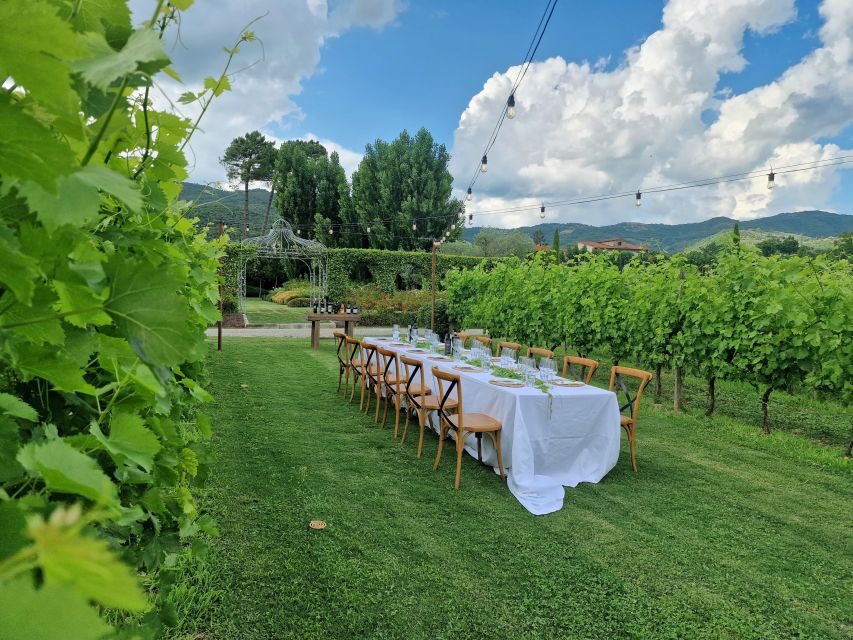
The tasting is not treated like a production line where you sprint out the door right after the last sip. Afterward, you can relax in the garden while you keep tasting at your leisure using the notes you were given.
You may also be able to play outdoor games like bocce ball. That turns the tasting from a timed event into a small social moment. If you are traveling with a partner, it is a simple way to keep the afternoon from feeling rigid.
For me, this part is underrated value. When a winery builds in downtime, it signals the estate wants you to enjoy Tuscany as a place, not just a stop.
Price and value: what $59 is buying you in Tuscany terms
At $59 per person (for a tour, tasting, and charcuterie board experience), you are paying for more than three sips of wine. You are paying for:
- A private estate tour that includes the 1625 chapel, vineyards, cellar, and historic olive mill
- A guided tasting session featuring 3 wines chosen by you
- A substantial food pairing: salumi, cheeses, and homemade focaccia
- Extra virgin olive oil as part of the tasting, with notes to reference later
The “limited production, not mass market” angle is also part of the value equation. You are not being pushed through a high-volume menu designed for everyone. Instead, the wines tend to reflect what the family is actually focused on. That can mean fewer bottles available for big-scale tours, but it also usually means the focus stays on craftsmanship.
If you are trying to do Tuscany on a budget, this is a good middle ground. It is priced like an experience, not like a full-day tour. And because it is only 1.5 hours, you are not paying for hours you might otherwise spend driving or waiting.
Who this Tuscany wine and charcuterie experience suits best
This tour fits best if you want:
- A private, women-led family winery feel rather than a bus-tour vibe
- A tasting that includes food pairing (salumi, cheese, focaccia) instead of just tasting glasses
- A short, efficient winery block you can slot into a day
- Wine and olive oil as part of the same cultural meal
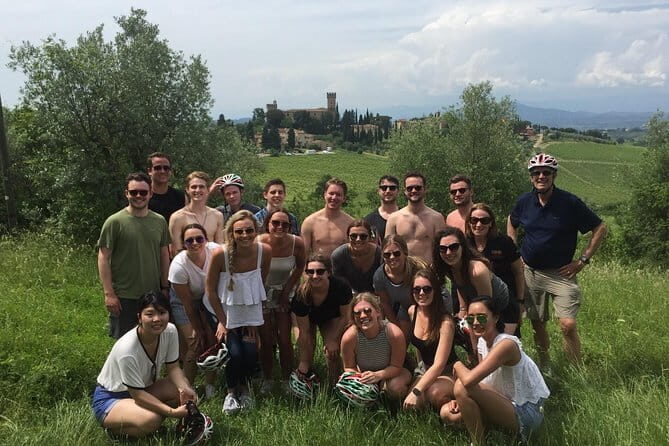
It is also a solid choice for small groups because the guide can focus on your questions. There’s even evidence of the experience working well for groups (like a group of 10), which suggests the host can adapt without turning it chaotic.
If you want a longer, multi-course lunch, you might feel the time limit. A tour-tasting-lunch option exists, but it needs advance reservation (and is priced separately). If a full meal is what you crave, plan for that add-on instead of expecting it inside the standard 1.5-hour flow.
Quick booking checks to avoid surprises
Before you lock in your day, double-check:
- You are choosing a day when the tasting room is open (Monday to Saturday)
- You want a short, focused experience rather than a long meal
- You are comfortable with a structured tasting format (3 wines plus pairing), with options for deeper olive oil education if desired
Also, the meeting point is Via Santa Cristina, 16, and there is a big parking square for your car. You should be able to recognize the place from the sign on-site.
Should you book this tour?
Yes, if you want an authentic Tuscany winery visit with a real food pairing and a property tour that actually sets up the tasting. The standout strengths here are the women-led, family-run feel, the 1625 chapel and historic olive mill as part of the same visit, and the fact that you taste 3 wines you choose with a proper charcuterie-style board.
Book it especially if your plan includes Castiglion Fiorentino and you want something memorable without eating up your whole day. If you want an extended lunch experience as the main goal, you may want to look at the lunch option instead of relying on the standard format.
Either way, this is the kind of Tuscany stop that makes wine feel like a place you can understand, not just a drink you sample.
FAQ
FAQ
How long is the Castiglion Fiorentino tour, tasting & charcuterie board?
The experience lasts about 1.5 hours.
What is the price per person?
The price is $59 per person.
What does the private tour include?
It includes a guided tour of the property, including the family chapel dating back to 1625, the vineyards, the cellar, and the historic olive mill.
How many wines do you taste?
You taste 3 wines, paired with the food on your board.
What food is included in the tasting?
You get a selection of local salumi and cheeses, along with homemade focaccia and extra virgin olive oil.
Where do you meet for the tour?
The meeting point is Via Santa Cristina, 16, and you can recognize the place from the name on the sign.
What days is the tasting room open?
The tasting room is open Monday through Saturday. On Sunday, the winery is closed.
What languages are offered for the guided tour?
The live guide offers English and Italian.
Is the experience wheelchair accessible?
Yes, it is wheelchair accessible.
Are there any add-ons available?
Yes. You can add an educational extra virgin olive oil tasting for €15 per person, and there are also options for a tour-tasting-lunch package (reserve 24 hours prior at €60 per person) and snacks or juice for kids (€5).