REVIEW · FLORENCE
Pitti Palace, Palatina Gallery and the Medici: Arts and Power in Florence.
Book on Viator →Operated by FlorencePass · Bookable on Viator
Medici Florence isn’t subtle. In this timed-entry visit to the Palatine Gallery inside Pitti Palace, you’ll see how art and authority mixed in one huge residence. I love the small-group format (max 14) because you can actually hear and ask questions, and I also like that the guide focuses your attention—less wandering, more “aha” moments with the paintings and their stories.
One thing to keep in mind: this tour centers on the Palatine Gallery. If you’re hoping for the Boboli Gardens, you may need to buy a separate garden add-on or ticket, and that can change the total cost.
In This Review
- Key Highlights to Look For
- Why Pitti Palace Feels Like Art With Political Power
- Timed Entry Plus a Max-14 Group: The Practical Advantage
- Piazza de’ Pitti First: Getting Your Bearings Fast
- Palazzo Pitti’s Scale: Why This “Big Palace” Matters
- The Palatine Gallery Walk: Rooms Shaped for Impact
- Raphael, Caravaggio, Rubens: How the Art Tells the Medici Story
- Windows Inside the Palace: Santo Spirito and Boboli Garden Views
- Small-Group Comfort: Earsets, Questions, and a Smoother Pace
- Price and Value: Is $82.27 Worth It?
- Who Should Book This Tour (and Who Might Skip It)
- Should You Book This FlorencePass Tour?
- FAQ
- How long is the Palatine Gallery and Medici tour?
- What’s the group size?
- What language is the tour offered in?
- Is timed entry included?
- What’s included in the price?
- Where do I meet the tour?
- Do I need to bring ID?
- Is the Boboli Gardens visit included?
- What’s the cancellation policy?
- What ages can participate?
Key Highlights to Look For
- Bypass-the-line timed entry into Pitti Palace to start on time
- Small group (max 14) with earsets when needed, so you don’t miss details
- Palatine Gallery layouts by look and feel, not strict chronological order
- Medici-to-masterpieces storytelling across artists like Raphael, Rubens, and Caravaggio
- Santo Spirito and Boboli Gardens views from inside the palace
- Guides with serious art credentials, including art restorers like Camilla and longtime pros like Cristiano
Why Pitti Palace Feels Like Art With Political Power
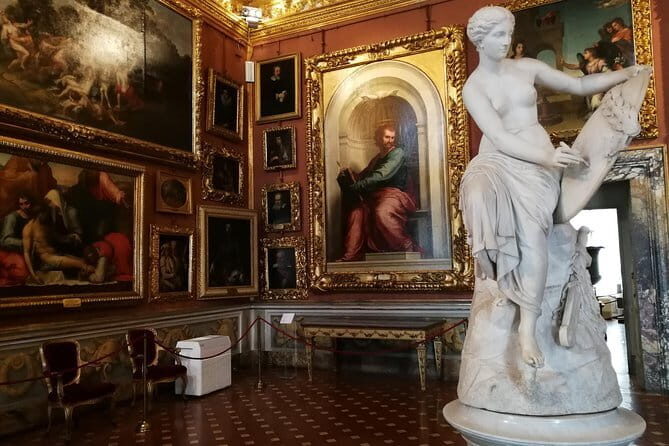
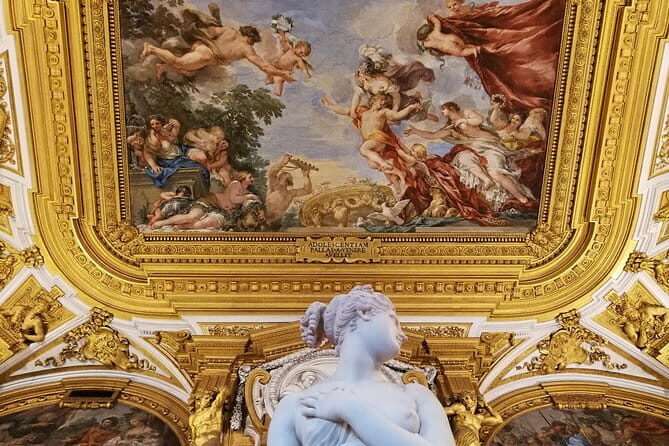
Pitti Palace can look grand-but-ordinary from the outside. Step inside, though, and it hits you: this was built for people who expected to be obeyed. The Palatine Gallery makes that point fast. Instead of treating paintings like a school textbook, the rooms frame art the way Medici taste framed their image—sumptuous, strategic, and meant to impress.
I like how the focus stays human. You’re not just looking at famous names; you’re watching how the Medici collected artworks to project wealth, legitimacy, and cultural dominance. The guide’s job is to translate that into plain language while you walk from room to room.
And yes, the art is a big deal: Raphael, Caravaggio, Rubens, Titian, and more show up in your path. What makes it feel different from a self-guided visit is that you’re learning what to look for as you go—composition choices, symbolism, and the drama behind the scenes.
You can also read our reviews of more museum experiences in Florence


Timed Entry Plus a Max-14 Group: The Practical Advantage
This tour is built for time and attention. You enter using a timed entry ticket, which helps you avoid the worst of the “stand in line” frustration. It’s also a small-group experience with a maximum of 14 participants, and if the group is larger, you’ll get earsets (when there are 4+ people) so you can hear the guide clearly.
Duration is around 2 hours, which is just long enough to feel satisfied without leaving you exhausted in the palace maze. The tour ends back near the meeting area after you finish in the gallery, so you can choose what to do next—either continue exploring the palace on your own or save energy for a nearby walk.
One more practical point: you’ll want your details ready. The palace requires matching names and IDs for entry, so bring a valid passport or ID card that matches the names you provided at booking.
Piazza de’ Pitti First: Getting Your Bearings Fast
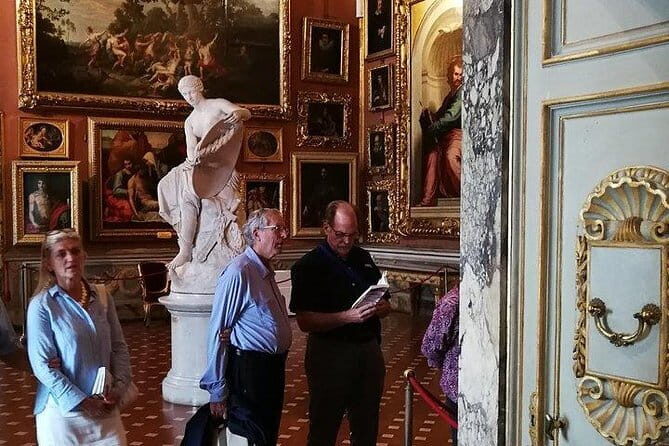
You start at Piazza de’ Pitti (Piazza de’ Pitti, 1). Before you go into the palace itself, your guide gives you a quick orientation to Florence and the Medici setting. It’s not a long speech. It’s more like a mental map: where you are, why this location mattered, and how the palace functioned as a statement.
This short start matters. Pitti is huge and busy, and it’s easy to feel small. A brief outside explanation helps you walk in with context, so the interior rooms don’t feel like random gallery stops.
Palazzo Pitti’s Scale: Why This “Big Palace” Matters
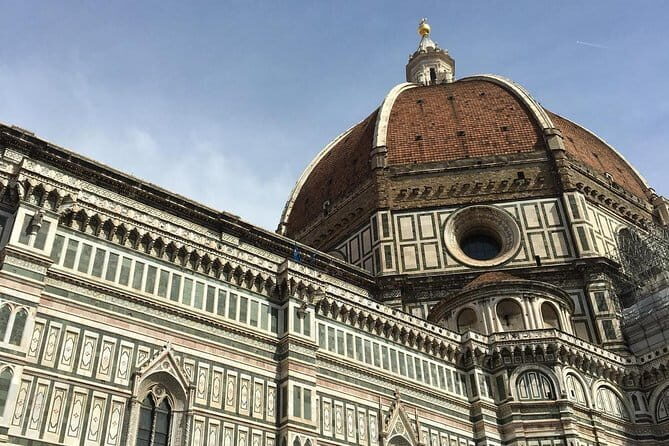
Once inside, you get a description of Palazzo Pitti and why it’s often described as one of Florence’s biggest palace projects. The guide connects the size to the message: Medici power wasn’t only political. It was architectural and visual too.
You’ll also hear the timeline of the building’s role. Pitti Palace becomes the Medici residence after they take over in the 16th century, and the story runs forward until their fall from power in the 18th century. That arc helps you understand why the palace feels theatrical—like it’s still showing you scenes from its own past.
Even if you’ve seen other Renaissance interiors, Palazzo Pitti has a different mood: heavy, grand, and intentionally impressive. The guide’s framing helps you notice details without getting lost.
The Palatine Gallery Walk: Rooms Shaped for Impact
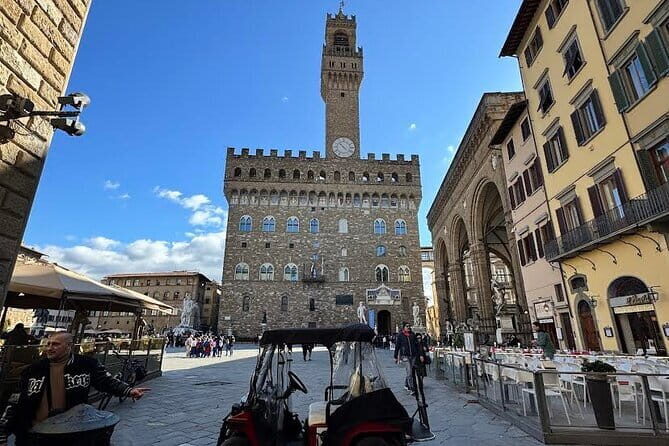
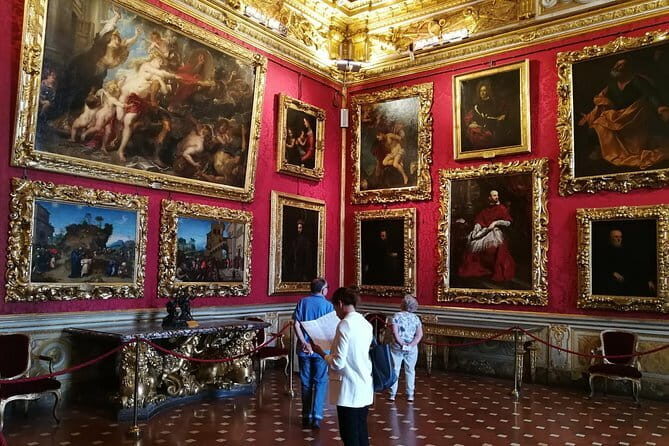
The main event is the Palatine Gallery, where you spend about 1.5 hours with a guide. This collection is arranged for aesthetic value, not strict chronology. That choice changes how you experience the paintings.
Instead of a timeline march, you get a more “designed” journey: rooms feel like stages. You might move from one kind of visual drama to another, and the guide helps you connect the dots. You’ll learn the Medici collecting logic, plus how the palace spaces supported the family’s role as Grand-dukes of Tuscany.
This is where the small-group size really pays off. You’re not just shuffling past frames. You’re stopping. You’re hearing why a particular painting was meaningful, how it fits the room, and what technique or storyline is worth your attention.
- Tuscany Day Trip from Florence: Siena, San Gimignano, Pisa and Lunch at a Winery
★ 5.0 · 21,634 reviews - The Best tour in Florence: Renaissance & Medici Tales – guided by a STORYTELLER
★ 5.0 · 12,316 reviews



Raphael, Caravaggio, Rubens: How the Art Tells the Medici Story
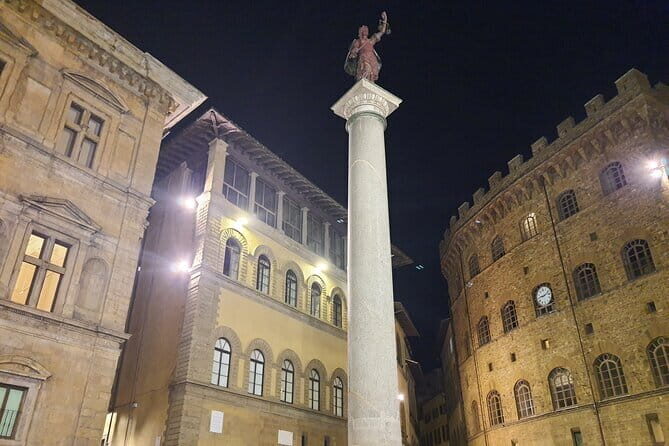
What I found most useful is that the guide ties the artwork directly to Medici ambition. You see famous artists—Raphael, Caravaggio, Titian, Pietro da Cortona, and Rubens—but you’re not treated like you should already know everything.
The guide typically covers:
- what the painting shows and why it looks the way it does
- how the Medici likely valued works like these
- what to notice in technique, composition, and narrative
- how the art functioned in a residence, not a modern museum setting
The best moments are when the guide slows your eyes down. For example, instead of “that’s a Raphael,” you learn what the scene is doing and why that matters. That’s the difference between seeing art and actually reading it.
There’s also strong credibility in the guide talent. In past tours, guides like Camilla (an art restoration artist) have shared technical insights, and Cristiano has been described as a professional with decades of experience. Another guide, Sarah, is noted for putting the palace story into clear, vivid context. You don’t have to get one of those exact guides to benefit, but it’s a good sign that the program is staffed with people who care about accuracy and detail.
Windows Inside the Palace: Santo Spirito and Boboli Garden Views

One of my favorite “not-just-paintings” perks is the view. From inside the palace, you get glimpses of Brunelleschi’s Santo Spirito Basilica and the Boboli Gardens. It’s a nice reminder that Pitti Palace sits in a living city, not a sealed-off museum box.
Just don’t confuse “seeing Boboli from a window” with “visiting Boboli.” This tour is focused on the palace interiors and the Palatine Gallery, so if gardens are your priority, you’ll likely want a separate plan.
Small-Group Comfort: Earsets, Questions, and a Smoother Pace

A max of 14 people changes the whole tone of a palace visit. You’re close enough to hear, but not packed in like a school group.
If you’re in a busier group, earsets help keep the guide audible. That means you can keep listening even when you’re moving between rooms. And because the group stays small, you can ask questions without feeling rushed.
I also like the “you’re guided to the right places” feel. Pitti has lots of paintings. Without help, it’s easy to get overwhelmed and stop noticing what you’re seeing. A guide helps you pick the best stops inside the gallery—and actually understand them.
Price and Value: Is $82.27 Worth It?
At $82.27 per person, this isn’t a bargain. But it’s not meant to be. The value comes from three things working together:
1) Timed entry that helps you avoid wasted time at the entrance
2) A licensed English-speaking guide who explains what matters (and doesn’t treat you like you’re there to “figure it out”)
3) Small-group comfort with earsets when needed
Also, your entry isn’t just a ticket. You’re paying for guided interpretation inside a dense museum environment. If you’d otherwise spend your time inside guessing what to focus on, this format is usually the better use of your Florence hours.
That said, your personal value depends on your goal. If you’re mainly chasing “quick highlights,” you might feel the price more. If you want the Medici story connected to specific masterpieces, the cost feels more justified because the guide gives you a framework.
Who Should Book This Tour (and Who Might Skip It)
This tour fits best if you:
- love Renaissance art and want stories tied to specific paintings
- prefer small groups and clear audio
- want the Medici angle without reading walls of text
- have limited time in Florence and want a focused interior experience
It may be less ideal if you:
- only want the biggest outdoor garden experience (because this one focuses on the gallery)
- strongly prefer a room-by-room freeform stroll with no structured stops
- expect the tour to include the Boboli Gardens as part of the main ticket
A useful mental check: think of this as an art-and-power primer inside Medici rooms. If that’s your vibe, you’ll get your money’s worth.
Should You Book This FlorencePass Tour?
If you’re doing just one Medici-art-focused experience in Florence, I think this is a smart pick. The timed entry and small-group setup solve two common problems in big palaces: lines and overload. And the guide approach—connecting artists and techniques to Medici ambition—turns a crowded building into a story you can follow.
I’d book it if you like your Florence art explained in plain language, with attention to what you’re actually looking at. I’d hesitate only if your top priority is gardens, because the Boboli experience isn’t the centerpiece here.
Bottom line: if you want to walk into Pitti Palace and come out understanding what the Medici were doing with art, this tour is built for that.
FAQ
How long is the Palatine Gallery and Medici tour?
It runs for about 2 hours total, including around 1.5 hours exploring the Palatine Gallery.
What’s the group size?
The group is kept small, with a maximum of 14 participants.
What language is the tour offered in?
It’s offered in English.
Is timed entry included?
Yes. You receive a timed entry ticket for Pitti Palace and the Palatine Gallery.
What’s included in the price?
The price includes an experienced licensed English-speaking guide, timed entry, a small-group experience, and earsets when there are 4+ participants.
Where do I meet the tour?
The meeting point is Palazzo Pitti, Piazza de’ Pitti, 1, 50125 Firenze FI, Italy, and the tour ends back at the meeting point.
Do I need to bring ID?
Yes. Each traveler must present a valid passport or ID document that matches the name provided at booking.
Is the Boboli Gardens visit included?
This tour focuses on the Palatine Gallery inside Pitti Palace. Boboli Gardens viewing is mentioned from windows, but gardens are not included as part of this tour.
What’s the cancellation policy?
You can cancel for a full refund up to 24 hours in advance of the experience start time.
What ages can participate?
Children must be accompanied by an adult, with a minimum age of 6 years.

More Museum Experiences in Florence

More Tour Reviews in Florence
- Tuscany Day Trip from Florence: Siena, San Gimignano, Pisa and Lunch at a Winery
★ 5.0 · 21,634 reviews - The Best tour in Florence: Renaissance & Medici Tales – guided by a STORYTELLER
★ 5.0 · 12,316 reviews