REVIEW · FLORENCE
Florence: Michelangelo’s David Skip-the-Line Entry Ticket
Book on GetYourGuide →Operated by SLOW TOUR TUSCANY · Bookable on GetYourGuide
David is the headline in real life. This skip-the-line ticket gets you into the Accademia Gallery with express security and timed access, so you can spend your Florence time looking, not waiting. I like that you’re not stuck in a rigid group schedule, and I also like the simple, self-paced museum flow once you’re inside. The only real catch: security metal detectors can still add a short delay, sometimes around 15 minutes.
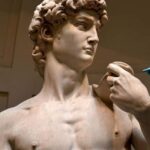
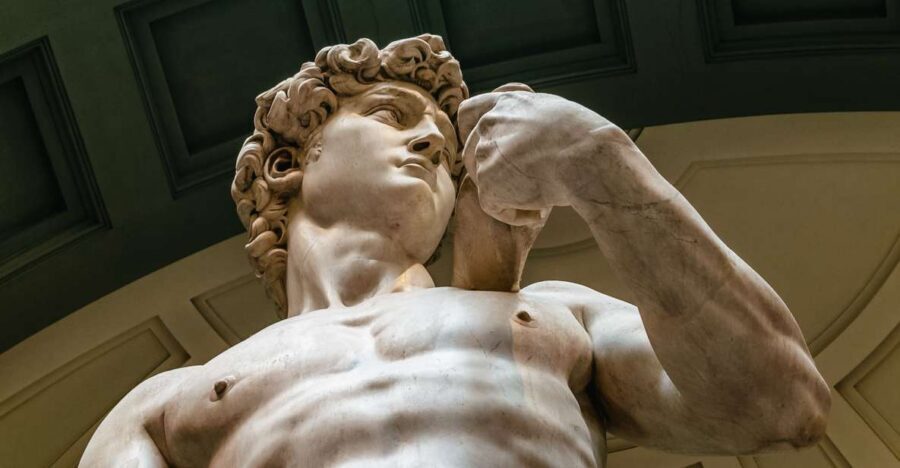
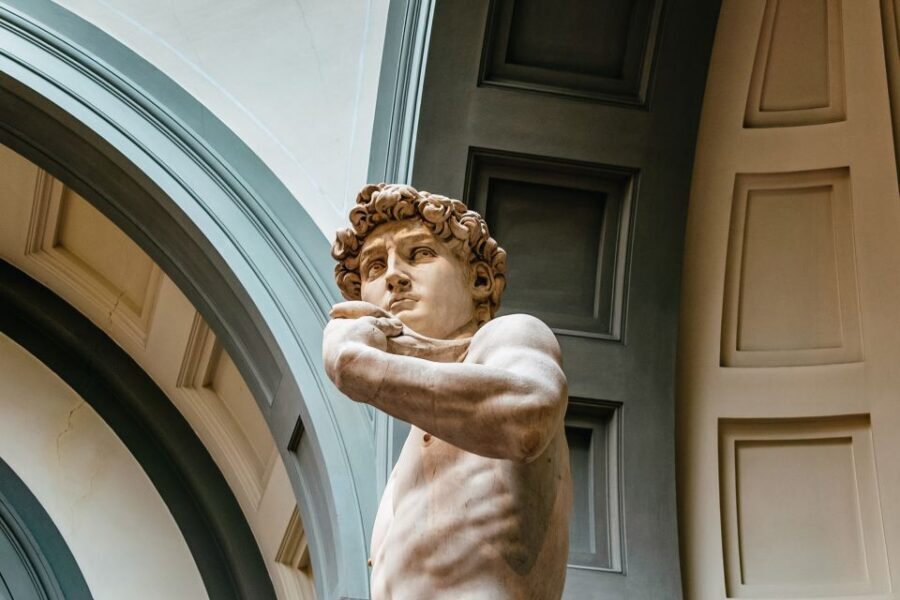
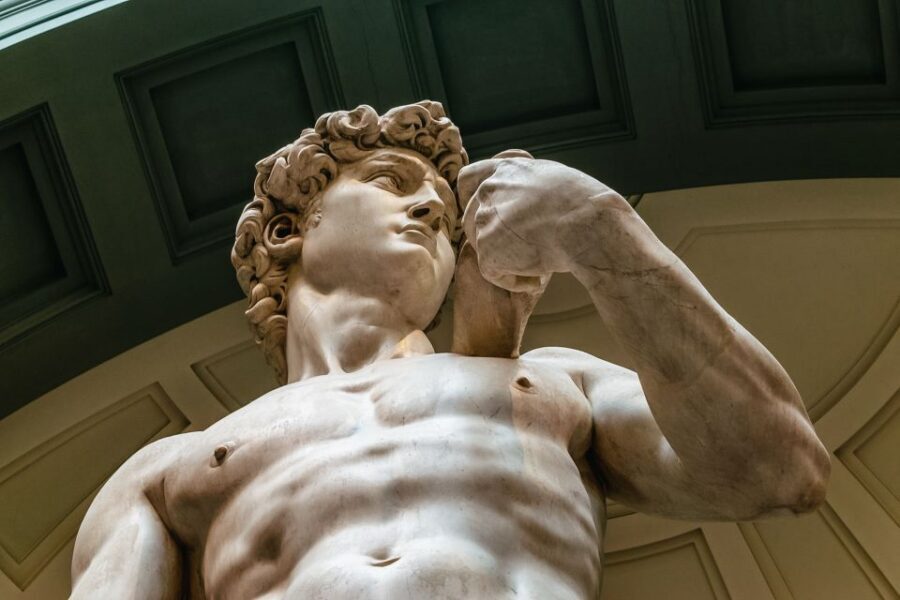
Once you reach the main hall, the museum hits hard. I especially like getting face-to-face time with the original David—the kind of details you can’t understand from photos—and the option to use an audio guide (headphones required) to make sense of what you’re seeing as you go.
In This Review
- Key things to know before you go
- Entering Accademia fast: what the skip-the-line does (and doesn’t)
- Finding Michelangelo’s David quickly once you’re inside
- The Michelangelo hall beyond the icon: Four Prisoners and San Matteo
- What you’ll see after David: Renaissance artworks in Florence
- Museum of Musical Instruments: the ancient piano and the Stradivari viola
- The Gipsoteca Bartolini room: finishing with sculpture context
- Audio guide strategy: how to use it without getting stuck
- Timing and pacing: getting the best value out of a $45 ticket
- The human handoff: what the host/greeter does for you
- Practical tips you’ll actually use on-site
- Who should book this Accademia David skip-the-line ticket?
- Should you book this? My take on the decision
- FAQ
- How long does this experience take?
- What ticket access do I get?
- Is there a tour guide with you inside?
- Is an audio guide available?
- What should I bring?
- Do I need to go through security even with skip-the-line?
- Where is the meeting point?
- Is this experience wheelchair accessible?
- What languages are available?
- Can I cancel, and is there a reserve-and-pay-later option?
Key things to know before you go

- Skip-the-line + express security to avoid the long walk-up queues
- All sections access, so you’re not limited to just the David room
- Self-guided format, with a host/greeter helping you get to the right entry spot
- Optional audio guide for highlights, with a reminder to bring headphones
- Michelangelo plus instrument rooms, including the museum of musical instruments
- Timed entry means a bit of waiting for your slot, even if you beat the main crowd
Entering Accademia fast: what the skip-the-line does (and doesn’t)
Accademia’s line can swallow an hour of your day. This ticket’s main value is getting you through express security and into the museum during your assigned entry window, instead of standing in the big, unreserved queue. The process is straightforward: you pick up your reserved access at a nearby office, then you’re directed to the correct entry area for your time slot.
Do not assume “skip the line” means “no wait.” Every visitor still goes through a security metal detector, and on busy days that can create a short slowdown—sometimes about 15 minutes. The good news is that the delay is usually handled with crowd control, not a free-for-all. One practical tip: if you’re traveling with kids, plan extra patience for the security moment.
Pickup and meeting details can vary by option. The key takeaway is simple: give yourself a little buffer before your time slot, and treat the entry window as the real clock that matters.
You can also read our reviews of more tours and experiences in Florence
Finding Michelangelo’s David quickly once you’re inside
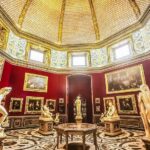
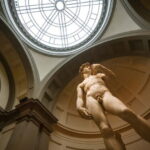
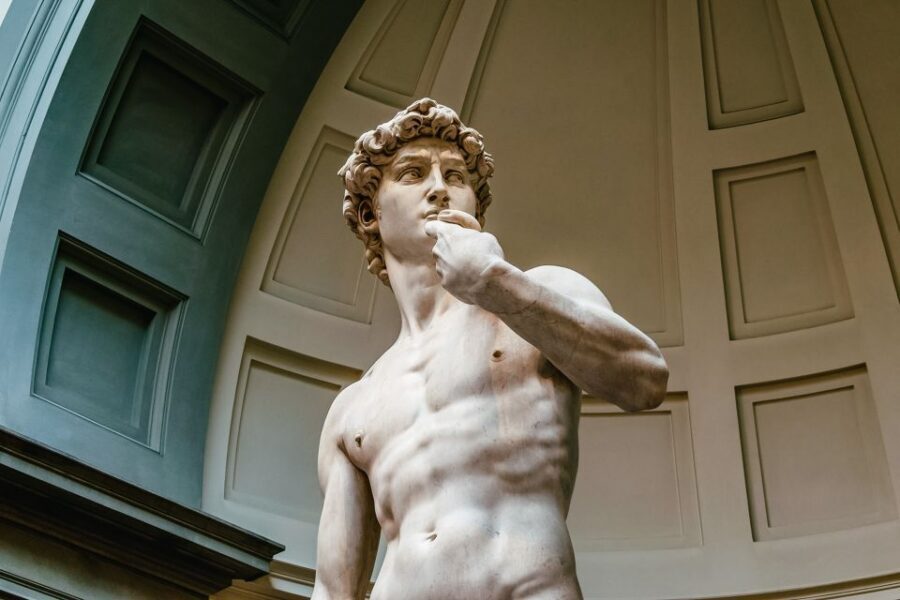
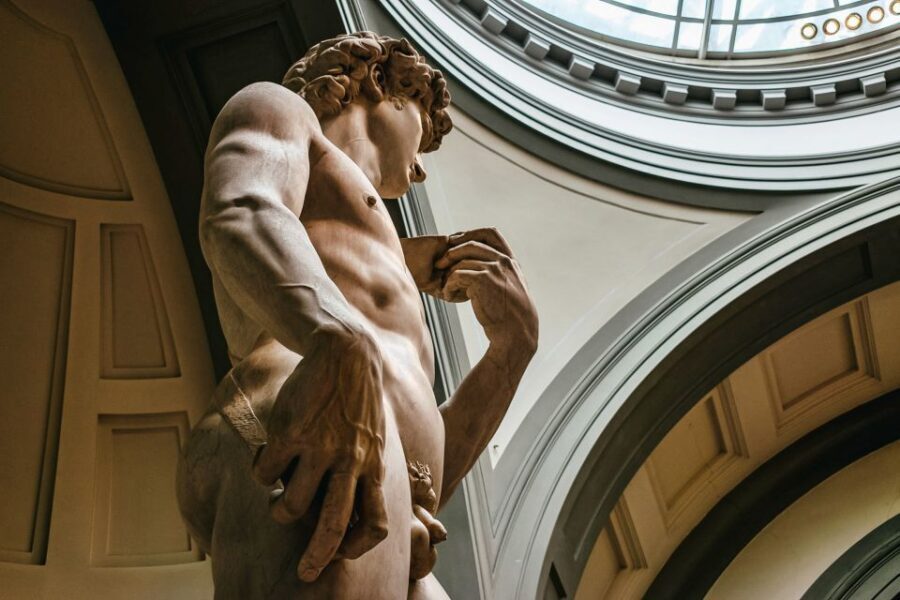
The fastest way to enjoy Accademia is to head straight for the “Michelangelo area.” This is the room dominated by David, and it’s where your visit suddenly clicks into focus. The museum places the David experience at the center of the show, and you can structure your time so you don’t end up rushing through the rest later.
As you approach, you’ll get the benefit of timed entry: you’re arriving when the flow is moving, not when the whole building is jammed at the same moment. That matters for David because the best views come when you can stand, look up, and take in the scale.
And yes, it’s selfie-friendly—this is the kind of sculpture people photograph from multiple angles. Just remember: if you want photos without shoulder-to-shoulder pressure, aim for a moment when the crowd thins rather than the exact instant everyone arrives.
The Michelangelo hall beyond the icon: Four Prisoners and San Matteo
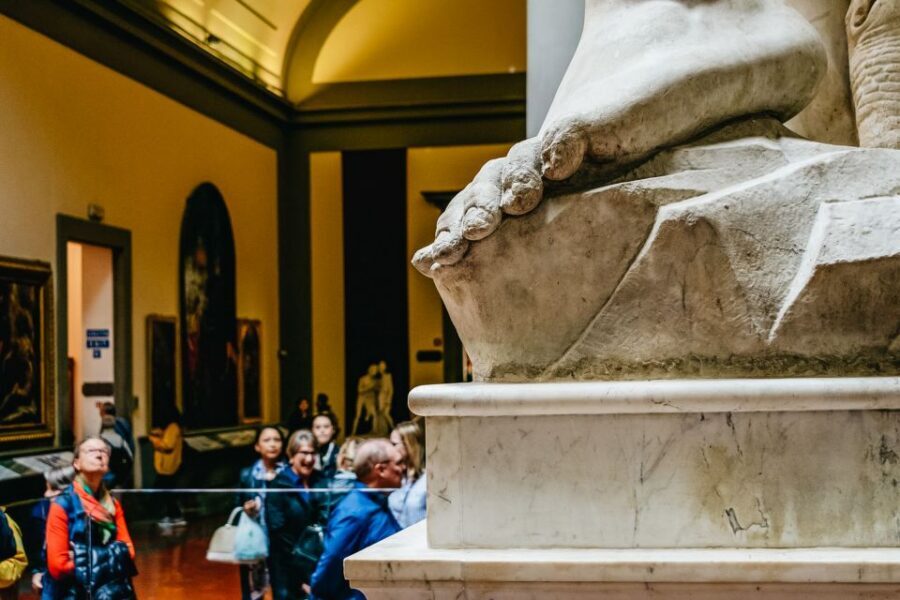
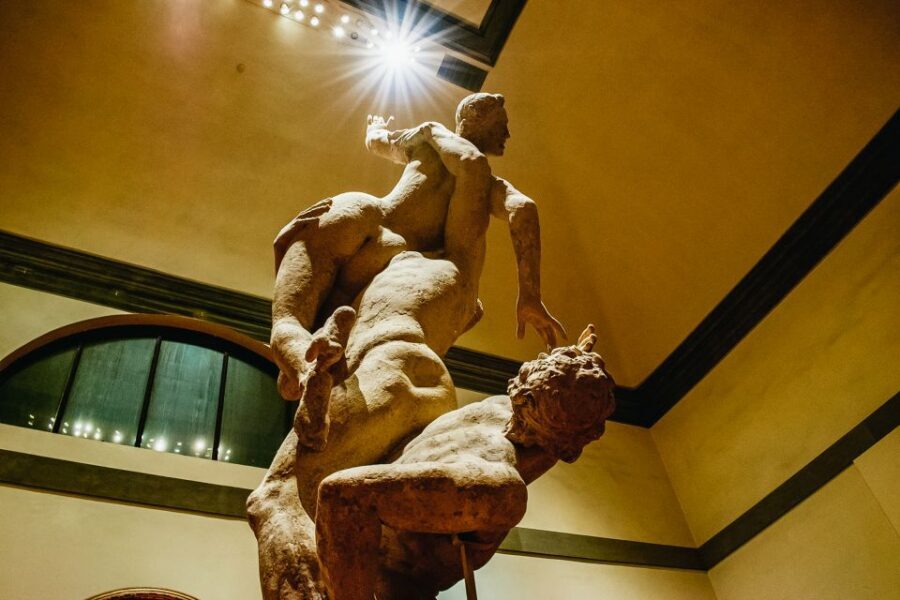
David is the star, but you’ll get more out of the museum if you keep walking inside the Michelangelo-focused spaces. In the same general area, you can also see The Four Prisoners and San Matteo.
Why these matter: they fill in the “how” behind the “wow.” You’re not just looking at one finished masterpiece. You’re seeing related works that help explain Michelangelo’s mindset and his way of working—capturing motion and tension in stone. Even if you’re not a deep art-history person, your eye starts learning patterns: musculature, expression, and the way the sculpture holds light.
If you’re short on time, I’d still do the full circuit in the Michelangelo section before drifting to other galleries. It turns the visit from a quick photo stop into a real experience.
What you’ll see after David: Renaissance artworks in Florence
Accademia isn’t only sculpture. Once you’ve handled the David moment, you’ll want to balance the emotional impact of the stone with paintings and works by artists who lived and worked in Florence during the Renaissance.
Expect to encounter notable names such as Botticelli, Filippino Lippi, Pietro Perugino, and Paolo Uccello, along with other Renaissance artists. The value here is pacing. Sculpture can hit instantly. Paintings reward a slower look—especially when you can step back, read labels, and take your time.
Here’s a practical way to do it: move at a “half pace.” Give yourself permission to pause in front of works that catch your eye, and don’t feel pressured to see every single piece in the same order. This museum supports self-guided wandering, and timed entry helps you avoid the stress that often comes with crowded schedules.
Museum of Musical Instruments: the ancient piano and the Stradivari viola
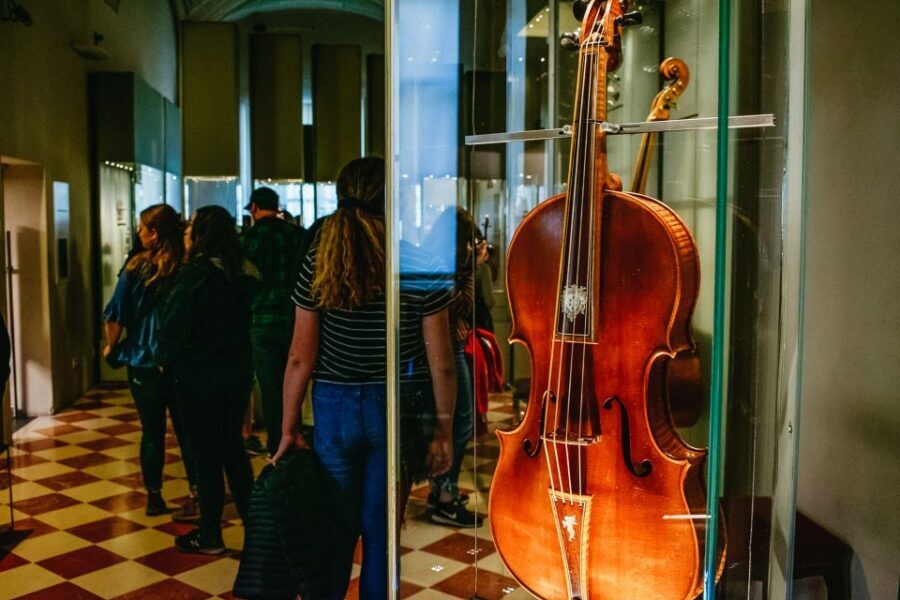
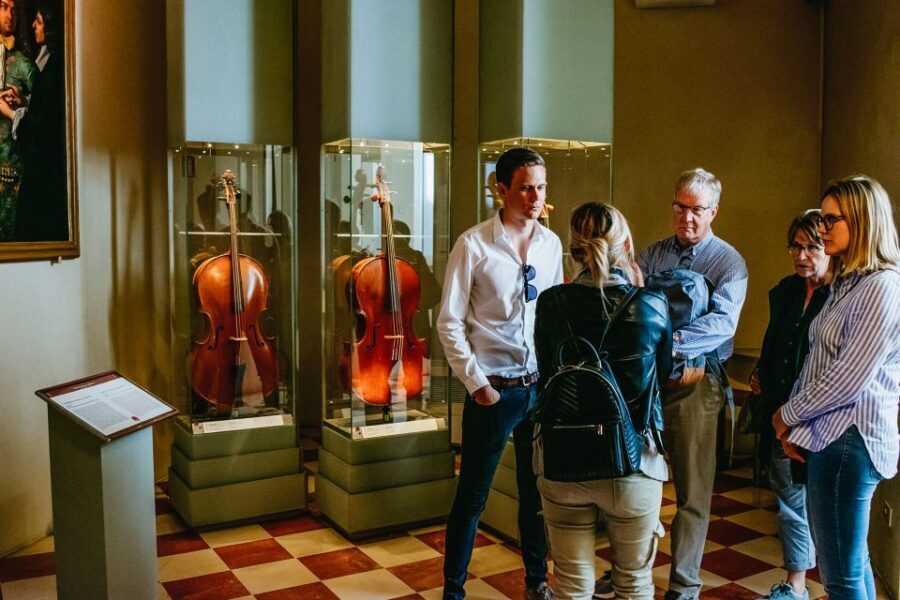
If you’ve ever wondered why Accademia is called a “collection” rather than a single-thing museum, the museum of musical instruments answers that. Plan a real stop here, even if you’re not a musician.
Two highlights are worth knowing before you walk in:
- A piano described as the most ancient piano existing in the world
- A priceless Viola Stradivari, made for Grand Prince Ferdinando Medici
Why it works: it’s a change of pace. After staring at stone for a while, you get a sensory shift to crafted sound-making objects. Even if you only spend a limited amount of time, this section adds variety and makes the visit feel like more than “David and then out.”
If you’re traveling with kids or teens, this is a strong “we can handle this” moment. It often turns art boredom into curiosity because the objects are easier to picture in daily life—especially the instrument story.
You can also read our reviews of more tours and experiences in Florence

The Gipsoteca Bartolini room: finishing with sculpture context
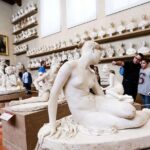
Near the end of your visit, look out for the Gipsoteca Bartolini. This renovated space functions like a showroom tied to sculptor Lorenzo Bartolini, focusing on sculptures and busts connected to his work.
Why you should care: it helps you understand that Accademia is part museum and part sculpture workshop memory. You’re not only seeing finished masterpieces. You’re also seeing the broader sculptural ecosystem—artists, models, and related works that make the big names make more sense.
If you’re the type who hates running out of energy before the best parts, save this stop for later so you don’t accidentally burn your stamina before you reach it.
Audio guide strategy: how to use it without getting stuck
The audio guide option can be a big help, but only if you use it smart. The museum’s highlights are set up for wandering, so you don’t want to listen like a tour bus.
Bring headphones and use short bursts. Listen while you’re standing still, then turn it off and look with your own eyes. That keeps you from feeling like you’re reading a story while your feet shuffle forward.
If you like learning names and details, audio helps you connect the dots faster—especially in rooms with many works. If you’d rather keep it simple, you can skip the audio and rely on your own pace. The self-guided setup supports both styles.
Timing and pacing: getting the best value out of a $45 ticket
Price is where you should do a quick reality check. This experience is listed at $45 per person, which feels steep until you compare it to the base museum entry.
One helpful benchmark: the museum ticket itself is around €12 for standard entry. The extra cost here buys you the time savings of skip-the-line access and a smoother entry flow. In Florence, where major sights can turn into line marathons, that time can be worth a lot—especially if you have limited days or you’re also trying to fit in Duomo, Ponte Vecchio, and a couple of neighborhoods.
So who gets the best value?
- You want to see David but hate wasting an hour in a queue
- You’re visiting on a day when lines are clearly long
- You prefer independent pacing after a fast entry setup
Who might think twice?
- You have plenty of time and don’t mind waiting around
- You’re okay with the standard entry flow if you can tolerate delays
Either way, you’ll still spend time inside the galleries. The skip-the-line part mainly buys you peace of mind at the start.
The human handoff: what the host/greeter does for you
Even though this is self-guided, you’re not totally dropped in the dark. A host or greeter meets you in multiple languages (English, German, Italian, French, Chinese) and helps you get to the right entry lane for your time slot.
Some visits include quick orientation—enough to keep you from wandering to the wrong line or office—then you’re on your own. In practice, that’s often the best mix: a little structure for entry, then freedom inside the museum.
If you end up with an especially helpful host (names like Camilla or Allesandria show up in real experiences), the handoff may include extra context to make your first stop feel even more meaningful.
Practical tips you’ll actually use on-site
Here’s the field-tested approach I’d take:
- Plan for the security metal detector and give yourself a small buffer for it
- If you’re using the audio guide, bring headphones and be ready to start immediately inside
- Wear comfortable shoes. You’re moving between sculpture rooms, painting galleries, and the musical instruments section
- If you want photos of David without stress, don’t treat the first minute after entry as your only chance—look for a calmer moment once the initial flow passes
- If you’re with kids, keep their required identification handy (details below)
Also note: some ticket pickup offices can be a little tricky to spot at first. Give yourself time to locate the collection point so you don’t arrive flustered.
Who should book this Accademia David skip-the-line ticket?
This one fits best if you want:
- A top Florence must-see (Michelangelo’s David) without the early-day line stress
- A self-paced visit where you choose what to linger on
- Access to more than just the headline sculpture, including musical instruments and Gipsoteca Bartolini
- A good option for families who prefer control over their schedule (with the right ID rules)
It may be less ideal if you’re looking for a full, step-by-step guided lecture from a museum teacher. The format here is self-guided, with a host helping with entry.
Should you book this? My take on the decision
If you’re in Florence for a short visit, or if you hate standing in lines, I’d book it. The ticket price makes sense when you translate it into time saved and stress reduced. You’re paying for a smoother start so you can spend your energy where it counts: looking at David up close and using the rest of the collection at your own pace.
If you’re traveling slowly, arriving very early, and you don’t mind queues, you might decide to save money with standard entry. But if your schedule is tight, or you’ve learned the hard way that Florence lines expand like bread dough, this is the safer bet.
FAQ
How long does this experience take?
The duration is listed as 1 hour to 1 day, depending on how much time you spend in different sections of the Accademia Gallery.
What ticket access do I get?
You get skip-the-line entry for the Accademia Gallery and access to all sections of the museum.
Is there a tour guide with you inside?
This is a self-guided tour. It does not include a tour guide, though there is a host or greeter for entry support.
Is an audio guide available?
Yes. An optional audio guide is available, and you’ll need headphones.
What should I bring?
If you choose the audio guide, bring headphones. Children under 18 must have an ID or a photocopy to prove their age.
Do I need to go through security even with skip-the-line?
Yes. All visitors must pass through a security metal detector, and sometimes security control can cause a delay of around 15 minutes.
Where is the meeting point?
The meeting point may vary depending on the option booked.
Is this experience wheelchair accessible?
Yes, it’s listed as wheelchair accessible.
What languages are available?
English, German, Italian, French, and Chinese.
Can I cancel, and is there a reserve-and-pay-later option?
Free cancellation is available up to 24 hours in advance for a full refund. There is also a reserve now & pay later option listed.

More Skip the Line in Florence
More Tickets in Florence


More Tour Reviews in Florence
- Tuscany Day Trip from Florence: Siena, San Gimignano, Pisa and Lunch at a Winery
★ 5.0 · 21,634 reviews - The Best tour in Florence: Renaissance & Medici Tales – guided by a STORYTELLER
★ 5.0 · 12,316 reviews