REVIEW · FLORENCE
Florence: 2-Hour Esoteric Guided Walking Tour
Book on GetYourGuide →Operated by Florence Tours by Made of Tuscany · Bookable on GetYourGuide
Florence has a secret agenda. This 2-hour guided walking tour leans hard into the esoteric side of the city, pointing out symbols and storytelling threads you would usually miss while rushing between big sights. I love the way the guide turns facades, squares, and church details into readable clues, and I also like the mix of dark history with specific names and events, from Pazzino dei Pazzi to Savonarola.
There’s also a practical upside: the group is limited to 8, so the guide can answer questions as you go and keep the pace tight. One possible drawback is the tone: if you prefer light sightseeing only, the darker parts of Florence’s past (poisoning and executions) may feel heavy for a casual stroll.
In This Review
- Key takeaways
- A 2-hour esoteric Florence walk: what the symbols are really for
- Start at San Marco Square: finding your guide and the right mindset
- Santissima Annunziata and the first clues in Florence’s “coded” spaces
- Santa Maria Novella and Santa Croce: church facades as public message boards
- Piazza del Duomo: the Baptistery palindrome and the thrill of noticing
- Piazza della Signoria: from Pazzi politics to Savonarola’s blazing ending
- Ponte Vecchio and the route through Piazza del Limbo
- Arsenic poisoning, Lorenzo de’ Medici, and Pico della Mirandola: why the scary bits matter
- The Ferdinand I statue and the bees-for-good-luck finish
- How the small-group format changes your experience
- Practical tips for enjoying it without getting lost
- Who this tour suits best
- Should you book this esoteric walking tour?
- FAQ
- Where do I meet my guide?
- How long is the tour?
- How many people are in the group?
- What languages is the tour offered in?
- Is the walking tour wheelchair accessible?
- Where does the tour end?
- Can I cancel and get a full refund?
Key takeaways
- Secret signs around major churches you can actually spot while walking
- Facade stories at Santa Maria Novella and Santa Croce tied to hidden meanings
- The Baptistery palindrome explained in plain terms
- Big-name Florence drama including Pazzino dei Pazzi and Friar Girolamo Savonarola
- Arsenic-poisoning intrigue connected to Lorenzo de’ Medici and Pico della Mirandola
- A quirky ending with Ferdinand I and a bees-for-good-luck moment
A 2-hour esoteric Florence walk: what the symbols are really for
This tour is built on a simple idea: Florence didn’t just decorate buildings. People left messages in stone—sometimes religious, sometimes political, and sometimes just plain weird. In two hours, you get a guided reading of the city’s “code,” with stories that treat architecture like a document.
You should go in expecting imagination plus interpretation. The guide’s job isn’t to turn Florence into a horror movie; it’s to show you how symbols could function like public hints and private warnings. If you enjoy puzzles—inscriptions, patterns, and symbolism—you’ll have fun with it.
You can also read our reviews of more walking tours in Florence
Start at San Marco Square: finding your guide and the right mindset
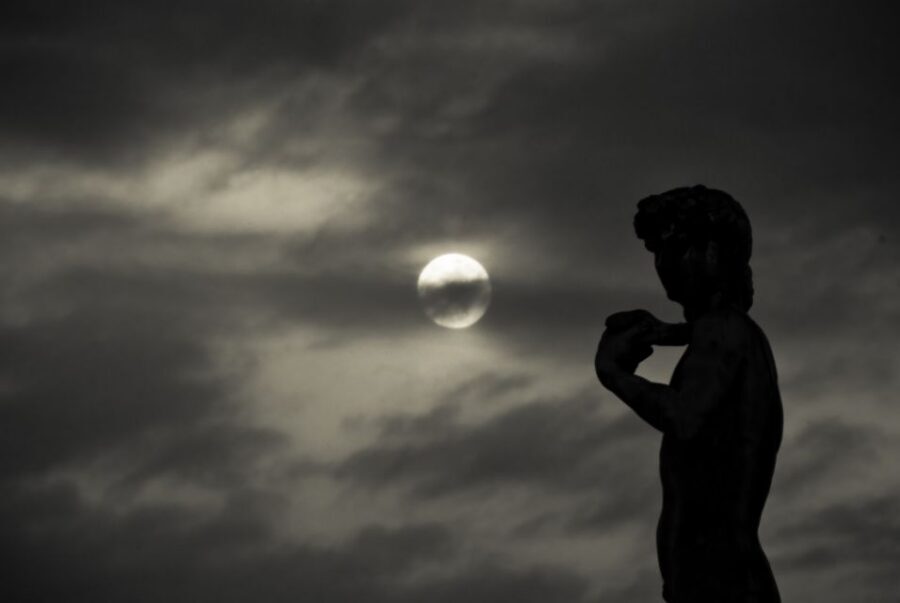
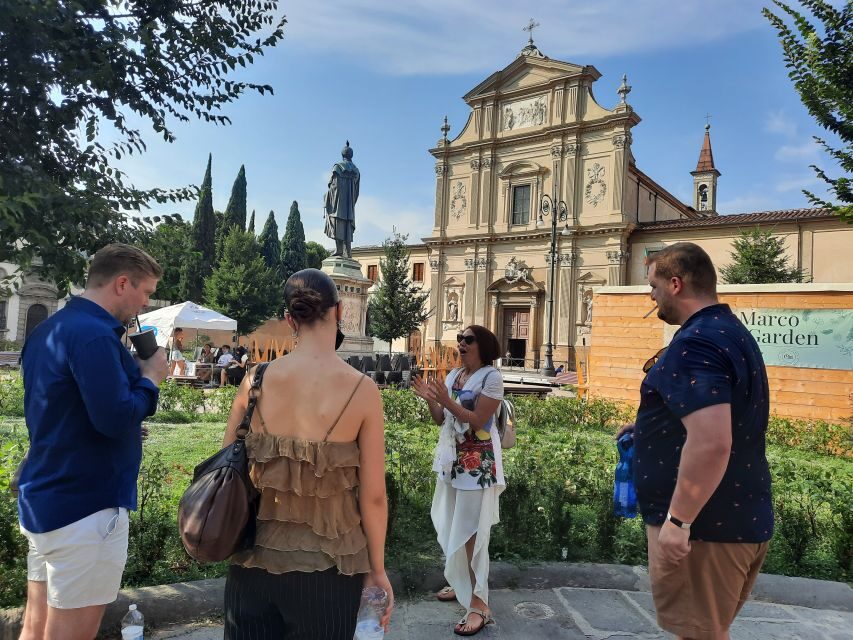
Your meeting point is the Manfredo Fanti statue in the middle of San Marco Square, with coordinates at 43.778079986572266, 11.258722305297852. It’s a good spot because it gets you oriented fast: you’re in the Florence core where churches and plazas sit close enough to connect the stories without long detours.
Small-group tours change everything. With a maximum of 8 people, the guide can keep the tempo and you’re less likely to lose the thread when the group stops to look closely at details. Also, the tour runs in multiple languages (English, French, Italian, German, Spanish), so you won’t be stuck listening to an explanation you only half-understand.
If you’re wheelchair using, the tour is listed as wheelchair accessible, which matters because sightseeing that’s built around stepping in and out of tight streets can otherwise get frustrating.
Santissima Annunziata and the first clues in Florence’s “coded” spaces
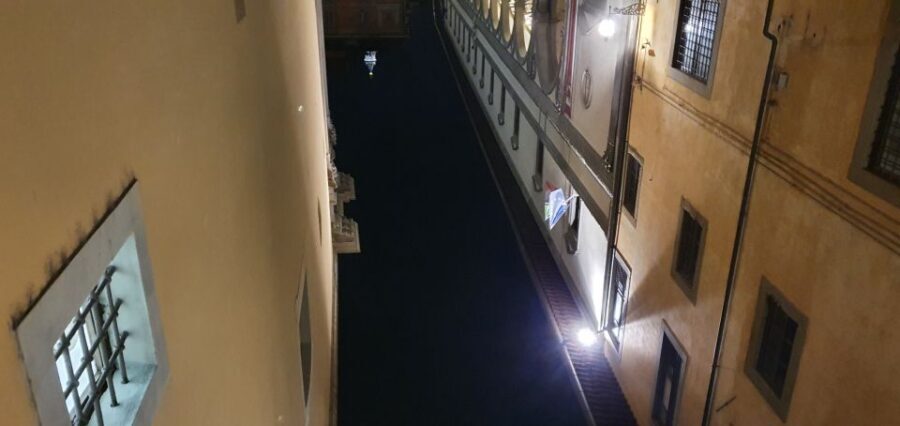
One of the early stops is Piazza della Santissima Annunziata for a short guided segment. Even at the start, you’re training your eyes. Instead of staring at “pretty,” you’re looking for repeat motifs, meaningful placement, and the way a church or plaza can feel like a stage.
This is where the tone sets in. Florence can feel confident and sunny on the surface, but the stories you’ll hear are about power struggles, reputations, and fear—sometimes wrapped in religious language. I like that the tour doesn’t pretend the city’s past was simple. It treats the mix of sacred and political as part of why Florence still feels strange and alive.
Santa Maria Novella and Santa Croce: church facades as public message boards
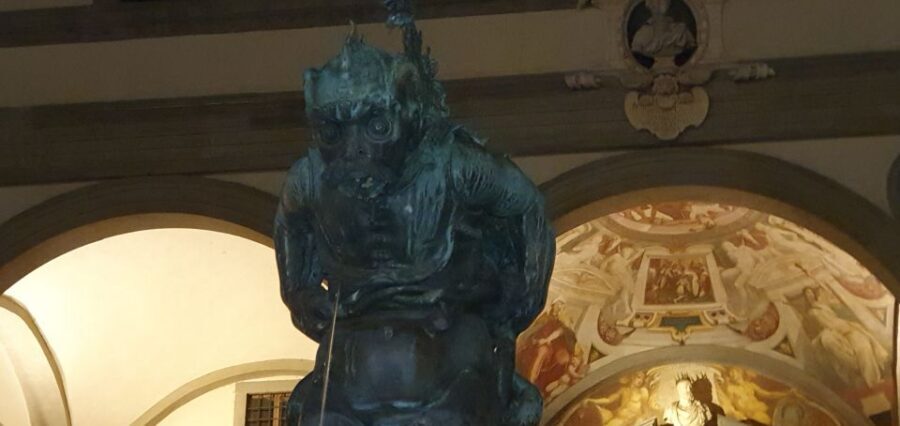
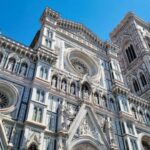
The tour centers on the facades of the Basilicas of Santa Maria Novella and Santa Croce, and you’ll learn their secret meaning behind the way they look. This is the heart of the experience: the guide gives you a way to read stonework like a text.
Santa Maria Novella gets used as a starting point for “how symbols can work.” Santa Croce gets used for “how symbols can warn.” In other words, the stories shift from architecture as art to architecture as a communication system—religion, politics, and anxiety layered together.
And yes, the tour explicitly brings up necromancy tied to Piazza Santa Croce. That doesn’t mean you’re walking into a spooky reenactment. It means you’re hearing how people in earlier centuries could talk about forbidden knowledge, rumors, and the darker edges of learning in the same city where they built beautiful churches. If you like human stories—who wanted power, who was scared, who got punished—you’ll probably enjoy this part the most.
Piazza del Duomo: the Baptistery palindrome and the thrill of noticing
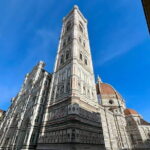
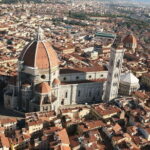
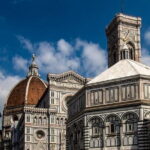
Next up is Piazza del Duomo, where the tour spends time and then moves into a deeper look at the Baptistery. One standout detail you’ll hear about is the palindrome in the Florence Baptistery. The concept is simple, but the effect is great: you start noticing how design can carry meaning in more than one direction.
The Duomo area is also where a lot of first-time Florence visitors feel overwhelmed. There’s so much scale and so many big names that your brain goes into sightseeing mode. This tour does the opposite. It slows you down and nudges you to look at specific features and patterns, not just the overall wow-factor.
One practical note: church-area crowds can get dense. You’re not stuck behind a busload of people here, but if you’re easily annoyed by slow-moving lines and stop-and-go walking, plan to be patient.
You can also read our reviews of more guided tours in Florence
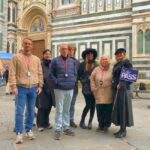
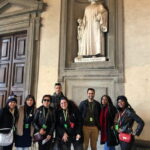
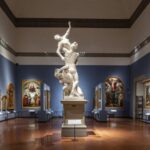
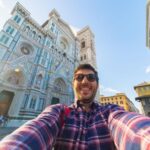
Piazza della Signoria: from Pazzi politics to Savonarola’s blazing ending
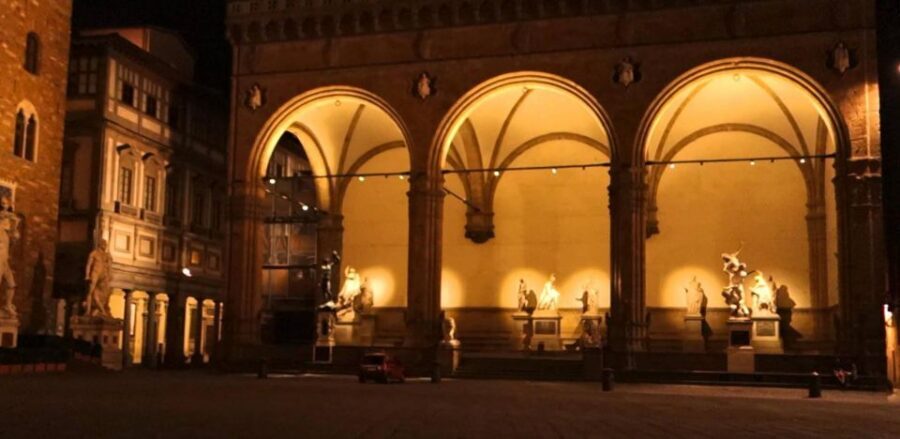
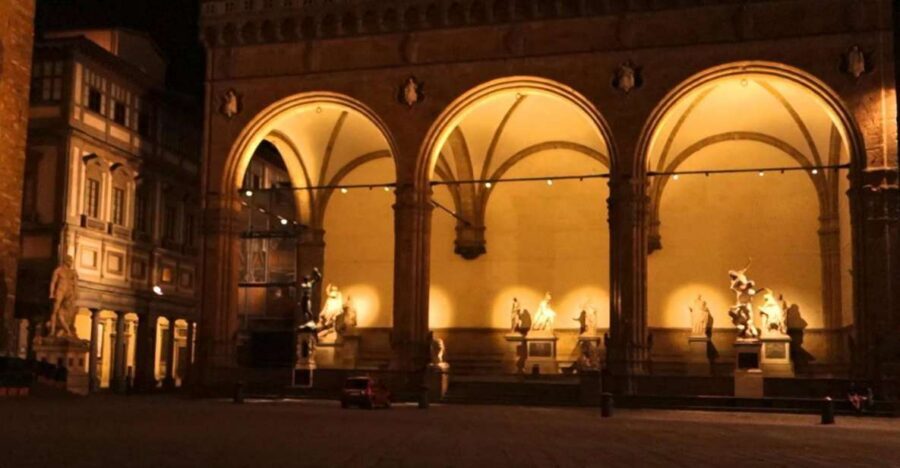
Piazza della Signoria is short on mercy in this tour. You’ll connect the square to the story of the legendary knight Pazzino dei Pazzi, and then to Friar Girolamo Savonarola. The guide ties these names to Florence’s political turbulence, not just to their reputations in books.
The Savonarola story is the real gut check. You’ll hear how he was Dominican, then hanged and burned at the stake in 1498 in Piazza della Signoria. That moment matters because it shows how quickly Florence could flip from religious certainty into public punishment. It also explains why the city’s symbols can feel so charged—because people learned the hard way that words and images had consequences.
If you’re the type of person who likes your history with faces and motivations, this stop should land well. It’s not only about what happened; it’s about what it meant to the people watching. A plaza like this was a stage, and the guide’s stories help you picture the crowd energy.
Ponte Vecchio and the route through Piazza del Limbo
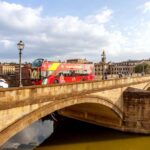
You’ll spend time around Ponte Vecchio, and the tour uses the bridge as more than a photo spot. In a walk that focuses on esoteric meanings, Ponte Vecchio works because it’s a symbol of Florence’s identity—commerce, continuity, and the city’s ability to keep stories going even as power shifts.
After that, there’s Piazza del Limbo. The tour treats it like another piece of the puzzle. Even if you’re not deep into the subject matter, the guided approach helps you understand why “limbo” as an idea would fit a city that loves metaphors, moral judgment, and layered meaning.
Then you reach the finish point on Ponte Vecchio’s area of influence. You’re ending where the city feels most like itself—old-world, still practical, and still full of people moving in real time.
Arsenic poisoning, Lorenzo de’ Medici, and Pico della Mirandola: why the scary bits matter
The tour doesn’t shy away from the dark side. You’ll hear a story involving arsenic poisoning in 1494 tied to Lorenzo de’ Magnificant (as the tour frames it) and Pico della Mirandola. That combination of power, intellect, and poison is exactly the kind of mix that makes Florence history feel personal rather than textbook-flat.
Here’s why this matters for you: dark stories are often what unlock the symbolism. If you understand that rumors could ruin careers and that accusations could become executions, then the urge to encode messages in public spaces makes more sense. You start to see churches and squares as part of a social system, not just as architecture.
Also, the guide’s approach matters. The point isn’t to convince you that every symbol is a magic spell. The point is to show how people used symbols to communicate risk, rank, and belief—sometimes in ways that would survive political change.
The Ferdinand I statue and the bees-for-good-luck finish
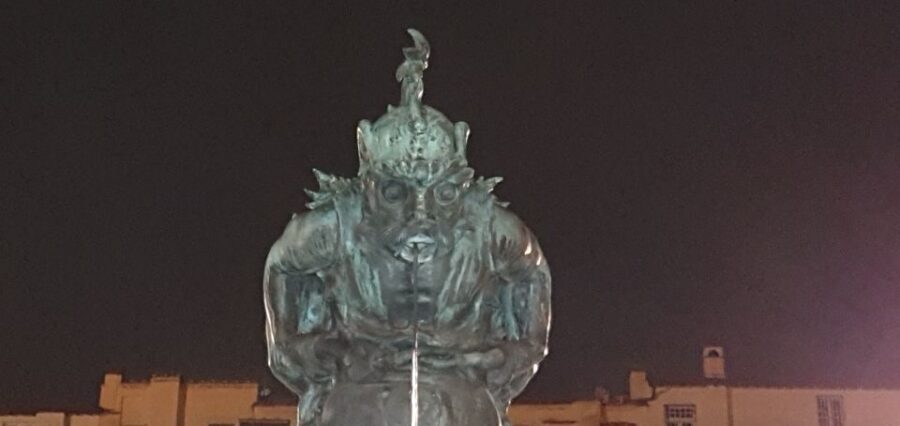
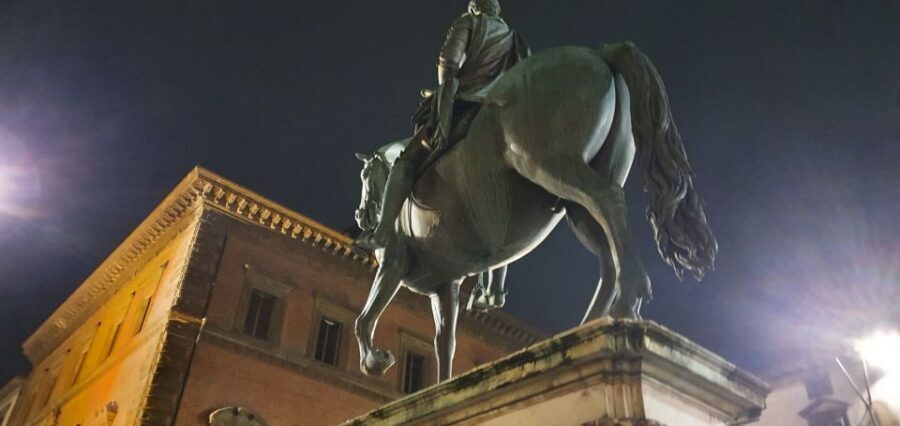
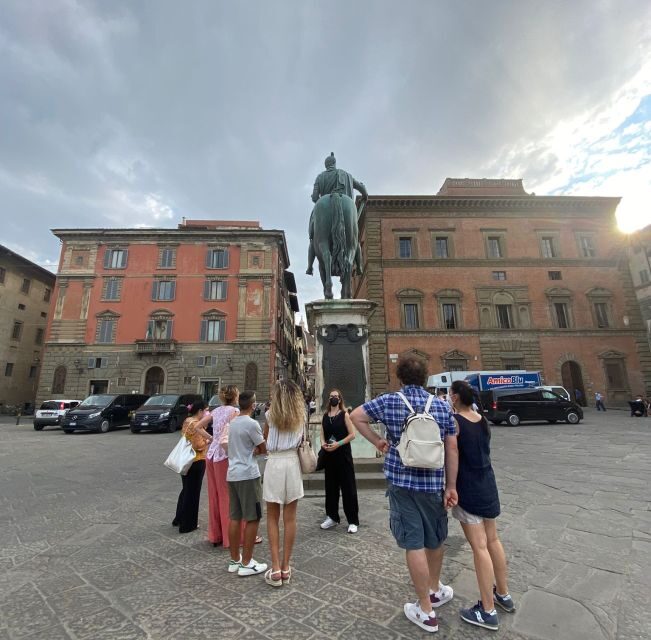
The tour’s ending is anchored to the statue of Ferdinand I in Piazza Santissima, with a playful instruction to count the bees for good luck. It’s the kind of silly ritual that works because the rest of the tour is so serious. After executions, poisoning stories, and grim moral tales, you get a small reset.
I also like how this ending gives you closure. Many guided walks end with a vague good-bye. Here, there’s a specific “last moment” that turns the city into a memory instead of just a sequence of stops.
How the small-group format changes your experience
With a group limited to 8, you don’t just get the facts. You get the pacing. You’re more likely to hear clarifying details while you’re standing in front of the object, not after you’ve walked away and tried to remember what the guide meant by that one carving.
This is also where the multilingual live guide helps. Even if you choose English, you still feel the guide’s structure: they explain in a way that works across languages, not just for the person who asked the question first. That’s a sign of a real guide, and in one account connected to this tour, Alessandro Norcini was praised for guiding people through political intrigue, historical puzzles, and human riddles of Firenze.
Practical tips for enjoying it without getting lost
This is a walking tour with a lot of ideas per minute. You’ll get names, symbolism, and historical incidents bundled into a tight route, so you’ll enjoy it more if you come with a curious mindset and a willingness to look up and around.
Wear comfortable shoes. You’ll be moving through central Florence at a steady pace, with stops that can take a bit of time while everyone looks for the same detail. Also, expect some time in church-surface environments where the mood and acoustics make conversation different than out on the street.
If you want photos, plan for them quickly. It’s better to take a shot and then return your attention to what the guide is pointing out. The tour’s value is in noticing the “why,” not only the “what.”
Who this tour suits best
You’ll likely love this tour if you:
- enjoy symbolic puzzles and reading details on old buildings
- like dark history mixed with big names and real locations
- want a guide who can turn architecture into story rather than a checklist
You might skip it if you:
- want only bright, uplifting sightseeing
- get uncomfortable with execution and poisoning topics
- dislike tours where the guide asks you to slow down and look closely at specific features
Should you book this esoteric walking tour?
If you’re the kind of person who wants Florence to feel deeper than Instagram angles, I’d book it. The format is short enough to stay energetic, and the small group makes the stories easier to follow. The best payoff is that you’ll leave with a new set of eyes: you won’t see those churches and plazas the same way again.
The only reason not to book is tone. If dark episodes like Savonarola’s execution or the arsenic-poisoning story will make your trip feel grim, choose a more standard sightseeing tour and save your energy. If you can handle the shadows, this one gives you a very memorable side of Florence that doesn’t require you to be an expert.
FAQ
Where do I meet my guide?
Meet your guide at the Manfredo Fanti statue in the middle of San Marco Square. The coordinates are 43.778079986572266, 11.258722305297852.
How long is the tour?
The tour lasts 2 hours.
How many people are in the group?
This is a small group limited to 8 participants.
What languages is the tour offered in?
The live guide is available in English, French, Italian, German, and Spanish.
Is the walking tour wheelchair accessible?
Yes, the tour is listed as wheelchair accessible.
Where does the tour end?
It ends in the Ponte Vecchio area, with the experience described as finishing at the statue of Ferdinand I in Piazza Santissima.
Can I cancel and get a full refund?
Yes. You can cancel up to 24 hours in advance for a full refund.

More Walking Tours in Florence

More Tours in Florence



More Tour Reviews in Florence
- Tuscany Day Trip from Florence: Siena, San Gimignano, Pisa and Lunch at a Winery
★ 5.0 · 21,634 reviews - The Best tour in Florence: Renaissance & Medici Tales – guided by a STORYTELLER
★ 5.0 · 12,316 reviews