REVIEW · FLORENCE
Florence: Private City Walking Tour with Accademia & Uffizi
Book on GetYourGuide →Operated by CAF Tour & Travel · Bookable on GetYourGuide
Florence can feel like an open-air art book. This private, guide-led route lets you move through the city’s top highlights in a smooth sequence, with reserved access to both Accademia and Uffizi and earphones to keep things easy. You’ll start with Michelangelo’s most famous statue, then connect the dots with major Florentine landmarks before finishing inside one of the world’s most important art museums.
I especially like two things about this experience: first, the day is built around skip-the-general-entry access, so you spend more time looking and listening, not waiting. Second, the guide doesn’t treat art like isolated objects; you also get stops that explain how Florence’s power and beliefs shaped the buildings and churches around you. One consideration: the tour isn’t for people with mobility impairments, and at busy times security can still slow museum entry even with reserved tickets.
In This Review
- Key highlights at a glance
- How the Accademia-to-Uffizi plan saves you time (and helps you see the story)
- Meeting at 9:15 at Accademia: the reserved-entry advantage
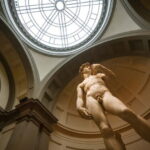
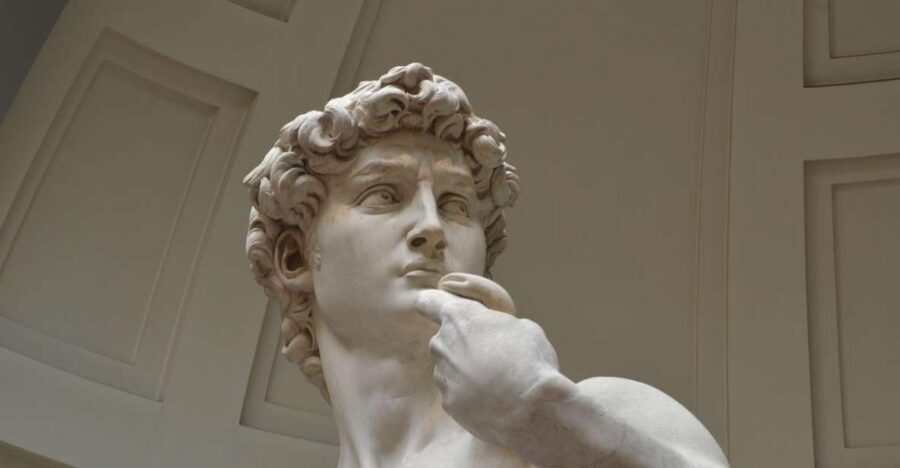
- Accademia Gallery: Michelangelo’s David and what to look for
- Florence’s Duomo complex walk: Brunelleschi, the Baptistery, and Giotto’s bell tower
- Orsanmichele and the Orcagna Tabernacle: Gothic art you can actually understand
- Mercato della Paglia and the piglet sculpture: a charming pause with local character
- Piazza della Signoria and Palazzo Vecchio: civic power in a walkable square
- Uffizi Gallery: Botticelli’s Birth of Venus and the art that makes people pause
- Value and pricing: what you’re really paying for at about $390.83 per person
- Practical tips for making the 4 hours feel smooth
- Who should book this tour, and who might not love it
- Should you book this Florence private walking tour with Accademia & Uffizi?
Key highlights at a glance
- Skip-the-general-entry lines with reserved admission for Accademia and Uffizi
- Michelangelo’s David as your anchor moment at the Accademia Gallery
- Duomo complex viewpoints tied to Brunelleschi’s dome, the Baptistery, and Giotto’s bell tower
- Orsanmichele and the Orcagna Tabernacle, a strong slice of Florentine Gothic art
- Piazza della Signoria + Palazzo Vecchio, with Loggia dei Lanzi sculptures in the mix
- Uffizi’s Botticelli, including The Birth of Venus, taught in context, not as a checklist
How the Accademia-to-Uffizi plan saves you time (and helps you see the story)
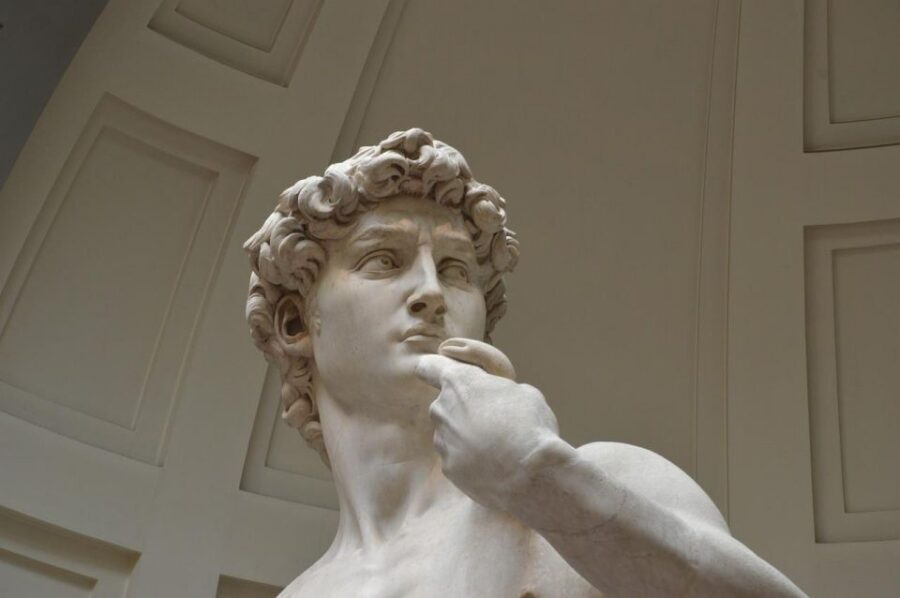
This is a smart “big hitters” combo because Accademia and Uffizi reward different kinds of attention, and you get both in one focused 4-hour format. Accademia is where you’ll face the visual shock of Michelangelo’s David up close. Uffizi is where you shift from sculpture impact to Renaissance painting—especially when your guide points out what to notice in the composition and symbolism.
Between them, you don’t just shuffle from museum door to museum door. You walk through Florence’s historic center and connect art to place: cathedral architecture, a church filled with high-detail religious art, a market-famous sculpture, and a civic square tied to power. That sequencing matters. It helps your brain build patterns instead of collecting random photos.
You can also read our reviews of more walking tours in Florence

Meeting at 9:15 at Accademia: the reserved-entry advantage
You meet at 9:15 AM at the Accademia Gallery, in front of the entrance reserved for booking holders. That timing is a key part of the value. Florence’s top museums attract big crowds, and having reservations meant to bypass the general ticket line usually keeps your morning moving.
This tour is private, with a local professional guide for the full 4 hours. You’ll also have earphones at the Accademia and Uffizi, which is a practical detail you’ll appreciate once you’re inside—guides often need to speak over foot traffic and crowd noise.
One more real-world note: skip-the-line tickets help with entry, but at busy times museum admission can still face delays due to security procedures. So while you’re starting with the right advantage, you should still keep a flexible mindset and focus on the experience you’re actually there for.
Accademia Gallery: Michelangelo’s David and what to look for
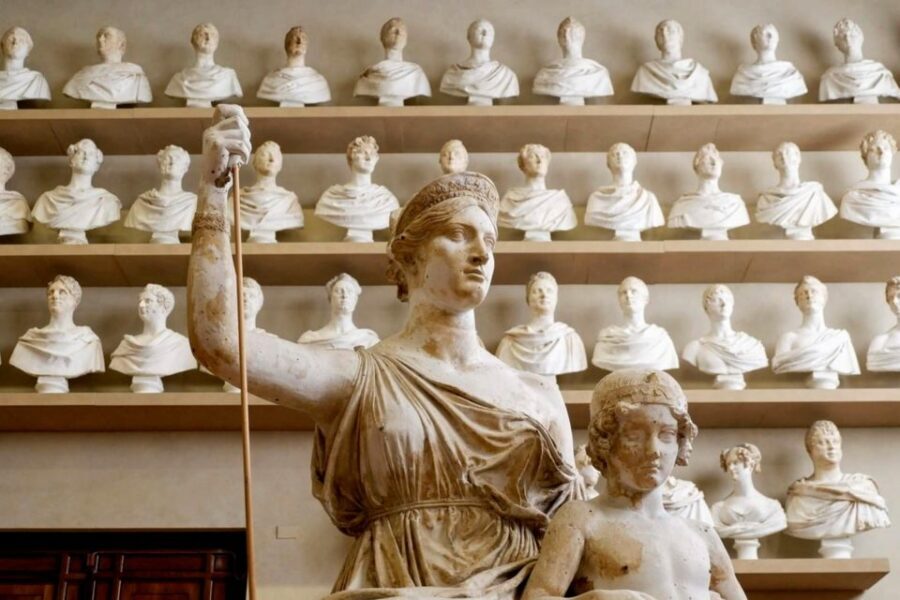
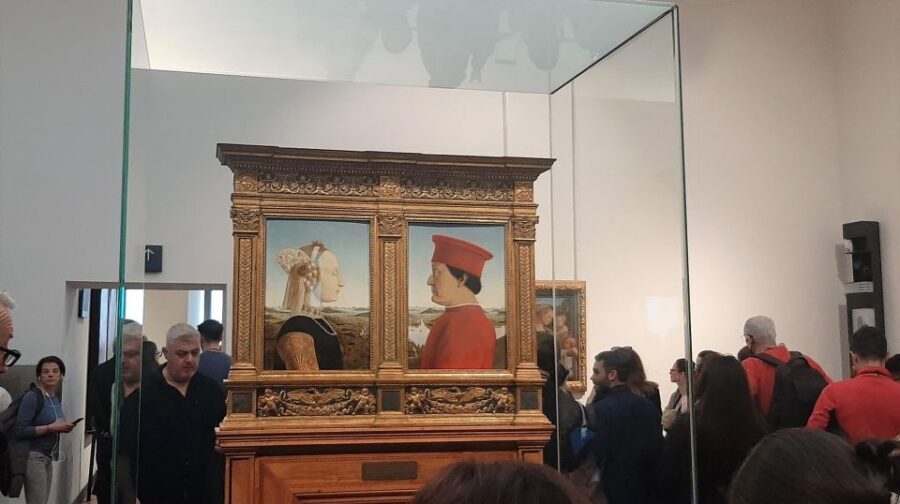
Accademia is where the tour starts emotionally. Michelangelo’s David isn’t just famous—it’s visually persuasive. Standing near it, you get to experience why people still stop short when they see the proportions and the expression. With a private guide, you’re not left to guess what matters most. Your guide can point your attention toward details that shape the sculpture’s effect.
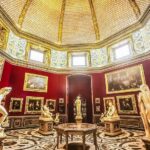
The tour also includes other significant works by Michelangelo at the Accademia Gallery. That matters because seeing David alone can feel like a one-stat event. Seeing multiple pieces in the same setting helps you understand what Michelangelo was working with—style, craft, and the kind of drama he built into stone.
If you get Gabriele, one of the guides named in past feedback, expect a friendly approach that ties the art to Florence itself. That city connection is where the visit stops feeling like a museum assignment and starts feeling like a conversation.
Practical tip: Accademia is a museum, so plan for indoor pacing. If you tend to rush, slow down here. David has a way of pulling you toward a slower look, especially when you’re hearing the right prompts.
Florence’s Duomo complex walk: Brunelleschi, the Baptistery, and Giotto’s bell tower
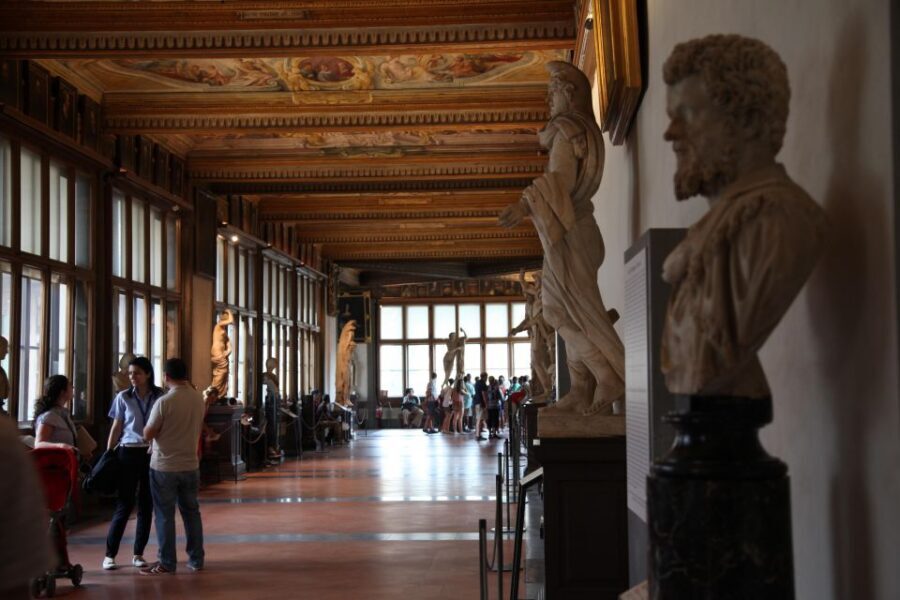
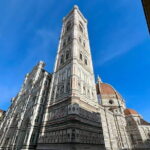
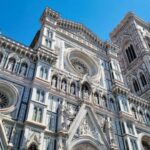
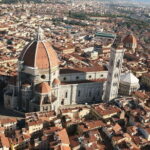
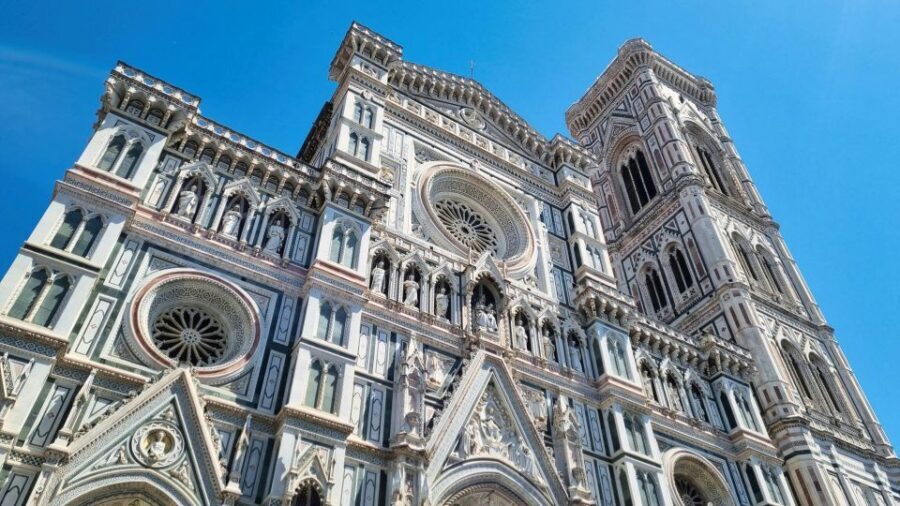
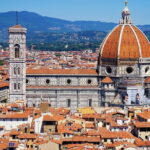
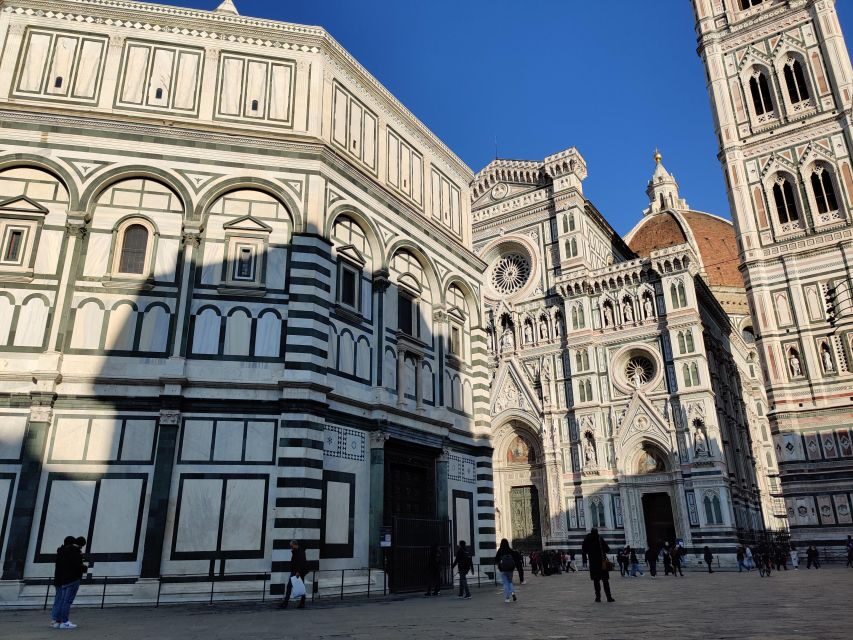
After Accademia, you move into the historic city center on foot. One of the best parts of this tour is that it treats the Duomo complex as more than a landmark photo. You’ll get a guided look at the Cathedral’s Dome designed by Brunelleschi, admire the Baptistery’s intricate details, and appreciate Giotto’s Bell Tower.
Here’s why that’s valuable: the Dome, the Baptistery, and the bell tower represent different roles in Florence’s public and religious life. A guide helps you notice the differences instead of seeing three separate buildings. You learn how Florence built identity through design—faith made visible, civic pride made stone.
Also, you’ll be walking through squares and streets between sights. That means you get more than museum time. The streets help you build a sense of scale, and the guide can point out architectural rhythms you might otherwise miss while staring only at the tallest structure.
Consideration: this is still a walking route. Wear shoes you’re comfortable in for uneven pavement and museum-hall transitions. It’s not “sit and admire,” it’s “look and move.”
Orsanmichele and the Orcagna Tabernacle: Gothic art you can actually understand
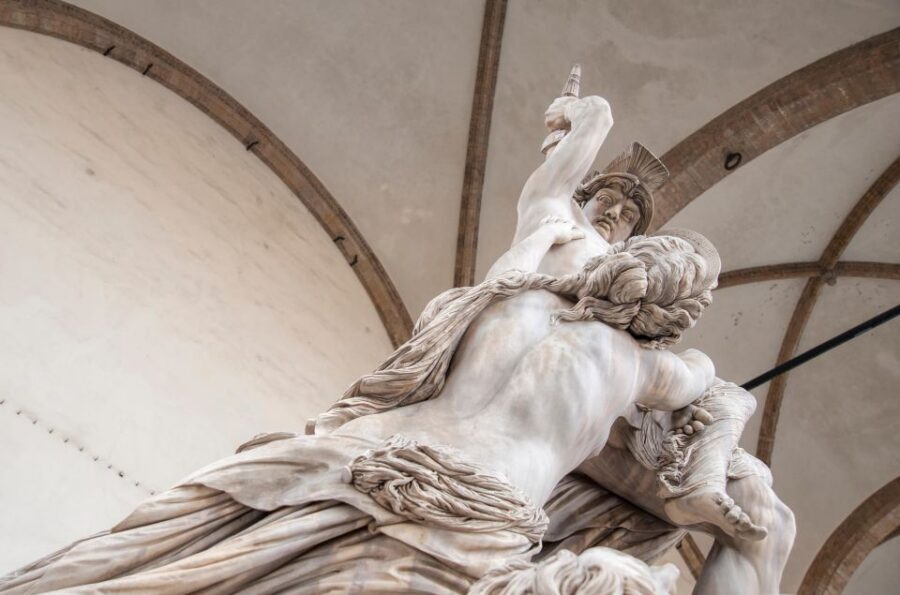
Next comes Orsanmichele, a church stop that adds variety without losing momentum. Inside, you’ll see the Orcagna Tabernacle, described as a highlight of Florentine Gothic art. This is the kind of detail-heavy stop where an explanation pays off immediately. Gothic religious art can feel dense at first—lots of figures, patterns, and symbolism. With a guide speaking live, you get a way into what you’re seeing.
I like church stops on these tours because they’re honest about why art exists in Florence. The art isn’t just meant for crowds in museum halls. It’s meant for devotion, for messages on public display, and for community identity. Orsanmichele helps you feel that.
One more plus: this stop breaks up the heavy museum energy. You get a change in atmosphere—still art and still important, but in a more intimate, architectural setting.
You can also read our reviews of more city tours in Florence
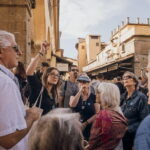
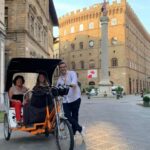
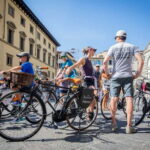
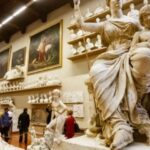
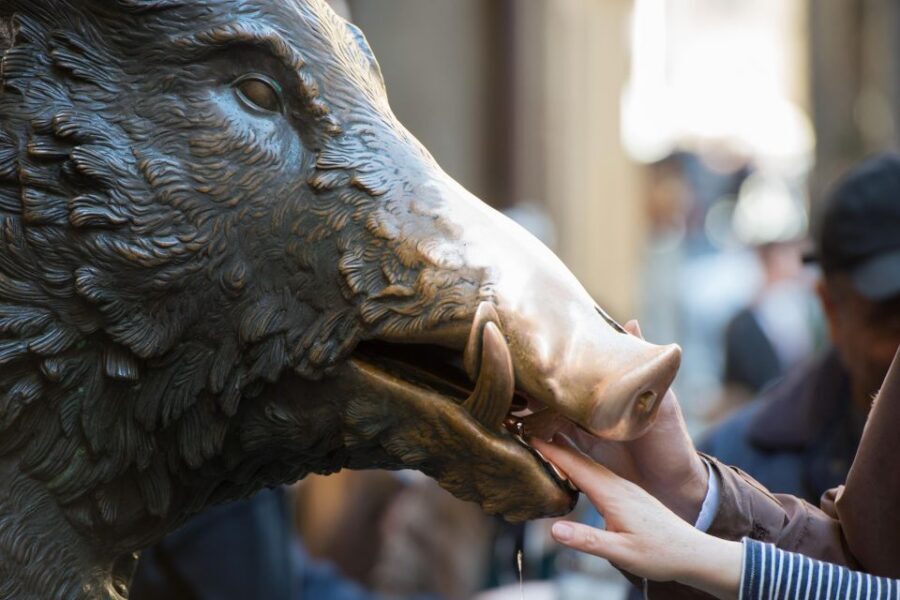
Mercato della Paglia and the piglet sculpture: a charming pause with local character
Then you’ll head to Mercato della Paglia, which is known for its charming piglet sculpture. This is a lighter moment in the route, and that’s a good thing. After intense museum concentration and architectural stops, a playful, memorable detail helps the day breathe.
Even if you’re not a market person, this is useful because it gives you a different side of Florence: not just masterpieces and monuments, but small, visual stories that became part of the city’s everyday identity.
If you like photographing details, this is where you’ll likely get those “I’m glad I stopped here” shots, the kind that don’t look like every other tourist image.
Piazza della Signoria and Palazzo Vecchio: civic power in a walkable square
From Mercato della Paglia, you reach Piazza della Signoria, where you can admire the Loggia dei Lanzi sculptures and the grand Palazzo Vecchio with its distinctive crenellated tower.
This is one of those Florentine spaces where history isn’t in a text box. It’s in the layout. A guide helps you understand why the square matters and how art, sculpture, and government buildings all reinforce each other. You can stand there and look at the sculptures, but you’ll get more out of it if you know how public spaces like this were meant to project authority.
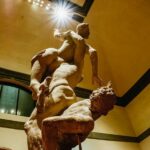
Palazzo Vecchio is a standout for its fortress-like profile. Even if you’re not a history buff, you’ll feel the impression it makes—like the city is saying we take ourselves seriously. The Loggia dei Lanzi sculptures add layers to that message by turning the square into a public gallery.
Uffizi Gallery: Botticelli’s Birth of Venus and the art that makes people pause
Your tour ends at the Uffizi Gallery. This is where the experience becomes pure art time. You’ll be captivated by art treasures including Botticelli’s The Birth of Venus.
Uffizi can overwhelm people if they come in cold. It’s big, famous, and full of masterpieces. The private guide role matters here. You’re not just walking corridors looking for your favorite painting. You’re guided through what to notice: composition, mood, and why the works became touchstones of Renaissance thinking.
You’ll also have earphones at Uffizi. And there’s an important detail: if your group is more than 7 people, headsets are now compulsory to enter inside the museum. The tour includes earphones at Uffizi, so you won’t be scrambling for audio help.
One more reality check: even with skip-the-general-entry access, busy times can bring security procedures that may add delays. That’s not unique to this tour, but it’s worth knowing. Treat any wait as part of the day’s pacing, not as a failure of the plan.
Value and pricing: what you’re really paying for at about $390.83 per person
At $390.83 per person, this isn’t a budget museum day. But it’s priced like what it is: a private guide and a tight pairing of two major museums plus key outdoor architecture and city squares—within about 4 hours.
Here’s how the value stacks up:
- You get reserved admission for both Accademia and Uffizi, designed to help you skip the general entry lines.
- You get a live private guide for the full window, which is where the experience shifts from seeing to understanding.
- You get earphones at both museums, which improves the quality of the explanations.
- You also get the walking route through Florence’s landmarks, not just inside two buildings.
If you’re someone who wants a guided day but hates waiting in lines, that combination is the appeal. If you’d rather wander on your own pace and pick your own stops, then a private art-history walk like this may feel too structured.
Practical tips for making the 4 hours feel smooth
A good tour can still get annoying if you don’t match its rules. A few details here help a lot:
1) Water and museum rules
Only bottles of water up to 0.5 liters are allowed inside the museums, and no drinking is allowed inside the exhibition rooms. During metal-detector checks, authorities are obligated to remove any bottled or canned beverages. So bring a small bottle and keep it for where it’s permitted.
2) Expect some security friction
Skip-the-line tickets help, but at busy times museum admission may still be subject to delays due to security procedures. You’ll get the benefit of reservations, but don’t assume the day is frictionless.
3) Wear shoes for walking
This route mixes museums and outdoor streets and squares. You’ll want comfortable footwear for uneven sidewalks and indoor-floor transitions.
4) Know the limitations
This tour is not suitable for people with mobility impairments. That’s important if you need step-free routes or limited walking.
5) Languages are covered
The guide can be in English, French, German, Italian, or Spanish. If you’re traveling as a mixed-language group, confirm you’ll get the right language match when you book.
Who should book this tour, and who might not love it
This tour fits you if you want a guided Florence day built around two top museums and a curated walk that ties them to the city’s architecture and public spaces. It’s also a great choice for first-timers who need help prioritizing without feeling like they’re stuck on a rigid checklist.
You might not love it if you:
- need a fully mobility-friendly route
- hate museum crowds even when lines are handled well
- prefer long, unstructured time in one place over a mix of stops
For many people, the sweet spot is art-focused but time-limited: you want David and Birth of Venus, and you want the surrounding Florence context so it all connects.
Should you book this Florence private walking tour with Accademia & Uffizi?
Yes, if you value guidance and time efficiency. The reserved admission for Accademia and Uffizi, plus earphones and a private guide, is the backbone of the experience—and it’s what makes a tight 4-hour format feel worth it. The walking portion also helps, because Florence makes much more sense when you see how sculpture, churches, and civic squares relate to each other.
Book it especially if you want to leave with more than photos—if you want to understand why Brunelleschi’s Dome matters, what the Orcagna Tabernacle represents, why Piazza della Signoria is more than scenery, and why Botticelli still hits hard.
If that sounds like your kind of day, this tour is a strong choice. If you’d rather self-tour at your own speed, consider whether you’ll feel rushed by a schedule that packs two major museums into one morning.



More Walking Tours in Florence

More Tours in Florence


More Tour Reviews in Florence
- Tuscany Day Trip from Florence: Siena, San Gimignano, Pisa and Lunch at a Winery
★ 5.0 · 21,634 reviews - The Best tour in Florence: Renaissance & Medici Tales – guided by a STORYTELLER
★ 5.0 · 12,316 reviews