REVIEW · CORTONA
Cortona: Private 2-hour Guided Tour
Book on GetYourGuide →Operated by UMBRIA CON ME · Bookable on GetYourGuide
Cortona rewards you with instant atmosphere. This private walking tour threads you through the town’s Roman roots, medieval lanes, and Etruscan-tinged viewpoints, guided by a local who knows where to look.
I love the tight hit list of landmarks, especially Piazza della Repubblica and Teatro Signorelli. I also like how guides use stories and personal perspectives—Serena, Giulia, Laura, Pamela, and Carol are names that come up often—so the sights feel human, not just factual.
One consideration: the streets are built for walking, not wheelchairs. It isn’t set up for wheelchair users, so plan on uneven ground and stairs and pack comfortable shoes.
In This Review
- Key highlights to look forward to
- Why Cortona feels like Tuscany in miniature
- Private 2 hours: the right length for first-time orientation
- Meeting at Piazza Garibaldi and getting your bearings
- Piazza della Repubblica: the Roman-age main square in motion
- Palazzi with power: Capitano del Popolo and Palazzo Comunale
- Palazzo Casali: a bridge stop you’ll be glad you didn’t skip
- Teatro Signorelli: neoclassical theater with a real local role
- The cathedral and those St Francis-related moments
- Guides make the difference: Serena, Giulia, Laura, Pamela, and Carol
- Price and value: $306 per group up to 20
- What to bring (and what to skip)
- Who this tour is best for
- Should you book this Cortona guided walk?
- FAQ
- How long is the Cortona private guided tour?
- Where does the tour meet?
- How much does it cost?
- What’s included in the price?
- Are admission tickets included?
- Is the tour suitable for wheelchair users?
Key highlights to look forward to
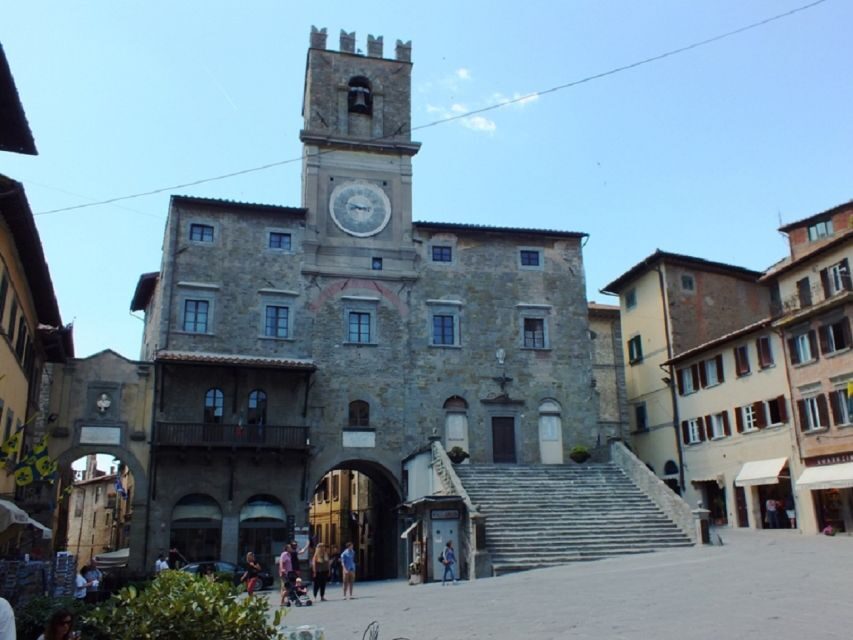
- Piazza della Repubblica: the main square with Roman-age roots
- Palazzo del Capitano del Popolo: Cardinal Passerini’s 16th-century residence
- Palazzi stops that connect the timeline: Palazzo Comunale (12th century) and more
- Teatro Signorelli: a neoclassical theater still used for the local season
- Cathedral + views: a final cultural and visual payoff point
- Private pacing: you move as a group, guided in English or Italian
Why Cortona feels like Tuscany in miniature
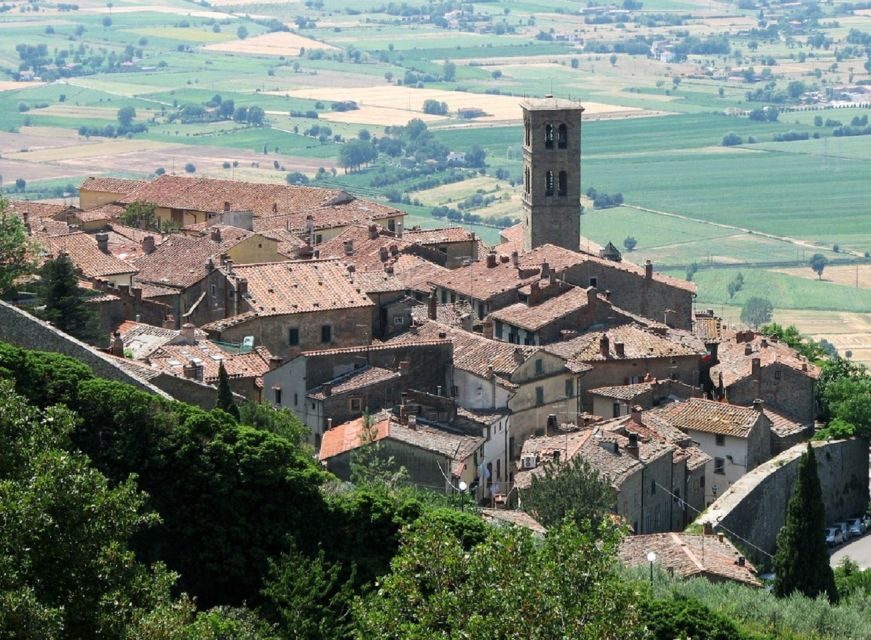
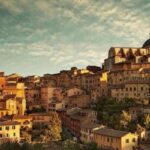
Cortona is the kind of place where a short walk can feel like a day. You’re dropped into an atmosphere shaped by an Etruscan past, medieval streets, and that classic Tuscan habit of building towns for views.
What makes Cortona especially fun is that it doesn’t require special planning to enjoy. You can focus on the big picture—how the town grew and where power lived—or you can just follow the guide to the corners with the best sightlines. Either way, this tour gives you structure without killing the wandering spirit.
If you’re arriving in Tuscany and want one town that feels “complete,” Cortona is a strong bet.
You can also read our reviews of more guided tours in Cortona

Private 2 hours: the right length for first-time orientation
A 2-hour private tour is a practical sweet spot. It’s long enough to get oriented—where the center is, which buildings matter, and what to notice—yet short enough that you’ll still have energy to roam afterward on your own.
Because it’s private (and up to 20 people as a group), you’ll typically get a calmer experience than big-group bus tours. You’re also not forced into a rigid schedule the whole time; in real-life use, guides can adapt to the pace you need. One guest even mentioned their guide adjusted the walking because of knee issues, which tells you the tone is flexible.
You do need to be comfortable walking hills and old-street surfaces. This is a walking tour, not a sit-and-stare history lecture.
Meeting at Piazza Garibaldi and getting your bearings
Your meetup is at Piazza Garibaldi, at the beginning of the viewpoint balcony. That’s a smart start because it puts you near the “Cortona you came for” element—views—before you start threading through the town.
Start with the right mindset: the guide isn’t just reciting dates. They’re helping you connect what you see—squares, palazzi, theater fronts, and church facades—to why Cortona looks the way it does.
Tip: if you’re sensitive to walking, give yourself a little extra time to find the exact meeting spot. Those balconies and viewpoints can feel easy on a map but confusing in the moment.
Piazza della Repubblica: the Roman-age main square in motion
The tour’s first big landmark is Piazza della Repubblica. It’s Cortona’s main square, and the key point isn’t just that it’s central—it’s that you’re standing somewhere with Roman-age origins. That changes how you read the whole town: you stop thinking in “medieval postcard” and start seeing layers.
In practice, your guide will help you notice how civic life and social life shaped the town center. Piazza spaces like this were the stage for markets, gatherings, and power displays. Even if you don’t go into every building, the square gives you a reference point you’ll use later while you wander.
This stop is also a good time to reset your legs. You’ll get the overview early, then the tour naturally turns into slower, more detailed sight-walking.
Palazzi with power: Capitano del Popolo and Palazzo Comunale
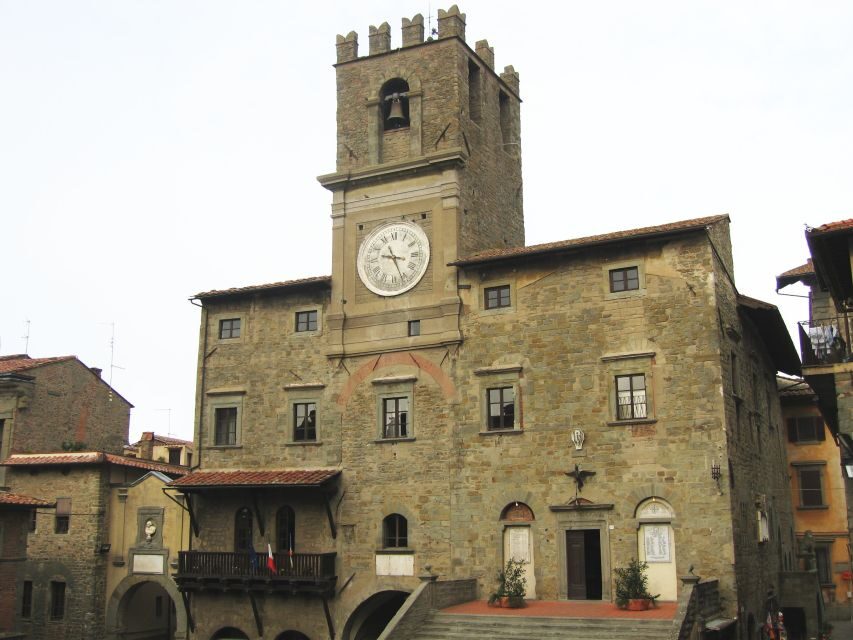
Next come the palazzi that explain how Cortona’s leadership lived. The standout here is Palazzo del Capitano del Popolo, described as the residence of Cardinal Passerini in the 16th century. That’s a big clue about how political and religious influence overlapped in town life.
You’ll also be looking at Palazzo Comunale from the 12th century. Even without a ticketed visit, palazzi like this are visual history. They tell you what mattered: authority, administration, and the prestige of having the right building in the right place.
What I like about this structure is the “cause-and-effect” feel. The tour doesn’t treat buildings like isolated photos. It explains how the town functioned, then shows you the architecture that made it work.
You can also read our reviews of more private tours in Cortona
Palazzo Casali: a bridge stop you’ll be glad you didn’t skip
After you’ve learned how Cortona’s center worked, Palazzo Casali gives you another piece of the puzzle. This is one of those stops that may look like just another old facade until the guide ties it to the town’s style and era.
The value of a stop like this is simple: it trains your eye. You start noticing recurring design choices and learning how Cortona’s architecture “talks” to itself across centuries.
If you’re the type who likes to understand what you’re looking at, you’ll appreciate the way these palazzi are sequenced. It turns a short walk into a guided “map reading” experience.
Teatro Signorelli: neoclassical theater with a real local role
One of the most charming parts of this tour is Teatro Signorelli. It’s a neoclassical theater and it’s still in use for the local theater season. That matters more than it sounds.
A working theater front isn’t just pretty architecture. It connects you to modern Cortona rhythms—people still gather, still perform, still use the town’s cultural spaces. In a place built on layers, that continuity is satisfying.
Your guide will point out what to notice in the exterior and how the theater fits into Cortona’s cultural identity. Even if there’s no show running on your visit, you leave with a clearer sense of why this town has a reputation for art and performance life.
The cathedral and those St Francis-related moments
The tour also includes the town’s cathedral area, with time for your guide to highlight what makes it worth stopping for. One review specifically called out St Frances-related items and history connected to the church visit, and that’s exactly the kind of detail that turns “a cathedral stop” into a memorable moment.
In practical terms, the cathedral stop gives you two things:
- A cultural anchor point, so the walk feels like more than palazzi sightseeing.
- A chance to catch the views that make Cortona famous.
Expect this part to feel slightly more reflective than the civic-building sequence earlier. It’s a natural break in the momentum, and it helps you end the tour with a sense of arrival.
Guides make the difference: Serena, Giulia, Laura, Pamela, and Carol
This tour lives or dies by the guide, and the pattern in the guide feedback is consistent: people come away talking about the guide’s tone, pacing, and ability to connect details to stories.
Serena is described as warm, fun, and deeply passionate about Cortona and Tuscany, with a personal angle that feels local rather than scripted. Giulia is praised for strong historical context and a sweet, engaging presence. Laura stands out for pace control—important in a town with uneven streets. Pamela and Carol are credited with making the town’s history and art feel clear, not crowded with dates.
Even if you don’t want a heavy “lecture,” these guides don’t just point. They explain. And that’s what makes your self-guided wandering afterward easier—you know what to look for.
Price and value: $306 per group up to 20
At $306 per group (for up to 20 people), the pricing works best when you treat it like a shared private experience rather than a per-person ticket.
Here’s how I’d think about value:
- If it’s just a couple of you, you’re paying for convenience and tailored attention.
- If you’re a small group of friends or family, the cost becomes much easier to justify because the guide time is spread out.
- For a town like Cortona, where a good orientation can save you hours of wandering blindly, a professional guide can pay for itself in “time gained” even if you later explore on your own.
Also remember: admission tickets are not included, so the “true” cost depends on what you choose to enter. This tour is built as a walking overview with stops that teach you what you’re seeing, rather than a ticket-heavy package.
What to bring (and what to skip)
This is a no-nonsense walking tour, so plan accordingly.
Bring:
- Comfortable shoes (you’ll be on old streets and likely uneven surfaces)
Skip:
- Guessing on tickets. Since admission tickets aren’t included, don’t assume you’ll automatically get inside everything.
Language options are English and Italian, and the experience is a private group, so you can expect a more relaxed, responsive pace than you’d get in a standard group tour.
Accessibility note: it isn’t suitable for wheelchair users. If you have mobility limitations, it can still be worth considering if your group can handle stairs and uneven pavement, but confirm your needs with the provider before booking.
Who this tour is best for
This Cortona tour is ideal if you:
- Want a smart overview without planning a full day around entrances and tickets
- Like your history connected to real streets and buildings
- Appreciate guided storytelling that makes the town feel personal
- Are visiting for the first time and want to return later with better context
It also works well for couples, because the private format supports conversation and questions. If your group includes someone with slower mobility, the pace may be adjustable, as long as the group can manage the walking environment.
If you already know Cortona well and just want photos, you might find a self-guided walk more efficient. But if you want to learn what you’re looking at, this is a strong use of your time.
Should you book this Cortona guided walk?
Book it if you want a focused 2-hour introduction that helps you understand Cortona’s main squares and key buildings, then end with cathedral views and a smoother time wandering afterward. The stop sequence (from Roman-root piazza to palazzi to theater and the cathedral) is designed to build a mental map quickly.
Skip it if you’re looking for a ticketed museum day, or if mobility constraints make walking the old streets unrealistic. And if you hate guided commentary, keep in mind this experience is built around a professional guide leading you step-by-step.
My rule of thumb: if you’re the type who enjoys “why this building matters,” this tour is money well spent.
FAQ
How long is the Cortona private guided tour?
It lasts 2 hours.
Where does the tour meet?
Meet at Piazza Garibaldi, at the beginning of the viewpoint balcony.
How much does it cost?
The price is $306 per group, up to 20 people.
What’s included in the price?
A professional tour guide is included.
Are admission tickets included?
No. Admission tickets are not included.
Is the tour suitable for wheelchair users?
No. It is not suitable for wheelchair users.