REVIEW · SIENA
Siena: Half-day Guided Hike to Monteriggioni
Book on GetYourGuide →Operated by Tuscan Escapes by Papilio · Bookable on GetYourGuide
Tuscany feels different when you walk it. This half-day guided hike trades city noise for the Via Francigena pilgrim route, then lands you in the medieval fortress town of Monteriggioni, where a guided wine tasting caps the day. It is a simple plan with big payoff: countryside views, real history on foot, and time to explore afterward.
I especially like the way a local, English-speaking guide brings the route to life, mixing the 9th-century pilgrimage story with what you can actually see around you. Names that come up a lot in guides include Giovanni, Alessia, Keko, and Francesco, and the common theme is clear explanations plus encouragement to ask questions. I also like the payoff at the end: the wine tasting is set up as a treat after the walk, not an afterthought.
One thing to consider: this is not a stroll. The hike is for people in good physical condition and used to long walks, and some stretches can be rough underfoot. If you have knee/ankle issues, or you prefer flat paths, this may feel like more work than you want.
In This Review
- Key Things You’ll Notice on This Siena to Monteriggioni Hike
- Walking the Via Francigena Instead of Just Passing Through Siena
- Meet at Siena Station at 08:55, Then Let the Minibus Handle the First Leg
- The Morning Hike: Pilgrim Footsteps, Flora and Fauna, and Quiet Pace
- Vineyards, Olive Groves, and Castle-View Moments on the Way to Monteriggioni
- Monteriggioni’s Fortress Town: Defense Built Into the View
- Wine Tasting in Monteriggioni: The Reward, Not the Rushed Part
- Price and Value: What $71 Buys for a 4-Hour Tuscany Day
- Practical Tips That Make the Difference on Hike Days
- Who Should Book This Siena to Monteriggioni Hike
- Should You Book This Siena: Half-Day Guided Hike to Monteriggioni?
- FAQ
- How long is the Siena to Monteriggioni hike?
- What does the tour cost?
- Where do I meet the guide in Siena?
- Is wine tasting included?
- Do I get transportation back to Siena?
- What should I bring, and is luggage allowed?
- Is this tour suitable for low fitness or mobility impairments?
Key Things You’ll Notice on This Siena to Monteriggioni Hike
- Via Francigena walking, with context: you follow an ancient pilgrim route first mapped in the 9th century by Archbishop Sigeric of Canterbury.
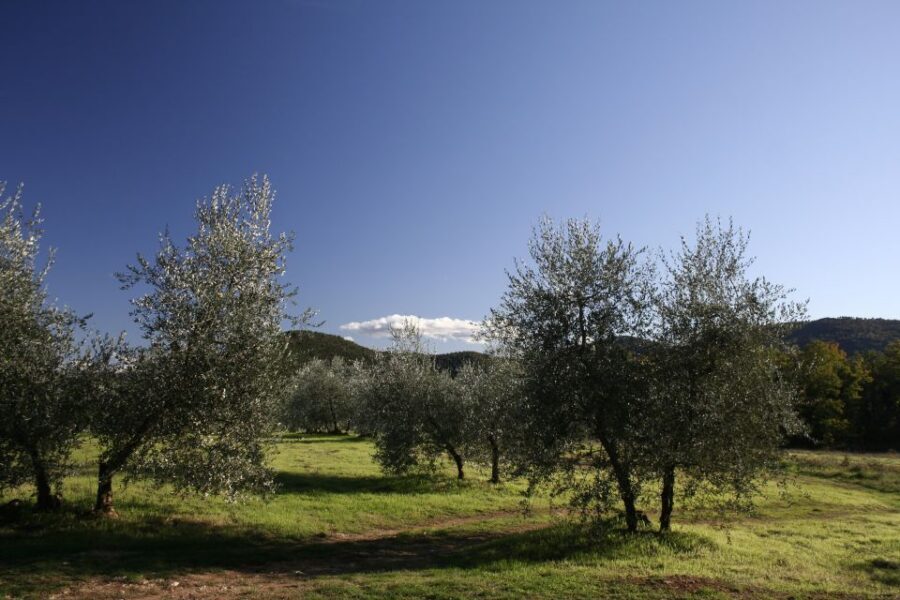
- Past and scenery meet on the trail: expect forests and fields, plus vineyards and olive groves as Monteriggioni comes into view.
- Monteriggioni’s fortress walls: built in the 13th century by the Sienese as a defense against Florence, and still visually dramatic today.
- Wine tasting that feels like a finish line: local wines are included once you reach Monteriggioni.
- Transportation built in: you get transport to the starting point and a return bus ticket to Siena with multiple afternoon options.
- Real walking conditions: bring water and wear comfortable shoes; some terrain can be uneven.
Walking the Via Francigena Instead of Just Passing Through Siena
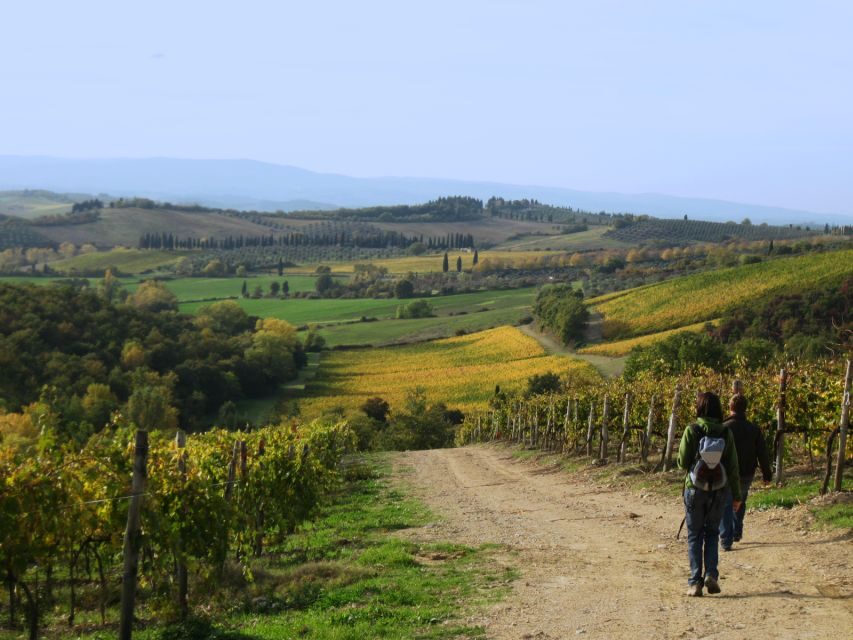
Siena is wonderful, but it is also easy to experience it as a sightseeing loop. This tour pulls you out of that loop and puts you on an older track: the Via Francigena, a major pilgrimage and trade route that tied northern Europe to Rome. The cool part is that the walk is not just scenic. Your guide connects what you see around you to why people used this route in the first place.
You start by easing your pace and shifting your brain from crowds to paths. The route is still popular with modern hikers, but it is the medieval “why” that makes the experience feel grounded. You’ll hear how the trail functioned as both spiritual journey and a busy corridor for commerce, then you’ll walk through the mix of fields, patches of woodland, and the classic Tuscan agriculture that still shapes the area.
And because you end in Monteriggioni, the day has a natural arc. It is not just walking away from Siena; it is walking toward a place the Siena Republic built for protection. When you reach those walls, the story suddenly becomes visible.
You can also read our reviews of more guided tours in Siena
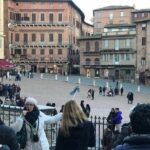
Meet at Siena Station at 08:55, Then Let the Minibus Handle the First Leg
The day starts simple: meet at the Siena train station at 08:55 am. The meeting spot is in front of a pharmacy or cafeteria next to the main entrance, so give yourself a few minutes to confirm you are at the right place.
Transport to the starting point is included, which matters more than it sounds. Without that bus ride, you would be spending time figuring out how to get onto the right segment of the trail. Here, you get there, step onto the path, and spend your energy on the walk instead of logistics.
You also receive a return bus ticket to Siena. That is helpful because it gives you control at the end: you can linger in Monteriggioni to browse shops of local crafts and products, or you can head back earlier if you prefer. Your day does not depend on a single fixed return time.
Small practical note: the tour does not allow luggage or large bags. Plan to travel light with a small daypack. You’ll be glad you did once you’re moving on uneven ground.
The Morning Hike: Pilgrim Footsteps, Flora and Fauna, and Quiet Pace
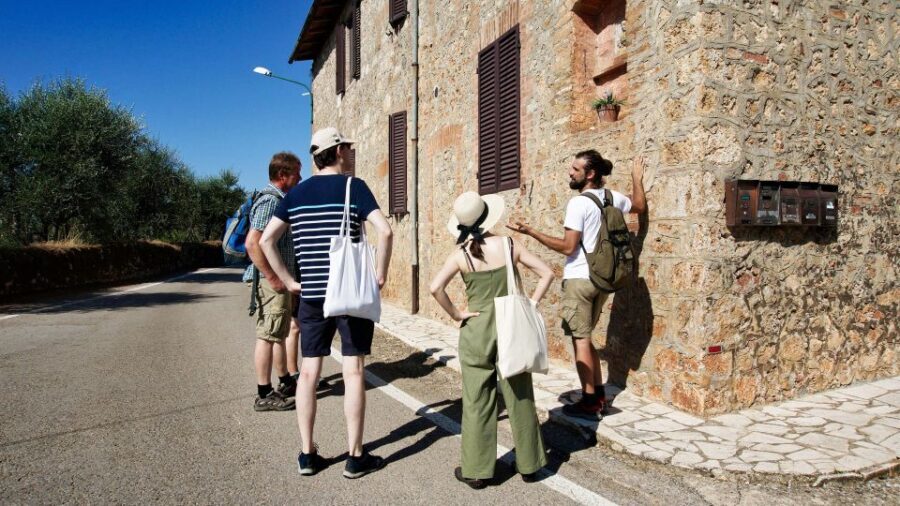
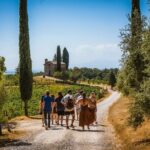
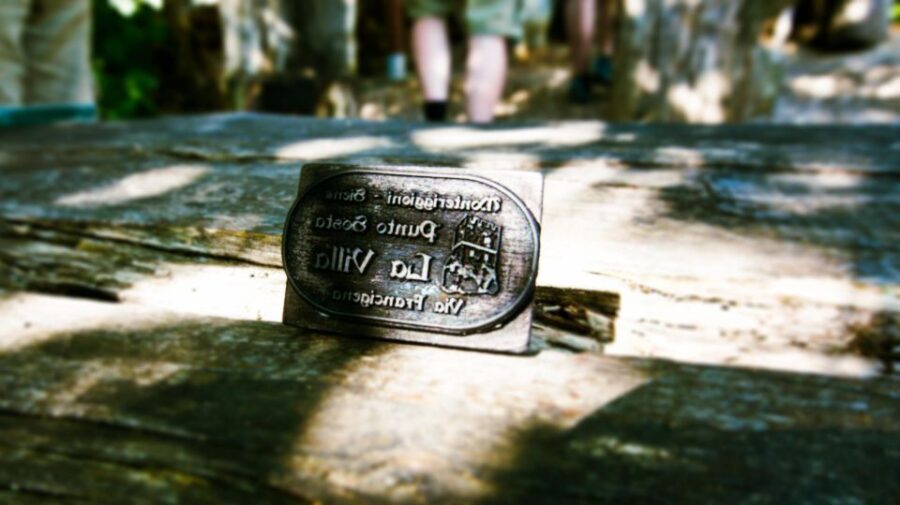
Once you start walking, the experience becomes about rhythm. You follow the Via Francigena route while your guide explains how this trail was plotted and used long before modern roads took over. The 9th-century reference point from Archbishop Sigeric of Canterbury is more than trivia. It helps you understand why this path kept pulling people in for centuries.
What makes the hike feel personal is the guide’s focus on what’s around you. Several guides highlighted in different groups lean into the natural side of the route, with explanations about flora and fauna and how local habitats work. That turns the trail into a living classroom without making it feel like a lecture. It also helps you notice details you would otherwise walk right past.
If you are traveling with a “tell me what I should look for” mindset, you are in good shape. Guides in this program have a reputation for engaging, answering questions, and pointing things out in plain language. Some even make it easier by capturing group photos, so you do not have to keep running back to get a shot.
The walking is described as pleasant, and many people find it easier than they expected. Still, treat it as an actual hike. You will want a steady pace, good footing, and water on hand. The best way to enjoy it is to go into it expecting a half-day spent moving, not half a day spent posing.
Vineyards, Olive Groves, and Castle-View Moments on the Way to Monteriggioni
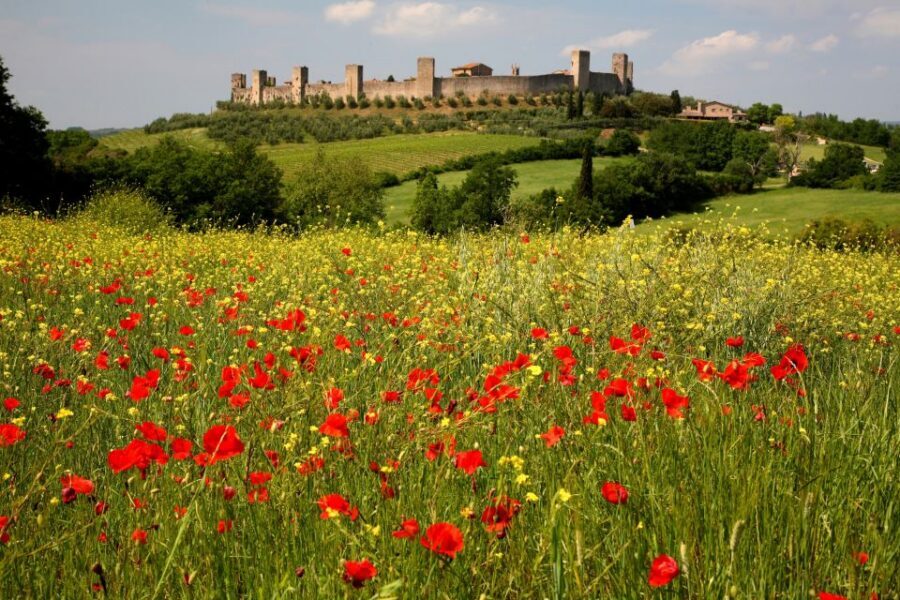
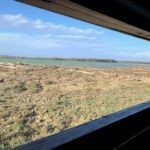
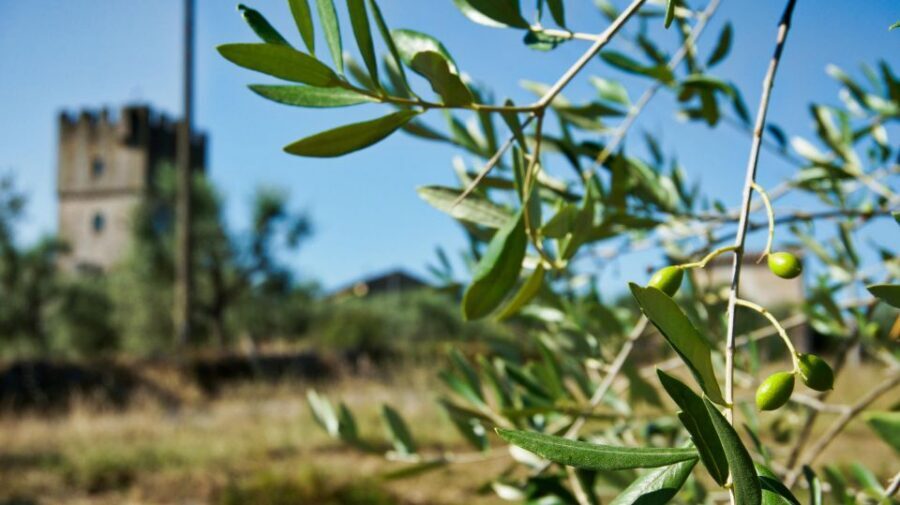
As the route continues, the countryside opens up in the way Tuscany does best: not with one big photo moment, but with repeated “wait, look at that” scenes. You cross through vineyards and olive groves, and along the way you get views of ancient castles and historical sites.
This is where the guided part pays off again. Your guide helps connect the scenery to the region’s medieval footprint. Monteriggioni isn’t just a random fortress town you visit on a map. You walk toward it through the agricultural landscape the Sienese influence shaped over time.
Terrain can vary. One clear caution from real walking conditions: some areas can be rough, so you’ll want to move carefully. That does not mean it is scary, but it does mean you should skip flimsy shoes. If you twist your ankle on uneven ground, your wine-tasting plans will feel like a consolation prize instead of a celebration.
On hot days, you might even find patches of shade in the forests along the way. That can make a big difference to how the morning feels, especially if you’re used to walking in comfortable spring weather. Plan for warmth anyway, and you’ll be more relaxed if the day runs sunny.
Monteriggioni’s Fortress Town: Defense Built Into the View
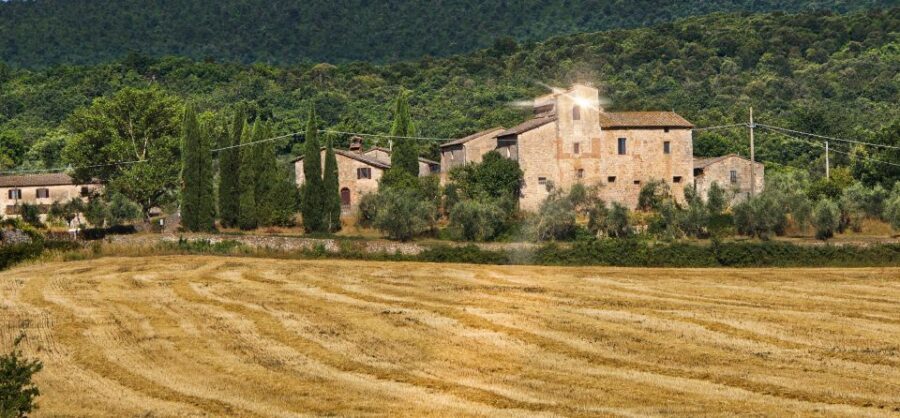
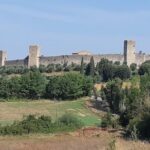
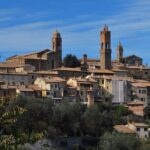
When you arrive in Monteriggioni, the vibe shifts fast. The medieval fortress presence is immediate, because the town is defined by its walls. Monteriggioni was built by the Sienese in the 13th century as a bastion of defense during wars against Florence. Today, it still looks fortified, but it feels quaint and walkable in a way that surprises people who imagined it as purely military.
This is a great stop for two types of travelers:
- those who love medieval architecture and want to see it in context
- those who prefer browsing small streets and shops over museum crowds
You’ll have time after the guided part to explore at your own pace. There are shops selling local crafts and products, so it is worth having some cash or a card ready if you like bringing home something made locally. You also have the option to return to Siena right away if you do not want a long afternoon.
The fortress town ending matters because it changes your mental map. After a hike that starts with pilgrim history and countryside ecology, you end with a clear political and defensive reason for why these hill towns mattered.
You can also read our reviews of more hiking tours in Siena
Wine Tasting in Monteriggioni: The Reward, Not the Rushed Part
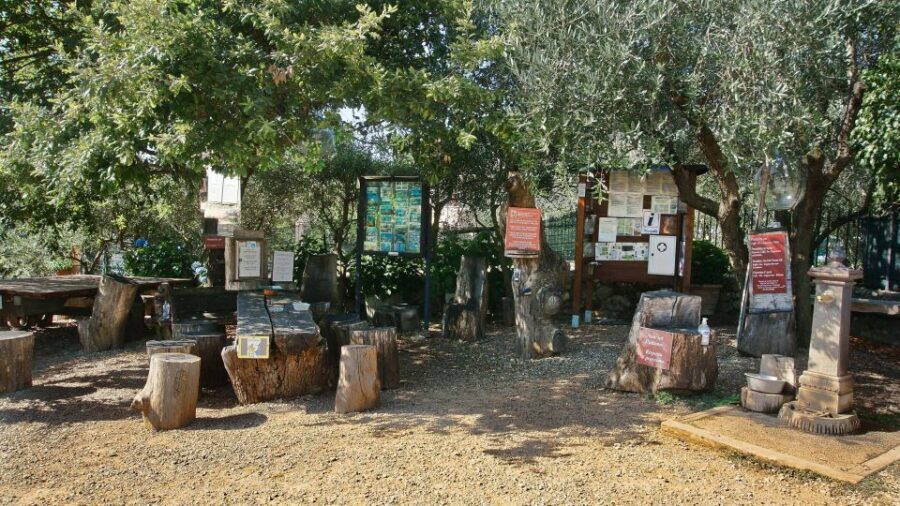
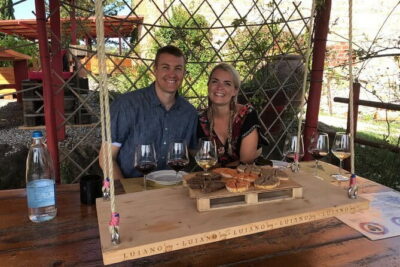
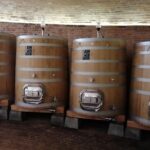
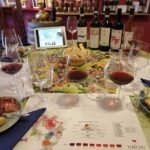
The tour includes a guided wine tasting once you reach Monteriggioni. This is the part that keeps the experience from feeling like just exercise plus photos. It gives you a moment to slow down and absorb the place you just walked into.
From how the tasting has been described in practice, it tends to be well organized, with tastings that feel paired with local food samples in some cases. Even when the specifics vary by day and venue, the key idea is consistent: you taste local wines in the setting where the walk ends, not somewhere generic.
How to get the most out of it:
- Ask your guide what to look for in the flavors you taste.
- Try to make the tasting feel connected to what you walked through (the region’s agriculture shows up in the glass).
- If you like a bottle, it is normal to want to buy one after tasting since you are already in the right place to do it.
And importantly, the wine is scheduled after the hike. That makes it feel like a true reward, not a mid-hike distraction.
Price and Value: What $71 Buys for a 4-Hour Tuscany Day
At $71 per person for a 4-hour experience, this is positioned as good value for a guided countryside day that includes both transportation and wine tasting.
Here’s why it feels worth it, practically:
- You are paying for an English-speaking guide who handles history and on-trail interpretation.
- You get transport to the starting point, so you spend less time solving logistics.
- You also get a return bus ticket to Siena, which means you are not stuck planning your own ride back.
- The included wine tasting adds a “local taste” component that you would likely pay for separately on your own.
If you tried to recreate this day independently, you’d still need a plan for getting to the trail segment, figuring out timing, and getting a reliable route that matches your pace. Add a wine tasting visit at the end, and the costs start stacking up.
Also worth noting: the tour operates with a free-cancellation window and a reserve-then-pay-later approach. That makes it easier to book even if your Siena schedule is still fluid.
Practical Tips That Make the Difference on Hike Days
This tour is for people who can handle long walks and good physical condition. It is not suitable for mobility impairments, and it is not aimed at low fitness levels. If you’re unsure, treat this as a “prepare like you’re hiking,” not “prepare like you’re sightseeing.”
What to bring:
- Comfortable shoes with decent grip
- Water
- In summer: a hat and sunscreen
- In winter: a rain jacket
Also plan for light packing. No luggage or large bags are allowed. A small daypack works best.
And one more practical reality: check the meeting point carefully at Siena train station. A past experience described issues when people ended up at the wrong pickup location and then had to scramble to catch up. You can avoid that stress by arriving a bit early and using the pharmacy/cafeteria cue next to the main entrance.
Finally, bring patience for walking days. If the ground is uneven in places, you do not need to rush. The payoff is the views and the story you get as you walk.
Who Should Book This Siena to Monteriggioni Hike
This tour fits best if you want:
- a guided Tuscany walk that goes beyond the city center
- medieval history you can actually see and walk toward
- a countryside morning followed by a wine tasting finish
- an easy half-day plan that still feels like an experience, not a checkbox
It also works well as a first countryside excursion for people staying in or near Siena. You get out into the Via Francigena corridor, then you come back with a sharper sense of how Siena’s medieval power played out in the landscape.
You might skip it if you:
- want a flat, stroller-friendly experience
- prefer minimal walking and maximum lounging time
- are dealing with mobility limitations or ankle/knee concerns
Should You Book This Siena: Half-Day Guided Hike to Monteriggioni?
I think this is a strong pick if you like your Tuscany with a little movement and a lot of context. The combination of Via Francigena history, a guided look at nature, and a fortress-town finish with wine tasting makes the day feel complete.
Book it if you’re the type who enjoys learning while walking and you can handle uneven ground for a few hours. Skip it if you want low-effort sightseeing or you know you struggle with long walks.
If your plan is flexible, reserve it confidently. The free cancellation window and reserve-then-pay-later approach give you room to adjust without losing sleep.
FAQ
How long is the Siena to Monteriggioni hike?
The tour duration is 4 hours.
What does the tour cost?
The price is $71 per person.
Where do I meet the guide in Siena?
Meet at Siena train station at 08:55 am, in front of a pharmacy or cafeteria next to the main entrance.
Is wine tasting included?
Yes, wine tasting is included as part of the experience in Monteriggioni.
Do I get transportation back to Siena?
Yes. You receive a return bus ticket to Siena, with several return buses available throughout the afternoon.
What should I bring, and is luggage allowed?
Bring comfortable shoes and water. In summer, a hat and sunscreen are recommended, and in winter a rain jacket is recommended. Luggage or large bags are not allowed.
Is this tour suitable for low fitness or mobility impairments?
No. It is not suitable for people with mobility impairments or people with low level of fitness. It’s intended for anyone in good physical condition with experience in long walks.