REVIEW · SIENA
Guided tour of the cellars with wine tasting and lunch
Book on Viator →Operated by Winery San Giorgio a Lapi · Bookable on Viator
Two hours can feel like a full Tuscan day. This small-group tour at San Giorgio a Lapi pairs a quick look at a family church with a guided walk through the winery cellars, then finishes with wine tasting and lunch. You’re in the Tuscan hills outside Siena, with a schedule that stays focused and easy to follow.
I love that Stop One isn’t just a photo stop. The church story connects directly to the estate, including the rediscovery of a painting by the Nasini family of painters from Amiata showing St. George killing the dragon. I also like that the wine education is practical: you move from cellar methods to barrel and bottle aging, then taste the results with typical Tuscan food during lunch.
One thing to plan for: the experience needs good weather. Since it’s on the estate and tied to the schedule of the day, you’ll want a flexible block in Siena, and you should dress for a bit of outdoor walking.
In This Review
- Key things I’d circle before you book
- San Giorgio a Lapi: a family vineyard outside Siena
- San Giorgino church (1109): more than a quick stop
- Cellars walk-through: vinification to barrel and bottle aging
- Wine tasting and lunch: learning by pairing, not just sipping
- Price and value: why $77.89 feels fair here
- Logistics in plain terms: meeting point, timing, and how to get there
- Who this tour suits best (and who might want something else)
- What to expect from the guide (and what to ask during tasting)
- Should you book San Giorgio a Lapi’s cellar tour with lunch?
Key things I’d circle before you book

- Church first, wine second: San Giorgino’s story sets the stage before you see the winemaking process below.
- Real cellar walk-through: You get to hear how wine moves through vinification, barrel aging, and bottle aging.
- Lunch with tastings: Food isn’t an afterthought; it’s part of how the pours make sense.
- Owner involvement: The tasting portion includes time with one of the owners of San Giorgio a Lapi.
- Tiny group size: Maximum 5 participants, so the guide can slow down and answer questions.
San Giorgio a Lapi: a family vineyard outside Siena
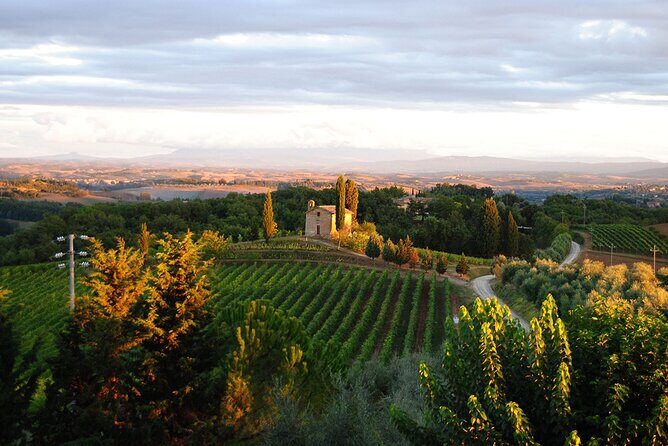
This is the kind of tour that feels like it was built for quality over chaos. With a maximum group size of 5 and an English-speaking guide, you can ask questions without shouting across a bus. The timing is also smart: it starts at 11:00am and runs about 2 hours 30 minutes, then you’re back at the same meeting point.
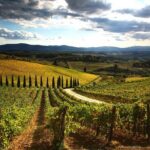
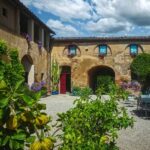
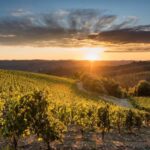
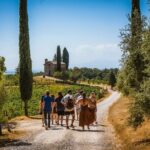
San Giorgio a Lapi is a family-run operation on the gentle Tuscan slopes. The setting matters because it shapes the experience. You’re not just touring rooms; you’re walking through an estate where the church, vineyards, and winemaking spaces belong to the same story.
If you’re wondering what kind of winery you’ll see, the vibe is small and personal. One visitor noted the winery produces around 100k bottles a year, with a much less commercial feel than some larger nearby estates. That’s exactly what you want if you’re tired of rushed tastings.
You can also read our reviews of more food & drink experiences in Siena
San Giorgino church (1109): more than a quick stop
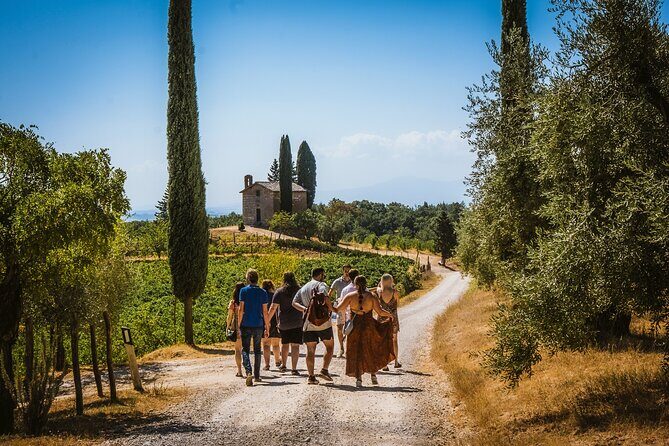
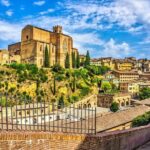
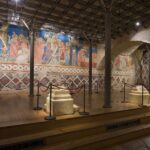
Stop One is San Giorgio a Lapi’s small ecclesiastical building, San Giorgino, dating to 1109. It sits on estate land with a dominant position over the vineyards and olive trees. Even in a short visit, you feel the point: this isn’t a detached attraction. It’s part of how the family has shaped and managed the land.
The church also has a restoration arc that adds real depth without turning the visit into a lecture. Visitors have shared that the building had suffered major structural damage and was then restored by the family. That restoration led to the return of a fresh painting by the Nasini family of painters from Amiata, depicting St. George killing the dragon.
Why this matters for you: it turns Stop One into context. When later you taste wine aged in barrels and bottles, the whole day has a through-line—care, continuity, and the long view. And if you like history, you get it in human scale: family effort, visible results, and a specific artwork you can picture afterward.
Practical note: the church stop is about 30 minutes. That’s long enough for meaningful explanation, but short enough that you don’t lose the rest of the day to footnotes.
Cellars walk-through: vinification to barrel and bottle aging
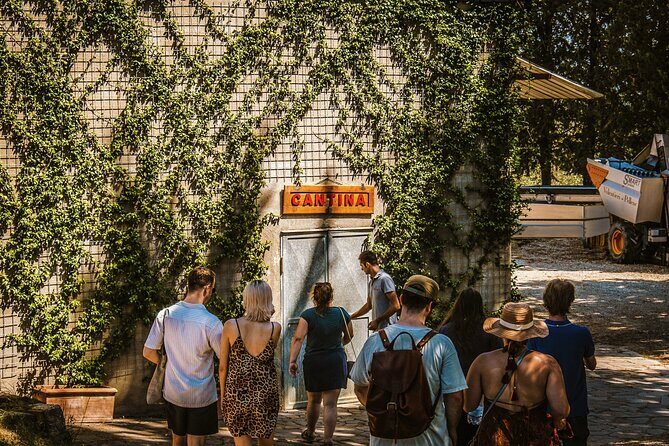
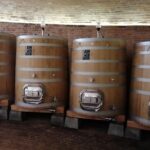
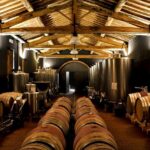
Stop Two takes you into the real heart of the operation: the cellars. This is a guided walk designed to show you how the wine is born and matured. You’ll hear about vinification (how grapes become wine) and then follow the timeline through barrel aging and bottle aging.
The way this is framed is useful. Many winery tours either focus only on the romantic side or only on technical terms. Here, the structure is simple: process first, then taste. That makes it easier to connect what you learn to what you actually taste in your glass.
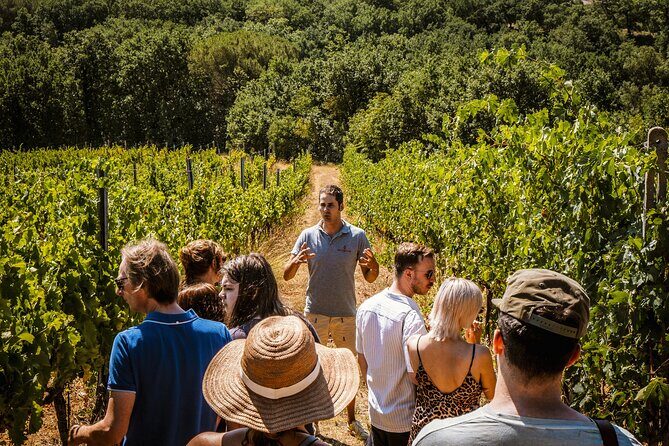
Plan for a moving tour format. You’re walking through spaces where wine is being prepared and stored, not just standing in front of a display. It’s also part of why the experience works best in small groups. With up to 5 people, the guide can pause for questions like how aging decisions affect flavor or what to look for while tasting.
You’ll also end the cellars section with wine tasting and typical Tuscan products, with one of the owners joining in the process. That owner-led element tends to change the feel of the tasting: it’s less like a script, more like a conversation with someone who actually lives with the wine.
Wine tasting and lunch: learning by pairing, not just sipping
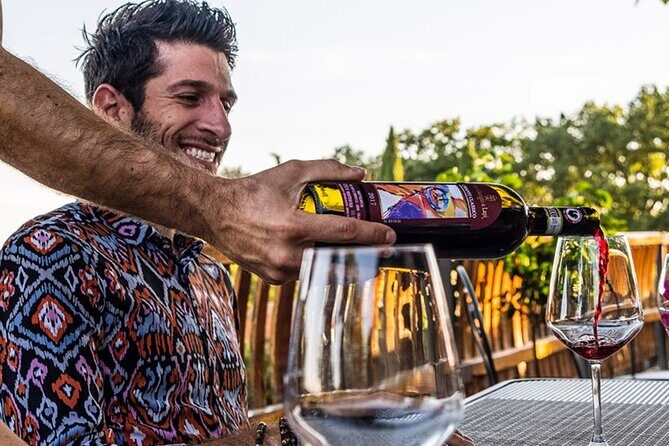
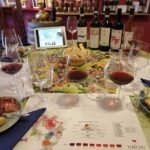
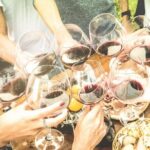
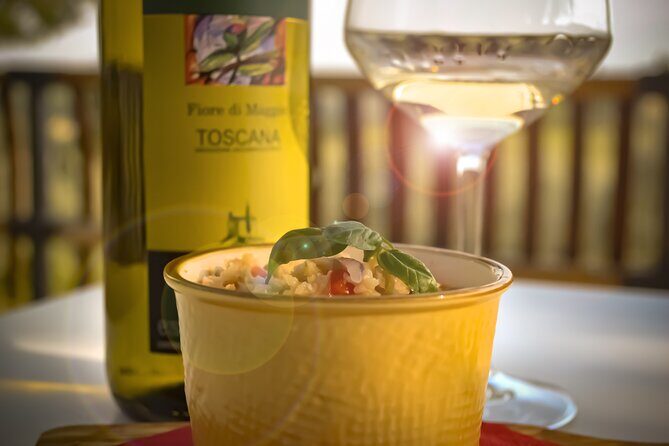
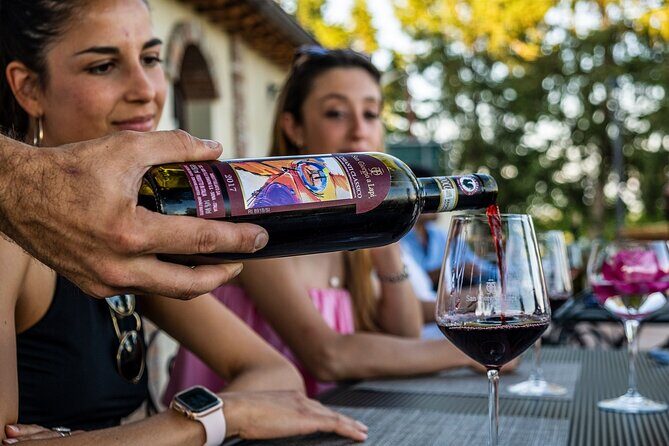
The best part of this tour for most people is the combination of wine tasting and lunch. The tasting isn’t separated from food by some awkward pause. Instead, the food and wine show up together, so you taste with context.
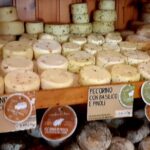
Expect typical Tuscan products alongside the pours. One of the nice bonuses mentioned in feedback is the variety of wine styles. You might taste across a range that includes whites and medium-bodied options, then moves toward fuller-bodied wines. The point is that you leave with a sense of how one winery can interpret different styles.
How many wines? The tour includes tasting as part of the package, and some groups reported tasting multiple wines in several rounds—one visitor mentioned 4 rounds, another mentioned trying 7 wines. You shouldn’t count on the exact number for planning, but you can be confident you’ll taste more than just one or two samples.
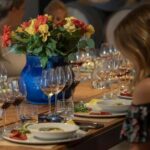
Lunch itself is built into the tour. And the value here is not only calories; it’s learning. Food pairing helps you understand why a wine works in context. It also keeps the day comfortable if you’re not used to drinking during daytime touring.
Dietary flexibility is another practical plus. One visitor with a milk intolerance said the team adapted the menu with very little notice. That’s not a guarantee for every situation, but it’s a good sign. If you have dietary needs, it’s smart to mention them at booking or when you arrive.
A small detail that can make your day better: depending on timing, you might catch harvest activity. One guest described watching harvest as a plus. Even if you don’t see harvest, you’ll still get the core process explanations that make the tasting more meaningful.
Price and value: why $77.89 feels fair here
At $77.89 per person for about 2.5 hours, this isn’t a “cheap quick sip” stop. But the price makes more sense when you look at what’s included.
You’re paying for:
- Admission tickets tied to the church stop (Stop One)
- Admission for the cellar walkthrough (Stop Two)
- Wine tasting with typical Tuscan products
- Lunch paired with the tasting
So you’re not just buying access to a single room or a single pour. You’re getting a guided sequence, and the day ends with actual food. In a region where wine experiences can range from simple tastings to long winery days, this hits a sweet spot: structured enough to feel complete, short enough that you can still enjoy Siena afterward.
Also, the small group size matters for value. Up to 5 participants is rare at this price point for an experience that includes both education and owner interaction. If you’ve been stuck in tours where you hear everything but speak to no one, you’ll feel the difference here.
One more value signal: the winery itself encourages purchases without pressure. Some visitors noted they bought wine and olive oil to bring home. One person shared that buying 6 bottles or more (and taking away the wine by the end of the visit) may trigger a 15% discount. If you plan to stock up, ask what offers apply during your visit.
You can also read our reviews of more guided tours in Siena
Logistics in plain terms: meeting point, timing, and how to get there
The tour meets at San Giorgio a Lapi, Str. di Colle Pinzuto, 30, 53100 Siena SI, Italy and ends back at the meeting point. You start at 11:00am.
A few practical notes you should care about:
- It runs about 2 hours 30 minutes, so plan your morning in Siena accordingly.
- The group max is 5 participants, which helps with questions and pacing.
- It’s offered in English, and you get a mobile ticket.
- Service animals are allowed, and most people can participate.
Getting there is usually simple. Feedback suggests the winery is reachable with a taxi from Siena, and some visitors describe it as close to town. If you like DIY plans, great. If you prefer not to fuss, just make sure you leave Siena early enough to arrive on time for the 11:00am start.
Also remember: good weather is required. If skies are rough, the experience may be rescheduled or refunded. That matters because outdoor estate movement is part of the day.
Who this tour suits best (and who might want something else)
This fits best if you want a classic Tuscan wine day without turning it into an all-day saga.
You’ll likely love it if:
- You want a short, guided experience that still feels complete
- You enjoy small groups where the guide can answer questions
- You like learning the winemaking steps and then tasting with food
- You want lunch included, not a separate reservation later
You might look elsewhere if:
- You want a longer, deeper winery technical program lasting half a day or more (this is about 2.5 hours)
- You’re very limited on mobility and prefer fully flat routes (the church and estate movement can involve uneven terrain)
- You can’t adjust for weather on the day you book
One nice perk for families: guides have been described as involving kids to make the tour fun. If you’re traveling with children, that’s a strong sign this won’t feel like a stuffy lecture.
What to expect from the guide (and what to ask during tasting)
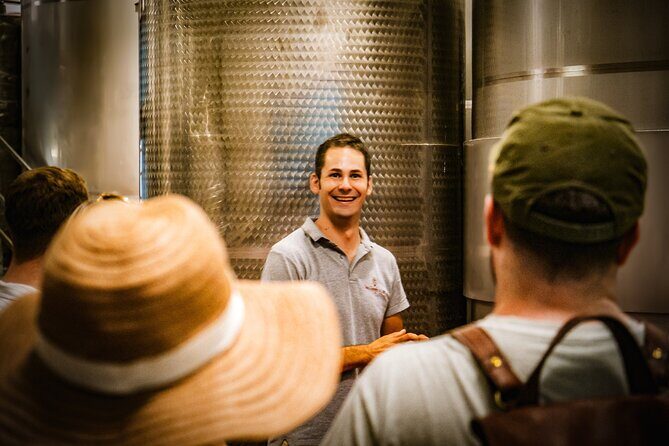
The guide role is a big part of why this tour gets such strong marks. Names like Jessie and Benedetto show up repeatedly in feedback, along with other guides such as Albrezzo, Mia, and Alberto. So you’re not just getting generic “wine talk.” The delivery tends to be friendly and personal, with a sense of humor when appropriate.
Here are smart questions to bring with you:
- Which step changes the wine most: vinification, barrel aging, or bottle aging?
- If you like a certain style, how can you choose it from this lineup?
- What food pairing you tried do you think shows the wine’s best side?
Also, don’t be shy about asking how to buy bottles you’ll actually use at home. People often leave with a couple of bottles and some olive oil, but the right choice depends on what you like drinking, not what looks good on a shelf.
Should you book San Giorgio a Lapi’s cellar tour with lunch?
If you’re staying in or near Siena and you want an efficient, high-quality wine experience, I’d book this. The short duration, small group size, and the fact that lunch is paired with tasting makes it feel like more than a ticketed stop.
Book it sooner rather than later. This experience is often reserved about 24 days in advance on average, and your best chance at a smooth day is getting your timing locked.
One final “check before you go” tip: pick clothes that handle a Tuscan estate day—comfortable shoes and layers. When the weather cooperates, this tour is exactly the kind of day-trip feeling you want: real place, real process, and wine you can actually talk about afterward.