REVIEW · SIENA
Siena: Educational Wine Tour & Tasting
Book on GetYourGuide →Operated by Azienda Agricola La Lastra · Bookable on GetYourGuide
Siena’s organic wine lesson feels personal. At Azienda Agricola La Lastra, you’ll walk the vineyard and cellar side of Vine, Wine and Life in the Tuscan hills just 2 km from the center. I love how the tour explains the organic grape cycle in simple, season-by-season steps, and I love the sensory tasting room approach that helps you understand what you’re actually tasting.
The only real drawback is logistics: you are responsible for getting to the winery and back. Plan for a taxi or a walk from Siena, because this is not a stop you can wander into on foot at random.
In This Review
- Key things I’d prioritize on this tour
- Organic vineyards near Siena: why this tour makes sense
- Getting to Azienda Agricola La Lastra without stress
- Vineyard walk: learning the organic agronomic and phenolic cycle
- Cellar time: chemistry, microbes, and what makes quality
- Sensory wine tasting: four organic wines with a real method
- Light lunch in Tuscany: food-and-wine pairing that actually teaches
- Price and value: what $100 buys you in a 3-hour window
- Who should book this tour (and who might prefer something else)
- Buying wine and shipping: plan for destination rules
- Should you book this Siena wine tour?
- FAQ
- How long is the Siena educational wine tour?
- Where is the meeting point for the tour?
- Is the winery in Tuscany and is it organic?
- What’s included in the experience?
- How many wines will I taste?
- What languages are available for the host or greeter?
- Can I cancel and get a full refund?
- Can I reserve now and pay later?
- Can they accommodate dietary needs like vegetarian or gluten-free?
- How far is the winery from Siena center?
Key things I’d prioritize on this tour
- Organic vineyard lessons that follow the vine ecosystem through the cycle
- Cellar time focused on chemical-physical and microbiological processes
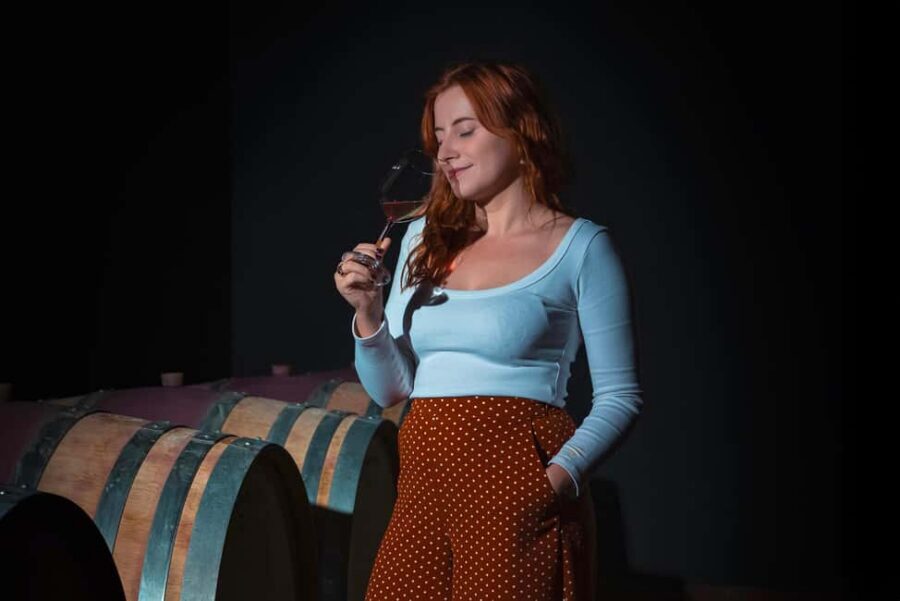
- A sensorial tasting room with 4 organic wines
- Light lunch with fresh Tuscan specialties paired for palate and mood
- Hosts who often talk like owners, with guides such as Renato, Christian, and Maia/Maya mentioned in recent experiences
Organic vineyards near Siena: why this tour makes sense
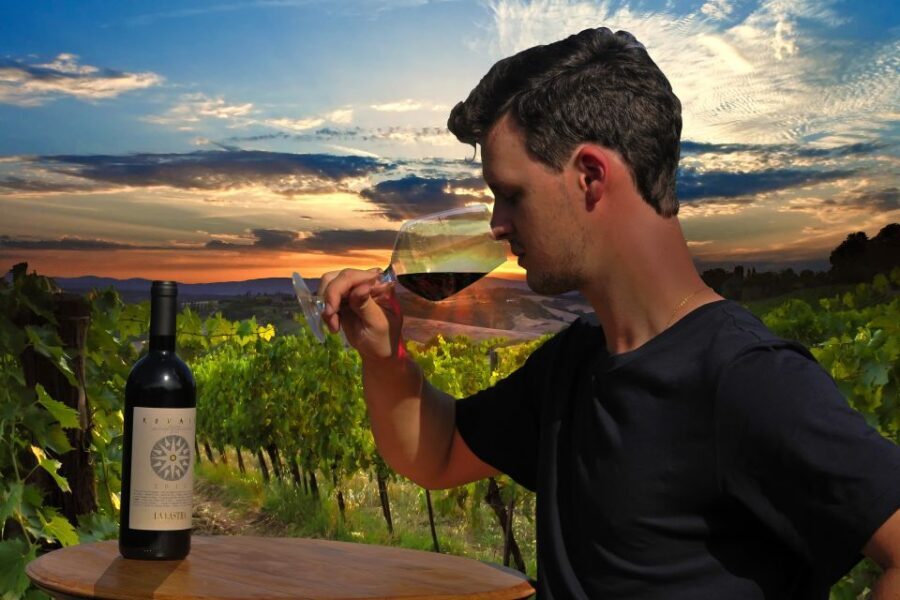
If you’re short on time in Siena, a 3-hour wine-and-food experience can be a great trade. This one is built around the idea that wine is not just a drink you sip. It’s the result of growing, seasons, and patient choices in the vineyard—then careful work down in the cellar.
What I like about this format is that it doesn’t treat wine tasting as a party trick. You move through the vineyard steps first, then the cellar processes, then you taste. That order matters because it gives your senses something to latch onto. When you later smell and taste, you’re not guessing what produced that glass.
The focus on organic methods also gives you a different lens than a standard tasting. You’re not only asking what a wine tastes like; you’re looking at how low environmental impact farming changes the grape and the final wine style. That makes the experience feel more like practical education than a sales-heavy stop.
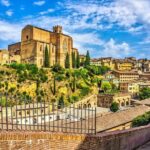
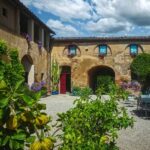
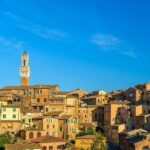
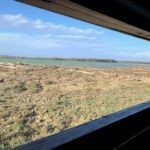
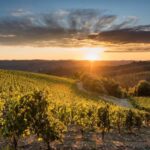
You’ll be in an organic winery environment at Azienda Agricola La Lastra, with the meeting point at Strada della Befana 2/A, Siena. The setting is described as picturesque and close enough to Siena that it feels connected, but far enough to feel like real countryside.
You can also read our reviews of more food & drink experiences in Siena
Getting to Azienda Agricola La Lastra without stress
This is the part that can make or break the day. The winery is about 2 km from Siena center, but 2 km can still mean roads, sidewalks that aren’t always ideal, and timing. One common tip from people who did it is to plan a taxi from Siena so you can drink confidently and not worry about walking back.
You can also walk if you’re comfortable with a countryside stroll, and some people reported around a 30-minute walk each way. If you’re visiting with limited time, or you want the easiest day, a taxi is the simpler move.
Two practical notes:
- Wear shoes you’d be happy to wear on uneven ground. Vineyard paths are not usually made for city soles.
- Bring a layer. Tuscany can swing in temperature, and cellar air tends to feel cooler than the outdoors.
Vineyard walk: learning the organic agronomic and phenolic cycle
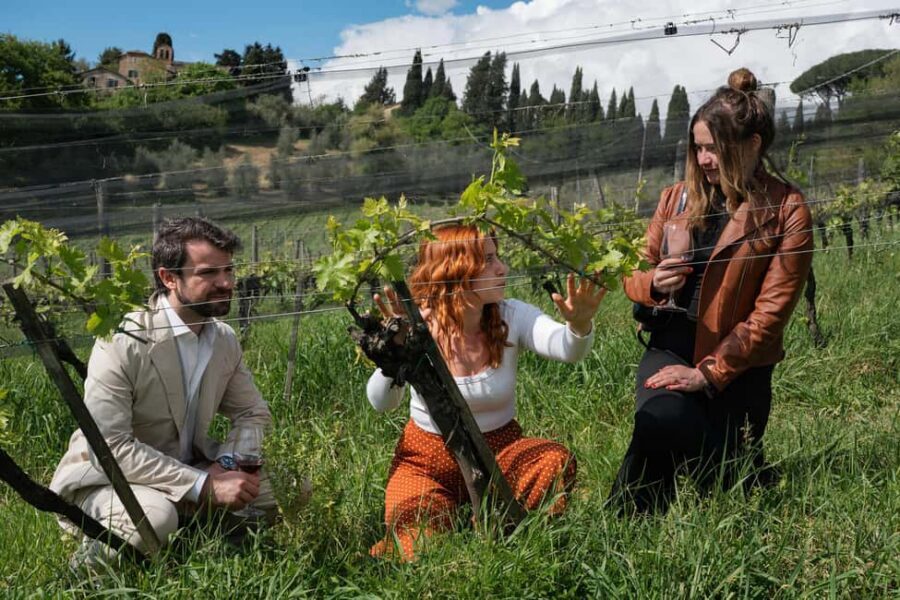
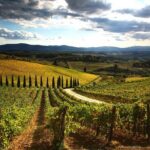
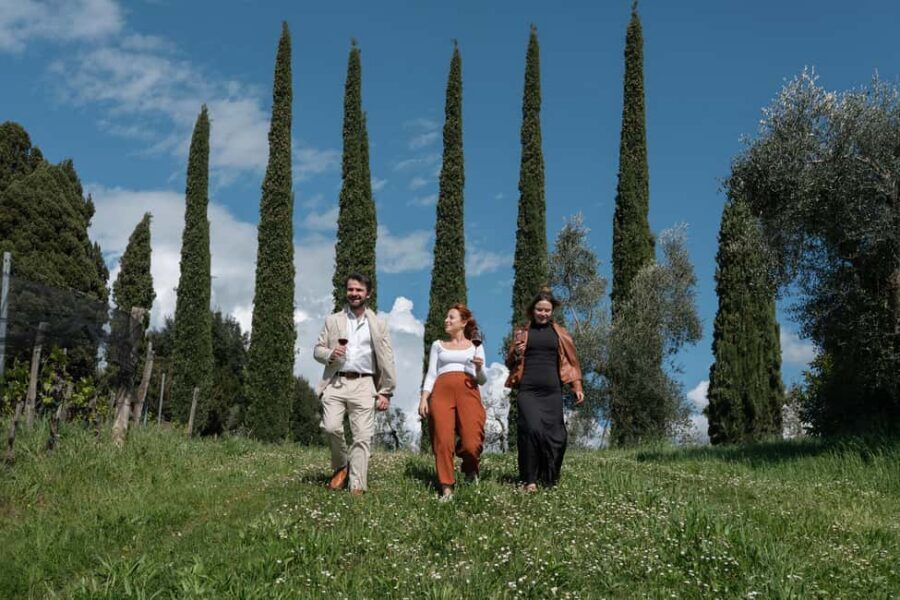
The tour starts outdoors, where it matters. You visit the organic vineyards and go through the main stages of the agronomic, phenolic, and organic cycle. In plain terms: you’re learning how the vine develops, what the grapes need, and how organic farming affects decisions across the seasons.
This is where you’ll understand the “vineyard ecosystem” part. Instead of hearing a generic overview, you’re seeing the logic of the vineyard—why soil, growth, and timing are connected. The guide explains the steps simply enough that even the technical bits don’t feel like a lecture. The goal is for you to connect what you see in the rows with what eventually becomes wine in the cellar.
You’ll also hear about low-impact agriculture and how organic winemaking aims for quality while respecting the environment. The best part of this vineyard stage is that it trains your eye. After walking and listening, you start noticing details you would otherwise ignore: where the vines are at a certain moment, how the seasonal timing shapes the grapes, and why those choices show up later in taste.
Guides and owners named in recent experiences include people like Christian and Renato, and hosts such as Maia/Maya. When an owner runs the show, you often get more direct answers. And that matters here because the topic is technical—organic grape growing, seasonal challenges, and why specific cellar choices follow.
Cellar time: chemistry, microbes, and what makes quality
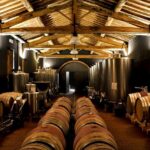
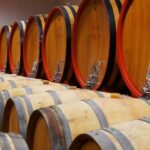
After the vineyard, you head into the historical cellar area. This is where the tour shifts from nature to process—still connected, just more controlled.
You learn about chemical-physical and microbiological processes that support quality production. That might sound intimidating, but the format is meant to be straightforward. You’re not drowning in scientific vocabulary. You’re getting the cause-and-effect story: how grapes turn into wine, what happens in development, and why organic choices don’t mean “no rules.” Organic farming still requires careful timing and management.
This cellar section also changes how you taste later. Instead of thinking wine is only about fruit flavor, you start thinking about transformation: fermentation behavior, microbiology, and how development shapes aroma and palate feel.
If you’re the kind of person who wonders why two wines from similar regions taste different, this part helps. It gives you a framework you can use immediately while tasting in the next room.
Some participants also mention that the experience may touch on olive oil. That fits the broader sense that this is a working farm, not a one-room tasting business. If olive oil is part of your day, it’s a neat bonus because it shows the same farm mindset applied to another crop.
Sensory wine tasting: four organic wines with a real method
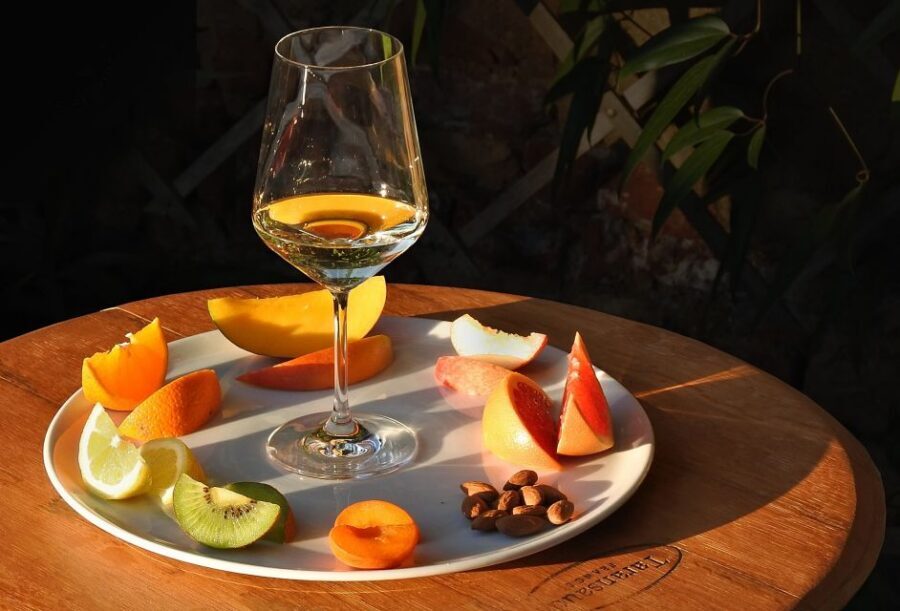
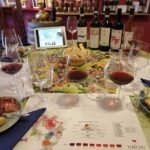
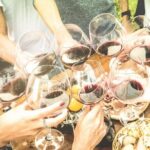
The tasting happens in a sensorial tasting room. The focus is organoleptic complexity—how wine presents through smell, taste, texture, and balance.
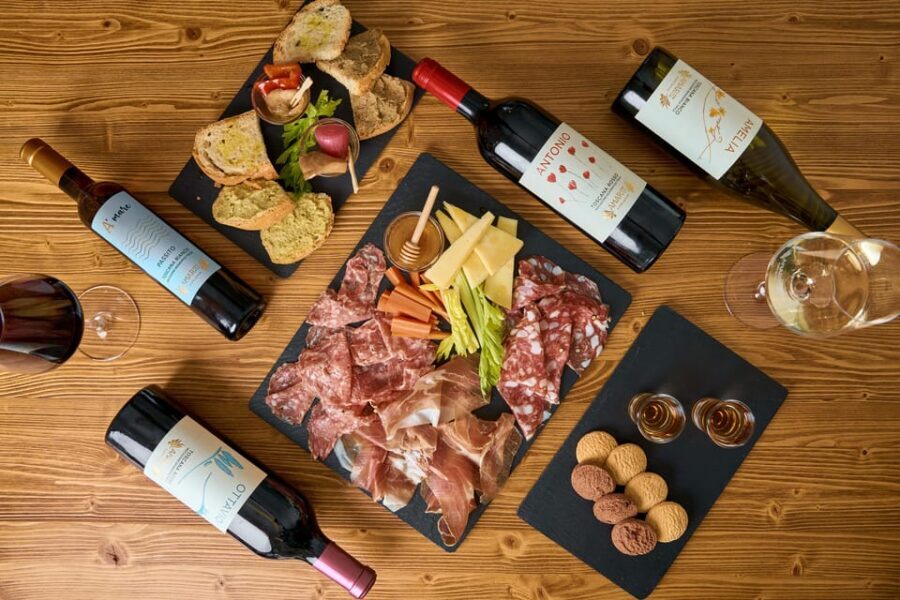
You sample 4 organic wines that are typical of the area. That’s a smart number for a 3-hour visit: it’s enough variety to notice differences, but not so much that everything blurs. And since you’ve already walked the vines and listened to cellar processes, you’re more likely to catch the “why” behind each pour.
A key detail: don’t be surprised if the host adds extra tastes when people ask questions. In past experiences, some hosts reportedly expanded beyond the planned four (including additional wines). Others also mentioned dessert and even a dessert wine later in the day. So plan for the tasting to be interactive, not rigid.
You also get a chance to connect food and wine. The experience is designed so the lunch is not an afterthought. Your tasting notes will probably make more sense once you eat.
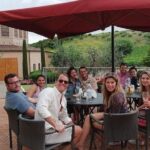
If you like tasting rooms where someone explains what to look for—without turning it into a quiz—you’ll likely enjoy this approach. Several named hosts (like Mia/Maia and Maya) got praise for explaining clearly and answering lots of questions.
You can also read our reviews of more wine tours in Siena
Light lunch in Tuscany: food-and-wine pairing that actually teaches
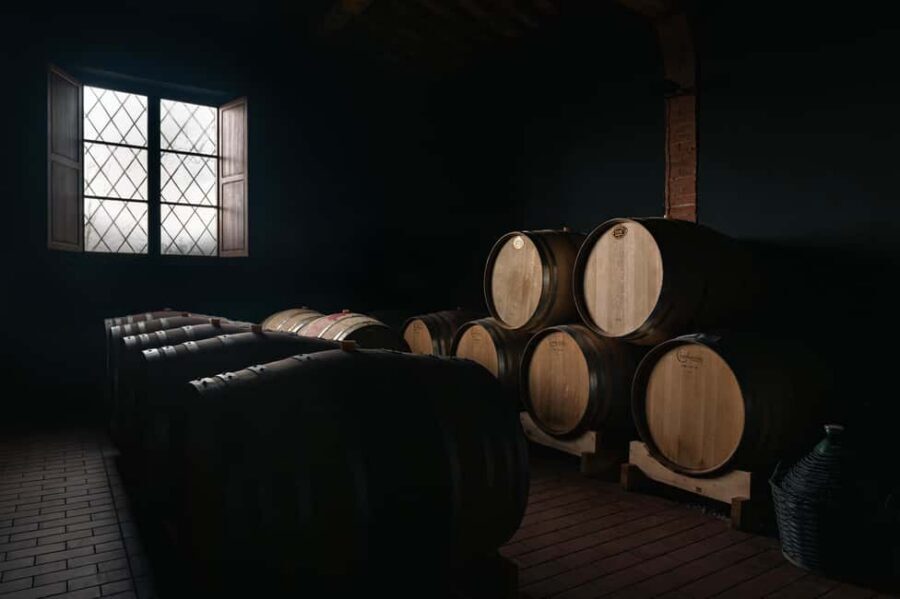
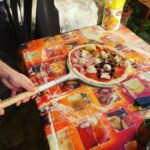
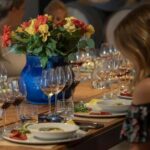
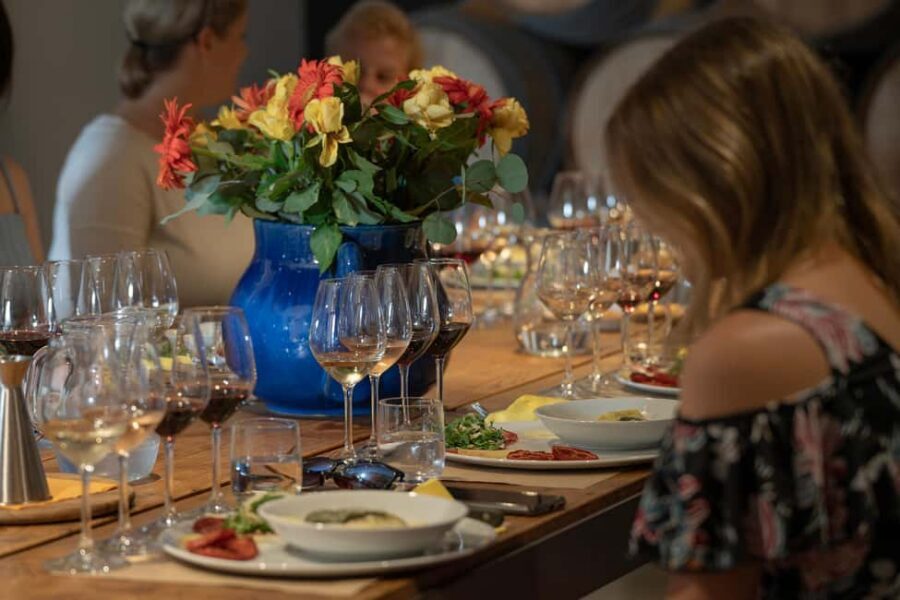
After the tastings, the tour ends with a light lunch built around fresh seasonal Tuscan specialties. This is not just filler between sips. The tour is intentionally structured so you can experience how the right food-and-wine combination affects palate and even mood.
The meals described in recent experiences included homemade pasta such as ravioli, plus items like sun-dried tomatoes, cheese, meats, and sometimes dessert. One person also said the lunch was more than expected in portion and satisfaction, even though it’s described as light. That tells me it’s “light” in format, not necessarily in enjoyment.
Practical upside: you’re eating as part of the same agricultural story. This tends to make the day feel coherent. You’re tasting wine from a working vineyard, then eating seasonal Tuscan food that matches the rhythm of the region.
Dietary needs: multiple people mention vegetarian and gluten-free options, and at least one person with a food allergy said the host handled it safely. If you have dietary restrictions, tell the organizer ahead of time so they can plan the lunch. Don’t assume it will be automatic.
Price and value: what $100 buys you in a 3-hour window
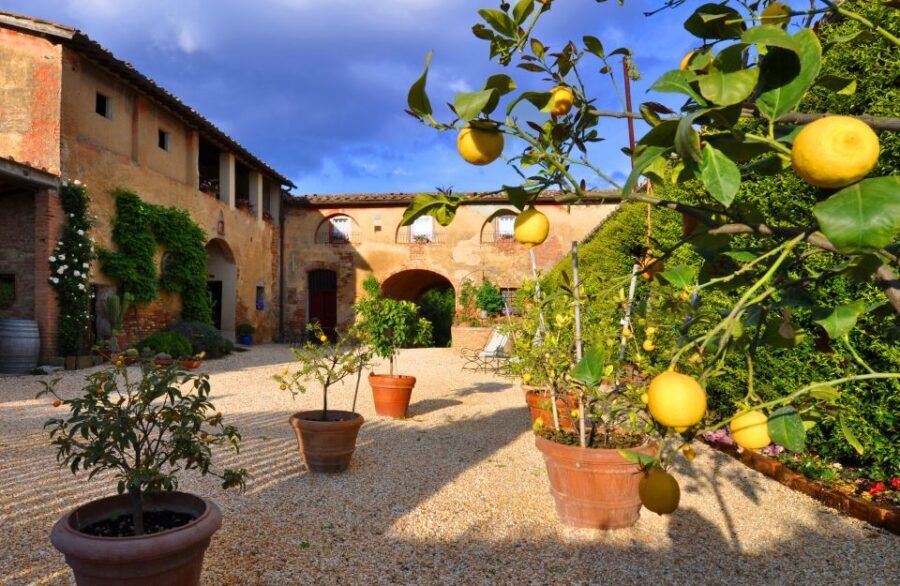
At $100 per person for a 3-hour experience, you’re paying for more than a quick tasting. This price covers:
- vineyard guidance that explains organic grape cycles
- cellar instruction about production and development
- a structured tasting of 4 organic wines
- a lunch pairing with fresh seasonal Tuscan food
In other words, this isn’t a “walk in, taste 2–3 wines, walk out” situation. You’re buying a lesson that moves through the full chain: vineyard to cellar to glass. That’s where the value comes from.
Two things can affect how good the deal feels for you:
- If you genuinely want to learn (not just drink), you’ll likely feel the value quickly because the explanations are the point.
- If you hate spending time listening, the vineyard + cellar sequence might feel longer than you expect. But the tone is described as simple and direct, so it’s not meant to be a dry lecture.
Also factor in transport costs if you take a taxi from Siena. Since you’ll be drinking, it’s not an optional “nice-to-have” for a lot of people.
Who should book this tour (and who might prefer something else)
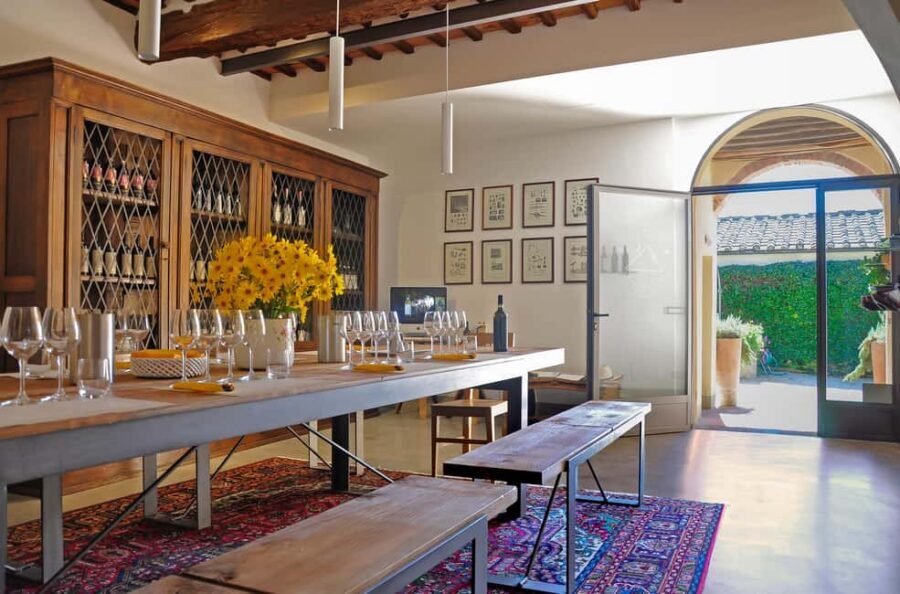
This tour is a great fit if you:
- want organic wine education in plain language
- enjoy farm-style experiences where hosts talk about real methods
- like tasting wine with context, not mystery
- want a built-in lunch so you don’t have to plan food afterward
It may be less ideal if you:
- want a totally hands-off tasting with no explanation
- are not interested in organic practices or vineyard stages
- have tight mobility needs that make vineyard paths hard (the data doesn’t give formal accessibility details, so I’d ask before booking)
The overall vibe from the available information is that the people running the experience care about what they do. Names that come up include owner-guide types such as Renato and Christian, with hosts such as Maia/Maya also mentioned. When the guide is passionate and answers questions, the day usually feels richer.
Buying wine and shipping: plan for destination rules
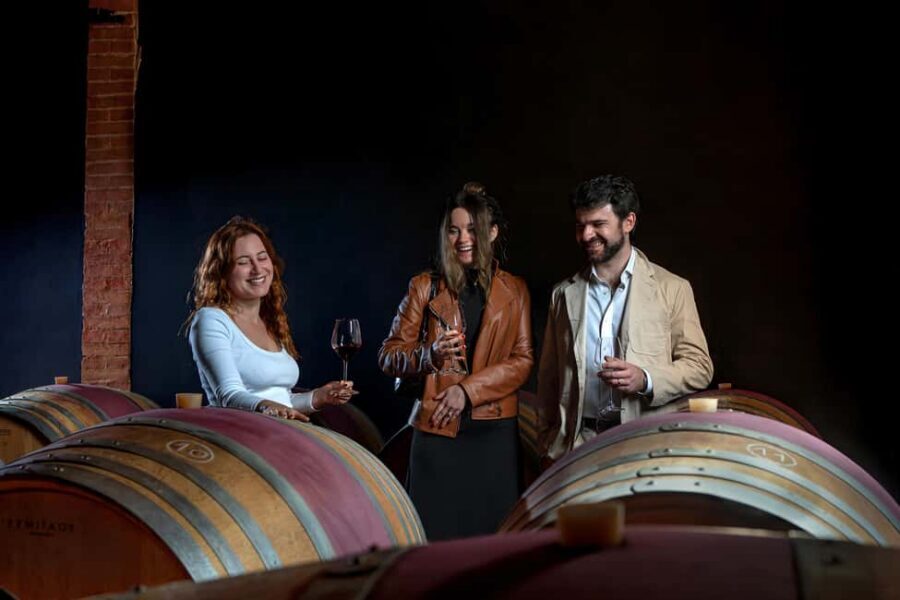
One tempting part of tasting organic wines is bringing some home. Some people purchased bottles and mentioned shipping cases to friends and family.
But shipping seems to vary by destination and regulations. A couple of experiences mention that shipping wasn’t possible to certain countries. So if you want bottles shipped, ask before you buy:
- where they can ship
- what paperwork or restrictions might apply
- expected timelines
If shipping isn’t possible where you live, you can still enjoy the bottles during the rest of your Siena/Tuscany stay, then decide later.
Should you book this Siena wine tour?
Book it if you want a wine experience with a teaching backbone: organic vineyards, cellar process, and tastings that make sense together. The strongest reasons to choose it are the structure (vineyard to cellar to tasting), the organic focus, and the added lunch that keeps the day grounded in real Tuscan food.
Skip it or shop around if you mainly want a quick tasting and you hate education-heavy stops. And do take the logistics seriously: plan your transport from Siena so you can relax and enjoy the wine.
If you’re aiming for one memorable, meaningful wine day in Tuscany near Siena, Azienda Agricola La Lastra is the kind of tour that tends to leave you with more than souvenirs.
FAQ
How long is the Siena educational wine tour?
It lasts 3 hours.
Where is the meeting point for the tour?
The meeting point is Azienda Agricola La Lastra, Strada della Befana 2/A, 53100 Siena.
Is the winery in Tuscany and is it organic?
Yes. The tour takes place in Tuscany at an organic winery.
What’s included in the experience?
You get guided visits to the organic vineyards and cellars, a sensory tasting of 4 organic wines, and a light lunch with fresh seasonal Tuscan specialties.
How many wines will I taste?
You’ll taste 4 organic wines.
What languages are available for the host or greeter?
English and Italian.
Can I cancel and get a full refund?
You can cancel up to 24 hours in advance for a full refund.
Can I reserve now and pay later?
Yes. You can reserve your spot and pay later.
Can they accommodate dietary needs like vegetarian or gluten-free?
Some people mention that vegetarian, gluten-free, vegan, and even food allergy needs were accommodated with adjustments to the lunch.
How far is the winery from Siena center?
It’s about 2 km from Siena center, so you’ll likely use a taxi or allow time to walk.