REVIEW · ORVIETO
Orvieto: Pozzo della Cava Entry Ticket
Book on GetYourGuide →Operated by Pozzo della Cava · Bookable on GetYourGuide
One ticket. Three eras underground.
The Pozzo della Cava experience lets you walk inside Orvieto’s oldest Etruscan well and connected cave complex, all under the medieval streets of the Cava district. What makes it special is the way the space tells a timeline in one visit: you start with the earliest cistern lined with cocciopesto plaster, then move through the medieval underground housing area, and finish with later Renaissance excavations. I especially like the practical setup for independent wandering, with clear interpretive text in Italian, English, and French, plus a kid-focused route.
Two things I love: it’s an easy stop to fit into a day plan, and you’re not stuck waiting in lines thanks to skip-the-ticket-line entry. One thing to keep in mind: this is not a long guided production. It’s a self-guided circuit that usually lands around 30–60 minutes, so if you want a big, guided “tour-takes-all-day” experience, you may feel a bit shortchanged.
In This Review
- Key highlights you’ll care about
- Pozzo della Cava: what this $5 underground well is, in plain terms
- Where it fits in Orvieto (and why the location matters)
- First stop: the oldest cistern and the Etruscans’ water engineering
- Urbs Vetus below the streets: medieval basements on three levels
- Renaissance changes and the final cave after 28 centuries
- Multi-lingual, kid-friendly, and self-guided: how you actually experience it
- How long it takes (and how to plan your day)
- Price and value: why $5 is unusually fair here
- Should you book Pozzo della Cava in Orvieto?
- FAQ
- What is the Pozzo della Cava Orvieto ticket?
- Where is Pozzo della Cava?
- How much does it cost?
- How long does the visit take?
- Is the visit guided?
- What languages are available?
- How many caverns are in the underground complex?
- Is it good for kids?
- Is the ticket only valid for one day?
- Can I change my plans?
Key highlights you’ll care about
- Nine caverns to explore under the Cava neighborhood
- Multilingual explanations in Italian, English, and French
- Etruscan cistern details with cocciopesto plaster lining
- Urbs Vetus underground living with three-story basement spaces
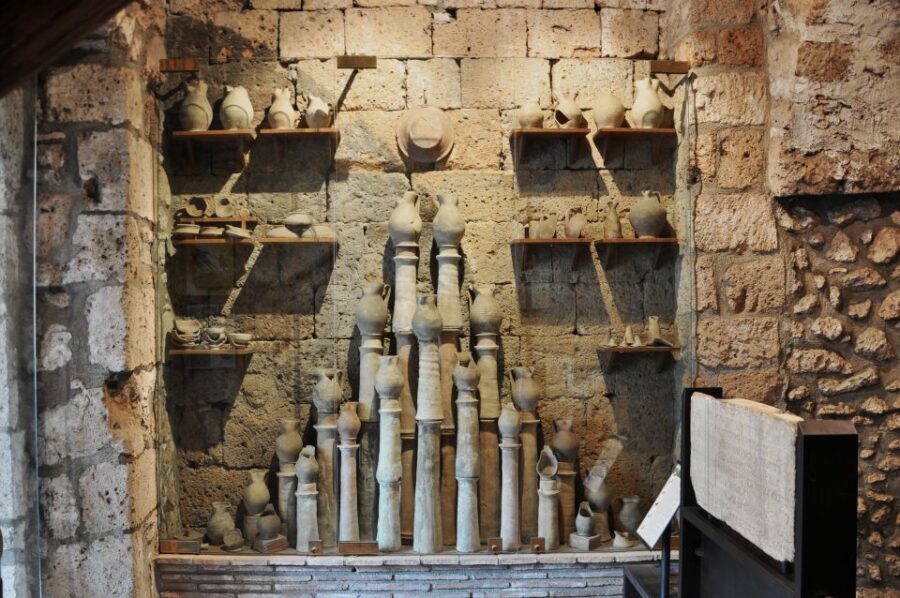
- Artifacts preserved for centuries across Etruscan, medieval, and Renaissance periods
- Child-friendly itinerary plus signage that makes it work even without a guide
Pozzo della Cava: what this $5 underground well is, in plain terms
If Orvieto’s medieval streets look dramatic above ground, they get even better below. Pozzo della Cava is an underground system built around a first spring water well—starting in the Etruscan era and later expanded through the Middle Ages and the Renaissance. For about $5 per person, you get access to the cave complex and interpretive content that explains what you’re seeing as you go.
This isn’t the kind of attraction that tries to wow you with lighting tricks. It’s more honest than that. You’re walking through real preserved spaces where people once stored water, lived, worked, and reused the same underground structure over generations. That “reuse over time” idea is one of the best parts for your brain, because it turns archaeology into something you can picture: not just objects in a museum, but rooms and basements doing jobs.
Also, you’re going underground where the temperature tends to be cooler. More than one person values this as a heat-break on a hot Umbria day, and the short walk between stops makes it feel effortless.
You can also read our reviews of more tours and experiences in Orvieto

Where it fits in Orvieto (and why the location matters)
Pozzo della Cava sits on the far side of Orvieto compared to the most central sights, which means your best approach is to plan it like a targeted stop, not an afterthought. The upside: it’s easy to get there on foot once you’ve mapped it, and you can still keep the rest of the day flexible.
Timing is your friend here. If you go early, you’re more likely to have the place feeling calm and uncrowded, which makes the self-guided format more satisfying. You’ll be able to pause, read signage slowly, and look at details without feeling rushed.
One more practical note: because the visit is self-paced and relatively short, it works well as either:
- a morning or late-afternoon break, or
- a “cooling off” stop between two bigger Orvieto sights.
If you’re visiting multiple underground experiences in Orvieto, double-check which one you’re booked into. There’s another underground cave option that starts closer to the Duomo, while Pozzo della Cava is the Cava district site.
First stop: the oldest cistern and the Etruscans’ water engineering
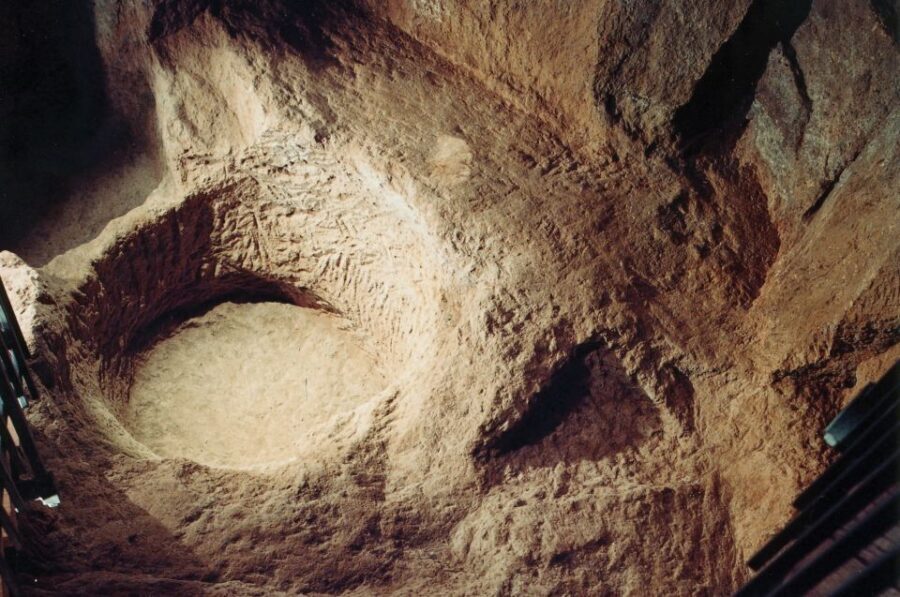
Your route starts with the oldest portion of the complex—think the first cistern and the earliest preserved structure. The cistern is lined with cocciopesto plaster. That detail matters because it tells you something about Etruscan engineering: they didn’t just dig and hope. They used materials designed to work with water, helping keep the well functional for the long haul.
From here, you’re guided by signage through what’s preserved. You’ll see artifacts connected with Etruscan life and burial practices. The well-preserved remains help you connect the dots between everyday needs (water) and the bigger ritual side of ancient society (burial and commemorations). Even if you’re not a “facts for facts’ sake” traveler, the physical layout makes the story easier to grasp.
This first section is also a good moment to get your bearings. The complex is underground, so the signage becomes your main guide. Take an extra minute here. Once you’re oriented, the rest of the caves feel like chapters instead of random rooms.
Urbs Vetus below the streets: medieval basements on three levels
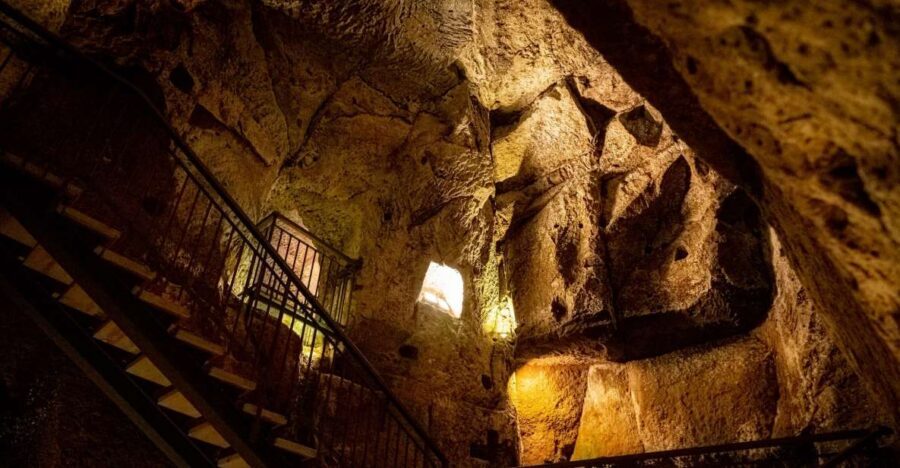
Next comes the medieval underground world known as Urbs Vetus, Orvieto’s medieval name. This portion is described as a hypogeum maze—basically, a network of spaces carved into or built under the city. The big draw is the sense of how houses extended downward.
Here’s the key feature: you’re looking at three-story basement spaces tied to the medieval houses above. That’s not just a fun architectural tidbit. It changes how you think about medieval life. Underground wasn’t a spooky side quest. It was practical real estate—storage, work areas, and support spaces that helped a dense medieval town function.
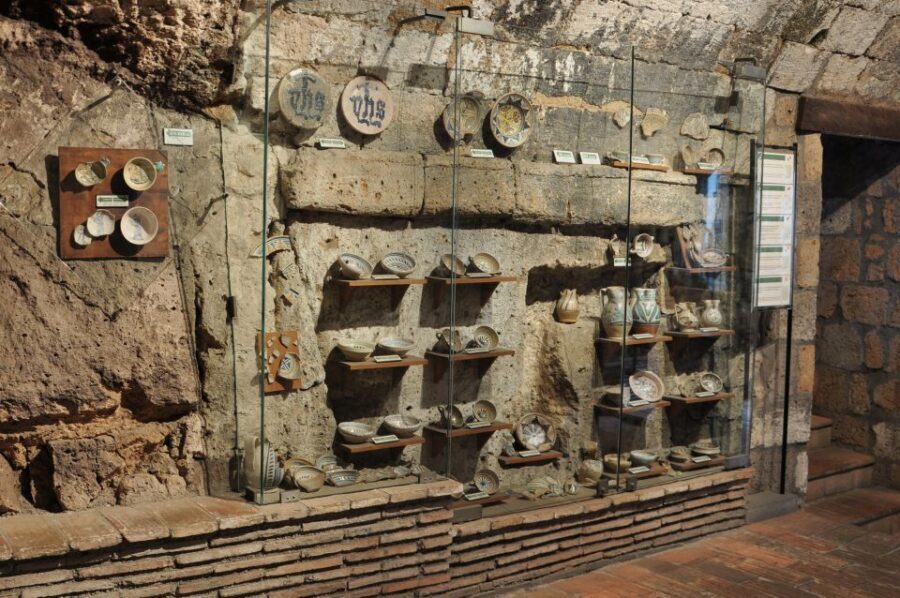
As you move through Urbs Vetus, you’ll also keep noticing how the complex shelters and preserves artifacts across time. In other words, the caves aren’t only empty shells; they protect evidence of what people left behind as the centuries rolled forward. That’s a major reason the visit feels more meaningful than a simple walk-through.
One more tip: because it’s self-guided, your pace controls the experience. If you like reading, linger at the points where the text explains how these basement layers connected to daily life. If you don’t want to read every line, focus on the signs that talk about what each space was used for.
Renaissance changes and the final cave after 28 centuries
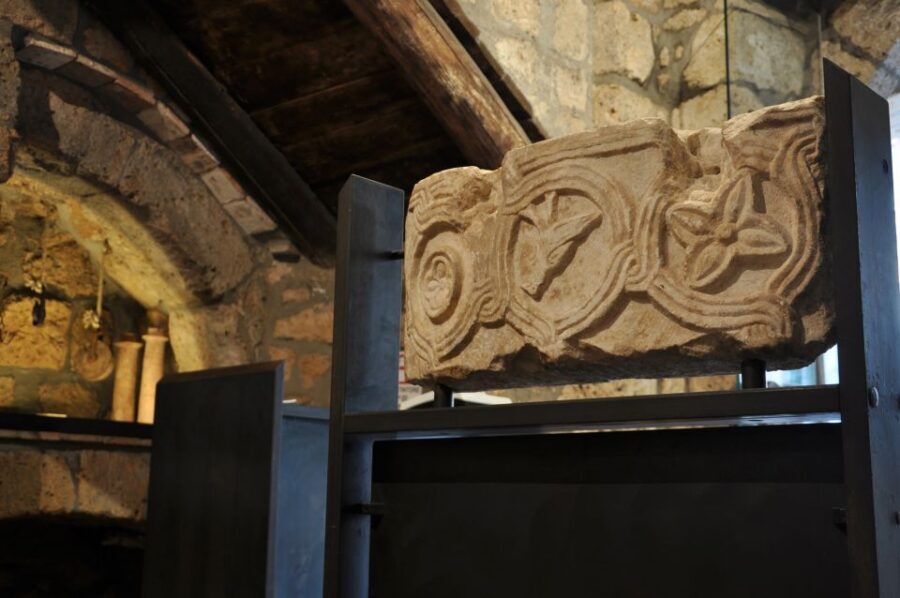
The last stretch shifts to later developments—the Renaissance phase of excavations. This is where the complex becomes a record of modifications. Over twenty-eight centuries, the Pozzo della Cava changed hands, purposes, and construction approaches, but the core idea stayed: reuse the underground system tied to water and habitation.
You’ll reach an impressive final cave area that preserves traces of those long-term transformations. If you’ve ever wondered how one place can keep evolving without being erased, this is one of the best answers you’ll see in central Italy. The underground structure keeps layers of the past in place, so you can sense the continuity while also noticing shifts in what gets emphasized.
This final part is also where the visit tends to feel most “wow” for people who think archaeology is only for textbooks. Suddenly you’re not just looking at artifacts—you’re looking at a space shaped by repeated decisions across generations.




Multi-lingual, kid-friendly, and self-guided: how you actually experience it
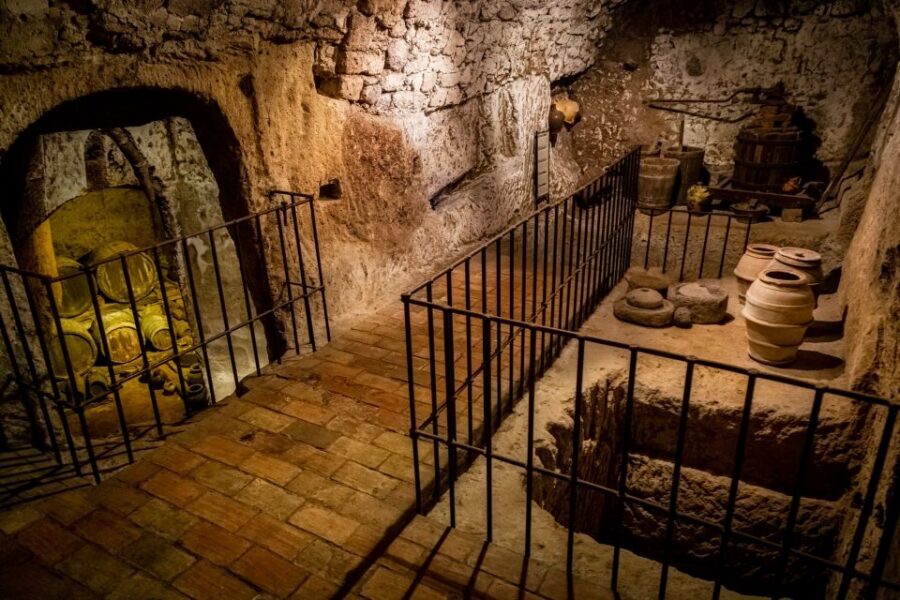
Pozzo della Cava is built for self-guided wandering, not a live guide walking you through. You get entry ticket access, multi-lingual explanations, and a special itinerary designed for children. That means you don’t need to hunt for an audio app or coordinate with a group.
In practice, the experience becomes a combination of:
- your walking pace through the caverns, and
- the interpretive signage as your “narration.”
That format is why the reviews tend to highlight how it helps you cool off, how well signposted it is, and how easy it is to stop and reflect. You’re also not forced into a strict schedule. If you want 30 minutes, you can do it. If you want 60 minutes and actually read more, you can do that too.
Also, there’s a small on-site shop mentioned as part of the overall stop. That’s not essential, but it makes the visit feel like a proper attraction, not just a door into the earth.
How long it takes (and how to plan your day)
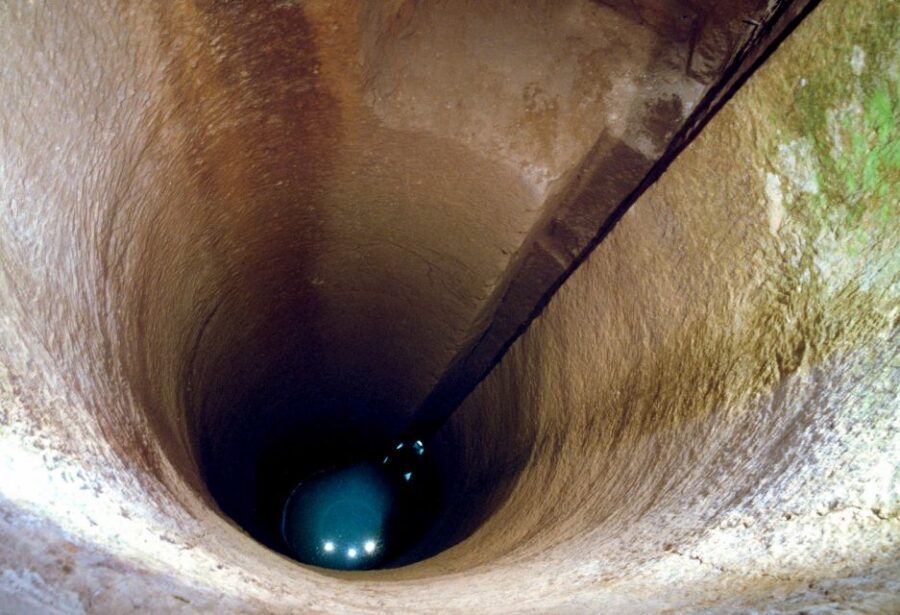
Expect about 30–60 minutes for the self-guided circuit. Several people note it as a quick, well-paced visit with no need for a guided tour. That short time window is a big deal in Orvieto, where the day can fill up fast with big-ticket sights.
My practical advice: treat Pozzo della Cava like a “connect-the-dots” stop. Pair it with something above ground that helps you understand the city’s scale and power. Orvieto’s medieval layout, its churches, and the general feel of the historic center make the underground portion land better.
If you only have time for one underground option, choose based on your interest:
- For a deeper focus on this specific Etruscan-to-Renaissance underground well story, Pozzo della Cava is the match.
- If you’re comparing experiences, remember there’s another underground cave tour that starts nearer the Duomo, and it may offer a different range and feel.
Price and value: why $5 is unusually fair here
At $5 per person, Pozzo della Cava is priced like a straightforward ticket, not a premium guided spectacle. That’s why it feels like good value: you’re paying for access to a preserved archaeological site plus readable, multi-language interpretation.
The value equation is simple:
- You get entry to a complex nine-cavern underground environment.
- You get explanations in Italian, English, and French.
- You’re not paying extra for a guided tour you might not even need.
If you’re traveling with kids, value gets even better because the experience includes a children’s route, not just generic signage.
Could it cost more? Sure—underground archaeology like this usually does. But at this price, the visit feels like a smart add-on rather than a budget-stressor.
Should you book Pozzo della Cava in Orvieto?
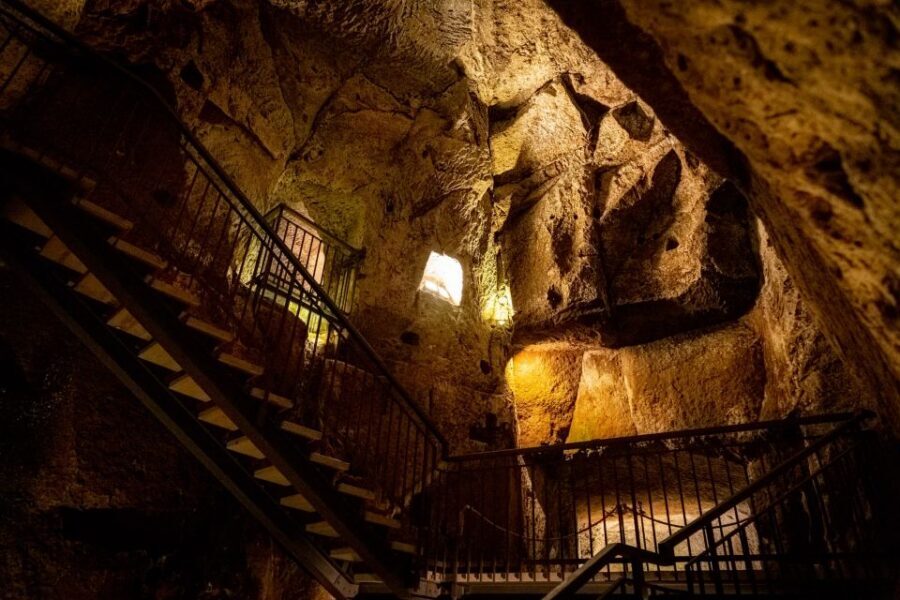
Book it if you want a short, high-impact underground stop that tells you how Orvieto worked across centuries—especially if you like architecture, water systems, and the way one place keeps being reused.
Skip (or swap for another option) if you’re hoping for a long guided experience. This is self-guided, and the circuit is not designed to be all-day entertainment.
One last planning tip: if you prefer flexibility, you can book with reserve-and-pay-later style options, and you can cancel up to 24 hours in advance for a full refund. That kind of cushion is useful in a place like Orvieto, where your day can shift based on weather, crowds, and how much time you spend enjoying streets above ground.
FAQ
What is the Pozzo della Cava Orvieto ticket?
It’s an entry ticket to the underground cave complex of Pozzo della Cava, which centers on Orvieto’s oldest Etruscan well and connected underground spaces.
Where is Pozzo della Cava?
It’s located in Orvieto, in the Cava neighborhood area of the historic medieval district.
How much does it cost?
The price is listed as $5 per person.
How long does the visit take?
You’ll want to plan about 30 minutes to around 1 hour, depending on how much you read and pause.
Is the visit guided?
No. This ticket includes multi-lingual explanations and a self-guided visit. A guided tour is not included.
What languages are available?
The explanations are available in Italian, English, and French.
How many caverns are in the underground complex?
The underground complex consists of nine caverns.
Is it good for kids?
Yes. The ticket includes a special itinerary for children.
Is the ticket only valid for one day?
Yes. It’s valid for 1 day, and you should check availability for starting times.
Can I change my plans?
The experience offers free cancellation up to 24 hours in advance for a full refund, and it also offers reserve now & pay later.