REVIEW · FLORENCE
Uffizi Gallery Skip The Line Ticket or Guided Tour Options
Book on Viator →Operated by City Wonders Ltd · Bookable on Viator
A smart way into the Uffizi.
This small-group tour uses skip-the-line priority access so you spend more time where it matters and less time stalled at the entrance. I also love the focused Renaissance highlights led by an English-speaking guide, with headsets so you can keep up without craning your neck.
The Uffizi is huge and the meeting area can be a little tricky to spot, especially if the piazzale is crowded or under restoration. I’d budget extra minutes to find your guide so you do not start late.
In This Review
- Key highlights worth planning for
- Skip-the-line Uffizi: what makes this tour worth your time
- Meeting at Piazzale degli Uffizi: how to avoid a stressful start
- Priority access + small group size: the biggest quality upgrade
- Florence to the Uffizi: a quick “get your bearings” moment
- Botticelli Room: the route you actually want first
- Leonardo and Michelangelo: how the guide connects the dots
- Rooftop terrace views: the payoff after the paintings
- Inside the museum at your own pace after the guided portion
- Uffizi context: why the Renaissance rooms hit so hard
- Price and value: is $48.77 a fair deal?
- What I’d pack and how I’d plan your visit
- Who this tour suits best
- The guides make a difference
- My call: should you book this Uffizi skip-the-line tour?
- FAQ
- What is included in the skip-the-line Uffizi Gallery ticket or guided tour?
- How long does the Uffizi Gallery tour take?
- How big is the group?
- Where does the tour start and end?
- Which major artworks are featured during the tour?
- Does the tour include a rooftop terrace stop?
- Can I cancel for a refund?
Key highlights worth planning for

- Small group (max 9): easier pace, more attention from the guide
- Skip-the-line entry: priority access ticket gets you past the worst waits
- Headsets included: you hear the guide clearly even in busy rooms
- Renaissance room focus: Botticelli, Leonardo, Michelangelo, and more in a sensible route
- Botticelli Room must-sees: Birth of Venus and Primavera explained for real understanding
- Rooftop terrace finish: views toward Ponte Vecchio and the Arno River
Skip-the-line Uffizi: what makes this tour worth your time
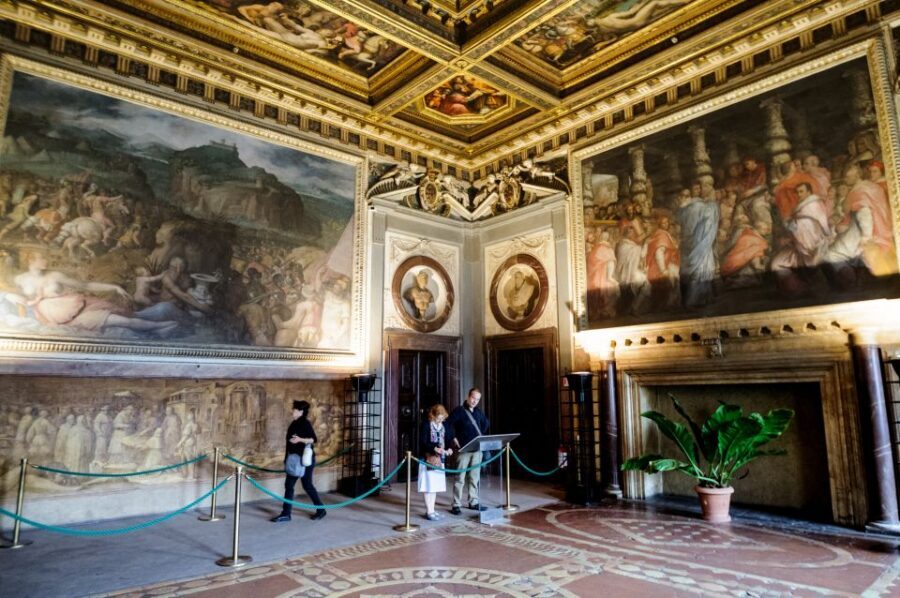
The Uffizi Gallery can feel like a fire hose of art. One minute you’re in front of a masterpiece, the next you’re lost in the scale of it all. This tour is built to solve that. You start with priority access and a guide who keeps the route centered on the Renaissance rooms where the museum’s most famous works live.
Instead of trying to plan a whole self-guided scavenger hunt, you get a guided path that makes the museum easier to read. The guide connects paintings to patrons, explains the big ideas behind composition and symbolism, and points you to the details most people miss when they’re rushing.
You can also read our reviews of more tours and experiences in Florence
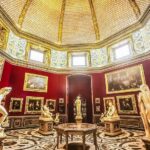
Meeting at Piazzale degli Uffizi: how to avoid a stressful start
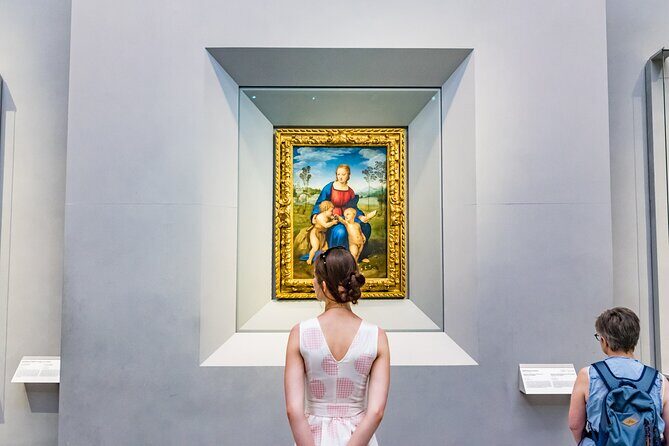
You meet at Piazzale degli Uffizi, 50122 Firenze FI, Italy. From there, you bypass the long lines at the main entrance and move into the museum right away.
Here’s the practical part: the start can be a little hard to pin down. The piazzale may have hoardings or sight-line issues during restoration, and some visitors note it can be unclear where exactly to stand. To keep your morning smooth, I’d aim to arrive early and stay ready to confirm details on the spot if you cannot spot your group fast.
Also, keep in mind the tour has a maximum of 9 travelers. That’s great for quality, but it means the group is easier to miss if you are even a few minutes off.
Priority access + small group size: the biggest quality upgrade
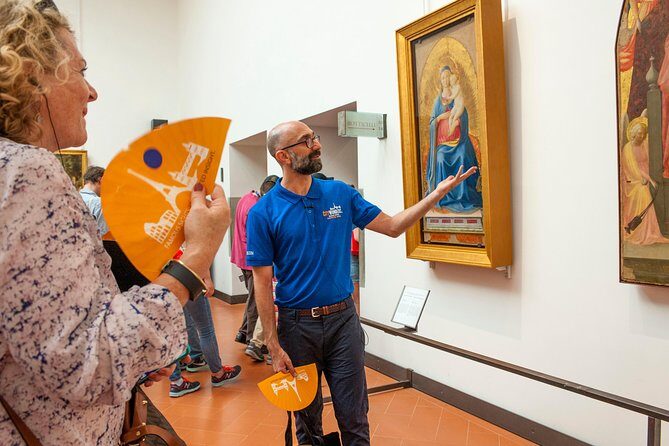
This is a group tour, but it’s deliberately small: 9 people or less. That size matters in the Uffizi, because the museum is narrow in spots and crowded in others. A smaller group means you can actually stop in front of a painting long enough to understand what you’re seeing, instead of doing a quick glance-and-move.
You also get headsets on the guided option. That might sound like a small perk, but in the Uffizi it’s a big one. Rooms are busy, voices carry, and you do not want to miss key points because you are stuck behind someone’s shoulder.
And yes, the skip-the-line part is real value. Florence is popular, and the Uffizi’s line is not a “nice wait.” It’s time you could spend learning why The Birth of Venus looks the way it does.
Florence to the Uffizi: a quick “get your bearings” moment
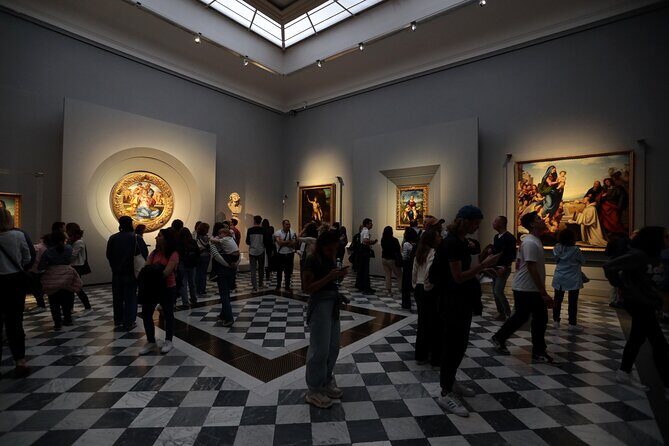
The tour includes a short Florence stop tied to the activity before you reach the main museum experience. Think of it as a brief setup so you start oriented and don’t feel like you’re walking in blind.
Then you’re off to Gallerie Degli Uffizi for the main session, built around a tight set of highlights.
The total duration is about 1 hour 30 minutes. That’s long enough to make the art click, but short enough to keep the experience from turning into an exhausting marathon.
Botticelli Room: the route you actually want first
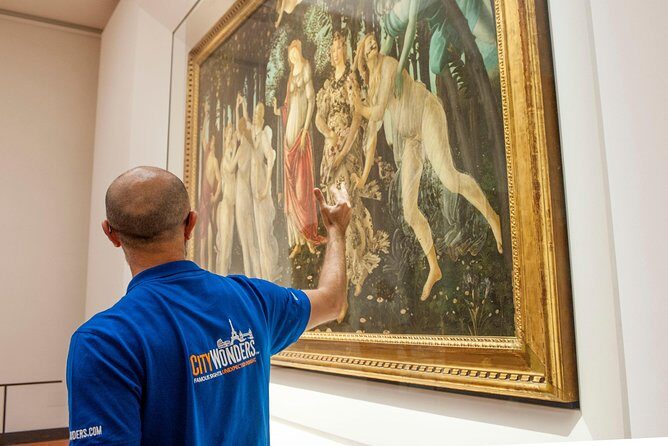
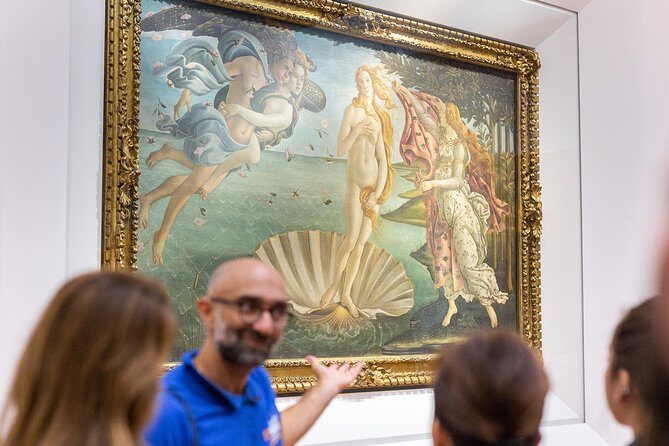
If you only do one room, many people will end up here. The Botticelli Room is the heart of the tour’s early momentum, and the guide focuses on two stars of the Renaissance story: The Birth of Venus and Primavera.
What I like about this is the way the guide frames what you’re looking at. You’re not just told the title and date. You get commentary on composition and meaning—the kind of explanation that turns a pretty picture into something you can actively “read.”
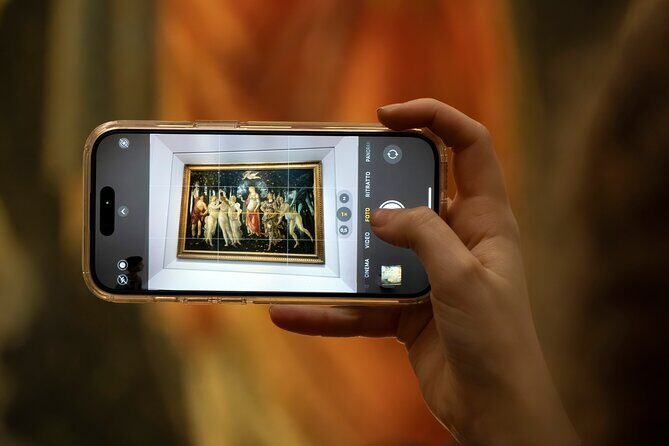
For The Birth of Venus, your guide will talk through how the scene is built and what it may have meant in its time. For Primavera, you’ll hear about bright color choices and the way the elements are arranged, plus how interpretations have evolved over the centuries.
This is a smart start because those paintings set the mood for the rest of the museum. Once you understand the visual language of Botticelli, the later Renaissance works land with more impact.
You can also read our reviews of more guided tours in Florence


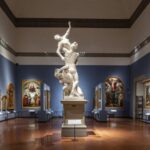



Leonardo and Michelangelo: how the guide connects the dots
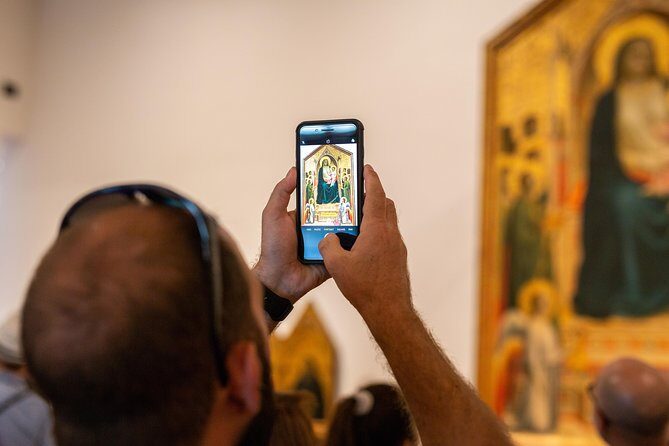
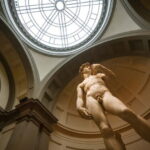
After Botticelli, the tour continues through the Renaissance core with works by artists like Rafael and major pieces associated with Leonardo da Vinci and Michelangelo.
You can expect stops that include:
- Leonardo da Vinci’s Annunciation
- Michelangelo’s Doni Tondo
- Works attributed to Rafael (spelled as Rafael in the tour details)
- Plus other key pieces the guide chooses to place in context
The value here is pacing plus framing. The Uffizi holds 1,500+ works spanning from ancient Greece through the 18th century, but the guide concentrates on the Renaissance rooms where the museum’s most famous masterpieces live.
That makes your time feel efficient. You see the major works, but you also learn how patrons, artistic goals, and historical context shaped what ended up on those walls.
One practical note: the Uffizi is busy and the museum’s layout can make it easy to lose your group if you drift. A few visitors point out that it pays to keep up with the guide rather than stop to inspect every background detail for too long.
Rooftop terrace views: the payoff after the paintings
After the inside highlights, the tour wraps with a stop at the rooftop terrace. This is a welcome change of pace: you go from indoor art interpretation to Florence in real time.
From the terrace, you get views toward Ponte Vecchio and the Arno River. It’s the kind of view that helps you reset your brain. After an hour of Renaissance symbolism, it feels good to look at the city’s actual geometry and light.
This stop also makes the tour feel “complete.” You are not just consuming art; you’re letting it connect back to the city that produced it.
Inside the museum at your own pace after the guided portion
The tour concludes inside the Uffizi, and then you can continue exploring on your own if you want. That’s a thoughtful design for two reasons:
- You get a guided structure to help you understand what matters.
- You’re not locked into the guide’s pace once the main highlights are done.
In other words, the guide gets you oriented; you decide where to linger next.
If you’re the type who likes to return to one painting and study it longer, this is a good fit. If you prefer to keep moving fast, you can still use the route the guide gives you as your shortlist.
Uffizi context: why the Renaissance rooms hit so hard
The Uffizi building itself has a long identity shift. Architect Giorgio Vasari designed it in the 16th century to house government offices. It later became home to art gathered by Florence’s Medici family, and only in 1769 did it become a public museum.
That matters because it explains the museum’s vibe. The Renaissance works are not just random masterpieces collected in a vacuum. They’re tied to political power, wealthy patrons, and a city that treated art as serious status and serious thinking.
This tour leans into that. The guide doesn’t just talk about brushwork. You’ll hear stories about patrons and how those commissions helped shape what you see today.
Price and value: is $48.77 a fair deal?
At $48.77 per person, you’re paying for three things: skip-the-line priority entry, a small-group expert guide (English-speaking), and headsets so you can hear the commentary.
Is it a bargain? It depends on how you like museums. If you are the type who wants to read every label and wander for hours, a self-guided plan can be cheaper.
But if you want the Uffizi to click in a short window, this is a sensible value. You’re not paying just for convenience. You’re paying for:
- a route that targets the Renaissance core
- explanations for The Birth of Venus and Primavera
- connections between the big names (Leonardo, Michelangelo, and more)
Also, this is an experience that tends to book up. The details say it’s typically booked about 30 days in advance. If you wait until the last minute, you may lose the chance for the time slot you want.
What I’d pack and how I’d plan your visit
The Uffizi is an indoor, high-demand museum. Plan like it’s going to be crowded, because it will.
A few practical tips based on what the tour experience tends to demand:
- Wear comfortable shoes. Even if you are not climbing for long, the museum’s movement adds up.
- Stay close to the group. The tour works because you keep flowing through the rooms; you’ll miss less if you don’t get left behind.
- If you’re sensitive to stairs or long walking, keep your pacing steady. Some guests note that stairs can be a lot in older museums like this, and they wished they had taken alternative options.
And one more practical thing: the tour uses a mobile ticket. If your phone has a bad track record offline, I’d still make sure you can access your ticket without stress.
Who this tour suits best
This guided plan is especially good for you if:
- you want the Uffizi highlights in about 90 minutes
- you don’t want to spend your Florence time stuck in line
- you like art explanations that make the famous works feel less intimidating
- you want a relaxed group size (max 9) instead of a huge crowd shove
It may be less ideal if you:
- prefer totally free-form museum wandering with no set route
- already know the Uffizi extremely well and just want to move around silently
- want to spend many hours in one room without a time-bound highlight structure
The guides make a difference
A small-group tour lives or dies on the guide’s ability to keep things clear and moving. The tour format is built for that: you have headsets, a focused set of rooms, and a guide who connects paintings to the bigger story.
From the names associated with excellent experiences, you may be guided by people such as Paulina, Sarah, Stephan, Valentina, Angela, Polina, or Annette. The common thread in how these guides are described is a good sense of humor, clear explanations, and a pace that keeps you engaged without sprinting.
If you do get a guide like that, you’ll leave with more than photos. You’ll leave with context.
My call: should you book this Uffizi skip-the-line tour?
If your goal is to see the Uffizi’s top Renaissance works without wasting half your day in lines, I’d book this. The price is solid for what you get: skip-the-line entry, a small group, headsets, and a guide-led route that actually helps you understand what you’re looking at.
My main caution is simple: plan for the start. Arrive a bit early at Piazzale degli Uffizi so you can find your group fast and start on time.
FAQ
What is included in the skip-the-line Uffizi Gallery ticket or guided tour?
The experience includes skip-the-line entrance to the Uffizi Gallery. If you choose the guided tour option, you also get a small group (9 people or less), an English-speaking guide, and headsets so you can hear the guide.
How long does the Uffizi Gallery tour take?
The duration is approximately 1 hour 30 minutes.
How big is the group?
The guided tour option runs with a maximum of 9 travelers.
Where does the tour start and end?
The tour starts at Piazzale degli Uffizi, 50122 Firenze FI, Italy. It ends back at the meeting point.
Which major artworks are featured during the tour?
The tour focuses on key Renaissance works, including Botticelli’s Birth of Venus and Primavera, Leonardo da Vinci’s Annunciation, and Michelangelo’s Doni Tondo, along with works by artists such as Rafael.
Does the tour include a rooftop terrace stop?
Yes. The tour includes a stop at the rooftop terrace for city views, including views toward Ponte Vecchio and the Arno River.
Can I cancel for a refund?
Yes. You can cancel up to 24 hours in advance for a full refund. If you cancel within 24 hours of the start time, the amount paid will not be refunded.



More Tickets in Florence



More Tours in Florence



More Tour Reviews in Florence
- Tuscany Day Trip from Florence: Siena, San Gimignano, Pisa and Lunch at a Winery
★ 5.0 · 21,634 reviews - The Best tour in Florence: Renaissance & Medici Tales – guided by a STORYTELLER
★ 5.0 · 12,316 reviews