REVIEW · FLORENCE
Palazzo Vecchio: Magnificent Private Tour
Book on GetYourGuide →Operated by Florence Tours by Made of Tuscany · Bookable on GetYourGuide
Palazzo Vecchio packs real drama. This private tour turns the palace from stone-and-statues into a living story of Medici power. I love the sheer scale of the Hall of the Five Hundred frescoes and I love how Donatello’s Judith comes alive when a guide connects it to court politics. One possible drawback: at about 200 euros per person, you’ll want to feel the value of a human guide, not just walk through rooms.
You’ll start at Fontana del Nettuno and meet your guide right outside town-hall territory. It’s a 2-hour visit with skip-the-ticket-line convenience, and the guide works in several languages, including English, French, Italian, Portuguese, Russian, German, and Spanish.
What makes this one especially effective is the way the guide explains connections, not just facts. In one experience, the guide Alexandra reportedly answered lots of questions and linked history, geography, art history, and even geopolitics—so you walk out with a clearer picture of why these rooms mattered, not just what’s inside.
In This Review
- Key highlights at a glance
- Palazzo Vecchio isn’t just a museum; it’s a power machine
- Meeting at Fontana del Nettuno: starting smart in central Florence
- Piazza della Signoria: the palace’s street-level context
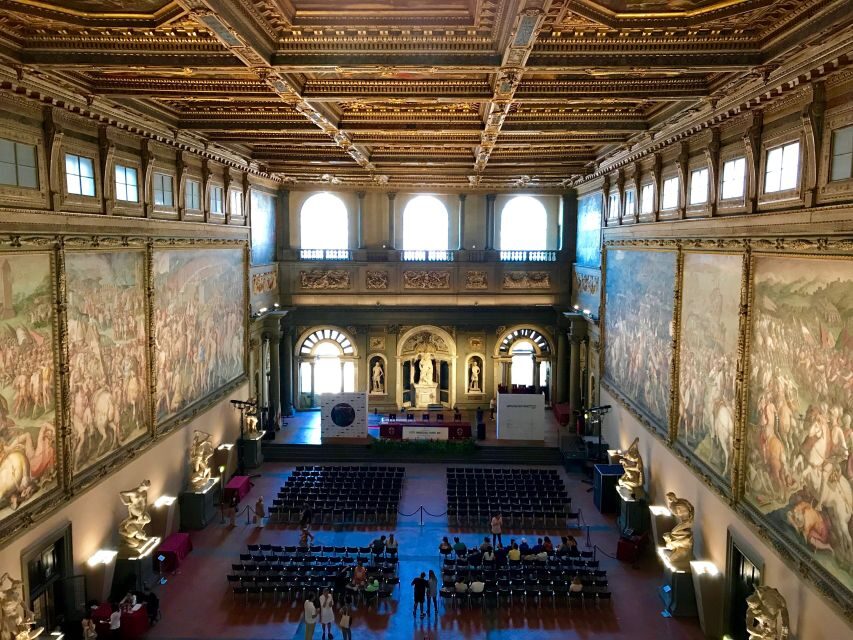
- Salone dei Cinquecento: frescoes that command the room
- Donatello’s Judith and Michelangelo-era presence: art tied to politics
- Leonardo’s secret fresco story: a mystery with a place to stand
- Medici private life: the Duchess’ private chapel and bedroom
- Dante’s funeral mask and Machiavelli’s office: literature meets governance
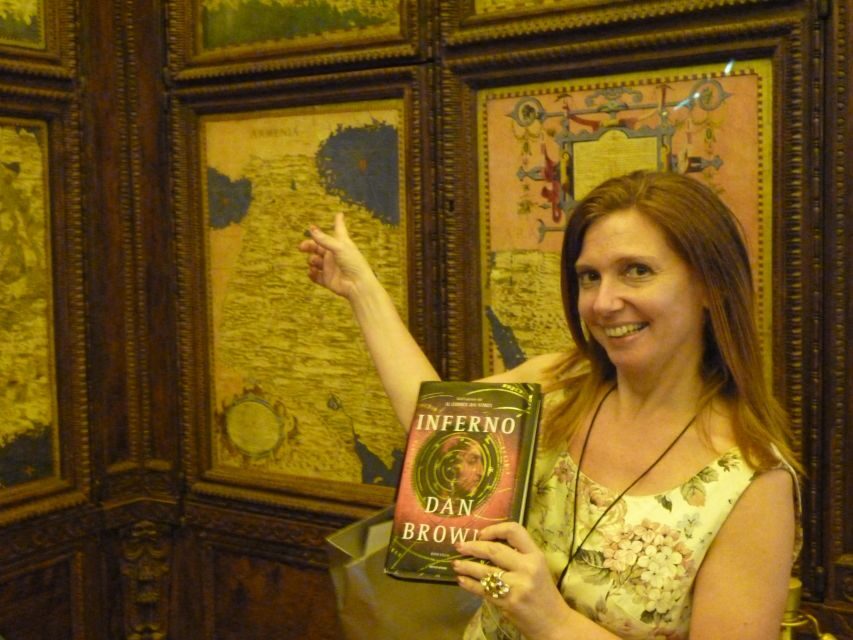
- The Renaissance Map Room: when geography becomes ambition
- How the 2 hours feel in real life: pacing, heat, and attention
- Price and value: is skip-the-line worth it?
- Who should book this private Palazzo Vecchio tour?
- Should you book Palazzo Vecchio: Magnificent Private Tour?
- FAQ
- How long is the private tour?
- Where do we meet the guide?
- Do we need tickets in advance?
- Is this a private group tour?
- Which languages are available?
- Can I ask questions during the tour?
- Is the tour wheelchair accessible?
- What are the main highlights inside the palace?
- Is there free cancellation?
- Can I reserve without paying right away?
Key highlights at a glance
- Hall of the Five Hundred frescoes: big, bold, and made for a guided explanation
- Donatello’s Judith: art that reads differently once you know the stakes
- Private Medici rooms: including a private chapel and bedroom
- Leonardo da Vinci secret-fresco clue: a mystery you can actually place in context
- Dante’s funeral mask + Machiavelli’s office: politics and literature on display
- Renaissance Map Room: world-building by way of cartography
Palazzo Vecchio isn’t just a museum; it’s a power machine
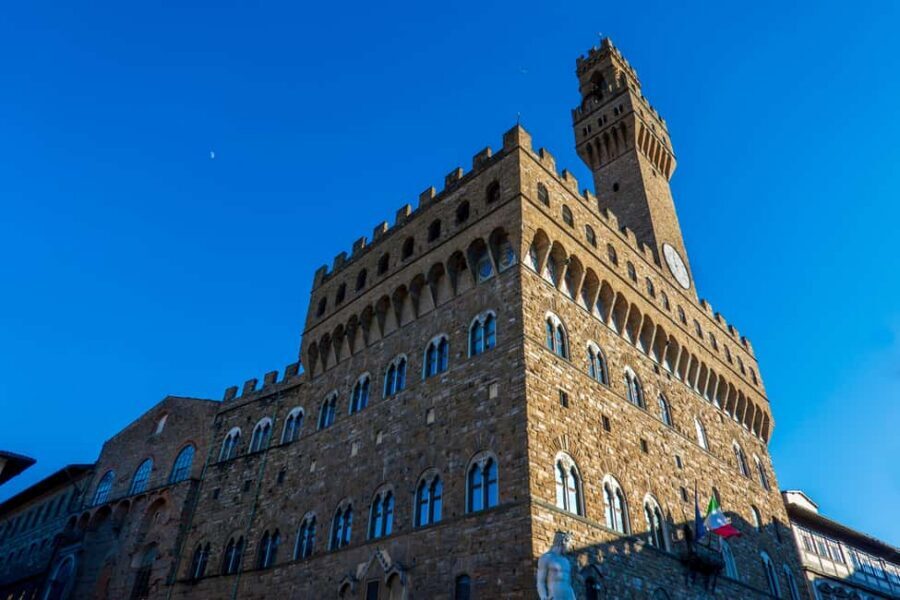
Palazzo Vecchio is Florence’s headquarters vibe, even when it’s quiet. You get the sense that the building was designed for influence: thick walls, formal halls, and spaces that tell you who mattered and why. This tour is smart because it treats the palace like a political stage, not a collection of disconnected rooms.
The best part is how the guide connects art and architecture to real life at court. When you see something like the Hall of the Five Hundred, you don’t just register decoration—you understand why it was built on purpose. And when you move through private rooms, the tone shifts from public authority to private control, which is exactly where the Medici story gets interesting.
You can also read our reviews of more private tours in Florence

Meeting at Fontana del Nettuno: starting smart in central Florence
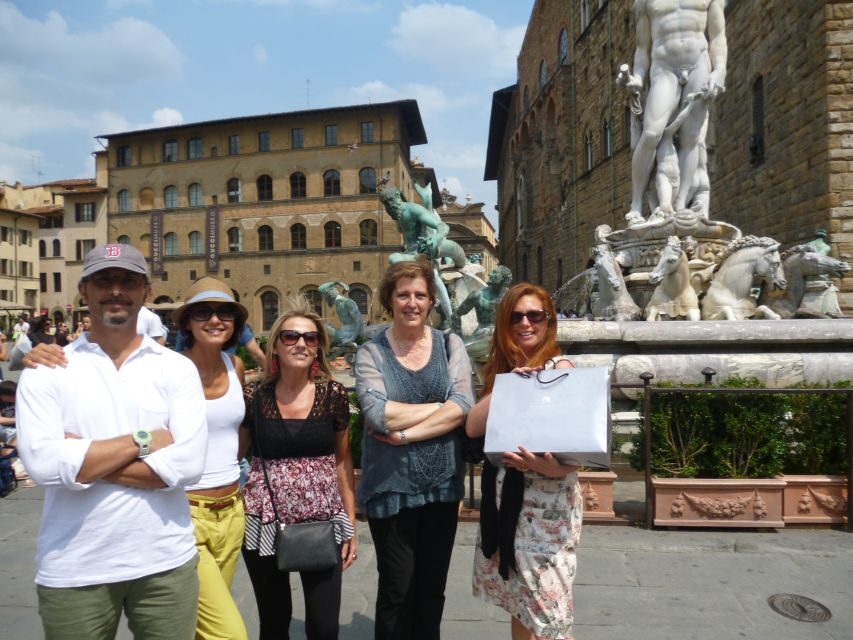
Your day begins at the Fontana del Nettuno, right near the heart of city government. This is useful for two reasons: you’re already positioned to see the palace area properly, and you avoid the common start-of-tour scramble around ticket lines and entrances.
From there, you step into the flow of Piazza della Signoria area. This is not just a walk for the sake of walking. It helps your brain orient you before the interior gets complicated. Even a short outdoor stop makes a difference: you’ll notice the palace’s relationship to the civic square, and it makes the palace feel less like an isolated monument.
Piazza della Signoria: the palace’s street-level context
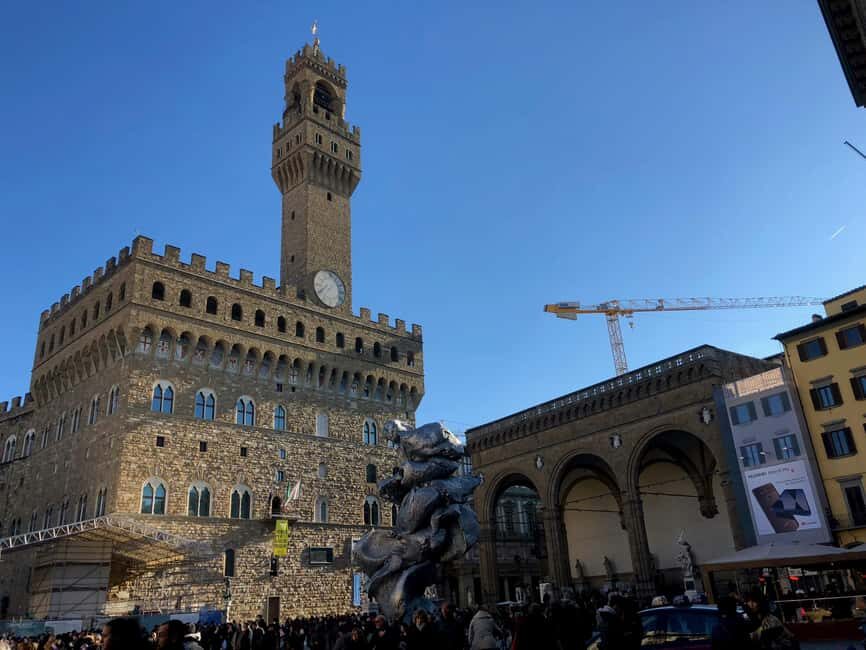
You’ll spend about 15 minutes on Piazza della Signoria as your guide sets the stage. Think of this as the warm-up act. From the square you can grasp how Palazzo Vecchio sits at the center of Florence’s power map—physically and symbolically.
Expect a quick rhythm: see the civic space, connect it to what you’ll see inside, and get a framework for the tour. If you usually get overwhelmed by big sights, this short orientation is a lifesaver. You’ll have fewer moments of staring at walls thinking, What am I supposed to be looking for?
Salone dei Cinquecento: frescoes that command the room
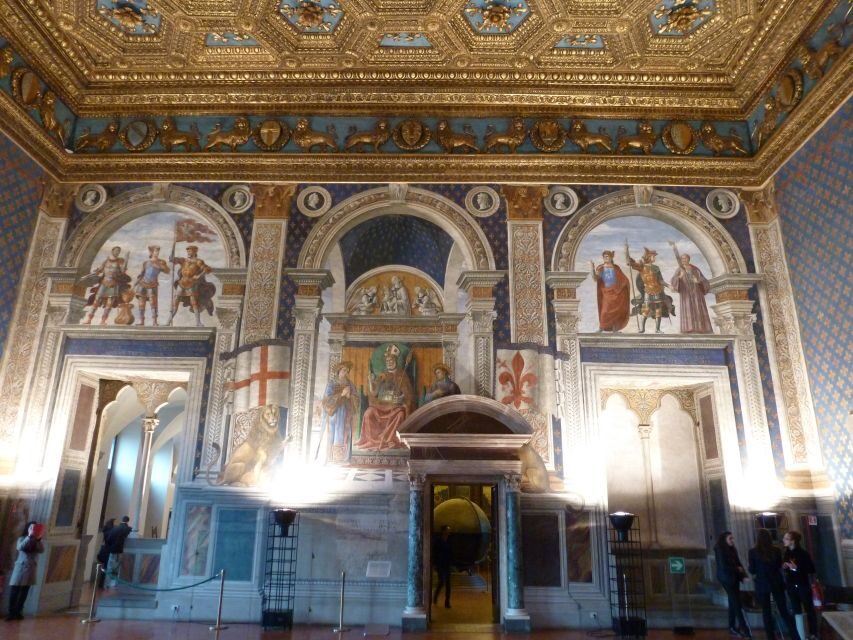
Then you move into Salone dei Cinquecento, the famous hall with the dramatic fresco environment. This is where Palazzo Vecchio earns its reputation. The ceiling and walls feel built to overwhelm, and that’s intentional.
On a guided tour, this room becomes easier to read. You’ll learn what’s going on visually and why it was commissioned. You’ll also get a sense of how the Medici project power through imagery—formal, grand, and meant to signal control from the inside out.
This is one of the stops I’d prioritize even if you were doing other Florence sights the same week. It’s a strong example of Renaissance messaging: art not as background, but as a tool.
Donatello’s Judith and Michelangelo-era presence: art tied to politics
After the big-hall experience, you shift into artworks and sculpture moments where the guide’s explanations really matter. Donatello’s Judith is one of the headline pieces on this tour, and it’s the kind of work that can feel mysterious if you only read the label.
With a good guide, you start seeing the themes more clearly: authority, display, and how the palace curated images that reinforced who should lead. Michelangelo is also part of the discussion in this palace setting, and you’ll get a sense of how different artists and styles fit into the broader Medici world.
The practical takeaway for you: don’t try to interpret everything alone at full speed. Let the guide translate the signals. Once you understand the palace’s agenda, the art stops feeling random.
- Tuscany Day Trip from Florence: Siena, San Gimignano, Pisa and Lunch at a Winery
★ 5.0 · 21,634 reviews - The Best tour in Florence: Renaissance & Medici Tales – guided by a STORYTELLER
★ 5.0 · 12,316 reviews

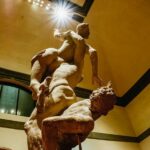


Leonardo’s secret fresco story: a mystery with a place to stand
One of the most intriguing highlights is the history of a secret fresco attributed to Leonardo da Vinci. Even if you’re not a “Leonardo person,” this part works because it turns viewing into problem-solving.
You’re not just looking at paint. You’re learning how the palace held onto secrets, and how later generations understood—or guessed at—what those secrets might have meant. A good guide helps you locate the story in time and in Medici-era context.
For you, that means the tour gives more than surface facts. You leave with a better sense of how Renaissance workshops worked, how art could be hidden or coded, and why certain stories stick around for centuries.
Medici private life: the Duchess’ private chapel and bedroom
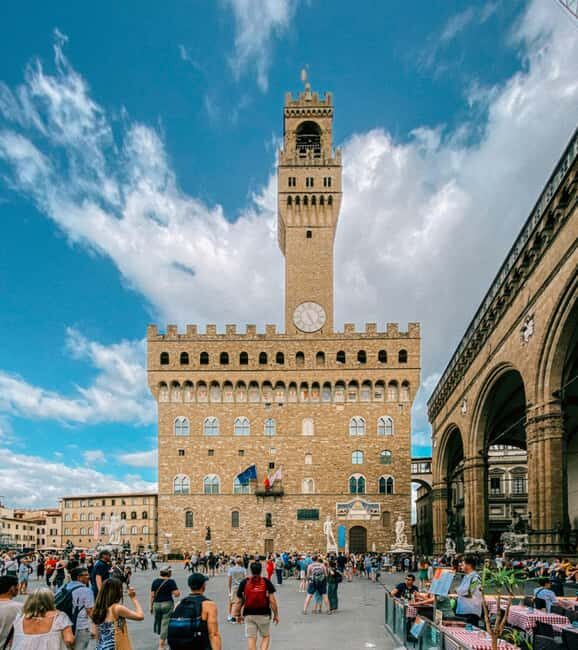
Here’s where the tour tone shifts. You’ll get to see the Duchess’ private chapel and bedroom, which is a big deal because it moves away from public spectacle and toward daily power.
Private rooms change what you notice. In public spaces, you focus on authority and ceremony. In private rooms, you look for intimacy and personal symbolism—choices that reveal how rulers wanted to be seen even when nobody was watching.
This is also where the tour helps you connect the dots between the Medici as political actors and as people who lived inside their own image. If you love court culture, this will feel like the “aha” section of the palace.
Dante’s funeral mask and Machiavelli’s office: literature meets governance
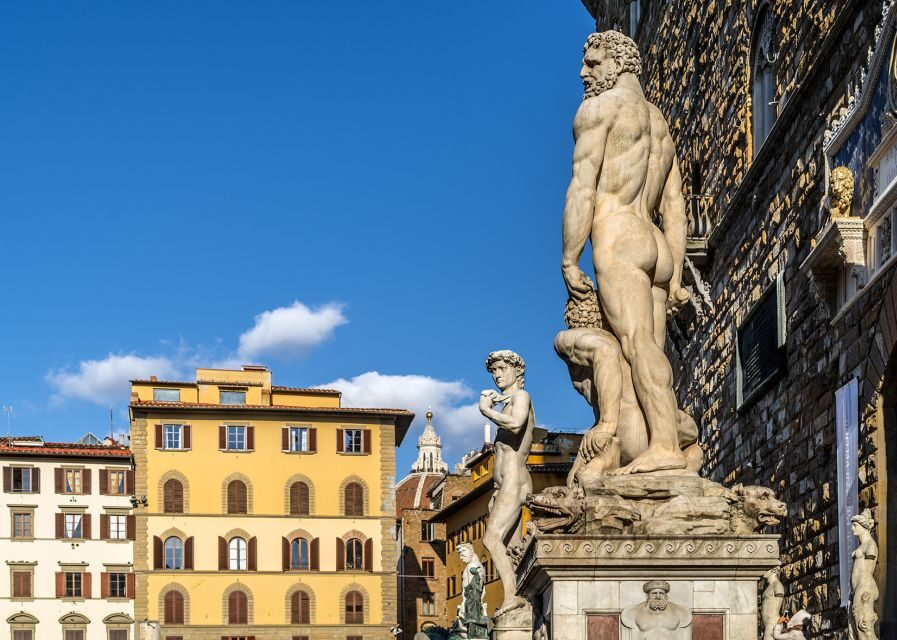
This tour includes two items that sound almost too dramatic to be real: Dante’s funeral mask and Machiavelli’s office. That’s exactly why the guide matters here. Without context, these could become “cool objects.” With context, they turn into a snapshot of how Florence treated ideas as authority.
Dante’s funeral mask anchors the presence of major literary memory in a place of government power. Machiavelli’s office connects political thought to a physical space—like ideas were meant to be handled, not just admired.
You get a clearer picture of Florence’s Renaissance mindset: the city didn’t separate culture from leadership. It fused them.
The Renaissance Map Room: when geography becomes ambition
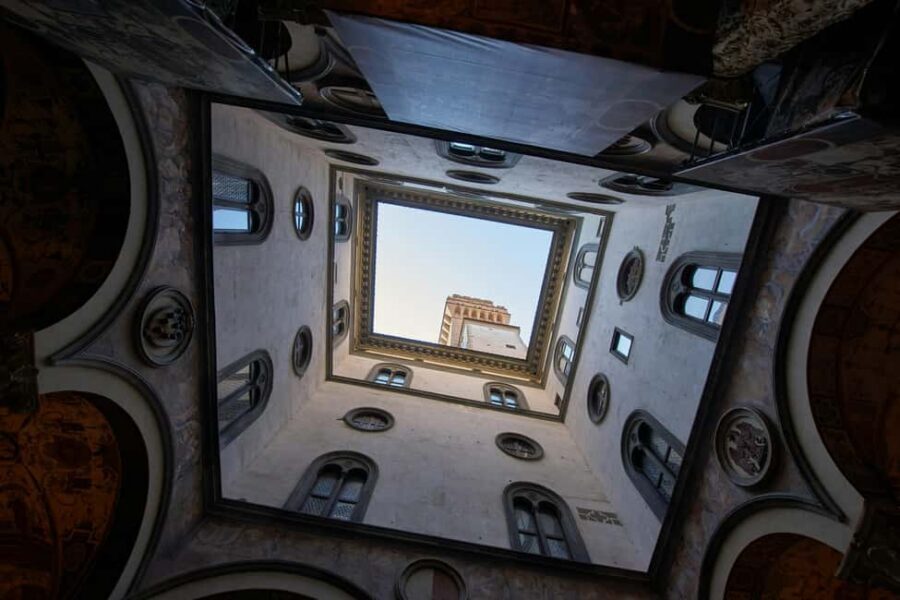
One of the most satisfying parts of the tour is a hall devoted to old maps: the Renaissance Map Room. Maps sound nerdy until you understand the purpose. In a Renaissance palace, maps were about more than navigation. They were about worldview, rank, and future plans.
A good guide helps you understand what you’re looking at and why it mattered to the people living in that world. You’ll likely come away with the sense that Florence’s thinkers were imagining power at a distance—through trade routes, exploration, and political imagination.
This stop also gives your eyes a break from portraits and fresco drama. It’s a different kind of visual experience, and it tends to refresh people who feel museum fatigue.
How the 2 hours feel in real life: pacing, heat, and attention
A 2-hour private tour is a sweet spot. Long enough to get past the “front room” effect, short enough that you won’t feel dragged. The pace is especially helpful in Palazzo Vecchio because there are a lot of compelling things packed into a finite space.
One practical consideration: the experience can be warm. In at least one August visit, the experience was described as hot very hot. So if you’re visiting in summer or during a heat wave, plan for it. Bring water, wear breathable layers, and consider lighter clothing.
Also, wear shoes you can walk in comfortably. Even when a tour feels orderly, you’ll still be moving room to room in a historic building. Give your feet some respect.
Price and value: is skip-the-line worth it?
The value question is real, especially for a private experience. One reviewer called out a price of about 200 euros per person and felt it didn’t justify the cost.
Here’s how I think about it for you:
- You’re paying for a live, private guide who explains connections across art, politics, and court life.
- You’re paying for skip-the-ticket-line time savings, which matters in a high-demand Florence venue.
- You’re paying for a curated flow through highlights that might take you longer to sort out on your own.
So the “math” depends on your group size and your style. If you’re traveling solo or just two people and the price feels high, it can be a tough pill. If you’re part of a small group and you truly enjoy guided interpretation (not just photo stops), the guide time can make the visit feel worth it.
Who should book this private Palazzo Vecchio tour?
This tour suits you best if you like:
- art and politics connected into one story
- guides who answer questions and keep explanations moving
- seeing both public halls and private Medici spaces
It may be less ideal if you want a completely self-paced visit where you control every stop and linger forever. Palazzo Vecchio rewards curiosity, but a guided structure is part of what makes this one effective.
It also fits well if you’re not trying to cover Florence’s biggest “tick list” all in one day. Instead, you get depth in a single key site—and that’s often the better travel strategy.
Should you book Palazzo Vecchio: Magnificent Private Tour?
If you care about understanding what you’re seeing, I’d lean yes. This is a strong choice because the tour focuses on major rooms and major objects, including the Hall of the Five Hundred, Donatello’s Judith, Medici private spaces, the Leonardo fresco story, and the map room.
I’d think twice if you’re shopping purely for value and you’re price-sensitive. At around 200 euros per person, it has to feel right for your travel style. But if you want a guide to connect the palace’s power, art, and personal life in a focused 2-hour visit, it’s an easy match.
FAQ
How long is the private tour?
The tour lasts 2 hours.
Where do we meet the guide?
You meet by the fountain in front of the town hall, at Fontana del Nettuno.
Do we need tickets in advance?
The experience includes skip-the-ticket-line access.
Is this a private group tour?
Yes, it’s a private group experience.
Which languages are available?
The live guide is available in English, French, Italian, Portuguese, Russian, German, and Spanish.
Can I ask questions during the tour?
Yes. The tour is led by a live guide, and the format includes guided explanations as you visit the rooms.
Is the tour wheelchair accessible?
Yes, it’s wheelchair accessible.
What are the main highlights inside the palace?
Highlights include the Hall of the Five Hundred frescoes, Donatello’s Judith, the Duchess’ private chapel and bedroom, the history of a secret Leonardo fresco, and stops such as Dante’s funeral mask, Machiavelli’s Office, and the Renaissance Map Room.
Is there free cancellation?
Yes. You can cancel up to 24 hours in advance for a full refund.
Can I reserve without paying right away?
Yes. You can reserve now and pay later.
More Private Tours in Florence

More Tours in Florence




More Tour Reviews in Florence
- Tuscany Day Trip from Florence: Siena, San Gimignano, Pisa and Lunch at a Winery
★ 5.0 · 21,634 reviews - The Best tour in Florence: Renaissance & Medici Tales – guided by a STORYTELLER
★ 5.0 · 12,316 reviews