REVIEW · ORVIETO
Best Orvieto Private tour with Duomo and Underground
Book on Viator →Operated by ARTexplorer Italy · Bookable on Viator
Orvieto rewards curious feet. This private, 3-hour tour stitches together the Duomo and the underground Pozzo della Cava, with a special focus on Luca Signorelli’s famous San Brizio frescoes. It’s a smart mix of big art, underground history, and then daylight views over the hills.
I love that you don’t get a rushed hit-and-run in the cathedral. The tour guides you through the Duomo with extra attention on the San Brizio chapel, plus you get a short, focused taste of that chapel itself. I also love the finish in the old town, where the walk brings you along walls and alleys with sweeping countryside views.
One drawback to plan for up front: admission tickets for the cathedral and the Pozzo underground area are not included, so you’ll pay those separately.
In This Review
- Key highlights at a glance
- Orvieto’s best pairing: Duomo art plus Pozzo underfoot
- Meeting at Piazza Cahen and setting expectations for 3 hours
- Duomo di Orvieto: San Brizio Chapel and Luca Signorelli’s frescoes
- What can slow you down here
- Cappella di San Brizio: a focused 15-minute art hit
- Pozzo della Cava: the Etruscan well and 23 centuries of tunnels
- The “how do we handle questions?” consideration
- Centro Storico Orvieto: cliff views, old walls, and back to Piazza Duomo
- Private guide value: what you actually gain with ARTexplorer Italy
- Tickets, timing, and walking level: what to plan for
- Timing reality
- Comfort notes that matter
- Who should book this Duomo and underground tour
- Should you book? My take on value and fit
- FAQ
- Do I need tickets for the Duomo and Pozzo della Cava?
- How long is the tour?
- What’s the group size for this private tour?
- Is the tour offered in English?
- Where does the tour start and end?
- What if I need to cancel?
Key highlights at a glance
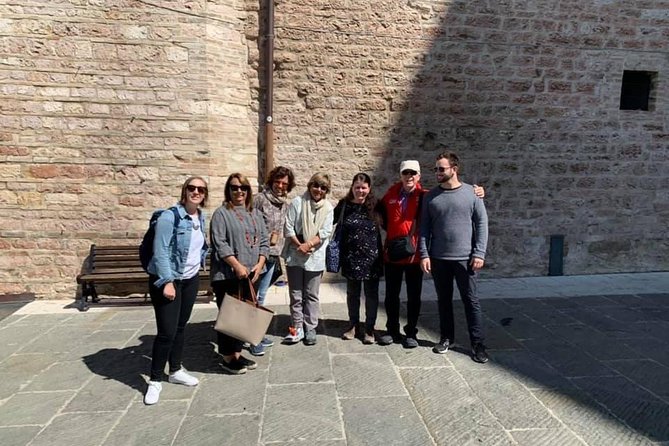
- Luca Signorelli’s San Brizio frescoes get the star treatment inside the Duomo
- Pozzo della Cava underground includes a look down into a 36-meter Etruscan well
- A cliffside old-town walk with viewpoints over vineyards and olive trees
- Private, English-speaking guidance with a mobile ticket for your group
- Flexible pacing by your guide, but if you want lots of questions, ask early
Orvieto’s best pairing: Duomo art plus Pozzo underfoot
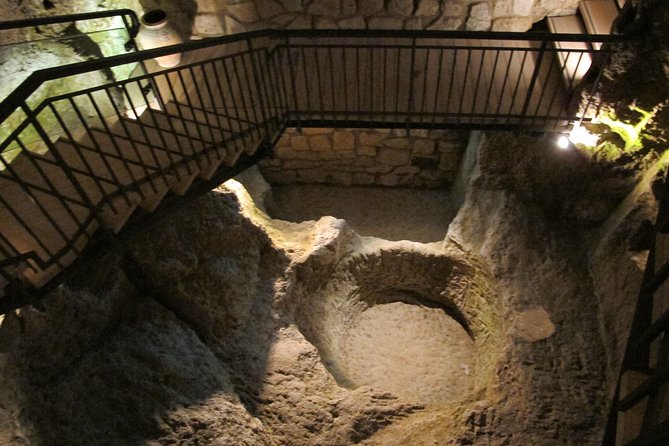
Orvieto is one of those places where the “main sight” is only half the story. The cathedral gives you the loud, visible art. The underground gives you the quieter, physical history you can almost touch. This tour connects both in a way that feels natural, not like a checklist.
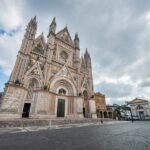
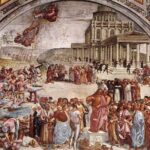
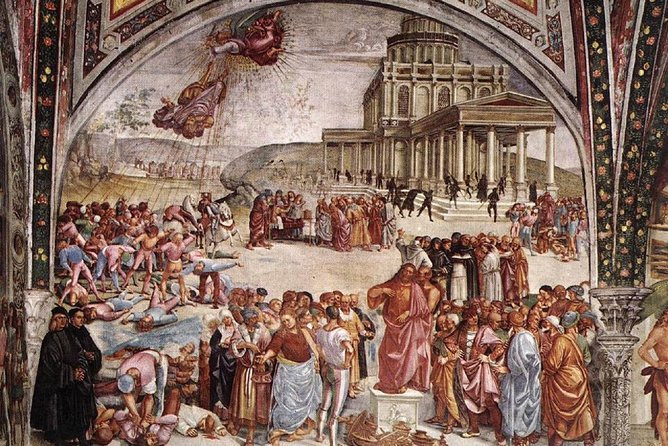
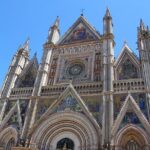
The centerpiece is the Duomo di Orvieto and its San Brizio chapel. You’ll spend time seeing the whole church layout, then you get a special spotlight on the frescoes tied to Luca Signorelli. If you care about art, this is the part that turns Orvieto from nice to memorable.
Then you head underground to Pozzo della Cava, where you’ll walk into tunnels shaped by generations of locals over centuries. The payoff is the moment you look down inside the deep, impressive 36-meter Etruscan well—plus the guide’s explanation of how different rooms were used.
You can also read our reviews of more tours and experiences in Orvieto.

Meeting at Piazza Cahen and setting expectations for 3 hours
Your tour starts at Piazza Cahen (05018 Orvieto TR) and ends back there. It’s a walking-focused route, and the tour is private, so it’s only for your group. That matters because you can usually match the pace to your comfort level instead of getting swept along with strangers.
The total time is about 3 hours, with dedicated time blocks for each major stop. Expect a mix of indoor time (cathedral), then some walking, then underground time, then a final stretch back up in daylight. The tour lists a moderate physical fitness level—so you’ll want to be comfortable with stairs and changing levels, especially around the well area.
It’s also offered in English, and you’ll receive a mobile ticket. Near public transportation, the meeting point is easy to reach, but you still need to be ready for cobblestones and uneven spots typical of old Italian centers.
Duomo di Orvieto: San Brizio Chapel and Luca Signorelli’s frescoes
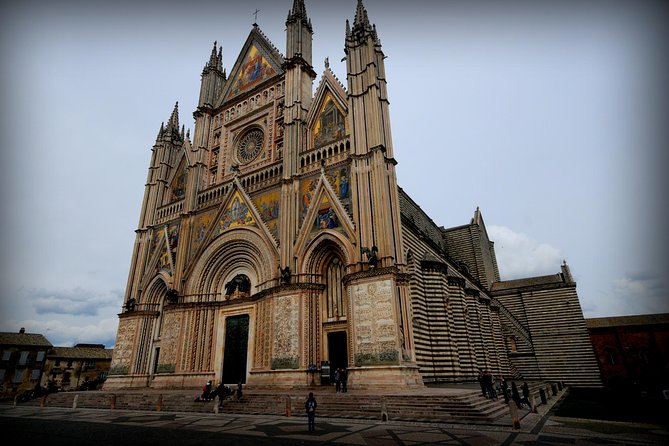
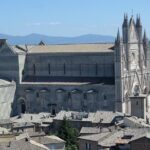
The Duomo visit is not just “see the main chapel and move on.” You’re guided to every part of the church, with extra attention on San Brizio. That full walkthrough matters because Orvieto’s cathedral experience is visual and spatial. When you understand where things sit in the church, the art lands harder.
San Brizio is the highlight, and the reason is Luca Signorelli. His fresco work inside the chapel is considered one of the big Renaissance achievements in Italy. You’ll spend enough time there to actually notice details instead of only seeing them from the doorway.
What I like about this approach is that it gives you context. Guides like Elena and Pamela are praised for explaining art and artifacts in a way that makes the imagery click. One guide even framed the cathedral’s role in the Renaissance in a way that helps you connect Orvieto to the broader cultural shifts of the era.
What can slow you down here
The cathedral’s most famous area is also the most crowded sometimes, depending on timing. So the best move is to let your guide set the viewing pace. If your group has strong preferences—like wanting more time on specific fresco scenes—say so at the start. Private means you can usually steer the order.
Also remember: admission to the Duomo is not included in the tour price. You’ll pay separately, and you’ll want to plan for whatever lines or timed entry rules are in place at the moment you arrive.
Cappella di San Brizio: a focused 15-minute art hit
After the larger Duomo walkthrough, you’ll get a short, direct visit to the San Brizio chapel again. Think of it as a second pass with tighter focus. First you get orientation across the cathedral, then you get concentrated time in the chapel where the frescoes are the point.
A lot of visitors rush this kind of stop. This format discourages that. It gives you a chance to look, absorb, and then look again with the guide’s cues.
Guides such as Viviana and Madolena are specifically noted for being patient and for making Orvieto’s story feel personal—especially for people who assumed they’d only be seeing old walls. When the chapel is explained well, you don’t just see figures on plaster. You start noticing how the Renaissance language shows up in a place that isn’t Rome or Florence.

Pozzo della Cava: the Etruscan well and 23 centuries of tunnels
This is where Orvieto gets wonderfully weird—in the best way. Pozzo della Cava is an underground area with tunnels excavated over more than 23 centuries. Instead of standing outside looking at a landmark, you walk through the hidden part of the city.
The structure of the experience helps. Your guide talks as you move through the rooms, explaining how spaces were used over time. Then the moment arrives when you look down inside the impressive 36-meter deep Etruscan well. That depth is hard to grasp until you’re actually positioned to see it.
One practical note: you may end up climbing up and down around the well area connected to work from 1527. The tour states moderate fitness, and that mention matters. Don’t plan to wear brand-new shoes that you haven’t broken in.
The “how do we handle questions?” consideration
A key balancing point from the experience: most guides are praised for warmth and engagement, but one guide-style issue showed up in a way you should take seriously. Some people found their guide less open to questions and asked to keep quiet. Another issue raised was that the caves felt discouraged even though they were part of the tour description.
I can’t predict which guide you’ll get. But you can manage the risk. At the very start, set your expectations politely: ask one or two questions early so your guide knows your style. If you want an interactive experience, say it up front rather than waiting halfway down the stairs.
Centro Storico Orvieto: cliff views, old walls, and back to Piazza Duomo
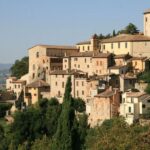
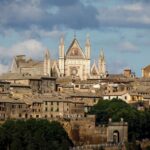
After the underground, you’ll walk up into daylight and head toward the edge of the city. From the cliffs, the views are a big part of the payoff: rolling hills covered with vineyards and olive trees, plus a look back at the medieval town in brown tones.
This isn’t just scenic sightseeing. Walking along the ancient walls and moving through little alleys helps you understand how Orvieto sits on its high ground. When you’ve been underground first, the daylight feels like a release. You also start connecting the geography to the history—why the city is where it is, and why tunnels would have mattered.
The final walk brings you back toward Piazza Duomo, and that last part is free of ticket fees. It’s a relief after paying separate admissions for the cathedral and underground areas.
A practical tip: keep an eye on timing. If you want photos, pause where your guide points out viewpoint angles along the walls. Trying to grab pictures while moving constantly through narrow alleys can turn into stress fast.
Private guide value: what you actually gain with ARTexplorer Italy
The tour is private and guided, with group size up to 15. That’s useful for families, small friend groups, or anyone who hates being herded. You’re less likely to lose your place in crowds, and you can get explanations tailored to what you care about.
This is also where the guide quality matters most. Several named guides—Elena, Emma, Viviana, Pamela, and Madolena—show up with strong notes for their teaching style. The common thread is not just facts. It’s how they connect the art to the setting and to the bigger story of the Renaissance and Tuscany.
Emma is singled out for speaking excellent English and for tailoring the tour to what the group wanted. Another guide’s patience was highlighted too, which matters if your group moves a bit slower or wants to stop and look twice.
And yes, one guide even pointed someone toward their favorite gelato spot. That’s small, but it tells you something: good guides think about your whole day, not just the ticket stops.
Tickets, timing, and walking level: what to plan for
Let’s do the practical math first. The price is $337.15 per group for up to 15 people, for about 3 hours. That’s a group rate, so your real cost per person depends on how many of you are splitting it. If you’re traveling with a few people, a private guide can start to feel very reasonable. If you’re just one or two, it may be pricier than a standard group tour.
Tickets are the main extra cost: admission for the cathedral and for the underground caves (Pozzo della Cava) is not included. So budget for those separately, and plan your arrival so you’re not scrambling to buy tickets at the last second.
Timing reality
Even though the schedule is roughly 45 minutes in the Duomo, 15 minutes focusing on San Brizio, 45 minutes underground, and 45 minutes for the old town walk, you’re still dealing with real-world factors: lines, slow stairs, photo stops, and how engaged your group is with the explanations.
That’s why private pacing helps. Guides can usually stretch or shorten a piece without breaking the flow, especially since the end is back at the same meeting point.
Comfort notes that matter
The tour lists moderate physical fitness. The cathedral is mostly walk-and-stand. The underground involves more movement and likely stairs. The old-town walk is outdoors and on historic streets. If you’re managing knee issues or balance concerns, plan for slower movement and consider bringing shoes with solid grip.
Who should book this Duomo and underground tour
This tour is a great fit if you want more than surface photos. If you care about Renaissance art and how it fits into Orvieto, you’ll get real value from the extra attention on San Brizio and the way your guide frames Luca Signorelli’s frescoes.
It’s also a strong choice if you like historical settings that you can physically experience. Pozzo della Cava isn’t a museum room behind glass. It’s a walk through tunnels and an opportunity to look down into a deep, Etruscan well.
You should also consider it if you’re traveling with a group that enjoys structure. You get a clear sequence: cathedral, San Brizio focus, underground tunnels, then an outdoor walk with viewpoints. Families and friends who want a day that feels planned often appreciate that.
Should you book? My take on value and fit
Book this tour if you want the best pairing Orvieto offers: major cathedral art plus underground history, finished with a daylight stroll that shows you the city’s setting. The structure is efficient, the pacing is guided, and the San Brizio attention is exactly where you want it.
I’d think twice if you strongly dislike any stairs or uneven walking, or if you know you want an extra interactive Q&A style and your group prefers to talk constantly. The tour itself is built for conversation, but one experience note suggests that some guides may prefer a quieter flow. You can reduce that risk by setting expectations early in the tour.
If you do book, do two things: budget for the separate admissions, and wear shoes you can walk in for the underground section. Then show up ready to look slowly at art and fast at the views outside.
In short: this is the kind of Orvieto tour that turns a visit into a story you’ll remember.
FAQ
Do I need tickets for the Duomo and Pozzo della Cava?
Yes. Admission tickets for the cathedral (Duomo di Orvieto) and the underground caves (Pozzo della Cava) are not included in the tour price.
How long is the tour?
The tour lasts about 3 hours.
What’s the group size for this private tour?
It’s a private tour/activity, with a group size of up to 15 people.
Is the tour offered in English?
Yes, the tour is offered in English.
Where does the tour start and end?
It starts at Piazza Cahen, 05018 Orvieto TR, Italy, and ends back at the same meeting point.
What if I need to cancel?
You can cancel for free up to 24 hours in advance for a full refund. After that cutoff, the amount paid is not refunded.