REVIEW · SIENA
San Gimignano and Volterra: Day Tour from Siena
Book on GetYourGuide →Operated by Tuscan Escapes by Papilio · Bookable on GetYourGuide
Towers, stone, and saffron in one long day. This 8-hour small-group trip strings together three Tuscan classics with real texture: a stop at the Monteriggioni fortress, a walk through San Gimignano’s UNESCO tower skyline, then hands-on alabaster work in Volterra. You’ll also eat a proper farm meal, not a tourist plate.
I love the way the day mixes big “wow” sights with hands-on learning. Watching an alabaster sculptor at work in Volterra (often described with names like Omero) feels special because you see the craft up close, not just pictures. And I really like the organic farm lunch built around seasonal produce, with saffron dishes and Vernaccia wine.
One thing to plan for: even with a max of 8 people, the ride can feel tight in the van. Also, there’s no hotel pickup, so you’ll start at San Domenico Basilica in Siena.
In This Review
- Key points worth the hype
- From Siena to towers: the core idea behind this day tour
- Monteriggioni’s fortress stop: why this quick detour matters
- San Gimignano’s fine towers: what to notice on your walk
- The farm lunch: saffron, Vernaccia, and why this is more than a break
- Volterra’s alabaster workshop: the craft you can see in real time
- Volterra historic center: Etruscan, Roman, Medieval, Renaissance—on one route
- How the 8 hours tend to feel (and where you can slow down)
- Price and value: what you’re really paying for
- Who this tour suits best (and who might want a different plan)
- Should you book the San Gimignano and Volterra day tour?
- FAQ
- What is the duration of the San Gimignano and Volterra day tour from Siena?
- Where does the tour start and where does it end?
- Is hotel pickup included?
- How big is the group?
- What’s included in the tour price?
- What will I do in San Gimignano?
- What will I do in Volterra?
- Can I pay later or cancel for free?
Key points worth the hype

A small group (max 8) keeps the day from feeling rushed.
Monteriggioni’s 13th-century fortress is a satisfying warm-up before San Gimignano.
San Gimignano towers plus a UNESCO setting means you get “real medieval” fast.
Lunch at a family-run organic farm includes saffron flavors and Vernaccia wine.
Volterra’s alabaster workshop lets you watch the craft process in action.
Many guides turn the drive into history talk, with names like Guillermo and Marella showing up in standout days.
From Siena to towers: the core idea behind this day tour
This is a classic Tuscan day, but it’s built with better balance than many “see two towns” excursions. You’re not only ticking off landmarks. You’re also learning why San Gimignano looks the way it does and what Volterra is famous for besides views.
The rhythm is simple: you leave Siena, make a quick historical stop at Monteriggioni, then spend meaningful time in San Gimignano. After lunch, you shift to Volterra for the alabaster workshop and a walk through the historic center where Etruscan, Roman, Medieval, and Renaissance styles sit side by side.
Because it’s a small group limited to 8 participants, you should feel comfortable asking questions. English-speaking expert guides often bring the day alive with stories (guides like Mattia, Juliana, Keko, Marco, Guglielmo, and Elena have all been mentioned as strong fits for this route).
You can also read our reviews of more tours and experiences in Siena.
Monteriggioni’s fortress stop: why this quick detour matters
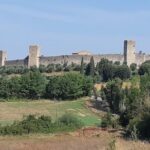
The tour includes a drive-through Tuscany route with a scheduled stop in Monteriggioni. You’ll see the well-preserved fortress built in the 13th century, which works like a “decoder ring” for what you’ll see later at San Gimignano.
Here’s why it helps: medieval towns in this part of Tuscany didn’t just look good. They were built to protect families, wealth, and power. Even if you don’t know the dates yet, the fortress walls and layout give you an instant sense of the stakes behind the tower-building story in San Gimignano.
Timing-wise, this stop also breaks the drive from Siena. You get out, stretch, and reset your eyes before the UNESCO town arrival.
Practical tip: wear shoes you’re comfortable walking in. Monteriggioni and the old centers later are the kind of places where cobblestones can quietly take a toll.
San Gimignano’s fine towers: what to notice on your walk
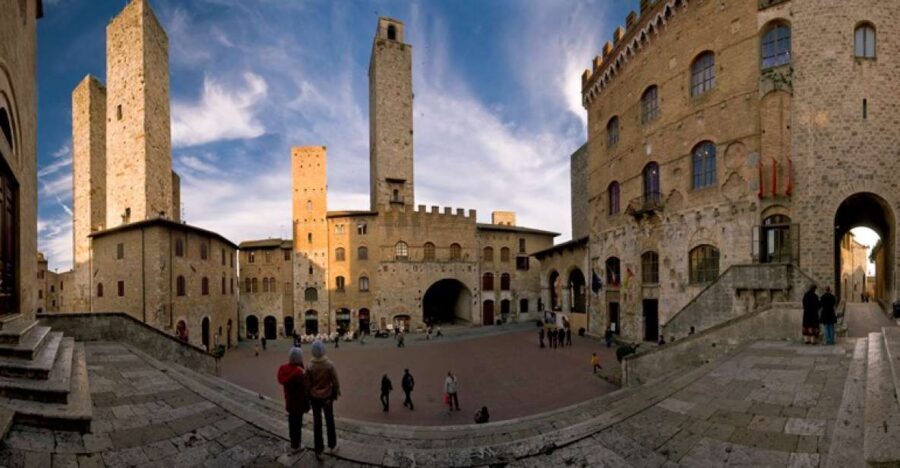
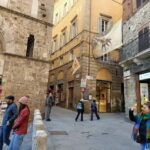
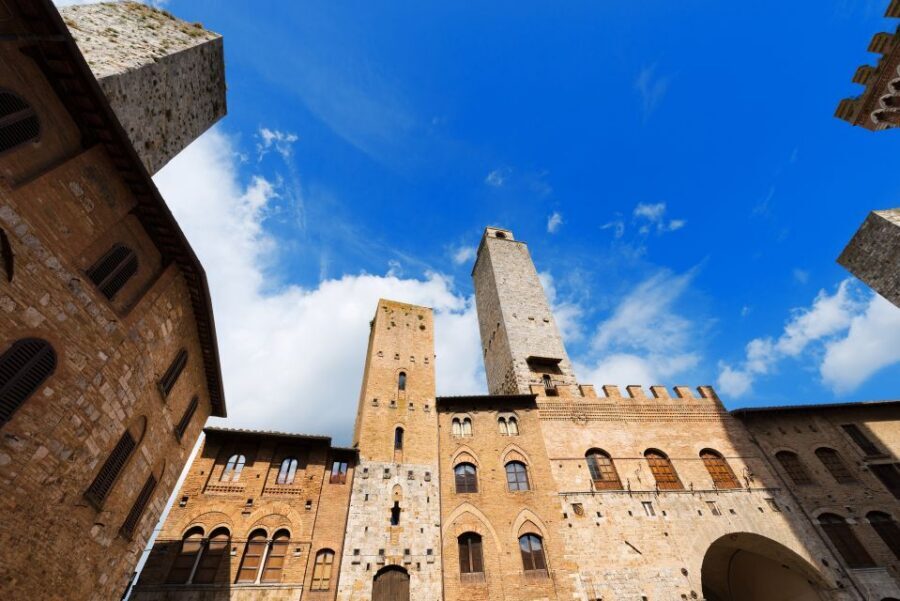
San Gimignano is often described as the town of fine towers, and this tour leans into exactly that. You’ll explore the medieval town and look at the many towers that define the skyline.
The tour framing isn’t just architecture bragging. You’ll learn the history of San Gimignano’s conflicts and triumphs—basically, the human story behind the stone. That turns “pretty towers” into something more interesting, especially when your guide is the type to connect the dots between politics, power, and building height.
UNESCO comes up for a reason here: the town’s medieval character is strong, and you’ll also find artisanal boutiques while you’re walking. That matters because you’re not only looking upward. You’re also seeing how the town’s modern life fits into the medieval streets.
How much time do you get? The day is 8 hours total, and the schedule includes a lunch stop and Volterra afterward. So you’ll want to keep your expectations realistic: you’ll get solid time, but this won’t be a slow two-hour drift where you can shop for an hour and still “finish your photos.”
Also, one detail to keep in mind: some days can be paced so the guide shares context and then gives you room to explore. In at least one standout experience, a guest said they wished the guide had walked into the towns with them more. So if you’re the type who likes a running commentary at your shoulder, have a few questions ready and ask early.
The farm lunch: saffron, Vernaccia, and why this is more than a break
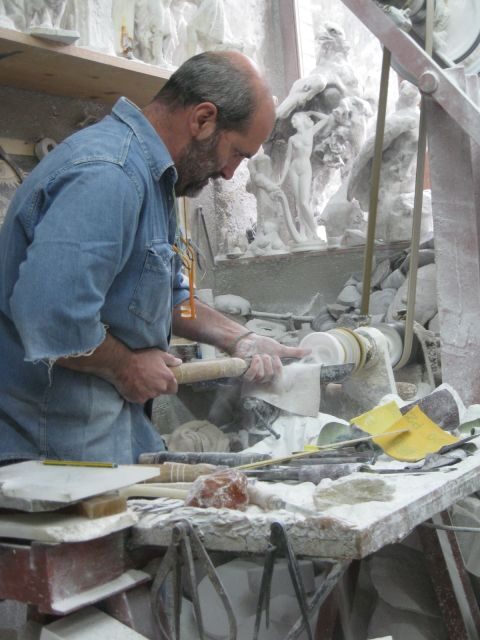
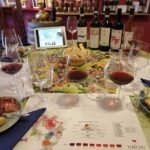
Lunch is one of the main reasons this tour earns such a high rating. You’ll be hosted at a small family-run farm, described as organic, and the meal is home-cooked with seasonal products.
What you should pay attention to:
- Dishes include saffron flavors, so you’re not just tasting “Italian food” in general.
- You’ll be accompanied by Vernaccia wine, which ties the meal to local tradition.
This is a good place to reset your energy without losing the “Tuscany” theme. Instead of eating in a generic restaurant, you’re part of a functioning farm setup. And because saffron is a star ingredient, you get a sensory hook for the region—one you can remember later when you’re trying to explain your trip to friends.
The vibe is also described as warm and homely in the way the hosts join the group for lunch. If you’ve been craving real conversations (even short ones) about how people grow and make food, this part is usually the best moment of the day.
What about dietary needs? The only explicit info here is that the meal uses seasonal farm products, plus saffron dishes and Vernaccia. If you have allergies or strict dietary rules, you should check directly with the operator before booking so expectations stay clear.
Volterra’s alabaster workshop: the craft you can see in real time
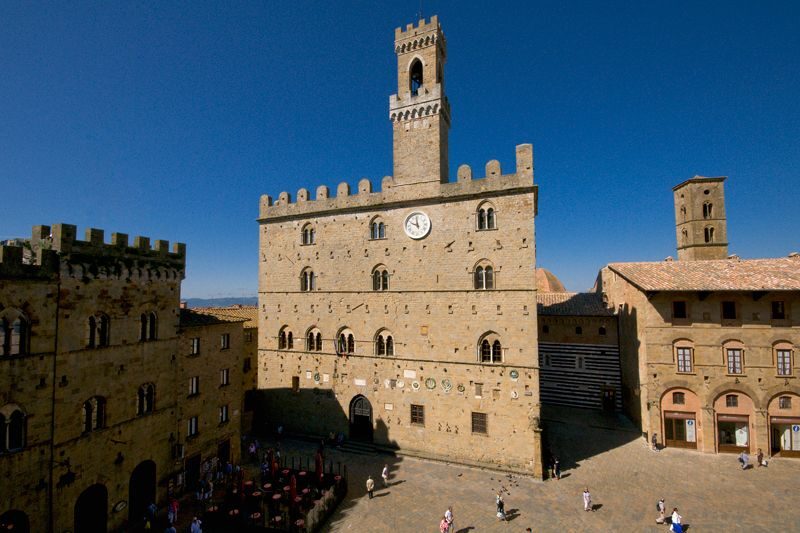
After lunch, the tour heads to Volterra, and the experience shifts from “medieval town walk” to “watch a craft in action.”
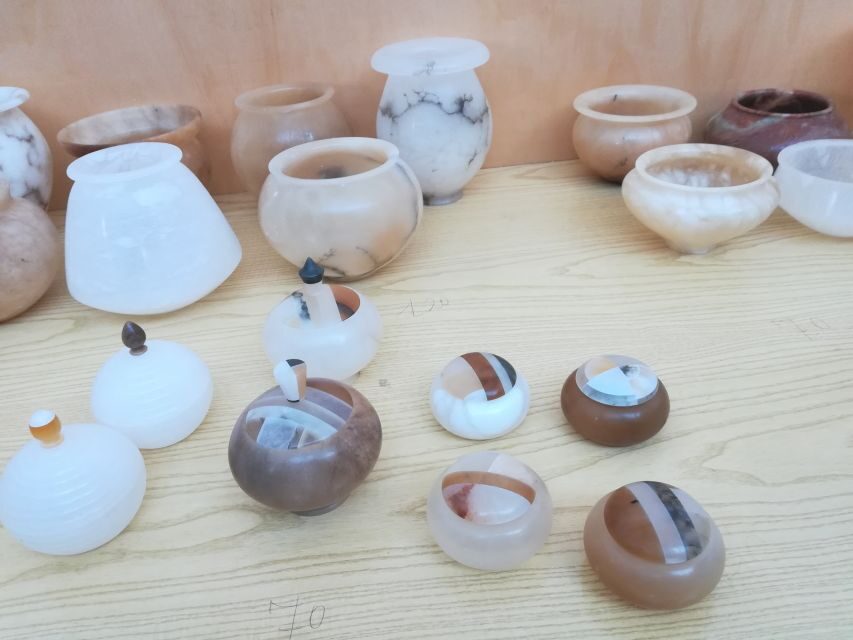
You’ll stop at a small alabaster workshop to see the ancient art of sculpting alabaster. The point isn’t just that alabaster looks pretty. It’s that you can see how the material is shaped and worked, right there in front of you.
In the strongest descriptions of this stop, the sculptor is sometimes identified as Omero. Even if you don’t remember the name, you’ll likely remember the moment you see hands-on stonework up close. It’s the kind of stop that makes the rest of your day feel more intentional, because you’re not only looking at history—you’re also learning how something historic becomes a finished object.
A practical note: workshop visits can involve close quarters and a bit of standing. Bring your patience and keep your camera ready, but also give your eyes a chance to really take it in.
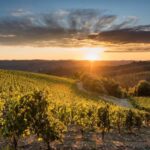
Volterra historic center: Etruscan, Roman, Medieval, Renaissance—on one route
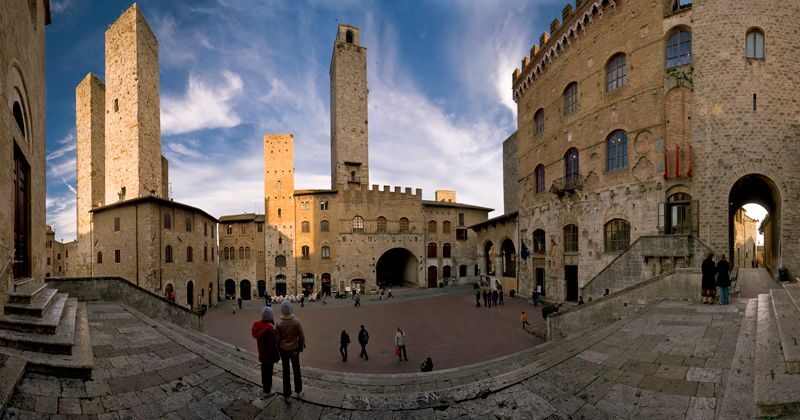
Once you’re in Volterra, you’ll walk the historic center. The big idea is the harmonious blend of styles: Etruscan, Roman, Medieval, and Renaissance influences.
That phrase can sound like a brochure line, but it’s useful because it tells you how to look. In Volterra, you’re not only seeing one era. You’re seeing how layers of different periods overlap in the same streets, and that makes your walk feel like a timeline you can physically step through.
This stop also works well after San Gimignano. San Gimignano is tower-focused medieval beauty. Volterra adds variety: crafts and mixed architectural eras, plus the sense that the town’s identity is shaped by both ancient roots and later rebuilding.
If you’re the type who likes views, you’ll probably enjoy this part too. Just remember: Volterra’s charm is as much about your pace and attention as it is about the scenery.
How the 8 hours tend to feel (and where you can slow down)
An 8-hour day trip can go one of two ways: either it feels too packed or it feels perfectly paced. The small group size helps a lot, and the itinerary is set up with a mix of walking and seated time.
A typical flow looks like this:
- Start in Siena at San Domenico Basilica.
- Drive to Monteriggioni for the fortress stop.
- Continue to San Gimignano for the tower town exploration.
- Lunch at the organic farm with saffron dishes and Vernaccia.
- Travel to Volterra for the alabaster workshop and a historic center walk.
- Return to the meeting point in Siena.
Where you might feel time pressure: San Gimignano and Volterra both involve walking. If you’re someone who wants to browse shops for a long time, set one or two “must-do” shopping stops and let the rest go. That keeps you from turning the day into a sprint.
Where you can lean into it: the best value moments are often the ones that are slightly slower—like the workshop and the farm meal—because they’re interactive.
Also, since there’s no hotel pickup, you’ll want to arrive at least a bit early at San Domenico Basilica. Starting on time makes the rest of the day smoother.
Price and value: what you’re really paying for
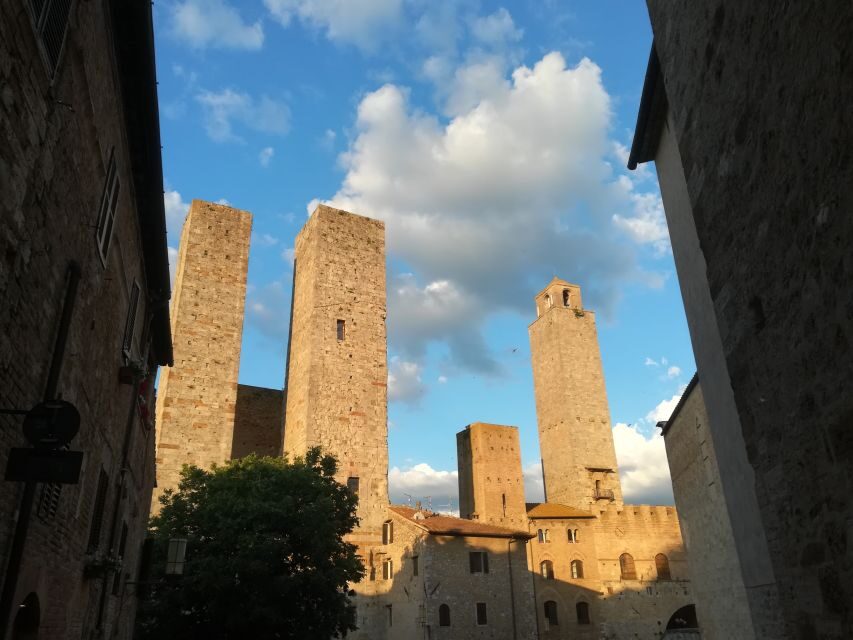
At $203.91 per person for an 8-hour, small-group outing, you’re paying for more than transport. You’re paying for the combination of guided interpretation, a workshop visit, and an included meal at an organic farm.
Here’s the value logic:
- Small group (max 8) helps you get more direct attention from the guide and keeps stops more human-sized.
- The alabaster workshop is an experience element, not just a photo stop.
- The home-cooked lunch is included, and it’s described as farm-based with seasonal produce plus saffron dishes and Vernaccia wine.
If you tried to do this on your own, you’d likely spend time sorting out driving, parking, guidance, and timing. This tour bundles those pieces and uses the day efficiently, so you can focus on the places rather than logistics.
One minor caution tied to value: because the group is small, the van can still feel cramped for some people, and that’s a fair trade-off to consider. If comfort in transit is a top priority, think about bringing a light layer and adjusting your expectations for a full day in a shared vehicle.
Who this tour suits best (and who might want a different plan)
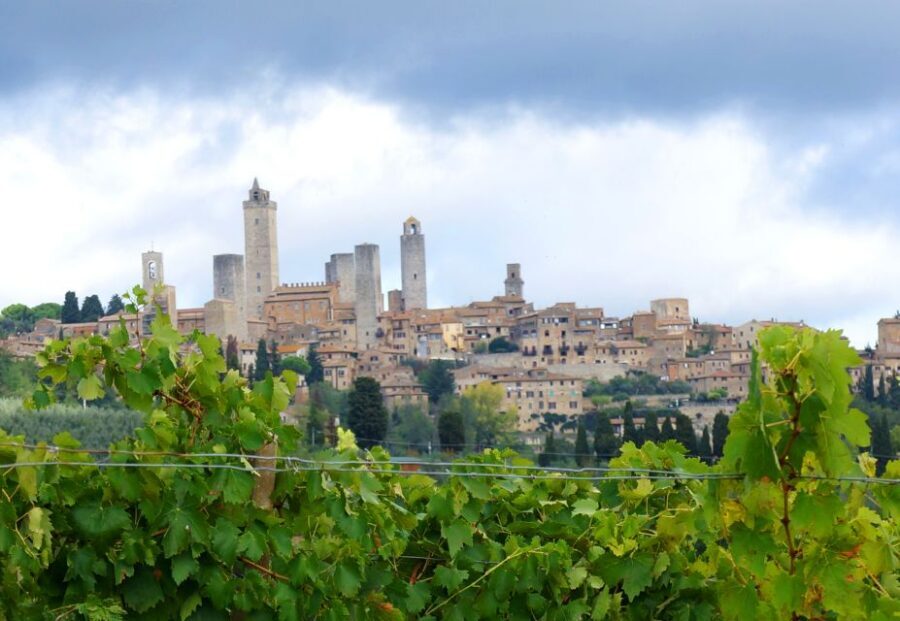
This tour is a strong match if you want:
- A guided history layer while you see San Gimignano’s towers.
- A hands-on craft stop in Volterra via the alabaster workshop.
- A real meal included, at a farm setting, not just a quick lunch.
It also suits adults and teens who like a structured day but still want something authentic—like the farm lunch and the workshop process.
You might want a different option if:
- You dislike shared vans and prefer flexible, slow wandering. The group is small, but a few people have mentioned feeling the ride is crowded.
- You want the guide to walk with you continuously through every street in both towns. In at least one case, a guest wished the guide had stayed with them more during town exploring.
For many people, though, the balance here is the point: structured enough to be meaningful, relaxed enough to enjoy.
Should you book the San Gimignano and Volterra day tour?
Yes, if you want a day where the “best parts of Tuscany” actually come with explanation and a meal worth waiting for. The combination is hard to beat: Monteriggioni fortress to set the medieval frame, San Gimignano towers for the UNESCO skyline, then Volterra for alabaster craft you can watch.
Book it especially if farm lunch and alabaster are on your must-do list. And if you’re picky about comfort, do your homework on meeting point timing and be prepared for a full day of walking and a shared vehicle.
Finally, go into it with curiosity. When guides like Guillermo, Marella, and Mattia (names that come up with strong results) focus on story and practical details, the day clicks from sightseeing into something you’ll remember.
FAQ
What is the duration of the San Gimignano and Volterra day tour from Siena?
The tour lasts 8 hours.
Where does the tour start and where does it end?
It starts at San Domenico Basilica in Siena and ends back at the meeting point.
Is hotel pickup included?
No. Hotel pickup is not included.
How big is the group?
This is a small group limited to 8 participants, with no more than 8 per group.
What’s included in the tour price?
Included are the home-cooked meal at an organic farm, an alabaster workshop visit, an English-speaking expert guide, and transportation by air-conditioned vehicle.
What will I do in San Gimignano?
You’ll explore San Gimignano, admiring its medieval towers and learning about the town’s history, including its conflicts and triumphs. The visit also includes time to see artisanal boutiques.
What will I do in Volterra?
You’ll visit a small alabaster workshop to see the ancient art of sculpting, then walk the historic center to see a blend of Etruscan, Roman, Medieval, and Renaissance styles.
Can I pay later or cancel for free?
You can reserve now and pay later. You can also cancel up to 24 hours in advance for a full refund.