REVIEW · FLORENCE
Florence: Wine-tasting Experience in Front of Ponte Vecchio
Book on GetYourGuide →Operated by FIRST GLASS · Bookable on GetYourGuide
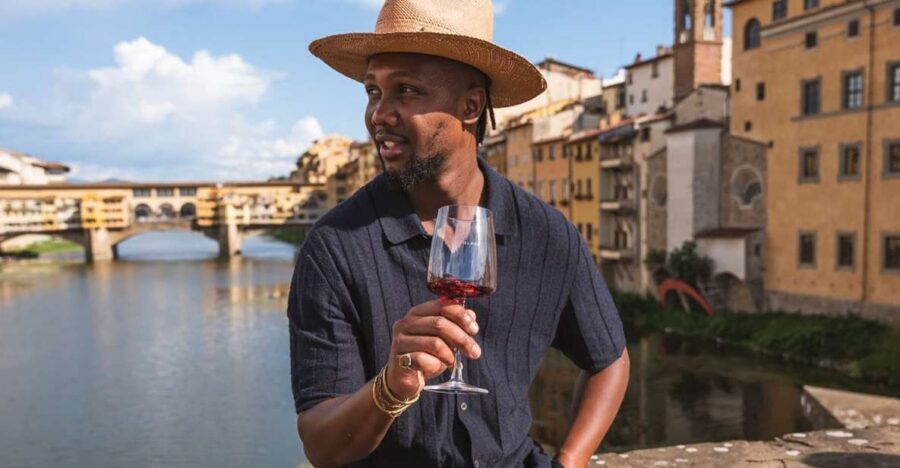
Wine and Florence in one short hour. This one-hour Tuscan wine-tasting at Firstglass turns the usual museum-style trip into something hands-on, starting with simple sight-smell-taste tips and ending right near Ponte Vecchio. I like that the tasting feels friendly and social, not stuffy, and the pace works whether you’re new to wine or just curious.
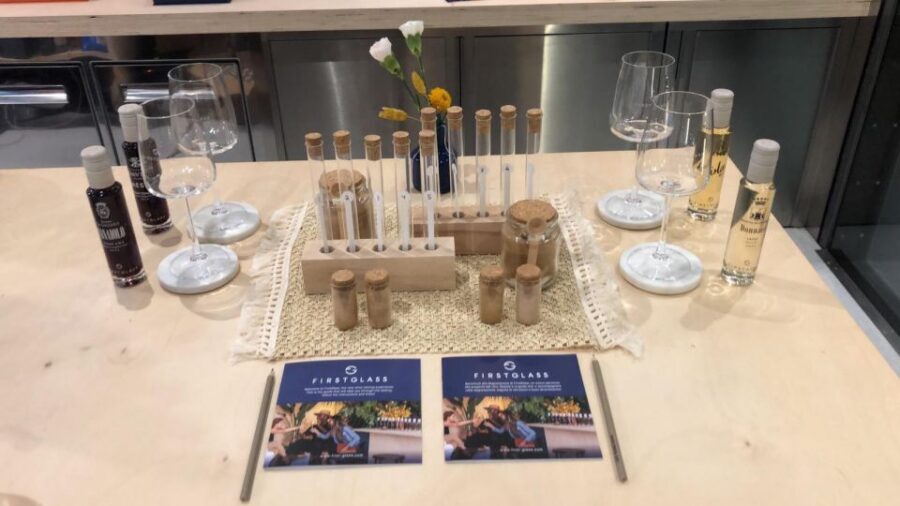
What I especially love is the format: you get a tasting kit, a quick guided intro, then you taste at your own pace. I also love the way the wines are presented in 100 ml bottles, with aroma and flavor preserved so you can actually notice what changes in the glass. With guides like Joanna and Stefano showing you what to look for, the learning clicks fast.
One thing to consider: it’s only one hour, so it’s not the right pick if you’re chasing a long, deep dive into vineyards and production. You’ll leave with a solid start, not a full wine-nerd degree.
In This Review
- Key things to know before you pour
- Firstglass by Ponte Vecchio: why this address matters
- The 1-hour flow: intro first, then you taste your way
- Two Tuscan wines in 100 ml bottles: how to actually notice differences
- Chianti vs Vermentino: what the tasting teaches without the lecture
- Snacks and water: the practical pairing that keeps the hour fun
- Guides who make the basics click: Joanna, Stefano, Pietro, Elena, and others
- The wine-window option: what to do after your hour
- Price and value: how $33 stacks up in Florence
- Who should book this wine tasting near Ponte Vecchio
- Quick checklist so you get the most from the hour
- Should you book this Florence wine tasting?
Key things to know before you pour
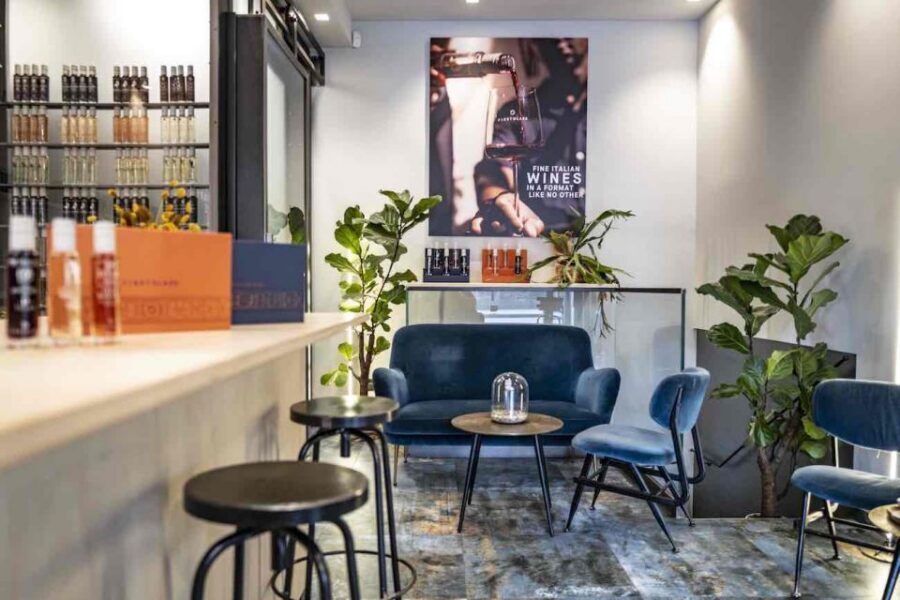
- Hands-on tasting kit: learn sight, smell, taste with a practical manual and guidance.
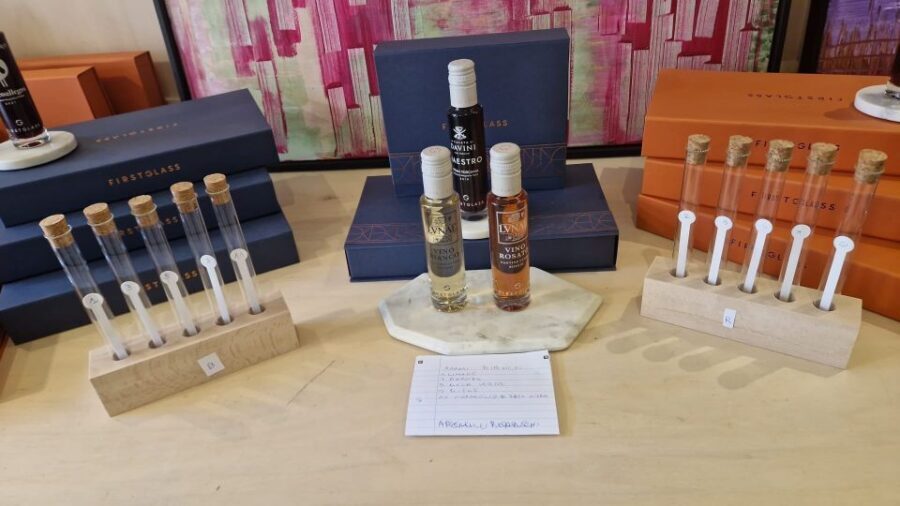
- Two wines in 100 ml bottles: a small, manageable pour that keeps aromas and flavors intact.
- Prime Ponte Vecchio location: stop-by convenience without feeling like you’re rushing through Florence.
- Real Tuscan favorites: expect iconic picks such as Chianti and Vermentino (selected for you).
- Snacks + water: olives, taralli, peanuts, plus still or sparkling water to reset your palate.
- Wine-window finale: you can continue with additional wines afterward if you want.
Firstglass by Ponte Vecchio: why this address matters
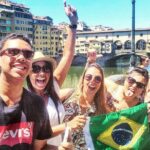
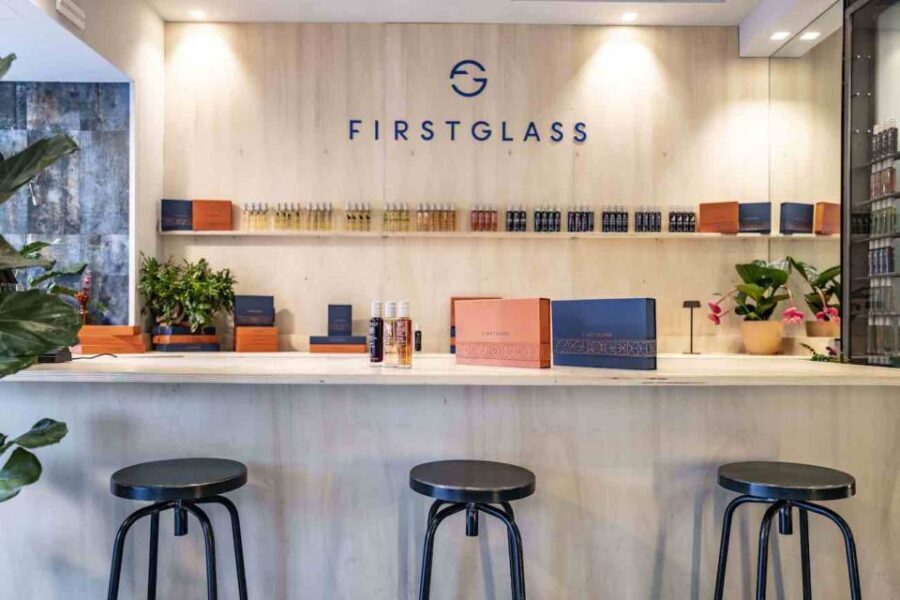
The meeting point is Firstglass, just steps from Ponte Vecchio, so you don’t have to build an itinerary around getting to the “right” neighborhood. The store setup matters too. Instead of a formal tasting room, you’re seated at a shared table in an intimate, relaxed space, which makes conversations easier—especially if you’re traveling solo.
The big payoff of this location is mood. Even if you’ve already seen Ponte Vecchio from the outside, tasting wine in this part of Florence changes the whole feel. You’re not just sightseeing; you’re doing something Florentine that fits the setting.
If you care about convenience, this is also the kind of activity that works well between walking plans. It’s short enough that it won’t steal your whole evening, but it still gives you time to slow down and focus on what’s in the glass.
You can also read our reviews of more food & drink experiences in Florence
- San Gimignano, Siena, Monteriggioni, Chianti Day Trip with Lunch & Wine Tasting
★ 4.5 · 4,432 reviews
The 1-hour flow: intro first, then you taste your way
This is a structured tasting, but it doesn’t feel like a classroom.
Right when you start, your guide gives a short introduction using simple, usable tips for how to analyze wine:
- Sight (color and what you notice in the glass)
- Smell (getting your brain to slow down and separate aromas)
- Taste (how the wine feels and balances)
Instead of throwing technical vocabulary at you, the goal is to help you use the senses you already have. That’s why the tasting kit and tasting manual are a big deal. They help you follow along, but they also give you a framework you can take home and use later.
After the intro, you continue independent tasting. That’s important. You’re not constantly waiting for the next instruction, and you don’t have to pretend you understand everything right away. You can compare impressions between sips and decide what you like.
The overall timing is designed to feel doable: you’re learning for part of the hour, then spending the rest tasting and comparing. It’s a great format if you want value without dragging out the experience.
Two Tuscan wines in 100 ml bottles: how to actually notice differences
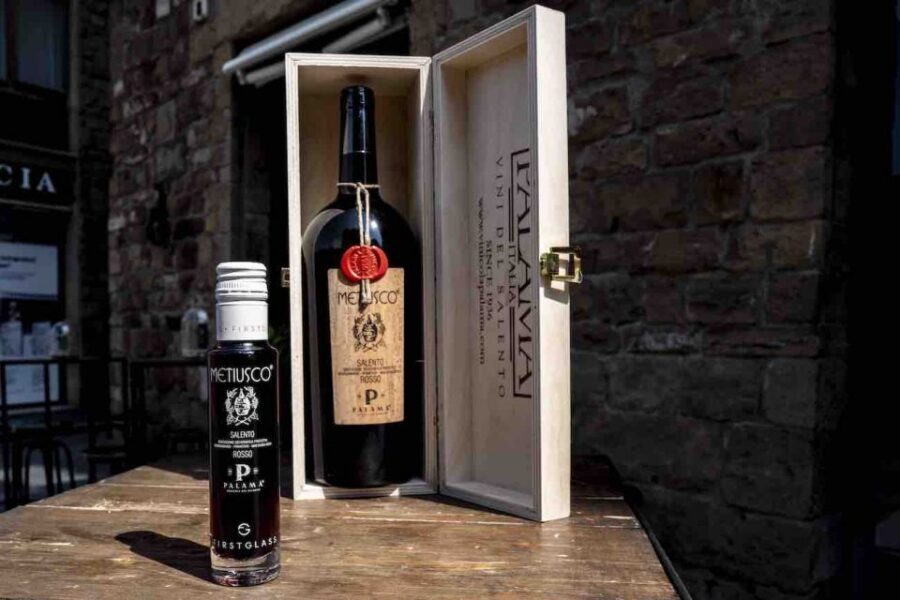
You’ll taste two selected Italian wines during the hour, served in elegant 100 ml bottles. That portion size is practical—enough to notice texture and aroma, not so much that you rush through.
The bottles also use advanced preservation technology, which is meant to keep aromas and flavors intact. In plain terms: the wine is trying to taste as close as possible to how it’s supposed to taste, right there in the moment. For you, that means less frustration like Why doesn’t this smell or taste like I expected? You can focus on your senses instead.
The wines are chosen by winemaker Francesca Vigo from representative Tuscan producers. And the lineup often points you toward familiar, iconic styles—think Chianti and Vermentino. Even if you’ve had one before, tasting them side by side in this guided-but-flexible way helps you notice what separates them.
Here’s what I think you should pay attention to while you taste:
- Does the wine feel more crisp or round?
- Do you get fruit first, or something more herbal/spicy?
- Does the finish feel short and quick, or lingering?
- What changes as you take your time—after the first few seconds of smelling?
This is the moment where the experience turns into a real skill. You’re not just drinking. You’re learning how to describe what you like.
Chianti vs Vermentino: what the tasting teaches without the lecture
If your tasting includes Chianti and Vermentino, you’re getting a useful comparison. These are classic Tuscany picks with different personalities, so they’re ideal for beginners because you can separate your reactions fast.
Chianti often points you toward deeper fruit and a more structured feel. Vermentino tends to be lighter and fresher, with aromas that can read as floral or herb-like depending on the bottle. Tasting them in one session lets you answer a key travel question quickly: Do I prefer Tuscany’s bolder reds or its brighter white style?
And because the guide teaches you to use sight, smell, taste, you’ll have a way to follow your own instincts. You won’t need to remember a long list of terms. You’ll know what you noticed.
That’s also where the interactive side helps. You can compare impressions with people at your table and even play the guessing game around aromas. The point isn’t to be right—it’s to train your attention.
Snacks and water: the practical pairing that keeps the hour fun
Wine tastes better when your palate isn’t running on empty.
You’ll get light snacks to go with the pours: olives, taralli, and peanuts, plus still or sparkling water. This matters more than it sounds. Salty, crunchy snacks help you keep your mouth neutral between tastes, so the second wine doesn’t feel “blank” compared to the first.
Taralli are especially helpful here because they’re made for snacking, not for overpowering. Olives bring a salty hit that can highlight some flavors. Peanuts add texture and a different kind of salty richness. None of it is heavy, so you’re not fighting indigestion while you try to focus.
And because it’s a social table setup, the snacks also make the experience feel relaxed. It’s easier to ask questions, compare notes, and just enjoy the moment without feeling like you’re in a tasting exam.
You can also read our reviews of more wine tours in Florence
- Tuscany Day Trip from Florence: Siena, San Gimignano, Pisa and Lunch at a Winery
★ 5.0 · 21,634 reviews

Guides who make the basics click: Joanna, Stefano, Pietro, Elena, and others
A big reason this works is the guide approach. The intro is short, but it’s designed to be understandable. That’s why guide names show up in the experience like a theme—people remember the personalities as much as the wines.
I’ve seen accounts of guides such as Joanna and Stefano leading the tasting with clear guidance and a playful tone. Other instructors like Pietro and Elena come up too, especially for making the process feel welcoming. Even when the group is learning basics, the energy stays warm, not forced.
The takeaway for you: if you’re nervous about wine or feel like you’ll say the wrong thing, you’re unlikely to. The activity is built around trying, noticing, and comparing—not performing.
Also, the guide languages include English, Spanish, Italian, and French, so you can pick a session where you’ll feel comfortable. That comfort matters a lot when you’re learning by doing with smell and taste.
The wine-window option: what to do after your hour
One of the fun extras here is what happens at the end.
After the tasting, you can order additional wines, including exclusive labels available through the historic wine window. This is a nice way to turn a short “try it” experience into a longer evening if you want it.
I like this approach because it respects different travel styles:
- If you’re just trying Tuscany for the first time, you get a clear one-hour start.
- If you fall for a style, you can continue without having to find another plan.
It’s also a low-pressure way to explore more bottles while staying in the same place and atmosphere.
Price and value: how $33 stacks up in Florence
At $33 per person for one hour, this is priced like an activity, not a casual drink. But it’s also not a long tour with transport and multiple stops.
So where’s the value?
You’re paying for four real things:
- A guided introduction to tasting (not just “here, drink”)
- Two wine tastings in 100 ml bottles
- A tasting kit and manual that make it easier to learn
- Snacks and water, which keeps it comfortable
For beginners, this is a very efficient way to build a basic wine framework in a single session. For wine lovers, the benefit is more about structured comparison—Chianti vs Vermentino, and how to articulate what you like.
And since the experience is right near Ponte Vecchio, you’re not spending time or money relocating. That saves energy, which is part of the real travel cost.
Who should book this wine tasting near Ponte Vecchio
You’ll likely love it if you want:
- A beginner-friendly wine experience with practical instructions
- A short activity that fits into a sightseeing day
- A setting with a social feel and easy conversation
- Tuscany wines you can name afterward (with guidance on what you’re tasting)
It may not be your best match if you’re looking for:
- A multi-hour, vineyard-and-history style tour
- A deep technical seminar with heavy winemaking detail
- A fully private experience for two people only (it’s described as a private group, but the format still centers around a shared table and interactive tasting)
Still, for most visitors, it hits a sweet spot: you leave smarter, relaxed, and a little proud that you can describe what’s in the glass.
Quick checklist so you get the most from the hour
- Go with an open mindset: you’re learning to notice, not proving you know wine.
- Take your time during the smell step. It’s the biggest difference-maker.
- If you’re with friends, use the social part: compare impressions and try the aroma-guessing game.
- If you find a wine you love, ask about ordering more afterward at the historic wine window.
Also, since the experience lasts one hour, try not to schedule it back-to-back with something that will rush you out the door.
Should you book this Florence wine tasting?
Yes—if you want a fun, beginner-friendly way to taste Tuscan wines right next to Ponte Vecchio, this is a strong pick. The mix of guided basics, two distinct wines (often including Chianti and Vermentino), and practical snacks makes it feel like real value, not just a quick pour.
Book it with confidence if your goal is to leave with both a memory and a skill. If your goal is only to drink as much as possible or you’re chasing a long, in-depth wine production story, you might want a different kind of tour.
More Wine Tours in Florence
- Tuscany Day Trip from Florence: Siena, San Gimignano, Pisa and Lunch at a Winery
★ 5.0 · 21,634 reviews
More Food & Drink Experiences in Florence
- San Gimignano, Siena, Monteriggioni, Chianti Day Trip with Lunch & Wine Tasting
★ 4.5 · 4,432 reviews



More Tour Reviews in Florence
- Tuscany Day Trip from Florence: Siena, San Gimignano, Pisa and Lunch at a Winery
★ 5.0 · 21,634 reviews - The Best tour in Florence: Renaissance & Medici Tales – guided by a STORYTELLER
★ 5.0 · 12,316 reviews