REVIEW · FLORENCE
Florence: Pasta Cooking Class with Unlimited Wine
Book on GetYourGuide →Operated by Florence with Elvis · Bookable on GetYourGuide
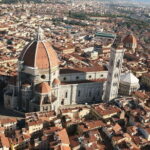
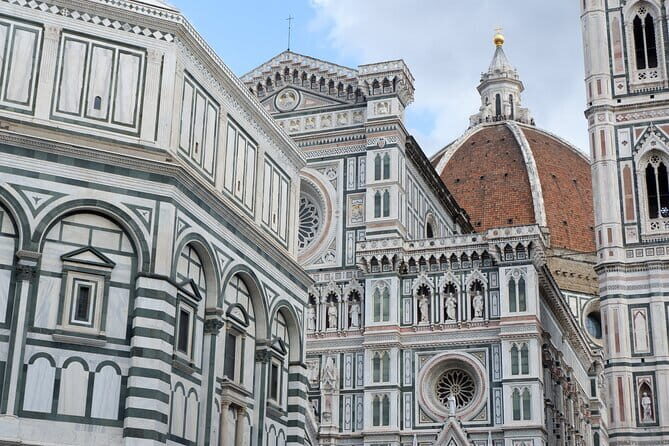
You’ll smell fresh pasta before you even sit down. This Florence cooking class happens inside a medieval tower from the 1200s, a stone’s throw from Brunelleschi’s Dome, with a story that ties the tower to Dante Alighieri’s world. The setting alone makes the whole afternoon feel different from a standard studio kitchen.
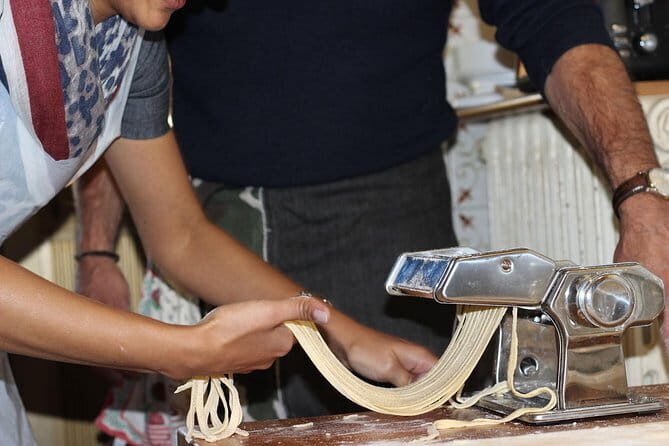
I like the hands-on pace and the real-chef instruction, with instructors such as Andrea, Victoria, Antonio, and Valentino guiding different groups. You’ll make three classic pasta shapes (ravioli, tortelli, and pappardelle) and then you eat everything you cook. The pairing with Tuscan wine also makes the meal feel like part of the class, not an afterthought.
One heads-up: the class can feel a bit fast, so if you want super-slow, careful practice, go in with patience for quick steps and lots happening at once. And if you’d rather keep alcohol to a minimum, the unlimited wine may not be your vibe.
In This Review
- Key things I’d circle before booking
- Why this Florence pasta class inside a 1200s tower feels special
- The 3-hour flow: flour, dough, shaping, sauces, then a real meal
- Ravioli, tortelli, pappardelle: what you learn beyond the names
- Sauces in Florence: butter and sage, arrabbiata, and Tuscan ragù
- Unlimited Tuscan wine (and soft drinks): good value, just plan your pace
- Price reality check: how $21 turns into a full, included meal
- What it’s like in the room: teacher attention and group energy
- Dietary needs and language: what you can count on
- Who should book this pasta class in Florence
- Should you book the Florence fresh pasta with wine class?
- FAQ
- What types of fresh pasta will I make?
- How long is the cooking class?
- Is wine included, and is it unlimited?
- What if I’m vegetarian or have dietary needs?
- Is the class taught in English, and is it wheelchair accessible?
- What is the cancellation policy?
Key things I’d circle before booking
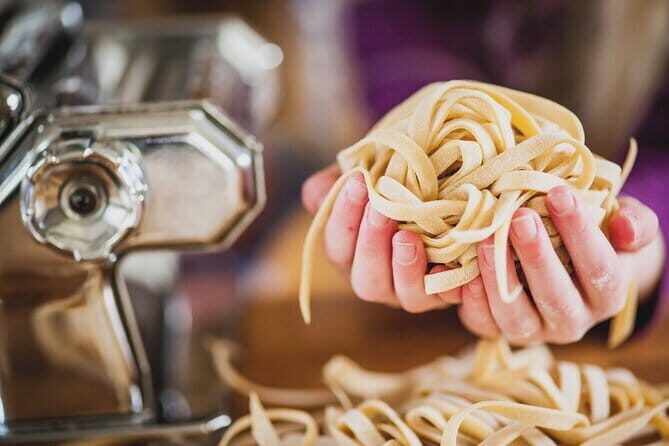
- 3 pastas, made from scratch: ravioli, tortelli, and pappardelle
- A true chef-led format: instruction with personal coaching during the process
- Match your pasta with sauces: butter and sage, arrabbiata, and Tuscan ragù
- Unlimited Tuscan wine plus soft drinks: you drink while you eat what you made
- A medieval tower kitchen: cook in historic stone walls near Brunelleschi’s Dome
Why this Florence pasta class inside a 1200s tower feels special
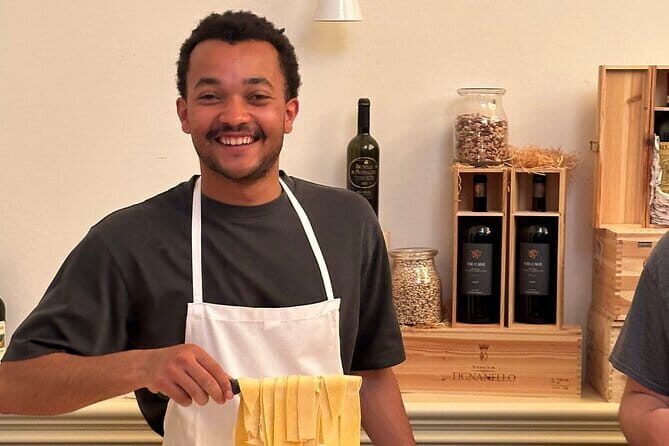
Florence has plenty of cooking classes. What makes this one tempting is the location: you cook in a medieval tower from the 1200s, right near Brunelleschi’s Dome. That old-stone atmosphere changes your mindset. You stop thinking of pasta as a dish you order and start treating it like a skill you’re learning.
The experience leans into Italian storytelling too. The class description links the tower to the family connected to Dante Alighieri’s wife, so you’re eating and cooking with a sense of place. It’s not just decoration. It helps explain why the food here is taken seriously.
You also get to show up without prep work. All ingredients and equipment are handled for you, so you’re free to focus on the technique. That matters in a city where you’ve already been walking nonstop.
You can also read our reviews of more cooking classes in Florence
The 3-hour flow: flour, dough, shaping, sauces, then a real meal
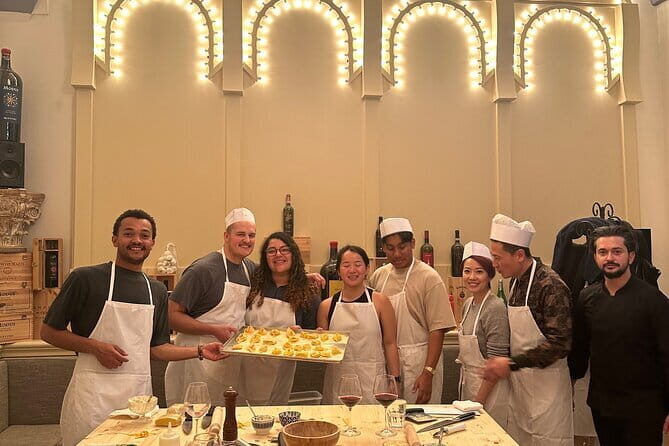
This is a 3-hour class designed to move from basics to finished plates without long gaps. While you’ll have time to participate, it’s not a slow demonstration where you watch most of it. Expect a guided rhythm: make the dough, shape the pasta, prep the sauces, then sit down and eat what you produced.
First comes the core lesson: making fresh pasta from scratch. You learn each step from the basics, then you apply it with the chef watching and adjusting as needed. In the group energy you’ll likely hear lots of enthusiastic responses like yes chef—this is that kind of class.
Next, you get split into making three different pasta types. Ravioli and tortelli involve a filling step and careful shaping. Pappardelle shifts gears toward rolling and cutting into wide ribbons. If you’ve only ever eaten pasta from a box, this part is the real eye-opener.
Then the sauces enter the picture—because in Italy, pasta without sauce is incomplete. You’ll prepare several options to match the styles you’re making, including butter and sage, arrabbiata, and old-fashioned Tuscan ragù. As those cook, your class transitions from technique to timing: you learn how sauce and pasta finish together.
Finally, you eat everything. There’s no leftover box moment where the best part is gone. The class is built so you taste the exact results of your work, paired with wine and soft drinks.
Ravioli, tortelli, pappardelle: what you learn beyond the names
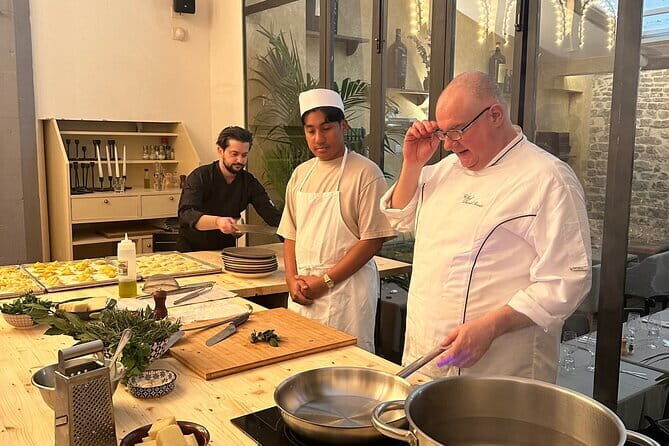
The menu sounds simple—ravioli, tortelli, pappardelle. The payoff is how you learn what makes each one different in practice.
Ravioli (typically filled) trains you on portioning and sealing. You learn to work with dough that needs the right feel—not too dry, not too wet. When a chef corrects your fold or edges, you start understanding why ravioli can turn out either delicate or tough.
Tortelli is similar in spirit to ravioli, but the shaping and form can feel different in your hands. This is where you get real-world instruction on handling dough consistently, even when you’re tired or moving quickly. The class format helps you practice control, not just copy a finished product.
Pappardelle is the change of pace. Instead of sealing dough around filling, you focus on rolling and cutting into those wide strips. It’s a great lesson because it teaches you how dough thickness affects texture. Too thick and it eats heavy; too thin and it can feel fragile. This is the kind of skill you can reuse later when you make fresh pasta at home.
Across all three, you’re learning the basics: dough prep, work surface habits, and how to keep the process moving without rushing the quality. That’s why so many people leave talking about the pasta they ate—because it wasn’t just taught, it was made with care.
Sauces in Florence: butter and sage, arrabbiata, and Tuscan ragù
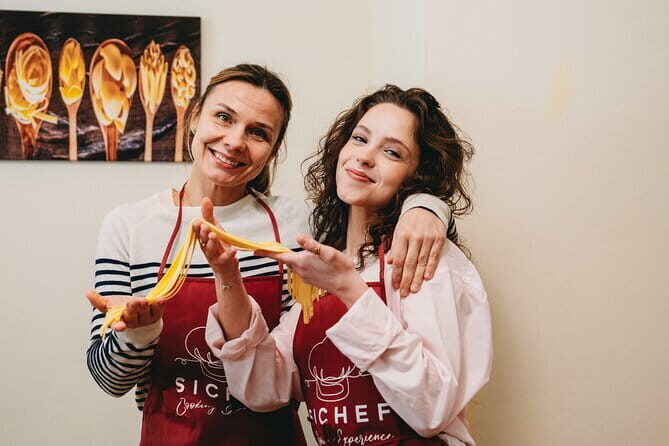
You’re not just making pasta. You’re learning how Italians think about matching flavors. The class includes sauces such as butter and sage, arrabbiata, and old-fashioned Tuscan ragù.
Butter and sage is the lesson in simplicity. It helps you understand how a light sauce relies on pasta texture and timing. When butter coats fresh pasta properly, you get that clean, comforting flavor without needing heavy tricks.
Arrabbiata adds heat and brightness. Even if you don’t want a super-spicy result at home, you learn the core method—how tomato sauce becomes richer with cooking and how seasoning shapes the final bite. This sauce teaches balance, not just fire.
Then there’s the Tuscan ragù, which tends to be the most satisfying. It’s the sauce style that makes people think of big Sunday lunches, the kind where everyone slows down and eats. Cooking it alongside fresh pasta makes the pairing click instantly, because you taste the difference right away.
And here’s the practical point: you’re eating what you cook, so you’re not guessing. You find out which sauce you liked best with which pasta type, and you can replicate that logic later without needing a memory of a “perfect” pairing.
Unlimited Tuscan wine (and soft drinks): good value, just plan your pace
Yes, there’s unlimited Tuscan wine during the experience, plus unlimited soft drinks. That’s a big part of the overall value, because you’re essentially getting a 3-hour meal included with your instruction.
The best way to think about the wine: it’s part of the social structure of the class. You’re learning with a chef and eating as a group, so it turns the afternoon into something between a cooking workshop and a celebratory lunch. More than once, people have pointed out that the wine makes the experience feel extra fun.
The only consideration is simple. If you get tipsy fast or you need to stay sharp for the hands-on steps, pace yourself from the start. You can always switch to soft drinks. No one is stopping you, and you’ll enjoy the pasta more if you’re still mentally focused while you shape and cook.
You can also read our reviews of more wine tours in Florence
- Tuscany Day Trip from Florence: Siena, San Gimignano, Pisa and Lunch at a Winery
★ 5.0 · 21,634 reviews

Price reality check: how $21 turns into a full, included meal
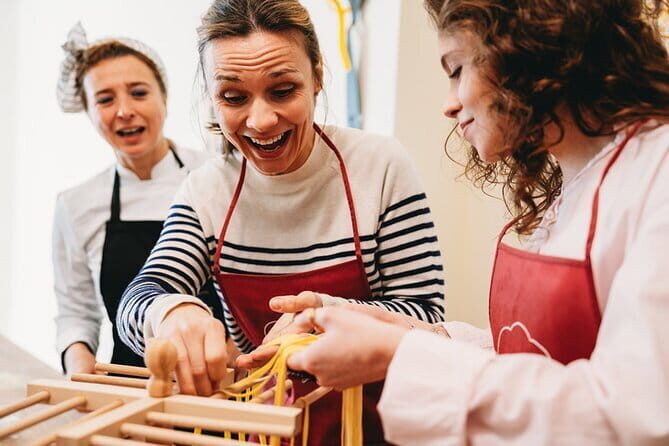
At $21 per person for a 3-hour class, the value is mostly about what you actually get. You don’t just learn technique and leave. You make multiple pasta shapes, prepare matching sauces, and then eat everything you cook.
Most cooking experiences either give you a smaller tasting portion or they charge extra for the meal. Here, the meal is the endpoint. When you add the fact that wine and soft drinks are included, $21 stops looking like a bargain and starts looking like a steal.
It also helps that the chef handles the heavy lifting of logistics. All ingredients and equipment are provided, so you’re not thinking about buying kitchen tools or carrying extra supplies around Florence. In a walking-heavy city, saving that hassle is real value.
Bottom line: this is one of those “worth it even if you never make pasta again” experiences—because the food you produce is the memory you take home.
What it’s like in the room: teacher attention and group energy
This class isn’t hands-off. The chef stays engaged and helps people fix their pasta as they go. In past sessions, names like Andrea, Victoria, Antonio, and Valentino have been associated with clear instruction and good humor, and that combination matters.
You’re likely to get personal suggestions, not just one generic talk. That’s huge if you’re new to dough or you’re nervous about messing things up. Fresh pasta is one of those skills where small adjustments make a big difference, and a chef noticing that difference is the whole point.
Also, the vibe tends to be lively. It’s a place where families and mixed-age groups can enjoy the experience together. If you’re traveling with teens or you want something interactive that’s not only sightseeing, this fits well.
Dietary needs and language: what you can count on
The class supports dietary options, including vegetarian and other diets, as long as you inform the activity provider when booking. If you’re gluten-free or have stricter needs, the safest move is to state your requirements early so the team can guide you.
The live tour guide is in English, so you won’t be stuck guessing what to do while rolling dough. That also makes it easier to follow the sauce instructions and understand timing.
Wheelchair access is listed as available, which is another positive if mobility is a factor in your Florence plan.
Who should book this pasta class in Florence
This is especially good for you if:
- You want a fun, hands-on food experience that ends in a real sit-down meal.
- You care about learning basics you can reuse later, not just taking photos.
- You’re traveling with people who want something interactive, including teens and families.
It’s also a smart choice if you’re short on time. With 3 hours, you can fit it into a day without it swallowing your whole schedule.
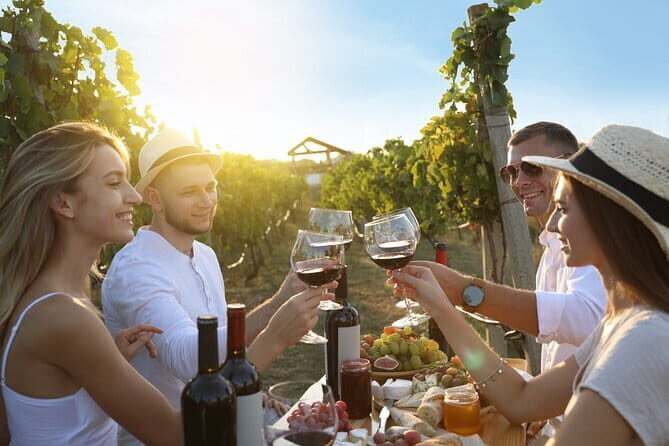
If you dislike alcohol or you’re sensitive to wine, you can still go—you’re not required to drink. Just be mindful that the experience includes unlimited wine, and the energy may be more party-like than a sober cooking workshop.
Should you book the Florence fresh pasta with wine class?
I’d book it if you want maximum payoff per hour: multiple pasta types, matching sauces, and then you eat the results with wine included. The price is low enough that it doesn’t feel like a big gamble, and the setting in a medieval tower gives it a sense of occasion.
I’d think twice if you prefer a very slow, quiet class where you can take your time without any sense of speed. Also consider skipping or pacing the wine if you need to stay fully focused during shaping and cooking.
If you want an authentic, practical Florence food experience that’s more than a demo, this one makes a strong case.
FAQ
What types of fresh pasta will I make?
You’ll prepare three types of fresh pasta: ravioli, tortelli, and pappardelle.
How long is the cooking class?
The class duration is 3 hours.
Is wine included, and is it unlimited?
Yes. You can drink Tuscan wine, and it’s listed as unlimited during the experience. Unlimited soft drinks are included too.
What if I’m vegetarian or have dietary needs?
Dietary options are available, including vegetarian and other diets supported. You should inform the activity provider of your dietary needs when booking.
Is the class taught in English, and is it wheelchair accessible?
The live guide is English, and the activity is listed as wheelchair accessible.
What is the cancellation policy?
You can cancel up to 24 hours in advance for a full refund.

More Wine Tours in Florence
- Tuscany Day Trip from Florence: Siena, San Gimignano, Pisa and Lunch at a Winery
★ 5.0 · 21,634 reviews
More Cooking Classes in Florence
More Tour Reviews in Florence
- Tuscany Day Trip from Florence: Siena, San Gimignano, Pisa and Lunch at a Winery
★ 5.0 · 21,634 reviews - The Best tour in Florence: Renaissance & Medici Tales – guided by a STORYTELLER
★ 5.0 · 12,316 reviews