REVIEW · FLORENCE
Florence: Pasta & Tiramisu Cooking Class with Unlimited Wine
Book on GetYourGuide →Operated by Ristorante Rossocrudo · Bookable on GetYourGuide
Pasta and tiramisu, taught hands-on. This Florence cooking class turns dinner into a real skill: you’ll knead, roll, and shape fresh pasta and build tiramisu from scratch, then eat everything you make in an intimate setting with unlimited regional wine.
I really like how the chefs keep it beginner-friendly with clear, step-by-step guidance, and I love that you leave with detailed recipes you can actually follow at home. One consideration: wine is unlimited, so if you prefer to skip alcohol, you’ll need to plan your pace.
In This Review
- Key takeaways before you book
- Why This Florence Pasta and Tiramisu Class Feels More Tuscan Than Touristy
- The 2.5-Hour Flow: From Dough to Dinner Without Feeling Rushed
- Pasta-Making 101: Knead, Roll, and Shape Like You Mean It
- Ravioli and Pappardelle: Two Styles, Two Ways to Impress Yourself
- Making Italian Tiramisu from Scratch (No Shortcuts)
- Unlimited Regional Wine: A Social Ingredient, With One Practical Note
- Value Check: Is This $35 Florence Cooking Class Worth It?
- What to Know Before You Go: Shoes, Pace, and What to Ask
- Who This Florence Cooking Class Suits Best
- Should You Book This Florence Pasta and Tiramisu Class?
- FAQ
- How long is the Florence pasta and tiramisu cooking class?
- How much does the class cost?
- What will I make during the class?
- Is wine included, and is it unlimited?
- Will I receive recipes to take home?
- What languages are the instructors?
- What should I wear, and is it wheelchair accessible?
Key takeaways before you book
- You make the whole menu: ravioli, pappardelle, and tiramisu from scratch.
- Unlimited regional wine is part of the experience, not a side detail.
- Small groups make it easier to ask questions and correct your technique.
- You get recipes to take home, so this isn’t a one-and-done meal.
- Chefs like Lucella, Andrea, and Leo (yes, pasta king) have taught classes, and the style is patient with beginners.
Why This Florence Pasta and Tiramisu Class Feels More Tuscan Than Touristy
Florence has plenty of great food tours, but this one leans into what’s actually useful: technique. In about 2.5 hours, you go from raw dough to plated pasta, then finish with a dessert you can rebuild at home. It’s the kind of experience where you don’t just taste Italy, you learn how to make it.
The setting is described as intimate, and the class is designed for all skill levels. That matters because pasta-making can look intimidating on video, but in a real class you get corrections in real time. You’ll also have water on hand, plus Wi-Fi included if you need to check something on your phone while you’re waiting for dough or planning photos.
You’ll also be working with fresh, high-quality local ingredients. That detail matters because fresh pasta is mostly about texture and feel. When the ingredients are good, your mistakes are easier to fix, and the results are more likely to taste like what you came for.
You can also read our reviews of more cooking classes in Florence
The 2.5-Hour Flow: From Dough to Dinner Without Feeling Rushed
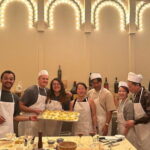
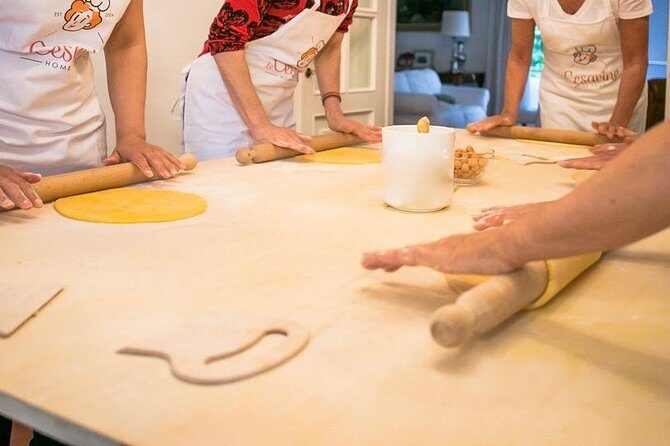
The class runs for 2.5 hours, and the pacing is built around you actively doing the work. You start with pasta dough basics, then move into shaping, then switch gears to tiramisu. At each step, your chef provides methodical instructions and encourages questions—especially if you’re starting from zero.
In some schedules, the group can split into smaller groups for hands-on coaching. That’s a plus for you because smaller groups mean less time watching and more time practicing. If it’s a smaller group session, you may get extra attention from the chef teaching directly to beginners, which is exactly what you want when your dough is sticking or your ravioli seams aren’t cooperating.
No matter how the class is structured on the day, you should expect a typical rhythm:
- pasta dough preparation and kneading guidance
- rolling out dough
- shaping ravioli and pappardelle
- assembling tiramisu layers
- eating together while the wine keeps flowing
Since the experience centers on cooking rather than sightseeing, it’s also a smart option when the weather doesn’t cooperate. It’s the kind of indoor plan that still feels fun, not stuck.
Pasta-Making 101: Knead, Roll, and Shape Like You Mean It
Your pasta class starts with the core skill: dough. This is where the chef’s teaching style really matters. The class is designed with beginners in mind, so you’re not expected to already know how gluten behaves or how thin pasta should be. You’re learning the process step by step, which is the difference between getting through and actually understanding.
Kneading is usually the part where people tense up. But this is exactly why having a professional chef matters. You’ll get guidance that helps you recognize the dough’s texture—how it should feel as you work it. Then you roll it out, again with hands-on tips so you’re not guessing at thickness.
Once the dough is ready, you’ll shape two pasta types:
- ravioli (filled and sealed)
- pappardelle (cut ribbons)
That variety is a real value. Many cooking classes focus on one shape. Here, you build confidence with both filled and unfilled pasta, so you’re not leaving with only half the skill set.
Ravioli and Pappardelle: Two Styles, Two Ways to Impress Yourself
Let’s talk about what you’re actually learning with ravioli and pappardelle, because it’s more than just making a pretty plate.
Ravioli teaches you seam discipline. Even if your ravioli aren’t identical, the goal is to understand sealing so the filling doesn’t leak. When you’re guided through it in person, you pick up the “feel” of proper closure instead of relying on a single recipe instruction. That’s what helps you later when you try it at home with your own ingredients.
Pappardelle teaches you cutting and consistency. Once you roll the dough, the next skill is creating ribbons with a steady thickness. The chef’s guidance helps you get a better cut without overthinking it. It’s satisfying, too, because when the pasta is the right width, it cooks with the right bite.
And yes, you’ll be eating what you made. That’s not just a perk. It reinforces learning. If something tastes off, you can connect that to the step you just practiced—thickness, sealing, or cooking time (even if the class isn’t focused on cooking pasta from raw for you).
Making Italian Tiramisu from Scratch (No Shortcuts)
Then comes tiramisu, and it’s handled with the same hands-on approach. You’ll create authentic tiramisu from scratch, which usually means you’re building the layers yourself rather than assembling a shortcut dessert.
Tiramisu is a great teaching moment because it’s easy to mess up—especially with timing and texture. In a guided class, you learn what the cream should look like and how the layering comes together. You’re not just memorizing a recipe; you’re learning how the dessert behaves as you make it.
The class uses fresh, high-quality local ingredients, which helps the dessert taste like tiramisu instead of a generic “dessert in a glass” version. And since the class is in an intimate setting, you’re more likely to get direct coaching if your texture isn’t where it should be.
You can also read our reviews of more wine tours in Florence
- Tuscany Day Trip from Florence: Siena, San Gimignano, Pisa and Lunch at a Winery
★ 5.0 · 21,634 reviews


Unlimited Regional Wine: A Social Ingredient, With One Practical Note
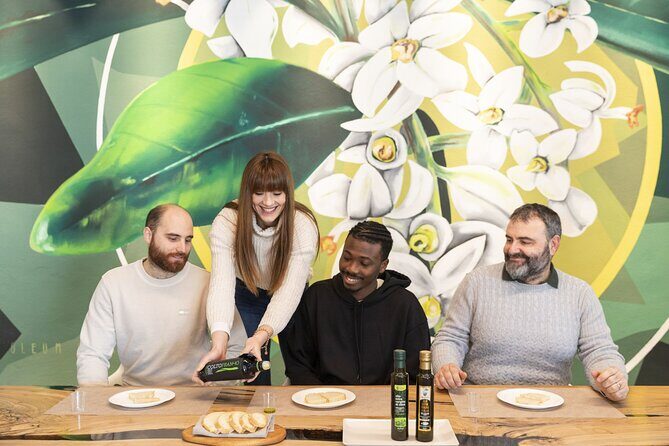
Unlimited regional wine is included throughout the experience, and it clearly shapes the mood. It’s part of why this class is described as relaxed and convivial, and you can feel how the group energy changes once everyone’s seated around their creations.
This is where you’ll want a little common sense. If you’re prone to getting tipsy fast, pace yourself early. Unlimited doesn’t mean you have to keep increasing your glass. I also like that water is included—so you can stay comfortable while still enjoying the wine part of the experience.
If alcohol isn’t your thing, the upside is that the main focus is still cooking. You’ll still get the full instruction for pasta and tiramisu. You’ll just want to drink less and keep your energy for the hands-on work.
Value Check: Is This $35 Florence Cooking Class Worth It?
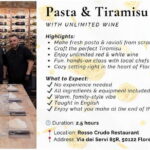
At $35 per person, this is priced in the “serious fun” category rather than a luxury cooking workshop. The math works because you’re not only tasting—you’re producing a full meal with dessert and guidance from a professional chef.
Here’s what you’re getting for the money, based on what’s included:
- professional chef instruction
- ingredients and equipment for pasta and tiramisu
- unlimited regional wines
- water and Wi-Fi
More importantly, you’re leaving with skills you can repeat. The class is designed so you gain confidence to replicate everything at home. Even if your first attempt isn’t perfect, the recipes and technique coaching make the gap smaller. For many people, that’s the real value: you’re paying to learn, not just to eat.
The other value angle is social. You’ll be with other people in a smaller group format, which makes it easier to meet folks without needing to talk over a loud restaurant. It also helps you laugh at your own mistakes in a friendly setting. (You’ll likely make at least one pasta dough mess. That’s just part of learning.)
What to Know Before You Go: Shoes, Pace, and What to Ask
This is a hands-on class, so plan accordingly. You should wear comfortable shoes, because you’ll be moving around your cooking station and standing while you knead, roll, and shape dough.
A few practical things I’d recommend thinking about before you arrive:
- If you have dietary restrictions, ask ahead. The class mentions fresh ingredients, but it doesn’t list specific allergy or dietary accommodation details.
- Bring your curiosity and questions. The chefs are described as step-by-step and encouraging, and small class size helps you actually get answers.
- Expect the experience to run tightly around the cooking flow, not lots of downtime.
Meeting point can vary depending on the option you book, so confirm it when you get your confirmation. The provider for this experience is Ristorante Rossocrudo, and the class is guided by instructors who speak English and Italian, which is helpful if you want to understand techniques clearly without language friction.
Who This Florence Cooking Class Suits Best
This class fits best if you want something more active than a typical food stop. It’s ideal for:
- couples, friends, and small groups who want a shared activity
- beginners who want structured guidance instead of trial-and-error
- people who like eating what they make
- anyone who wants recipes to bring home, not just photos
It also seems to work well for families, including group sizes larger than just a couple, because the instruction is set up for all skill levels and the environment is social.
If you’re the kind of traveler who enjoys learning one or two practical skills deeply, this will land well. If you only want a quick, no-touch tasting experience, you might find a cooking class less efficient than a pure restaurant meal.
Should You Book This Florence Pasta and Tiramisu Class?
If your goal is to leave Florence with actual kitchen confidence, book it. This experience combines handmade pasta skills, tiramisu layering practice, and a genuinely fun setting with unlimited regional wine—all in 2.5 hours.
Skip it only if one of these is true:
- you don’t want alcohol involved at all
- you have dietary needs you’re not comfortable managing without clear accommodation details
- you’re looking for a long, sightseeing-heavy day rather than a hands-on food workshop
For most people, the decision is easy. For the price, you get a full pasta-and-dessert education you can repeat at home, plus a meal you helped create while learning from chefs who keep things clear for beginners.
FAQ
How long is the Florence pasta and tiramisu cooking class?
It lasts 2.5 hours. Check available starting times when you book.
How much does the class cost?
The price is $35 per person.
What will I make during the class?
You’ll learn to make fresh pasta (ravioli and pappardelle) and tiramisu from scratch.
Is wine included, and is it unlimited?
Yes. The experience includes unlimited regional wines, plus water.
Will I receive recipes to take home?
Yes. You’ll get detailed recipes so you can recreate what you made after your trip.
What languages are the instructors?
The instructor speaks English and Italian.
What should I wear, and is it wheelchair accessible?
Wear comfortable shoes since the class is hands-on. The activity is listed as wheelchair accessible.
More Wine Tours in Florence
- Tuscany Day Trip from Florence: Siena, San Gimignano, Pisa and Lunch at a Winery
★ 5.0 · 21,634 reviews
More Cooking Classes in Florence

More Tour Reviews in Florence
- Tuscany Day Trip from Florence: Siena, San Gimignano, Pisa and Lunch at a Winery
★ 5.0 · 21,634 reviews - The Best tour in Florence: Renaissance & Medici Tales – guided by a STORYTELLER
★ 5.0 · 12,316 reviews