REVIEW · FLORENCE
Small Group Cooking Class & Market Food Tour in Florence
Book on Viator →Operated by Towns of Italy · Bookable on Viator
Florence tastes better when you cook it. This small-group class pairs a guided Mercato Centrale ingredient hunt with a hands-on lunch led by a local chef, so you’re not just watching food happen. You’ll taste your way through the market, then move to the cooking school and make dishes you can actually repeat at home.
I especially love the direct, step-by-step attention during the pasta session. When Chef Tommaso or Chef Frederico is teaching, you can feel the focus on technique and timing, not just filling up your plate. I also like that you leave with a digital recipe booklet plus a graduation diploma, which makes the experience feel more like a real cooking lesson than a one-off activity.
One consideration: this class is not suitable for celiacs, and eggs can’t be fully excluded from the dishes. If you’re gluten-free, you’ll need to skip this one (or look for a different class that’s explicitly gluten-free).
In This Review
- Key things that make this class worth your time
- Mercato Centrale meet-up: shop like a local (and snack smart)
- Cooking school setup: aprons, stations, and a pace that works
- From bruschetta to fresh ravioli: what you’ll learn hands-on
- Sauces, Chianti, and tiramisu: the lunch that proves the point
- What to buy at the market (and what to do with it afterward)
- Diet, allergies, and the egg reality in Italian cooking
- Timing, group size, and where you’ll actually spend your day
- March 2026 upgrade: Nonna’s Lasagna with a fuller wine pairing
- Should you book this Florence cooking class?
- FAQ
- Where do I meet the cooking class in Florence?
- How long is the experience?
- What dishes do we make?
- Is the market visit included?
- Is this class vegetarian-friendly?
- Is it suitable for celiacs?
- Does the price include wine and tastings?
Key things that make this class worth your time
- Market-to-kitchen flow: you shop with the chef, taste ingredients, then cook what you bought
- Small-group energy: capped at 20 travelers, so you get real hands-on guidance
- Full lunch you eat together: bruschetta, fresh pasta, sauces, and dessert, with wine included
- Wine with the meal: unlimited glasses of Chianti during lunch
- Learn and take it home: digital recipe booklet plus a diploma after cooking
- Menu can shift day to day: based on fresh ingredients and dietary needs, so expect slight variation
Mercato Centrale meet-up: shop like a local (and snack smart)
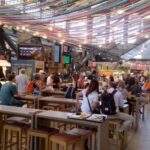
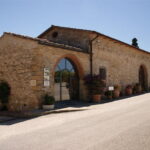
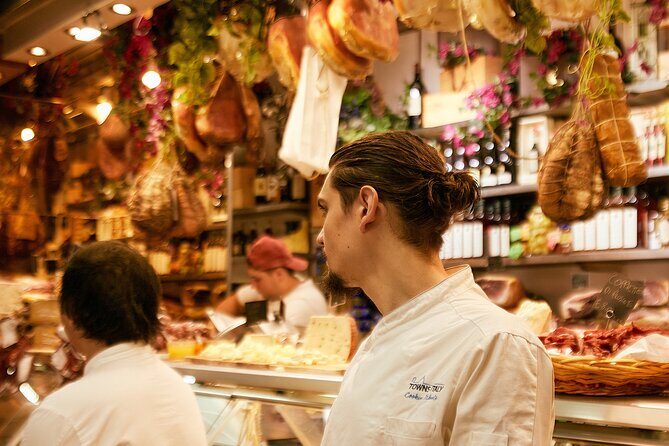
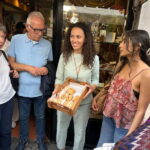
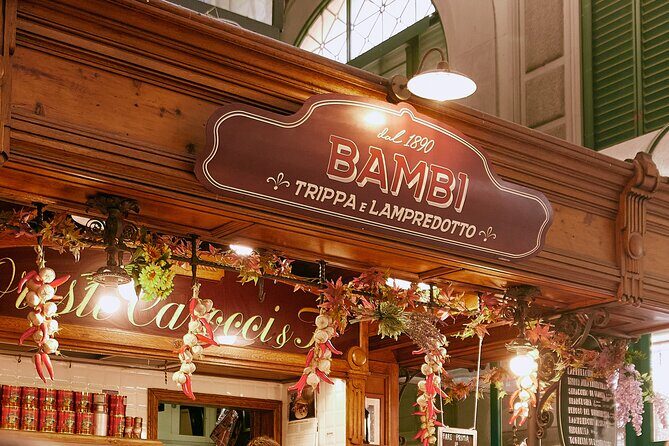
The day starts with a meet-up at Towns of Italy – Cooking School in central Florence, at Via Panicale, 43/r. From there, you head to the Mercato Centrale area and step into the rhythm of a real Italian food market. This matters more than it sounds. Market shopping is where you learn what Italians pay attention to: freshness, smell, texture, and simple ingredient quality.
At the market, you’ll browse with your chef-instructor and class leader, meet local vendors, and do tastings that help you connect flavor to ingredients. The tastings aren’t just for entertainment. They give you a practical sense of what goes where later in the kitchen. Some classes also include tastings like olive oils and balsamic vinegar, and you may even get pulled into specialty spots such as a truffle shop experience.
One nice detail: you’re not expected to be a foodie already. The chef’s role is to translate. You’ll learn what to look for (and why), and you’ll get ideas for what to purchase if you want to recreate the flavors back home.
If Florence Central Market is closed on Sundays and bank holidays, the market portion is replaced with an introduction and extra tastings at the cooking school. That’s a real help if you’re scheduling your trip around weekends.
You can also read our reviews of more food & drink experiences in Florence
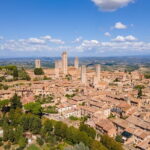
- San Gimignano, Siena, Monteriggioni, Chianti Day Trip with Lunch & Wine Tasting
★ 4.5 · 4,432 reviews
Cooking school setup: aprons, stations, and a pace that works
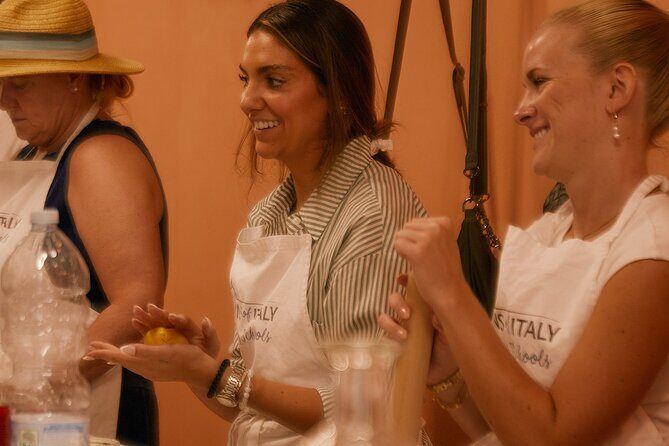
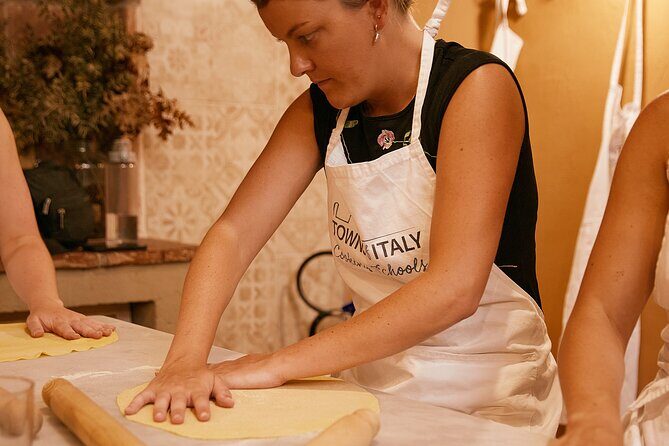
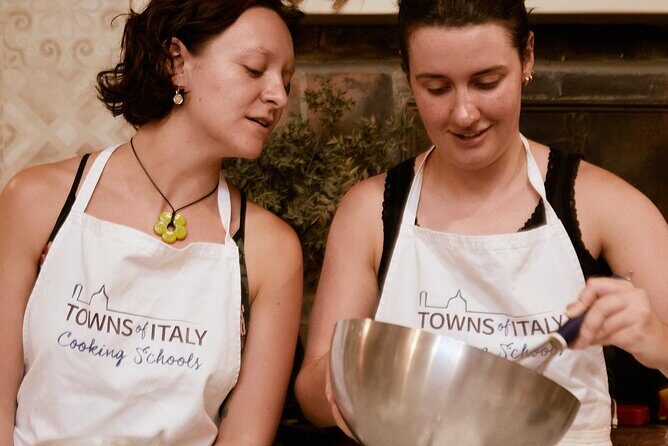
Once you’ve gathered ingredients, you walk to the cooking school and get to work. You’ll put on an apron and cook under a chef’s guidance, with your classmates right beside you. This is the part where the “small group” size really matters. With a cap of 20 travelers, you’re less likely to feel like you’re stuck watching someone else cook.
Most of the work focuses on building skills you can reuse: handling fresh pasta dough, shaping pasta like ravioli and tagliatelle, and pairing sauces that make the dish feel complete. You’re not just following steps blindly. The best teaching style in this class is the one that helps you correct yourself while you’re in motion—timing, thickness, and doneness.
One practical benefit: you’ll have tastings during the day, so you’re not starving while waiting for your turn. After the cooking, you sit down for lunch and eat what you made, with wine.
Logistics are also straightforward. There’s no hotel pickup or drop-off included, so you’ll want to plan to arrive at the meeting point on your own. The venue is near public transportation, which helps if you’re hopping between neighborhoods.
From bruschetta to fresh ravioli: what you’ll learn hands-on
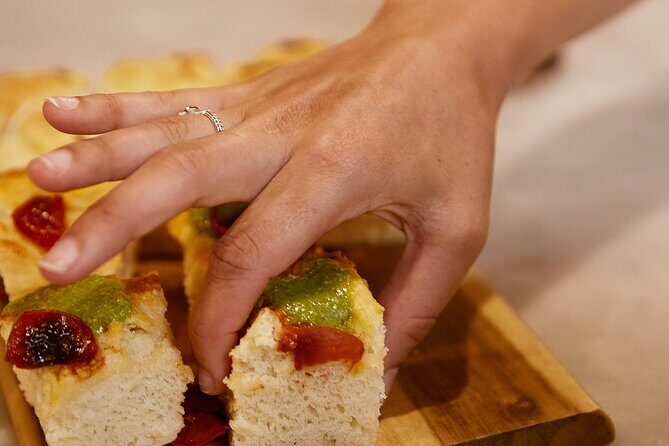
The cooking program is built around a classic Florentine/Italian lunch that includes:
- Starter: bruschetta
- Main: fresh home-made pasta, with tagliatelle and ravioli (plus two sauces)
- Dessert: tiramisu
Your exact menu can vary depending on what’s fresh and any intolerances you’ve noted when booking. That flexibility is good news in Florence, where produce and ingredient availability can shift daily.
Here’s what you’re really learning underneath the list:
Pasta is a technique, not magic. You’ll work with fresh dough and get guidance on shaping and cooking. Ravioli teaches patience and precision; tagliatelle teaches consistency in thickness and cutting.
Sauces are where flavor comes from. You’ll make fresh sauces to pair with the pasta, so you’re not stuck with only one flavor option. Instead, you’ll get at least two sauce styles, and you’ll start understanding how Italians think about balance—fat, acidity, herbs, and salt.
If you get one of the chefs known for storytelling (I’m thinking of instructors like John, Jon, or Frederico based on different class experiences), you’ll also hear small cultural explanations while you cook. It’s not “extra lecture” time. It’s usually tied directly to why a method exists or how an ingredient is used traditionally.
And yes, some days can include extra items beyond the core menu. For example, one class experience described making gelato, and others mentioned variations like pumpkin ravioli or different sauce options. Treat that as a bonus possibility, not a guarantee.
Sauces, Chianti, and tiramisu: the lunch that proves the point
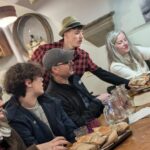
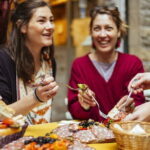
After cooking, you all sit down to eat together. This part is honestly one of the best values of the day: you don’t just leave with knowledge, you leave with satisfaction. Your lunch includes the foods you created—starter through dessert—so everything you made lands on your plate while it’s still “fresh from class.”
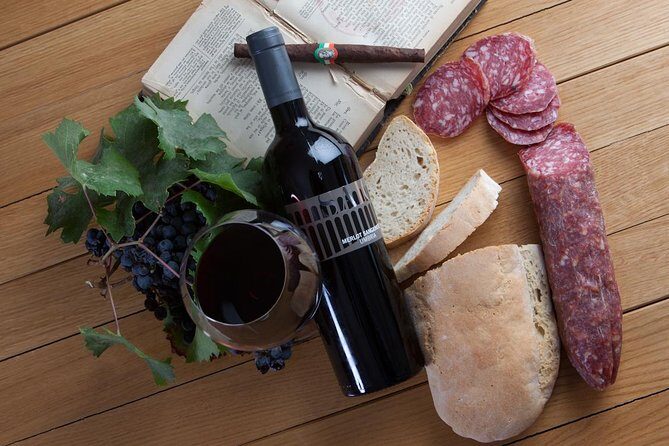
Then there’s the wine. Lunch includes unlimited glasses of Chianti. That means you can settle into the meal without constantly checking the clock or worrying whether you’ve “done the tasting part yet.” It also makes the end feel like a celebration instead of a wrap-up.
If you’re worried about wine affecting your focus, don’t. You’re not pouring wine during the cooking itself; the wine is tied to the lunch sitting. That helps keep the class flow intact.
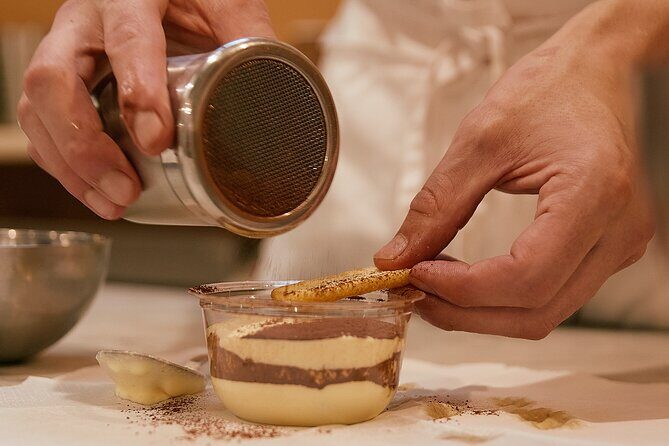
Dessert is a classic closer: tiramisu. You’ll taste it as part of the meal, and the whole point is to show you how Italian dessert can be both simple and very specific. The texture, timing, and ingredient balance matter more than fancy equipment.
What to buy at the market (and what to do with it afterward)
One reason people love this style of class is that the market portion isn’t just sightseeing. It’s a chance to purchase items from local, artisan producers—think olive oils, balsamic vinegar, and specialty products you might not find in your usual supermarket.
Your chef may help you decide what’s worth buying and how to use it later. That’s where this becomes more than a “cool tour.” It’s practical shopping guidance tied to what you’re cooking that same day.
A tip that saves money: don’t try to buy everything. Choose a few items that connect to the sauces and flavor notes you made in class. If you picked up ingredients like olive oils or vinegar, label them mentally by what you used them for in your meal—then you’ll know how to deploy them at home.
Also, plan for carrying items. You’ll be walking from the market to the school and then back out again after lunch. Small bottles and specialty ingredients are fine, but you’ll want to keep your bag manageable.
You can also read our reviews of more tours and experiences in Florence
Diet, allergies, and the egg reality in Italian cooking
This class can work well for vegetarians. It’s suitable for vegetarians as long as the menu avoids meat and fish, and you should notify the operator in advance if you have dietary preferences. One key detail: some dishes contain eggs, so if you avoid eggs, you’ll need to discuss that ahead of time.
If you’re thinking gluten-free, be careful. This tour is not suitable for celiacs. Fresh pasta and other ingredients in the menu can include wheat-based items, so you won’t be able to safely swap in gluten-free alternatives based on what’s provided.
Also, eggs cannot be excluded from the meal, since some of the dishes include them. If egg avoidance is a must for you, this is a deal-breaker.
If you have intolerances (not full medical allergies), the operator notes that the menu can vary depending on intolerances. That’s a good reason to be specific when booking, so your class doesn’t end up awkwardly adjusted at the last minute.
Timing, group size, and where you’ll actually spend your day
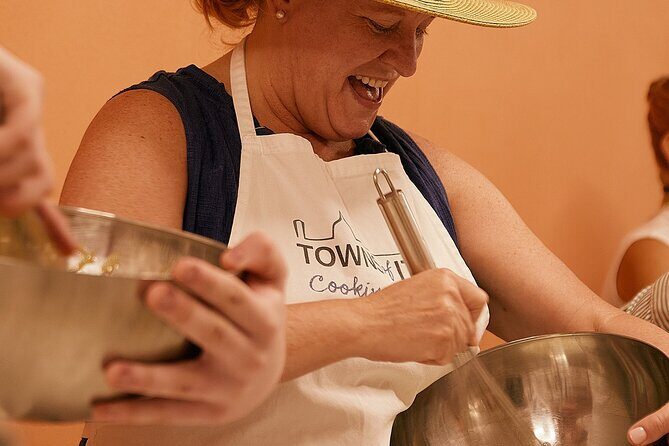
The class lasts about 5 hours. The structure is typically a market visit plus cooking plus lunch, so you get a real chunk of time without it dragging into a half-day where you’re exhausted and hungry.
Group size is capped at 20 travelers. In practice, smaller feels better for hands-on cooking because you can get your questions answered while your hands are still messy. One class experience specifically mentioned a group of 9 people, which is the kind of size where everyone can stay engaged.
Weather is not a drama point here. The experience operates in all weather conditions, so dress appropriately for walking between the market and the school. Florence mornings and afternoons can switch moods fast, especially outside peak summer heat.
Finally, note that pets aren’t permitted on these tours. If you’re traveling with a small animal, you’ll need separate plans.
March 2026 upgrade: Nonna’s Lasagna with a fuller wine pairing
If you’re booking for later, there’s an important change starting in March 2026. The class upgrades to Nonna’s Lasagna from scratch plus a local market tour. You’ll prepare lasagna using fresh pasta, ragù, and a besciamella (béchamel) sauce. In addition, you’ll enjoy a curated Tuscan wine pairing including dessert wine.
If you’re traveling before March 2026, you’ll join the current class style that focuses on the core lunch—bruschetta, fresh pasta (tagliatelle and ravioli with two sauces), and tiramisu—plus Chianti with lunch.
So the decision point is simple: do you want the current pasta-and-sauces menu now, or are you aiming for the more involved lasagna build later?
Should you book this Florence cooking class?
I think you should book if you want a Florence activity that’s tangible. You’re shopping for ingredients, cooking real dishes, eating your work, and leaving with a digital recipe booklet and a diploma. This is the kind of day that turns into dinner party material later because the steps are the point.
Book it if:
- You like hands-on cooking more than watching demos.
- You value a market visit that’s guided and tied to the meal.
- You want a social group lunch with Chianti, not just a classroom experience.
Skip it if:
- You need a gluten-free setup for celiacs—this one isn’t suitable.
- Egg avoidance is a hard requirement. Eggs can’t be excluded.
- You prefer private, silent, no-wine instruction. This is a shared class with wine at lunch.
If you’re in the middle—curious, hungry, and willing to learn a few core techniques—this class is a strong pick for Florence. It hits the rare sweet spot: local ingredients, real cooking skills, and a meal that ends the day feeling like you got your money’s worth.
FAQ
Where do I meet the cooking class in Florence?
You meet at Towns of Italy – Cooking School – Florence, Via Panicale, 43/r, 50123 Firenze FI, Italy. The activity ends back at the meeting point.
How long is the experience?
It runs for about 5 hours (approx.).
What dishes do we make?
The sample menu includes bruschetta, fresh home-made pasta (tagliatelle and ravioli) with two sauces, and tiramisu. The menu may vary based on fresh ingredients available and intolerances.
Is the market visit included?
Yes. You’ll have a guided visit at Central Market (depending on the purchased option). If the market is closed on Sundays and bank holidays, the market visit is replaced by an introduction and extra tastings at the cooking school.
Is this class vegetarian-friendly?
Yes, it’s suitable for vegetarians (no meat or fish). Some dishes contain eggs, so you should notify them in advance if that matters for you.
Is it suitable for celiacs?
No. This tour/activity is not suitable for celiacs.
Does the price include wine and tastings?
Yes. You get food tastings at school, and unlimited glasses of Chianti wine with lunch. A digital recipe booklet and a graduation diploma are also included.

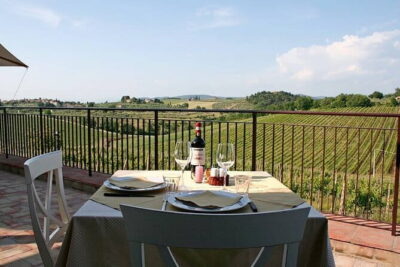
More Food & Drink Experiences in Florence
- San Gimignano, Siena, Monteriggioni, Chianti Day Trip with Lunch & Wine Tasting
★ 4.5 · 4,432 reviews

More Tours in Florence


More Tour Reviews in Florence
- Tuscany Day Trip from Florence: Siena, San Gimignano, Pisa and Lunch at a Winery
★ 5.0 · 21,634 reviews - The Best tour in Florence: Renaissance & Medici Tales – guided by a STORYTELLER
★ 5.0 · 12,316 reviews