REVIEW · ORVIETO
Orvieto: Old Town Guided Walking Tour
Book on GetYourGuide →Operated by Secret Umbria · Bookable on GetYourGuide
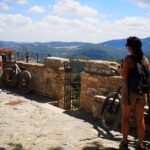
That valley view hits fast.
This Old Town guided walk in Orvieto is built for people who want more than a photo stop. You’ll move through streets of tuff stone, time your gaze from medieval squares to the surrounding hills and vineyards, and get the big-picture story of a city founded by the Etruscans, later shaped by Romans, and celebrated by Popes.
I especially like the way the route concentrates the highlights in a short window: the Cathedral Basilica of Santa Maria Assunta and the medieval “people’s power” of the Capitano del Popolo area. One possible drawback: since the tour language is Italian and guides can have different styles, you might want to mentally prepare for a more serious delivery if your guide is on the intense side.
In This Review
- Key things you’ll notice on this Orvieto walking tour
- Where Orvieto Starts: Piazza Duomo and a Fast Sense of Place
- Following the Tuff Streets: Why Orvieto Looks the Way It Does
- Etruscan Traces and Roman Shadows on Foot
- The Cathedral Basilica: Santa Maria Assunta Up Close in Piazza del Duomo
- If you choose the Duomo option
- Lookouts Over Umbria: Hills, Vineyards, and That Orvieto Feeling
- The Palace of Capitano del Popolo: Medieval Civic Power in One Square
- How the Guides Can Change Your Experience (Furio, Elisabetta, and Style)
- Price and Timing: Does $35 Make Sense for What You Get?
- What to Bring and How to Prepare for the Walk
- Who This Orvieto Tour Suits Best
- Should You Book the Orvieto Old Town Guided Walking Tour?
- FAQ
- How long is the Orvieto Old Town Guided Walking Tour?
- Where do I meet the guide?
- What’s the price per person?
- What language is the tour guide?
- Does the tour run in bad weather?
- What’s included in the guided tour?
- Is transportation included?
- What should I bring?
- Is there a cancellation option if plans change?
- Is there a pay-later option?
Key things you’ll notice on this Orvieto walking tour
- Meeting point in Piazza Duomo at St. Giacomo all’Ospedale, so you start in the historic heart
- Orvieto’s tuff cityscape, where the rock and the architecture feel like one continuous story
- Gothic Santa Maria Assunta with time built around the Duomo area and its impressive façade
- Etruscan and Roman layers, explained as you walk rather than as a lecture
- Capitano del Popolo Palace and the square’s medieval civic role
- Rain or shine, so plan your clothing for a real walk outdoors
Where Orvieto Starts: Piazza Duomo and a Fast Sense of Place
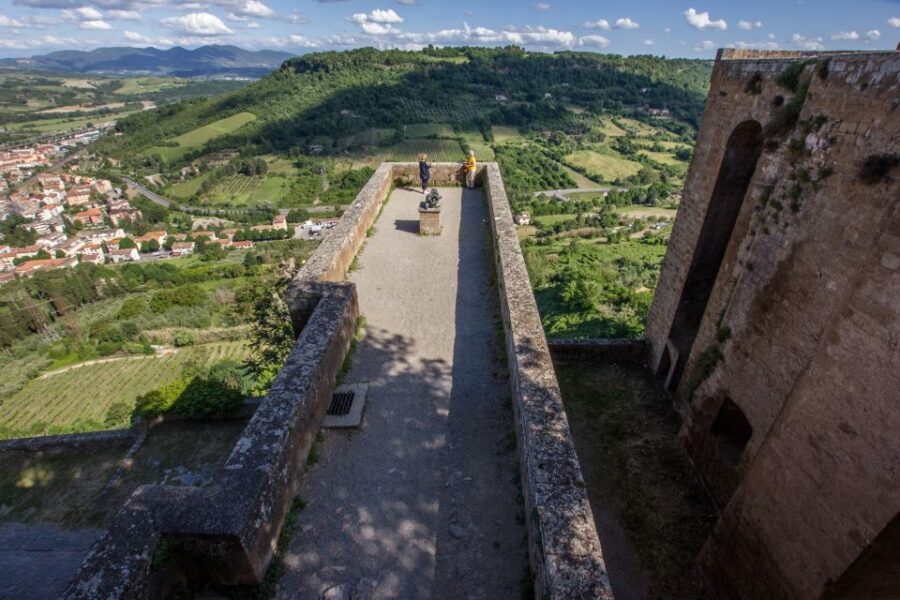
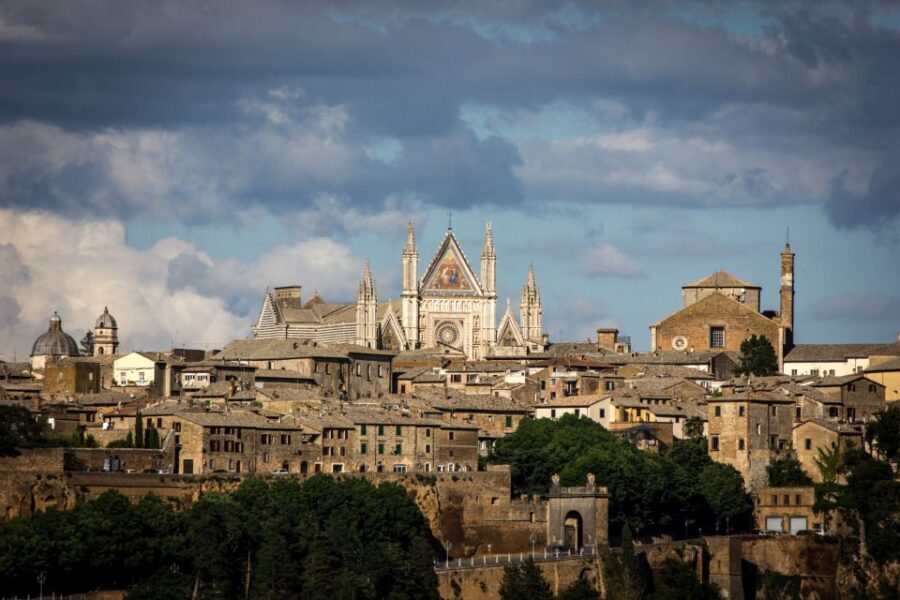
Orvieto can feel like it’s perched above the landscape, and the tour does a smart job of helping you orient quickly. You meet at the church of St. Giacomo all’Ospedale, right in Piazza Duomo, which puts you close to the main sights without wasting time.
From the start, the guide’s job is to get your bearings—so you understand why certain streets matter and why the city’s “built-in viewpoint” is a big deal. Expect a guided walk that mixes big historical themes with the practical reality of navigating old alleys and medieval squares.
If you’re doing Orvieto as a day trip, this is one of the best ways to stop feeling lost. In 1.5 to 2.5 hours, you’ll come away with a mental map of where the story unfolds.
You can also read our reviews of more walking tours in Orvieto
Following the Tuff Streets: Why Orvieto Looks the Way It Does
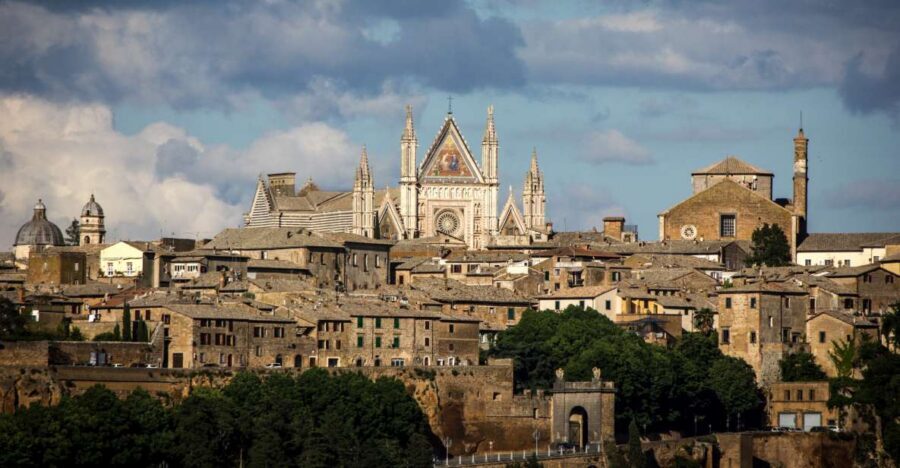
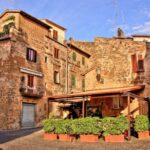
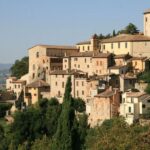
Orvieto is built in tuff, and that detail isn’t just trivia. As you walk the alleys, you’ll see how the volcanic stone shapes everything—the textures, the edges, and even how light hits the buildings at different angles.
This part of the tour is where you start to feel the city as a living place, not a museum display. The guide leads you through the medieval street pattern, then connects it to older chapters of Orvieto’s past—so the stones feel linked to the people who walked them before you.
One practical note: the walk is outdoors and you’re on foot the whole time. Comfortable shoes and a weather-ready mindset help, because this tour runs rain or shine.
Etruscan Traces and Roman Shadows on Foot
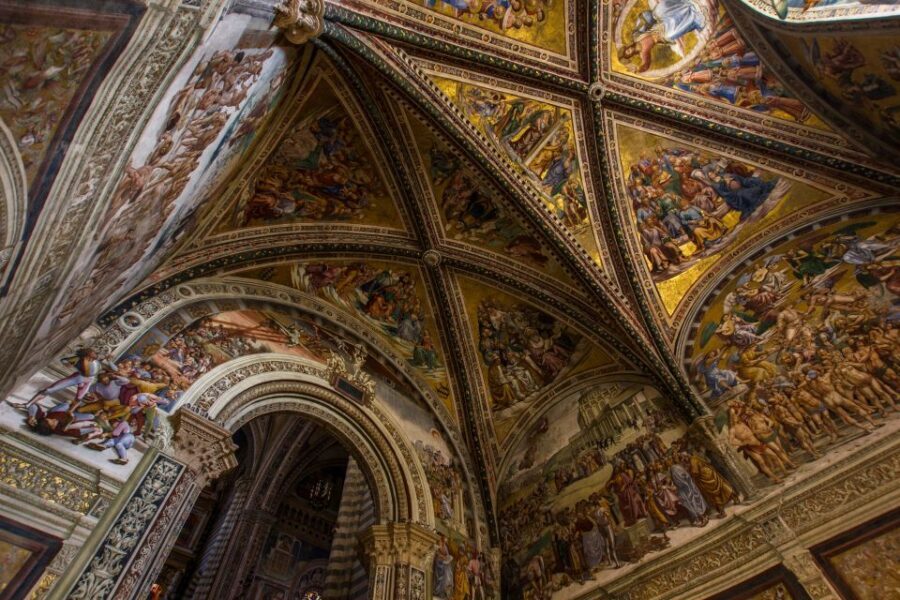
Orvieto has a long timeline—Etruscans first, Romans later, and then Popes playing a big cultural role. The tour’s value is that you don’t just hear names and dates; you experience how those eras show up in the city’s layout and landmarks.
You’ll be pointed toward Etruscan times as you move through the town, and the walk ties those early layers to what came after. The result is that you can look at an old wall, a square, or a turning street and understand why it’s there—rather than treating it like scenery.
For history lovers, this approach is satisfying because it’s not one stop and done. Instead, the story changes as the route changes, and your brain keeps updating the city in real time.
The Cathedral Basilica: Santa Maria Assunta Up Close in Piazza del Duomo
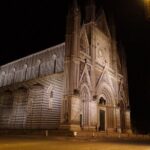
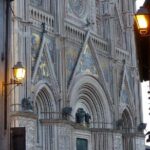
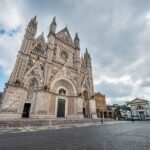
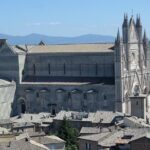
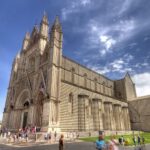
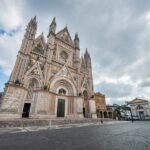
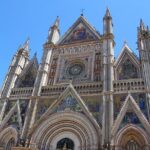
When you reach the Piazza del Duomo, the city’s “main stage” energy kicks in. The cathedral—Santa Maria Assunta—is a gothic building that hits with a sense of scale, especially when you’re standing there in the open space and looking up at the façade.
What I like about this stop is that it’s treated as more than a postcard. You’ll move with a guide who can explain what you’re seeing in context, and you’ll understand why the cathedral became such a defining symbol for the city.
If you choose the Duomo option
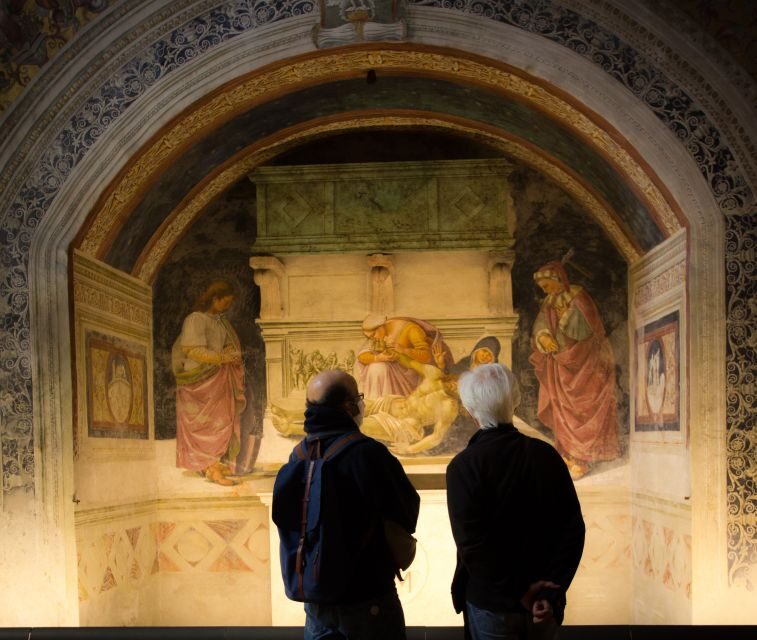
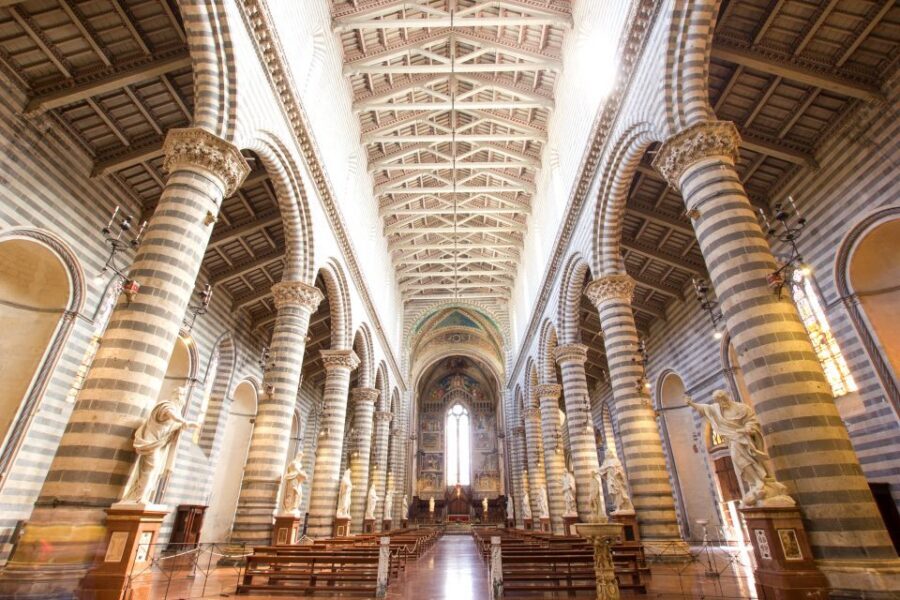
The tour includes a Duomo entrance ticket if you select the Walking Tour + Duomo option. That matters because it turns a viewing experience into an inside-and-out look, and you get to spend time in the cathedral rather than only circling it from the outside.
If you’re the type who likes architecture details and atmosphere, choosing the option is usually the better use of your time. If you’re short on energy and want to keep it exterior-focused, the walking portion alone still gives you the big-picture story around the Duomo square.
Lookouts Over Umbria: Hills, Vineyards, and That Orvieto Feeling
Orvieto’s views aren’t a random bonus. They’re part of why the city mattered in the first place—high ground, visibility, and a sense of power from above.
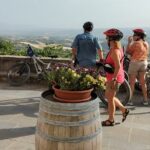
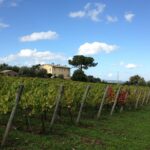
As you walk, you’ll get the chance to pause for the valley panorama—hills and vineyards stretching out as your backdrop. The tour frames these viewpoints so you understand what you’re looking at, rather than just snapping photos and moving on.
This is also where you’ll appreciate the timing. With a route that moves between history stops and open squares, you get natural breaks that make the walk feel less like a march and more like a guided wander with purpose.
The Palace of Capitano del Popolo: Medieval Civic Power in One Square
Next comes one of the tour’s most memorable “civic” stops: the Palace of Capitano del Popolo. In the homonymous square, this building symbolizes the Middle Ages’ people power—a key concept in understanding how medieval free communes functioned.
The guide connects the palace to the role of the Capitano del Popolo, the influential figure tied to the city’s civic life. Even if you don’t know the terminology, you’ll leave with a clear idea of what kinds of power were on display, and why squares like this mattered for daily public life.
And here’s the practical part that locals would understand: this square wasn’t just for ceremonies. It was also a center for economic and social activity, and it still hosts markets of different kinds. That connection helps you feel the city as something used now, not only remembered from the past.
How the Guides Can Change Your Experience (Furio, Elisabetta, and Style)
A guided walking tour can rise or fall based on the guide’s delivery, and this one has a live Italian guide. Based on the guide names that show up in the experiences people shared—Furio, Elisabetta, and even Fuglio—you may find a strong emphasis on clarity and practical advice.
I like when a guide doesn’t stop at stone-and-statues. One guide style mentioned included useful pointers on where to eat and drink in typical local spots, which is the kind of help that makes the day feel complete after the tour ends.
Still, personality matters. One account noted that a guide named Elisabetta could feel tense at times, so if you’re sensitive to tone, be ready for the fact that delivery can vary from guide to guide.
Price and Timing: Does $35 Make Sense for What You Get?
At $35 per person for a 1.5 to 2.5-hour walk, the value comes from three things: time, focus, and what’s included.
First, it’s a compact format. You’re not spending half a day commuting or transferring between random stops; you’re walking a coherent route in Orvieto’s historic core.
Second, the tour is guided. That turns “I see a cathedral and some old streets” into “I understand how Orvieto evolved and why these places matter.”
Third, there’s a clear inclusion path. The guided tour is included, and if you choose the Walking Tour + Duomo option, you also get the Duomo entrance ticket. That optional add-on can be a smart choice if you want the inside experience without hunting for tickets separately on your own.
Transportation isn’t included, so you’ll handle getting to Orvieto your way. But once you’re in town, the plan is designed for a walk-based exploration, which keeps the experience efficient and simple.
What to Bring and How to Prepare for the Walk
Keep it basic and comfortable. The tour asks for comfortable clothes, and that’s honestly the right starting point since it runs rain or shine.
Because Orvieto is an old town, you should expect uneven ground and stairs typical of historic centers. Dress in a way that lets you move without rushing, and you’ll enjoy the pacing more.
If you’re sensitive to language, remember the guide is Italian. You can still get a lot out of body language, stop-and-look pacing, and the visual story, but if you rely heavily on spoken detail, you may want to check whether the group format works well for non-Italian listeners.
Who This Orvieto Tour Suits Best
This is a great fit if you:
- Want a first-time orientation in Orvieto without doing a DIY scramble
- Like medieval and early history, and you prefer walking to reading
- Care about architecture and city planning as much as monuments
- Enjoy valley views and want them timed into the route instead of left for random moments
It may be less ideal if you’re trying to avoid outdoor walking or you need a very low-mobility itinerary. The tour is short, but it is still a walking experience in a historic setting.
Should You Book the Orvieto Old Town Guided Walking Tour?
I’d book it if you want the city’s story in a single guided loop—Etruscan traces, Roman influence, Popes’ impact, gothic cathedral energy, and medieval civic life—all tied together by where you walk. At $35, it’s the kind of cost that feels reasonable for the amount of interpretation you get, especially if you select the option that includes the Duomo entrance ticket.
I’d think twice only if you’re not comfortable with a 1.5 to 2.5 hour outdoor walk or if Italian-only guidance would be frustrating. Otherwise, this tour is a strong way to see Orvieto as more than a viewpoint—Orvieto as a layered city that makes sense once someone points out the connections.
FAQ
How long is the Orvieto Old Town Guided Walking Tour?
The tour lasts 1.5 to 2.5 hours.
Where do I meet the guide?
You meet in front of the church of St. Giacomo all’Ospedale, in Piazza Duomo.
What’s the price per person?
The price is $35 per person.
What language is the tour guide?
The live tour guide speaks Italian.
Does the tour run in bad weather?
Yes, the tour takes place rain or shine.
What’s included in the guided tour?
It includes the guided walking tour. If you choose the Walking Tour + Duomo option, it also includes the Duomo entrance ticket.
Is transportation included?
No, transportation is not included.
What should I bring?
Wear comfortable clothes.
Is there a cancellation option if plans change?
Yes. You can cancel up to 24 hours in advance for a full refund.
Is there a pay-later option?
Yes. You can reserve now and pay later.
If you want, tell me your travel month and whether you’re choosing the Duomo option—I can help you decide which one fits your pacing and interests.