REVIEW · ASSISI
Assisi: Basilica of Saint Francis Tour
Book on GetYourGuide →Operated by UMBRIA CON ME · Bookable on GetYourGuide
Assisi has a way of slowing you down. This guided Basilica di San Francesco visit helps you make sense of one of Italy’s most important church complexes, from the tomb level to the Upper Basilica fresco stories. You get a local guide who ties together art and faith without turning it into a lecture.
Two things I like a lot: you see both the Lower and Upper Basilica in one compact hour, and you get help reading the famous fresco work—especially Giotto’s cycle—instead of just standing and guessing. It’s also built for small groups or private tours, so you can actually ask questions and keep moving at a human pace.
One drawback: with only 1 hour, you’ll have to skim fast in a few places. If you’re the type who wants to linger forever, this tour is best as a smart first pass, not your last word in Assisi.
In This Review
- Key highlights that make this tour worth it
- Basilica of San Francesco: why this building hits so hard
- Finding the Lower Entrance and starting in the right place
- Lower level: tomb first, then you build the story
- The friary cloister stop: a needed pause in a sensory place
- Upper Basilica: Giotto’s fresco cycle does the storytelling work
- Crypt and tomb: the moment that makes everything feel different
- Fresco heavy hitters: Cimabue, Giotto, Simone Martini, and more
- How the guide shapes the whole hour (Alissandra and Mary as examples)
- Price and value: is $65 worth it for a UNESCO basilica?
- Who this tour is best for (and who might want something else)
- Should you book this Assisi Basilica of Saint Francis tour?
- FAQ
- FAQ
- How long is the Basilica of Saint Francis tour?
- Where does the tour start?
- Is the entrance fee included?
- Will I see both the Upper and Lower Basilica?
- Does the tour include the crypt?
- Are the frescoes part of the visit?
- Is the tour available in English?
- Is there a private group option?
- Can I cancel for a refund?
Key highlights that make this tour worth it
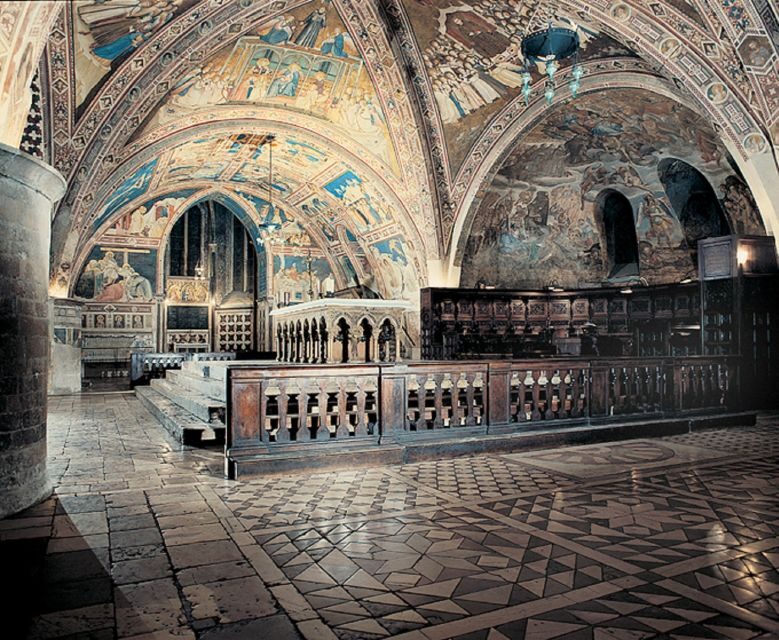
- Lower entrance to the tomb level first, so you start with the Francis connection straight away
- Upper Basilica explained with the famous side-wall fresco cycle you’ll recognize even if you’re a casual art fan
- Giotto and other major medieval painters named and put into context during your walk-through
- Crypt visit included, which changes how the whole basilica feels once you’ve seen where Saint Francis is buried
- Guides who actively manage the hour, so you don’t waste time wandering without a plan
Basilica of San Francesco: why this building hits so hard
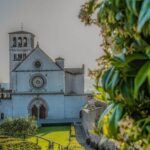
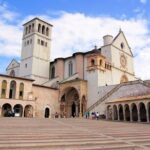
The Basilica of San Francesco is a place where art and spirituality are tangled together in a way that’s hard to fake. You’re not just touring a church—you’re moving through different levels of a 13th-century complex, designed to shape how people experience faith.
It’s also a UNESCO site, which matters because the basilica isn’t only famous for its reputation. It’s famous for preservation: frescoes by big medieval names are still here, and a guide helps you understand why people were willing to build something so visually intense.
You can also read our reviews of more tours and experiences in Assisi.

Finding the Lower Entrance and starting in the right place
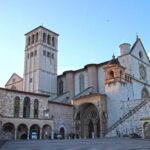
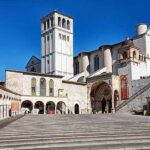
Your visit starts at the lower entrance of the church. This detail matters more than you’d think: by beginning at the lower level, you’re set up to understand what you’re seeing before you reach the Upper Basilica.
One practical tip from real-world experience: a past guest had trouble locating the guide in hot weather and wished for an obvious sign. So I’d recommend that you arrive a few minutes early, and have your phone ready in case you need to contact the guide. Meeting points can feel confusing in busy historic sites, especially when everyone is dressed for worship, walking slowly, and scanning faces.
Lower level: tomb first, then you build the story
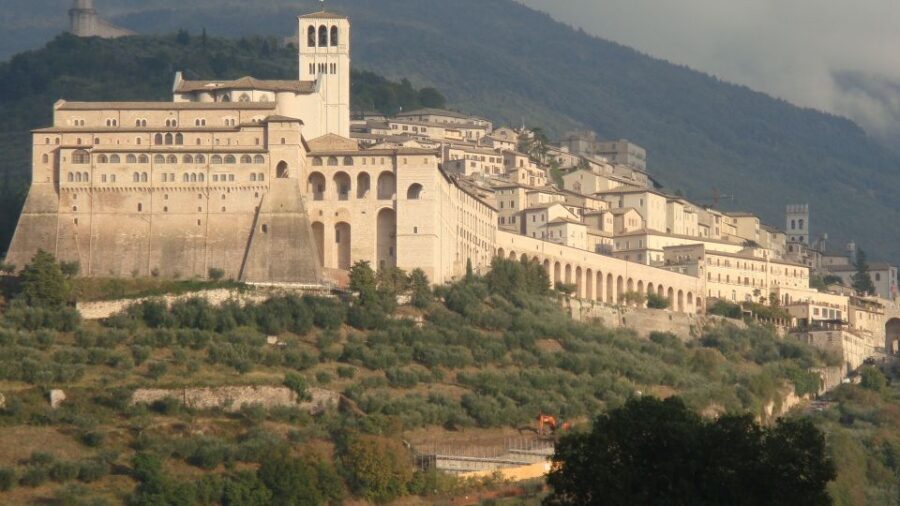
From the tomb area, you’ll follow the flow of the basilica from the start. The tour begins by entering the tomb of Saint Francis, which changes the emotional tone of the visit right away. Even if you’re not deeply religious, seeing the burial space makes the rest of the artwork feel more personal, less decorative.
After that, you keep exploring in the altar area, where you’ll encounter frescoes connected to the life of Jesus. This is where a guide earns their fee. Without explanation, medieval frescoes can look like a crowded wall of scenes. With guidance, the scenes start to read like a timeline.
A good sign of a strong tour is how fast you start noticing themes. In this basilica, the art isn’t only meant to be pretty—it’s meant to teach, and it teaches through sequence and symbolism.
The friary cloister stop: a needed pause in a sensory place
At some point during your lower-level circuit, you’ll see the friary cloister. I love this stop because it’s a breather between heavy artwork moments. Instead of staying locked into ceiling-to-wall detail, you get a small reset that helps the rest of the basilica land better.
Cloisters also remind you this is not just a museum stop. The basilica was built around the life of the friars and the rhythm of religious community life. Even when you only see it briefly, it keeps the visit grounded.
Upper Basilica: Giotto’s fresco cycle does the storytelling work
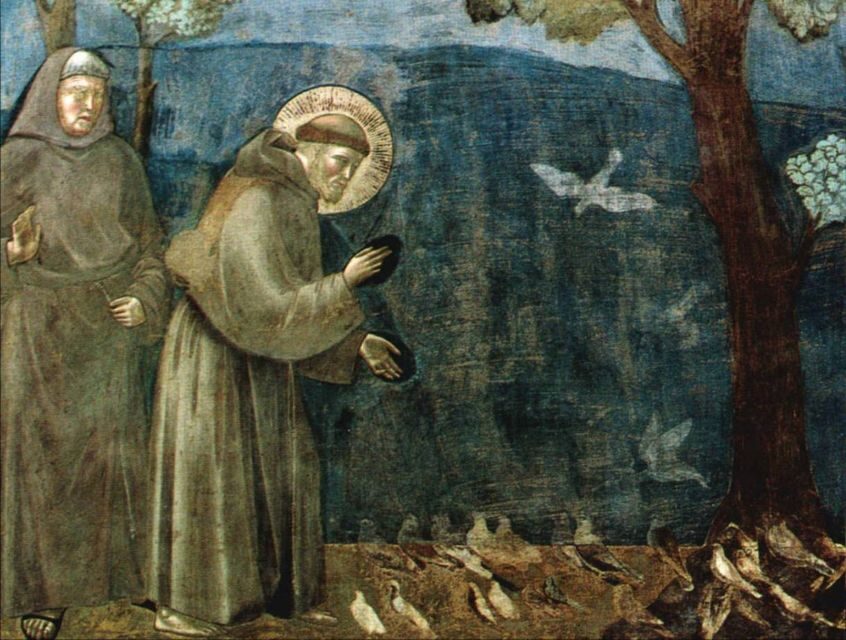
Then you climb (or shift) into the Upper Basilica, where the tour really starts to click for first-timers. This is where you experience the famous fresco cycle depicting the life of Saint Francis across the side walls.
Giotto’s work is often mentioned for a reason, and on a guided visit you’ll understand what people respond to. You’re not only looking at figures and colors—you’re following episodes, recognizing that the cycle is arranged to guide your attention as you walk.
The Upper Basilica is also the part where many people realize they were missing something on their own. An audio guide can help, but it can’t spot what your eyes are skipping. A good guide points out the most important scenes and explains what they mean, so the basilica starts to feel like one coherent story instead of disconnected masterpieces.


Crypt and tomb: the moment that makes everything feel different
Seeing the crypt area is a highlight for a reason. It’s not just another room; it’s where the basilica’s name and purpose become concrete. Once you’ve seen the tomb where Saint Francis is buried, the fresco cycles stop being abstract art and start functioning as devotion made visible.
This is also one reason I like that this tour is structured from lower to upper. It prevents the common mistake of jumping straight to the showpiece frescoes without emotional context. Here, you earn the story in order.
If you’re someone who needs a reason to care about churches, this is that reason: the basilica’s art is built to respond to a living tradition, not just to impress.
Fresco heavy hitters: Cimabue, Giotto, Simone Martini, and more
One of the best parts of this tour is that it doesn’t treat the artwork as anonymous medieval decoration. You’ll learn that the Basilica of Saint Francis preserves frescoes by Cimabue, Giotto, Simone Martini, Pietro Lorenzetti, and other major painters.
Here’s what that means for you on the ground: you can start placing each name into an actual visual world. Instead of hearing famous names as trivia, you connect them to what’s on the walls in front of you.
And because the tour is only 1 hour, the guide’s focus becomes important. You don’t want a guide who tries to teach everything. You want someone who chooses the right highlights so you leave knowing what matters most and why.
How the guide shapes the whole hour (Alissandra and Mary as examples)
The quality of this experience depends heavily on the guide—and the reviews give you a clear pattern. People consistently praise guides for being friendly, patient, and able to keep the pace engaging over the full hour.
Two names show up in standout feedback: Alissandra and Mary. One guest specifically mentioned Alissandra’s comfort speaking English and her deep grasp of the basilica. Another described Mary as welcoming and patient, even when a family situation disrupted the group briefly. There’s also a note that a guide reached out by phone to help someone find her, which is exactly the kind of human problem-solving you want in a busy church.
So when you book, think of it this way: you’re not only paying for access and a guide. You’re paying for someone to manage your attention so your hour is productive rather than scattered.
Price and value: is $65 worth it for a UNESCO basilica?
$65 per person is not a cheap impulse buy, so you want to judge it by what you actually get.
You’re paying for three things that are hard to replicate on your own in a place like this:
- Entrance fees are included, so the price doesn’t balloon when you reach the door.
- You get a local, live English guide for the full 1-hour window, and that time is where most first-timers waste effort without a plan.
- You get a targeted route through both Upper and Lower spaces, including the crypt and the key fresco cycles, rather than wandering until your brain turns to fog.
If you like churches but don’t want to spend hours hunting for meaning, this is strong value. If you’re an art historian type who wants slow close-reading, you may prefer a longer visit on your own later. For most people, though, the guidance turns a famous site into something you actually understand.
Who this tour is best for (and who might want something else)
I’d steer you toward this tour if you:
- Want the big fresco moments without spending your entire day lost in interpretation
- Prefer small-group or private experiences where questions are actually welcome
- Appreciate art and religious storytelling, and you want help connecting the two
I might not steer you toward this one if you:
- Need long quiet time in every chapel without a set route
- Have a strong preference for studying frescoes scene-by-scene at a slow pace
- Are determined to visit the basilica at your own rhythm first, then add meaning later
For a first visit to Assisi’s Saint Francis complex, this tour gives you a fast, high-impact orientation. Then you can return on your own if you want to linger.
Should you book this Assisi Basilica of Saint Francis tour?
Book it if you want a smart, guided hit at one of Italy’s most important church-art spaces. The Lower-to-Upper flow, the crypt included, and the focus on major fresco cycles like Giotto’s make this feel like more than a standard church walk.
Skip it only if you truly want unstructured time and plan to spend a long session reading details without a guide. Otherwise, this is a well-timed way to see the highlights, understand what you’re looking at, and leave with your bearings fast.
FAQ
FAQ
How long is the Basilica of Saint Francis tour?
It lasts 1 hour.
Where does the tour start?
The meeting point is at the lower entrance of the church.
Is the entrance fee included?
Yes, entrance fees are included in the ticket price.
Will I see both the Upper and Lower Basilica?
Yes. The tour includes both levels.
Does the tour include the crypt?
Yes, you visit the crypt where Saint Francis is buried.
Are the frescoes part of the visit?
Yes. You’ll learn about key fresco work, including Giotto’s famous cycle depicting the life of Saint Francis, and other preserved frescoes.
Is the tour available in English?
Yes, the live tour guide speaks English.
Is there a private group option?
Yes, a private group is available.
Can I cancel for a refund?
Yes. Free cancellation is available up to 24 hours in advance for a full refund.