REVIEW · ASSISI
Traditional Sauces Class in Assisi’s Home-Style Cooking School
Book on Viator →Operated by Cesarine: Cooking Class · Bookable on Viator
Want real sauce secrets? In Assisi, this Traditional Sauces class trades restaurant theory for real kitchen work. I love that you cook three local sauces with your host in her home, and I love the sit-down tasting where you eat what you made with wine and coffee. The only drawback to keep in mind is that this is mainly about cooking and eating, not sightseeing.
You’ll do it in English, with a small group (up to 18), and you’ll choose between a lunch or dinner session to fit your day. It starts at Via Borgo Aretino, 6 in Assisi and ends back there, so you’re not stuck figuring out how to get home after a long, happy meal.
In This Review
- Key points to know before you go
- Why Assisi’s Home-Style Sauce Class Feels Local
- Meeting at Via Borgo Aretino and Starting With an Aperitivo
- Ragù, Amatriciana, and the Cherry-Tomato Walnut-Olive Sauce
- The Small Details That Make the Sauce Work
- From Chopping Board to Dinner Table: Pasta, Wine, and Conversation
- Price and Value: What $162 Buys You in Assisi
- Lunch vs Dinner: Choosing the Right Time Slot
- Who This Class Suits Best (and Who Might Skip It)
- Should You Book This Traditional Sauces Class in Assisi?
- FAQ
- How long is the Traditional Sauces class in Assisi?
- Where does the class start?
- Will the class be in English?
- What sauces will I learn to cook?
- Is lunch or dinner included?
- Is wine included?
- How big is the group?
- What ticket format will I receive?
- What is the cancellation policy?
Key points to know before you go
- Three sauces, hands-on: ragù, amatriciana, and a cherry tomato, walnut, olive, and breadcrumb sauce
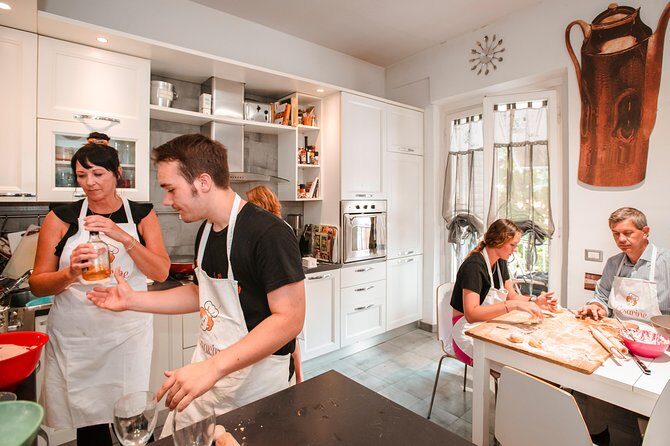
- A real home-kitchen setup: you cook with your host, not in a big school lab
- Food-first flow: you start with sampling and then move straight into chopping and simmering
- Technique explained in plain steps: hosts talk through why timing and order matter
- Small group energy: a maximum of 18 keeps it social and personal
- You may leave with leftovers: at least one class runs so well that extra food ends up packed up
Why Assisi’s Home-Style Sauce Class Feels Local
Assisi has its share of famous views, but your best memories here might come from a table full of food you helped build. This class is designed for “hands and conversation” more than “watch and take notes.” You’re not just tasting. You’re actively making sauces that actually get used by local families.
There’s also a warm, human side to it. In classes like this, hosts often encourage you to talk while you cook and then keep that same rhythm at the dinner table. That matters because good cooking isn’t only about ingredients. It’s about timing, texture, and knowing when something is ready without guesswork.
You’ll also get a small-group vibe. With a cap of 18, it tends to feel like a group meal day rather than a crowd event. If you enjoy learning by doing (and don’t mind getting flour on your hands), this is a great fit.
You can also read our reviews of more cooking classes in Assisi
Meeting at Via Borgo Aretino and Starting With an Aperitivo
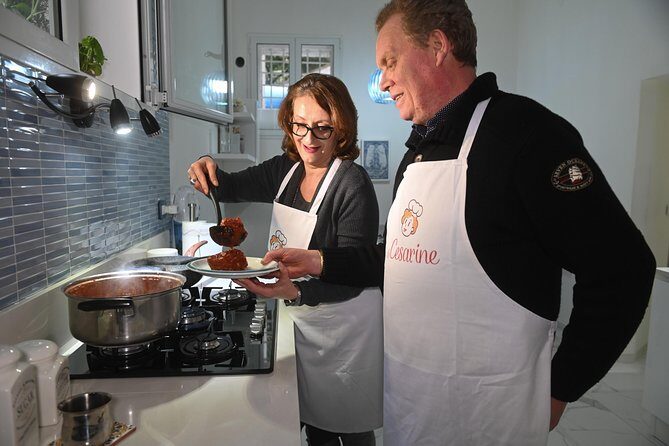
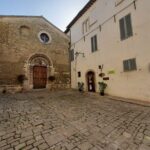
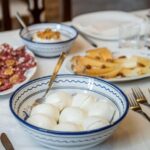
The experience begins at Via Borgo Aretino, 6, Assisi, and you’re guided from there into the home-style portion of the class. The start has a casual rhythm: you arrive, settle in, and you’ll likely begin with an aperitivo-style moment and local bites. In some sessions, that can mean sampling meat and cheese with flavorful sauces before you head into the kitchen work.
This matters more than it sounds. You get a chance to understand what you’re making. You taste the “destination” first, so when someone explains what you’re doing—browning, simmering, combining—you can immediately connect the steps to the flavor goal.
Also, this location is described as near public transportation, which is a practical win in a town like Assisi where parking can be annoying. And since it ends back at the meeting point, you can plan your evening without complicated logistics.
Ragù, Amatriciana, and the Cherry-Tomato Walnut-Olive Sauce
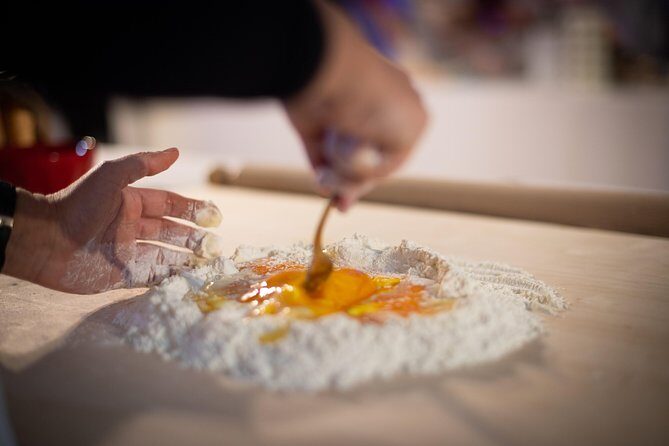
The heart of the class is learning three sauces that represent different Italian moods.
First up is ragù, the slow, comforting sauce that can turn a simple pasta meal into a feast. One of the most useful things you’ll hear here is the logic behind the prep. For example, you might learn why a component like sausage is cooked separately from mushrooms before everything comes together. That kind of ordering is exactly what changes sauce depth and texture.
Second is amatriciana. Even if you’ve heard of it, you’ll likely appreciate it more after you’ve made it. You’ll work through the steps that give it that classic balance—tomato-forward flavor with savory depth—then taste along the way so you can learn what “right” tastes like.
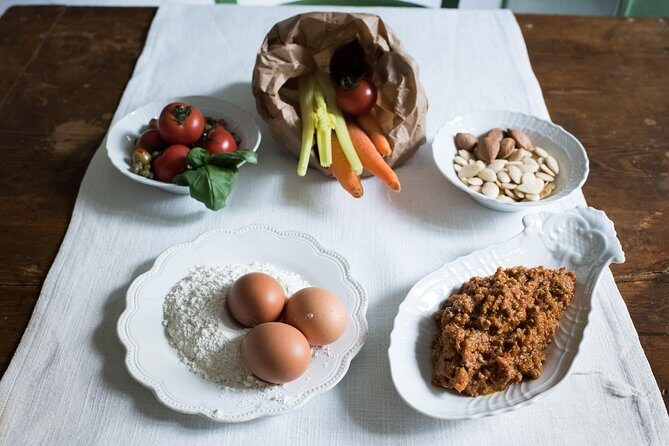
Third is the cherry tomato, walnut, olive, and breadcrumb sauce. This one is the curveball that keeps the class interesting. You’re dealing with a mix of juicy tomatoes, crunchy or creamy nut character (depending on how it’s handled), salty olives, and a breadcrumb element that helps with body and texture. It’s a sauce that shows you how Italian cooking can be both simple and clever.
In some sessions, the meal around the sauces can include extra components like pasta to eat with your creations, and you may also see dessert or bread added to the overall menu depending on the day and the host’s plan. The core guarantee is the three sauces listed above.
The Small Details That Make the Sauce Work
Here’s what I think makes this class worth your time: people explain the “why,” not just the “do this next.”
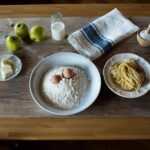
Good hosts tend to break down small technical decisions, like choosing flour and how that affects dough or thickening in related steps, or how to handle ingredients so moisture doesn’t muddy flavor. The key idea is that Italian sauces aren’t random. They’re built through controlled steps.
And you don’t just get told. You practice. You’ll chop, sauté, stir, taste, and adjust within the session. That kind of active learning makes the lesson stick. Next time you try a sauce at home, you’ll remember what to do when the pan is too hot, when simmering needs patience, or when it’s time to combine parts.
One more detail I really like: you get to see how the host thinks. Hosts like Eleanora, Laura, and Arlesiana have been described as warm and communicative, and that shows up in how they answer questions while you cook. If you enjoy learning from a real person instead of a printed recipe, you’ll probably feel right at ease here.
From Chopping Board to Dinner Table: Pasta, Wine, and Conversation
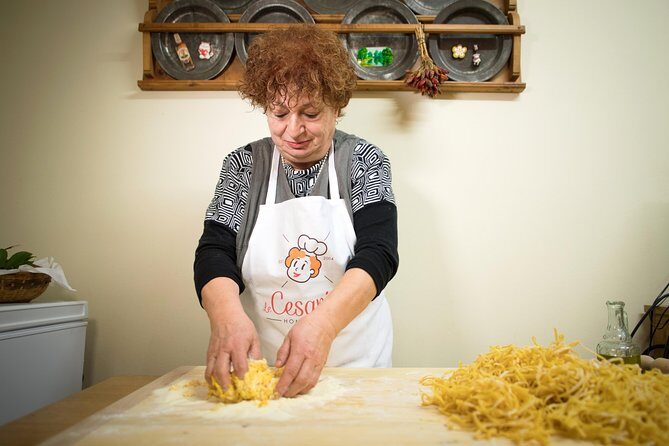
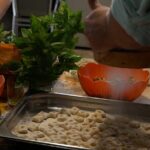
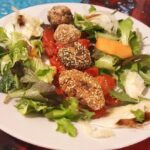
Once the cooking work is done, the experience turns into the best part: eating together. Your sauces don’t just get plated for show. You taste them as a meal, often with pasta that you’ve cooked alongside the class. That helps you understand how each sauce behaves when it meets starch.
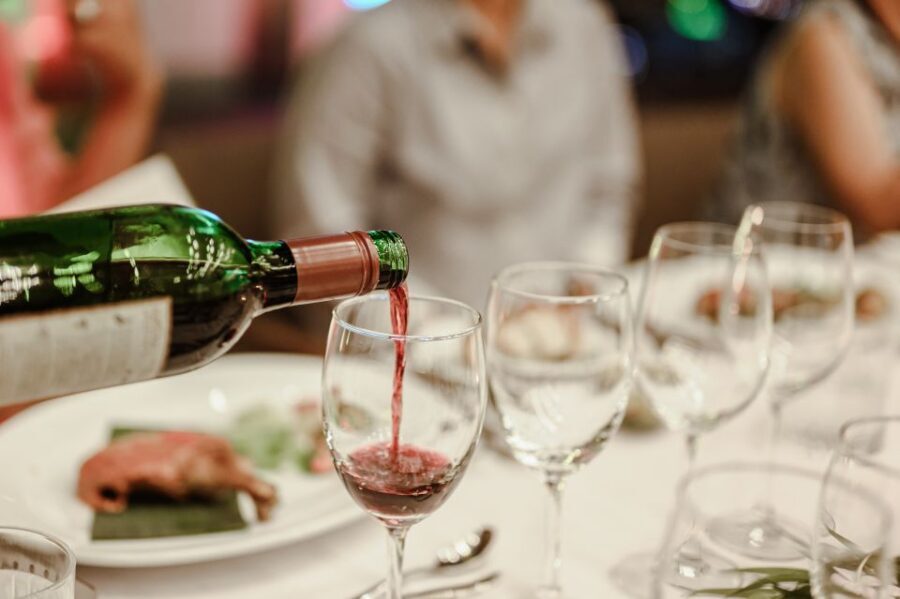
Then there’s the wine. The class includes local wine and other drinks like coffee. This isn’t just a background perk. It’s part of how you experience the meal in a local rhythm: cook, taste, sit down, and let the conversation happen.
One pleasant surprise in home-style classes is how social they can become. Hosts often encourage conversation around the dinner table once everything is ready. It’s not forced. It just happens because you’re all working toward the same food outcome.
And yes, it can run longer than you expect in a good way. When the group clicks and the meal keeps drawing people in, it’s easy to lose track of time. Just plan your night with a little slack if you’re trying to catch an evening reservation somewhere else.
You can also read our reviews of more tours and experiences in Assisi
Price and Value: What $162 Buys You in Assisi
At about $162.21 per person for roughly 2 hours and 15 minutes, this isn’t a “grab and go” activity. It’s priced like a personal meal experience because that’s what it is.
Here’s what you’re really paying for:
- Instruction from your host in a private home setting
- Hands-on cooking for three sauces
- A sit-down tasting with wine and coffee
- A small group format (maximum 18)
If you’ve ever taken a cooking class that feels like you’re watching someone else cook, you’ll appreciate the value here more. You’re doing the work. And the food isn’t theoretical; you eat it right after you make it.
One more value note: the class can lead to leftovers. In at least one reported case, extra food made it back to the hotel and got shared, so you don’t always have to stop at one meal day. Since that isn’t guaranteed for every session, just think of it as a nice possibility.
Also, it’s common to book in advance here—on average about 56 days ahead. If Assisi is part of a fixed itinerary for you, don’t wait until the last minute.
Lunch vs Dinner: Choosing the Right Time Slot
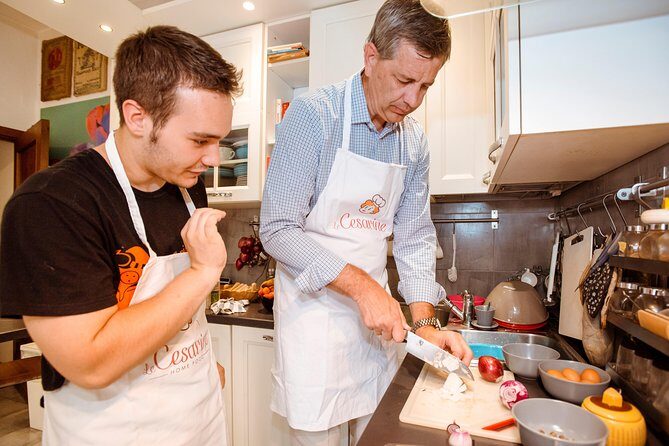
You can choose between a lunch or dinner option, which is more useful than it sounds. Lunch sessions can feel like a great reset day: you get hands-on food learning early, then you still have plenty of evening time for walking around Assisi. Dinner sessions often pair better with the full wine-and-coffee rhythm.
Since the class includes wine and drinks, your best choice depends on how you want the rest of your day to go. If you plan to do a lot of walking afterward, pick the session that won’t leave you too full or too sleepy. If you want your meal to be the main event, dinner is usually the better match.
Either way, remember the class is centered on cooking and eating. If your schedule is packed with museums and viewpoints, consider whether you want your “Assisi wow moment” to be on the stove—or on a hillside. You can do both, but choose deliberately.
Who This Class Suits Best (and Who Might Skip It)
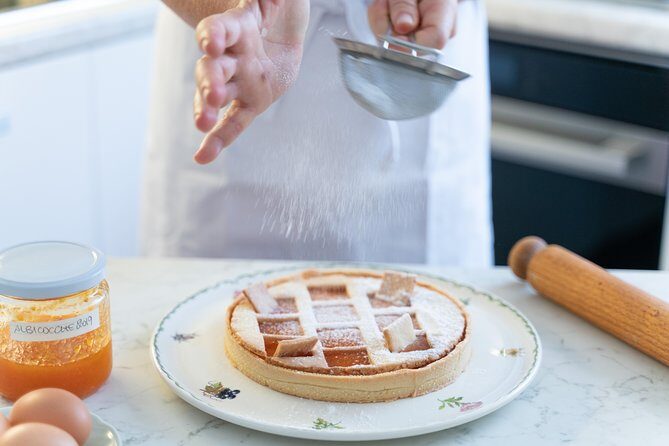
This is an excellent match if you:
- want to learn ragù and amatraciana style sauces in a practical way
- enjoy cooking with real steps and feedback
- like small, personal group experiences rather than big crowds
- want a meal with local wine and coffee that feels like an actual Italian home dinner
It might be less ideal if you’re only looking for quick recipe information. This class rewards participation. If you’d rather watch from the sidelines, you may feel it’s more hands-on than you want.
Dietary needs are also something to think about. The sauces listed include meat-based classics (especially ragù and amatriciana in most Italian traditions), so if you have restrictions, it’s smart to ask questions before you book. The good news is that the host-led format makes it easier to communicate than in a factory-style cooking workshop.
Should You Book This Traditional Sauces Class in Assisi?
My decision checklist is simple.
Book it if you want a small-group, host-led cooking experience where you learn three classic sauces and then eat them with local wine and coffee. The home-style setting, the technique talk (like why ingredients get cooked separately before combining), and the chance to taste what you make immediately are the big reasons this works.
Skip it if you’re mainly chasing sightseeing time or you only want a light snack lesson. This is a real meal experience, with real kitchen work. If that sounds like your kind of trip, you’re going to have a very satisfying day in Assisi.
FAQ
How long is the Traditional Sauces class in Assisi?
It runs for about 2 hours and 15 minutes.
Where does the class start?
The meeting point is Via Borgo Aretino, 6, 06081 Assisi PG, Italy.
Will the class be in English?
Yes, it is offered in English.
What sauces will I learn to cook?
You’ll learn to make three sauces: ragù, amatriciana, and a cherry tomato, walnut, olive, and breadcrumb sauce.
Is lunch or dinner included?
You can choose between a lunch or dinner option, and the class includes a tasting meal.
Is wine included?
Yes. Your meal is paired with local wine, along with coffee and other drinks.
How big is the group?
The maximum group size is 18 travelers.
What ticket format will I receive?
You’ll receive a mobile ticket.
What is the cancellation policy?
Cancellation is free up to 24 hours in advance for a full refund.